Top 6 Gorges around Piana
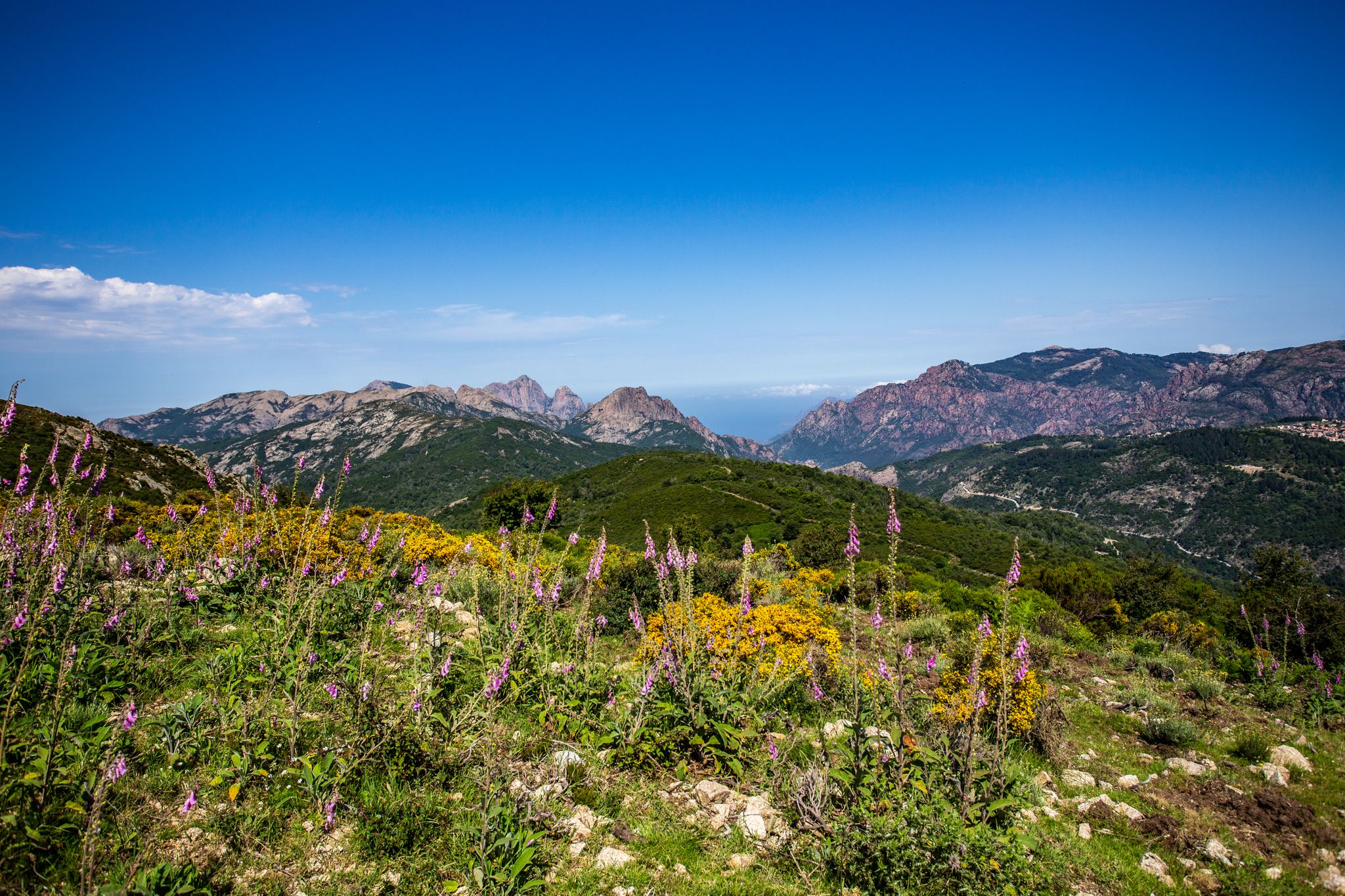
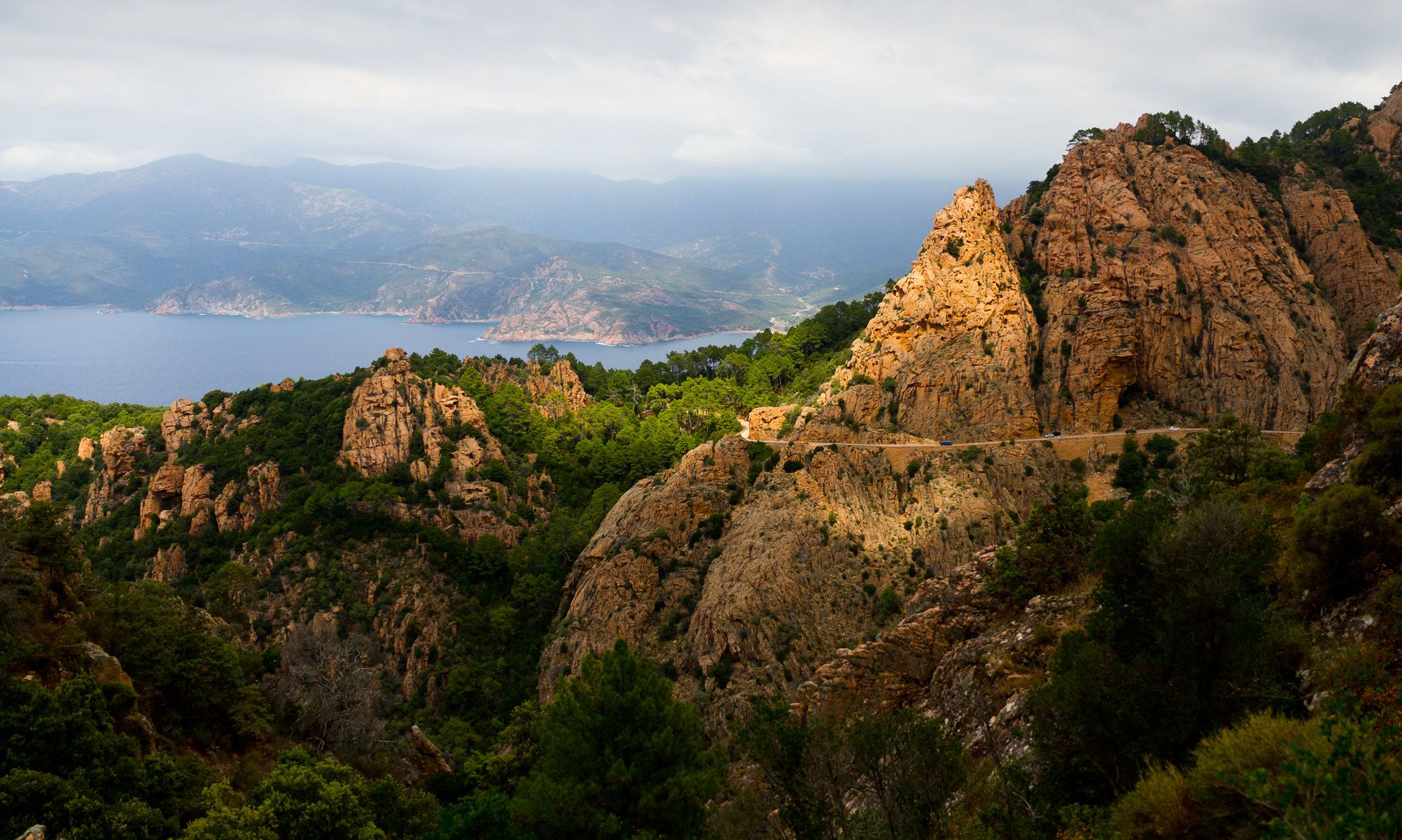
Best canyons around Piana are located in Corsica, France, a region known for its dramatic natural landscapes and rock formations. The area features red-orange granite cliffs and deep gorges, shaped by millennia of erosion. These geological features are recognized for their outstanding universal value. Visitors can explore these canyons through various routes and viewpoints.
Best canyons around Piana
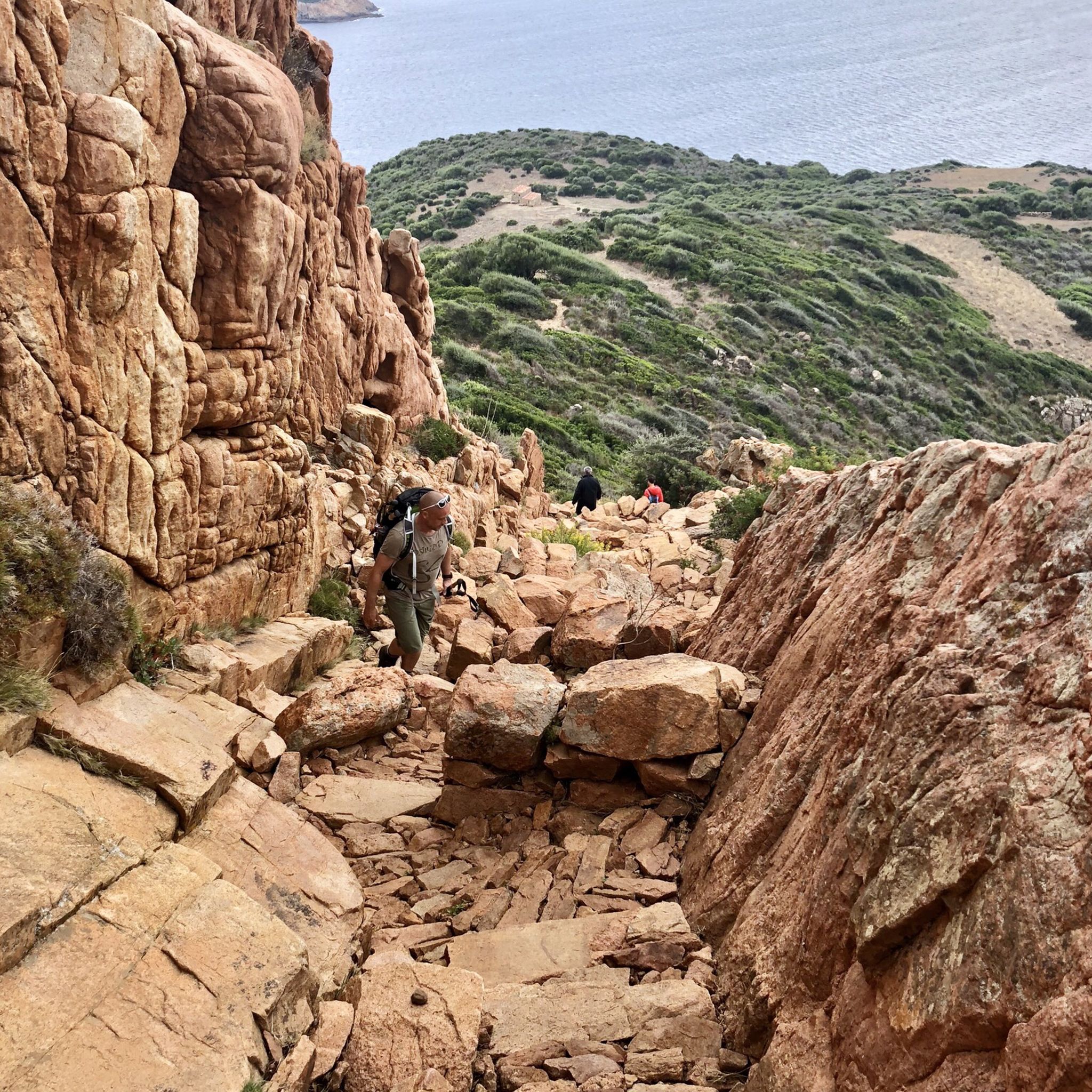
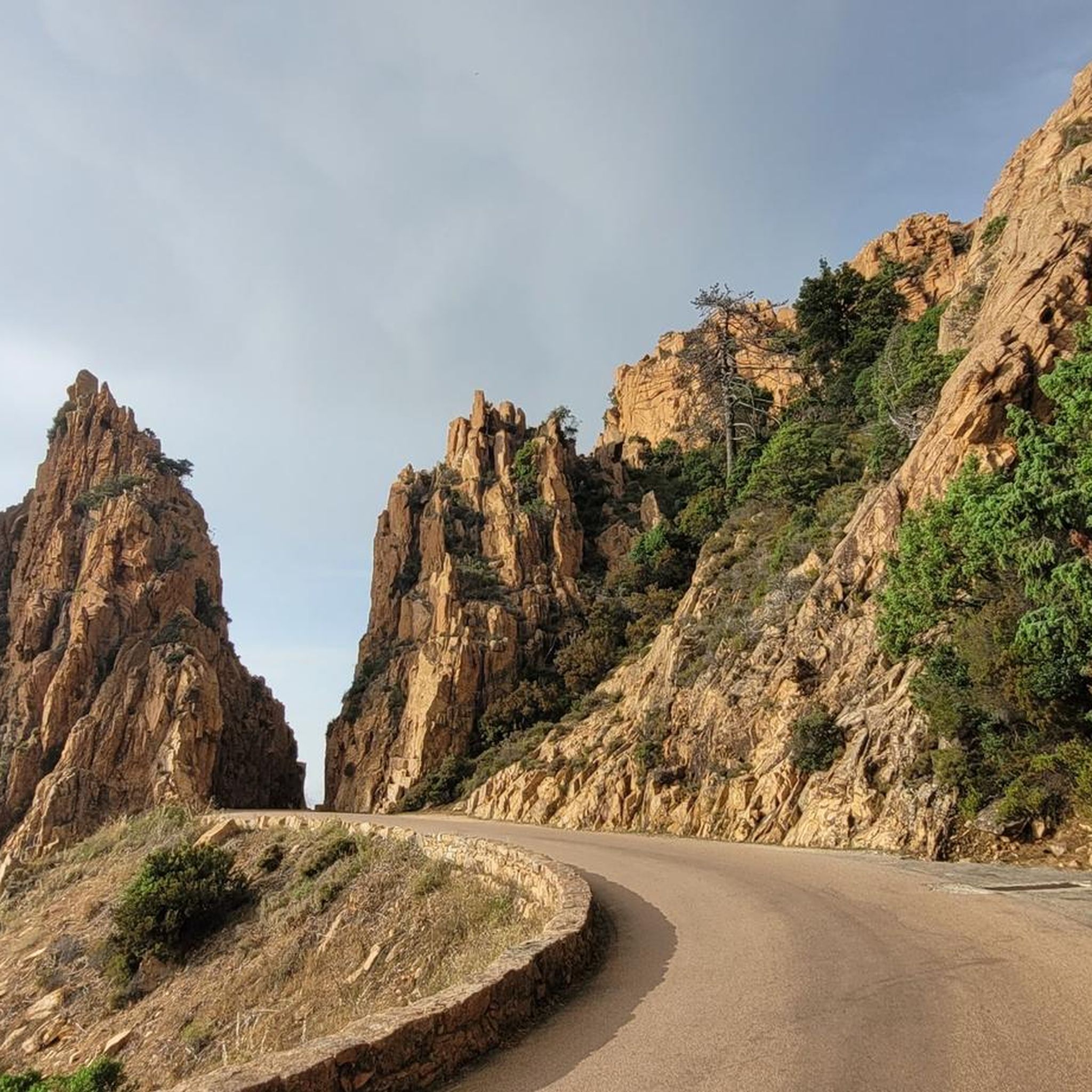
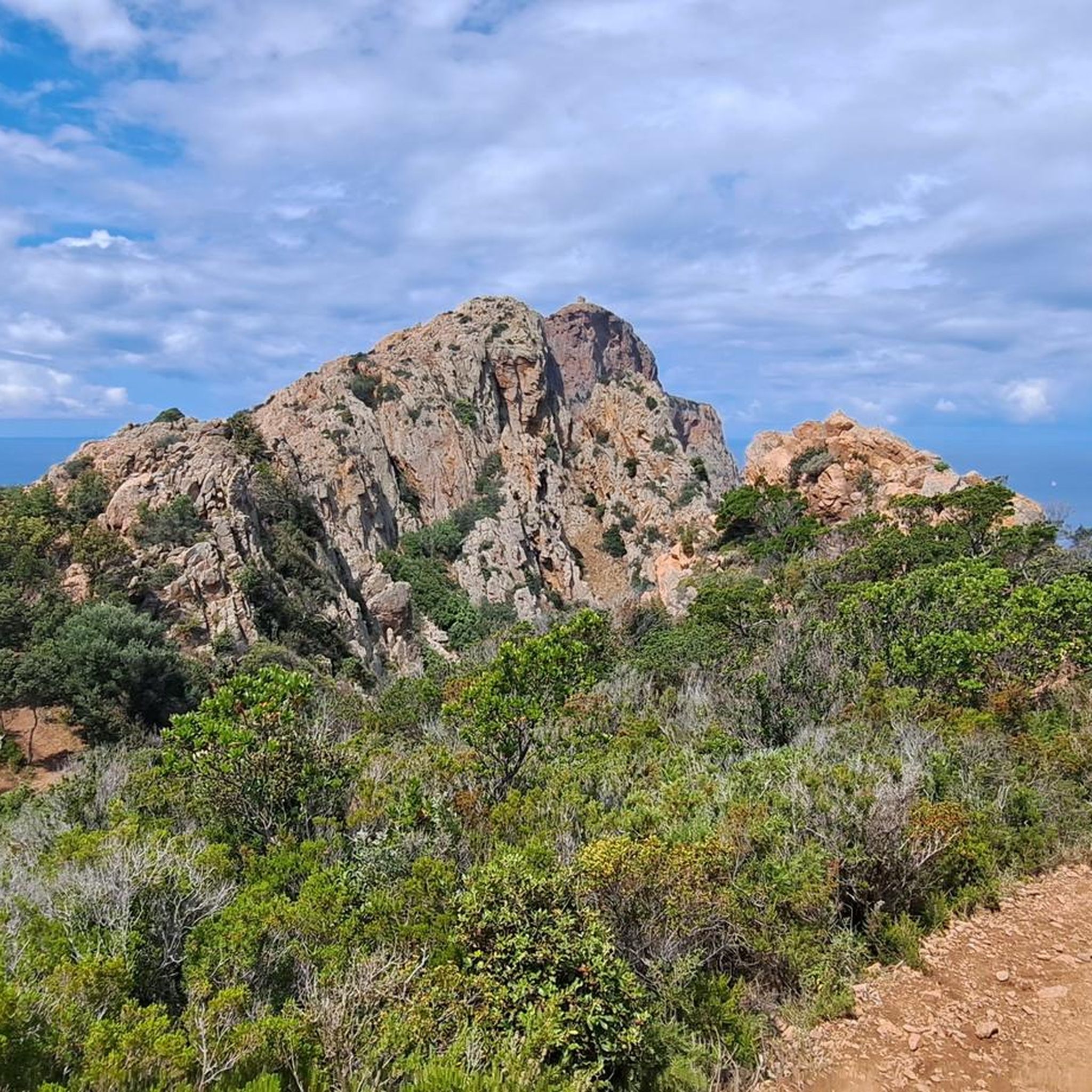
- The most popular canyons is Piana Calanques via the Old Mule Track, a gorge that offers views of bizarre rocky landscapes.…
Last updated: August 31, 2026
Piana Calanques via the Old Mule Track
Highlight (Segment) • Gorge
Translated by Google •
Tip by

Spelunca gorges
Highlight • Gorge
Translated by Google •
Tip by

Sign up now to discover places like this
Get recommendations on the best single tracks, peaks, & plenty of other exciting outdoor places.
Sign up for free
Calanques of Piana
Highlight • Gorge
Translated by Google •
Tip by

View of the Calanques de Piana
Highlight • Viewpoint
Translated by Google •
Tip by

Tavulella stream
Highlight • River
Translated by Google •
Tip by

Sign up for free to discover even more gorges around Piana.
Sign up for free
Already have an account?
Start today with a free account
Your next adventure awaits.
Login or Signup
Popular around Piana



Tips from the Community


Great and much visited rock formations that appear very reddish in the sun
0
0

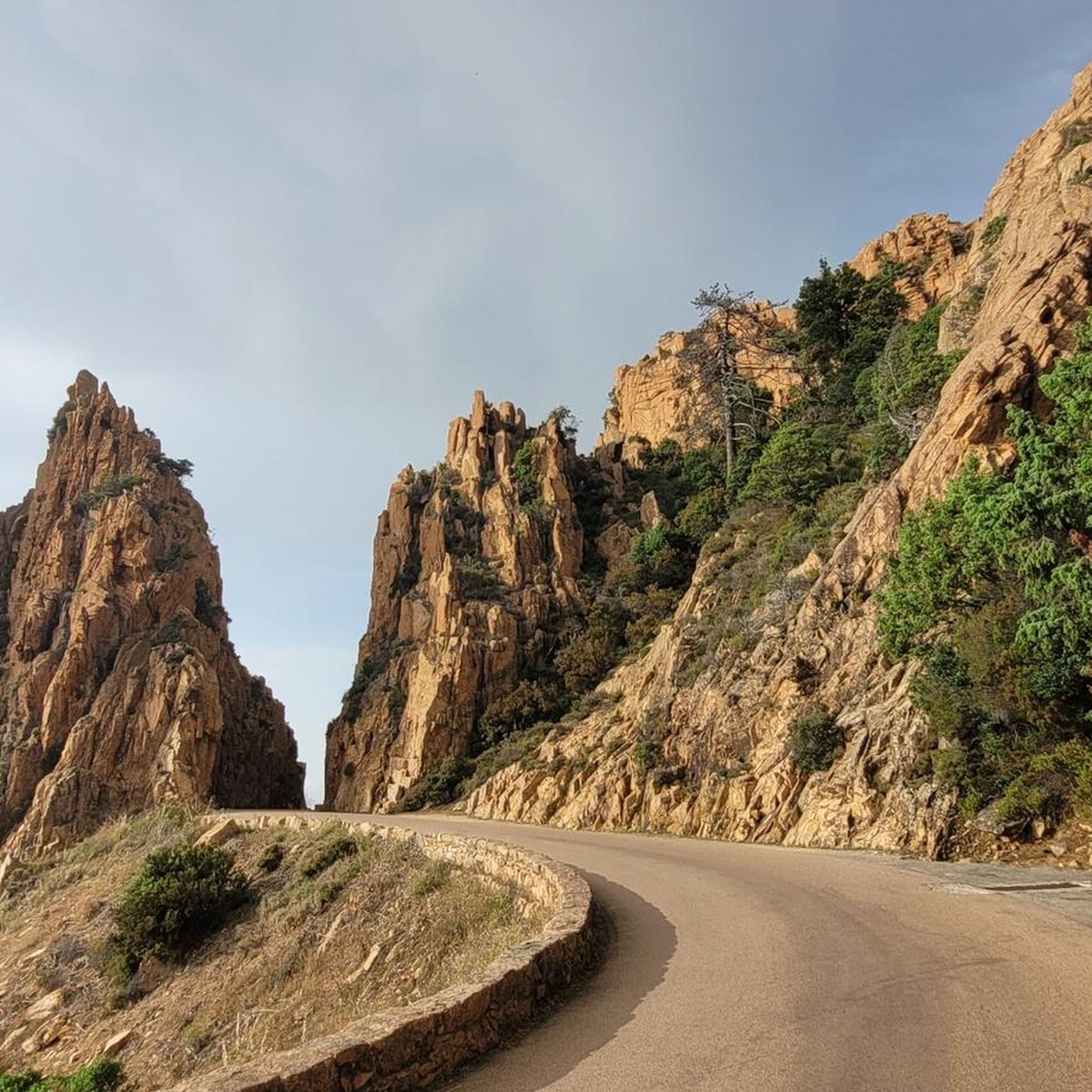
The Calanche de Piana with its rugged, surreal mountain landscape made of red rock is one of the most beautiful roads in Corsica and a UNESCO World Heritage Site. Accordingly, it is very busy. It is best to come here in the early morning or in the evening, when it is not so busy and the light is beautiful on the red rock.
1
0

A must-see place, one of the most beautiful places in Corsica. The road is often busy with tourists, but no problem for cyclists.
0
0

One of the most beautiful corners of Corsica, cycled kilometers without seeing a car
1
0

The absolute highlight is the heart.
3
1
Thank you for the tip, it saves us some pain.
1
0

The gorges of the Spelunca are crossed by the stream of Tavulella which takes the name of Porto port in the Corsican language at the exit of the gorges. In its crossing, the Tavulella is fed by the waters of the Aïtone stream, the point of confluence being located downstream of the Genoese bridge of Zaglia. The gorges offer vertiginous landscapes, dominated by a huge rock at the top of which is said to have existed in the place called U Castellu, the Leca castle destroyed in the 17th century according to local legend.
9
1
Frequently Asked Questions
What are the best ways to explore the canyons around Piana?
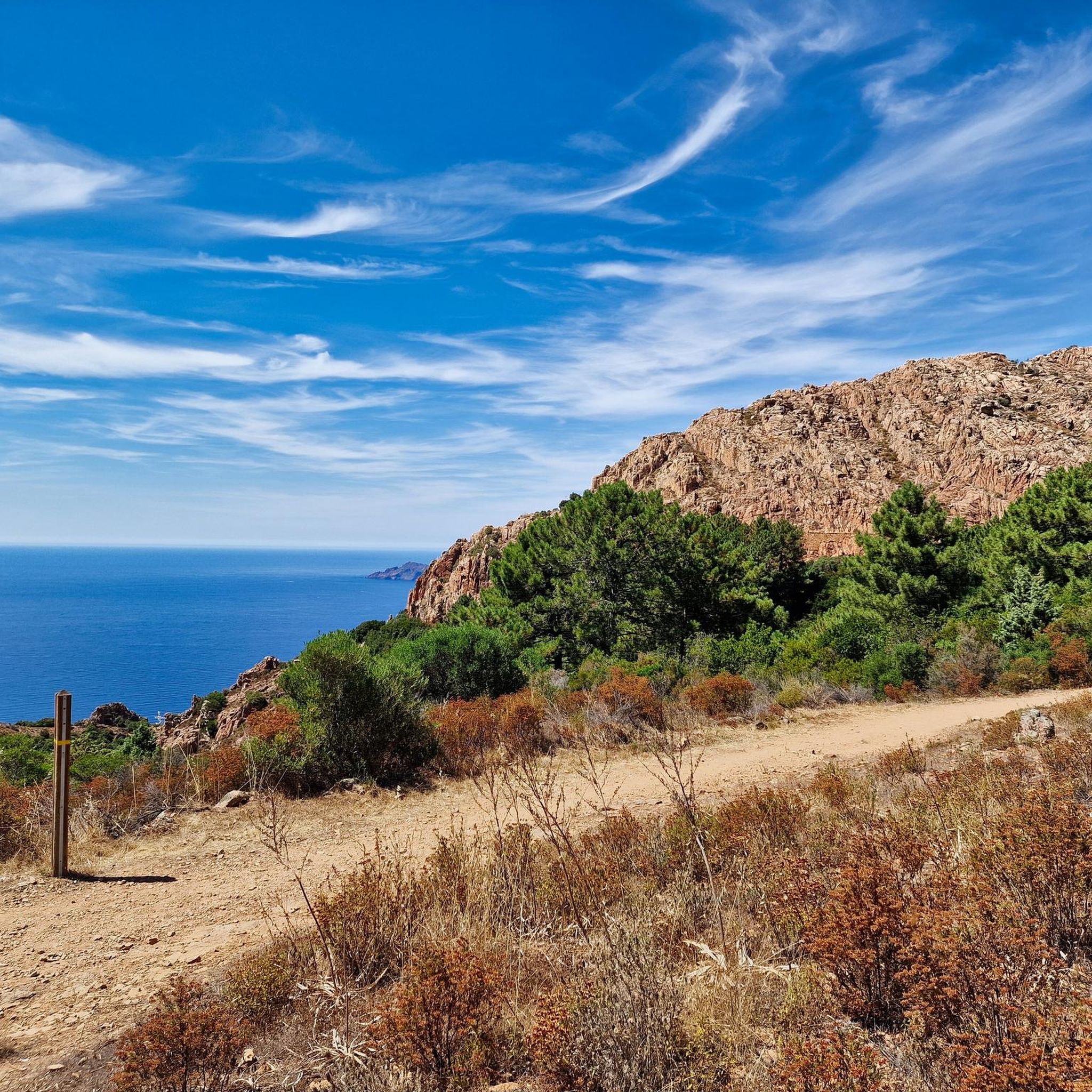
The canyons around Piana offer diverse exploration options. You can hike through areas like the Piana Calanques via the Old Mule Track, which provides views of bizarre rocky landscapes and the deep blue sea. For a different perspective, boat tours are popular for viewing the Calanques de Piana from the sea, allowing access to hidden caves and coves. Driving along the D81 road also offers stunning views of the red-orange granite cliffs.
Are there family-friendly canyon experiences in Piana?
While some canyoning activities like Dardu Canyon are more suited for experienced adventurers, many areas of the Calanques de Piana and Gorges de Spelunca can be enjoyed by families. Scenic drives and boat tours offer accessible ways to view the stunning rock formations. For hiking, paths like the old mule track in the Spelunca gorges are generally manageable, though some sections may require attention due to uneven terrain.
What kind of natural features can I expect to see in the Piana canyons?
The canyons around Piana are renowned for their dramatic natural beauty. You will encounter striking red-orange granite cliffs, such as those in the Calanques de Piana, sculpted into unique shapes by wind and sea erosion. The Gorges de Spelunca feature towering granite cliffs with varying hues, carved by the Spelunca River, which also creates clear rock pools. The contrast between the vibrant red rocks and the turquoise Mediterranean sea is particularly picturesque.
What is the best time to visit the canyons of Piana?
The Calanques de Piana are particularly vibrant at sunset, when the red hues of the rocks become mesmerizing. Generally, the spring and autumn months offer pleasant weather for hiking and exploring, avoiding the peak summer heat and crowds. If visiting in summer, be prepared for warm temperatures and ensure you carry enough water, especially on hiking trails with little shade.
Are there any historical or cultural sites near the canyons?
Yes, the Spelunca gorges offer a glimpse into the region's history. Hiking paths along the bottom of the gorge feature medieval Genoese arched bridges, such as the Pont du Zaglia and the Pont de Pianella, adding a cultural dimension to the natural beauty. These bridges are remnants of old mule tracks that once connected villages.
What hiking trails are available in the Piana canyons?
Several hiking trails allow you to explore the canyons. The Piana Calanques via the Old Mule Track is a popular option offering views of the bizarre rocky landscapes. In the Spelunca gorges, an old mule track connects the villages of Ota and Evisa, passing by historic Genoese bridges. For more hiking options, you can explore routes like the 'View of the Calanques de Piana – Mule Trails loop from Piana' found in the Hiking around Piana guide.
What are the options for advanced canyoning in the region?
For experienced athletes and canyoning enthusiasts, the Dardu Canyon, located within the Calanques de Piana, is a highly recommended and challenging experience. It features many rappels, some up to 25 meters high, jumps, and slides. Its unique characteristic is that it empties directly into the sea of the Gulf of Porto, offering a spectacular finish. A first canyoning experience is recommended before attempting Dardu Canyon.
What other outdoor activities can I do near the Piana canyons?
Beyond hiking and canyoning, the region around Piana offers various outdoor activities. You can find numerous cycling routes, including challenging road cycling tours that traverse the dramatic landscapes. For example, the Cycling around Piana guide features routes like the 'Calanques of Piana – Calanques of Piana loop from Piana'. The coastal areas also provide opportunities for swimming and boat excursions.
Where can I find the best viewpoints of the Calanques de Piana?
The View of the Calanques de Piana is a highly-rated viewpoint offering stunning vistas of the pink rock massif and the dark blue water, providing excellent high-contrast photo opportunities. The D81 road itself, which winds through the Calanques, also offers numerous spots to pull over and admire the scenery. Boat tours provide unique sea-level perspectives of the formations.
What should I wear or bring for a visit to the canyons?
For hiking, sturdy shoes are essential due to the many stones and rocks on trails like the Old Mule Track. Given the potential for warm weather, especially in summer, always bring plenty of water. If you plan on canyoning, appropriate technical gear, including wetsuits, helmets, and harnesses, will be provided by guided tours, but comfortable swimwear and sturdy water shoes are advisable.
Is parking available near the canyon trailheads?
While specific parking details for every trailhead are not provided, the starting point for the Dardu Canyon, for instance, is easily accessible with only a 10-minute approach walk from the football field at the entrance to the Calanques de Piana. For other popular areas like the Spelunca gorges, parking is typically available near the villages of Ota or Evisa, from where hiking paths begin.
What do visitors enjoy most about the Piana canyons?
Visitors are consistently impressed by the spectacular scenery, particularly the contrast between the red rocks and the clear blue Mediterranean sea. The unique rock formations, often described as bizarre and extravagant shapes, are a major draw. Many appreciate the diverse ways to experience the area, from scenic drives and boat tours to challenging hikes and canyoning adventures, all set within a UNESCO World Heritage site.
Most popular attractions around Piana

Get inspired with the komoot mobile app


Explore more
Already discovered everything in this region? See additional gorges around Piana for your next adventure:
