Top 3 Castles around Jullié
Best castles around Jullié are found in a region bordering the Rhône and Saône-et-Loire departments, characterized by historical landscapes and vineyards. The area features notable historical sites, including the 17th-century Château de la Roche and the ancient Château de Pierreclos. These castles offer insights into centuries of regional history and architectural development. Visitors can explore a mix of preserved edifices and working wineries.
Best castles around Jullié
- The most popular castles is Tramayes, a settlement that features a pretty…
Last updated: July 8, 2026
Tramayes
Highlight • Settlement
The village has a pretty castle
Translated by Google •
Tip by

Pierreclos Castle
Highlight • Other
Tip by

Sign up now to discover places like this
Get recommendations on the best single tracks, peaks, & plenty of other exciting outdoor places.
Sign up for free
Corcelles-en-Beaujolais Castle
Highlight • Castle
Translated by Google •
Tip by

Château de Chasselas
Highlight • Castle
Translated by Google •
Tip by

Château Avenue
Highlight • Castle
Its origins date back to the 9th to 11th centuries, beginning with a Romanesque chapel. In the …
Showing Translation
Tip by

Start today with a free account
Your next adventure awaits.
Login or Signup

Tips from the Community

The historic Château de Corcelles (Castle in the French department of Rhône in Corcelles-en-Beaujolais) in the famous Beaujolais wine region was originally built in the 13th century on the foundations of an old Carolingian fortress as a defensive castle to protect against the Burgundians. After severe destruction, Jean de Laye rebuilt the castle around 1470 in its present basic form with a square keep and round towers. In the 16th century, a distinctive half-timbered gallery in the courtyard and a Gothic chapel were added. The estate has been a listed monument since 1927.
1
0
The Château de Pierreclos is a historic Romanesque castle and a renowned winery. Its origins date back to the 9th to 11th centuries, beginning with a Romanesque chapel. In the 13th century, the complex was expanded into a medieval fortress. Today, it is protected as a private historical monument. The castle is situated on a rocky outcrop that has been used for viticulture since the 6th century. The Pidault family's winery produces organically certified white and red wines (including Pouilly-Fuissé and Mâcon-Pierreclos).
1
0
The Pierreclos Castle (Château de Pierreclos) is a historic, Romanesque castle complex and a renowned winery. The origins date back to the 9th to 11th centuries, starting with a Romanesque chapel. In the 13th century, the complex was expanded into a medieval fortress. It is now protected as a private historical monument. The castle is located on a rocky outcrop that has been used for viticulture since the 6th century. The Pidault family's winery produces organically certified white and red wines (including Pouilly-Fuissé and Mâcon-Pierreclos).
2
0

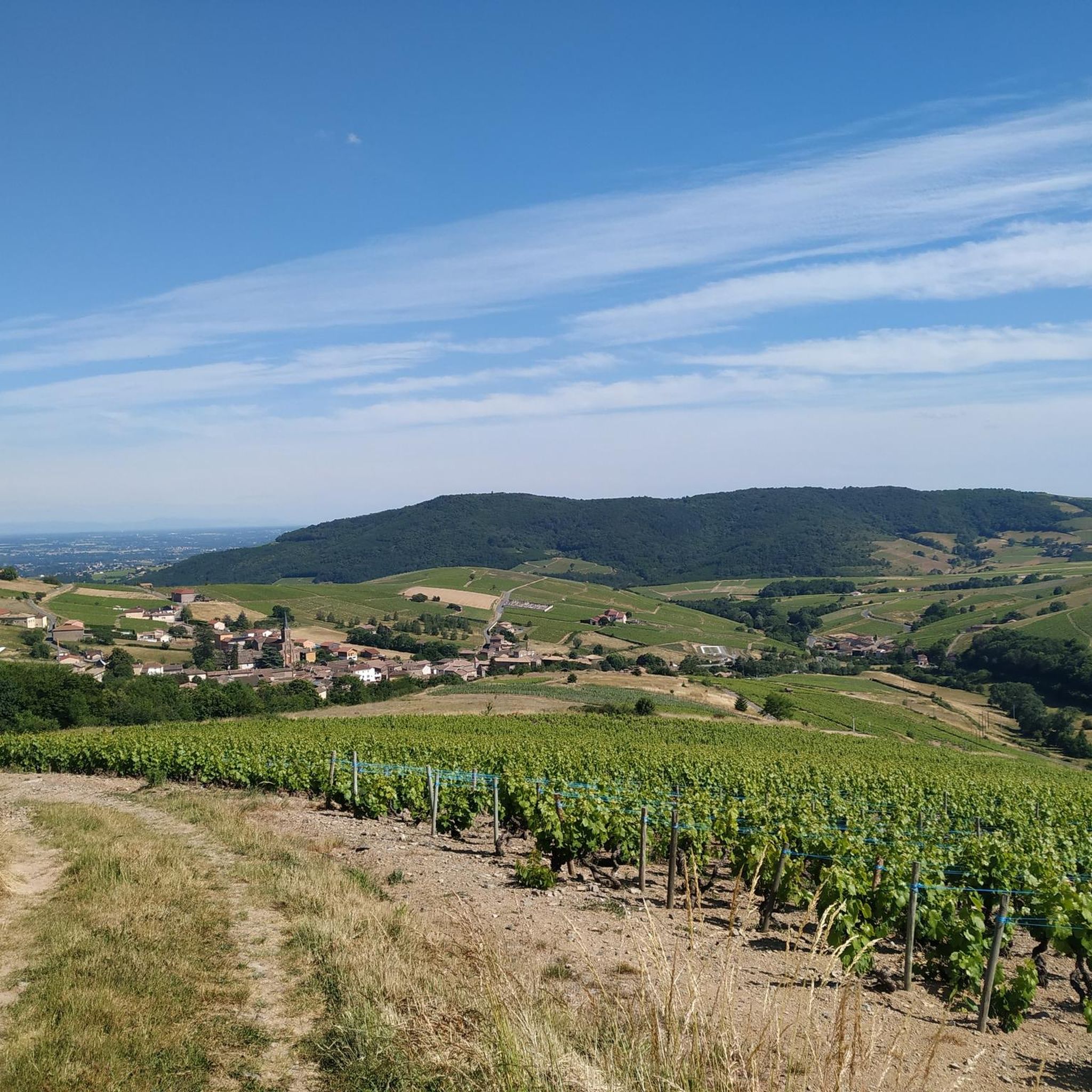
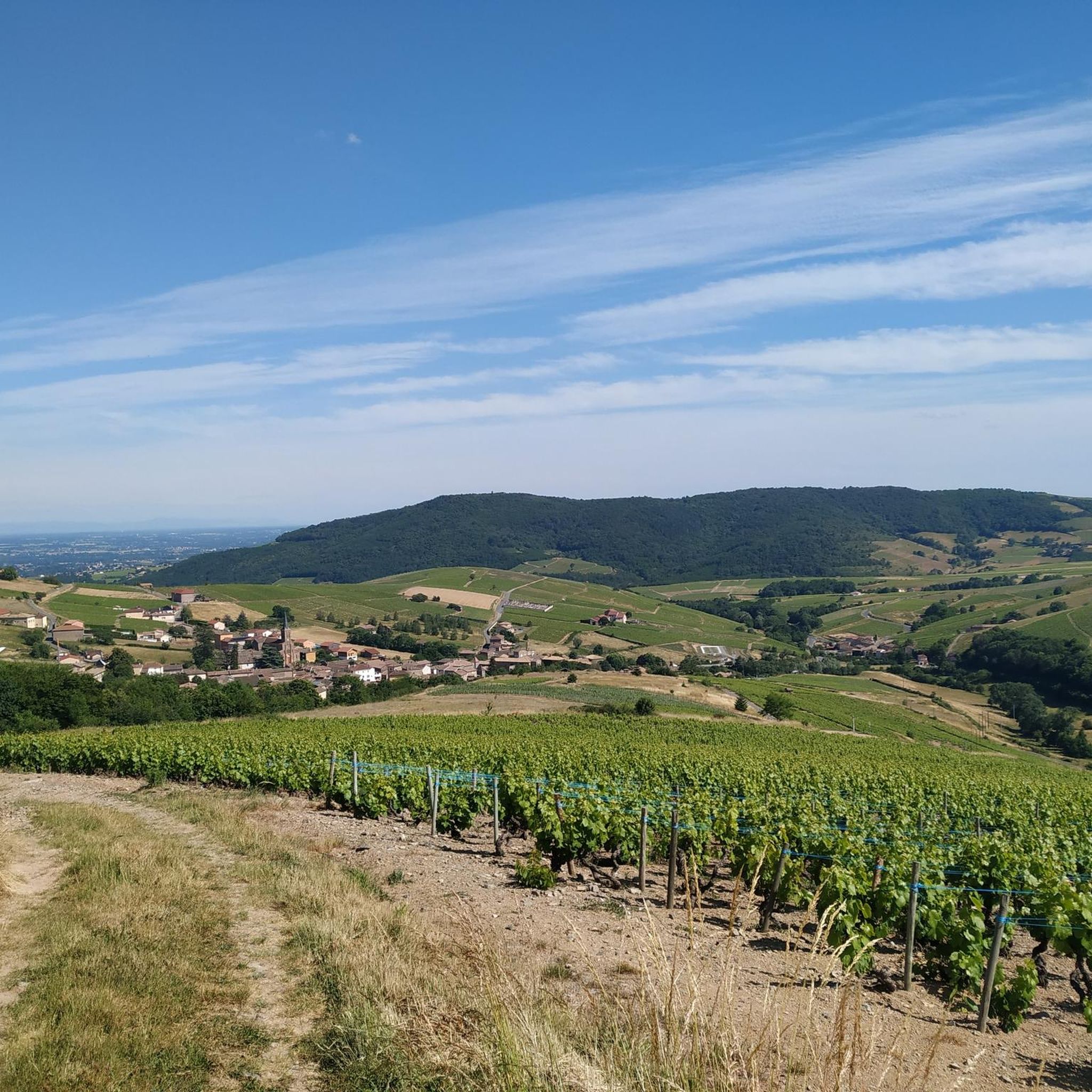
In the middle of the vineyards, on a rocky outcrop, stands this impressive Burgundy castle with a 1000-year history. The castle's property is made up of small vineyard plots that are cultivated organically. You can taste our wines: Pouilly-Fuissé, Saint-Véran, Mâcon-Pierreclos and Bourgogne rouge Pinot noir, as well as Burgundy specialties (ratafia, creme de pêche de vigne and creme de cassis) in the shop or in our wine cellars.
1
0


Wonderful stage stop on my Camino https://huettemann.eu/de/2023/10/von-cluny-an-die-loire-berndscamino/
1
1

Frequently Asked Questions
What are the most notable castles to visit around Jullié?
The region around Jullié offers several historically rich castles. The Pierreclos Castle is a significant Romanesque complex and renowned winery, while the Château de la Roche in Jullié itself is a prominent 17th-century edifice with preserved original decoration and gardens. Additionally, Château de Chasselas and Corcelles-en-Beaujolais Castle also offer unique historical and viticultural experiences.
Are there castles around Jullié that offer wine tasting?
Yes, several castles in the area combine historical exploration with viticulture. Pierreclos Castle is a working winery managed by the Pidault family, producing organically certified white and red wines. Similarly, Château de Chasselas is a wine estate where you can purchase and taste their red, white, and rosé wines, including the famous Pouilly Fuissé.
What kind of historical insights do these castles offer?
The castles around Jullié provide a deep dive into centuries of history. Pierreclos Castle dates back to the 9th-11th centuries with Romanesque origins and was expanded into a medieval fortress in the 13th century. Château de la Roche is a 17th-century structure that succeeded a 14th-century manor, preserving its original decoration and an octagonal chapel. Corcelles-en-Beaujolais Castle, originally from the 11th century, was rebuilt in the 15th century and transformed into a mansion in the 16th century.
Are there family-friendly activities at the castles near Jullié?
While specific family activities vary, the general appeal of exploring historical sites can be engaging for families. The village of Tramayes, which features a pretty castle, is categorized as family-friendly and offers various services. Château de la Roche also hosts artistic and heritage exhibitions, guided tours, and educational visits during its season, which can be suitable for families.
What outdoor activities can I do near the castles around Jullié?
The region offers various outdoor activities, particularly cycling. You can find numerous routes for touring bicycles, gravel biking, and road cycling. For example, the Cycling around Jullié guide features routes like the 'View of La Roche de Solutré – Windmill loop from Juliénas'. The Gravel biking around Jullié guide includes routes like 'La Voie Bleue – Estacade de Trévoux loop'. For road cyclists, the Road Cycling Routes around Jullié guide offers options such as the 'Truges Pass - 496 m – Voie verte des Muriers loop'.
What is the best time to visit the castles in the Jullié area?
The 'season' is generally a good time to visit, especially for Château de la Roche, which organizes various activities like exhibitions and guided tours during this period. Visiting during milder weather allows for better enjoyment of the castle grounds, vineyards, and nearby outdoor activities.
Are there any viewpoints offering scenic views of the castles?
Yes, the Château Avenue highlight is specifically noted as a viewpoint, offering picturesque perspectives of the surrounding area, potentially including glimpses of the castles or their settings.
Where can I find services like cafes or restaurants near the castles?
The village of Tramayes, which has its own castle, offers various services including a bar, pharmacy, and bank in its town center. Additionally, the wineries at Pierreclos Castle and Château de Chasselas often have tasting rooms or shops where you can enjoy local products, which can serve as a pleasant stop during your visit.
What makes the Château de la Roche unique?
The Château de la Roche is unique for its remarkably preserved 17th-century architecture and original interior decoration, including a majestic entrance hall. It features an imposing wrought iron gate, a wide terraced esplanade with views over woods and vineyards, and a deep dry moat with two drawbridges. Its unique octagonal chapel, adorned with baroque statues and an elegant dome, is a particular highlight. The castle is also recognized as a picturesque site of Rhône.
What are some historical sites besides castles in the Jullié area?
Beyond the castles themselves, the region is rich in history. Pierreclos Castle is protected as a private historical monument, and its origins include a Romanesque chapel. The village of Tramayes is also considered a historical site, with its pretty village church being worth a visit. The entire area, with its ancient vineyards and settlements, offers a sense of deep historical roots.
Can I explore the vineyards around the castles?
Yes, the region is renowned for its viticulture, and several castles are situated within vineyards. Pierreclos Castle is located on a rocky outcrop used for viticulture since the 6th century, and its property consists of small, organically cultivated vineyard plots. Château de Chasselas is also a wine estate surrounded by vineyards. Exploring these areas offers a beautiful blend of natural scenery and cultural heritage.
Most popular attractions around Jullié

Get inspired with the komoot mobile app


Explore more
Looking for the best castles somewhere else? Discover other guides around Jullié:
