Top 5 Castles around Ingolsheim
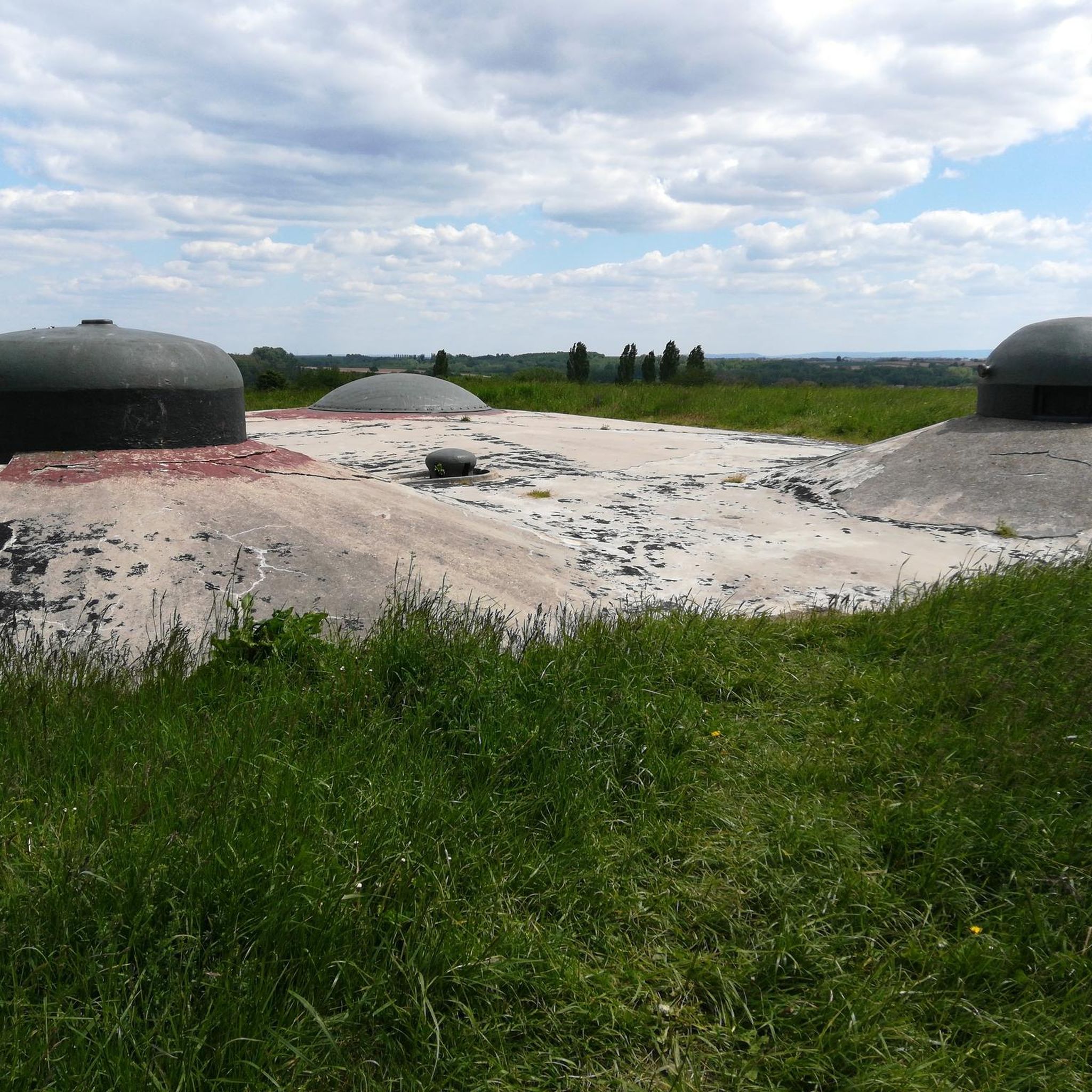
Best castles around Ingolsheim are found in the Bas-Rhin department of France, a region known for its historical significance. While Ingolsheim itself features historical monuments like the Maginot Line's Ouvrage de Schoenenbourg, the broader Alsace region is rich in medieval castles. These sites offer insights into the area's history and often provide views of the surrounding landscape. The region's geography, characterized by the Vosges mountains and the Alsace plain, contributes to the strategic placement of these historical fortifications.
Best castles…
Last updated: July 8, 2026
Ruins of Moulin Saint Rémy and Trimmichmuehl Mill
Highlight • Historical Site
Translated by Google •
Tip by

Ruins of Trimmich Castle
Highlight • Castle
Translated by Google •
Tip by
Sign up now to discover places like this
Get recommendations on the best single tracks, peaks, & plenty of other exciting outdoor places.
Sign up for free
Wissembourg Fortifications and Powder Tower
Highlight • Historical Site
Translated by Google •
Tip by

Chateau le Bel Lampertsloch
Highlight • Castle
Translated by Google •
Tip by

View of Château du Langenberg
Highlight • Viewpoint
Translated by Google •
Tip by

Start today with a free account
Your next adventure awaits.
Login or Signup


Tips from the Community

Unfortunately, the Le Bel family's estate is already quite run-down. They have been driving oil production around Pechelbronn for 4 generations since the 18th century.
0
0

Beautiful view down into the Lauter valley.
0
0

The Lauter Bridge is right next to it. The German text on the information board is somewhat misleading (20 km long bridge). Please compare it with the English or French text.
0
0

An impressive property – it would need to have a function to make restoration worthwhile. Nevertheless, it's a shame to consider its current condition. Apart from the house at the entrance, which once housed a pizzeria, nothing has really been restored.
0
0

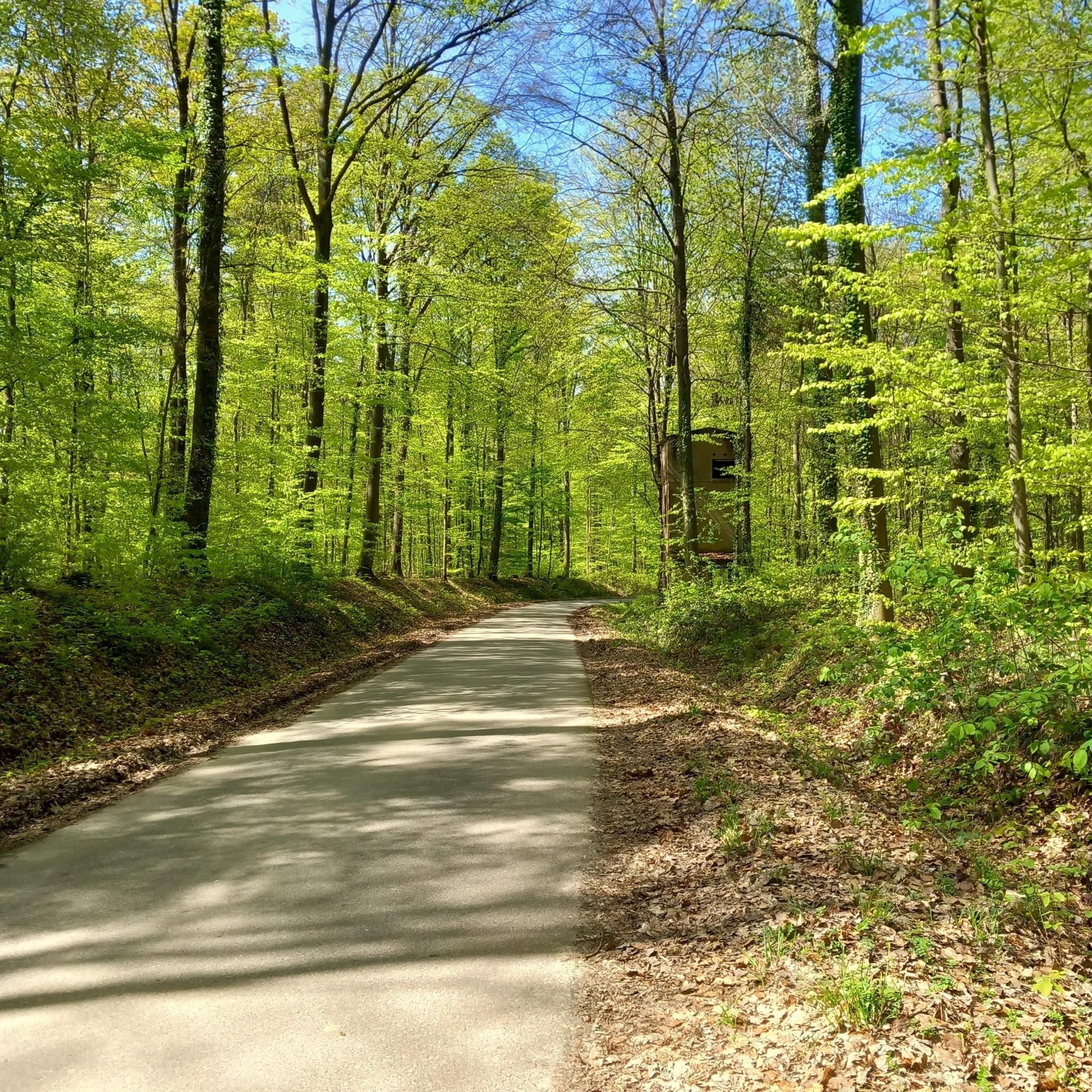
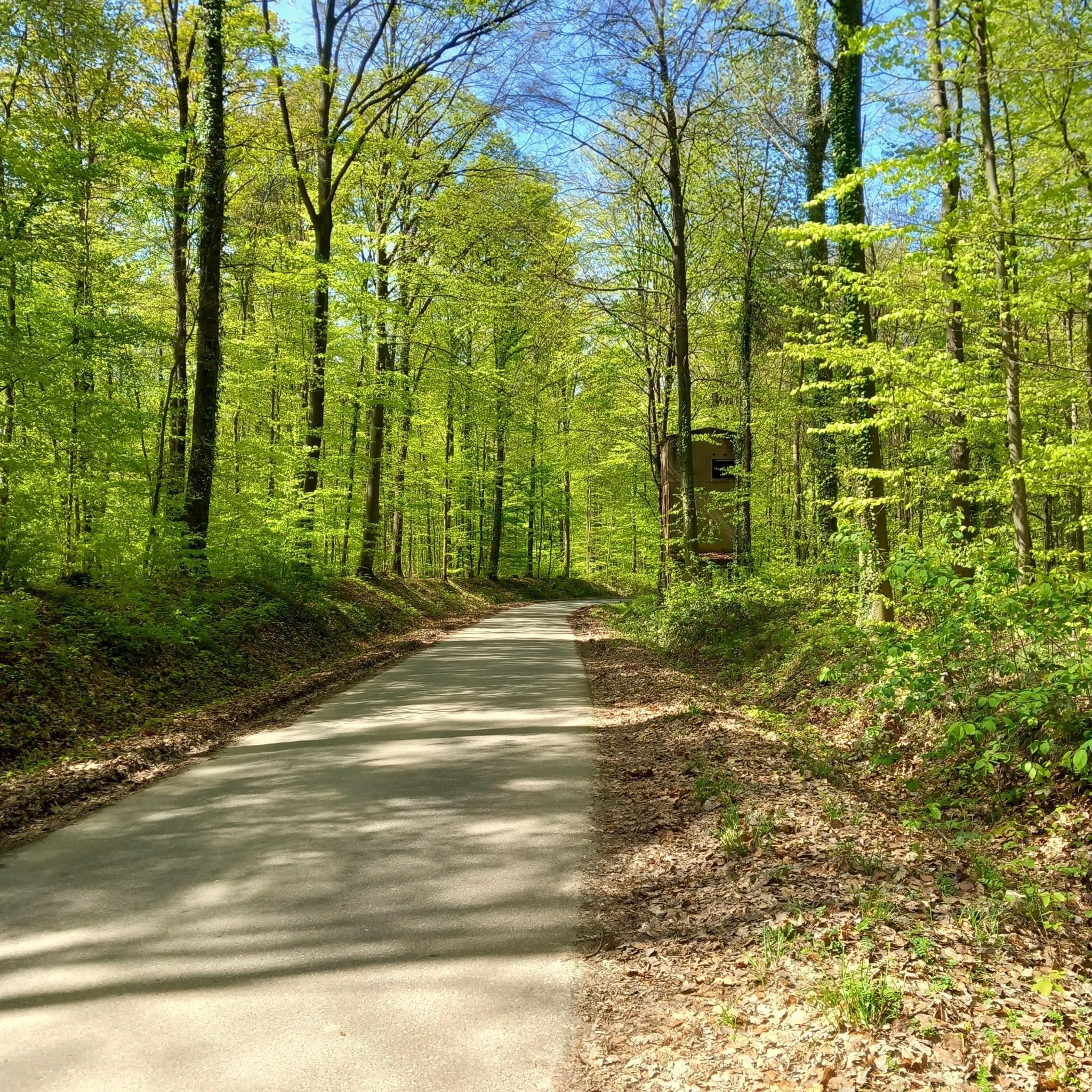
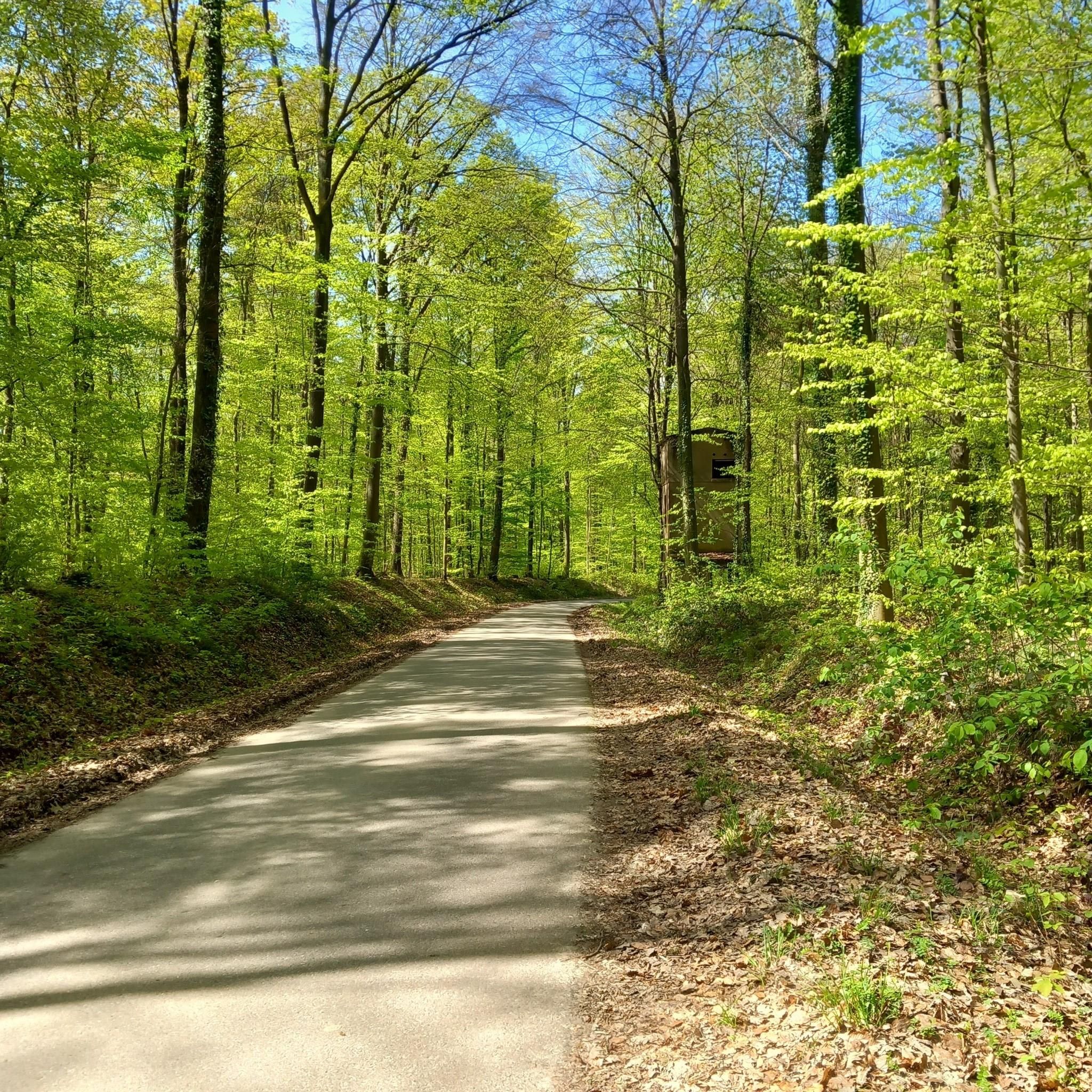
There was once a mill at the site near the Lauter, of which only the remains of the mill canal and the foundation walls can be seen. There was a castle a little further south: Trimmich was the eastern castle located in all directions of Weißenburg. There was also a mill there on the Lauter until German soldiers reduced the place to rubble in 1939. There is almost nothing left of either. But some foundation walls can be made out in the thicket.
4
0
Parts of the old fortifications with the powder tower. Wissembourg (the monastery) has been on a border since the 7th century. Today the fortifications are in the middle of Europe.
2
4

Part of the historic city fortifications
3
1
Trimmich was the eastern outpost located in all directions of Weißenburg. There was also a mill there on the Lauter until German soldiers reduced the place to rubble in 1939. There is almost nothing left of either. But some foundation walls can be made out in the thicket. The better time to explore there extensively is winter, when there are no nettles. At this point you come to the castle grounds.
3
2
Frequently Asked Questions
What are some of the most historically significant castles in the broader Alsace region near Ingolsheim?
While Ingolsheim itself is known for monuments like the Ouvrage de Schoenenbourg, the wider Alsace region boasts several historically significant castles. Notable examples include the imposing ruined Château de Fleckenstein, located about 14 km away, and the meticulously restored Château du Haut-Koenigsbourg further south. The Three Castles of Eguisheim (Wahlenbourg, Dagsbourg, and Weckmund) also offer a glimpse into medieval fortifications.
Are there any family-friendly castle sites around Ingolsheim?
Yes, the Wissembourg Fortifications and Powder Tower is considered family-friendly, offering a circular route to explore. Additionally, the View of Château du Langenberg is a family-friendly viewpoint with picnic benches, offering a nice perspective over the Lautertal.
What kind of historical sites can I explore directly in and around Ingolsheim?
Ingolsheim is known for its variety of historical sites, including castle ruins, fortifications, and viewpoints of former castles. You can explore the Wissembourg Fortifications and Powder Tower, which is part of the historic city defenses. The Ruins of Trimmich Castle, an eastern outpost, still show some foundation walls in the thicket.
What is the best time of year to visit the castle ruins and historical sites near Ingolsheim?
For exploring sites like the Ruins of Trimmich Castle, winter is often recommended. During this season, the vegetation, such as nettles, is less dense, making it easier to explore the foundation walls. Generally, the Alsace region's castles offer unique experiences in different seasons, with spring and autumn providing pleasant weather for outdoor exploration.
Are there hiking or cycling routes near the castles around Ingolsheim?
Yes, the region offers various outdoor activities. For cycling, you can find routes like the 'Lauter Cycle Path – Pfaffenschlick Pass loop' or 'View of the Lauter – Paved Path Through the Fields loop'. Mountain biking options include 'Old Mill on the Lauter – Stone Table loop'. For running, there are trails such as the 'Hermerswiller loop'. You can find more details on these routes in the cycling, MTB, and running guides for Ingolsheim.
Can I find good viewpoints of castles or the surrounding landscape?
Absolutely. The View of Château du Langenberg offers a nice perspective over the Lautertal near Weiler/Wissembourg. The Three Castles of Eguisheim, though mostly ruins, provide stunning panoramic views of the Vosges mountains, the Black Forest, and the Alsace plain.
What is the history behind Chateau le Bel Lampertsloch?
Chateau le Bel Lampertsloch is a farm built in 1805 on a site with older structures. It was central to the Le Bel family's oil exploitation and agricultural chemistry research for over a century. While it represents an important scientific and industrial Alsatian adventure, much of the estate is currently quite run-down, with few buildings remaining from before the 19th century.
Are there any castles that are particularly impressive in terms of their ruins or strategic location?
The Château de Fleckenstein, located about 14 km from Ingolsheim, is known as one of the most imposing ruined castles in the region. Its strategic location and impressive remains make it a significant historical site.
What can I expect when visiting the Wissembourg Fortifications?
The Wissembourg Fortifications and Powder Tower are part of the historic city defenses. Visitors can explore a worthwhile circular route around Wissembourg on these fortifications, offering insights into the city's past and its defensive structures.
What do visitors generally appreciate about the castles and historical sites in the Ingolsheim area?
Visitors appreciate the opportunity to explore medieval architecture and historical defense structures. The sites offer insights into the area's rich history and often provide scenic views of the surrounding landscape. The komoot community has shared photos and upvoted these locations, highlighting their appeal.
Are there any specific tips for exploring the Ruins of Trimmich Castle?
When visiting the Ruins of Trimmich Castle, it's advised that the better time to explore extensively is during winter. This is because the thicket, where some foundation walls can be made out, is less dense without nettles, making access easier.
Most popular routes around Ingolsheim
Most popular attractions around Ingolsheim

Get inspired with the komoot mobile app


Explore more
Looking for the best castles somewhere else? Discover other guides around Ingolsheim:
