Top 13 Caves around Weißenburg
Caves around Weißenburg offer a diverse range of underground experiences within the natural landscapes of the Altmühltal and surrounding Jura. The region features significant geological formations, historical sites, and natural rock shelters. These locations provide insights into both natural history and human activity across various epochs. The area is characterized by its unique rock formations and subterranean features.
Best caves around Weißenburg
- The most popular caves is Buchkammerfels Rock Chambers, a challenging cave and historical site. Historians are still…
Last updated: June 24, 2026
Buchkammerfels Rock Chambers
Highlight • Cave
Translated by Google •
Tip by

Lourdes Grotto and Holy Spring (near Büchelberg)
Highlight • Religious Site
Translated by Google •
Tip by

Sign up now to discover places like this
Get recommendations on the best single tracks, peaks, & plenty of other exciting outdoor places.
Sign up for free
Former Lead Mine at Seehofweiher (Ritterstein No. 29)
Highlight • Historical Site
Translated by Google •
Tip by

Lourdes Grotto in the Pfälzerwald-Vosges du Nord Biosphere Reserve
Highlight • Religious Site
Translated by Google •
Tip by

Glück Auf Iron Ore Mine (PWV Ritterstein 22)
Highlight • Historical Site
Translated by Google •
Tip by

Sign up for free to discover even more caves around Weißenburg.
Sign up for free
Already have an account?
Start today with a free account
Your next adventure awaits.
Login or Signup
Popular around Weißenburg
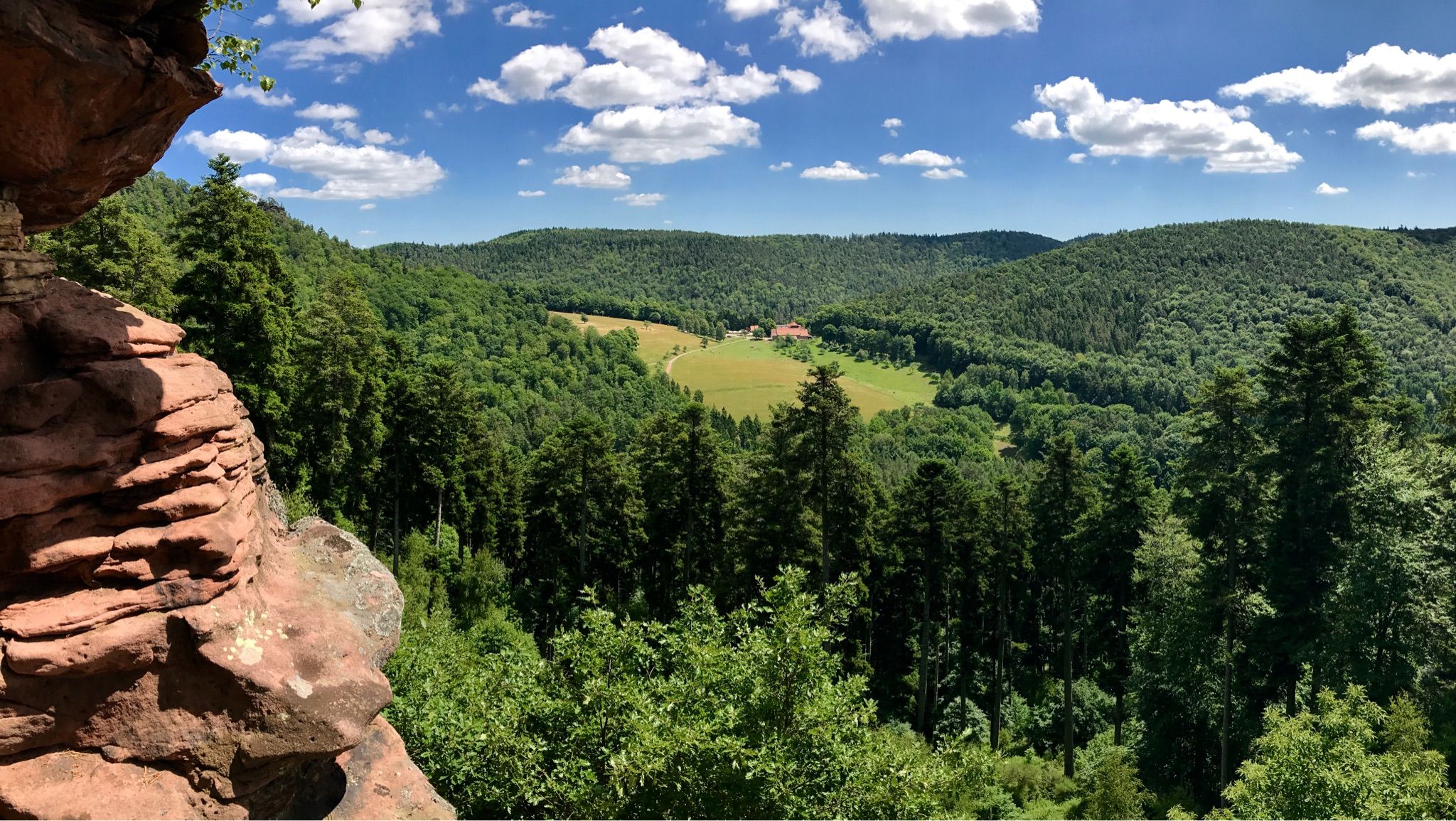
Hike the GR 53 – Explore castles along the Franco-German border
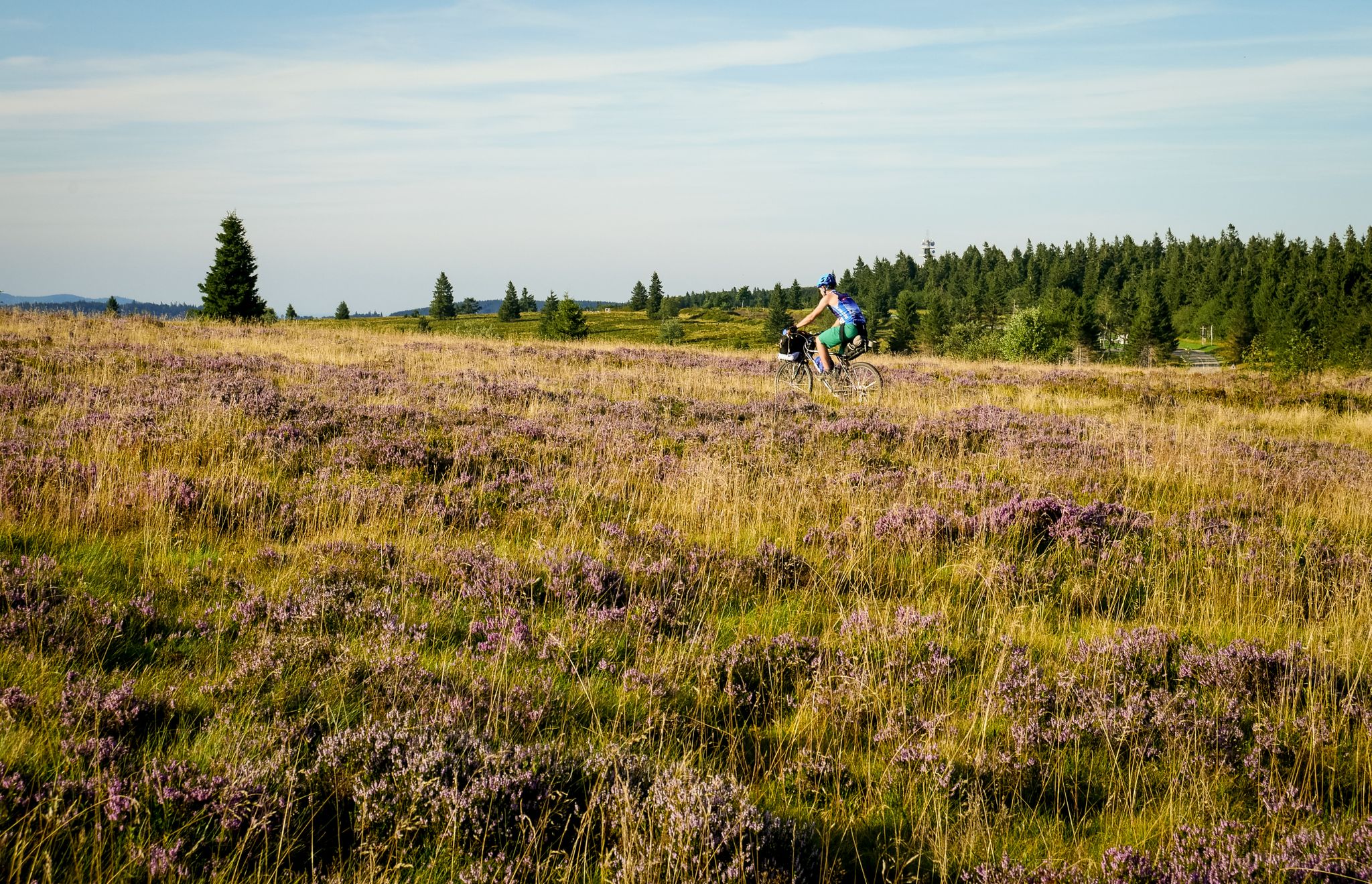
Traversée du Massif Vosgien — Alsace bikepacking
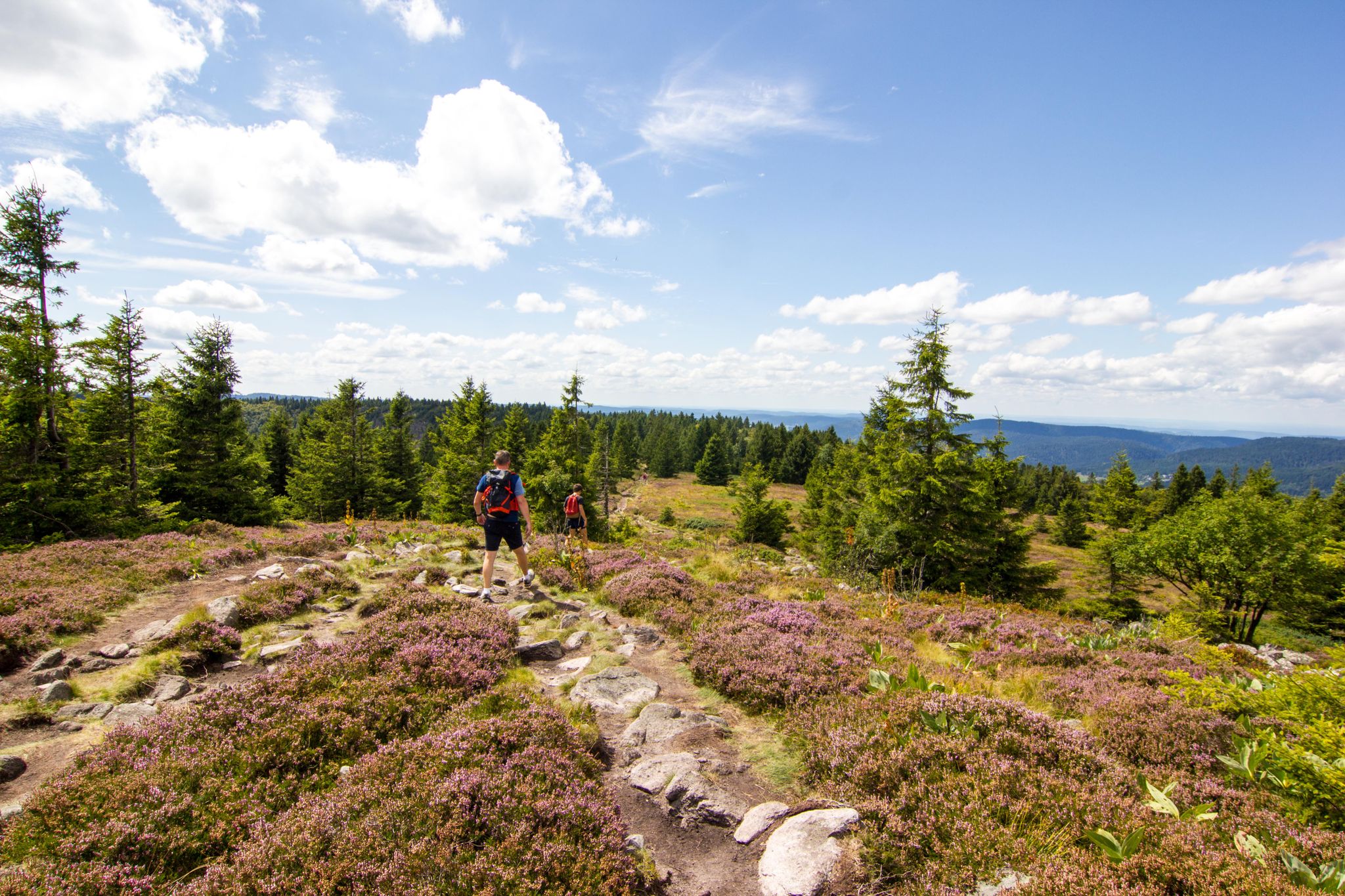
Hiking and relaxation – wellbeing on the Traversée des Vosges
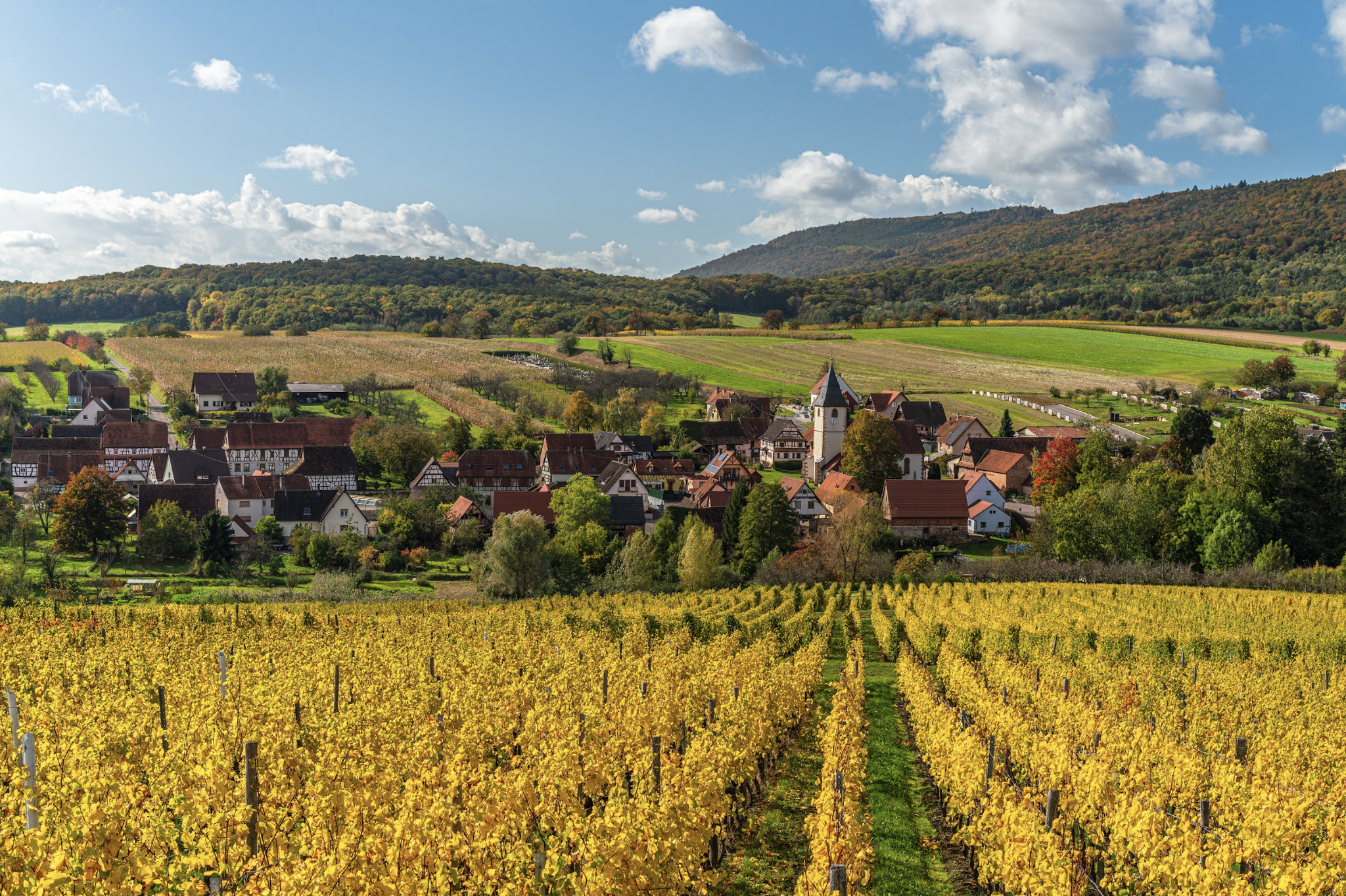
Alsace Verte on foot – hikes between history and vineyards
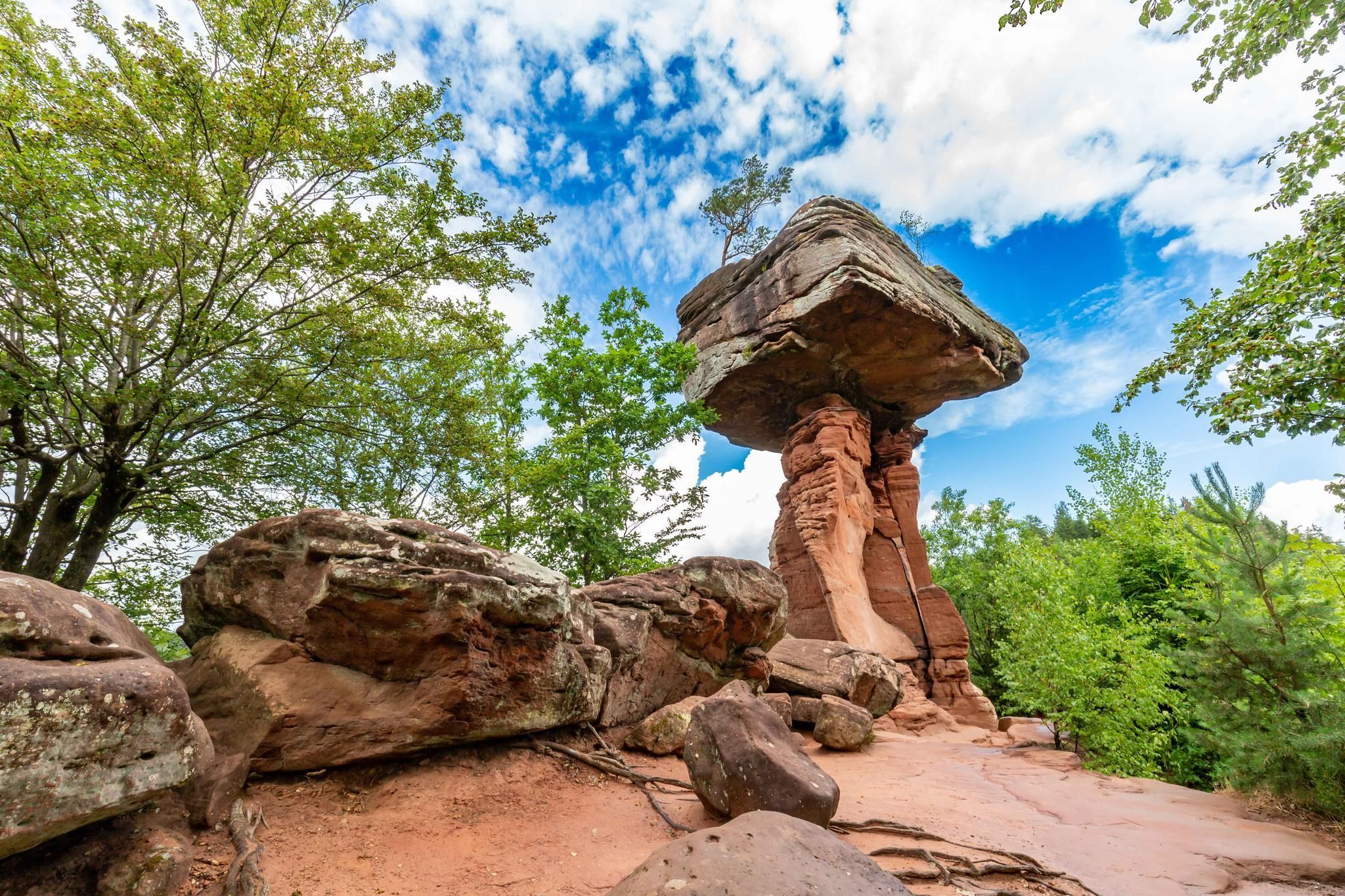
Cycling in Southern Palatinate – Karlsruhe to Zweibrücken
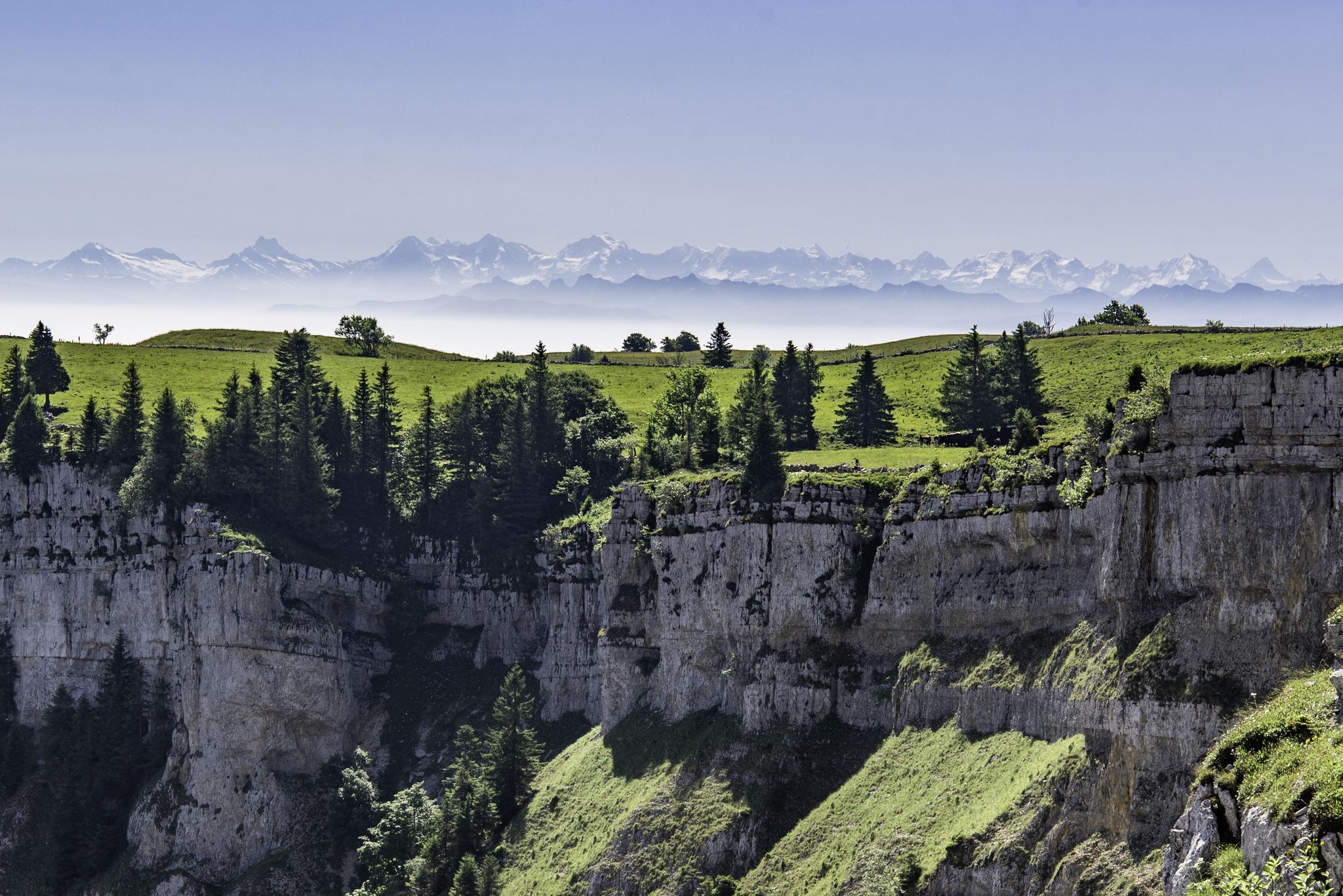
From the Vosges to the Jura mountains – Hexatrek, le Grand Est
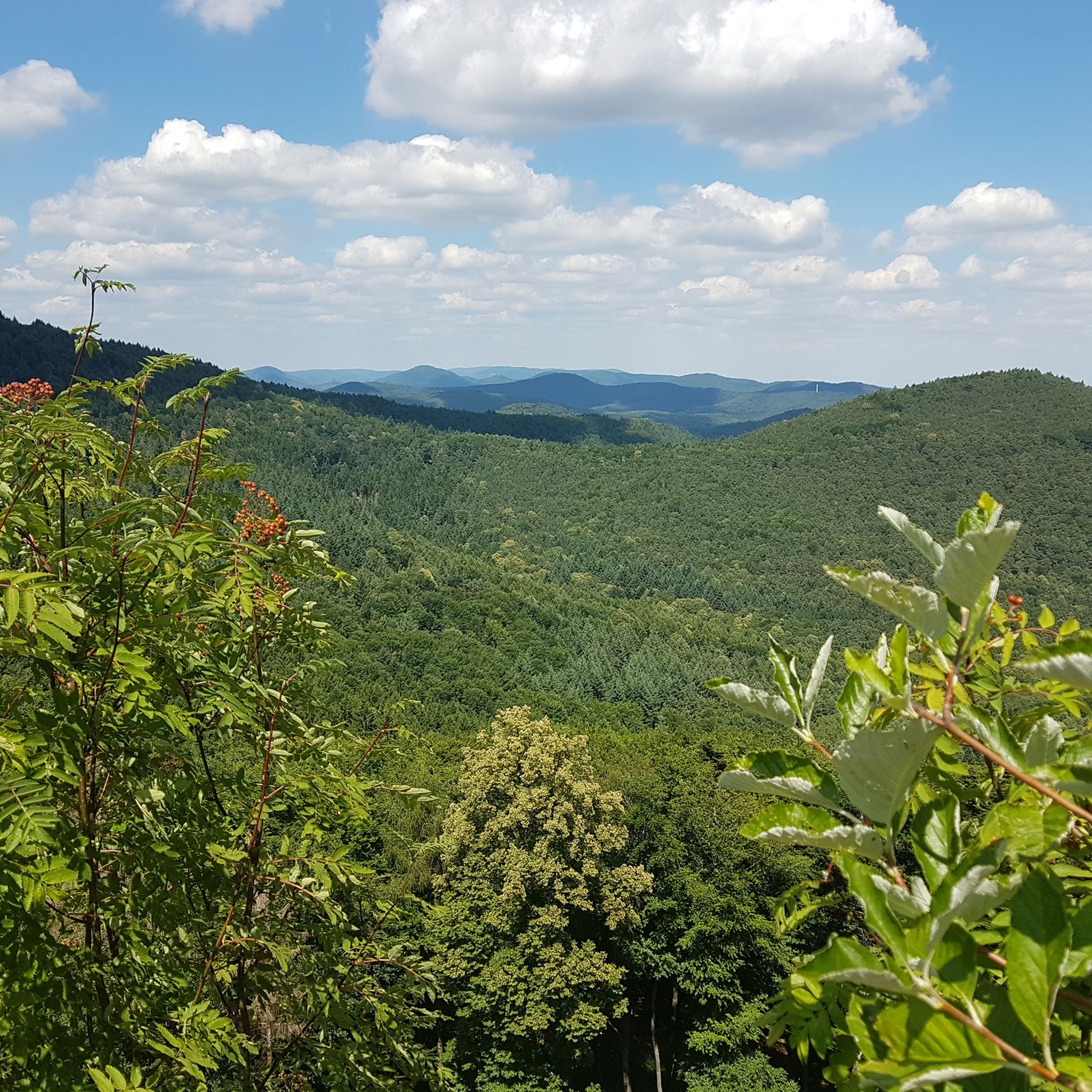
Hiking around Weißenburg
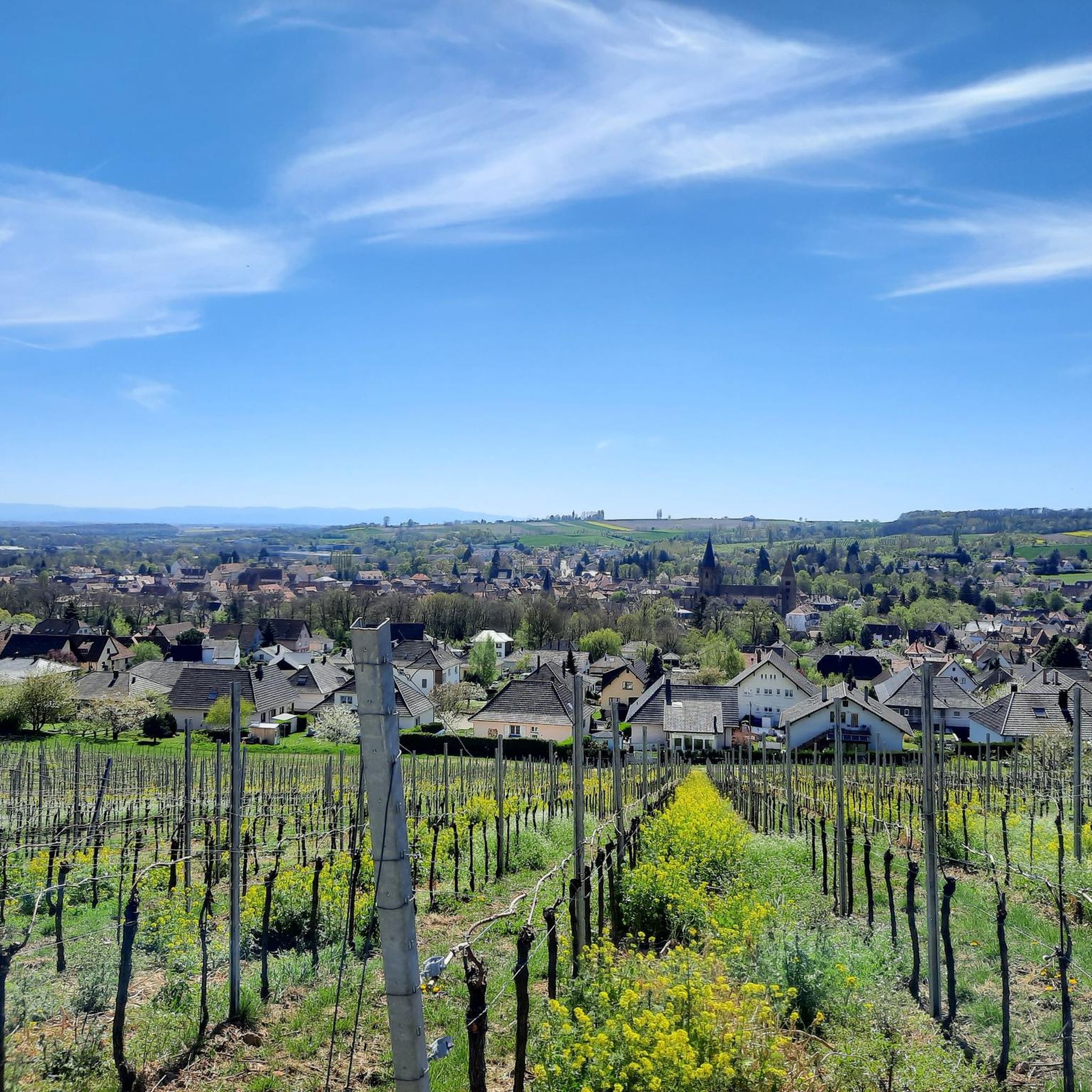
Cycling around Weißenburg
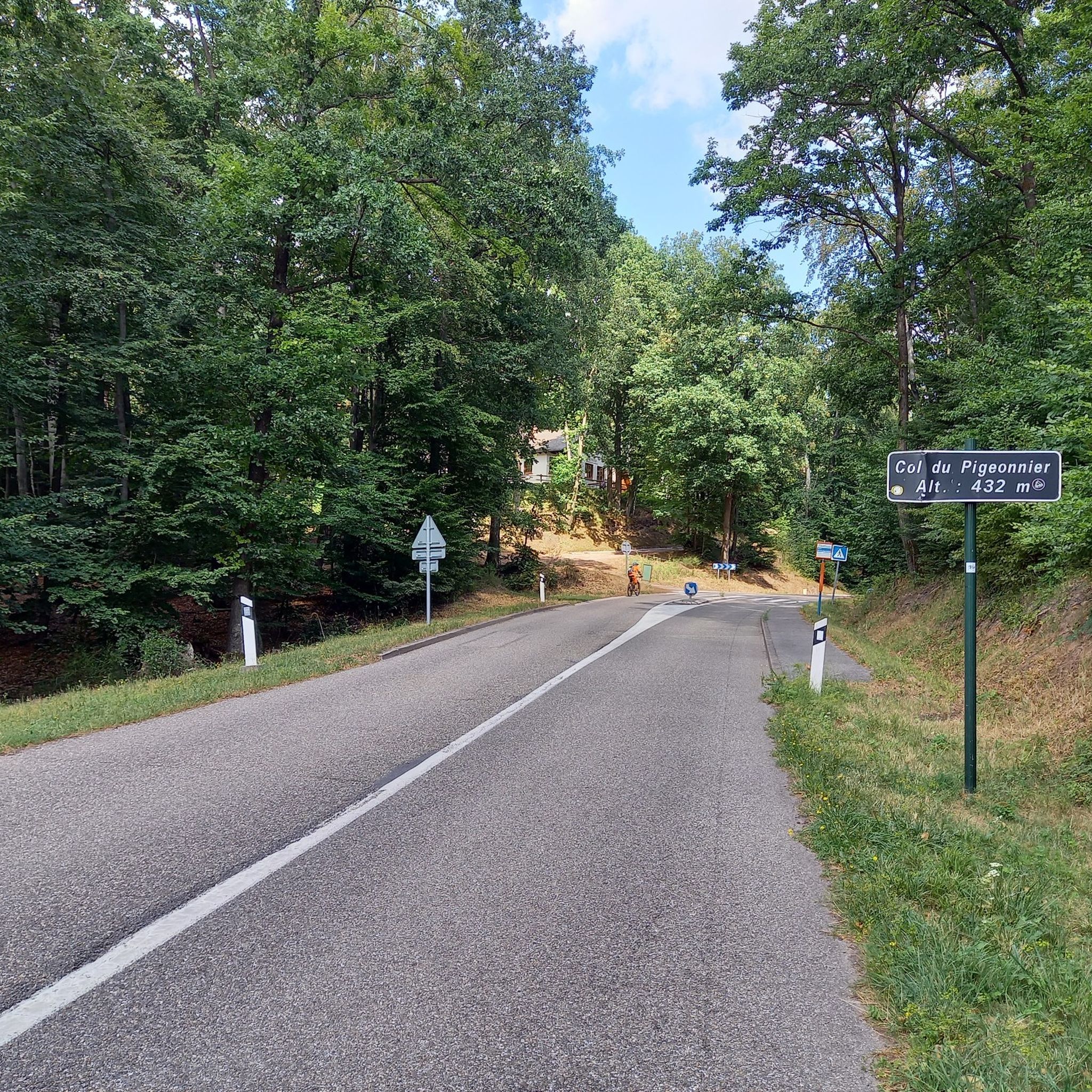
Road Cycling Routes around Weißenburg
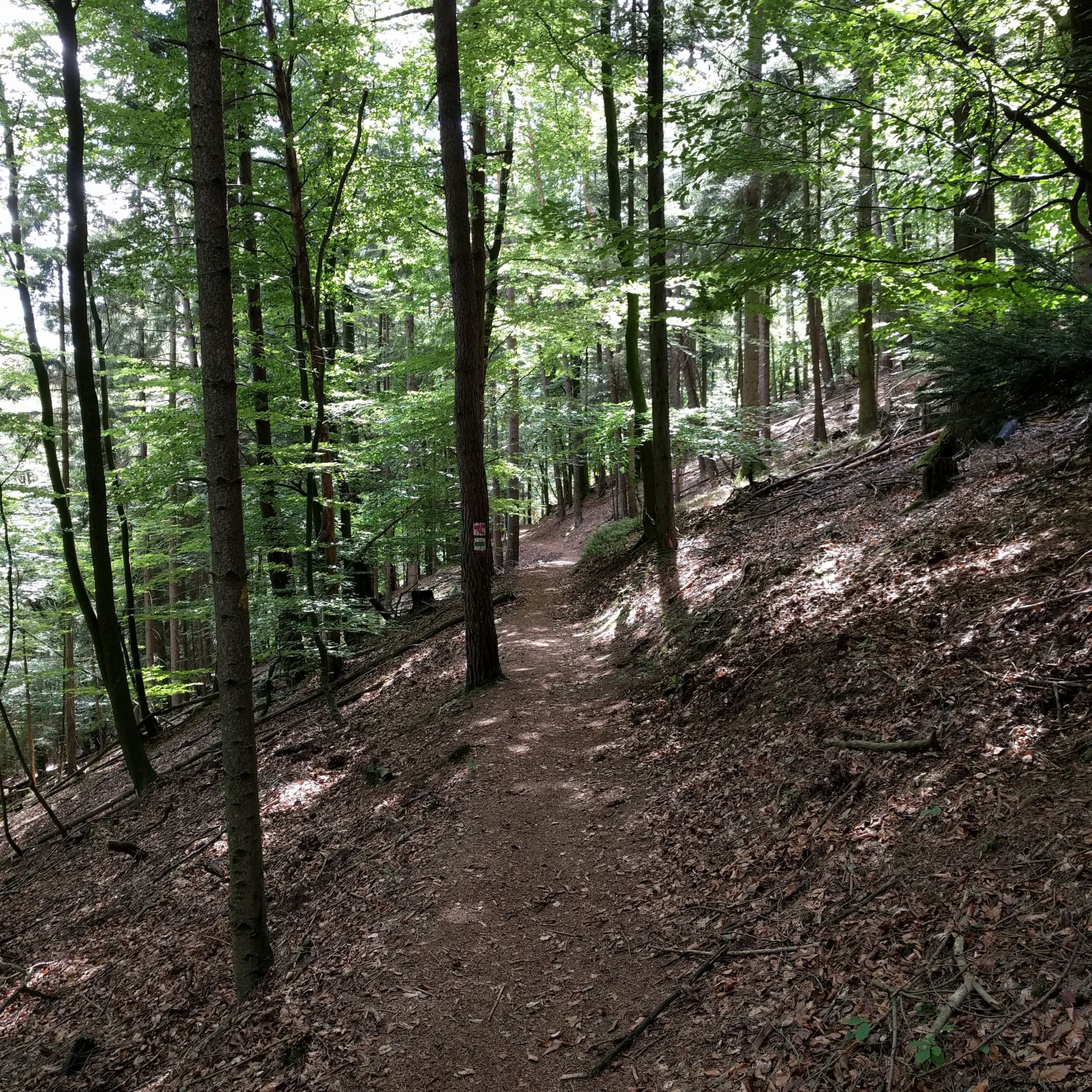
MTB Trails around Weißenburg
Other adventures around Weißenburg


Tips from the Community

The Buchkammerfels is located in the foothills of the Heidenberg, south of the Drachenfels castle ruins and southeast of the municipality of Busenberg. It is a special cultural monument, also known as the Heidenkammern (Heathen Chambers). The origin and function of the three artificially created, inaccessible rock chambers are still not fully understood. However, it is assumed that they were either outposts or guard posts for Drachenfels Castle, or that the chambers served as a prison for the castle.
5
0
A small grotto with a statue of the Virgin Mary and a water spring. In front of it is a seating area for a short rest.
5
0

One of the few places where you can take a break. A place with a fountain, a chapel and several benches and chairs, ideal for a nice break.
1
0

A fairly inconspicuous grotto. What is striking is that there is a trash can in the middle of the forest. So you can't miss it. But it still seems to be very popular.
0
0

Euphemia Anna's warning should definitely be taken seriously. It was hell where I was, too, and to protect my life, I didn't cross the street. No joke!
2
0

You can find a list of knight stones here: https://de.m.wikipedia.org/wiki/Liste_der_Rittersteine
1
1
You can find a list of knight stones here: https://de.m.wikipedia.org/wiki/Liste_der_Rittersteine
1
0

Further interesting information: https://www.kuladig.de/ Objektansicht/KLD-279015
1
1
Frequently Asked Questions
What types of caves can I explore around Weißenburg?
The region offers a mix of natural stalactite caves, historical rock chambers, and former mining tunnels. You can visit impressive show caves like the Tropfsteinhöhle Schulerloch with its unique formations, or explore archaeologically significant sites such as the Buchkammerfels Rock Chambers, which are ancient rock-hewn shelters.
Are there any caves with historical or archaeological significance?
Yes, several caves in the area have rich historical backgrounds. The Tropfsteinhöhle Schulerloch served as a dwelling for Neanderthals and Ice Age animals, with archaeological finds displayed in an associated museum. The Buchkammerfels Rock Chambers are ancient rock-hewn shelters whose age and function are still being researched by historians. Additionally, the St. Anna Iron Ore Mine Visitor Center (Nothweiler) offers insights into historical ore mining.
When is the best time to visit the caves around Weißenburg?
Many of the natural show caves, such as the Tropfsteinhöhle Schulerloch and Osterhöhle, close from November to March to protect hibernating bats. Therefore, the best time to visit these specific caves is typically from spring to autumn. Other sites like the Buchkammerfels Rock Chambers or the Lourdes Grotto and Healing Spring at Büchelberg are generally accessible year-round, weather permitting.
Are the caves around Weißenburg suitable for families with children?
Yes, there are family-friendly options. The Tropfsteinhöhle Schulerloch offers guided tours and a multimedia light show that can be engaging for children. The Osterhöhle also permits children aged 5 and older on its guided tours. The St. Anna Iron Ore Mine Visitor Center (Nothweiler) is also categorized as family-friendly and provides an educational experience about historical mining.
What is the typical duration of a guided cave tour?
Guided tours for the main show caves typically last around 30 minutes. For example, tours at the Tropfsteinhöhle Schulerloch depart every half hour and last approximately 30 minutes. The Osterhöhle also offers tours of about 30 minutes.
Are there any caves that are easily accessible or have easy trails?
The Tropfsteinhöhle Schulerloch is relatively flat and easy to navigate, with electric lighting. The Osterhöhle also offers a guided section that is well-developed for visitors. For a different experience, the Lourdes Grotto and Healing Spring at Büchelberg is a natural monument that is generally easy to access.
What amenities are available near the caves, such as food or restrooms?
Some caves offer on-site amenities. The Tropfsteinhöhle Schulerloch has a cafe for visitors. The Osterhöhle features a rustic forest tavern with a beer garden, offering local specialties, coffee, and cake. For other cave sites, it's advisable to check nearby towns or hiking routes for dining options.
What should I bring for a cave exploration trip?
Even in summer, cave temperatures are consistently cool, so bringing a jacket or warm layer is recommended. Comfortable walking shoes with good grip are essential, as surfaces can be damp or uneven. For guided tours, no special equipment is usually needed, but for exploring less developed areas, a headlamp or flashlight can be useful.
Can I combine a cave visit with hiking or other outdoor activities?
Absolutely. The caves are often situated within scenic natural areas, making them ideal for combining with outdoor activities. You can find numerous hiking trails around Weißenburg, as well as running and mountain biking routes that pass near or through these natural landmarks.
What do visitors particularly enjoy about the caves around Weißenburg?
Visitors appreciate the diverse experiences, from the impressive geological formations and multimedia light shows in show caves like Schulerloch, to the historical insights offered by sites such as the St. Anna Iron Ore Mine Visitor Center (Nothweiler). The mysterious nature of the Buchkammerfels Rock Chambers and the tranquil setting of the Lourdes Grotto and Healing Spring at Büchelberg are also highly rated. The komoot community has shared over 460 photos and given more than 800 upvotes for the caves in the region.
Are there any less known or 'hidden gem' caves around Weißenburg?
While the major show caves are well-known, the region also features unique rock formations and smaller historical sites. The 'Hohler Stein' (Hollow Stone) is a beautiful and extraordinary rock formation that served as a prehistoric shelter, offering a different kind of natural attraction for those interested in geology and archaeology beyond deep caves. The Glück Auf Iron Ore Mine is another historical site that offers a glimpse into the region's mining past.
Most popular routes around Weißenburg
Most popular attractions around Weißenburg

Get inspired with the komoot mobile app


Explore more
Extend your search for the best caves by checking out these guides of the top ones around Weißenburg:
