Top 9 Caves around Saraz
Caves around Saraz are primarily located in the Doubs department of France, a region characterized by its karst landscapes, underground rivers, and impressive geological formations. The area features numerous springs that emerge from extensive cave systems, often forming waterfalls and natural basins. These natural attractions are integral to the local environment, showcasing the power of water shaping limestone over millennia. The region offers a variety of cave experiences, from accessible spring entrances to more challenging underground explorations.
Best caves around…
Last updated: July 8, 2026
Lison Spring
Highlight • Cave
Translated by Google •
Tip by

Sarrazine Cave
Highlight • Cave
Do not hesitate to approach …
Translated by Google •
Tip by
Sign up now to discover places like this
Get recommendations on the best single tracks, peaks, & plenty of other exciting outdoor places.
Sign up for free
Verneau Spring
Highlight • Cave
Translated by Google •
Tip by

Creux Billard — Karst Basin and Waterfall
Highlight • Gorge
The whole also forms an underground cave system with the neighboring source - Source du Lison. It is best to visit after long rains.
Translated by Google •
Tip by
View of the Grotte Sarrazine and Lison Waterfall
Highlight • Viewpoint
Translated by Google •
Tip by

Sign up for free to discover even more caves around Saraz.
Sign up for free
Already have an account?
Start today with a free account
Your next adventure awaits.
Login or Signup
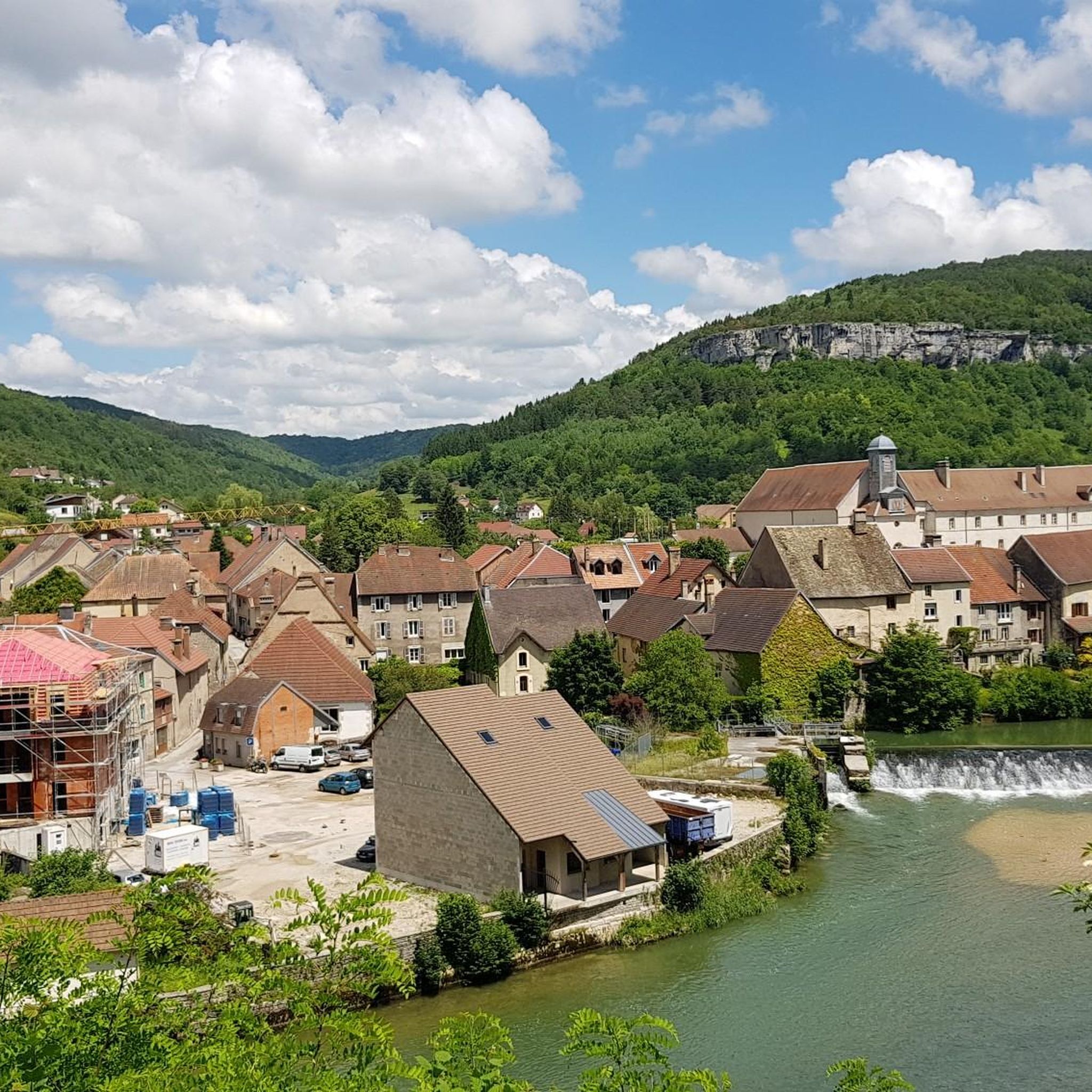
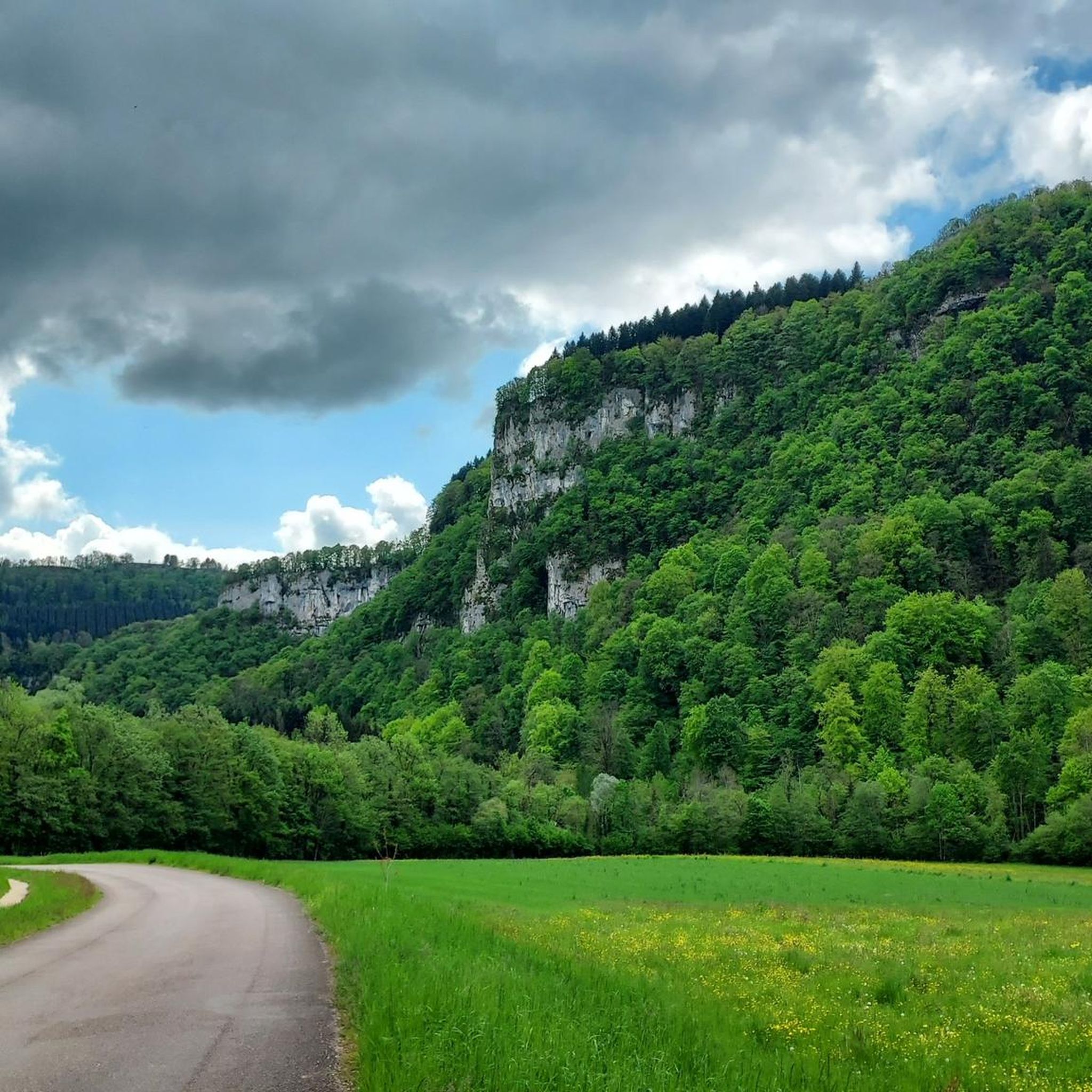
Other adventures around Saraz

Tips from the Community

a big hole
0
0
a perfect place to recharge your batteries
0
0
Remember not to venture too far into the cave
0
0

The spring is simply gigantic and there aren't too many tourists - at least when we were there.
1
0

The Verneau is an underground river in the Franche-Comté Jura. It collects water from the Déservillers plateau and comes to the surface near Nans-sous-Sainte-Anne before flowing into the Lison. It is one of the largest underground rivers in France. During our visit, we found a notice saying that it is forbidden to enter the area around the spring or waterfall.
1
0
This highlight is located on the plateau under which the cave opening is located. It can be found via a dead-end path, but the view is a bit sobering.
1
0
The Sarrasine Cave impresses with its 90 m high portal. A 40 m thick layer of limestone separates it from the upper part of the plateau. The cave system has been explored for about 4 km, and hikers equipped with a flashlight can access it up to a small lake inside. https://www.lieux-insolites.fr
1
0
Very beautifully laid out and developed. There are also interesting information boards, e.g. about the underground connection of the local springs. At the end of the 19th century, a mill owner wanted to divert the water from the spring, which, after intervention by the population and a member of parliament, led to the first French environmental protection law. https://www.montagnes-du-jura.fr/
2
0
Frequently Asked Questions
What are the most popular natural attractions around Saraz?
The region around Saraz is known for its impressive karst landscapes and underground river systems. Among the most popular natural attractions are Lison Spring, a powerful waterfall emerging from a converted cave with a turquoise pool, and Sarrazine Cave, notable for its vast 100-meter high and 30-meter wide entrance portal.
Are there family-friendly caves or natural sites to visit near Saraz?
Yes, Lison Spring is considered family-friendly. It offers an accessible path leading to a powerful waterfall and a converted cave that visitors can enter, along with a beautiful turquoise swimming pool at the base of a cliff.
What kind of geological formations can I expect to see in the caves around Saraz?
The caves around Saraz are primarily located in the Doubs department, a region rich in karst formations. You'll encounter underground rivers, impressive springs, waterfalls, and natural basins. Sites like Creux Billard — Karst Basin and Waterfall showcase remarkable karst cauldrons, while the various springs reveal the power of water shaping limestone over millennia.
What outdoor activities can I do near the caves around Saraz?
Beyond exploring the caves, the Saraz area offers a variety of outdoor activities. You can find numerous hiking trails, including routes to Lison Spring and Sarrazine Cave. There are also extensive MTB trails and cycling routes that allow you to explore the scenic landscapes of the Doubs department.
Are there any challenging cave explorations for experienced adventurers?
Yes, for experienced adventurers, Sarrazine Cave can be tricky, especially after rain, with internal cave lakes and cascades to navigate. Even more challenging is Baume des Crêtes Cave, which is an entrance to the vast Vernau system. It requires rappelling down a 50-meter shaft and navigating a labyrinth of passages and further abseils, making it suitable only for those with proper equipment and experience.
What is the best time of year to visit the caves and springs in the Saraz region?
Visiting after long periods of rain is often recommended for sites like Creux Billard — Karst Basin and Waterfall and Lison Spring, as the waterfalls and springs are at their most powerful and spectacular. However, some caves, like Sarrazine Cave, can be trickier to navigate after heavy rainfall, so checking local conditions is advisable.
Can I explore the Verneau Spring cave system?
The Verneau Spring is where the water from the largest cave system in the Doubs department emerges. While it's a beautiful sight, notices often indicate that it is forbidden to enter the area directly around the spring or waterfall for safety and preservation reasons. The system itself is extensive and requires specialized caving expertise.
What should I wear when visiting caves around Saraz?
For accessible sites like Lison Spring, comfortable walking shoes are sufficient. For more challenging caves like Sarrazine Cave or Baume des Crêtes Cave, appropriate caving gear, including helmets, headlamps, and protective clothing, is essential due to potentially wet, slippery, and narrow conditions. Always be prepared for cooler temperatures inside caves.
Are there any historical or cultural aspects associated with the caves in this region?
While the guide focuses on the natural aspects of the caves in the Doubs department, the broader context of cave systems in France, such as the Caves of Sare in the Basque Country, often reveals prehistoric significance, serving as ancient habitats and holding cultural importance related to local mythology and human evolution. The caves around Saraz primarily highlight geological processes and natural beauty.
Where can I find hiking trails that include the Lison Spring or Sarrazine Cave?
Several hiking routes in the Saraz area incorporate these natural wonders. For example, you can find trails like 'La Source du Lison Trail' or routes that loop from Nans-sous-Sainte-Anne to the Sarrazine Grotto and Lison Spring, offering various difficulty levels from easy to moderate.
What makes the Saraz region unique for cave exploration?
The Saraz region, situated in the Doubs department of France, is unique due to its extensive karst landscapes. This geological feature results in numerous powerful springs, large cave entrances, and complex underground river systems. It offers a diverse range of experiences, from easily accessible spring entrances to challenging multi-kilometer cave networks, showcasing the dynamic interaction between water and limestone.
Most popular attractions around Saraz

Get inspired with the komoot mobile app


Explore more
Extend your search for the best caves by checking out these guides of the top ones around Saraz:
