Top 4 Caves around Aïssey
Best caves around Aïssey are located in the Doubs department of France, offering diverse underground attractions. The region features limestone formations that have created various cave systems. These natural features range from accessible grottoes to more technical speleological sites. The area provides opportunities to explore notable caves and their geological characteristics.
Best caves around Aïssey
- The most popular caves is Grotte Sous Buen, a cave that features wonderful limescale deposits. It is accessible via a metal ladder, and daylight is sufficient inside, making it freely accessible without special equipment.
- Another must-see spot is Grotte du Petit Siblot, a challenging natural monument. Visitors can expect a technical descent through a small shaft entrance, leading to an impressive and large hall with stalactite columns.
- Visitors also love Fourbanne Cave, a wild, undeveloped karst cave. It is known for its speleological opportunities, requiring good light and rugged clothing for exploration.
- Aïssey is known for family-friendly grottoes, challenging speleological routes, and natural monument caves. The region offers a variety of caves to see and explore, catering to different experience levels.
- The caves around Aïssey are appreciated by the komoot community, with 12 upvotes and 11 photos shared by users.
Last updated: July 8, 2026
Grotte Sous Buen
Highlight • Cave
Translated by Google •
Tip by

Fourbanne Cave
Highlight • Cave
Translated by Google •
Tip by

Sign up now to discover places like this
Get recommendations on the best single tracks, peaks, & plenty of other exciting outdoor places.
Sign up for free
Grotte du Petit Siblot
Highlight • Cave
Through a very small shaft entrance of just 30 x 50 cm.
you have to abseil about 7 meters ...
Then the next 18 meter deep shaft.
A final climbing step, about 5 meters lower, ends in an impressive and large hall with beautiful stalactite columns.
Translated by Google •
Tip by

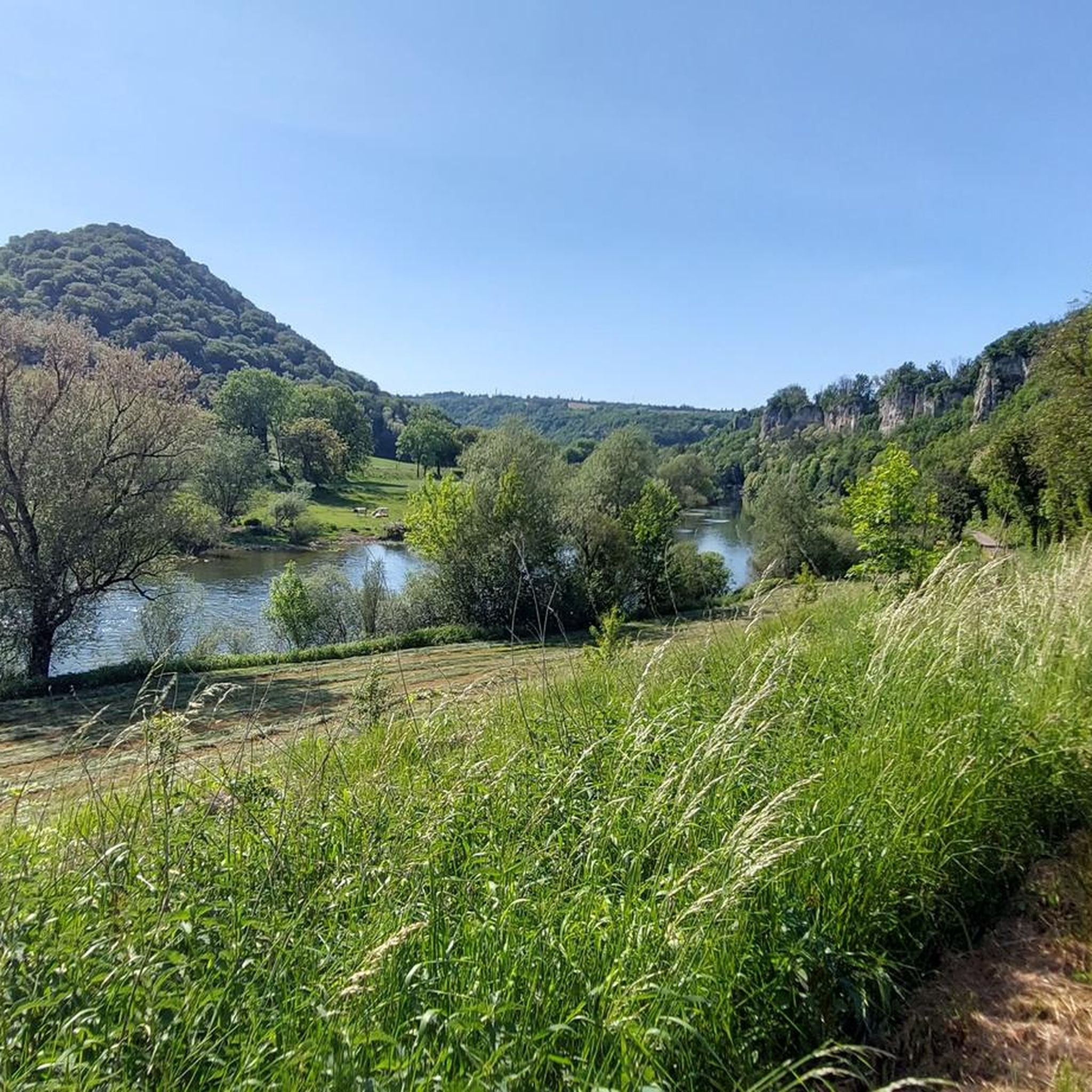
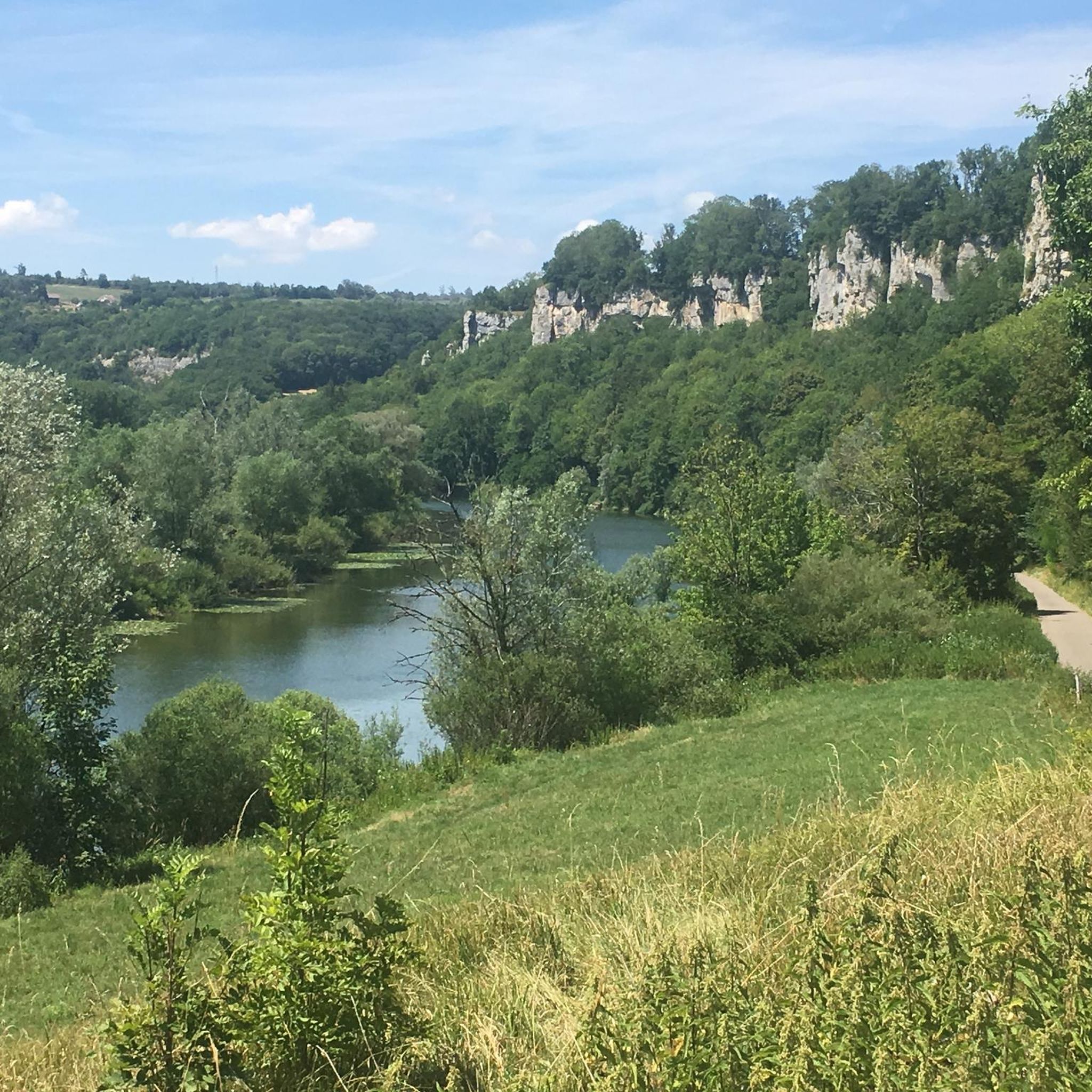
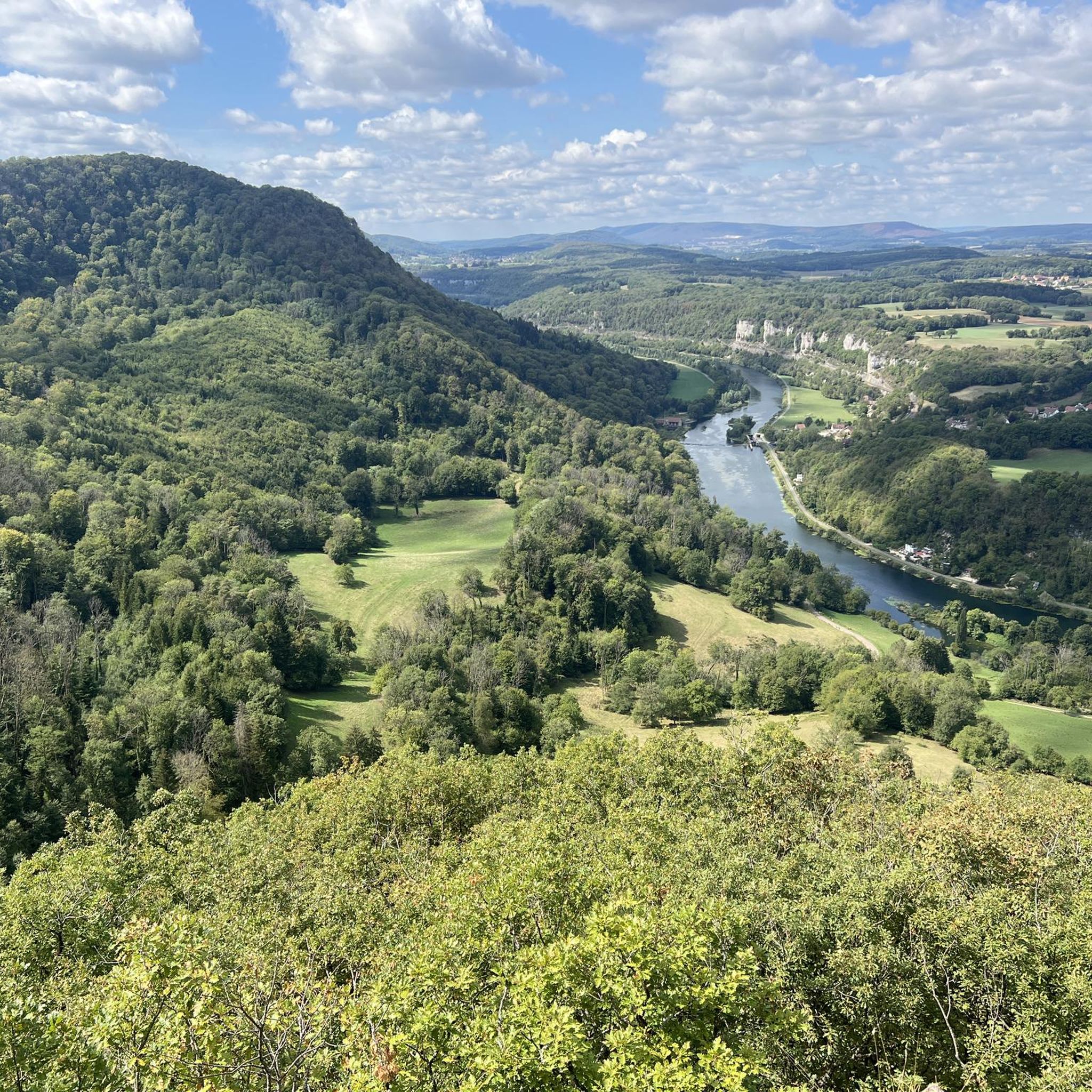
View of the Loue River from the Cave
Highlight • Cave
Translated by Google •
Tip by

Start today with a free account
Your next adventure awaits.
Login or Signup

Tips from the Community

Cannot be reached directly from the cycle path.
2
0

After a small barrier and a small climb comes a nice point to rest. Attention, it is not recognizable at first glance. Behind the bush is a very small path.
0
0

High grotto with wonderful limescale deposits - accessible via a metal ladder even without equipment. The grotto does not lead deep into the rock, the daylight is sufficient, you do not need a flashlight. It is freely accessible to everyone.
1
0

On the other side of the train tracks up the hill are the wild undeveloped karst caves of Fourbanne, a dream for fans of speleology. Bring good light, rugged cloths, and wear your helmet (you're biking, so you have a helmet!). https://inpn.mnhn.fr/zone/znieff/430013670 See video https://www.youtube.com/watch?v=7nxTiEY92I8
1
4

The cave is listed as a real classic among speleologists. Through a very small shaft entrance of just 30 x 50 cm. you have to abseil about 7 meters ... Then the next 18 meter deep shaft. A final climbing step, about 5 meters lower, ends in an impressive and large hall with beautiful stalactite columns.
4
0
Frequently Asked Questions
What types of caves can I explore around Aïssey?
The region around Aïssey offers a diverse range of caves, from easily accessible grottoes to challenging speleological sites. You can find caves with impressive natural formations like stalactite columns, wild undeveloped karst caves, and even active water shaft caves for experienced cavers.
Are there any family-friendly caves near Aïssey?
Yes, for a family-friendly experience, consider Grotte Sous Buen. It features wonderful limescale deposits and is accessible via a metal ladder. Daylight is sufficient inside, so you don't need special equipment. The Lison Spring also offers an accessible cave and a beautiful natural setting with a waterfall and turquoise pool.
Which caves are suitable for experienced cavers seeking a challenge?
Experienced cavers will find several challenging options. Grotte du Petit Siblot is a classic among speleologists, requiring a technical descent through a small shaft entrance to reach an impressive hall with stalactite columns. Fourbanne Cave is a wild, undeveloped karst cave perfect for speleology, requiring good light and rugged clothing. For extreme challenges, the Gouffre Gros Gadeau Cave is an active water shaft requiring abseiling down multiple shafts, often alongside waterfalls, and is recommended for highly experienced individuals due to potential dangers during high water levels.
What geological features are prominent in the caves of this region?
The caves around Aïssey are primarily carved into limestone, leading to impressive formations. You can expect to see wonderful limescale deposits, stalactite columns, and large, cavernous halls. Some caves also feature active water flows, creating waterfalls and underground rivers.
What is the best time of year to visit the caves around Aïssey?
The best time to visit depends on the specific cave. For more rugged or active water caves like Gouffre Gros Gadeau, it's crucial to avoid periods of heavy rain or snowmelt, as water levels can rise rapidly and create dangerous conditions. For more accessible caves, spring and summer generally offer pleasant conditions for exploring the surrounding natural areas.
What should I wear or bring for caving in the Aïssey region?
For easily accessible caves like Grotte Sous Buen, no special equipment is needed. However, for more challenging caves like Fourbanne Cave or Grotte du Petit Siblot, you will need good light (headlamp), rugged clothing, and a helmet. Technical caving gear, including ropes and harnesses, is essential for advanced routes like Gouffre Gros Gadeau or Baume Sainte-Anne.
Are there any caves that offer impressive views?
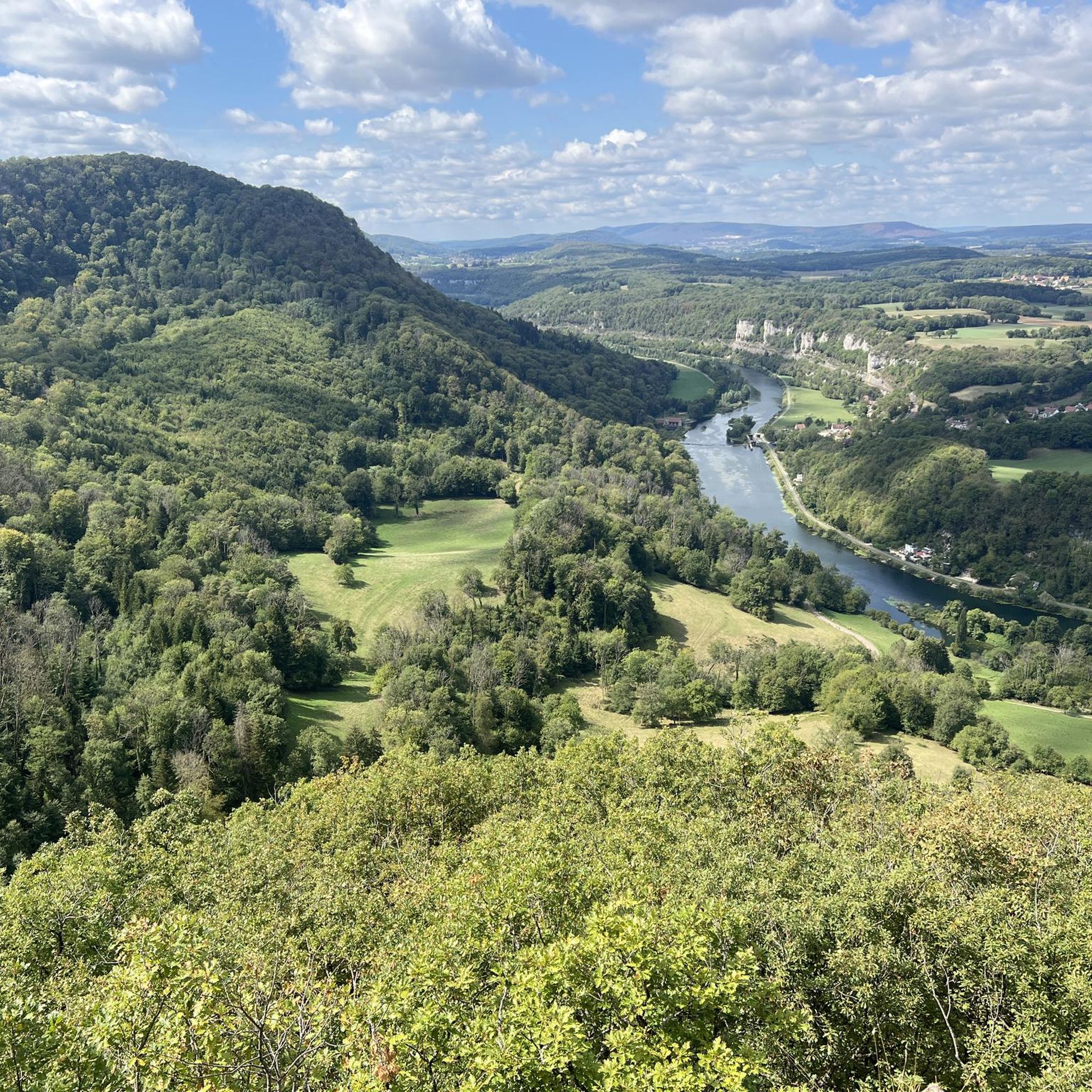
Yes, View of the Loue River from the Cave offers a nice point to rest and enjoy the scenery. Additionally, Baume Sainte-Anne, with its 90-meter-deep entrance shaft opening into a very large hall, provides a visually striking experience for those not prone to giddiness.
What outdoor activities can I combine with a visit to the caves?
The region around Aïssey is excellent for outdoor activities. You can find numerous hiking trails, such as the Grâce-Dieu Trail or the Icehouse loop, which are detailed in the Hiking around Aïssey guide. There are also many road cycling and general cycling routes available, including loops around Abbaye de la Grâce-Dieu, as outlined in the Road Cycling Routes around Aïssey and Cycling around Aïssey guides.
Are there any caves known for their sheer size or unique natural architecture?
The Sarrazine Cave, often described as a 'wild cathedral,' is notable for its impressive size, measuring 100 meters high and 30 meters wide. Its sheer proportions, carved into limestone, make it a striking natural monument to behold from its entrance.
What do visitors appreciate most about the caves around Aïssey?
Visitors appreciate the diversity of experiences, from accessible natural wonders to serious caving challenges. The impressive limescale deposits in caves like Grotte Sous Buen and the challenging, yet rewarding, speleological opportunities in places like Grotte du Petit Siblot are frequently highlighted.
Are there any caves that are easily accessible without specialized equipment?
Yes, Grotte Sous Buen is freely accessible without special equipment. You can reach it via a metal ladder, and daylight is sufficient inside, meaning you won't need a flashlight. The cave at Lison Spring is also generally accessible and can be enjoyed without technical gear.
Most popular attractions around Aïssey

Get inspired with the komoot mobile app


Explore more
Extend your search for the best caves by checking out these guides of the top ones around Aïssey:
