Top 8 Caves around Dagsburg
Best caves around Dagsburg are primarily natural formations in the Grand Est region of France, offering scenic beauty and geological insights. The area, historically known as Dagsburg, is characterized by sandstone formations and forested landscapes. Visitors can explore various natural cavities, rock shelters, and grottoes integrated into the region's hiking trails. These sites provide opportunities to experience the natural environment of the Vosges mountains.
Best caves around Dagsburg
- The most popular caves is Saint-Léon Cave, a cave that is…
Last updated: July 8, 2026
Einsiedlerhütte and Troglodyte Houses of Falkenfelsen
Highlight • Historical Site
Translated by Google •
Tip by

Falkenfels Cliffs
Highlight • Natural Monument
Translated by Google •
Tip by

Sign up now to discover places like this
Get recommendations on the best single tracks, peaks, & plenty of other exciting outdoor places.
Sign up for free
Saint-Léon Cave
Highlight • Cave
Translated by Google •
Tip by

The Geisterfelsen
Highlight • Natural Monument
Translated by Google •
Tip by

Danne Cave and Albert Rock
Highlight • Viewpoint
Translated by Google •
Tip by

Sign up for free to discover even more caves around Dagsburg.
Sign up for free
Already have an account?
Start today with a free account
Your next adventure awaits.
Login or Signup
Popular around Dagsburg
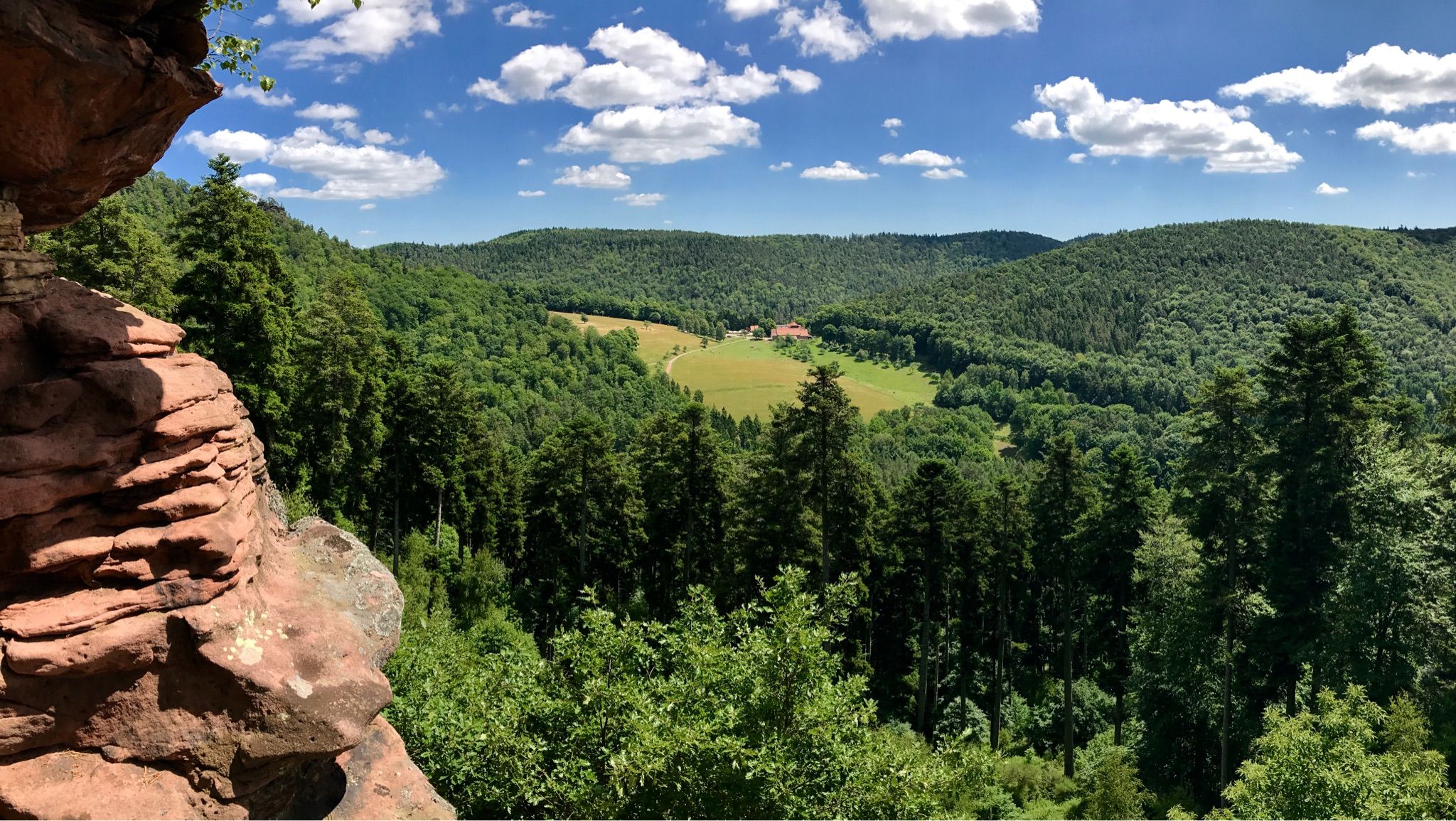
Hike the GR 53 – Explore castles along the Franco-German border
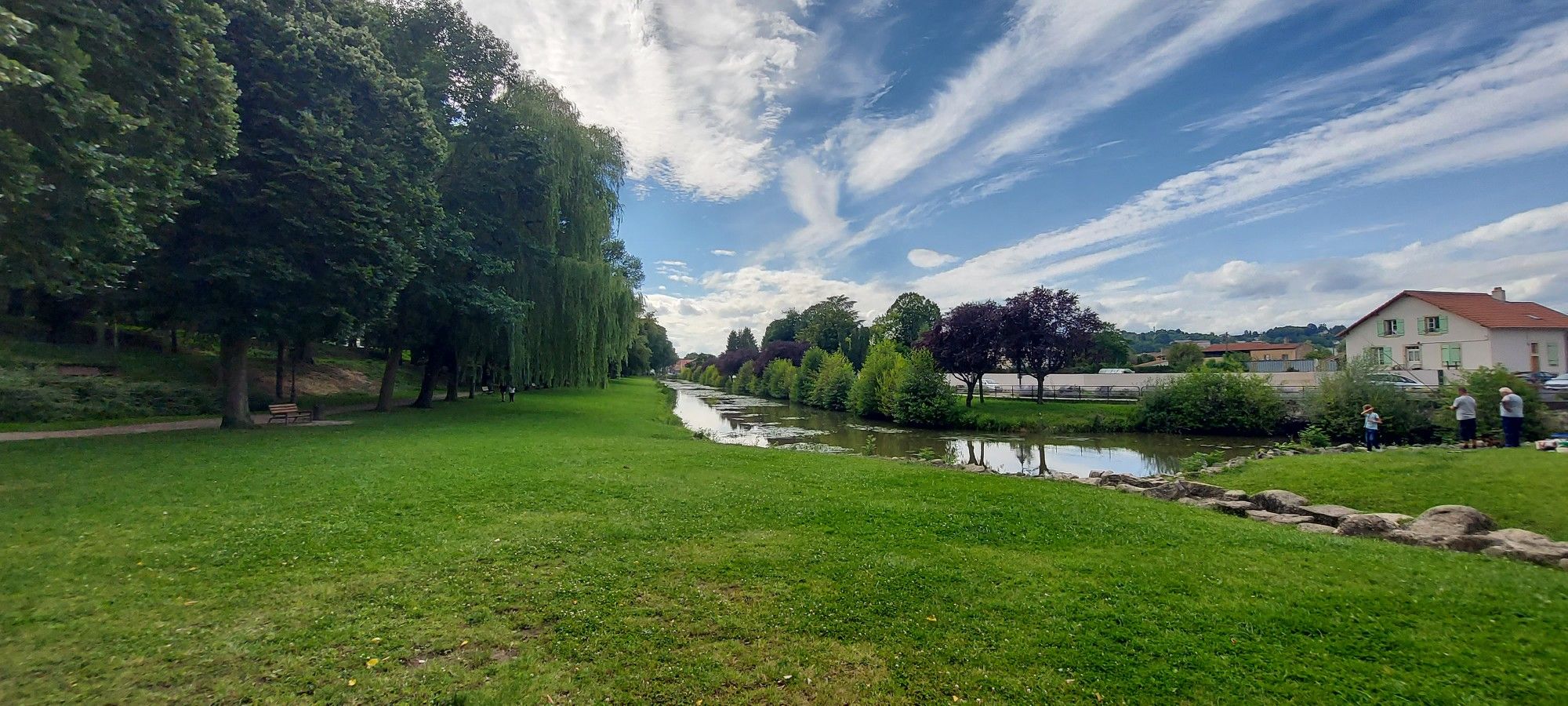
Linking Lorraine and Alsace – Stanislas-Kléber Path (GR 534)
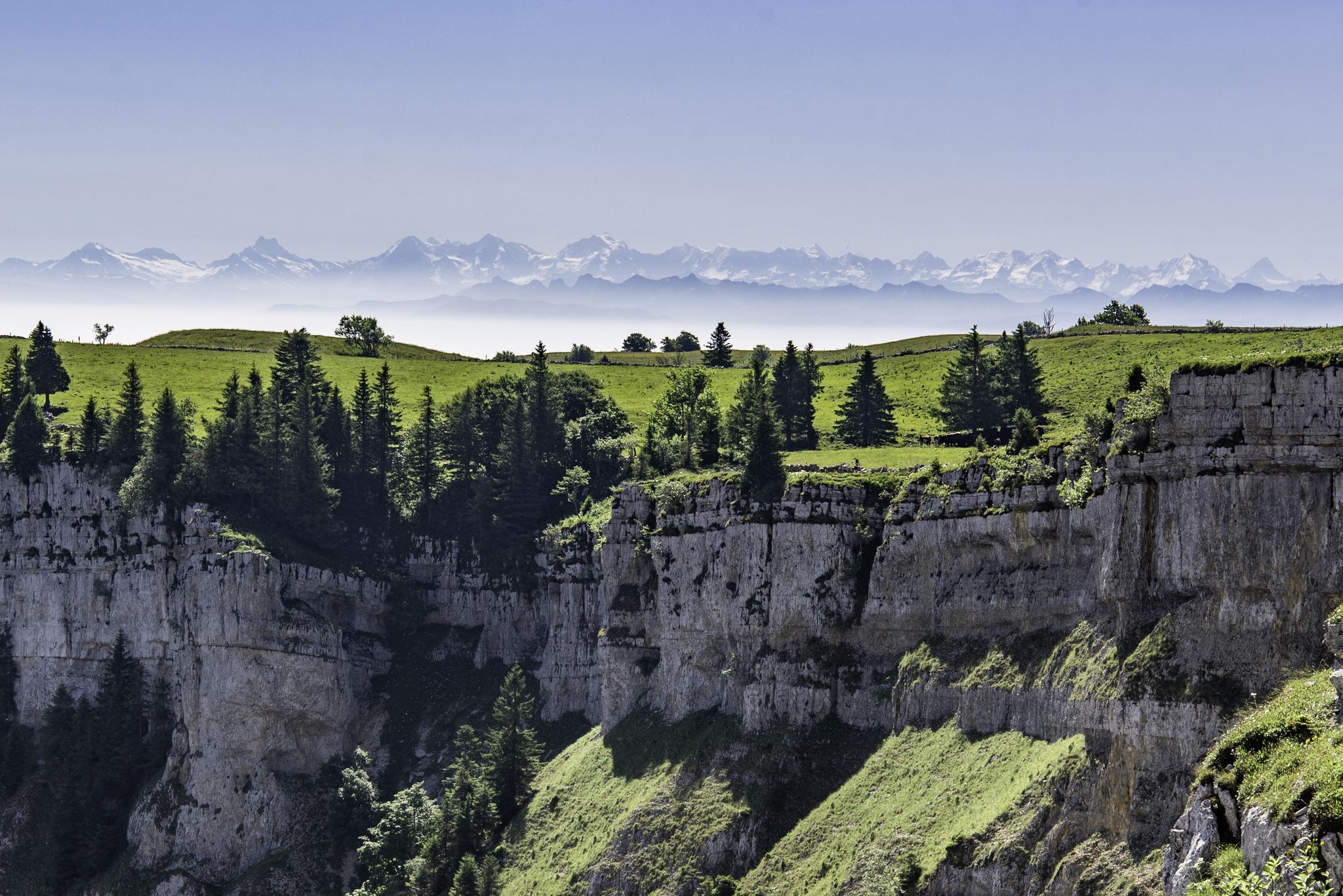
From the Vosges to the Jura mountains – Hexatrek, le Grand Est
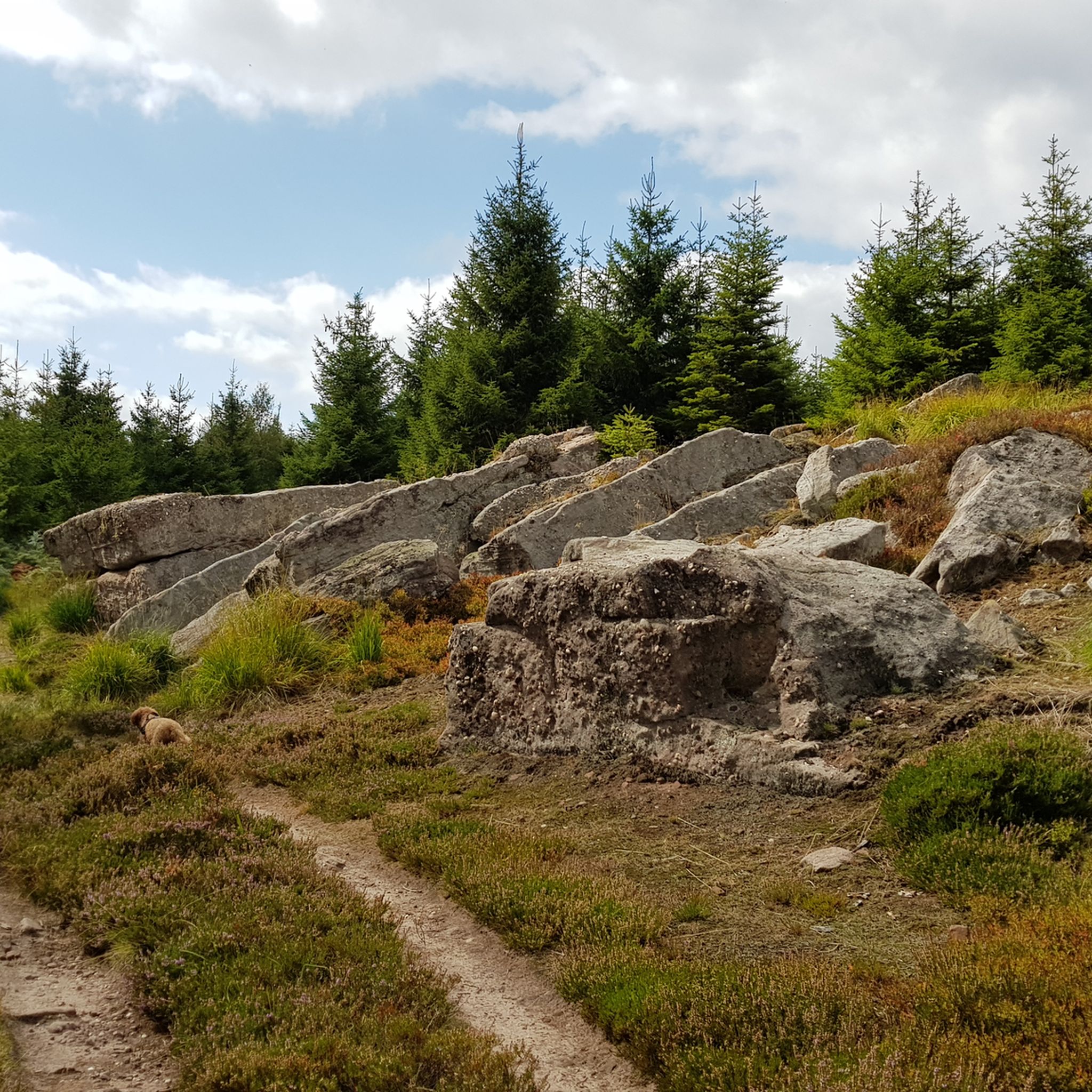
Hiking around Dagsburg
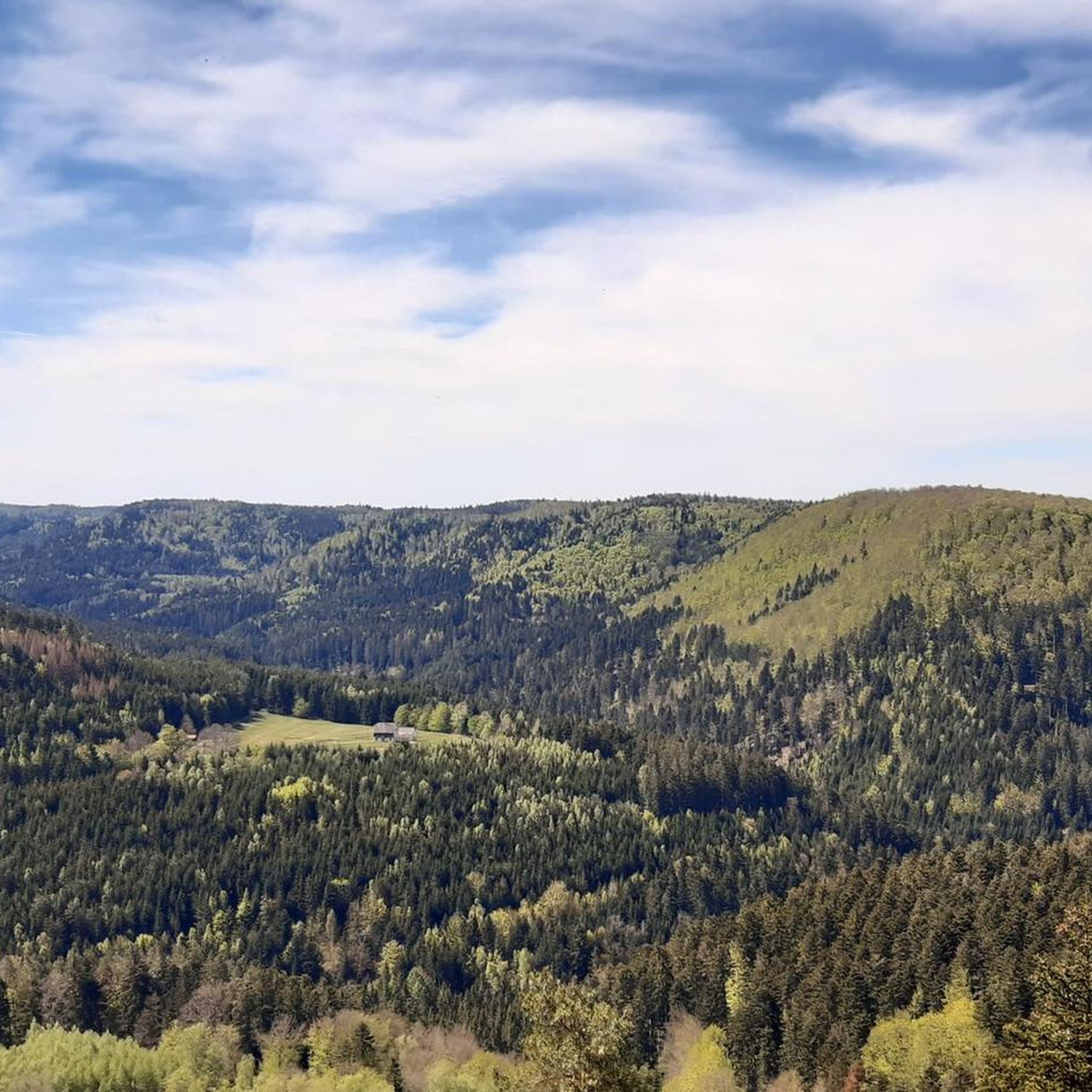
Cycling around Dagsburg
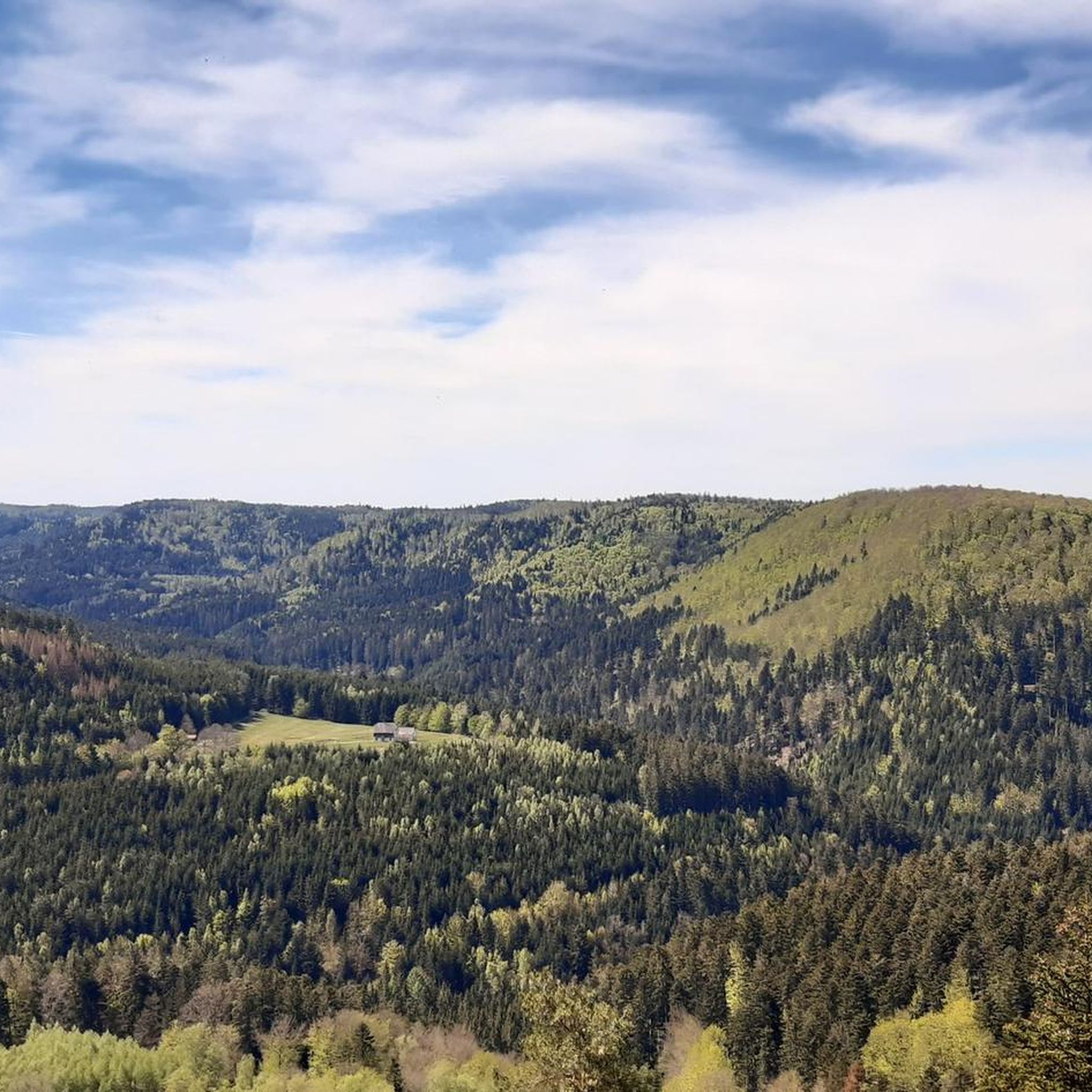
MTB Trails around Dagsburg
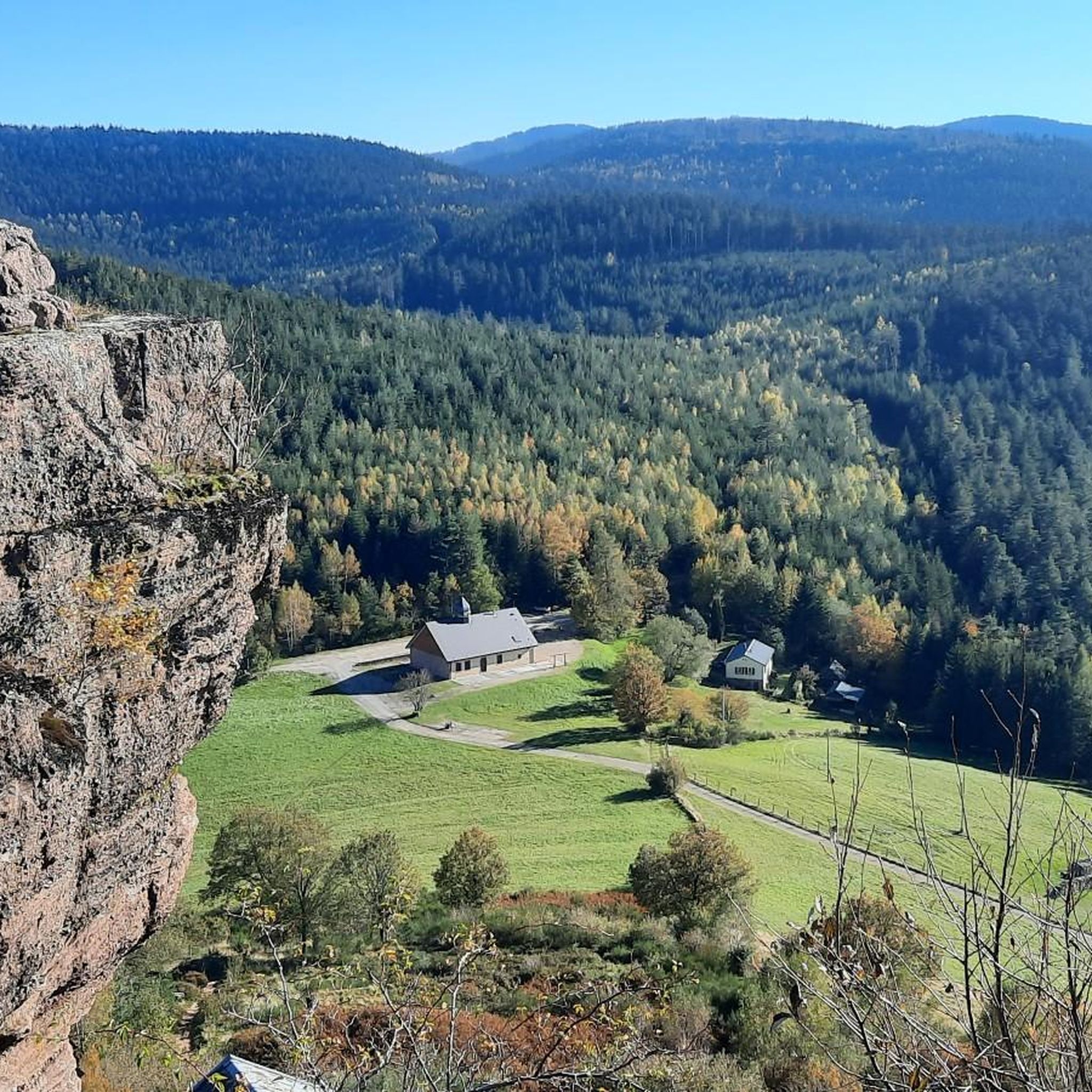
Running Trails around Dagsburg
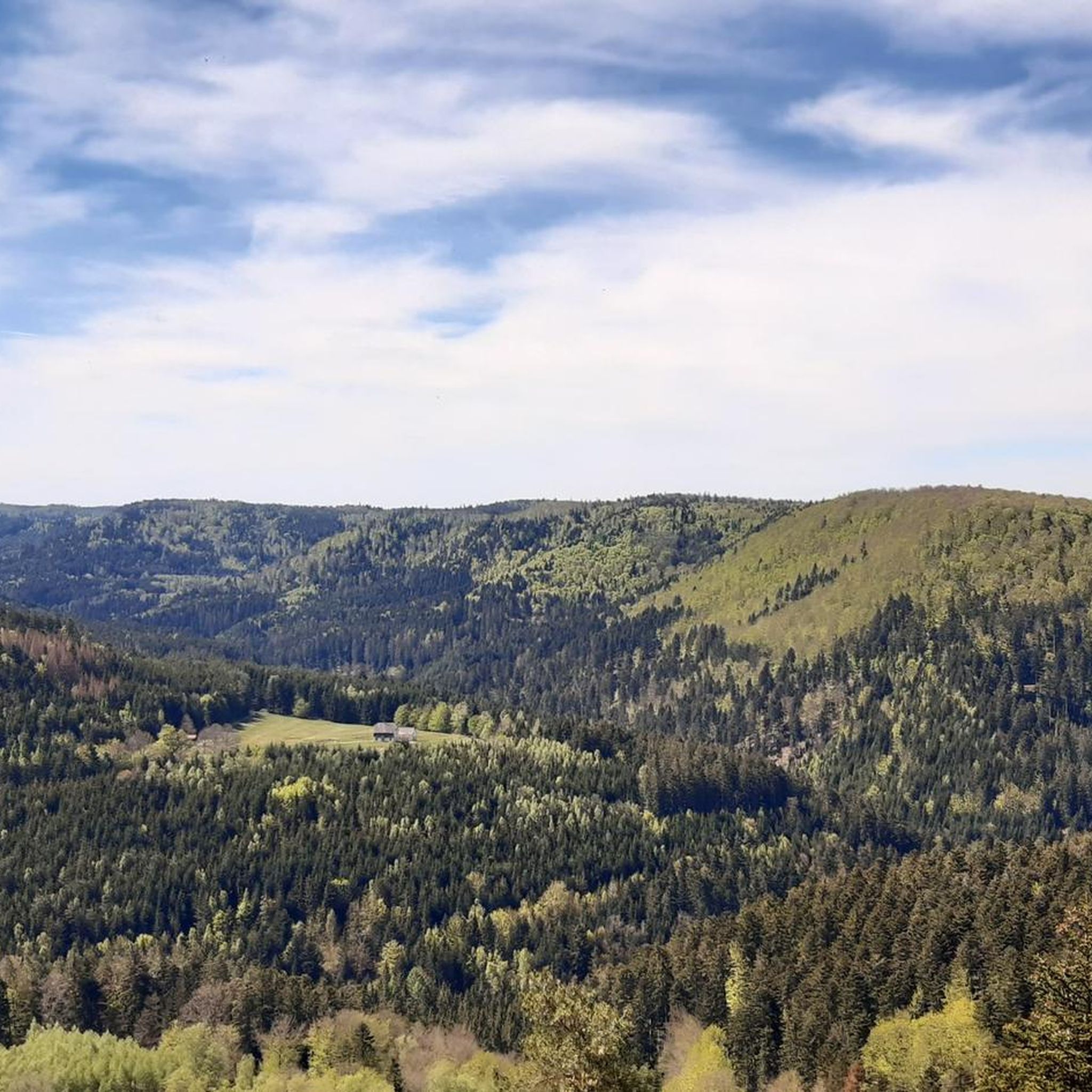
Road Cycling Routes around Dagsburg
Gravel biking around Dagsburg
Other adventures around Dagsburg


Tips from the Community

Under the very rock, which forms a rock shelter, lived for a long time the hermit known as "the Falkenfels", from 1895 until his death in 1902. There is no certainty about the origins of Edouard Hinbeer, nicknamed friendly by the population and in the archives the Waldbruder (brother of the forest). A valiant man, he looked after the pigs of the commune of Hellert. The population esteemed him, considered him a holy man and took turns bringing him their midday meals.
0
0
Beautiful trail A place of refuge and memory, the rock that houses the Cave of Danne was named Rocher Albert in honor of the president of the Vosges Club section from 1935 to 1964.
0
0

A beautiful rock formation. You can sit dry on the Rocheter Albert even when it rains.
0
0
The Falkenfels is now in a year-round protected area. All paths there are forbidden and also dismantled and blocked.
0
0

Here you can find 2 former rock houses. Also a bench with a table for a picnic. There is an information board in French at the entrance. It's about 15 minutes from the parking lot. We did a little circular walk.
0
0

Several paths lead around the rocks. At the foot there are some cave dwellings - from the top you can enjoy a fantastic view over the valley and on the Dabo rock. Incidentally, not only falcons breed here, but according to the information sign even eagle owls.
3
0
The trail around the Geisterfelsen is absolutely fantastic. Do not hesitate to make a small detour to circumvent the buttress along the blue circle. It's worth it ! 👍🤩
3
0

Incredible and majestic rock cliffs to explore.
4
0
Frequently Asked Questions
What kind of natural features can I expect to see around the Dagsburg caves?
The caves around Dagsburg are primarily natural formations dug into sandstone, offering scenic beauty and geological insights. You'll find natural cavities, rock shelters, and impressive rock cliffs like The Geisterfelsen and Falkenfels Cliffs. Many sites also provide panoramic views of the Vosges mountains and surrounding valleys.
Are there any historical or cultural sites integrated with the caves around Dagsburg?
Yes, the region features several sites with historical and cultural significance. For instance, Saint-Vit Cave: Chapel and Garden hosts a chapel embedded in a cavernous rock and an alpine garden. You can also visit the Einsiedlerhütte and Troglodyte Houses of Falkenfelsen, which are former rock dwellings with historical information.
Are the caves around Dagsburg suitable for families?
Many areas around the Dagsburg caves are family-friendly, especially those integrated into accessible hiking paths. Saint-Vit Cave: Chapel and Garden, for example, is noted for its easy-to-walk paths and picnic area, making it accessible for everyone, including families.
What is the typical difficulty level for exploring these caves and their surrounding trails?
The difficulty varies. Many trails leading to the caves are considered intermediate, offering a good balance for most hikers. Some paths, like those around Falkenfels Cliffs, can be challenging. However, sites like Grotte du Loup are described as having very accessible paths. It's best to check individual route details for specific difficulty ratings.
What are the best times of year to visit the caves near Dagsburg?
The caves and surrounding hiking trails are generally best visited during spring, summer, and autumn when the weather is mild and the natural scenery is vibrant. Winter visits might be possible, but some paths could be slippery or less accessible due to snow or ice, and specific cave conditions might vary.
What outdoor activities, besides cave exploration, can I do near Dagsburg?
The Dagsburg area is excellent for various outdoor activities. You can enjoy extensive hiking on trails like the GR 534, which links Lorraine and Alsace. There are also numerous routes for gravel biking and road cycling. For detailed routes, explore the guides for Hiking around Dagsburg, Gravel biking around Dagsburg, and Road Cycling Routes around Dagsburg.
Are dogs allowed on trails leading to the caves around Dagsburg?
Generally, dogs are welcome on many of the natural trails in the Vosges mountains around Dagsburg. However, it's always advisable to keep them on a leash, especially in protected areas or near wildlife. Specific restrictions might apply to certain cave interiors or sensitive natural monuments, so check local signage.
What should I wear or bring when visiting the Dagsburg caves?
Given the natural setting and hiking opportunities, wear comfortable hiking shoes with good grip. Dress in layers suitable for varying weather conditions, as temperatures inside caves can be cooler than outside. Bringing water, snacks, and a headlamp or flashlight for darker cave sections is also recommended.
Are there any cafes or places to eat near the Dagsburg caves?
While the caves themselves are in natural settings, the surrounding villages and towns in the Dagsburg (Dabo) area offer various amenities. For example, Saint-Vit Cave: Chapel and Garden has a picnic area with benches and tables. You'll find cafes and restaurants in nearby communities, often along popular hiking or cycling routes.
What makes the geology of the Dagsburg caves unique?
The caves in the Dagsburg region are primarily formed in sandstone, characteristic of the Vosges mountains. This results in unique natural cavities and rock shelters, distinct from the limestone formations found in many other major cave systems. Saint-Léon Cave, for instance, is a large natural cavity dug directly into this sandstone.
How long does it typically take to explore the caves and their immediate surroundings?
The time required varies greatly depending on the specific cave and whether you combine it with a hike. Some sites, like the Einsiedlerhütte and Troglodyte Houses of Falkenfelsen, might take about 15 minutes from a nearby parking lot for a quick visit, while exploring a cave and its surrounding trails could easily fill a few hours or even a half-day hike.
Are permits required for visiting the caves around Dagsburg?
For general exploration of the natural caves and rock shelters accessible via public trails, permits are typically not required. These are generally open for visitors. However, if you plan any specialized caving activities or wish to access restricted areas, it's always best to check with local authorities or guide services for any specific regulations or permit requirements.
Most popular routes around Dagsburg
Most popular attractions around Dagsburg

Get inspired with the komoot mobile app


Explore more
Extend your search for the best caves by checking out these guides of the top ones around Dagsburg:
