Top 4 Caves around Dreibrunnen
Best caves around Dreibrunnen are located in the wider region of St. Gallen, Switzerland, as Dreibrunnen itself is primarily known for its Marian pilgrimage church and three natural springs. While the immediate vicinity of Dreibrunnen does not feature notable cave systems, the surrounding areas offer diverse underground experiences. These include impressive geological formations and historical insights. The region provides opportunities to explore various stunning underground environments.
Best caves around Dreibrunnen
- The most popular caves is Saint-Léon Cave, a natural…
Last updated: May 11, 2026
Einsiedlerhütte and Troglodyte Houses of Falkenfelsen
Highlight • Historical Site
Translated by Google •
Tip by

Falkenfels Cliffs
Highlight • Natural Monument
Translated by Google •
Tip by

Sign up now to discover places like this
Get recommendations on the best single tracks, peaks, & plenty of other exciting outdoor places.
Sign up for free
Saint-Léon Cave
Highlight • Cave
Translated by Google •
Tip by

The Geisterfelsen
Highlight • Natural Monument
Translated by Google •
Tip by

Bacelles Cave
Highlight • Gorge
Access for cyclists/riders is via a detour.
Translated by Google •
Tip by

Start today with a free account
Your next adventure awaits.
Login or Signup
Tips from the Community


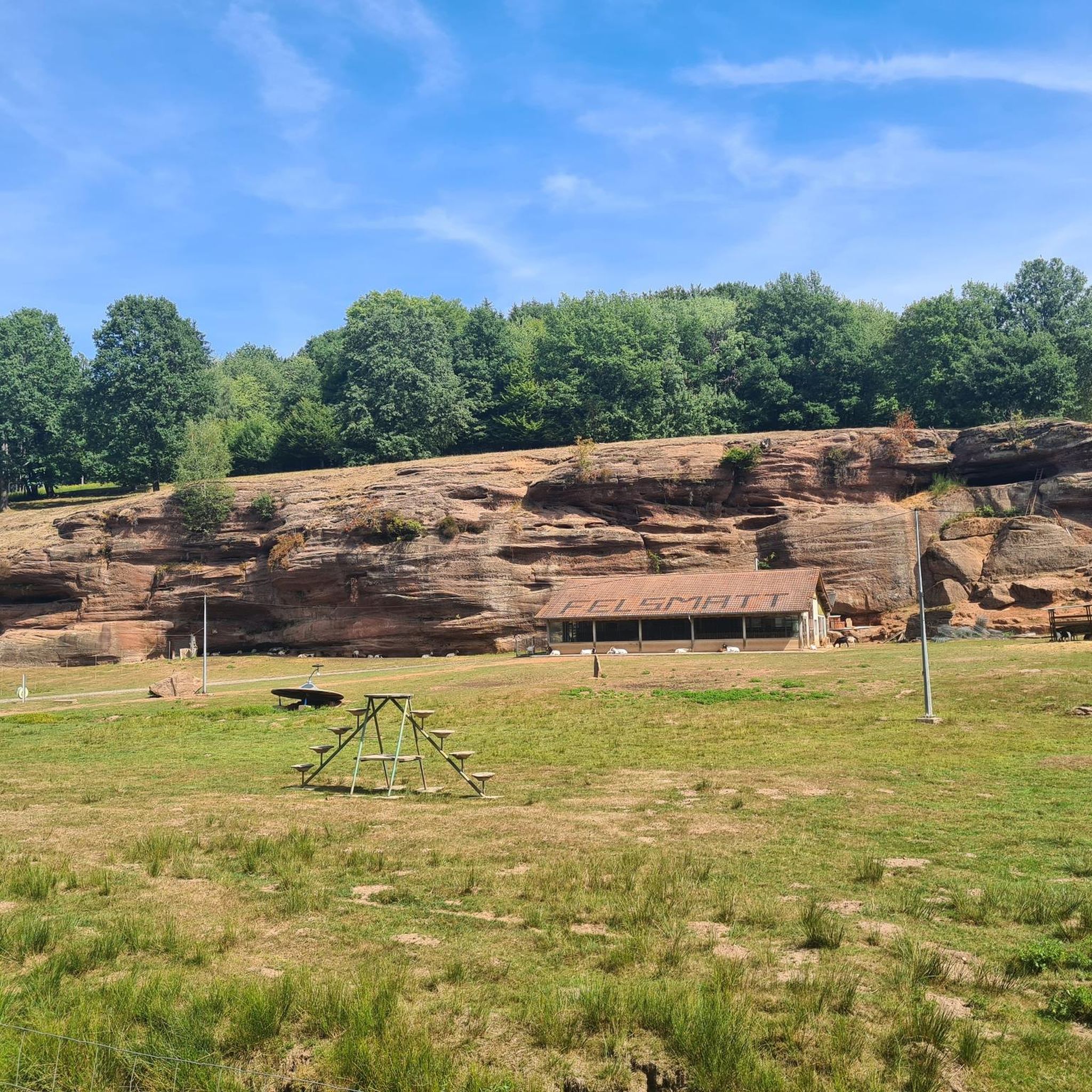
Under the very rock, which forms a rock shelter, lived for a long time the hermit known as "the Falkenfels", from 1895 until his death in 1902. There is no certainty about the origins of Edouard Hinbeer, nicknamed friendly by the population and in the archives the Waldbruder (brother of the forest). A valiant man, he looked after the pigs of the commune of Hellert. The population esteemed him, considered him a holy man and took turns bringing him their midday meals.
0
0

Cave of impressive size. Access for cyclists/riders is via a detour.
0
0

The Falkenfels is now in a year-round protected area. All paths there are forbidden and also dismantled and blocked.
0
0

Here you can find 2 former rock houses. Also a bench with a table for a picnic. There is an information board in French at the entrance. It's about 15 minutes from the parking lot. We did a little circular walk.
0
0

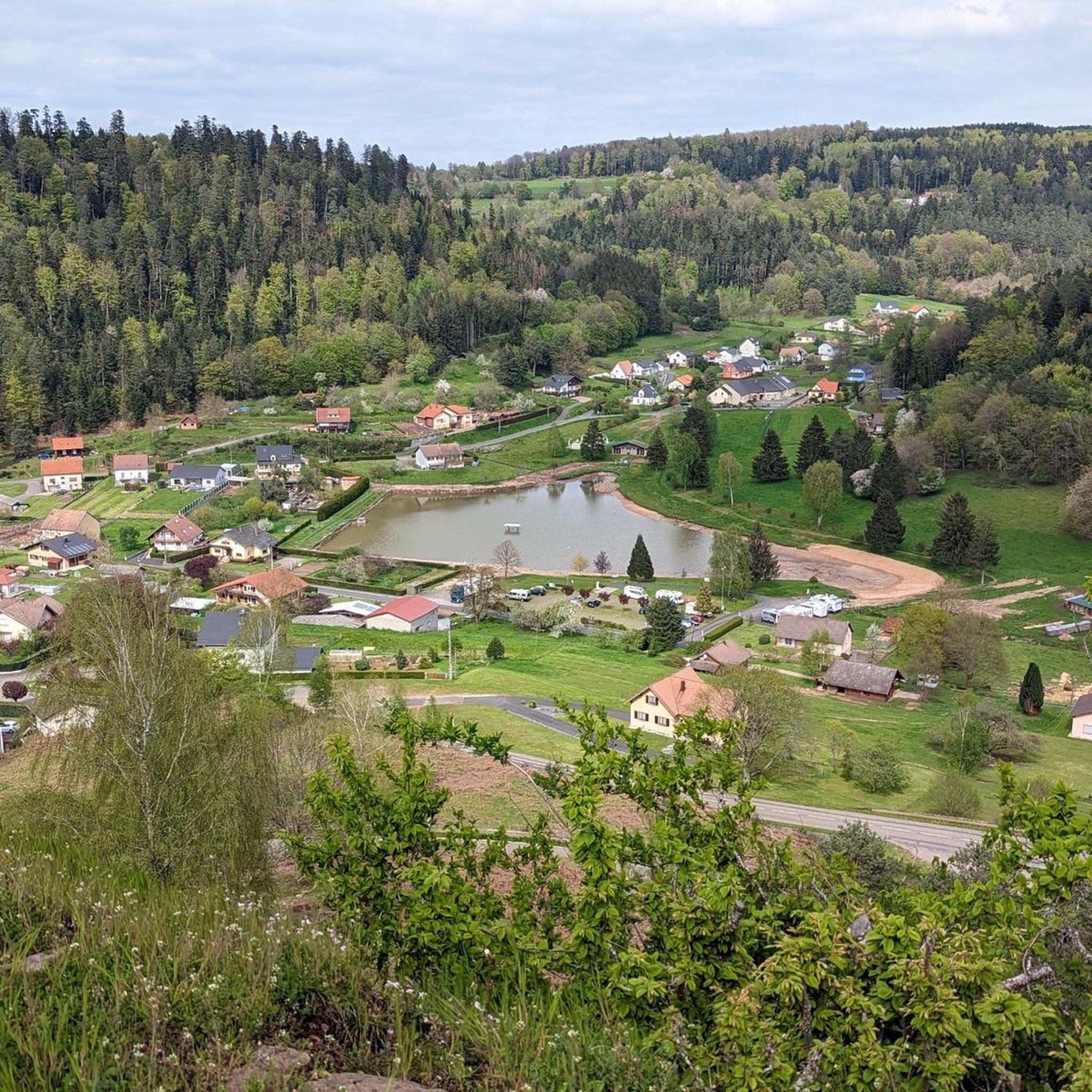
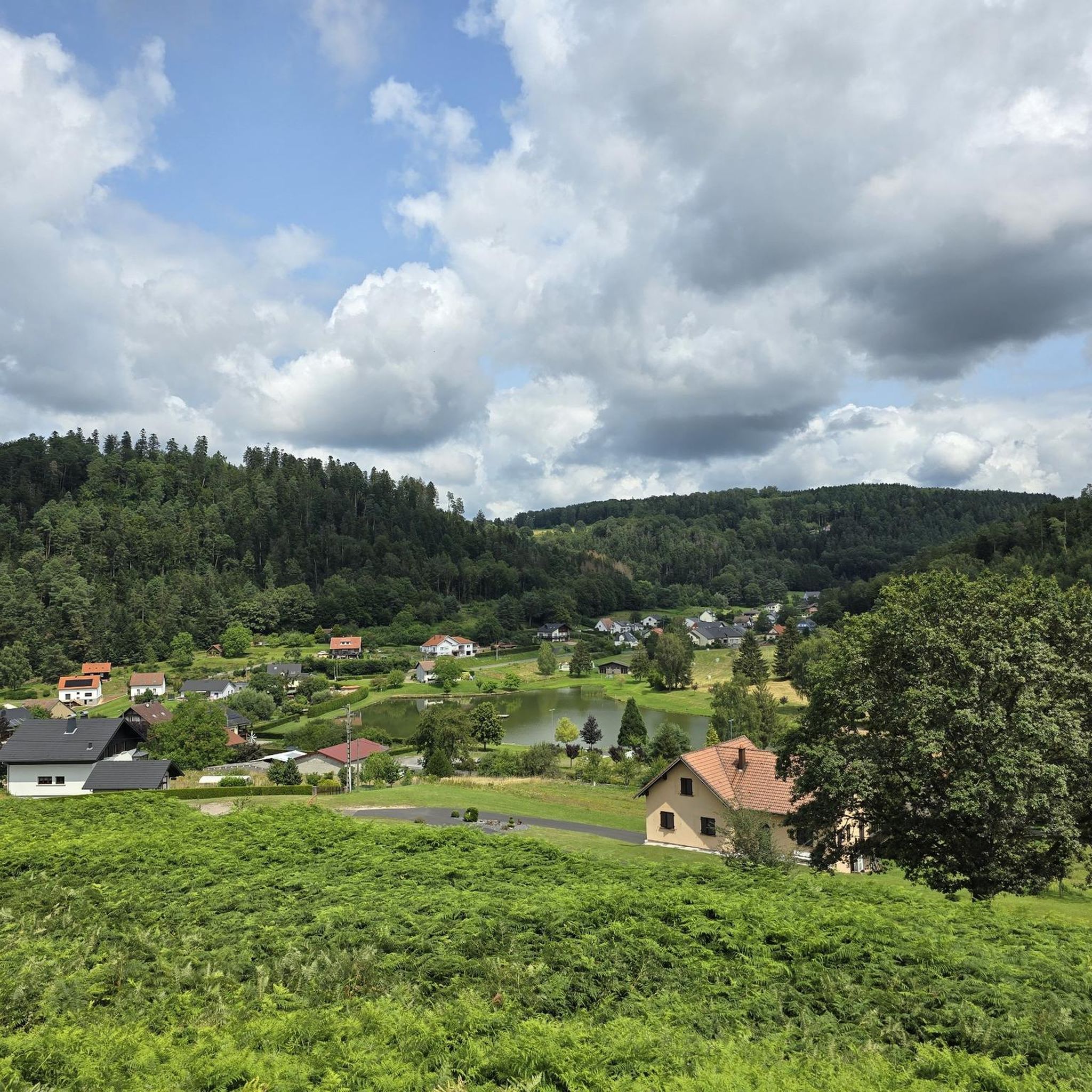
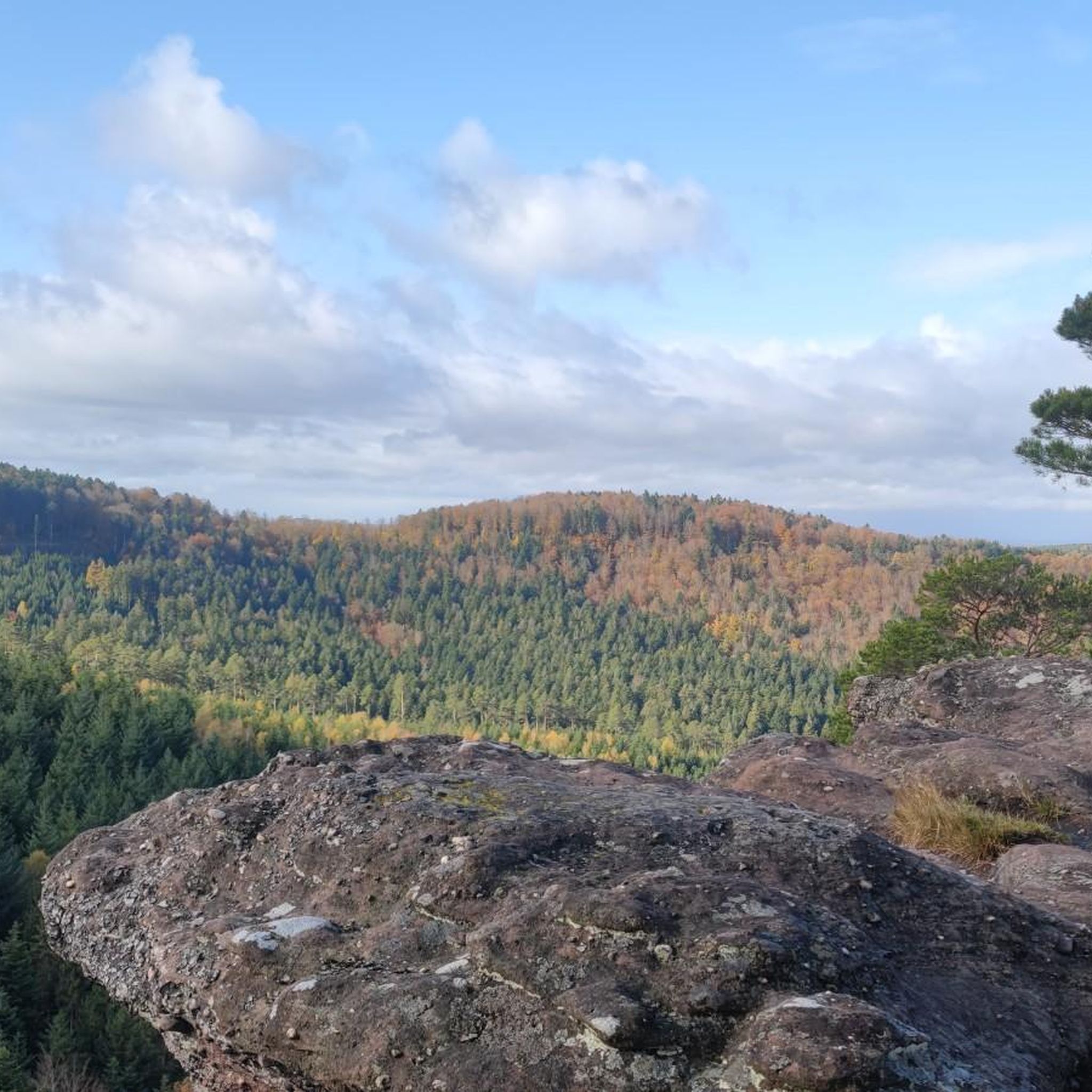
Several paths lead around the rocks. At the foot there are some cave dwellings - from the top you can enjoy a fantastic view over the valley and on the Dabo rock. Incidentally, not only falcons breed here, but according to the information sign even eagle owls.
3
0
The trail around the Geisterfelsen is absolutely fantastic. Do not hesitate to make a small detour to circumvent the buttress along the blue circle. It's worth it ! 👍🤩
3
0

Incredible and majestic rock cliffs to explore.
4
0
Frequently Asked Questions
What types of cave experiences can I find near Dreibrunnen?
While Dreibrunnen itself doesn't have caves, the wider region offers a diverse range of underground experiences. You can explore natural rock shelters and former cave dwellings like the Einsiedlerhütte and Troglodyte Houses of Falkenfelsen, or discover impressive natural cavities such as the Saint-Léon Cave, known as the largest natural cavity in the Vosges mountains. Further afield in Switzerland, you can find vast cave systems like Hölloch, crystal caves like Kristallhöhle Kobelwald, or stalactite caves with legends like St. Beatus Caves.
Are there family-friendly caves to visit in the region?
Yes, several caves in the broader region are suitable for families. The Kristallhöhle Kobelwald in Canton St. Gallen is noted for its accessibility and visual appeal with sparkling calcite crystals, making it popular for family outings. The Höllgrotten Caves in Baar also offer a magical experience with fairy-tale rock formations, appealing to both young and old.
What natural features can I expect to see in these caves?
The caves in the region showcase a variety of natural wonders. For instance, the Kristallhöhle Kobelwald is famous for its large deposits of sparkling calcite crystals and impressive stalactites and stalagmites. The St. Beatus Caves feature magnificent stalactites, stalagmites, grottoes, and underground waterfalls. The Höllgrotten Caves are known for their unique rock formations, including some resembling organ pipes, and small underground lakes.
What historical or cultural sites are associated with the caves?
Some caves in the area have historical significance. The Einsiedlerhütte and Troglodyte Houses of Falkenfelsen are former rock dwellings where a hermit lived from 1895 to 1902. The St. Beatus Caves are also steeped in legend, with a dragon tale associated with them, and offer a museum on site.
What is the best season to visit the caves?
Many of the larger cave systems, such as the St. Beatus Caves and Hölloch Cave, are well-developed tourist attractions that can be visited year-round, making them excellent all-weather excursions. For natural rock shelters and outdoor cave entrances like the Saint-Léon Cave, warmer, drier months might offer a more comfortable experience, especially if combined with hiking.
Are there hiking trails near these caves?
Yes, the region around Dreibrunnen offers numerous hiking opportunities that can include cave exploration. For example, you can find routes like the 'Hohwalsch Rock – Saint-Léon Cave loop from Walscheid' or the 'Saint-Léon Cave – Devil's Rock Viewpoint loop from Walscheid'. You can explore more hiking trails in the area by visiting the Hiking around Dreibrunnen guide.
What do visitors enjoy most about the caves in this area?
Visitors frequently praise the impressive scale and unique formations of the caves. For instance, the Saint-Léon Cave is described as 'really impressive' and the largest natural cavity in the Vosges. The Geisterfelsen are noted for their 'incredible and majestic rock cliffs'. The combination of natural beauty and accessibility often makes for a memorable experience.
Are there cycling routes that pass by or near these caves?
Yes, there are cycling routes in the vicinity. For example, the 'Saint Léon Chapel – Saint-Léon Cave loop from Walscheid' is a longer, more challenging cycling route. You can find more options for various cycling experiences in the Cycling around Dreibrunnen guide.
What should I wear when visiting caves?
Caves typically maintain a cool, constant temperature regardless of the outside weather, so it's advisable to wear layers, even in summer. Sturdy, closed-toe shoes with good grip are essential for navigating uneven and potentially wet surfaces. For more adventurous tours, specialized caving gear might be required, but for general tourist caves, comfortable walking attire is usually sufficient.
Are there any cafes or restaurants near the major cave attractions?
Yes, some of the more developed cave attractions offer amenities. For example, the St. Beatus Caves above Lake Thun include a restaurant on site, providing a convenient option for visitors to dine after their exploration.
Can I explore the caves on my own, or are guided tours required?
This depends on the specific cave. Well-developed tourist caves like St. Beatus Caves and Höllgrotten Caves often have illuminated walkways and may offer audio guides or guided tours. For vast systems like Hölloch Cave, guided tours are mandatory, ranging from beginner excursions to multi-day expeditions. Natural rock shelters or smaller cavities like the Bacelles Cave might be accessible for self-exploration, but always check local regulations and safety warnings.
Most popular routes around Dreibrunnen
Most popular attractions around Dreibrunnen

Get inspired with the komoot mobile app


Explore more
Extend your search for the best caves by checking out these guides of the top ones around Dreibrunnen:
