Top 4 Lakes around Châteauvieux
Lakes around Châteauvieux, a commune in the Hautes-Alpes department of France, feature diverse aquatic landscapes. The region is known for its numerous exceptional lakes, often set against a mountainous backdrop. This area provides opportunities to explore both natural and artificial lakes, many of which hold ecological or historical value. Châteauvieux is recognized for its glacial lakes, artificial reservoirs, and high-altitude mountain lakes.
Best lakes around Châteauvieux
- The most popular lakes is Lac de Chaudanne, a lake with turquoise waters surrounded by steep limestone cliffs. This artificial body of water is fed by the Verdon and offers a distinctive landscape for visitors.
- Another must-see spot is Castillon Dam, a man-made monument. This imposing structure, 95 meters high and 200 meters wide, provides extensive views of the Verdon.
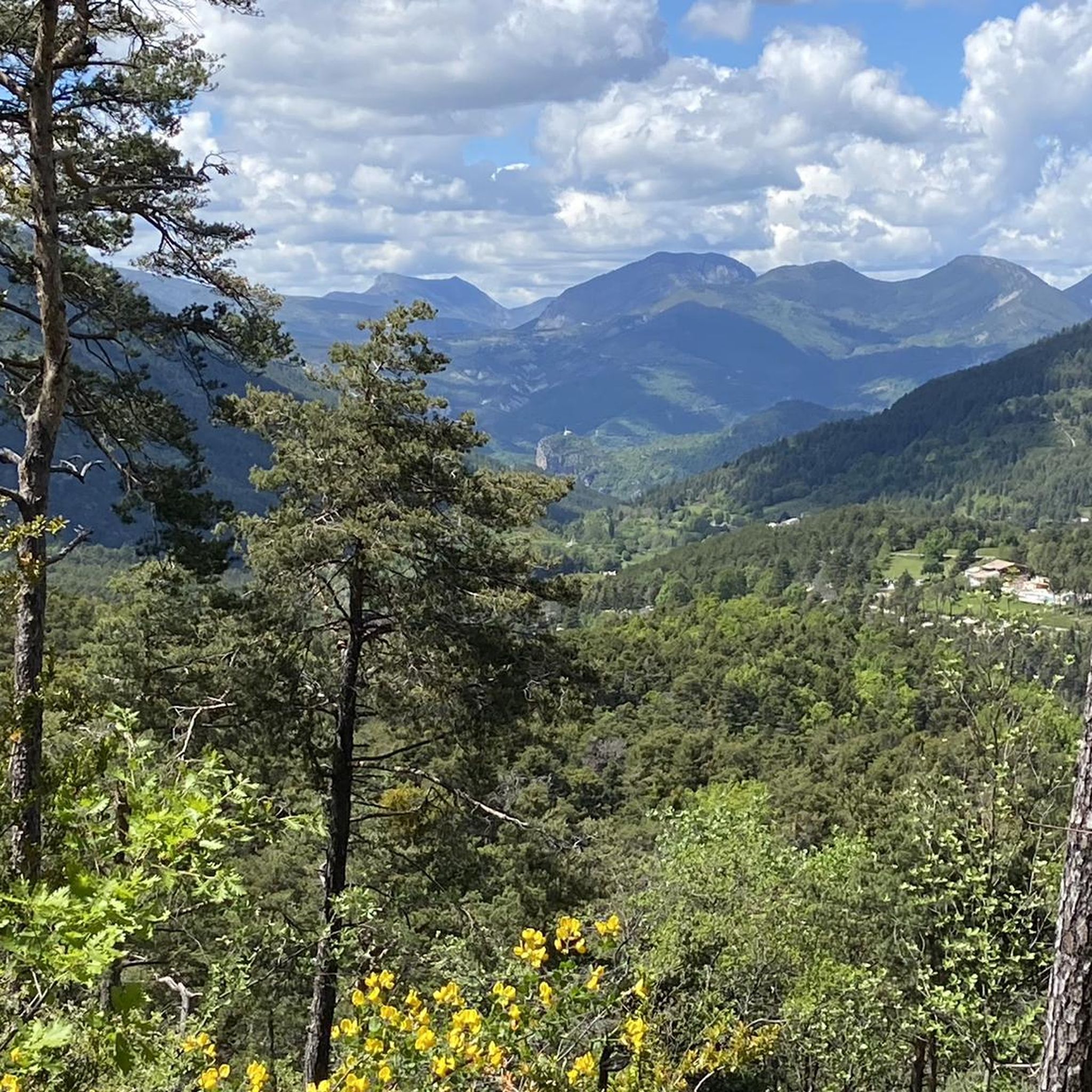
- Visitors also love Route de Soleilhas, a viewpoint. This location offers spectacular perspectives of Lac de Castillon and the surrounding area from over 1000 meters.
- Châteauvieux is known for glacial lakes, artificial reservoirs, and high-altitude mountain lakes. The region offers a variety of lakes to see and explore, from expansive waters to serene, reflective pools.
- The lakes around Châteauvieux are appreciated by the komoot community, with over 100 upvotes and 35 photos contributed by visitors.
Last updated: July 8, 2026
Castillon Dam
Highlight • Monument
Translated by Google •
Tip by

Lac de Chaudanne
Highlight • Lake
Translated by Google •
Tip by
Sign up now to discover places like this
Get recommendations on the best single tracks, peaks, & plenty of other exciting outdoor places.
Sign up for free
Route de Soleilhas
Highlight (Segment) • Viewpoint
Translated by Google •
Tip by
View of Lac de Chaudanne
Highlight • Viewpoint
Translated by Google •
Tip by

Start today with a free account
Your next adventure awaits.
Login or Signup

Tips from the Community

An absolute must for every good tourist 8-) Seriously, definitely check it out, the color of the water is different every time.
0
0

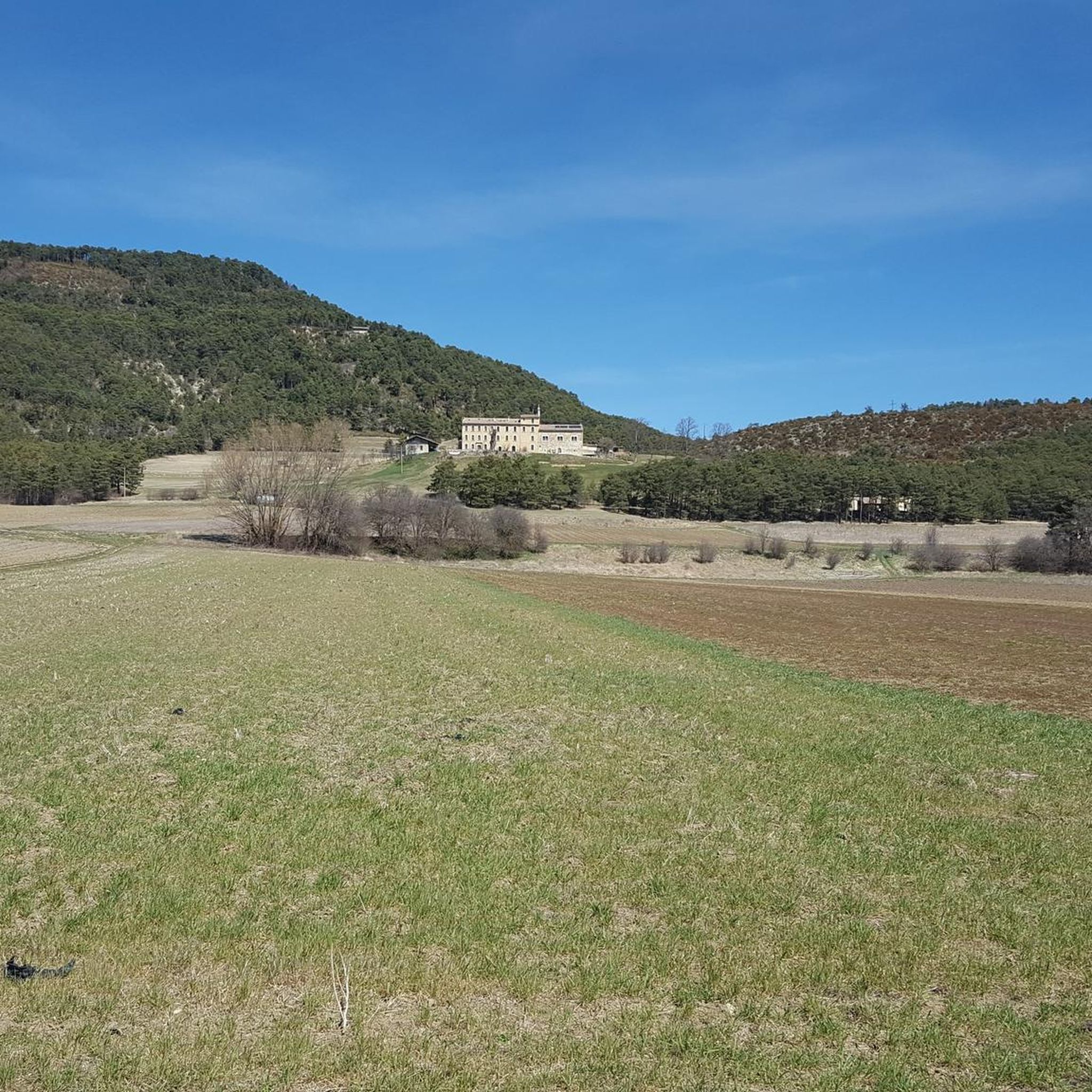
Incredible plateau at over 1000 meters at the gateway to the Verdon.
0
0

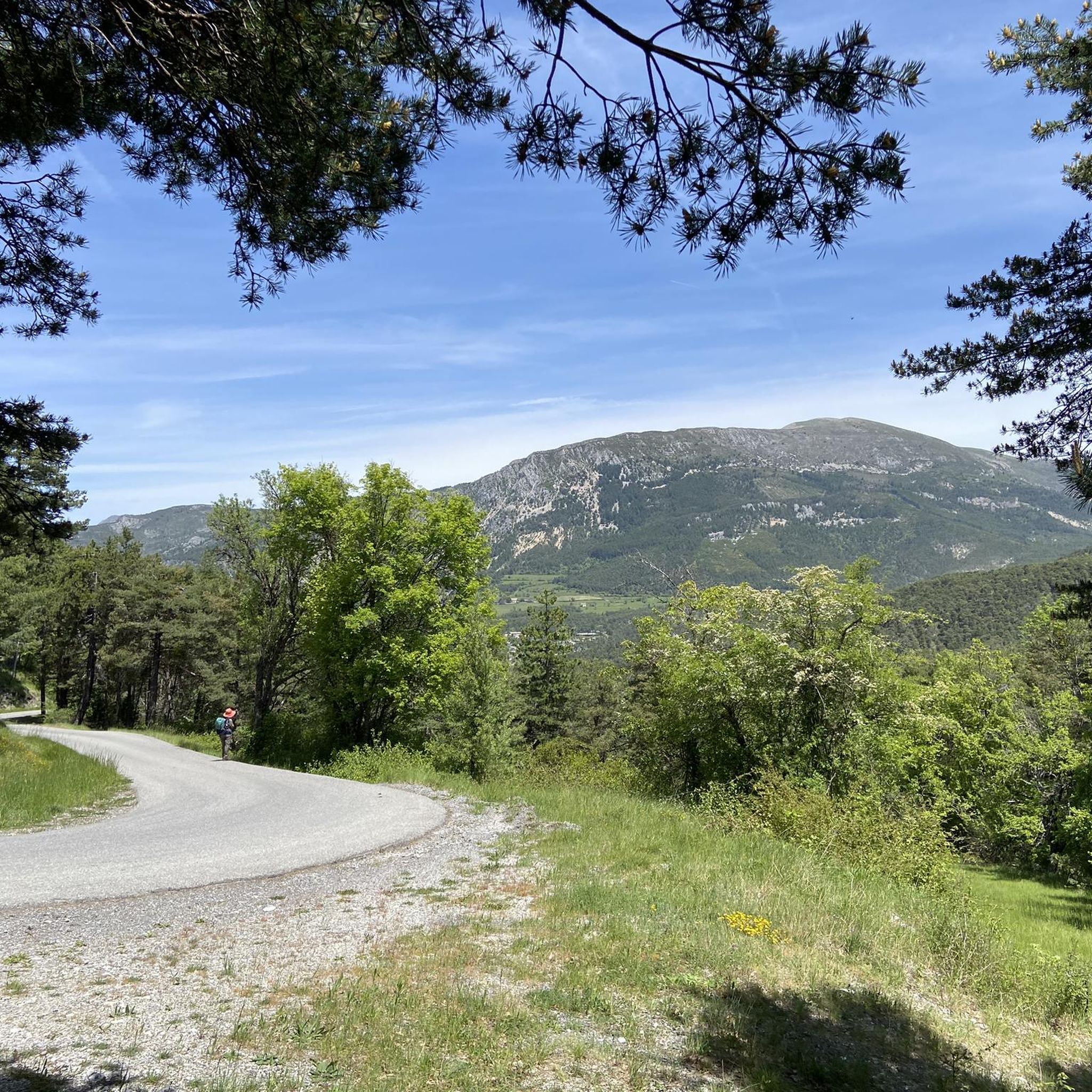
A bucolic road far from the hectic tourists, a calm lake nestled between the mountains
0
0

Upstream from Castellane, the Castillon lake is a sublime artificial body of water fed by the Verdon. The famous gorges of the river make the landscape even more beautiful by dressing the waters of the lake.
0
0

Riding a bike over a dam is a beautiful experience
0
0

very impressive construction. Only when you stand on the dam you get an image of how gigantic it is. Once a week they open the dam and the water level on the river Verdon has risen so that on the river a whole lot of water activities take place such as canyoning, canoeing, rafting etc.
0
0

Great blue reservoir. Used for tourism in the northern area. The reservoir can provide electricity for 31,000 people.
0
2

Wilder and less developed for tourism than its cousin, the Lac de Ste Croix which is located a few leagues away, the Lac de Castillon is an artificial reservoir accumulating the turquoise blue water of the Verdon which gives it its particular colour. This dam is the result of a long history. In fact, as early as 1895, after a drought that ravaged crops throughout the south of France, the project for a dam appeared that would supply water to the orchards and fields of Provence. The irrigation of agricultural land was in fact the primary objective of this dam, whose construction finally began in 1928. The nationwide project will employ 1,200 workers, including many Germans hired as part of the repairs due by the Germany after the Great War. But the company managing the works went bankrupt in 1936 and the works did not resume seriously until the end of the 2nd World War with more than 2,000 workers (including again German prisoners of war) to end with the implementation service of the dam in 1948. The impoundment led to the disappearance of the village of Castillon, swallowed up by the waters of the lake which today bears its name. You can sometimes see some vestiges of the village, as well as an old bridge, when the level is at its lowest. The lake of Castillon contains in its normal configuration 150 million m3 (8 km, 500 ha) of which 85 million are reserved for agriculture. But the dam is also a hydroelectric plant that manages to produce, on its own, the annual consumption of 31,100 people. And of course, tourism has developed a lot and is now an important activity around the lake. In 2009, a sundial was inaugurated, the time lines of which are drawn on the vault of the dam. Covering an area of about 13,000 square meters, it is the largest sundial in the world. The time is given thanks to the curved shadow cast by the cornice overhanging the dam.
0
1
Frequently Asked Questions
What are the most popular lakes around Châteauvieux?
The most popular lakes appreciated by the komoot community include Lac de Chaudanne, known for its superb turquoise waters and steep limestone cliffs, and the area around the Castillon Dam, which offers extensive views of the Verdon and Lac de Castillon.
Are there opportunities for water sports near Châteauvieux?
Yes, Lac de Serre-Ponçon, one of the largest artificial lakes in France, is a prime destination for water sports. You can enjoy sailing, water skiing, fishing, canoeing, kayaking, paddleboarding, kitesurfing, and wakeboarding. In summer, floating inflatable playgrounds are also available for family fun.
What kind of hiking trails can I find near the lakes?
The region offers a variety of hiking trails. For example, the Clarée Valley, a preserved Natura 2000 site, boasts over 30 magnificent high-altitude lakes accessible via hiking trails, ranging from moderate to challenging. You can find specific routes for hiking around Châteauvieux, including easy and moderate options, by visiting the Hiking around Châteauvieux guide.
Are there any family-friendly lakes or activities?
Many lakes in the region are suitable for families. Lac de Serre-Ponçon offers family-friendly activities like floating inflatable playgrounds in summer. Lac de l'Orceyrette provides easy walks around its banks, perfect for picnics. Lac de Chaudanne is also categorized as family-friendly.
When is the best time to visit the lakes near Châteauvieux?
The best time to visit the lakes for hiking and water activities is generally during the warmer months, from late spring to early autumn. Autumn is particularly spectacular around lakes like Lac de l'Orceyrette and Lac Cristol, as the larch trees turn golden, creating stunning photographic opportunities.
Can I swim in the lakes around Châteauvieux?
Swimming is possible in several lakes. Lac du Pontet permits swimming 'at your own risk' in its clear mountain waters. Lac Cristol in the Clarée Valley also offers opportunities for swimming on warm summer days. Always check local regulations and conditions before swimming.
Are there any lakes known for their scenic beauty or photography opportunities?
Absolutely. Lac de l'Orceyrette is renowned for its remarkable reflections, especially in the morning and evening, making it a perfect spot for photography. Lac Miroir (Mirror Lake) is aptly named for the beautiful reflections of surrounding mountains in its still waters. The turquoise waters of Lac de Chaudanne also offer breathtaking scenery.
What unique natural features can I observe at these lakes?
The region's lakes offer diverse natural features. Lac de l'Eychauda, a glacial lake in the Écrins National Park, is notable for its distinctive milky blue color from meltwater. Lac de l'Orceyrette is surrounded by larch trees that turn golden in autumn. The dramatic limestone cliffs around Lac de Chaudanne also present a unique landscape.
Are there cycling routes available near the lakes?
Yes, the area around Châteauvieux offers various cycling routes. You can explore different difficulty levels, including challenging rides like the 'Castellane – Auf und Ab am Robion loop'. For more details and specific routes, refer to the Cycling around Châteauvieux guide.
What kind of wildlife can I expect to see near the lakes?
The natural environments around the lakes, particularly in protected areas like the Écrins National Park (near Lac de l'Eychauda) and the Clarée Valley, are home to diverse alpine flora and fauna. You might spot chamois and marmots, especially in higher altitude areas and during hikes.
Are there any viewpoints offering panoramic views of the lakes?
Yes, several viewpoints provide stunning perspectives. The View of Lac de Chaudanne offers excellent perspectives of the artificial lake. Additionally, the Route de Soleilhas provides magnificent views of Lac de Castillon at the turn of its laces.
Are there any historical or cultural points of interest related to the lakes?
Lac de Serre-Ponçon is significant for its history as one of Europe's biggest earthen dams, built in the mid-20th century. A unique sight on the lake is the tiny Chapelle Saint-Michel, standing on a small island. The Maison de l'Eau et des Énergies offers insights into the dam's history and impact.
Most popular routes around Châteauvieux
Most popular attractions around Châteauvieux

Get inspired with the komoot mobile app


Explore more
Still not found your perfect lake around Châteauvieux? Check out the guides of these regions to see even more beautiful places.
