Top 10 Caves around Tamniès
Best caves around Tamniès are found in the surrounding Périgord Noir region, an area known for its prehistoric caves and geological formations. Tamniès serves as a central point for exploring the rich concentration of Paleolithic sites in the Dordogne and Vézère Valley. While the village itself does not feature major cave attractions, it provides access to significant historical and natural cave sites nearby. This region offers a glimpse into both geological wonders and the rich prehistoric heritage of humanity.
Best…
Last updated: July 8, 2026
La Roque Saint-Christophe
Highlight • Historical Site
Translated by Google •
Tip by

Les Eyzies-de-Tayac
Highlight • Historical Site
Translated by Google •
Tip by
Sign up now to discover places like this
Get recommendations on the best single tracks, peaks, & plenty of other exciting outdoor places.
Sign up for free
Lascaux International Centre for Cave Art
Highlight • Historical Site
Translated by Google •
Tip by

Abri de La Madeleine
Highlight • Cave
Translated by Google •
Tip by

Maison Forte de Reignac
Highlight • Castle
Source Wikipedia en.m.wikipedia.org/wiki/Tursac
Translated by Google •
Tip by

Sign up for free to discover even more caves around Tamniès.
Sign up for free
Already have an account?
Start today with a free account
Your next adventure awaits.
Login or Signup
Tips from the Community

A worthwhile visit, even if it's not the original cave. But the replica is very well done, and the self-guided tour with the audio guide, also in German, explains everything in a very interesting way.
1
0

This museum is certainly interesting, unfortunately we didn't have enough time
0
0
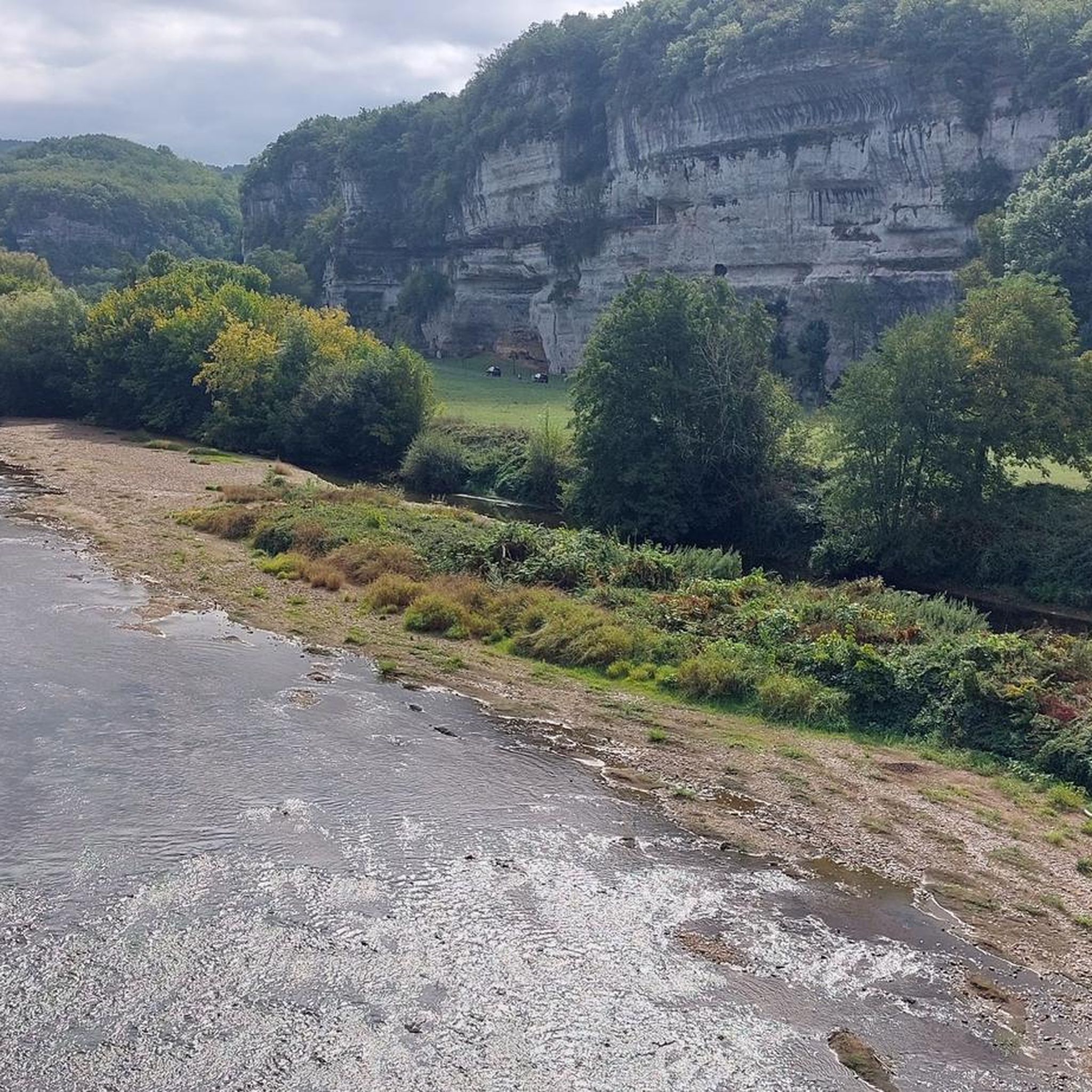
Impressive are the dwellings in the rocks and the houses from the rocks
0
0

Here we have the situation – previously completely unknown to me and therefore surprising – that MADELEINE, a Christian saint (the name is derived from the biblical "Mary Magdalene"), has become the namesake of an era from the proverbial "dim prehistory" (one to one and a half dozen millennia before the beginning of our era). To paraphrase it from Wikipedia, which can explain it better than I can: "The Magdalenian is an archaeological cultural stage in the younger part of the Upper Paleolithic in Central and Western Europe at the end of the last Ice Age. The Magdalenian was named in 1869 by Gabriel de Mortillet after the semi-cave La Madeleine in the Dordogne department. It spanned an approximate period from approximately 18,000 to 12,000 BC."
2
0
This excursion takes visitors far back into prehistoric times. And the place - like the Vézère valley in the French Périgord - is not only marked as one (of many) highlights in the komoot system: UNESCO has also recognized the surprisingly well-preserved, ancient rock paintings and - quite rightly - awarded them the coveted title of World Heritage Site. The German-language television series "Treasures of the World - Heritage of Humanity" documents these special places from all eras and continents in quarter-hour contributions. If you are interested, see: => https://www.ardmediathek.de/video/schaetze-der-welt/vezere-frankreich-folge-227/swr/Y3JpZDovL3N3ci5kZS82OTg1MTQ2
2
0

¡Lascaux4 is “Brutalism in architecture”!
2
0

Said to be the last intact rock castle in France.
0
0

The International Center for Parietal Art in Lascaux is an essential destination for art and history enthusiasts. Located near the original Lascaux caves, this center offers an immersive and captivating experience. Visitors can explore the reproduction of the cave, known as Lascaux IV, which faithfully recreates Upper Paleolithic wall art. With state-of-the-art technology and interactive exhibits, the International Center for Cave Art provides an opportunity to delve into the fascinating history of prehistoric art and understand its cultural and artistic significance.
2
0
Frequently Asked Questions
What kind of historical significance do the caves around Tamniès hold?
The caves and rock shelters in the Périgord Noir region, near Tamniès, are renowned for their rich prehistoric heritage. They served as dwellings for people in prehistoric times and later as fortified sites. The area, often called the "valley of man," is a concentration of Paleolithic sites, offering a deep dive into human history. For example, La Roque Saint-Christophe features natural cavities inhabited since prehistoric times and later converted into a fortress.
Are there any caves with prehistoric art near Tamniès?
Yes, the region is famous for its prehistoric art. The Lascaux International Centre for Cave Art offers a faithful replica of the original Lascaux cave, showcasing some of the world's most famous Upper Paleolithic wall art. Additionally, Font-de-Gaume is one of the last original polychrome decorated caves still open to the public, featuring impressive paintings and engravings of bison, reindeer, and mammoths. Grotte de Rouffignac also contains numerous prehistoric drawings and engravings, particularly of mammoths.
Can I visit original prehistoric caves or only replicas?
You can visit both. While the original Lascaux cave is closed to the public to preserve its fragile artwork, its faithful replica at the Lascaux International Centre for Cave Art provides an immersive experience. However, caves like Font-de-Gaume and Grotte de Rouffignac offer access to original prehistoric art, though access to Font-de-Gaume is limited and requires advance booking due to conservation efforts.
What are some unique geological features to see in the caves near Tamniès?
The region boasts diverse geological wonders. The Gouffre de Padirac, for instance, is a breathtaking natural chasm where visitors take a boat ride on an underground river through colossal galleries, featuring impressive stalactites like the Grande Pendeloque. Grotte de Villars is also notable for its remarkable concretions, including stalactites and stalagmites, alongside prehistoric paintings.
Are there any fortified cave dwellings or rock shelters to explore?
Yes, the area is rich in such sites. La Roque Saint-Christophe is a prime example, featuring natural cavities that were inhabited in prehistoric times and later converted into a medieval fortress. The Maison Forte de Reignac is another unique fortified house built directly under a cliff, which has been transformed into a museum.
Are the caves around Tamniès suitable for families with children?
Many caves in the region are family-friendly. The Lascaux International Centre for Cave Art offers an interactive and engaging experience for all ages. Grotte de Rouffignac provides a guided train ride through its extensive galleries, which can be particularly enjoyable for children. The Gouffre de Padirac's boat ride on an underground river also offers a unique and memorable adventure for families.
Are there accessible caves for visitors with mobility issues?
The Lascaux International Centre for Cave Art is designed to be wheelchair accessible, offering an inclusive experience of prehistoric art. For other caves, it's advisable to check their specific accessibility information directly, as natural cave environments can vary greatly in terrain and ease of access.
What is the best time of year to visit the caves near Tamniès?
The caves can generally be visited year-round, as their internal temperatures remain relatively constant. However, visiting during the spring (April-June) or autumn (September-October) offers pleasant weather for exploring the surrounding region and avoids the peak summer crowds. Always check specific cave opening hours, as some may have reduced schedules in the off-season.
What outdoor activities can I do near these caves?
The Tamniès area offers a variety of outdoor activities. You can find numerous hiking trails, such as the 'Discovering Tamniès' or 'Restored Fountain – Tamniés loop', which are typically moderate in difficulty. Cycling routes are also popular, with options like the 'Maison Forte de Reignac – Les Eyzies-de-Tayac loop'. For more details on routes, you can explore the Hiking around Tamniès or Cycling around Tamniès guides.
Are there any less crowded caves to visit in the Tamniès area?
While major sites like Lascaux IV and Gouffre de Padirac can be popular, some caves might offer a more intimate experience, especially during off-peak seasons. Font-de-Gaume, due to its limited access for conservation, provides a unique and less crowded encounter with original art, though booking well in advance is essential. Grotte de Villars and Grotte de Rouffignac might also offer a more relaxed visit compared to the most famous attractions.
What is Les Eyzies-de-Tayac known for?
Les Eyzies-de-Tayac is considered the 'capital of prehistory' due to the extraordinary concentration of prehistoric sites in and around the village. It offers numerous opportunities to explore caves with paintings and learn about the region's rich Paleolithic history, including a national museum and the Pôle de la préhistoire.
Are dogs allowed in the caves around Tamniès?
Generally, dogs are not permitted inside most caves due to conservation efforts and safety regulations. It is always best to check the specific rules of each cave attraction before planning your visit. Some sites may offer kennels or designated areas for pets, but this is not universal.
What should I wear when exploring caves in the Tamniès area?
Caves maintain a cool and constant temperature, typically around 13-14°C (55-57°F), regardless of the outside weather. It is advisable to wear layers, including a light jacket or sweater, and comfortable, closed-toe shoes with good grip, as surfaces can be damp and uneven.
Most popular routes around Tamniès
Most popular attractions around Tamniès

Get inspired with the komoot mobile app


Explore more
Extend your search for the best caves by checking out these guides of the top ones around Tamniès:
