Top 4 Castles around Foissac
Castles around Foissac offer a journey through history in the Aveyron department of France. While Foissac is primarily known for its prehistoric cave, the Grotte de Foissac, the surrounding region features a collection of historical châteaux and fortresses. These sites provide insights into medieval architecture and local heritage. The area's landscape, characterized by river valleys and rocky outcrops, often provides the setting for these historical structures.
Best castles around Foissac
- The most popular castles is Larroque-Toirac, a settlement that…
Last updated: July 8, 2026
Larroque-Toirac
Highlight • Settlement
Translated by Google •
Tip by

Montbrun Village and Castle Ruins
Highlight • Settlement
Translated by Google •
Tip by
Sign up now to discover places like this
Get recommendations on the best single tracks, peaks, & plenty of other exciting outdoor places.
Sign up for free
Château de Béduer
Highlight • Castle
Translated by Google •
Tip by

Montbrun
Highlight • Castle
Translated by Google •
Tip by

Start today with a free account
Your next adventure awaits.
Login or Signup
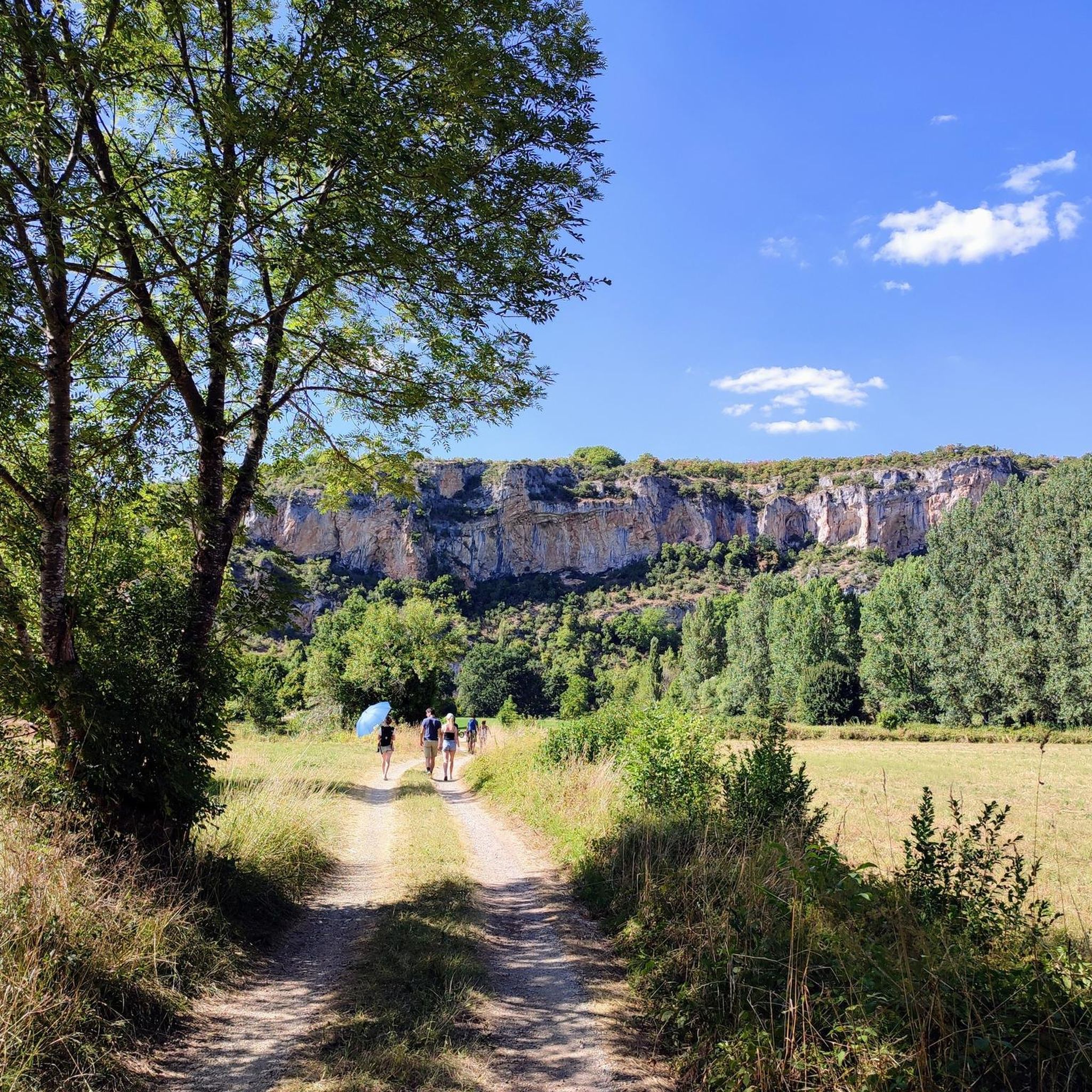
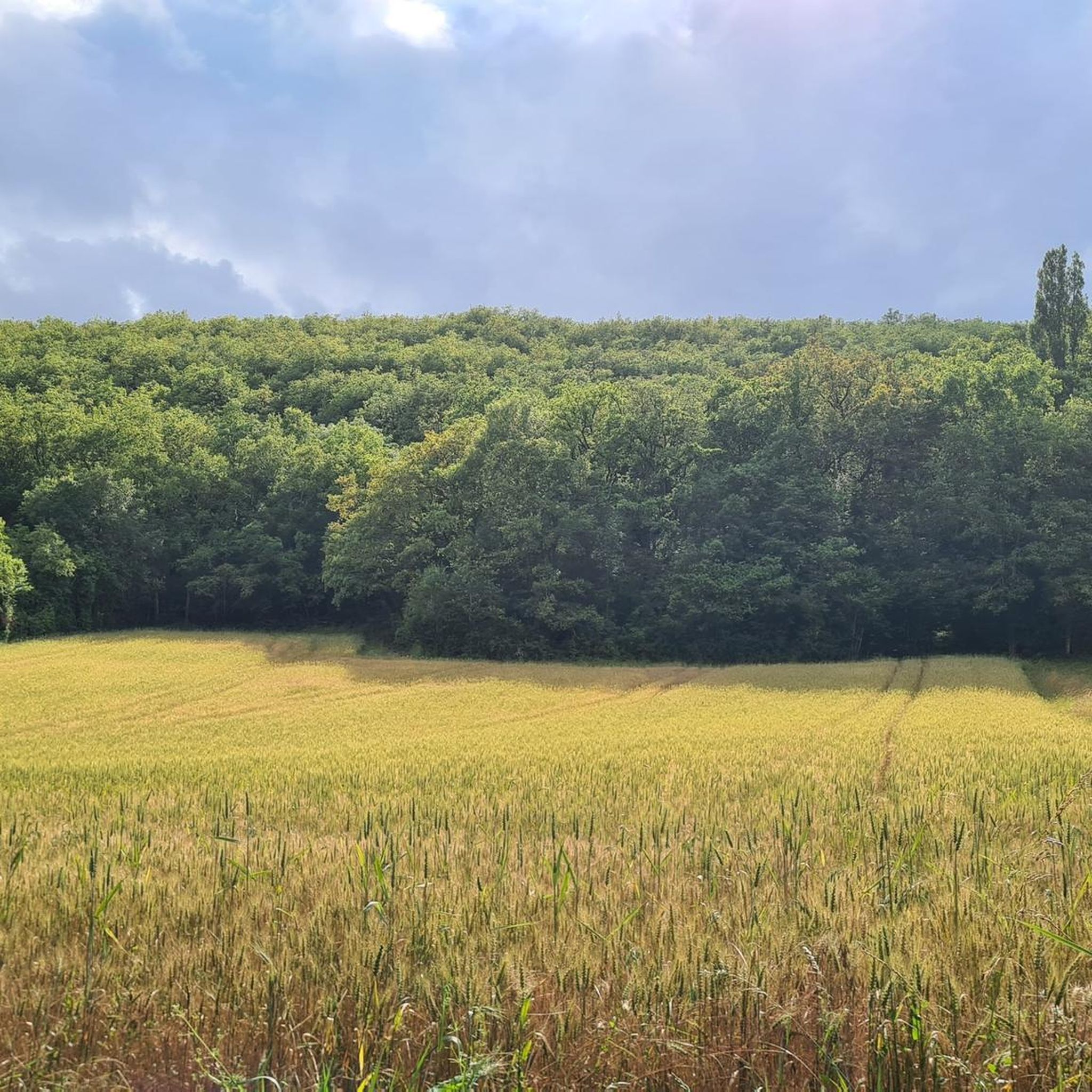
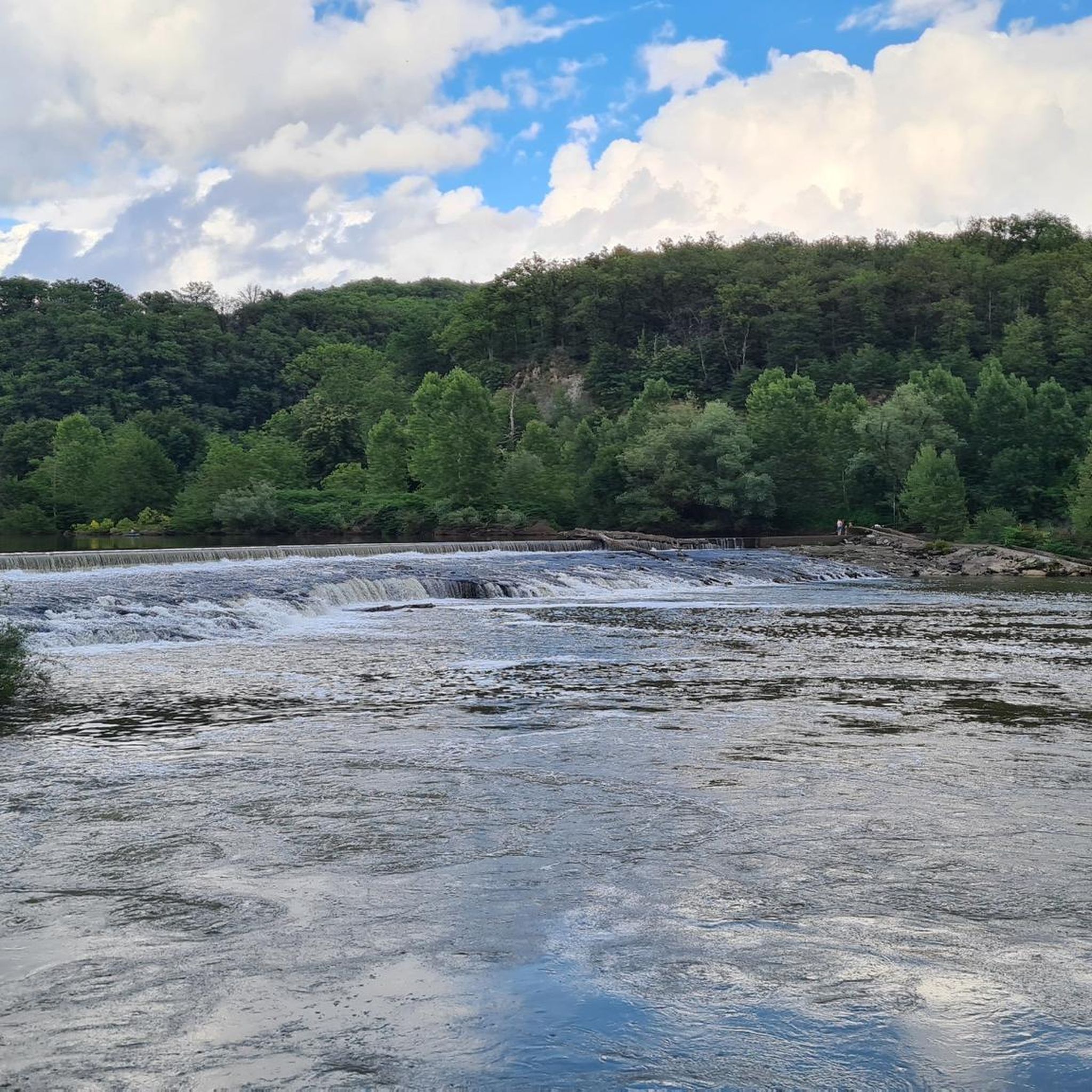
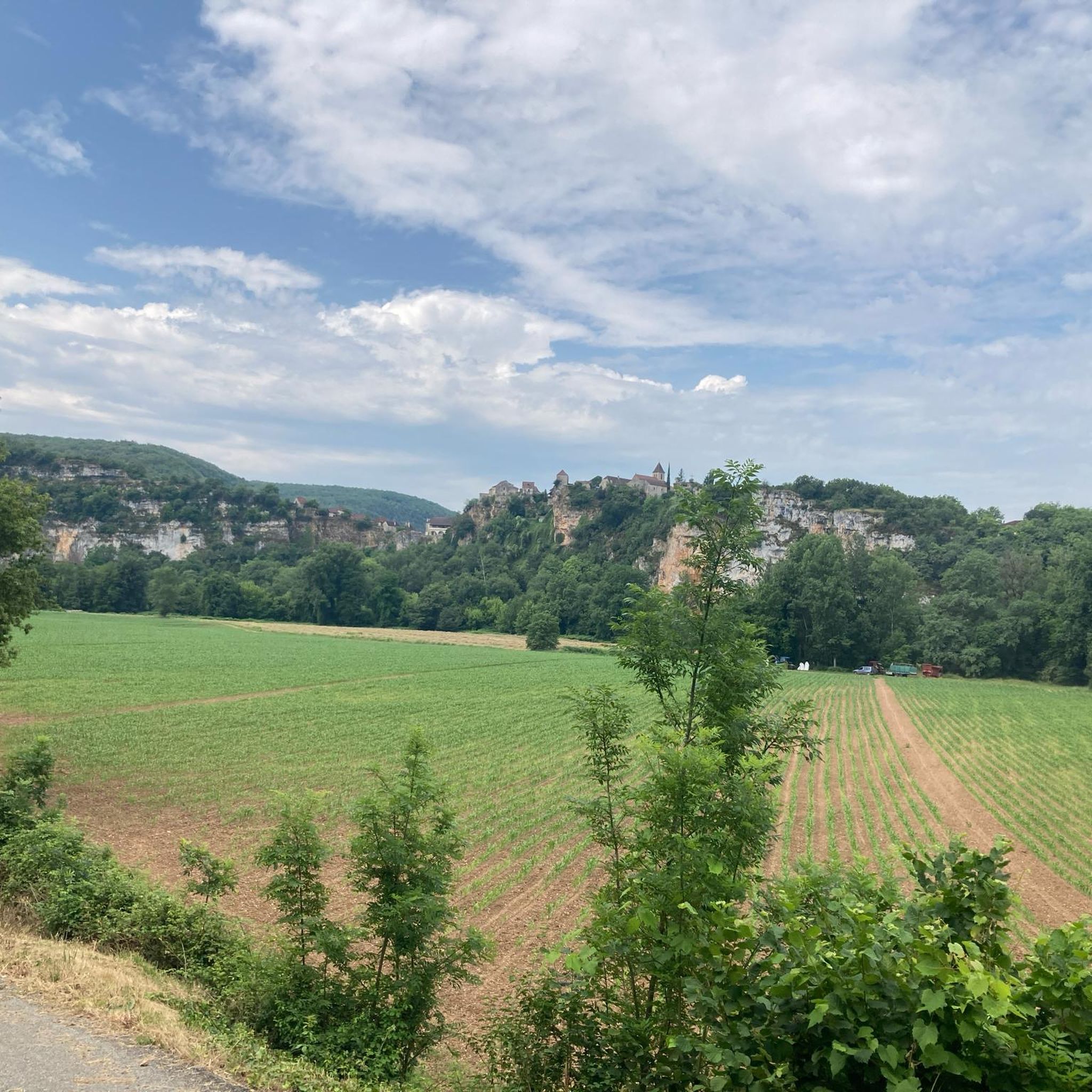

Tips from the Community

Beautiful castle, nice to look at, but unfortunately no railway cycle path, only road.
1
1
Nice place, it would be even nicer if there was a railway cycle path.
0
1

Nice to stop there for a little while... the bravest can even go up to see this beautiful building... I passed on this time for my part!
3
0
This village looks very beautiful! I had already done quite a bit of elevation so I stayed at the bottom... but the castle looks magnificent, I will come back to visit it (open only in July-August apparently)
3
1

The village is dominated by the ruins of the castle and rises on a rocky promontory above the Lot. This castle classified as a historical monument is private. It is possible to admire the remains of the 13th-century keep and 16th-century tower from a natural watchtower, located behind the castle.
0
0

Montbrun is a commune in the French department of Lot and has 114 inhabitants. The place is part of the arrondissement of Figeac.
0
0

The Château de Larroque-Toirac is a medieval castle that was modified at various times up to the last part of the 17th century.
1
0
Frequently Asked Questions
What are some of the most notable castles to visit near Foissac?
While Foissac itself is known for its prehistoric cave, the surrounding region offers several impressive castles. Among them are Larroque-Toirac, a medieval fortress perched on a cliff, and the Montbrun Village and Castle Ruins, which overlook the Lot Valley. Another significant site is Château de Béduer, an imposing castle with a 60-meter-high tower.
Are there any castles near Foissac that offer historical insights into the region?
Yes, several castles provide deep historical context. Larroque-Toirac, built between the 12th and 14th centuries, served as a defense place and retains its original defense system. It was conquered and reconquered for centuries. The Montbrun Village and Castle Ruins feature remains of a 13th-century keep and a 16th-century tower. Château de Béduer was a former possession of the Barasc family from the 11th to the 16th century, with its imposing structure dating from the 16th and 17th centuries.
What kind of views can I expect from the castles around Foissac?
Many castles in the region are strategically located on rocky promontories or cliffs, offering panoramic views. For instance, Montbrun Village and Castle Ruins are situated on a rocky outcrop above the Lot, providing views of the Cirque du Saut de la Mounine. Similarly, Larroque-Toirac dominates its village from an astonishing cliff, offering expansive vistas of the Lot Valley.
Are there family-friendly castles or activities near Foissac?
While the specific castles mentioned in the guide are historical sites, the broader Aveyron region, where Foissac is located, offers options like Château de Montaigut, which features an old village ecomuseum with games and costumes for an authentic family experience. When visiting any castle, it's always best to check their official websites for current family-oriented programs or events.
What outdoor activities can I do near these castles?
The area around Foissac and its castles is excellent for various outdoor activities. You can explore numerous routes for hiking, including the Foissac Dolmens Trail. There are also extensive options for gravel biking and road cycling, with routes like the Faycelles Village – Saint Espagnac loop or the Larroque-Toirac – Lavoir de Balaguier-d'Olt loop.
Are there hiking trails directly around the castles?
Yes, the region offers opportunities for walks and hikes that often incorporate historical sites. For example, the village of Béduer is the official starting point of the GR 651, a long-distance hiking trail. Many castles are situated within scenic landscapes, allowing for walks to and around their premises, often providing views of the structures and the surrounding valleys.
What is the best time of year to visit the castles near Foissac?
The best time to visit is generally from spring to early autumn (May to September) when the weather is pleasant for exploring and most sites are fully open. Some castles, like Larroque-Toirac, have limited opening hours, typically from July to early September, and by request for groups outside these months. Always check specific castle websites for their current operating schedules.
Can I visit the castles without a car?
While public transport options might be limited for direct access to all remote castle sites, some villages like Larroque-Toirac and Montbrun are part of communes that may have local bus services or be accessible via regional transport to nearby towns, followed by a taxi or a longer walk. For maximum flexibility, a car is often recommended to explore the various castles scattered across the region.
Are there any hidden gem castles or lesser-known sites worth exploring?
Beyond the more prominent sites, the Aveyron department is dotted with numerous historical châteaux and fortresses, some of which are less frequented. For instance, Château de Valon, a ruined hilltop castle from the 14th century, offers breathtaking views of the Gorges de la Truyère and can be visited freely, providing a more rugged and less commercial experience.
What kind of architectural styles can be seen among the castles?
The castles around Foissac and in the broader Aveyron region showcase a range of architectural styles reflecting different historical periods. You'll find medieval fortresses like Larroque-Toirac with its defensive structures, and examples of Renaissance architecture such as Château de Bournazel, known for its innovative design and Italian Renaissance gardens.
What do visitors enjoy most about the castles in this region?
Visitors often appreciate the immersive historical experience, the stunning natural settings, and the sense of discovery. The komoot community has shared over 20 photos and given more than 120 upvotes to the highlights, indicating a strong appreciation for the unique character and scenic beauty of these historical sites. The blend of history with picturesque landscapes is a major draw.
Are there any castles that are particularly well-preserved or restored?
Yes, some castles are remarkably well-preserved or have undergone significant restoration. Château de Belcastel, for example, is a magnificent medieval village and castle that has been extensively restored. Larroque-Toirac also retains its original kitchen, 15th-century fireplaces, and 16th-century frescoes, offering a glimpse into its past.
Most popular routes around Foissac
Most popular attractions around Foissac

Get inspired with the komoot mobile app


Explore more
Looking for the best castles somewhere else? Discover other guides around Foissac:
