Top 12 Caves around Les Eyzies-De-Tayac-Sireuil
Best caves around Les Eyzies-De-Tayac-Sireuil are concentrated in a region known as the "Valley of Man," due to its significant concentration of Paleolithic sites. This area in the Dordogne features natural cavities and rock shelters that have been inhabited since prehistoric times. The landscape is characterized by cliffs and the Vézère River, offering a setting for exploring ancient human history.
Best caves around Les Eyzies-De-Tayac-Sireuil
- The most popular caves is La Roque Saint-Christophe, a historical site that features natural…
Last updated: May 13, 2026
La Roque Saint-Christophe
Highlight • Historical Site
Translated by Google •
Tip by

Les Eyzies-de-Tayac
Highlight • Historical Site
Translated by Google •
Tip by
Sign up now to discover places like this
Get recommendations on the best single tracks, peaks, & plenty of other exciting outdoor places.
Sign up for free
Abri de La Madeleine
Highlight • Cave
Translated by Google •
Tip by

Maison Forte de Reignac
Highlight • Castle
Source Wikipedia en.m.wikipedia.org/wiki/Tursac
Translated by Google •
Tip by

La Madeleine Prehistoric Site
Highlight • Historical Site
Translated by Google •
Tip by

Sign up for free to discover even more caves around Les Eyzies-De-Tayac-Sireuil.
Sign up for free
Already have an account?
Start today with a free account
Your next adventure awaits.
Login or Signup
Popular around Les Eyzies-De-Tayac-Sireuil
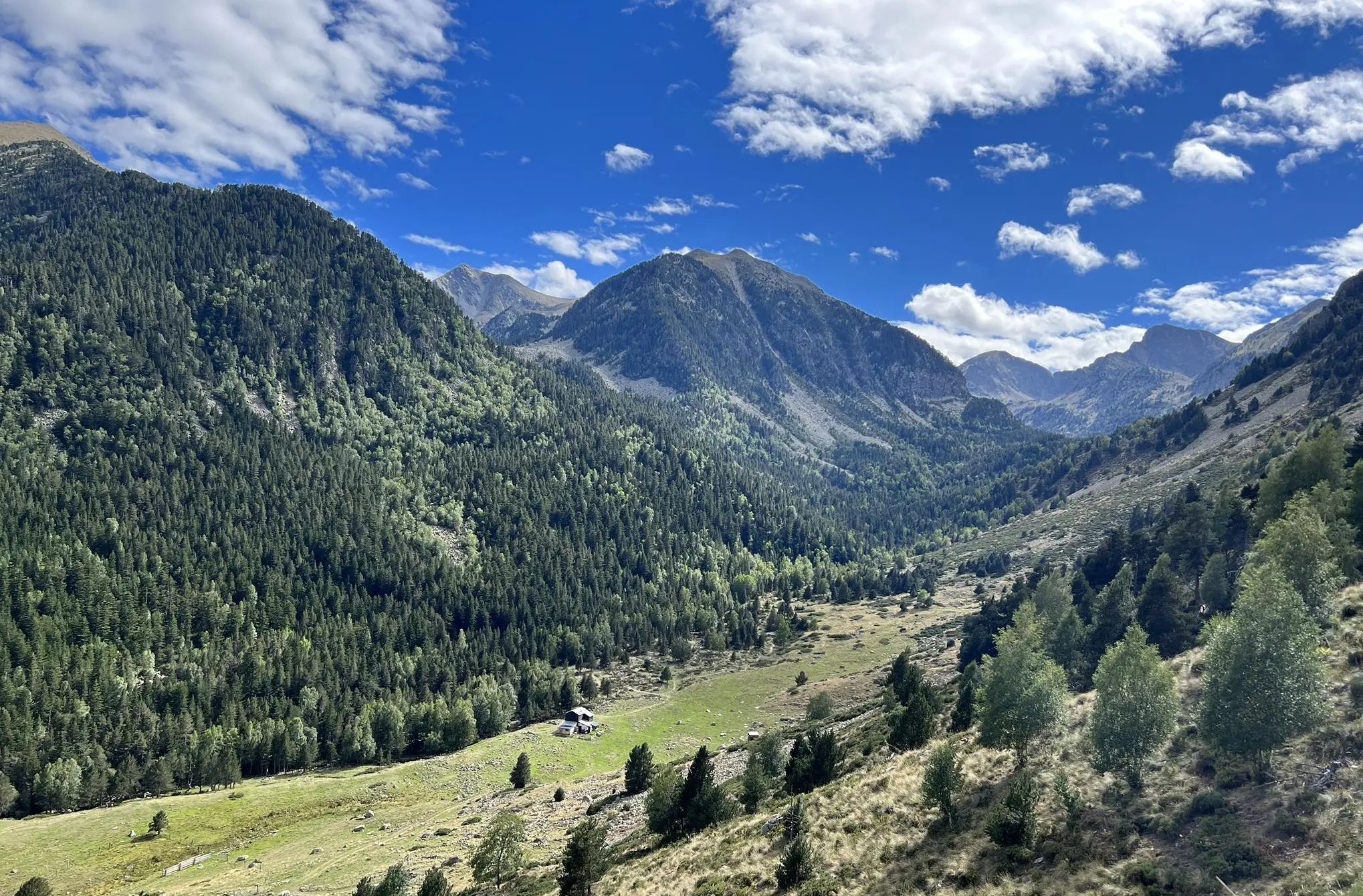
GR 36 long-distance footpath – Cross France from the Channel to the Pyrenees
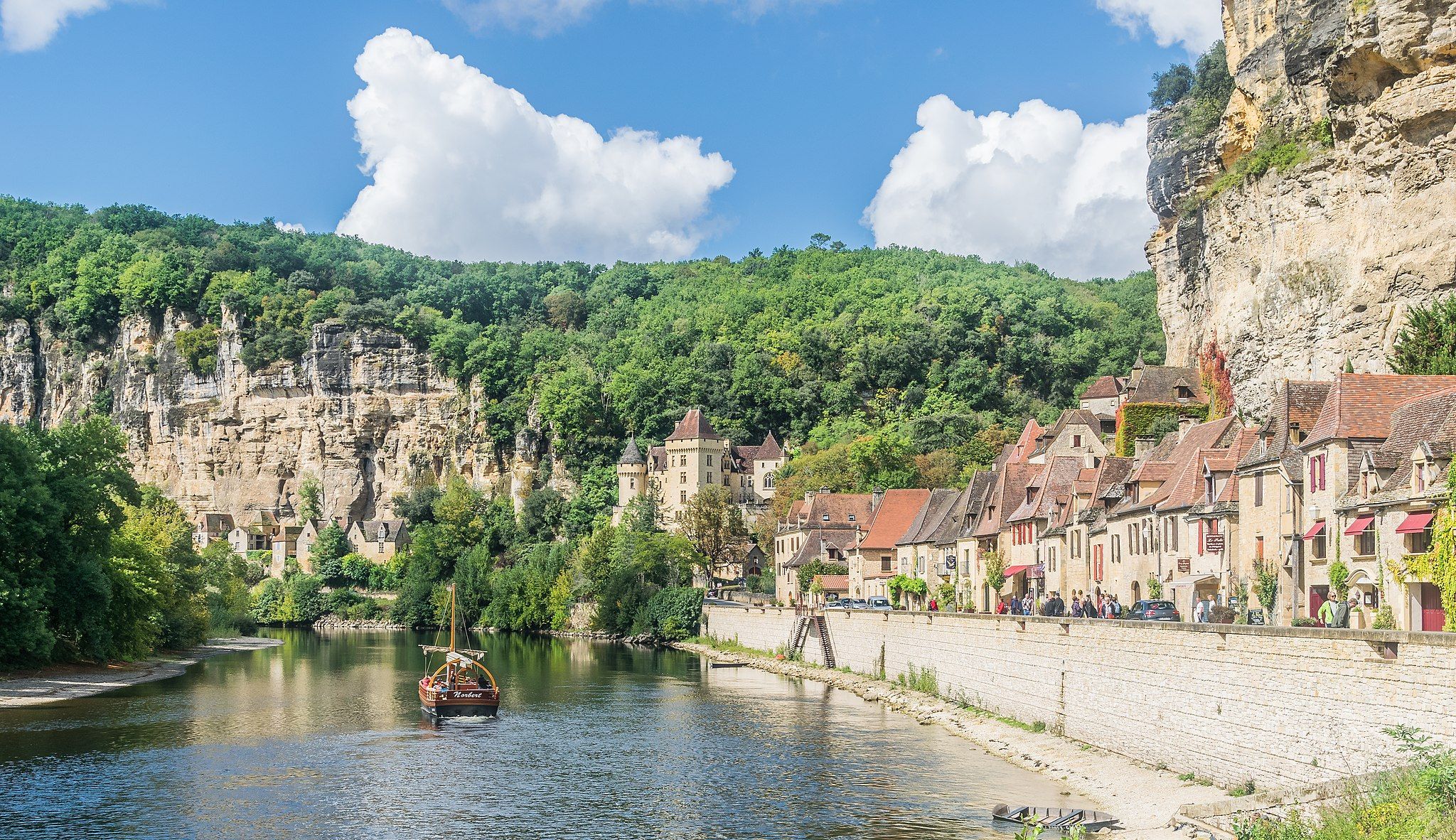
Périgourdine Escape — from Lalinde to Gramat in France
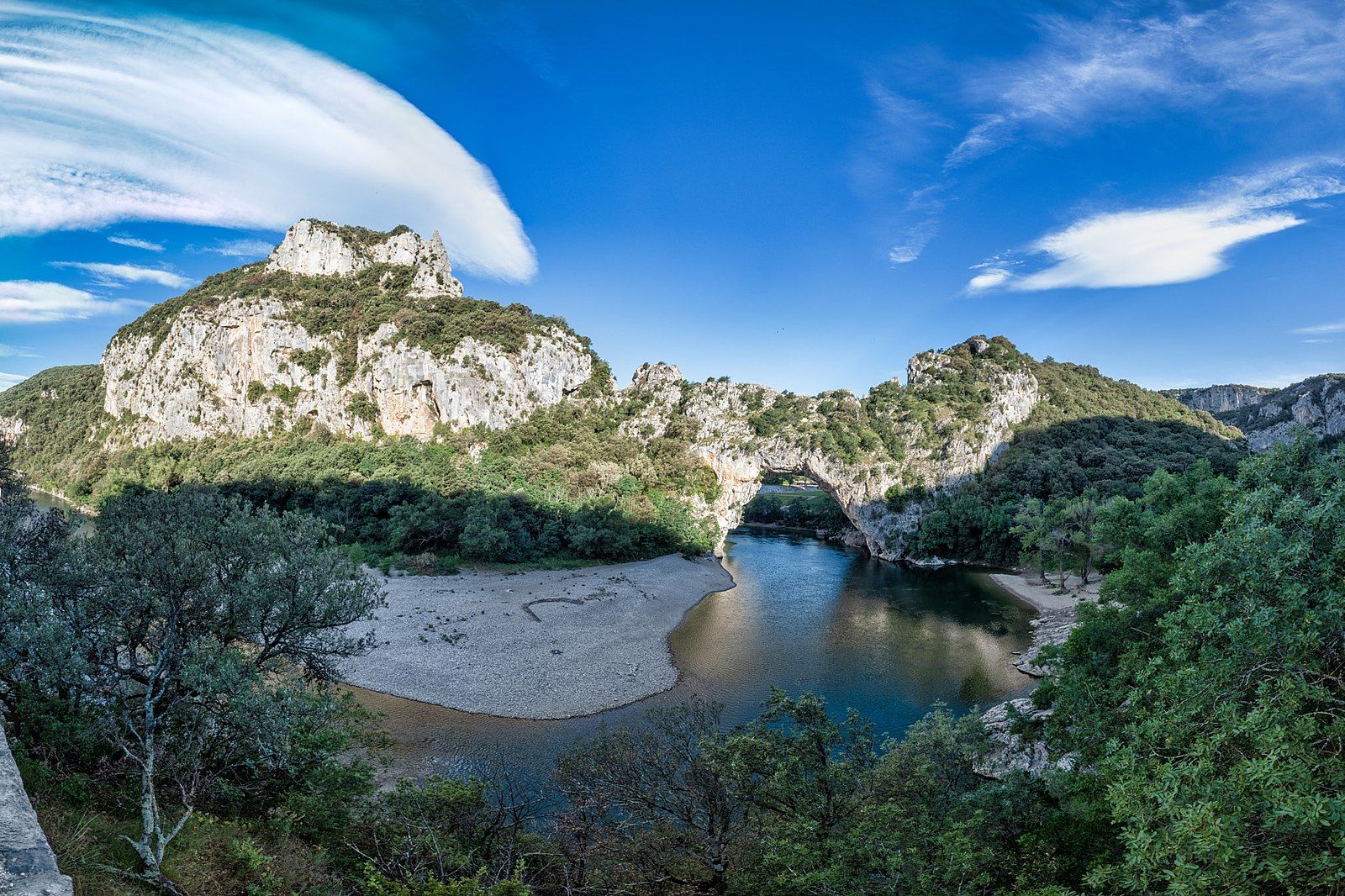
In the steps of the Cro-Magnon – a prehistoric journey in France
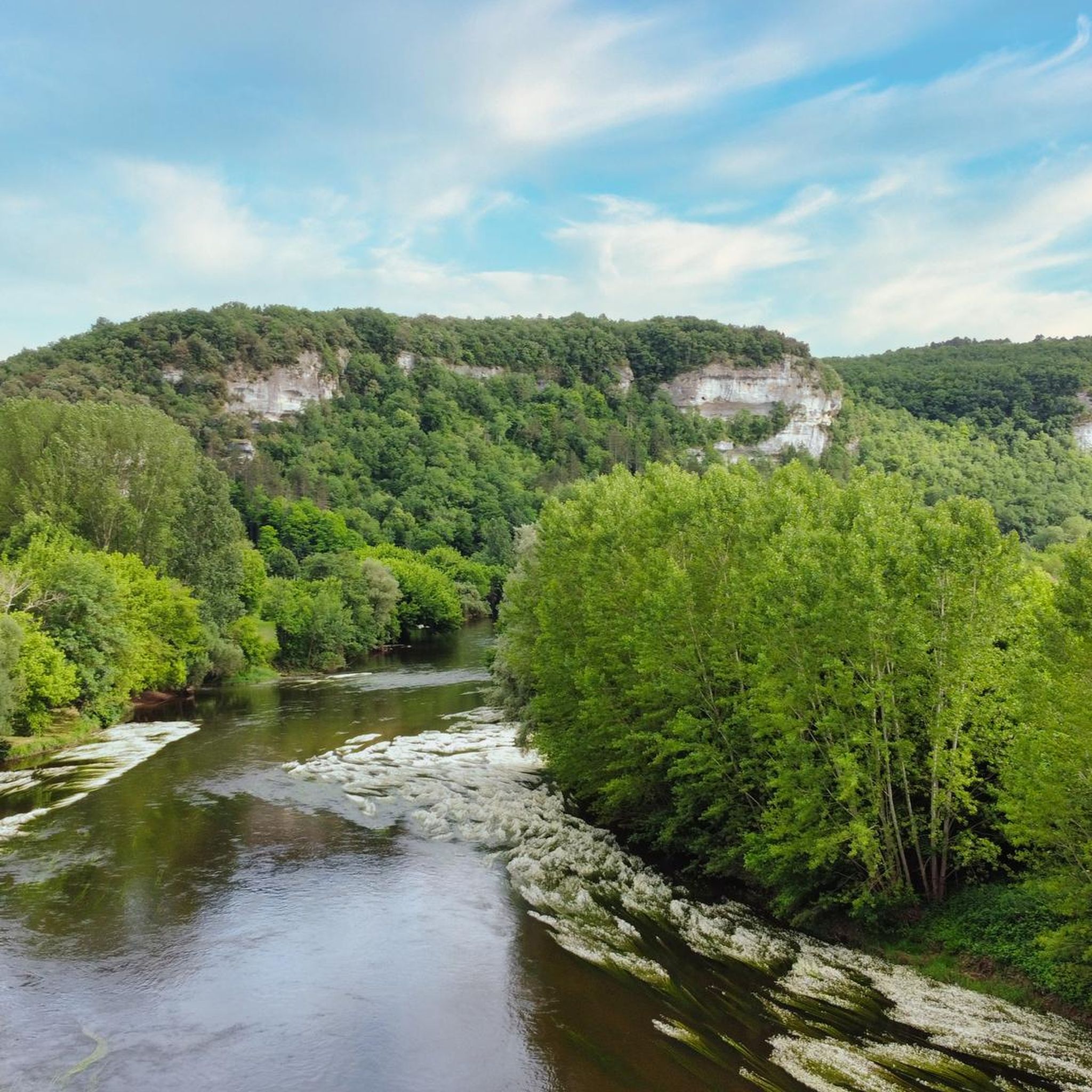
Hiking around Les Eyzies-De-Tayac-Sireuil
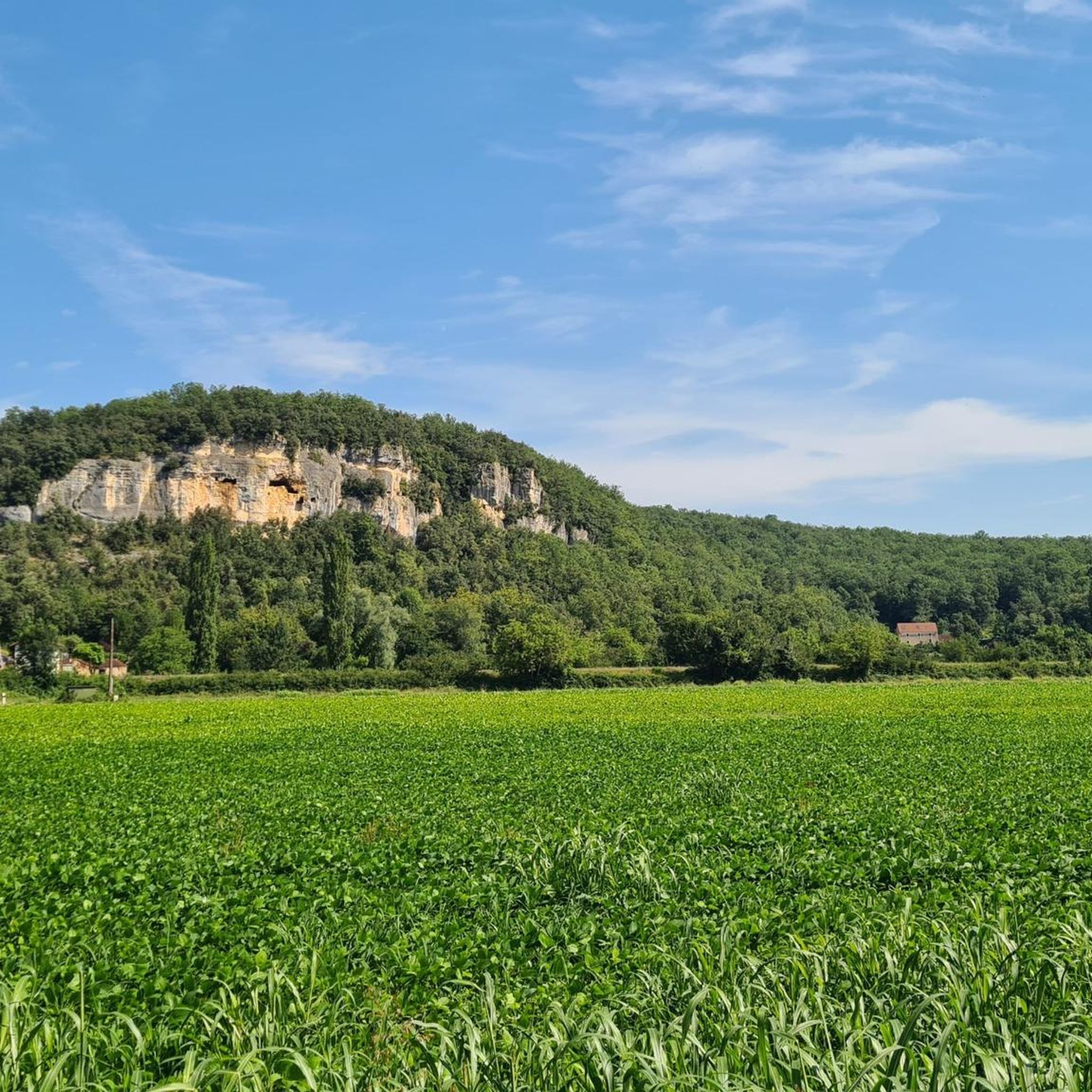
Road Cycling Routes around Les Eyzies-De-Tayac-Sireuil
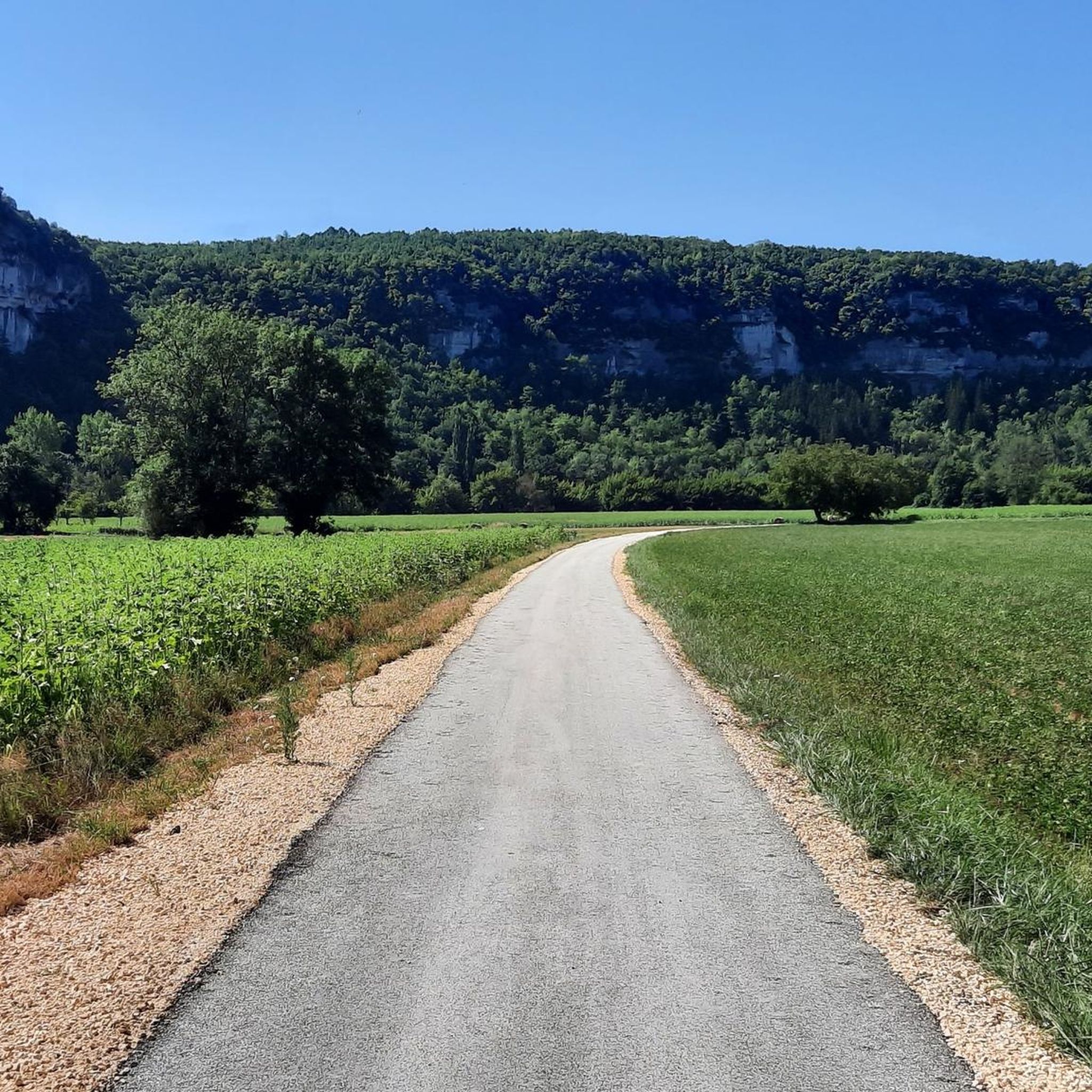
Cycling around Les Eyzies-De-Tayac-Sireuil
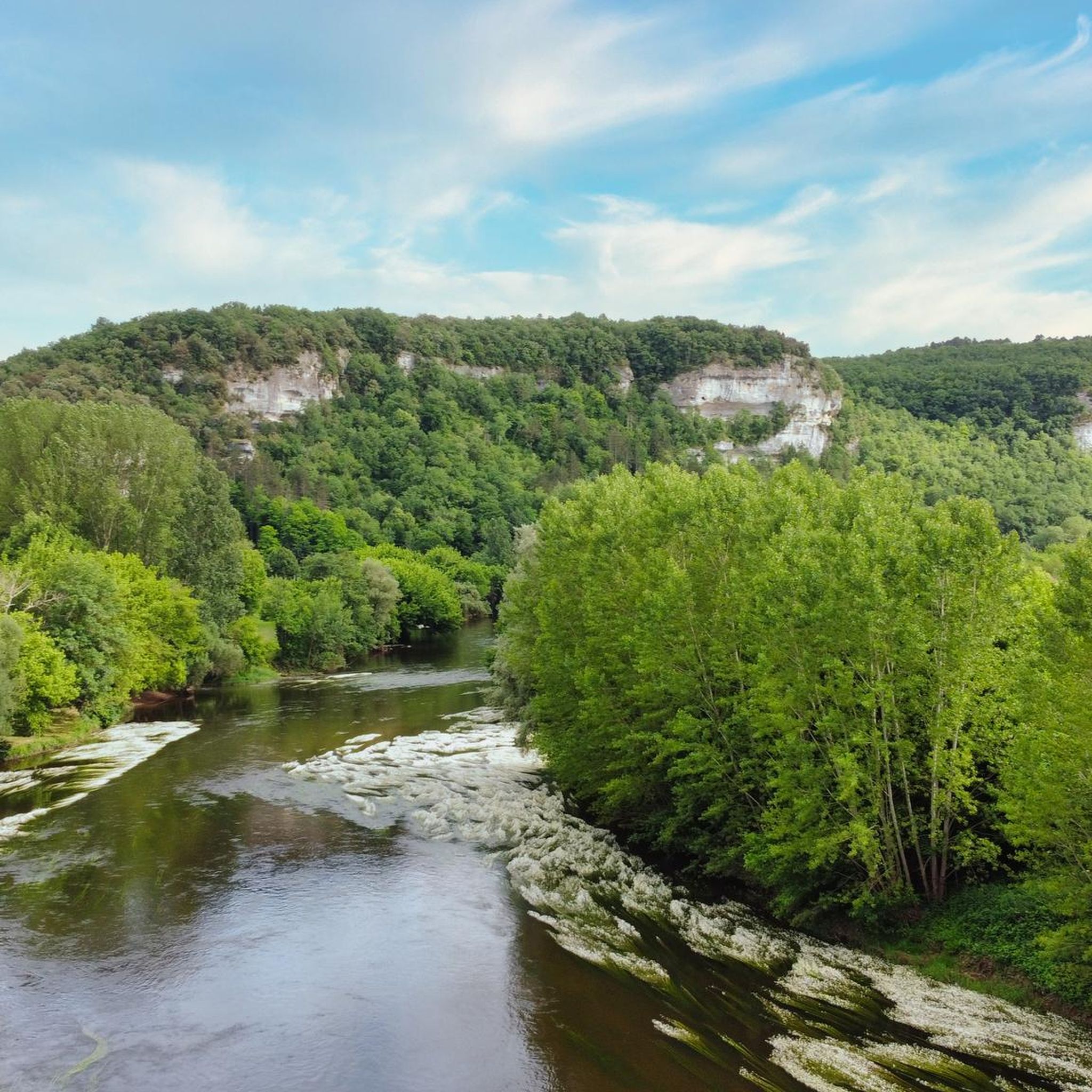
MTB Trails around Les Eyzies-De-Tayac-Sireuil
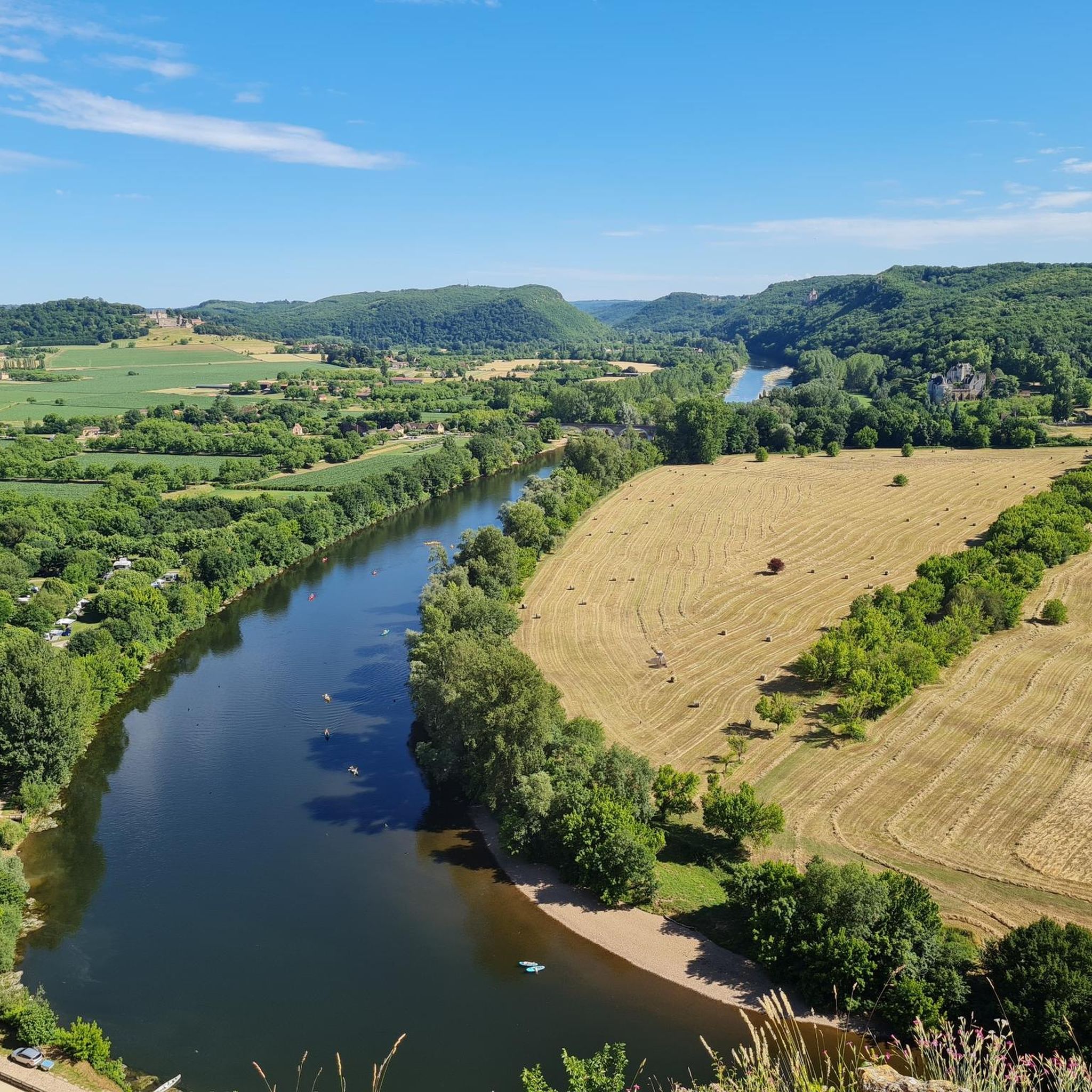
Running Trails around Les Eyzies-De-Tayac-Sireuil
Gravel biking around Les Eyzies-De-Tayac-Sireuil
Other adventures around Les Eyzies-De-Tayac-Sireuil


Tips from the Community

This museum is certainly interesting, unfortunately we didn't have enough time
0
0
Impressive are the dwellings in the rocks and the houses from the rocks
0
0

Here we have the situation – previously completely unknown to me and therefore surprising – that MADELEINE, a Christian saint (the name is derived from the biblical "Mary Magdalene"), has become the namesake of an era from the proverbial "dim prehistory" (one to one and a half dozen millennia before the beginning of our era). To paraphrase it from Wikipedia, which can explain it better than I can: "The Magdalenian is an archaeological cultural stage in the younger part of the Upper Paleolithic in Central and Western Europe at the end of the last Ice Age. The Magdalenian was named in 1869 by Gabriel de Mortillet after the semi-cave La Madeleine in the Dordogne department. It spanned an approximate period from approximately 18,000 to 12,000 BC."
2
0
Here we have the situation – previously completely unknown to me and therefore surprising – that MADELEINE, a Christian saint (the name is derived from the biblical "Mary Magdalene"), has become the namesake of an era from the proverbial "dim prehistory" (one to one and a half dozen millennia before the beginning of our era). To paraphrase it from Wikipedia, which can explain it better than I can: "The Magdalenian is an archaeological cultural stage in the younger part of the Upper Paleolithic in Central and Western Europe at the end of the last Ice Age. The Magdalenian was named in 1869 by Gabriel de Mortillet after the semi-cave La Madeleine in the Dordogne department. It spanned an approximate period from approximately 18,000 to 12,000 BC."
2
0

Village to include in your hike around these places. Beautiful detours
1
0

Said to be the last intact rock castle in France.
0
0

Welcome to the capital of prehistory! This is the nickname given to this modest village which follows the course of the Vézère. It must be said that the extraordinary sites that you can visit are numerous. In addition to the very richly supplied national museum, I encourage you to go to the Pôle de la préhistoire. Building entirely dedicated to this science and free. Find out about all the prehistoric marvels that can be admired in and around the town. They are not missing. It is not without reason that the Vézère valley has been nicknamed the valley of man.
2
1

Worth to visit, very nice fortified house
0
0
Frequently Asked Questions
What makes the caves around Les Eyzies-De-Tayac-Sireuil unique?
The region, often called the "Valley of Man," is renowned for its significant concentration of Paleolithic sites. You'll find natural cavities and rock shelters that were inhabited since prehistoric times, many of which are integrated into the landscape of cliffs along the Vézère River. Sites like La Roque Saint-Christophe showcase this blend of natural formation and human history.
Are there family-friendly cave tours in the area?
Many sites in the region are suitable for families, offering insights into prehistoric life and history. For example, Les Eyzies-de-Tayac, considered the capital of prehistory, provides numerous extraordinary sites including caves with paintings and a national museum, which can be engaging for all ages. It's always best to check specific site details for age recommendations or tour types.
What is the best season to visit the caves in Dordogne?
The caves in the Dordogne region are generally accessible year-round. However, visiting during the spring (April-May) or autumn (September-October) offers pleasant weather for exploring both the caves and the surrounding Vézère Valley, avoiding the peak summer crowds and heat. Winter visits are also possible, but some sites might have reduced opening hours.
What should I wear for cave exploration in Les Eyzies-De-Tayac-Sireuil?
Caves maintain a consistent cool temperature, typically around 12-14°C (54-57°F), regardless of the outside weather. It's advisable to wear layers, including a light jacket or sweater, and comfortable, sturdy shoes with good grip, as paths can sometimes be damp or uneven.
Are there any hidden gem caves or less-known sites to explore?
While many sites are well-known, exploring places like Abri de La Madeleine offers a deep dive into the Magdalenian period, acting as a type locality for this important archaeological cultural stage. It's a significant settlement site that was used for thousands of years, providing a rich historical context beyond just cave formations.
What kind of geological features can be found in the caves of the Vézère Valley?
The caves and rock shelters in the Vézère Valley are primarily formed within limestone cliffs. These formations often feature natural overhangs (abris), which provided shelter for prehistoric humans. You can observe various geological processes that have shaped these cavities over millennia, alongside the archaeological evidence of human habitation.
Can I find circular walks or hiking trails near the caves?
Yes, the region offers numerous opportunities for circular walks and hiking. For instance, you can find various MTB Trails around Les Eyzies-De-Tayac-Sireuil that often pass by or near historical sites and natural monuments, including some caves. These routes provide a great way to combine cave visits with outdoor activity.
What outdoor activities can I do near these caves?
Beyond cave exploration, the area around Les Eyzies-De-Tayac-Sireuil is excellent for various outdoor activities. You can enjoy gravel biking or road cycling along the Vézère River, with routes that take you past many historical sites and scenic viewpoints. There are also dedicated MTB trails for mountain biking enthusiasts.
Are there any caves that offer insights into historical living conditions beyond prehistory?
Yes, Maison Forte de Reignac is a unique example. This castle, built under a cliff in the 16th century, was inhabited until the 20th century. It now functions as a museum, showcasing original furnishings and several grottos, offering a fascinating glimpse into historical living conditions within a fortified cave dwelling.
What do visitors enjoy most about the caves and sites in Les Eyzies-De-Tayac-Sireuil?
Visitors frequently appreciate the profound historical significance and the natural beauty of the region. The blend of prehistoric human history with stunning natural rock formations, like those visible along the Vézère at La Roque Saint-Christophe, is a major draw. The opportunity to step back in time and explore ancient settlements and fortified cave dwellings is often highlighted as a memorable experience.
Most popular routes around Les Eyzies-De-Tayac-Sireuil
Most popular attractions around Les Eyzies-De-Tayac-Sireuil

Get inspired with the komoot mobile app


Explore more
Extend your search for the best caves by checking out these guides of the top ones around Les Eyzies-De-Tayac-Sireuil:
