Top 4 Castles around Solutré-Pouilly
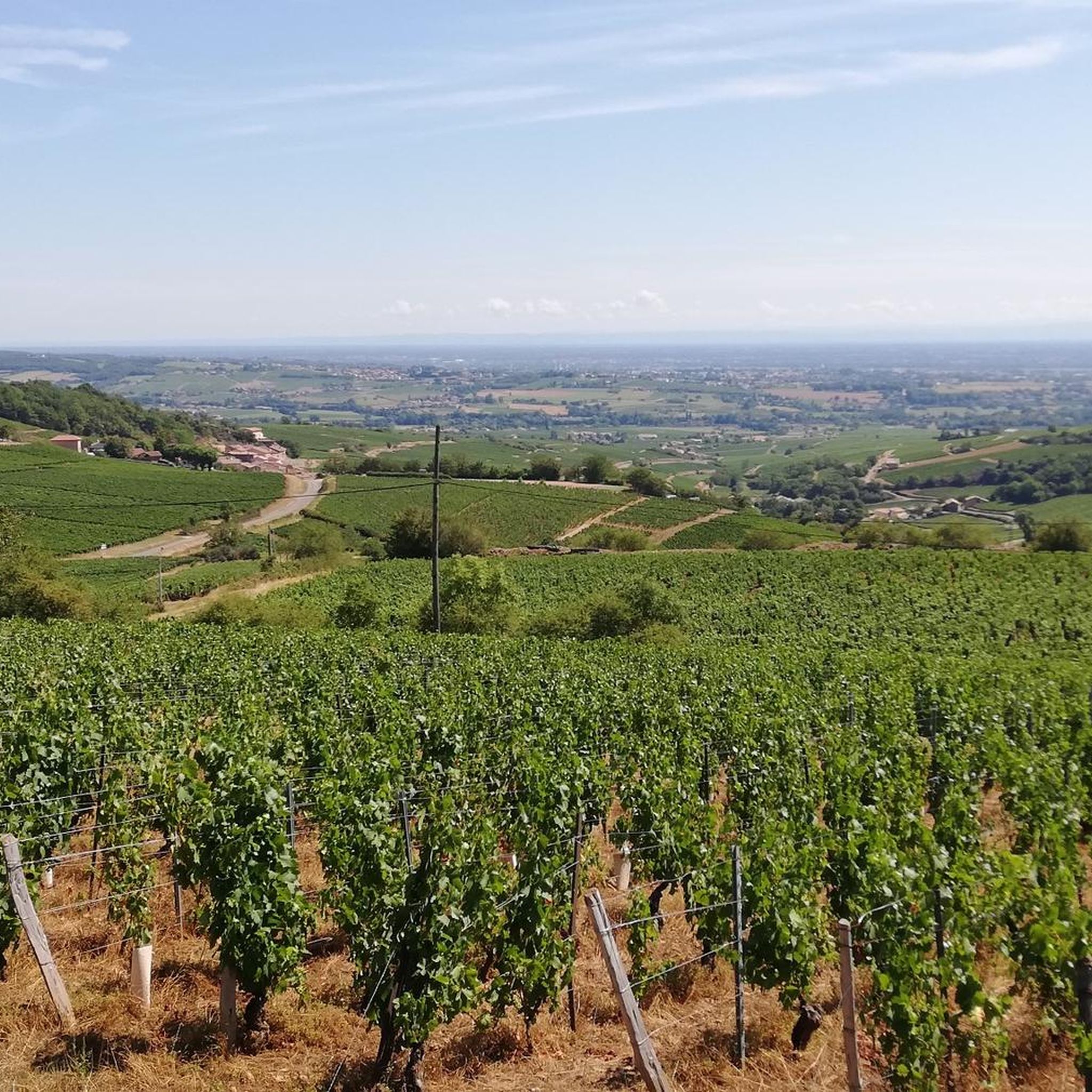
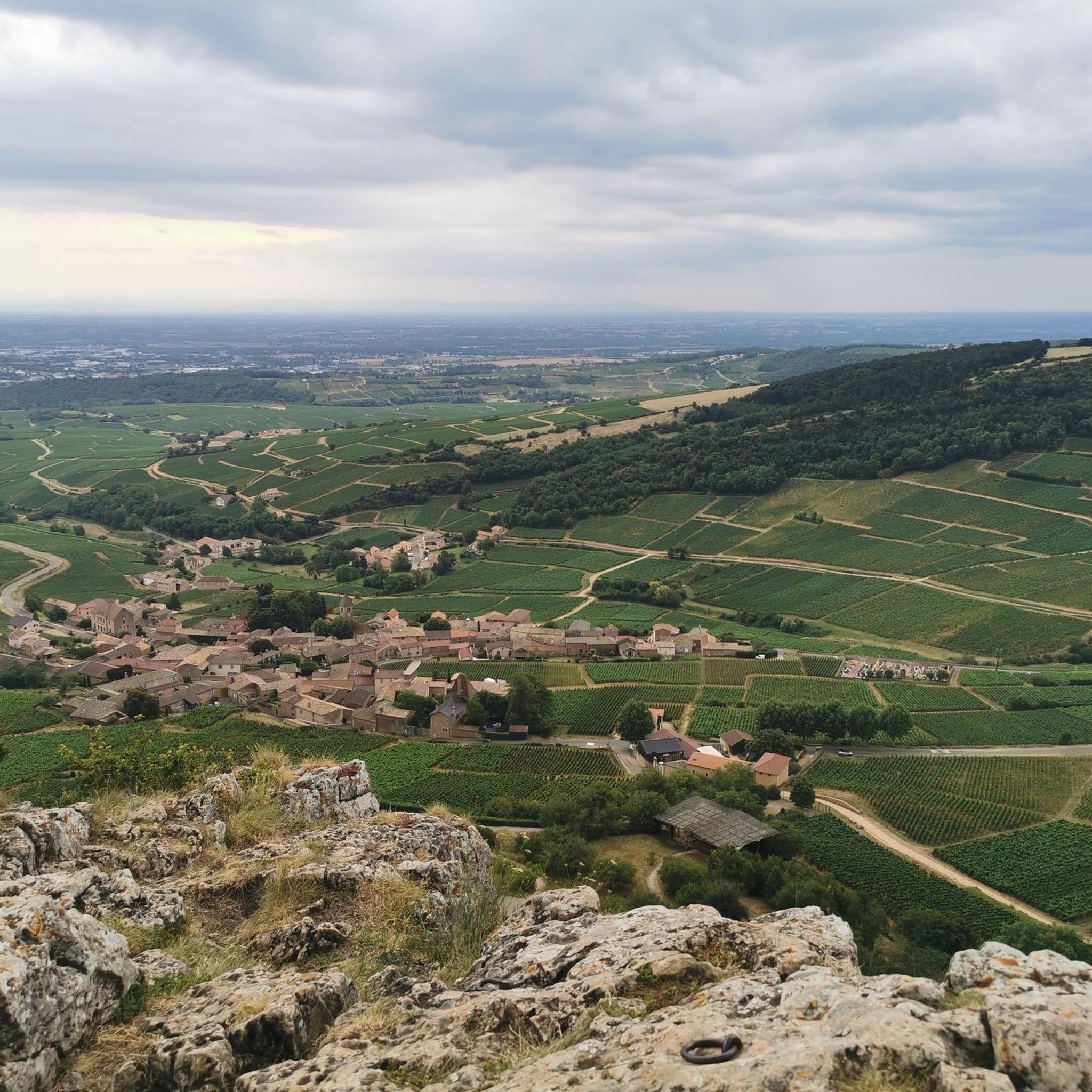
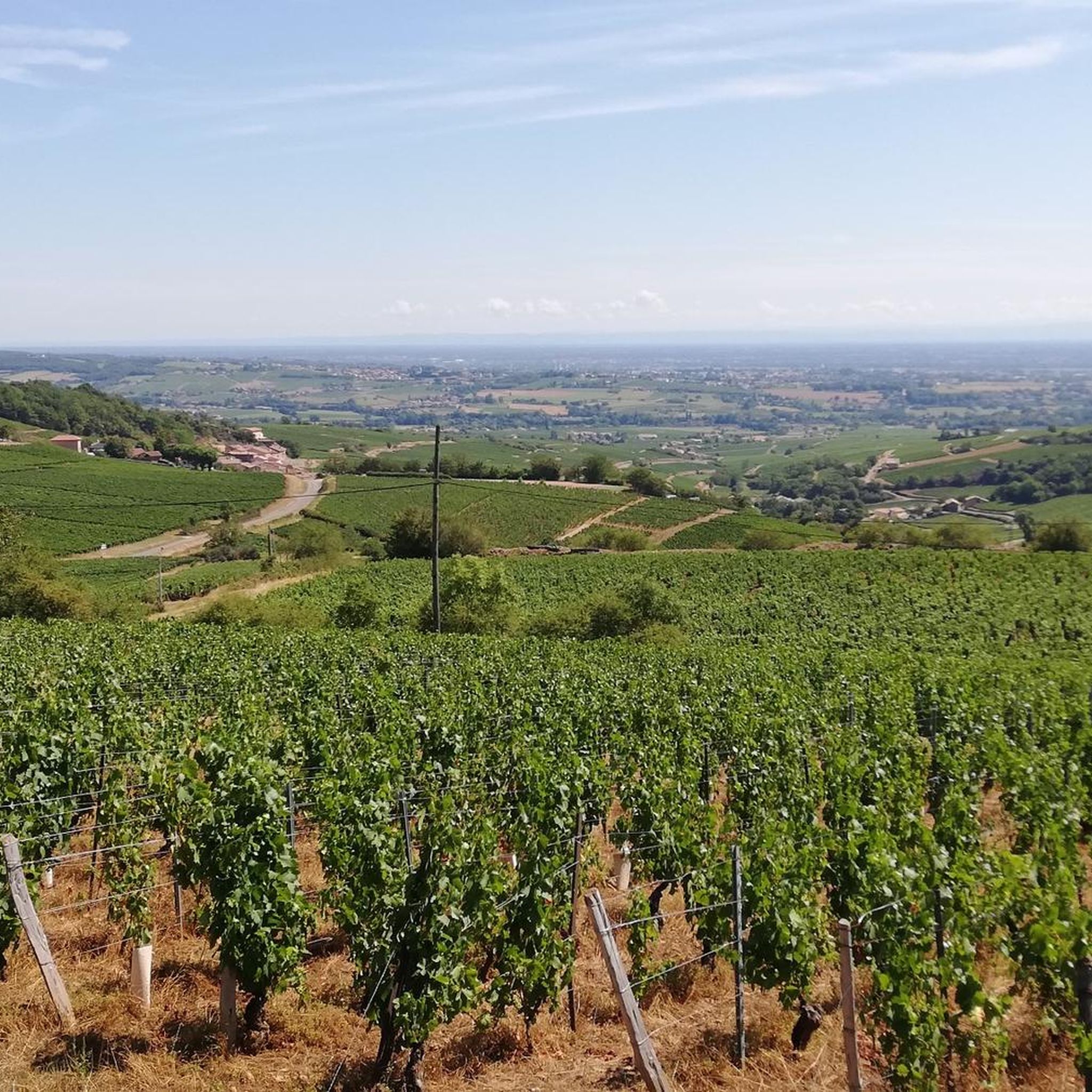
Best castles around Solutré-Pouilly are found in a commune known for its prehistoric site and vineyards. This region, approximately 10 km west of Mâcon, features historical châteaux amidst a natural landscape. The area is characterized by its prominent geological features, such as the Rock of Solutré, and a rich winemaking tradition. It offers a blend of historical exploration and scenic routes.
Best castles around Solutré-Pouilly
- The most popular castles is Medieval fortress of Berzé-le-Châtel, a castle that was built…
Last updated: June 25, 2026
Medieval fortress of Berzé-le-Châtel
Highlight • Castle
Translated by Google •
Tip by

Tramayes
Highlight • Settlement
The village has a pretty castle
Translated by Google •
Tip by

Sign up now to discover places like this
Get recommendations on the best single tracks, peaks, & plenty of other exciting outdoor places.
Sign up for free
Pierreclos Castle
Highlight • Other
Tip by

Château de Chasselas
Highlight • Castle
Translated by Google •
Tip by

Château Avenue
Highlight • Castle
Its origins date back to the 9th to 11th centuries, beginning with a Romanesque chapel. In the …
Showing Translation
Tip by

Start today with a free account
Your next adventure awaits.
Login or Signup

Tips from the Community

The Château de Berzé-le-Châtel (also known as Forteresse de Berzé) is the largest and best-preserved medieval castle in southern Burgundy. The site dates back to a 10th-century castrum and was strategically built on a rocky outcrop to protect the nearby powerful Abbey of Cluny. The fortress consists of three concentric walls and features 13 towers (including two keeps/donjons) as well as an imposing gatehouse. The heart inside is a remarkable Carolingian chapel.
1
0
The Château de Pierreclos is a historic Romanesque castle and a renowned winery. Its origins date back to the 9th to 11th centuries, beginning with a Romanesque chapel. In the 13th century, the complex was expanded into a medieval fortress. Today, it is protected as a private historical monument. The castle is situated on a rocky outcrop that has been used for viticulture since the 6th century. The Pidault family's winery produces organically certified white and red wines (including Pouilly-Fuissé and Mâcon-Pierreclos).
1
0
The Pierreclos Castle (Château de Pierreclos) is a historic, Romanesque castle complex and a renowned winery. The origins date back to the 9th to 11th centuries, starting with a Romanesque chapel. In the 13th century, the complex was expanded into a medieval fortress. It is now protected as a private historical monument. The castle is located on a rocky outcrop that has been used for viticulture since the 6th century. The Pidault family's winery produces organically certified white and red wines (including Pouilly-Fuissé and Mâcon-Pierreclos).
2
0

Very beautiful castle. Feel free to visit the monks' chapel of Berzé la ville, with very beautiful paintings from the abbey of Cluny
1
0

In the middle of the vineyards, on a rocky outcrop, stands this impressive Burgundy castle with a 1000-year history. The castle's property is made up of small vineyard plots that are cultivated organically. You can taste our wines: Pouilly-Fuissé, Saint-Véran, Mâcon-Pierreclos and Bourgogne rouge Pinot noir, as well as Burgundy specialties (ratafia, creme de pêche de vigne and creme de cassis) in the shop or in our wine cellars.
1
0

The fortress was built from the 11th to the 15th century around a Carolingian chapel. Its role was to defend Cluny Abbey. The building retains its entire defensive system with two keeps and 11 towers. Superbly preserved, you can enjoy the three enclosures, a catering service and a picnic area.
5
0


Wonderful stage stop on my Camino https://huettemann.eu/de/2023/10/von-cluny-an-die-loire-berndscamino/
1
1
Frequently Asked Questions
What are some of the most historically significant castles in the Solutré-Pouilly area?
The region boasts several castles with rich histories. The Medieval fortress of Berzé-le-Châtel, built between the 11th and 15th centuries, is exceptionally well-preserved with two keeps and 11 towers. The Château de Pouilly, though often private, has sections dating back to the 15th century and a documented fortified house from the 10th century. Pierreclos Castle also has a 1000-year history.
Are there any castles in the region that are also active wine estates?
Yes, several castles in the Solutré-Pouilly area are renowned wine estates. The Château de Pouilly has been producing fine white wines under the Pouilly-Fuissé appellation since 1551. Pierreclos Castle cultivates its own organic vineyard plots, offering tastings of Pouilly-Fuissé, Saint-Véran, and other local wines. Similarly, Château de Chasselas is a wine estate where you can purchase their red, white, and rosé wines.
What kind of experience does the Medieval fortress of Berzé-le-Châtel offer visitors?
The Medieval fortress of Berzé-le-Châtel is superbly preserved, allowing visitors to explore its three enclosures, two keeps, and 11 towers. It was originally built to defend Cluny Abbey. The site offers a catering service and a picnic area, and it's known for hosting medieval festivals, particularly in August.
Can I visit the Pierreclos Castle?
Yes, Pierreclos Castle is open to visitors. You can enjoy its impressive architecture and historical grounds, which are set amidst vineyards. The castle also features a vinery shop where you can taste and purchase their organically cultivated wines and other Burgundy specialties.
What is special about Tramayes?
Tramayes is a charming village that features a pretty castle within its town center. Beyond the castle, the village offers various services like a bar, pharmacy, and bank. Its pretty village church, with a painted sun in the apse, is also worth a visit for its historical and spiritual significance.
What is the best time of year to visit the castles around Solutré-Pouilly?
The region is beautiful year-round, but late spring (May-June) and early autumn (September-October) offer pleasant weather for exploring castles and vineyards. These seasons avoid the peak summer heat and often coincide with vibrant vineyard landscapes. Some castles, like the Medieval fortress of Berzé-le-Châtel, host special events like medieval festivals in August.
Are there family-friendly castles to visit near Solutré-Pouilly?
While specific 'family-friendly' designations vary, castles like the Medieval fortress of Berzé-le-Châtel, with its extensive defensive system and picnic area, can be engaging for families. The village of Tramayes, with its castle and local amenities, also offers a pleasant family outing.
Are the castles around Solutré-Pouilly accessible by public transport?
Access to many of the castles in the Solutré-Pouilly area is primarily by car, as they are often nestled in rural settings amidst vineyards. While Solutré-Pouilly itself has some public transport connections, reaching individual châteaux might require local taxis or a personal vehicle for convenience and flexibility.
Are there any castles that are visible from the exterior but not open to the public?
Yes, the Château de Pouilly is a private property that is generally not open for public visits, though it is visible from the exterior. It does, however, offer cellar and facility visits with wine tastings by appointment. The Château aux Grands Noeuds is also likely a private residence with limited public access due to its obscure history and transformations.
What outdoor activities can I do near these castles?
The Solutré-Pouilly region is excellent for outdoor activities, especially hiking and cycling. You can find numerous routes, such as the 'Roche de Solutré to Roche de Vergisson — loop' for hiking, or 'Roche de Solutré – Col de la Grange du Bois loop' for road cycling. For more options, explore the hiking routes or road cycling routes around Solutré-Pouilly.
Are there hiking trails near these castles?
Absolutely. The area around Solutré-Pouilly is famous for its hiking trails, often featuring the iconic Rock of Solutré. You can find trails like the 'Roche de Solutré – Vergisson Rock loop' which offers scenic views. These trails often pass through vineyards and offer glimpses of historical sites. Discover more hiking options in the hiking guide for Solutré-Pouilly.
What do visitors enjoy most about the castles and region around Solutré-Pouilly?
Visitors particularly appreciate the blend of historical exploration with the stunning natural landscape and rich winemaking tradition. The well-preserved architecture of places like the Medieval fortress of Berzé-le-Châtel, combined with the opportunity to taste local wines at estates like Pierreclos Castle, creates a unique and memorable experience. The scenic views from the Rock of Solutré, overlooking the vineyards and scattered châteaux, are also a major draw.
Are there any archaeological castle sites to explore in the area?
Yes, the Château de la Roche, once a medieval fortress at the tip of the Rock of Solutré, is now an archaeological site. While not a standing castle, only traces and some wall foundations remain visible. It offers a glimpse into the strategic historical role of the Rock of Solutré, dating back to at least the 10th century.
Most popular routes around Solutré-Pouilly
Most popular attractions around Solutré-Pouilly

Get inspired with the komoot mobile app


Explore more
Looking for the best castles somewhere else? Discover other guides around Solutré-Pouilly:
