Top 4 Castles around Potelières
Castles around Potelières offer a glimpse into centuries of history, with structures ranging from medieval ruins to renovated estates. The region is characterized by its historical significance, including the 14th-century Château de Potelières, which blends medieval origins with 18th-century classical architecture. Potelières is situated amidst a landscape featuring olive groves and views of surrounding mountains. The area provides opportunities to explore historical sites and enjoy walks in natural settings.
Best castles around Potelières
- The most popular castle is Montalet Castle…
Last updated: May 13, 2026
Montalet Castle
Highlight • Castle
It is the subject of a restoration campaign by volunteers and a medieval festival is organized there every year.
Translated by Google •
Tip by

Castellas de Bouquet Ruins
Highlight • Castle
Translated by Google •
Tip by
Sign up now to discover places like this
Get recommendations on the best single tracks, peaks, & plenty of other exciting outdoor places.
Sign up for free
Bécamel Tower
Highlight • Monument
Translated by Google •
Tip by

Panoramic view of Le château d'Allègre
Highlight • Other
Translated by Google •
Tip by
Start today with a free account
Your next adventure awaits.
Login or Signup
Tips from the Community

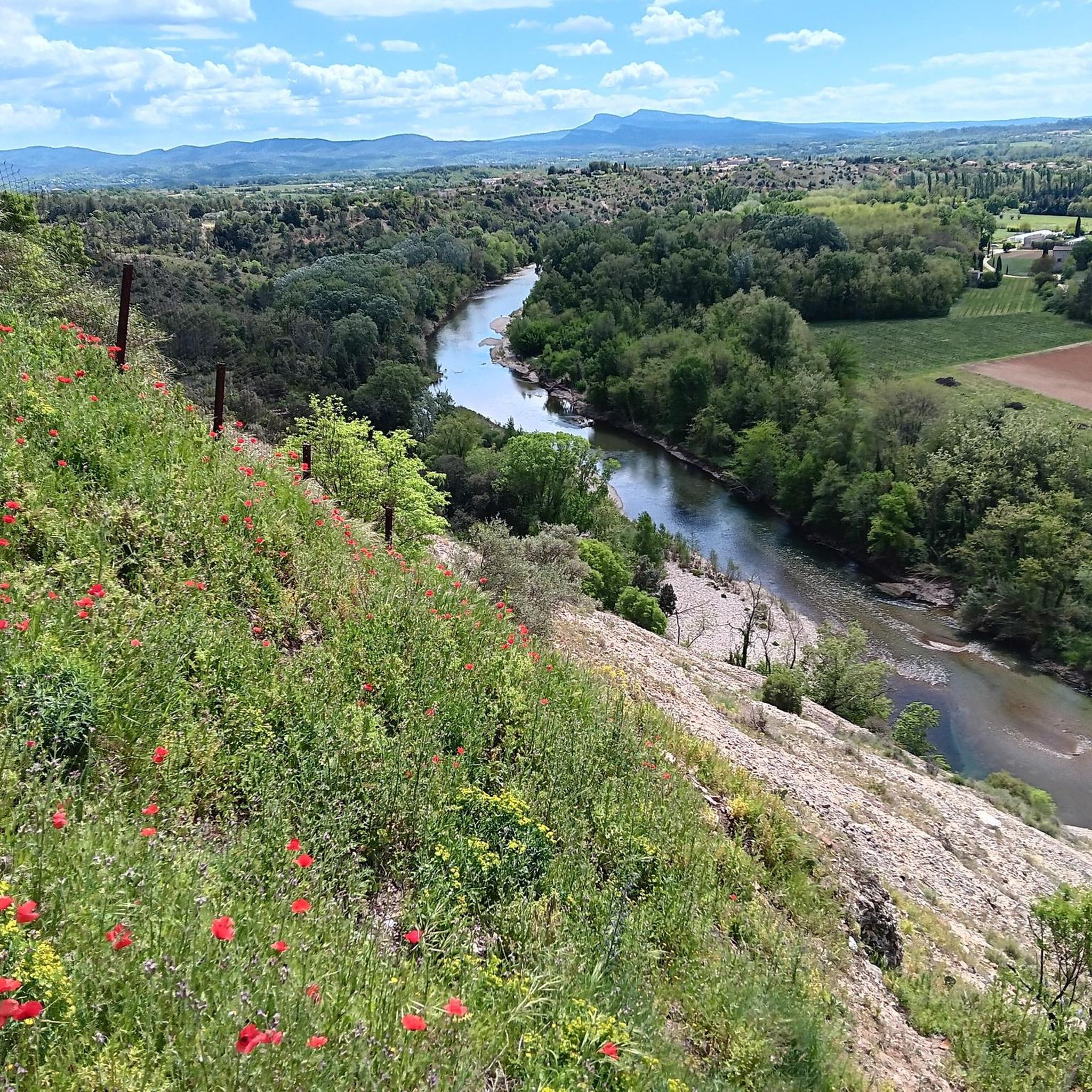
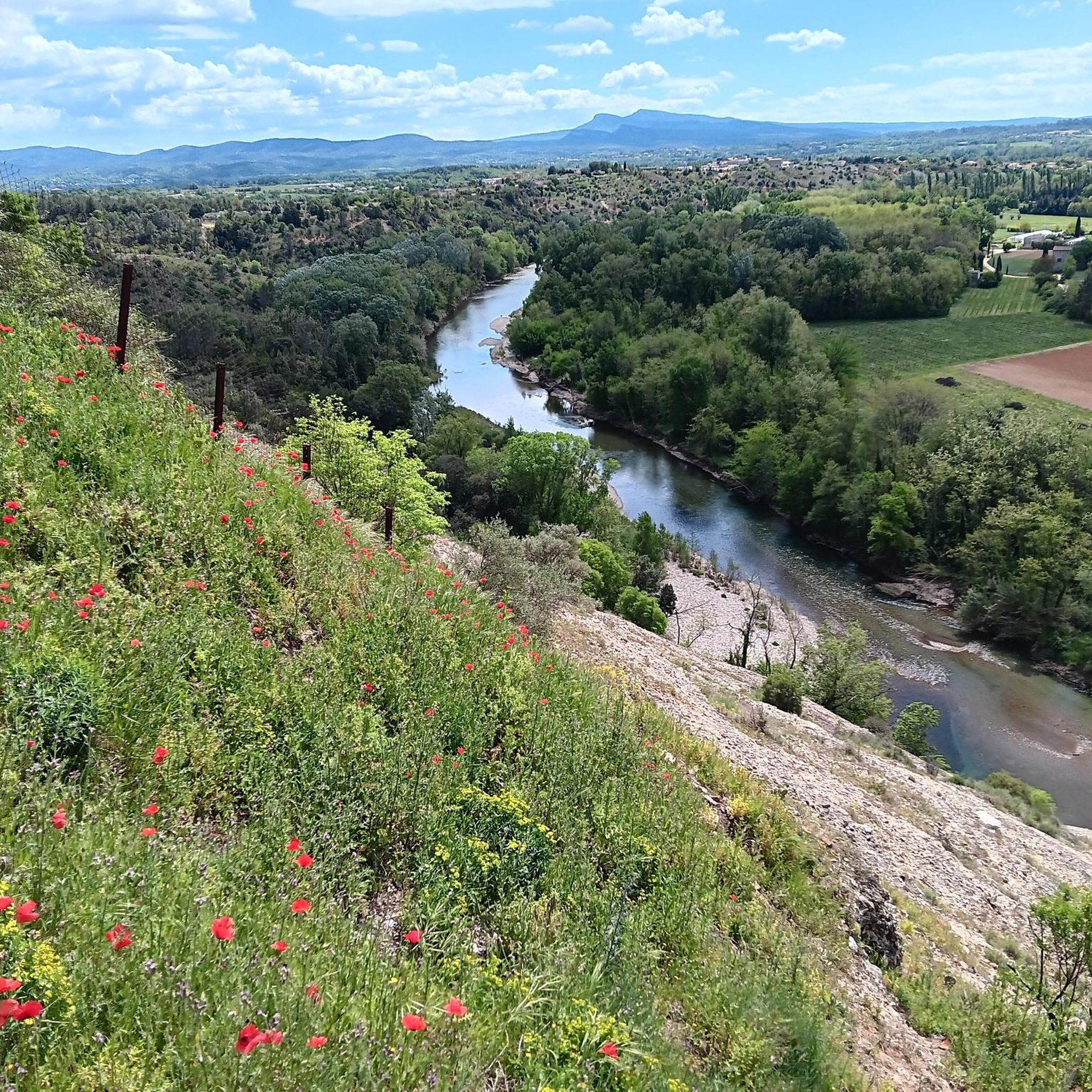
Despite its current state, which is essentially in ruins, the castle (or more accurately, Castrum) of Allègre remains impressive and bears witness to nearly 10 centuries of history. It features towers and stately homes, a double rampart, a chapel, and a village. Located at an altitude of 275 meters, overlooking the middle valley of the Cèze, the entire site covers one and a half hectares and offers a sublime panorama of Mont Bouquet and the entire Cévennes (orientation table). Very close to the D37, the tour is best done on foot after leaving your bike in the parking lot.
1
0
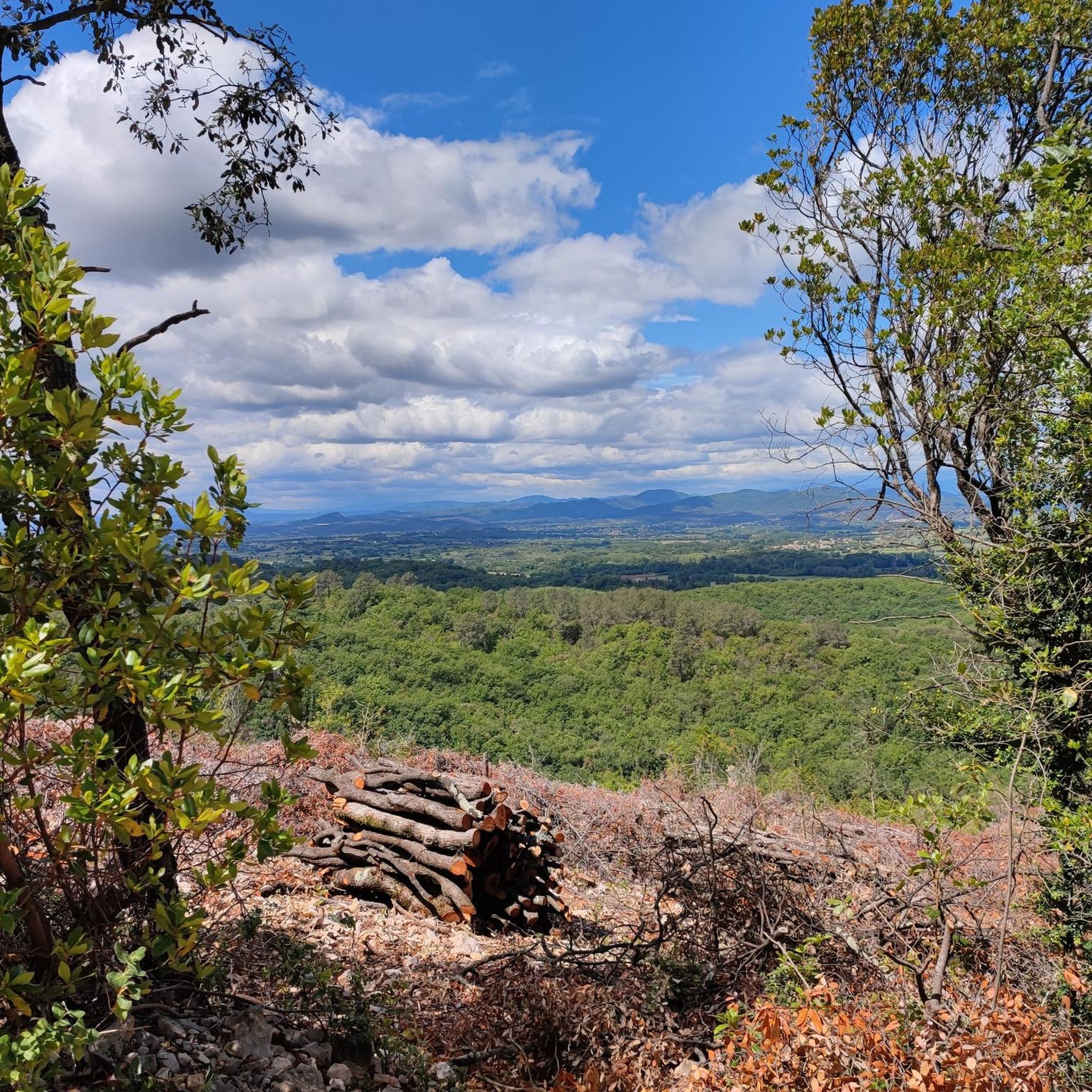
Very nice site, accessible by gravel or mountain bike from the Bouquet road and from the Bourricot pass, it is located in a Natura 2000 zone. Presence of several picnic tables with beautiful panoramas in all directions.
0
0


The Tour de Bécamel in Salindres, also known as Donjon de Becmil, is a historic signal tower ruin dating from the early 12th century. It was originally the home of a knightly family called Becmil. In the late 12th century, the site was converted into a stately residence. The Becmil line died out in the 14th century. The tour is located south of the town of Salindres, about 45 km northwest of Nîmes and 7 km northeast of Alès.
2
0

The Castellas de Bouquet is a medieval castle in ruins, perched north of the promontory of Mont Bouquet.
0
0
With an area of almost 10,000m2, the Château de Montalet is one of the largest castles in the Cévennes. It is the subject of a restoration campaign by volunteers and a medieval festival is organized there every year.
1
0
Great view over the Cevennes and Mont Bouquet
1
0
Perfect spot for distant gazing
1
0
Frequently Asked Questions
What historical castles can I visit around Potelières?
The region around Potelières offers several historical sites. The Château de Potelières itself dates back to the 14th century, showcasing a blend of medieval origins and 18th-century classical enhancements. You can also explore the impressive Montalet Castle, one of the largest castles in the Cévennes, which is currently undergoing restoration and hosts an annual medieval festival.
Are there any medieval castle ruins to explore near Potelières?
Yes, you can visit the Castellas de Bouquet Ruins, a medieval castle perched on the promontory of Mont Bouquet. It's a very nice site accessible by gravel or mountain bike, located in a Natura 2000 zone with picnic tables and beautiful panoramas. Additionally, the Panoramic view of Le château d'Allègre offers a glimpse of impressive ruins that bear witness to nearly 10 centuries of history.
Which castles offer the best panoramic views of the region?
For breathtaking views, the Panoramic view of Le château d'Allègre is an excellent choice. Located at an altitude of 275 meters, it offers a sublime panorama of Mont Bouquet and the entire Cévennes. The Castellas de Bouquet Ruins also provide beautiful panoramas in all directions from its elevated position.
What is the history of the Château de Potelières?
The Château de Potelières was built in 1360 by Guillaume Bérard. Originally a quadrangular structure with four round towers, it underwent significant changes over centuries, including a fire in 1564 that destroyed two towers. Major renovations in 1785 added a floor, side wings, and balustrades, giving it its current appearance. The park was also designed in the style of Versailles. It is listed in the Supplementary Inventory of Historic Monuments and operates as a guest house today.
Are there opportunities for nature walks or outdoor activities near these castles?
Yes, the Château de Potelières is surrounded by expansive gardens, wooded parks, and olive groves, providing opportunities for magnificent walks. Near the Castellas de Bouquet Ruins, you'll find a Natura 2000 zone, ideal for exploring. For cycling enthusiasts, there are several routes nearby, such as those found in the Traffic-free bike rides around Potelières guide, which includes routes like the 'Bourricot Pass – Castellas de Bouquet Ruins loop'.
What is the Bécamel Tower and its significance?
The Bécamel Tower, also known as Becmil Keep, is an old signal tower built at the beginning of the 12th century. Located south of Salindres, it was originally the home of a knightly family and later converted into a stately residence. It is still quite well preserved, including its surrounding wall, and offers a glimpse into medieval defensive architecture.
What is the best time of year to visit castles near Potelières?
The best time to visit castles in the Potelières region is generally during the spring (April to June) and early autumn (September to October). During these periods, the weather is pleasant for exploring, and the natural surroundings are particularly beautiful, whether with blooming flowers or autumn foliage. Summer can be hot, but many castles offer shaded areas or operate as guest houses with amenities like swimming pools.
Are there any family-friendly castles or activities for children?
While specific 'family-friendly' categories aren't listed for all sites, the Montalet Castle hosts an annual medieval festival, which can be a fun and engaging experience for families. Exploring the ruins of Castellas de Bouquet or the Château d'Allègre can also be an adventure for older children interested in history and exploration.
Can I find cycling routes that incorporate castle visits?
Yes, komoot offers several cycling guides for the Potelières area that can include castle views or nearby routes. For example, the Traffic-free bike rides around Potelières guide features routes like the 'Château d'Allègre – Les Fumades Church loop'. Another guide, Cycling around Potelières, also provides options for exploring the scenic landscape by bike.
What do visitors enjoy most about the castles in this region?
Visitors often appreciate the rich history and architectural significance of the castles, from the medieval origins of Château de Potelières to the extensive ruins of Montalet Castle. The panoramic views from sites like Le château d'Allègre and the tranquil settings for walks are also highly valued. The opportunity to experience history firsthand, often in a natural and scenic environment, is a major draw.
Most popular routes around Potelières
Most popular attractions around Potelières

Get inspired with the komoot mobile app


Explore more
Looking for the best castles somewhere else? Discover other guides around Potelières:
