Top 12 Caves around Autrans-Méaudre-En-Vercors
Best caves around Autrans-Méaudre-En-Vercors are found within the Vercors massif, a region characterized by its diverse geological formations. This area features a range of subterranean landscapes, from accessible show caves to significant speleological sites. The natural environment includes fossil caves, large karst springs, and unique natural icehouses. These features contribute to the region's appeal for those interested in geological exploration.
Best caves around Autrans-Méaudre-En-Vercors
- The most popular caves is Gournier Cave, a cave that features an underground lake. It…
Last updated: October 26, 2026
Choranche
Highlight • Gorge
Translated by Google •
Tip by

Cuves Trail
Highlight (Segment) • Cave
Translated by Google •
Tip by

Sign up now to discover places like this
Get recommendations on the best single tracks, peaks, & plenty of other exciting outdoor places.
Corrençon Natural Icehouse
Highlight • Cave
Translated by Google •
Tip by

Blowing Hole Cave
Highlight • Cave
Translated by Google •
Tip by

Grotte de la Ture
Highlight • Cave
This cave gives an easy start for underworld …
Tip by

Sign up for free to discover even more caves around Autrans-Méaudre-En-Vercors.
Already have an account?
Start today with a free account
Your next adventure awaits.
Popular around Autrans-Méaudre-En-Vercors
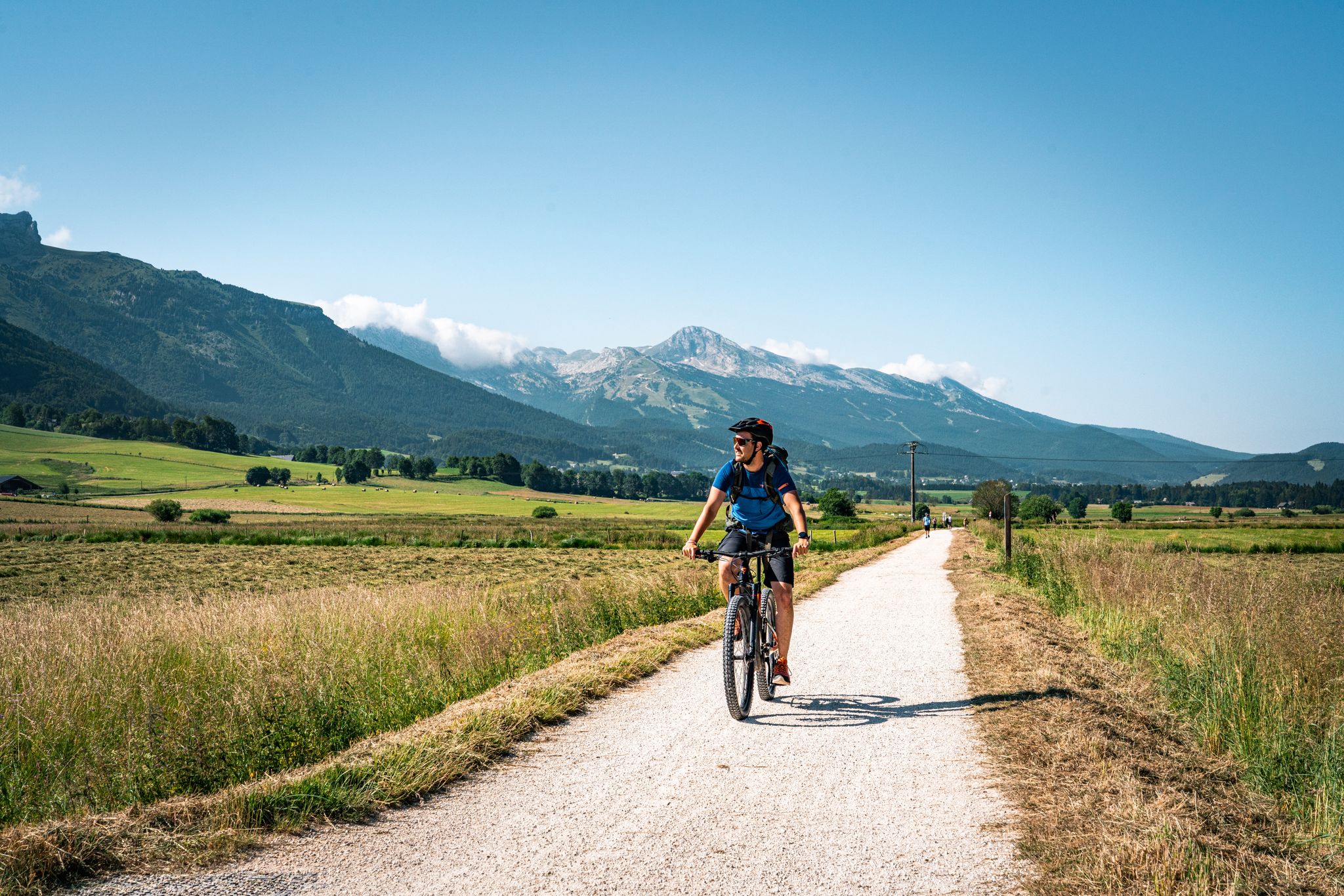
Vercors — the best gravel and mountain bike routes
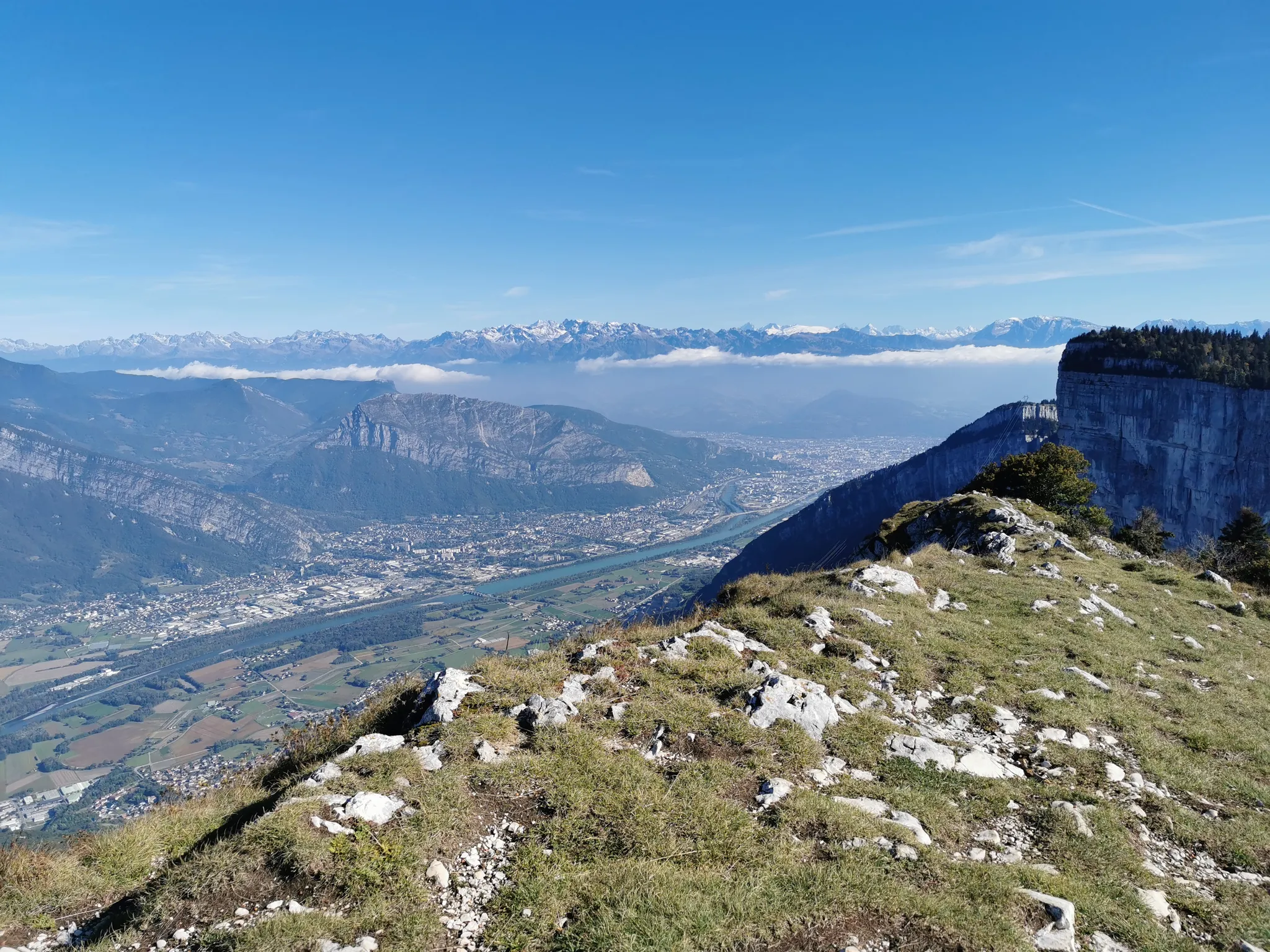
Grand Tour of the Vercors – third section
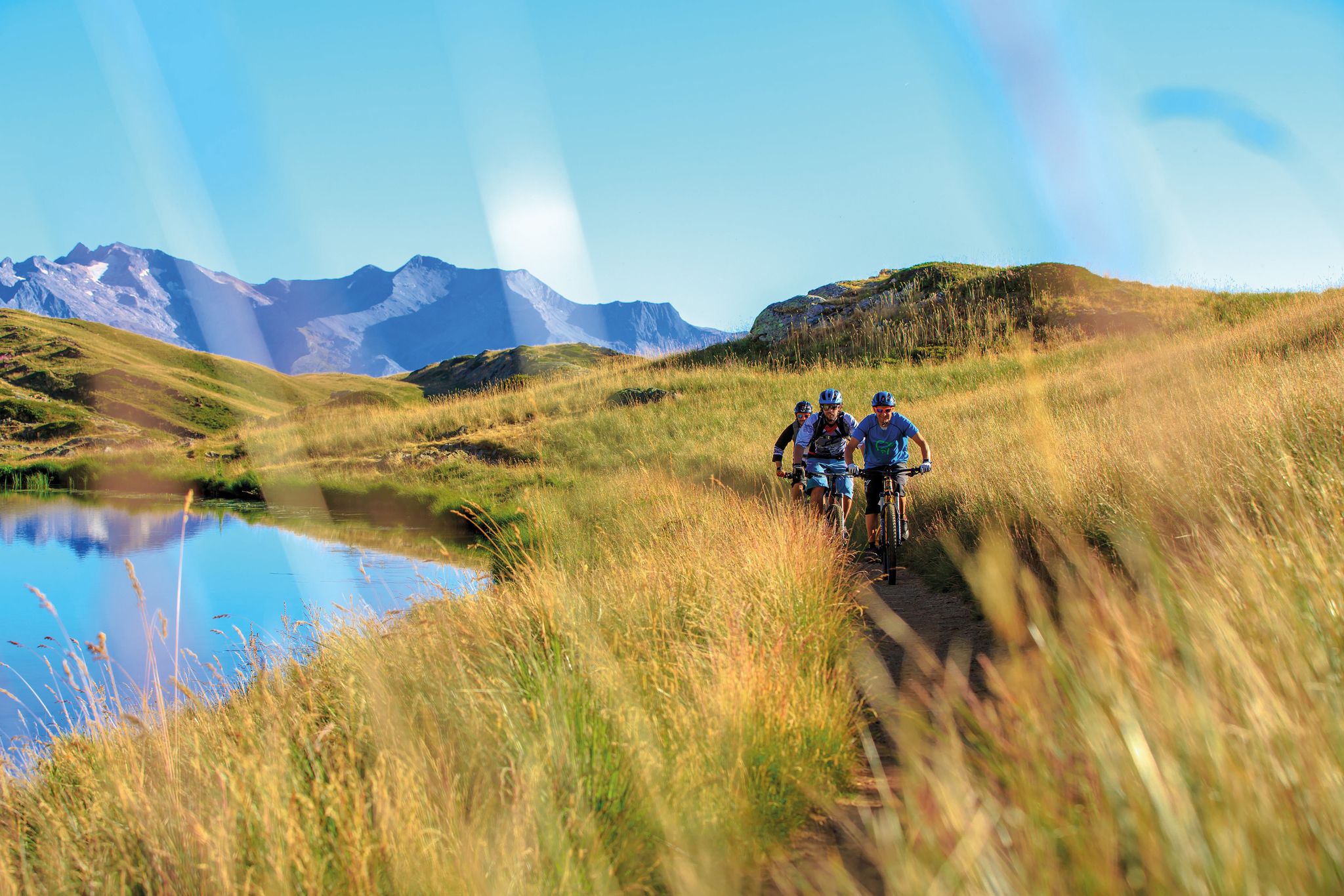
Great e-bike routes in Isère, France
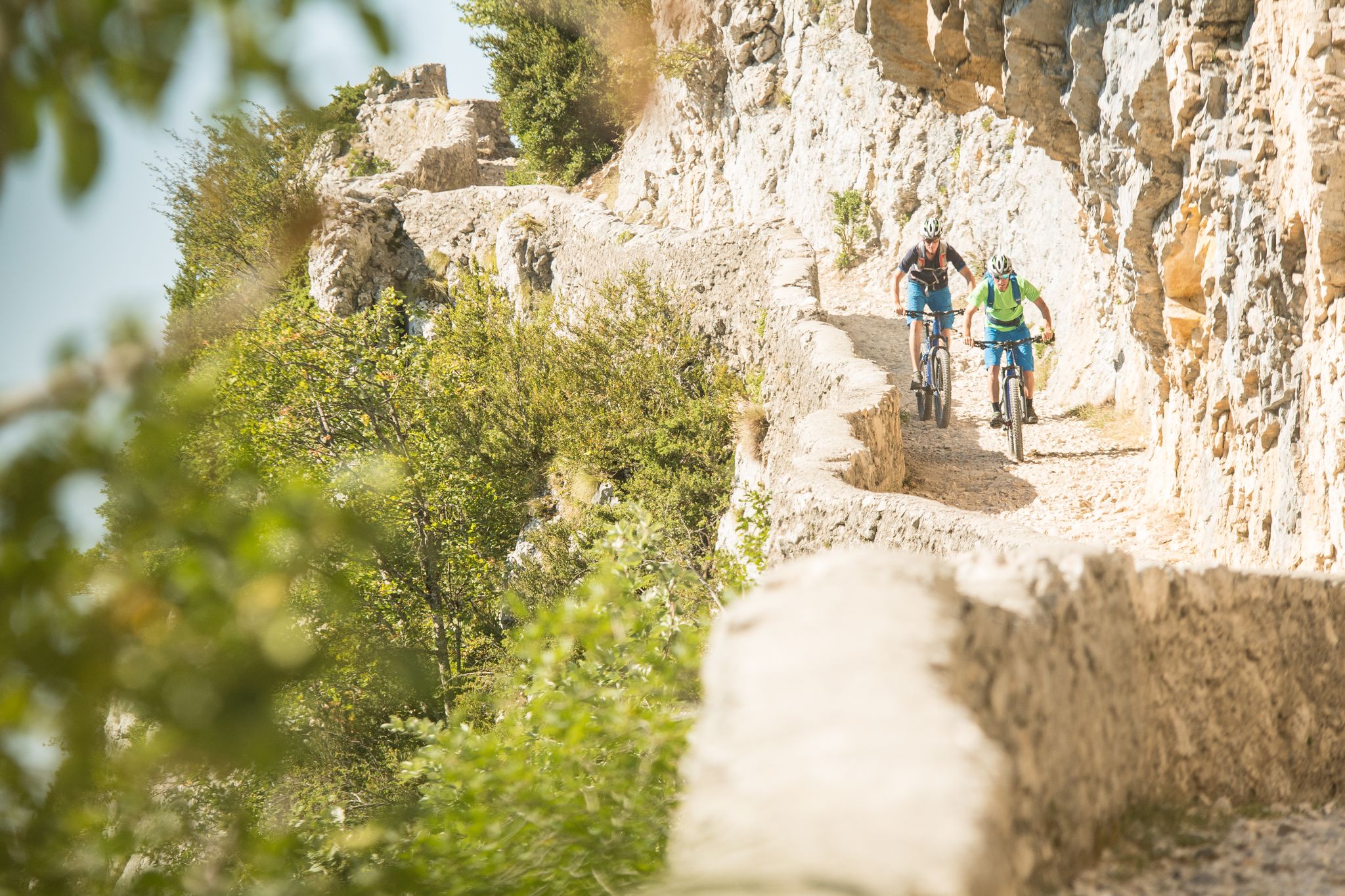
The Great Crossing of France’s Vercors mountains by MTB
Cycling in the Vercors — one of France's hidden gems
Legendary MTB routes in the bike paradise of Vercors Isère
MTB Trails around Autrans-Méaudre-En-Vercors
Hiking around Autrans-Méaudre-En-Vercors
Cycling around Autrans-Méaudre-En-Vercors

Road Cycling Routes around Autrans-Méaudre-En-Vercors
Other adventures around Autrans-Méaudre-En-Vercors


Tips from the Community

It is a very easily accessible cave that is easy to explore from a speleological point of view. Several outdoor adventure companies on the plateau offer caving introductions in this cave.
1
0

Le Trou qui Souffle is a vast network of underground cavities and a natural curiosity located in the commune of Autrans-Méaudre en Vercors, in the Isère region. The main entrance was discovered in 1909 during road works, then explored subsequently. Its resurgence is found further down at the Pont de la Goule Noire in the Gorges de la Bourne. It is the second longest network in the Vercors massif, with nearly 50 kilometers of explored galleries and an elevation difference of 670 meters.
0
0
The path of the vats is a very easy hike, the Furon at one point plunges under the rock. Spectacular
0
0

Nice little place, the climb up to here is still manageable. Nice views nonetheless.
0
0

Ice reserve still exploited not so long ago (until the mid-20th century). Interesting explanatory panels.
1
0

This cave, discovered in 1936, belongs to a network of underground karst cavities in the Vercors massif. In total, this complex extends over around fifty kilometers.
2
0

La Glacière is a 14 m deep cave. It is the result of the dissolution and erosion of limestone by the long work of water. In the 1700s, landmarks bear witness to the presence of men who came here to exploit the ice. The latter will engrave various inscriptions on the wall. But it was at the beginning of the 20th century that this cave was mainly exploited. Indeed, the ice extracted using a sled is used by cafeterias in Grenoble and hospitals. In 1964, the cooler was 4 m thick, today it is endangered. The rockslides made access to the cooler dangerous and it was closed to the public in 1999.
0
0
The Cuves are very easy to access. You can park near the chateau de sassenage. The route is very well signposted, the start is via stairs carved into the rock. After entering the cave, continue on the right bank of the Furon to the waterfall. A footbridge makes it possible to cross the Furon and to return by the left bank of the Furon and thus to make a loop. It's a family outing, which doesn't require any special skills, you just need a good pair of shoes.
2
0
Frequently Asked Questions
Which caves are suitable for families with children in Autrans-Méaudre-En-Vercors?
The Gournier Cave, part of the Choranche system, is family-friendly with an accessible trail. The Cuves Trail also offers an easy, well-signposted route suitable for families. Additionally, the Grotte de l'Ours in Saint-Martin-en-Vercors is particularly well-suited for families, offering an accessible 'underground baptism' experience for children aged 6 and up, with passages that can be crawled through without special rope techniques.
Are there any accessible caves for beginners or those new to caving?
Yes, the Grotte de la Ture (also known as Grotte de Nave) near Autrans offers an easy introduction to the underground world due to its relatively simple route. The Grotte de Bournillon is also an ideal location for an introduction to speleology, with a circuit that can include a technical passage with a handrail. The Grotte des Ferrières is considered an easy visit for beginner speleologists, though it has a slightly more technical section.
What unique geological features can be found in the caves of the Vercors region?
The Vercors caves are known for diverse geological formations. The Choranche cave system boasts thousands of delicate 'straw' stalactites, emerald rivers, and underground lakes, including the largest concentration of fistula stalactites in Europe. The Grotte de Bournillon features one of Europe's largest cave entrances, measuring 105 meters high and 60 meters wide, and functions as a major karst spring. The Corrençon Natural Icehouse is a unique natural cavity where ice persists even in summer.
What is the best time of year to visit the caves around Autrans-Méaudre-En-Vercors?
Many show caves, like Grotte de Choranche, are open year-round or seasonally from spring to autumn. For more adventurous caving, late spring to early autumn generally offers more stable weather conditions, though temperatures inside caves remain constant. Always check specific cave opening hours and conditions before planning your visit, especially during winter or periods of heavy rainfall which can affect water levels in some subterranean systems.
What should I wear when exploring caves in this region?
Inside caves, temperatures are consistently cool, typically around 10-12°C (50-54°F), regardless of the outside weather. It's advisable to wear warm layers, including a light jacket or fleece. Sturdy, closed-toe footwear with good grip is essential, as surfaces can be wet and uneven. For more adventurous caving, helmets and headlamps are often required and sometimes provided by tour operators.
Are there any historical aspects or significant discoveries associated with these caves?
Yes, several caves have historical significance. The Grotte de l'Ours in Saint-Martin-en-Vercors served as a shelter for cave bears and a refuge during World War II, containing well-preserved fossils and cave bear bones. The Corrençon Natural Icehouse was historically used for ice harvesting until the mid-20th century, with explanatory panels detailing its past use.
Can I find guided tours for cave exploration in the Vercors?
Yes, several caves offer guided tours. The Grotte de Choranche provides guided tours and a sound and light show in its Cathedral Chamber. For more adventurous speleological excursions, the Grotte de Gournier, part of the Choranche system, offers boat traversals of its underground lake. The Grotte de Bournillon is also suitable for guided introductions to speleology.
What other outdoor activities can I combine with a visit to the caves?
The Vercors massif offers numerous outdoor activities. You can find various hiking trails, including routes near the Grotte de la Ture. The region is also popular for running and mountain biking, with routes like the 'Grand Tour du Vercors: Molière Ridge Loop' available. Many trails offer scenic views of the surrounding natural landscape.
How long does it typically take to explore the caves?
The duration of a cave visit varies depending on the specific site and type of tour. For show caves like Grotte de Choranche, guided tours typically last around 1 to 1.5 hours. Simpler caves like Grotte de la Ture might be explored in less time, while more technical speleological excursions can take several hours. Always check the estimated duration provided by the cave operators.
Are there any specific caves known for their biodiversity or unique wildlife?
Yes, the Grotte de Choranche plays a role in species conservation, housing proteus, a blind cave-dwelling amphibian, in aquariums. The Grotte de la Ture is home to various bat species, and the Grotte de Bournillon also houses numerous bat species, highlighting the ecological importance of these subterranean environments.
Where can I find more information about the Grotte de Choranche and its opening hours?
For detailed information on the Grotte de Choranche, including opening hours, ticket prices, and specific tour options, you can visit their official website: visites-nature-vercors.com.
Most popular routes around Autrans-Méaudre-En-Vercors
Most popular attractions around Autrans-Méaudre-En-Vercors

Get inspired with the komoot mobile app


Explore more
Extend your search for the best caves by checking out these guides of the top ones around Autrans-Méaudre-En-Vercors:
