Top 5 Castles around Uusimaa
Best castles around Uusimaa are found in Southern Finland, a region characterized by its coastal areas, islands, and historical significance. This landscape features a variety of fortifications and ruins that reflect different periods of Finnish history. These sites offer insights into past military strategies and administrative centers. Visitors can explore these historical locations, often set within natural surroundings.
Best castles around Uusimaa
- The most popular castles is Raseborg Castle Ruins, a castle that was originally built in the 1370s…
Last updated: June 26, 2026
Iso Linnamäki Castle Hill
Highlight • Historical Site
Translated by Google •
Tip by

Ehrensvärd Museum
Highlight • Historical Site
Tip by

Sign up now to discover places like this
Get recommendations on the best single tracks, peaks, & plenty of other exciting outdoor places.
Sign up for free
Raseborg Castle Ruins
Highlight • Castle
Tip by

Great Courtyard and the Tomb of Augustin Ehrensvärd
Highlight • Historical Site
Tip by
Start today with a free account
Your next adventure awaits.
Login or Signup
Popular around Uusimaa

NorthCape4000 – 12 days from Lake Garda to the North Cape

Bikepacking the finest gravel in South-West Finland
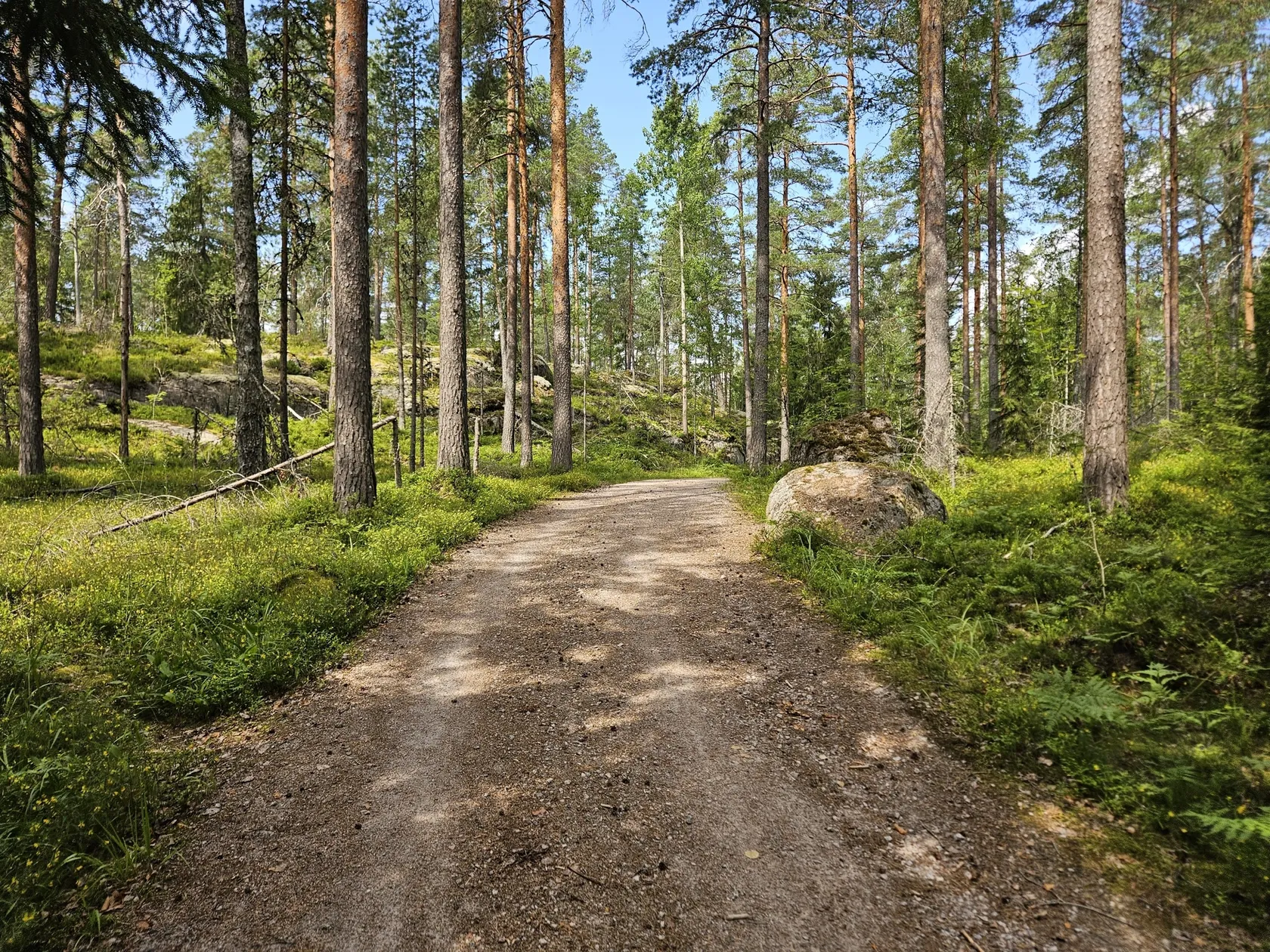
Forest frame – Nuuksio National Park overnighter
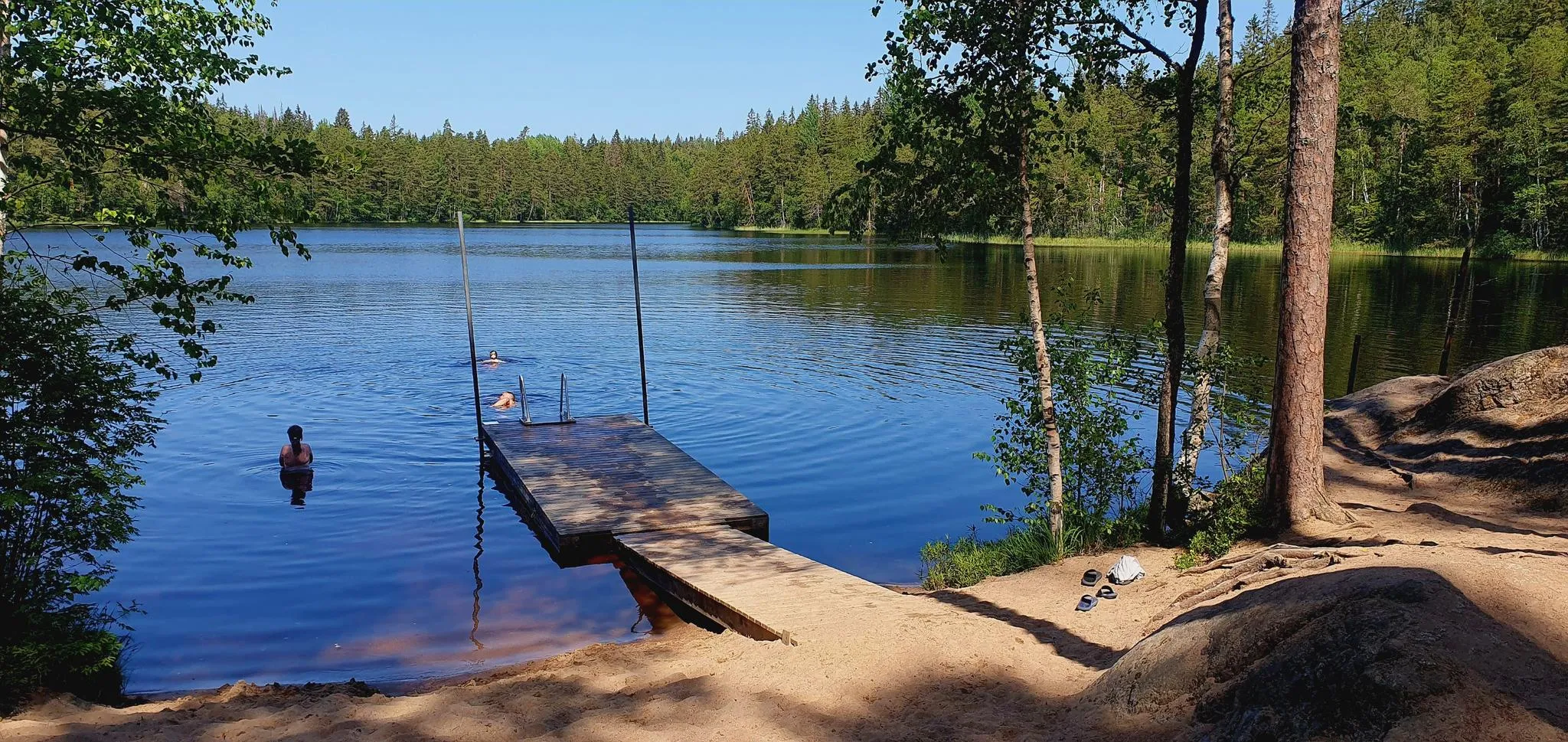
Urban escape route – Ring G
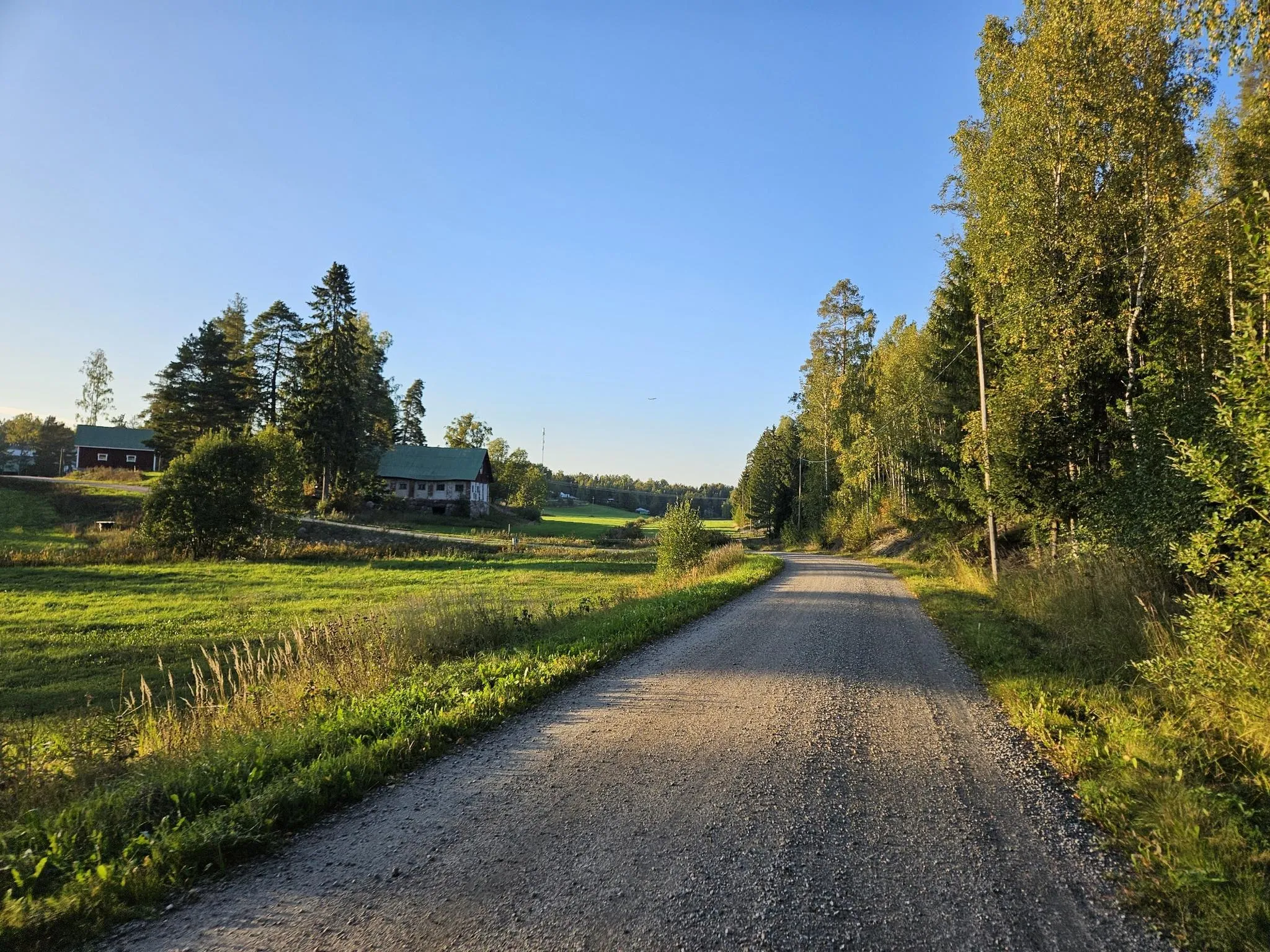
Forestbound – Sipoonkorpi National Park Overnighter
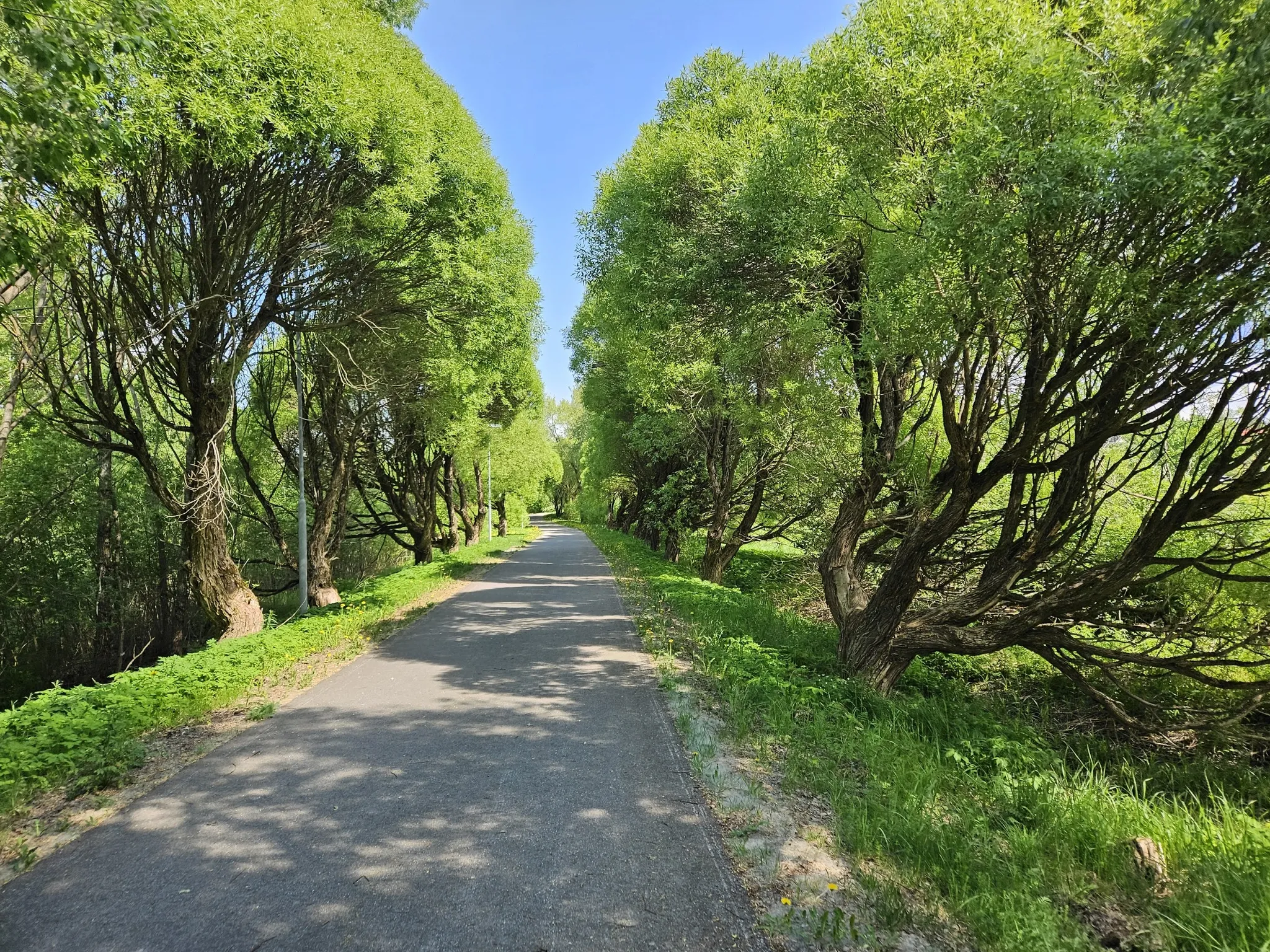
Between lakes and the sea – Western Uusimaa Loop
From Salo to the Archipelago sea – Finland's Coastal Route
Discover Espoo's coast and nature parks on 5 magnificent gravel Tours
Hiking in Finland's south – the most beautiful trails and national parks
Hiking around Uusimaa
Other adventures around Uusimaa


Tips from the Community

Opening hours Winter 2025 Saturday 29.11. at 11-16 Sunnunday 30.11. at 11-16 Summer 2026 Daily from 4th of May to 31st of August: May at 10:30 -16:00 June to August at 10:30-13:00 and 13:30-17:30 On weekends: April and September, Saturday-Sunday at 10:30-16:00 Please check the Suomenlinna opening hours end events calendar for any exceptions to opening hours.
0
0
The Ehrensvärd Museum is located by the original central courtyard of the fortress, in the old Commander’s House. The interior of the museum illustrates an 18th century residence. The collection includes paintings, furniture, weapons, and ship models portraying vessels of the Swedish Archipelago Fleet. The first resident of the building was Augustin Ehrensvärd (1710-1772), the founder of the Suomenlinna fortress. The Commander’s House is a good example of how housing and the defensive system were connected under the same roof. The building’s side wings also functioned as fortification bastions and it was possible to access the bastion terrepleins directly from the rooms. In case of an emergency the windows of the dining room as well as of the sleeping alcove could be used as crenels from which the main entrance to the fortress, the Artillery Bay, could be defended. The building was used as the commander’s residence until 1855, when it lost its southern wing in the Crimean War. In 1927 the Ehrensvärd Society made an initiative to establish a museum in those rooms that had served as Ehrensvärd ‘s residence. The museum was opened in 1930. Museum is open in summertime. Source & More information: https://suomenlinnatours.com/en/activities-at-suomenlinna/ehrensvard-museum/
0
0
Designed by the founder of Suomenlinna, Augustin Ehrensvärd, the Great Courtyard was completed in the 1760s and served as the main square and administrative center of the entire fortress. The courtyard was bordered by buildings such as the Commandant’s House, which served as the residence of the fortress commandants, and the main guardhouse. The Blue Route passes through the Great Courtyard. From May to the end of September, the water bus operates to the Tykistölahden pier, which is about 200 meters from the Great Courtyard. The status of the administrative center was emphasized architecturally as well. The placement of the buildings and the curved facades of the square created a false perspective, enhancing the grandeur and ceremonial appearance of the square. In the center of the square is the tomb of Augustin Ehrensvärd, with an impressive monument designed by King Gustav III of Sweden and completed by Ehrensvärd’s son Carl August together with Johan Tobias Sergel. Ehrensvärd died in 1772, but he was temporarily buried elsewhere for 10 years while waiting for the completion of the Viapori tomb. The tomb monument was finally completed just before the end of Swedish rule in the early 19th century.
0
0

Site of an old castle, nowadays all that's left to see is a series of circular earthworks. Cycling is forbidden on the earthworks themselves.
1
0

Perched high above the hustle and bustle of central Porvoo in peaceful Iso Linnamäki Park, it's hard to imagine that it was the scene of fierce battles during the Great Northern War in the 18th century. Half a millennium ago there was a castle dominating the entire Porvoo River Valley. It was probably built by the Swedes during their conquest of the East. The steep moats around the top of Linnamäki Hill are a reminder of the past.
2
0

Former castle complex situated on a hill, which was probably laid out by the Swedes at the beginning of the 13th century
3
0


Restaurant, summer theater and picnic tables. A ticket to the castle costs ~7€.
1
0
Frequently Asked Questions
What are some of the most historically significant castles and fortresses in Uusimaa?
Uusimaa is home to several important historical sites. The Suomenlinna Sea Fortress, a UNESCO World Heritage Site, played a crucial role in the defense of Sweden, Russia, and Finland. Another key site is Raseborg Castle Ruins, a medieval castle that served as an administrative and military base. Svartholm Fortress, often called Suomenlinna's sister fortress, also holds significant military history.
Are there family-friendly castles to visit in Uusimaa?
Yes, several castles and historical sites in Uusimaa are suitable for families. Raseborg Castle Ruins offers a glimpse into the Middle Ages with events like medieval markets and theatrical performances during summer. The Suomenlinna Sea Fortress is also very family-friendly, with museums, tunnels to explore, and scenic walks. Iso Linnamäki Castle Hill is a historical site set in a peaceful park, great for exploration.
What is the best way to reach Suomenlinna Sea Fortress?
The Suomenlinna Sea Fortress is located on islands off Helsinki. It's easily accessible by a 15-minute ferry ride from Helsinki Market Square, which is part of the public transportation system. This ferry ride also offers beautiful views of the city from the sea.
Can I visit Raseborg Castle Ruins using public transport?
Raseborg Castle is located in Snappertuna, about 15 km from Ekenäs and Karis. While direct public transport to the ruins might be limited, you can reach Ekenäs or Karis by train or bus, and then consider a local taxi or cycling the remaining distance. During summer, there might be more localized transport options. For detailed planning, check local transport schedules.
Are there any cafes or restaurants near the castles?
Yes, there are options available. At Raseborg Castle Ruins, you'll find a restaurant and cafe in Slottsknektens stuga that serves local food during the summer. The Suomenlinna Sea Fortress also has several restaurants and cafes on its islands.
What kind of outdoor activities can I do near the castles in Uusimaa?
Uusimaa offers various outdoor activities near its historical sites. You can find excellent road cycling routes, such as the Scenic Road Cycling Loop - From Helsinki to Lake Tuusulanjärvi. For gravel biking, explore routes like the Espoo Waterfront Route. Running enthusiasts can enjoy trails like the Seurasaarenselkä Waterfront Trail. Many of these routes offer scenic views and pass through natural areas.
What is the best time of year to visit the castles in Uusimaa?
The summer months (June to August) are generally the most popular time to visit, as the weather is pleasant, and many attractions, guided tours, and cafes are fully operational. However, spring and autumn offer beautiful scenery with fewer crowds. Winter visits are also possible, especially for Suomenlinna, which is a residential area, but some services might be limited.
Are there any specific historical figures associated with these Uusimaa castles?
Yes, notably Augustin Ehrensvärd (1710-1772) is strongly associated with the Suomenlinna Sea Fortress. He was its founder and designer, and his tomb with an impressive monument is located in the Great Courtyard of the fortress. The Ehrensvärd Museum on Suomenlinna also showcases his residence and the history of the fortress.
What makes Iso Linnamäki Castle Hill unique?
Iso Linnamäki Castle Hill in Porvoo is a historical site that was likely laid out by the Swedes in the early 13th century. While the castle itself no longer stands, visitors can explore the series of circular earthworks that remain. It's a peaceful spot high above central Porvoo, offering a glimpse into its past as a scene of battles during the Great Northern War.
What can I expect to see at Svartholm Fortress?
Svartholm Fortress, located at the entrance to the Bay of Loviisa, is a well-preserved sea fortress. You can explore its bastions, walls, and other structures, which showcase its strategic importance in protecting Finland's eastern borders. There's an exhibition detailing its history and archaeological findings, and you can enjoy panoramic views from its walls. It's accessible by ferry or private boat, especially popular in summer.
Are there any specific walking routes or trails within the castle areas?
At Suomenlinna Sea Fortress, you can follow the 'Blue Route,' which highlights the main sights and provides a comprehensive tour of the fortress's extensive fortifications and historical points of interest. Many other castles, like Raseborg Castle Ruins, offer paths for exploring the ruins and surrounding natural scenery.
How long should I plan for a visit to Raseborg Castle Ruins?
To fully explore the Raseborg Castle Ruins, including walking around the site, visiting the Knight's Hall, and enjoying the surrounding scenery, you should plan for at least 1.5 to 2 hours. If you attend a guided tour or one of the medieval events, your visit might extend to half a day.
Most popular routes around Uusimaa
Most popular attractions around Uusimaa

Get inspired with the komoot mobile app


