Top 9 Castles around Monchique
Best castles around Monchique offer a glimpse into the region's rich history and strategic importance. The Serra de Monchique, with its elevated positions, provided ideal locations for ancient fortifications. These historical sites are often situated on hilltops, offering panoramic views of the surrounding rural landscape. Exploring these remnants allows visitors to connect with the civilizations that inhabited and defended the area over centuries.
Best castles around Monchique
- The most popular castles is Silves Castle, a castle that is an…
Last updated: May 13, 2026
Silves Castle
Highlight • Castle
Translated by Google •
Tip by

Aljezur Castle and the Old Town
Highlight • Castle
Translated by Google •
Tip by

Sign up now to discover places like this
Get recommendations on the best single tracks, peaks, & plenty of other exciting outdoor places.
Sign up for free
Silves Historic Centre
Highlight • Historical Site
The castle has something, but looks like it's only a few years old, that's how well it's been restored.
Translated by Google •
Tip by

Silves Cathedral
Highlight • Religious Site
Translated by Google •
Tip by

Silves Castle 🏰
Highlight • Castle
Translated by Google •
Tip by

Sign up for free to discover even more castles around Monchique.
Sign up for free
Already have an account?
Start today with a free account
Your next adventure awaits.
Login or Signup
Popular around Monchique
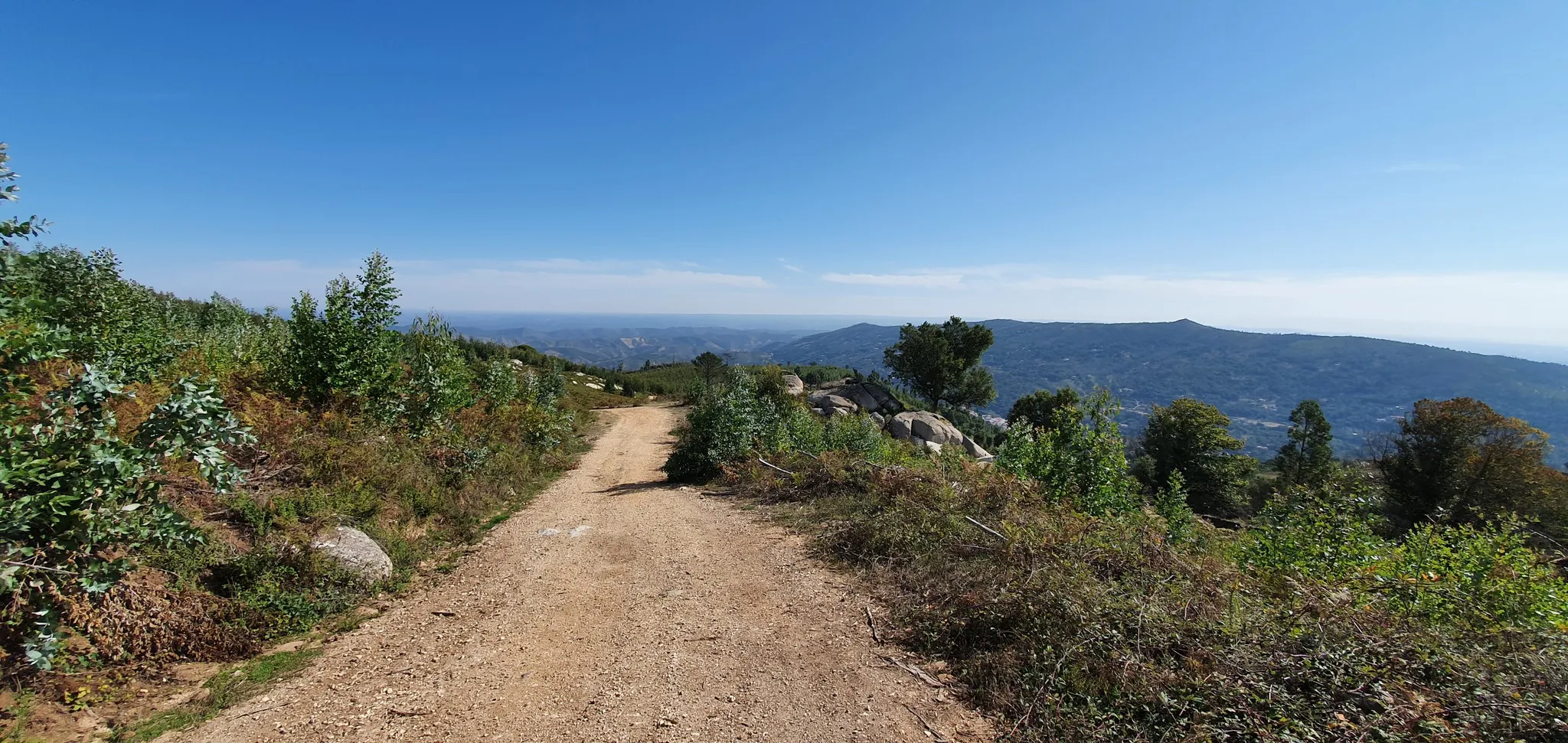
Via Algarviana (GR 13) - hidden corners of the south
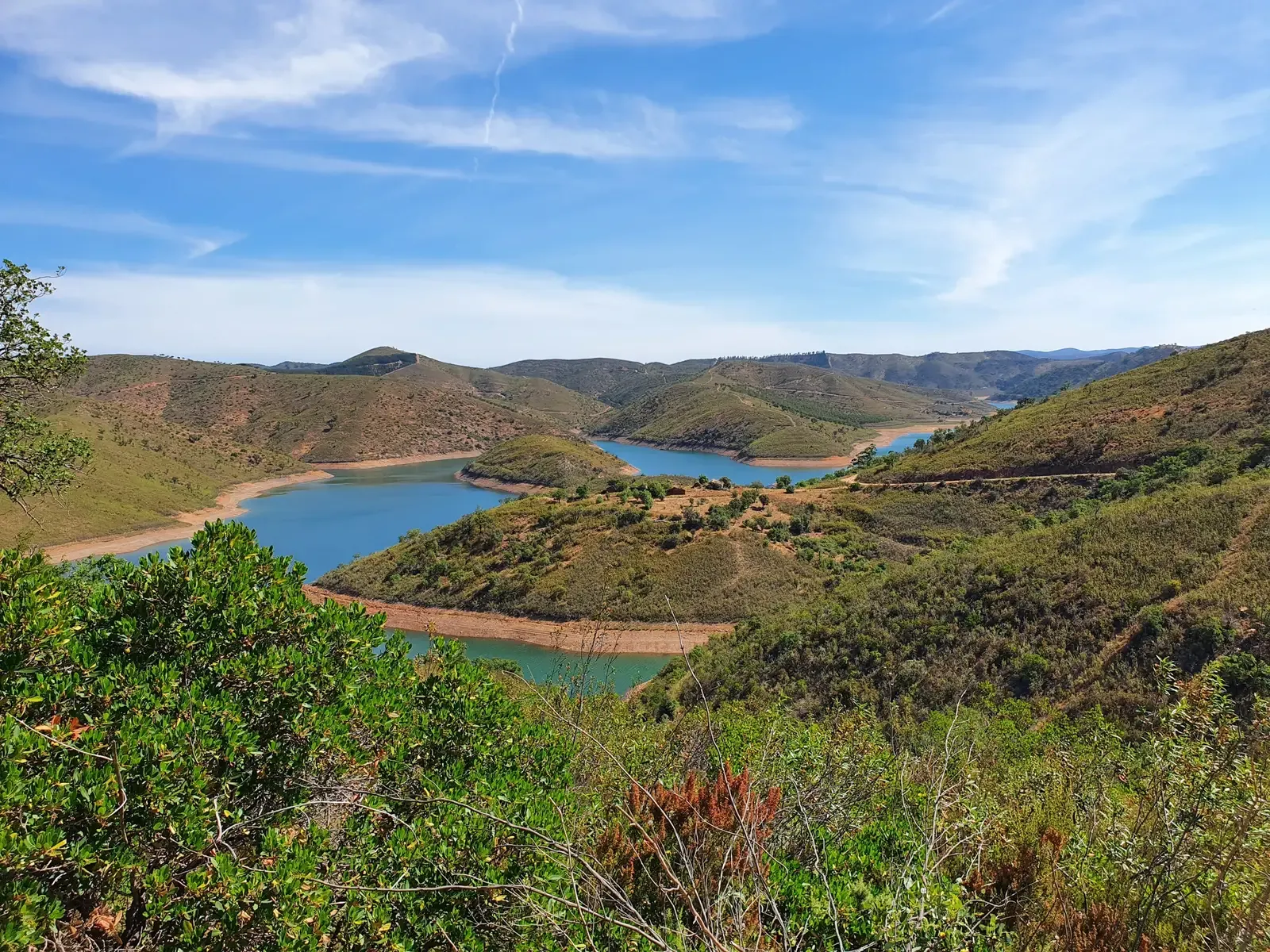
The secret Algarve – Algarviana Way
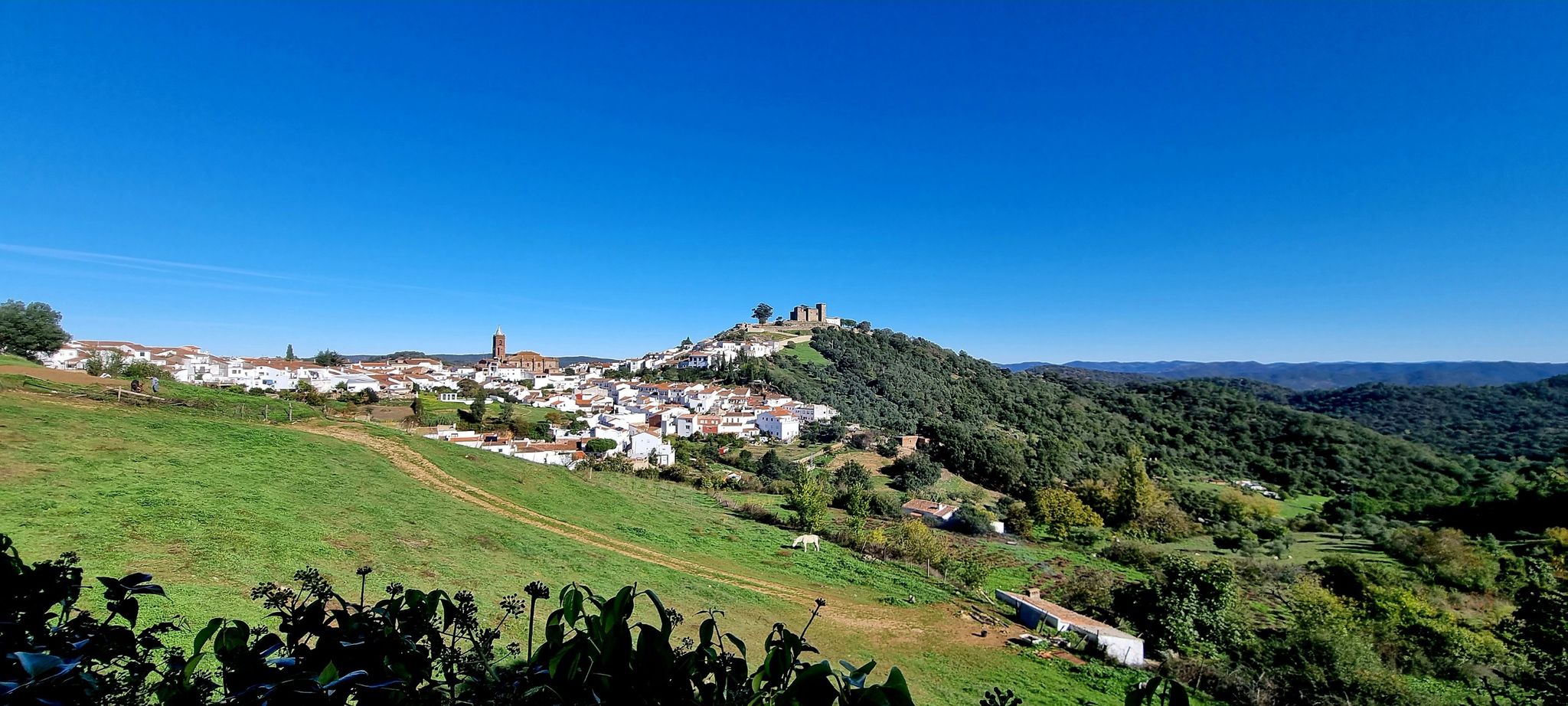
European Divide Trail across the Iberian Peninsula – south
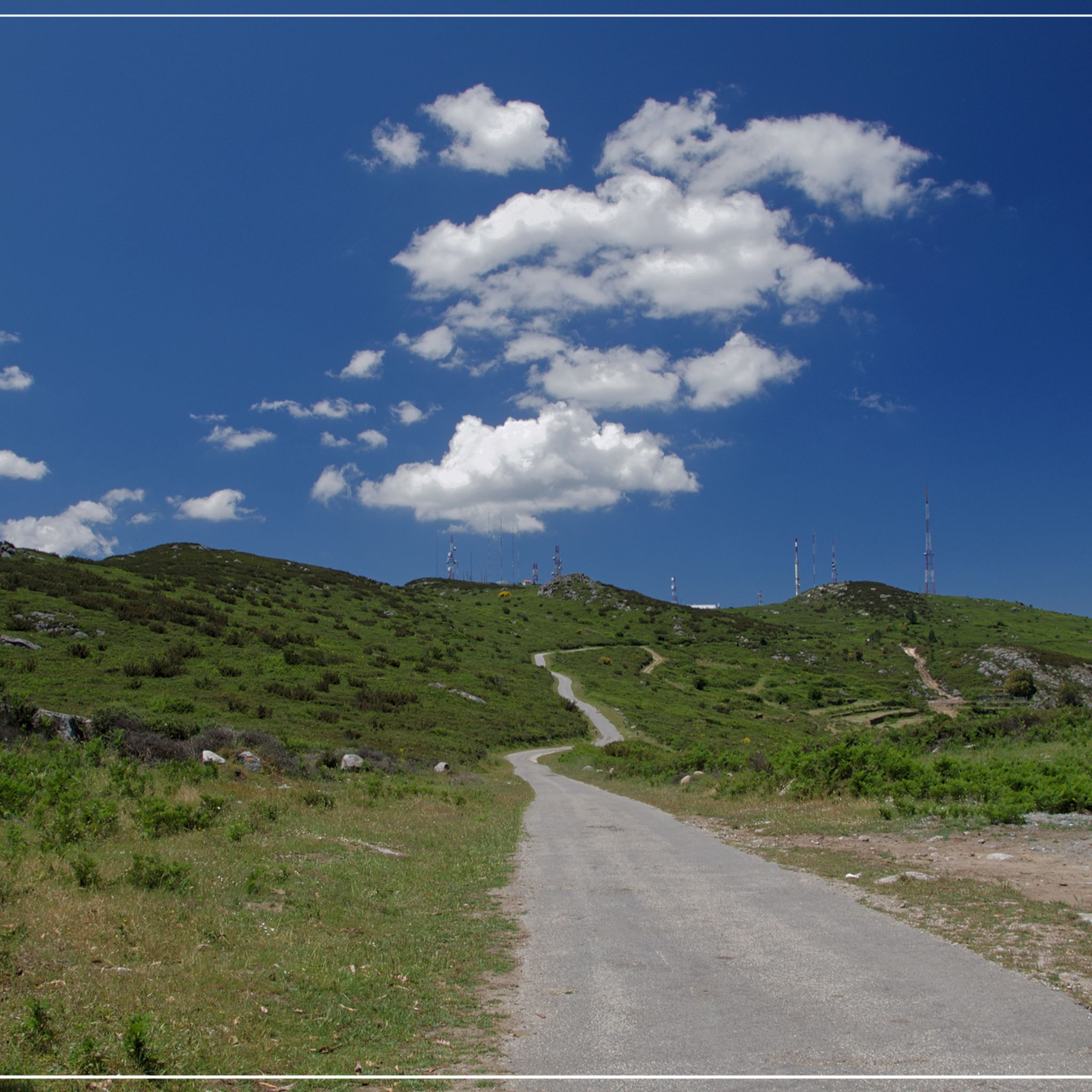
Hiking around Monchique
Road Cycling Routes around Monchique
Running Trails around Monchique
Cycling around Monchique
MTB Trails around Monchique

Gravel biking around Monchique
Other adventures around Monchique


Tips from the Community

Silves is a charming, historic town in the Algarve, Portugal, known for its imposing medieval castle and rich Moorish past. Situated on the Arade River, Silves offers narrow cobbled streets, ancient churches, traditional markets, and a peaceful, authentic atmosphere. It's a perfect destination for those who appreciate culture, history, and a tranquil setting away from the hustle and bustle of the coast.
4
0
The Sé Cathedral of Silves is an impressive Gothic building in the historic center of Silves, Algarve. It was once a mosque during the Moorish period, but was converted into a cathedral after the Reconquest. It features thick, reddish brick walls and a simple yet powerful appearance. Inside, you'll find beautiful medieval details, and it's an important symbol of the Christian Reconquest of the region.
4
0
Silves is a charming, historic city in the Algarve, Portugal, known for its impressive medieval castle that towers over the town. Situated on the Arade River, the city boasts a rich Moorish past, with narrow streets, ancient churches, and traditional markets. Quieter than the coastal towns, Silves offers an authentic Portuguese atmosphere, perfect for those seeking to explore culture and history.
3
0
Aljezur Castle (Castelo de Aljezur) is a medieval ruin located on a hill above the old town of Aljezur in the Algarve, Portugal. It was originally built by the Moors in the 10th century and later conquered by the Christians in 1249. Today, you can see the remains of walls, towers, and a cistern, with stunning views over the valley and coast.
3
0
Silves is a charming, historic town in the Algarve, southern Portugal, known for its well-preserved castle and rich Moorish past. In the Middle Ages, it was the regional capital and an important cultural and political center. Today, Silves exudes tranquility, with cobbled streets, whitewashed houses, orange groves, and a blend of Christian and Islamic influences visible throughout the town.
2
0

The view of the surrounding area is absolutely unique!
2
0
Castelo de Silves (Silves Castle) is an impressive medieval castle in the city of Silves, located in the Algarve region of southern Portugal. It is one of the best-preserved Moorish castles in the country and a major tourist and historical attraction.
4
1
The Cathedral of Silves (Sé de Silves) is an imposing Gothic building in the Algarve, Portugal. It was built in the 13th century on the site of a former mosque after the Christian reconquest of Silves. The cathedral is made of red sandstone, giving it a distinctive appearance. Architecturally, it combines Gothic elements with Baroque details that were added later and sometimes removed to restore the original style. Inside, you'll find the tombstones of important historical figures, such as King João II. The cathedral is an important national monument and attracts visitors for its rich history and unique architectural style.
4
1
Frequently Asked Questions
What historical significance do the castles around Monchique hold?
The castles in the Monchique region offer a deep dive into the area's rich past, showcasing its strategic importance through various historical periods. Sites like the Archaeological Site of Cerro do Castelo de Alferce reveal occupation from the Late Bronze Age through Roman and Islamic times, serving as crucial fortified settlements. Silves Castle, for instance, is a well-preserved Moorish fortification with origins potentially dating back to Lusitanian, Roman, or Visigothic structures.
Are there any ancient ruins or archaeological sites to explore near Monchique?
Yes, the Archaeological Site of Cerro do Castelo de Alferce is a significant ancient fortified settlement. It features ruins of a 9th-century AD Islamic fortification, built upon older structures from Late Antiquity. Visitors can explore the remnants of stone walls and gain insight into the civilizations that inhabited the area over thousands of years, all while enjoying panoramic views.
Which castles offer the best panoramic views?
Silves Castle provides excellent views of the city and surrounding landscape. Similarly, Aljezur Castle and the Old Town, perched on a hilltop, offers commanding views over the picturesque town and the natural park. The Archaeological Site of Cerro do Castelo de Alferce also boasts privileged panoramic views of the rural surroundings from its elevated position.
Are there family-friendly castles to visit near Monchique?
Yes, Silves Castle is considered family-friendly. Its accessible walls and towers allow for an engaging exploration for visitors of all ages. The historical context and impressive architecture make it an educational and enjoyable outing for families.
What is the best time of year to visit the castles around Monchique?
The Monchique region generally enjoys mild weather, making spring (March to May) and autumn (September to November) ideal for visiting castles. During these seasons, temperatures are pleasant for exploring outdoor sites like Silves Castle and the Archaeological Site of Cerro do Castelo de Alferce, and the natural scenery is particularly vibrant.
Are the castles around Monchique accessible for visitors with mobility concerns?
Silves Castle is noted for its accessibility, with its walls and towers being completely open to visitors. While specific wheelchair accessibility details vary by site, Silves Castle offers a good option for those seeking easier navigation.
What outdoor activities can I do near these castles?
The Monchique region offers various outdoor activities. Near the castles, you can find numerous hiking and cycling routes. For instance, the 'Between the Valley and the Castle Trail' is an easy hiking option. You can explore more routes in the Hiking around Monchique, Cycling around Monchique, and MTB Trails around Monchique guides.
Are there hiking trails that incorporate castle visits?
Yes, the 'Between the Valley and the Castle Trail' is an easy hiking route that allows you to experience the natural beauty of the region while potentially connecting with historical sites. For more hiking options, refer to the Hiking around Monchique guide.
What makes Aljezur Castle and its Old Town unique?
Aljezur Castle and the Old Town is uniquely situated within the Parque Natural do Sudoeste Alentejano e Costa Vicentina. The old town features narrow streets leading up to the remains of a 10th-century Moorish fortress, offering a blend of history and natural beauty. It's also a convenient stop for those exploring the Trilho dos Pescadores or Caminho Histórico.
What should I wear when visiting castles in the Monchique region?
Comfortable walking shoes are highly recommended, as many castles, like Silves Castle and Aljezur Castle, involve walking on uneven surfaces, climbing stairs, and exploring extensive grounds. Layered clothing is also advisable, especially during spring and autumn, to adapt to changing temperatures throughout the day.
What can I expect to see at the Archaeological Site of Cerro do Castelo de Alferce?
At the Archaeological Site of Cerro do Castelo de Alferce, you can explore the remnants of three walled enclosures, including an irregular pentagonal primary fortress with a cistern and defensive towers. These structures, built with local stone, offer a tangible connection to the site's past as a crucial geostrategic point from the 9th to 11th centuries, alongside evidence of even older occupations.
Most popular routes around Monchique
Most popular attractions around Monchique

Get inspired with the komoot mobile app


Explore more
Looking for the best castles somewhere else? Discover other guides around Monchique:
