Top 9 Castles around Soure
Best castles around Soure offer a glimpse into Portugal's medieval past, particularly its role in the Christian Reconquest. This region, nestled in the district of Coimbra, features historic fortresses that once held strategic importance along the Arunca and Mondego Rivers. Visitors can explore ancient structures and appreciate the blend of architectural styles. The area provides a compelling blend of history and scenic views.
Best castles around Soure
- The most popular castles is Montemor-o-Velho Castle, a castle that dates from…
Last updated: June 26, 2026
Montemor-o-Velho Castle
Highlight • Castle
Translated by Google •
Tip by

Pombal Castle
Highlight • Castle
It stands atop a rocky outcrop beside the Arunca River, overlooking the city of Pombal.
Built between 1156 …
Translated by Google •
Tip by

Sign up now to discover places like this
Get recommendations on the best single tracks, peaks, & plenty of other exciting outdoor places.
Sign up for free
Castelo de Montemor-o-Velho
Highlight • Castle
Translated by Google •
Tip by

Penela Castle
Highlight • Castle
Translated by Google •
Tip by

Santiago da Guarda
Highlight • Historical Site
Translated by Google •
Tip by

Sign up for free to discover even more castles around Soure.
Sign up for free
Already have an account?
Start today with a free account
Your next adventure awaits.
Login or Signup
Tips from the Community

The Santiago da Guarda Monumental Complex is an unmissable stop, where history unfolds in layers. Classified as a National Monument, it stands out for its Manueline elegance, its 14th-century manor tower, and the impressive Roman mosaics that reveal an ancient villa from the 4th and 5th centuries. The old road between Tomar and Coimbra passed through here, later used by pilgrims on their way to Santiago. Surrounded by the limestone landscape and oak groves of the Serra de Sicó, the place invites you to slow down and take a deep breath. Take the opportunity to chat with the hospitable people.
1
0
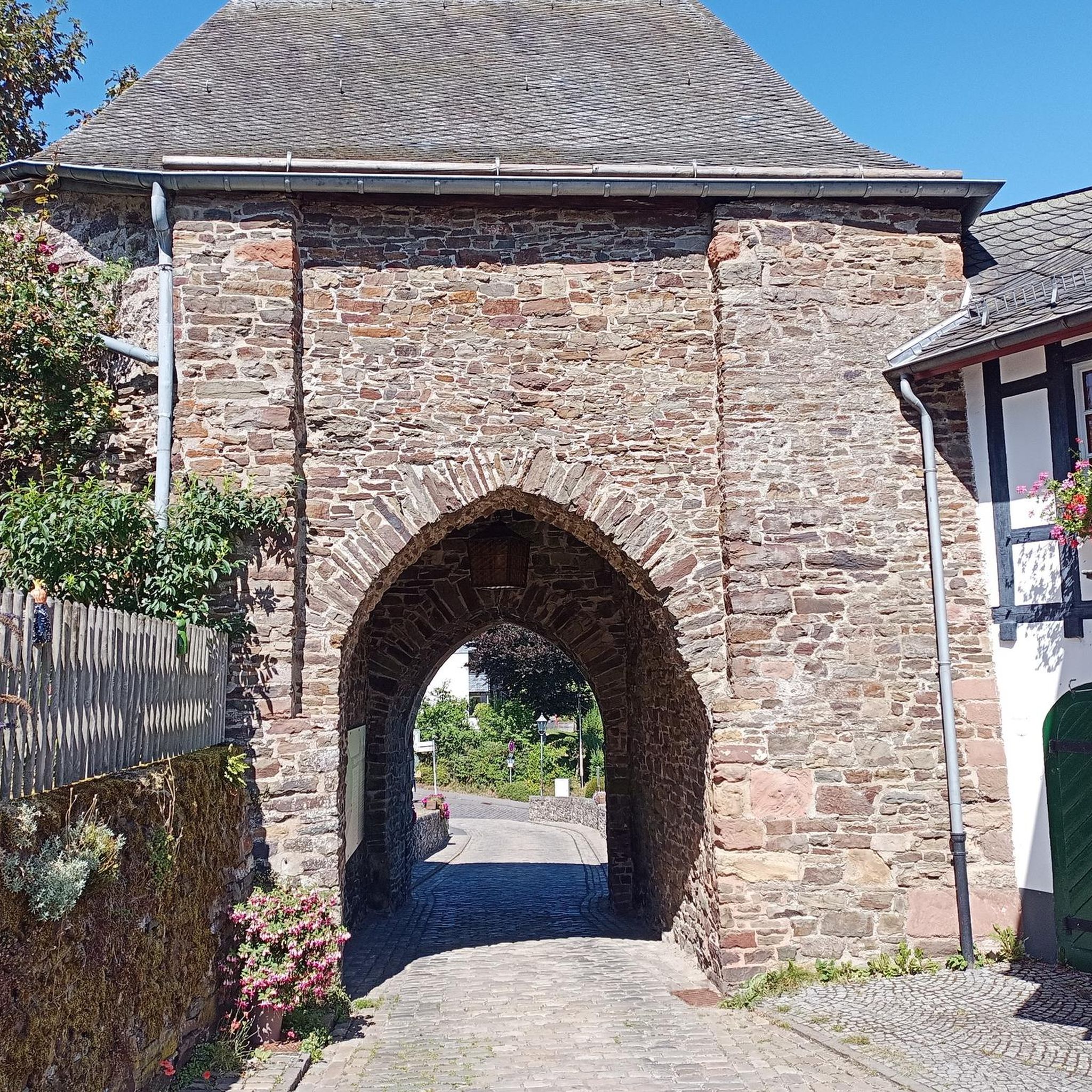
Penela Castle stands atop the rocky outcrop that gave it its name (peñela, "small stone hill"), dominating the town with imposing walls and towers dating from the 15th and 16th centuries. Founded in the 11th century by D. Sesnando Davides, it formed part of the Mondego defensive line, and its walls still reach 19 meters in height today. From the original fortress arose the castle that later served as a keep. On the walls, facing the Serra da Lousã mountain range, stand out arrow slits and loopholes, marks of its long military life, from arrows to firearms. Penela preserves three historical entrances: the Porta da Vila (Town Gate), the evocative Porta da Traição (Gate of Treason), with its double opening and Moorish inspiration, and the Porta do Relógio (Clock Gate), a reminder of the old breach where two towers collapsed in the 1755 earthquake. In short, a castle small in form, but enormous in history.
1
0
Pombal Castle dominates the landscape and the very history of the city. Built between 1156 and 1171 by the Knights Templar, it formed part of the old Mondego defensive ring, a series of fortresses that protected access to Coimbra after the Reconquista. Over the centuries it suffered attacks, including those from Napoleonic troops, and fell into ruin. Today, the castle has once again become a vibrant and accessible space, a privileged viewpoint and an essential landmark of Pombal's identity.
2
1

Pombal Castle, one of the most important Templar monuments in central Portugal: It stands atop a rocky outcrop beside the Arunca River, overlooking the city of Pombal. Built between 1156 and 1171 by Gualdim Pais, Grand Master of the Knights Templar, on the site of an ancient Roman fort and Arab fortress. It formed part of the Templar defensive line to protect Coimbra and launch offensives against the Muslims.
4
1

Barely any original contributions, yet a pioneer. Someone has to try and emulate me.
7
3

Free and accessible for people with disabilities via escalator
11
2

Although there are references to its existence as early as the High Middle Ages, what remains today dates from the late 14th century. Within the walls are remains of the old Medieval Palace, where the death of Dona Inês de Castro was reportedly decided, as well as the Church of Santa Maria da Alcáçova, founded in 1095 but restored in the 16th century. During the Arab occupation, materials imported from Córdoba arrived at Montemayur Castle, including capitals dating back to the Caliphate period, one of which is now part of the collection of the Machado de Castro National Museum in Coimbra. Later, the castle would play a recognized strategic role during the Christian reconquest of the territory. (Source: www.turismodocentro.pt)
13
0

Penela Castle is a medieval fortress with an irregular plan and winding outline, stretching from north to south taking advantage of the natural cliff, so that the walls vary in height between 7 and 19 metres. It was part of the Mondego defensive line during the Christian Reconquista.
1
0
Frequently Asked Questions
What is the historical significance of castles in the Soure region?
The castles around Soure, such as the Castle of Soure, played a crucial role in Portugal's medieval past, particularly during the Christian Reconquest. Many, like Pombal Castle, were built by the Knights Templar to defend against Moorish incursions and protect strategic points along the Arunca and Mondego Rivers.
Are there any castles in the Soure area with connections to the Knights Templar?
Yes, the Castle of Soure has a strong association with the Knights Templar, being one of the first castles in Portugal to belong to this order. Pombal Castle was also built by Gualdim Pais, Grand Master of the Knights Templar, between 1156 and 1171.
Which castles offer the best panoramic views of the surrounding landscape?
From the highest point of the Castle of Soure, you can enjoy breathtaking panoramic views of the town, lush countryside, and surrounding mountains. Pombal Castle, perched atop a rocky outcrop, also offers commanding views overlooking the city of Pombal.
Are there family-friendly castles to visit in the Soure region?
Yes, Penela Castle is noted as family-friendly. Many castles, including Castelo de Montemor-o-Velho, offer open spaces for exploration, making them suitable for families.
What is the best time of year to visit the castles around Soure?
The best season to visit the castles around Soure is generally during spring (April-May) or autumn (September-October). The weather is milder and more pleasant for exploring historical sites and enjoying outdoor activities, avoiding the peak heat of summer.
Are there any castles that are free to enter or easily accessible?
The Castelo de Montemor-o-Velho is well-kept and completely free to visit, with parking directly in front of the entrance. It is also accessible for people with disabilities via an escalator.
What kind of architectural styles can be seen in the castles of Soure?
The castles in the Soure region showcase a blend of architectural styles, primarily Gothic and Romanesque. The Castle of Soure, for instance, features Suevo-Visigothic and Mozarabic elements, reflecting its ancient origins and various periods of construction and reconstruction.
Can I find hiking or running trails near the castles in Soure?
Yes, there are several outdoor routes near the castles. For running, you can find a moderate 8 km loop around the Castelo de Soure. For more options, explore the Hiking around Soure or Running Trails around Soure guides.
Are there mountain biking opportunities near the castles?
Absolutely. You can find challenging mountain biking trails, such as the 60 km 'Montemor-o-Velho Castle – Abandoned Maiorca Halt loop' or the 62 km 'Castelo de Montemor-o-Velho – Montemor-o-Velho Castle loop'. More routes are available in the MTB Trails around Soure guide.
How long should I plan for a visit to a castle in the Soure area?
The duration of a visit can vary. For a comprehensive exploration of a major site like the Castle of Soure or Montemor-o-Velho Castle, including exploring the grounds and any exhibitions, allow for 1.5 to 3 hours. Smaller castles or quick stops might take less time.
What makes Penela Castle unique among the castles in the region?
Penela Castle is notable for its irregular plan and winding outline, with walls reaching up to 19 meters in height. Its foundation is carved into the rocks, and it preserves three historical entrances, including the evocative Porta da Traição (Gate of Treason) with Moorish inspiration.
What do visitors appreciate most about the castles around Soure?
Visitors frequently appreciate the deep insights into Portugal's medieval past, the blend of architectural styles, and the scenic beauty offered by the castles. The panoramic views from their elevated positions and the historical significance, especially concerning the Knights Templar, are often highlighted.
Most popular attractions around Soure

Get inspired with the komoot mobile app


Explore more
Looking for the best castles somewhere else? Discover other guides around Soure:
