Top 5 Castles around Montemor-O-Velho
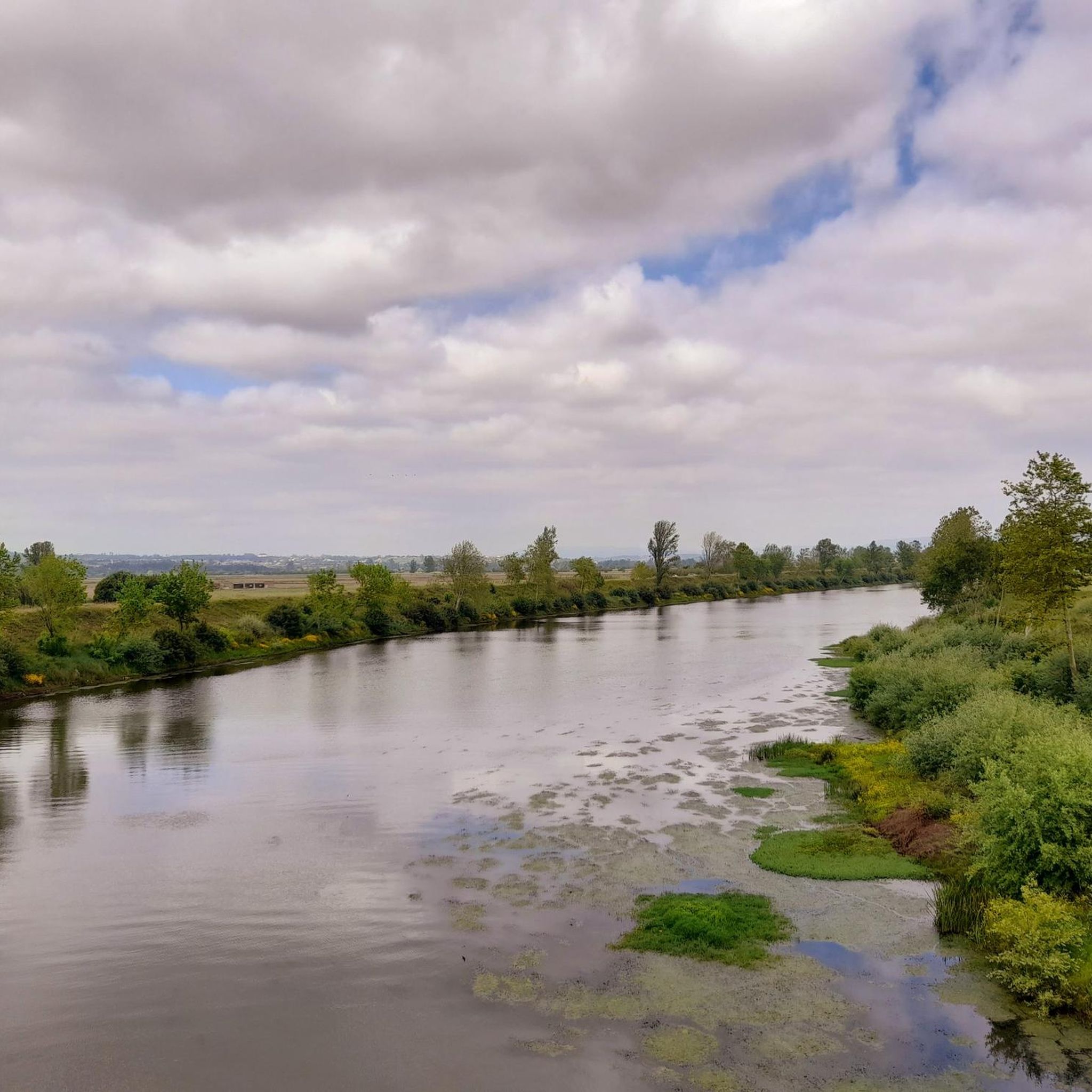
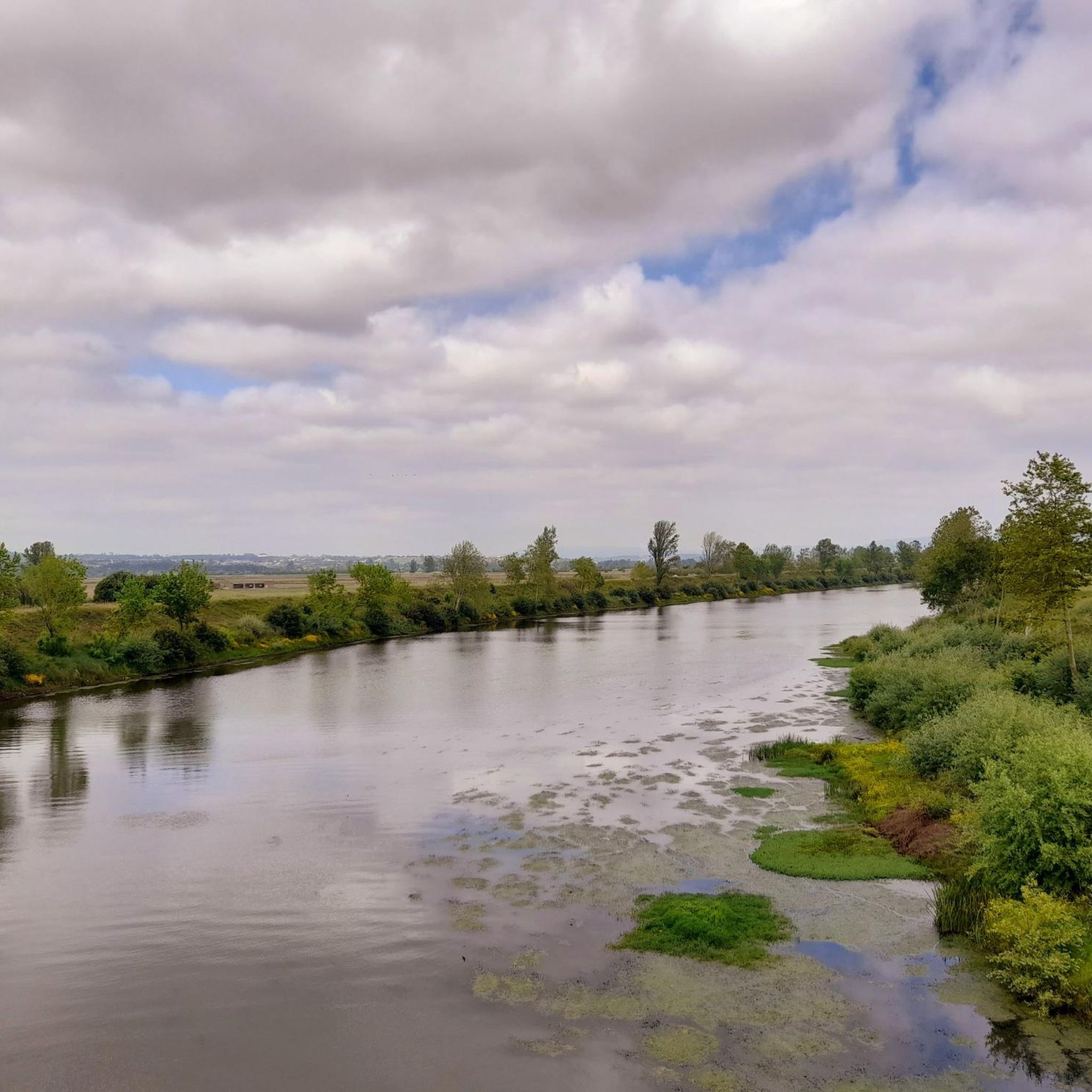
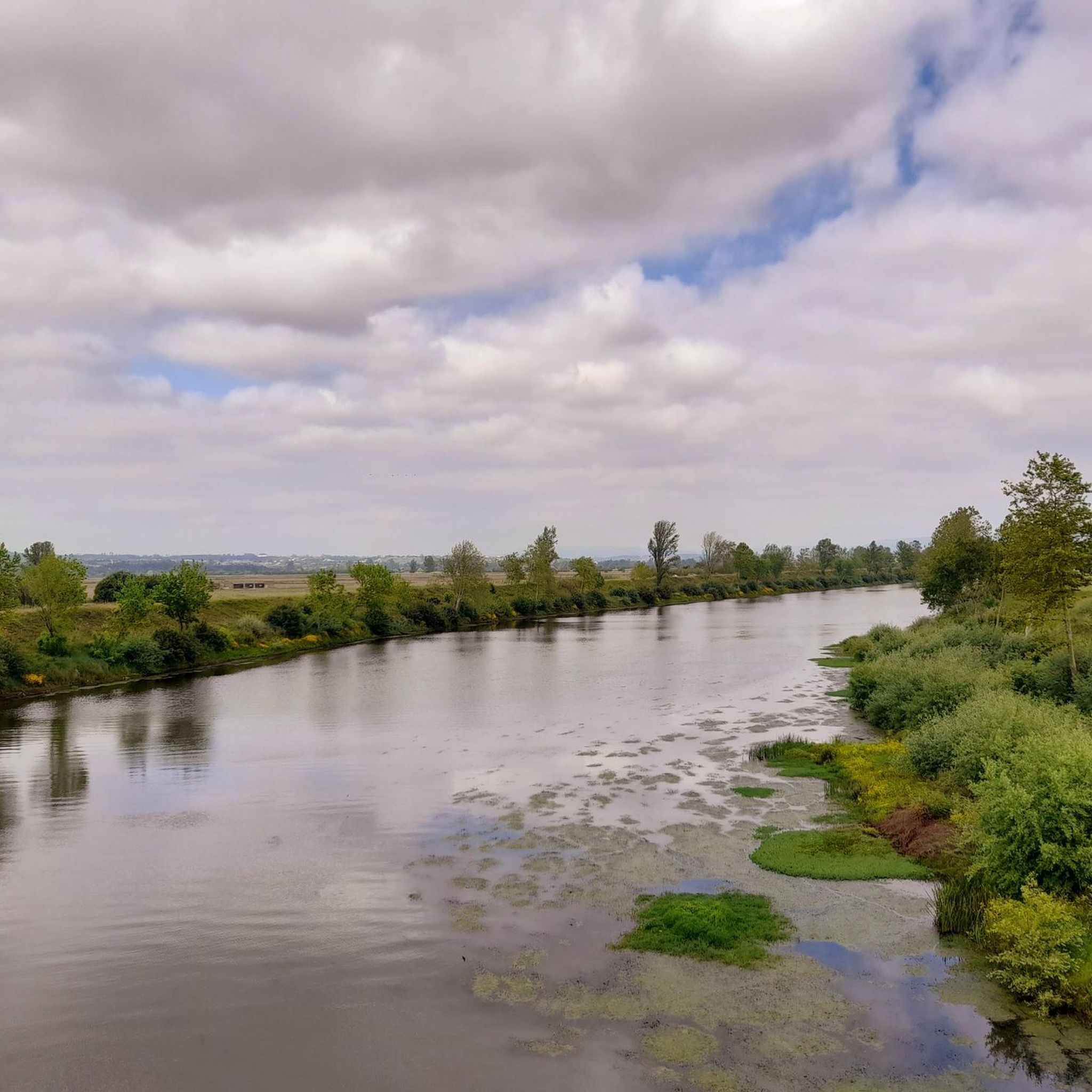
Best castles around Montemor-O-Velho are situated in a region characterized by the fertile Mondego River valley, offering views of rice fields. The area holds significant historical importance, particularly during the Reconquista, with its strategic hilltop locations. This landscape provides a backdrop for exploring historical sites that played a role in Portugal's past.
Best castles around Montemor-O-Velho
- The most popular castles is Montemor-o-Velho Castle, a castle that dates from the late 14th century, with origins potentially earlier. Within its walls are remains of the old Medieval Palace and the Church of Santa Maria da Alcáçova.
- Another must-see spot is Castelo de Montemor-o-Velho, a castle and historical site. Visitors can explore well-kept castle ruins, which are free to visit and accessible.
- Visitors also love Paço dos Duques de Cadaval, a historical site and palace. This location is also known as the Palace of Infante D. Pedro or the Palace of the Counts of Tentúgal.
- Montemor-O-Velho is known for its historical castles and palaces. The region offers a variety of historical sites to explore, including fortifications and significant architectural structures.
- The castles around Montemor-O-Velho are appreciated by the komoot community, with 21 upvotes and 6 photos shared across the highlights.
Last updated: July 9, 2026
Montemor-o-Velho Castle
Highlight • Castle
Within the walls are remains of the old Medieval Palace, where the death of Dona Inês de Castro was reportedly decided, as well as the Church of Santa Maria da Alcáçova, founded in 1095 but restored in the 16th century. During the Arab occupation, materials imported from Córdoba arrived at Montemayur Castle, including capitals dating back to the Caliphate period, one of which is now part of the collection of the Machado de Castro National Museum in Coimbra. Later, the castle would play a recognized strategic role during the Christian reconquest of the territory.
(Source: turismodocentro.pt)
Translated by Google •
Tip by

Castelo de Montemor-o-Velho
Highlight • Castle
Translated by Google •
Tip by

Sign up now to discover places like this
Get recommendations on the best single tracks, peaks, & plenty of other exciting outdoor places.
Sign up for free
Clock Tower - Infante D. Pedro Medieval Fair
Highlight • Historical Site
With a natural setting of enchanting beauty, the Medieval Fair will take place in the Fort of Santa Catarina in Figueira da Foz. Right at the entrance, you can get involved in the medieval environment with historical recreations and many stalls with delicious conventual sweets, liqueurs and other delicacies. The smell of incense populates the entire enclosure and is lost among visitors and extras who are dressed up to take us to a remote time when knights, beggars, wizards, musicians, mountaineers, among other characters, populated the streets and alleys of this location , involving us in a fantasy scenario. See the General Program and have fun with family and friends in this very successful historical recreation of a Medieval Fair.
Translated by Google •
Tip by

Paço dos Duques de Cadaval
Highlight • Historical Site
The name of the object was copied from Google maps. A very interesting place.
Translated by Google •
Tip by

Start today with a free account
Your next adventure awaits.
Login or Signup

Tips from the Community

Barely any original contributions, yet a pioneer. Someone has to try and emulate me.
7
3

Free and accessible for people with disabilities via escalator
11
2

Although there are references to its existence as early as the High Middle Ages, what remains today dates from the late 14th century. Within the walls are remains of the old Medieval Palace, where the death of Dona Inês de Castro was reportedly decided, as well as the Church of Santa Maria da Alcáçova, founded in 1095 but restored in the 16th century. During the Arab occupation, materials imported from Córdoba arrived at Montemayur Castle, including capitals dating back to the Caliphate period, one of which is now part of the collection of the Machado de Castro National Museum in Coimbra. Later, the castle would play a recognized strategic role during the Christian reconquest of the territory. (Source: www.turismodocentro.pt)
13
0

Very well-kept castle ruins and completely free to visit. Parking directly in front of the entrance.
9
0

The castle Castelo de Montemor-o-Velho with its Manueline church Igreja de Santa Maria da Alcáçova and the completely surrounding battlemented wall are worth seeing and offer wide views over the town, the rice fields and landscapes along the Mondego River.
4
6

Old, extensive castle ruins, open to the public and free of charge.
2
4

Palace of the Dukes of Cadaval / Palace of Infante D. Pedro / Palace of the Counts of Tentúgal. The name of the object was copied from Google maps. A very interesting place.
0
0
Frequently Asked Questions
What makes the Montemor-o-Velho Castle unique?
The Montemor-o-Velho Castle is unique for its strategic hilltop location overlooking the Mondego River valley and rice fields, offering commanding panoramic views. It boasts a rich history dating back to at least the 10th century, playing a vital role during the Reconquista. Inside, you can explore the ruins of the 13th-century Paço das Infantas and the Igreja de Santa Maria de Alcáçova, which features Manueline architectural details. It's also associated with the tragic love story of Pedro and Inês de Castro.
Are there any family-friendly activities at the castles around Montemor-O-Velho?
Yes, the Castelo de Montemor-o-Velho is considered family-friendly, offering well-kept ruins that are free to visit and accessible. The Clock Tower - Infante D. Pedro Medieval Fair, held annually in April in Figueira da Foz, also offers a medieval environment with historical recreations and stalls, which can be a fun family outing.
Can I bring my dog to the Montemor-o-Velho Castle?
Yes, the Montemor-o-Velho Castle is pet-friendly, allowing you to explore its ancient walls and grounds with your dog.
What are the best outdoor activities to do near the castles in Montemor-O-Velho?
The region around Montemor-O-Velho offers various outdoor activities. You can find numerous MTB trails, cycling routes, and running trails. These routes often incorporate scenic views of the Mondego River and the surrounding rice fields, providing a great way to experience the natural beauty of the area.
Are there hiking trails around Montemor-o-Velho Castle?
Yes, there are several running and walking trails that pass near the Montemor-o-Velho Castle. For example, there's a challenging 17.1 km running loop directly from Montemor-o-Velho that includes the castle. Many routes offer views of the castle and the Mondego River valley.
What is the best time of year to visit the castles in Montemor-O-Velho?
The best time to visit the castles and explore the region around Montemor-O-Velho is generally during the spring (April-May) or early autumn (September-October). The weather is typically mild and pleasant for walking and outdoor activities, avoiding the intense heat of summer and the cooler, wetter winter months.
How long does it take to visit Montemor-o-Velho Castle?
To fully explore the Montemor-o-Velho Castle, including walking the battlements, exploring the ruins of the Paço das Infantas, and visiting the Igreja de Santa Maria de Alcáçova, you should allocate at least 1.5 to 2 hours. This allows time to appreciate the history and panoramic views.
Is there parking available at Montemor-o-Velho Castle?
Yes, there is parking available directly in front of the entrance to the Castelo de Montemor-o-Velho, making it convenient for visitors arriving by car.
Are the historical sites around Montemor-O-Velho accessible for people with disabilities?
The Castelo de Montemor-o-Velho is noted as being accessible for people with disabilities via an escalator, which helps in navigating the site.
What kind of views can I expect from Montemor-o-Velho Castle?
From the battlements of Montemor-o-Velho Castle, you can expect breathtaking panoramic views. The castle is perched atop a hilltop, offering commanding vistas of the fertile Mondego River valley and the vast rice fields below. It's an excellent spot for photography and appreciating the landscape.
Are there any cafes or restaurants near Montemor-o-Velho Castle?
Yes, within the walls of the Montemor-o-Velho Castle, you can find the Infantas Manor and Tea House. This modern space offers a relaxed atmosphere with glass walls and a terrace, providing scenic views of the Mondego rice fields while you enjoy refreshments.
What historical significance does Montemor-o-Velho Castle hold?
The Montemor-o-Velho Castle is a listed National Monument, older than the nationality of Portugal itself. It was a crucial defensive stronghold during the Reconquista, witnessing numerous conflicts between Moors and Christians. It also holds cultural significance through its association with the legend of Pedro and Inês de Castro, as it was reportedly where King Afonso IV decided Inês' fate.
Most popular routes around Montemor-O-Velho
Most popular attractions around Montemor-O-Velho

Get inspired with the komoot mobile app


Explore more
Looking for the best castles somewhere else? Discover other guides around Montemor-O-Velho:
