Top 19 Gorges around Gulpen-Wittem
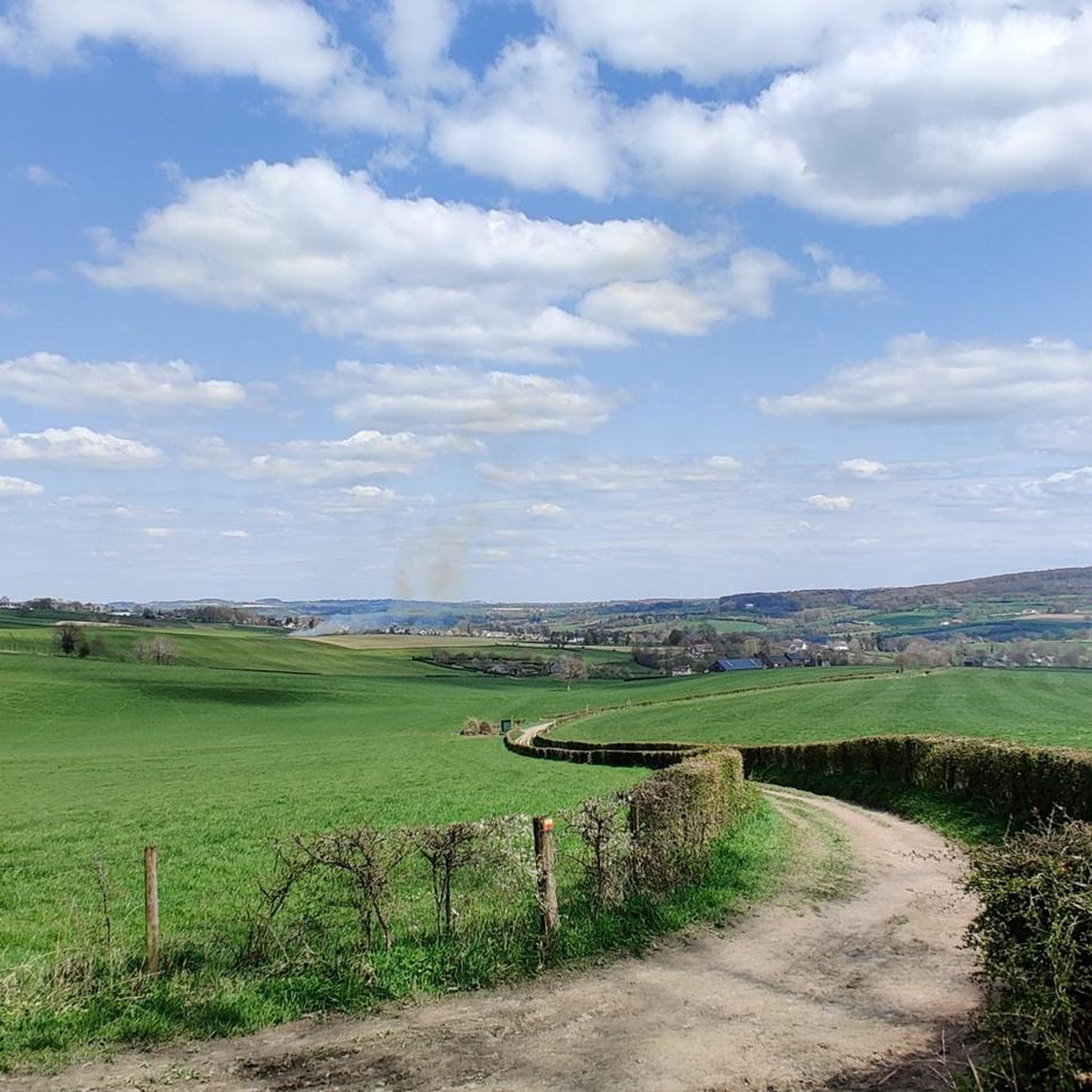
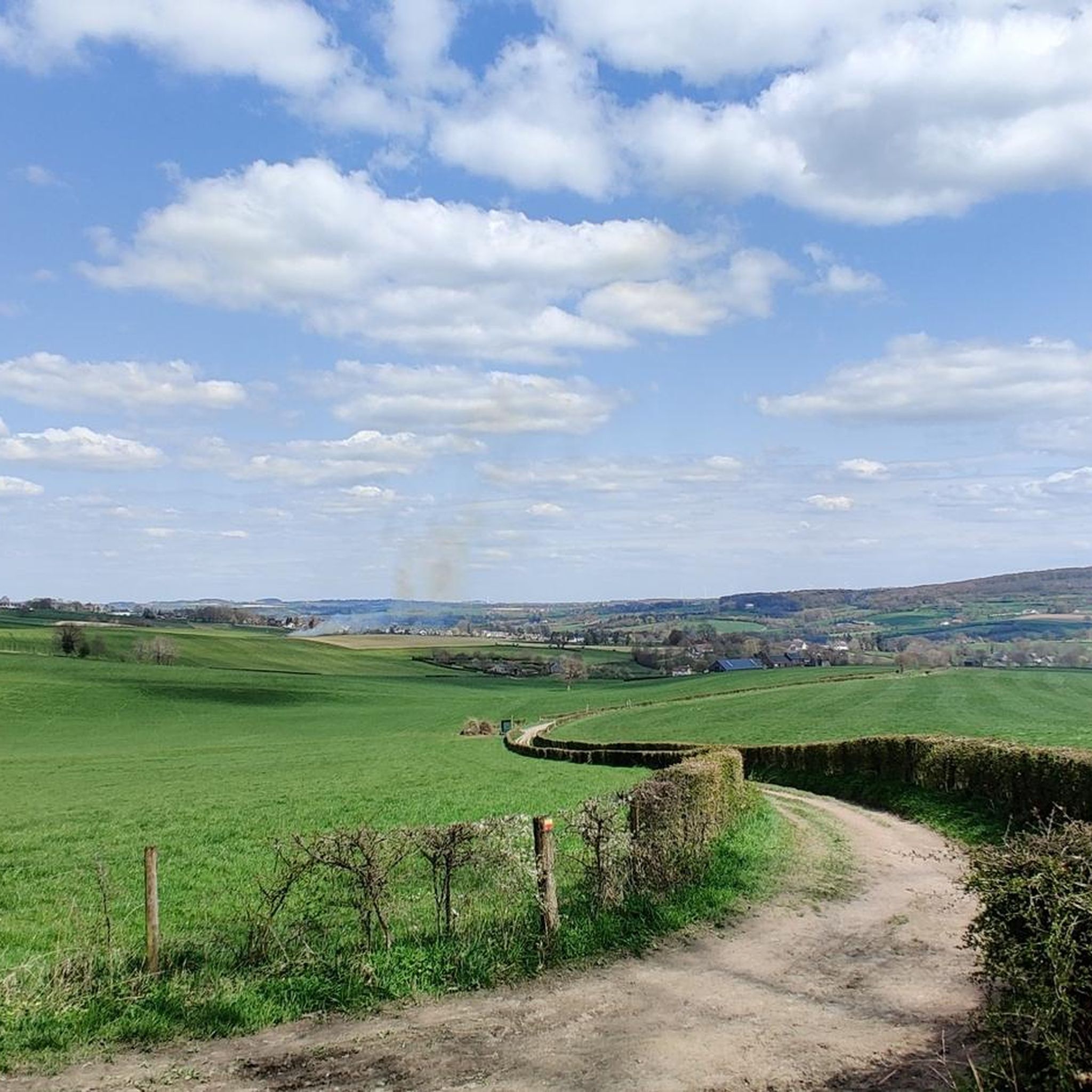
Best canyons around Gulpen-Wittem are characterized by deep valleys, narrow paths, and dramatic marl walls, rather than traditional geological canyons. This region, part of the South Limburg Heuvelland, features an undulating landscape carved by rivers like the Geul and Gulp. These formations contribute to the area's distinctive charm and offer unique natural experiences. The landscape is recognized for its green, rolling hills, half-timbered houses, and tranquil atmosphere.
Best canyons around Gulpen-Wittem
- The most popular canyons is Marl Cliff along the Geul, a gorge that features a narrow path between marl walls and the Geul river. Marl is visible on the surface along the footpath, creating an intimate and enclosed atmosphere.
- Another must-see spot is Hohnbach Valley, a river valley and gorge offering versatile paths. Visitors can experience beautiful daffodil meadows in spring and diverse natural surroundings.
- Visitors also love Trichterberggroeve Limestone Quarry, a natural monument and former quarry. It features steep limestone walls with sawn surfaces and preserved niches, designated as a Geological Monument.
- Gulpen-Wittem is known for deep valleys, former quarries, and marl cliffs. These formations provide a variety of natural experiences, from river-carved passages to historical excavation sites.
- The canyons around Gulpen-Wittem are appreciated by the komoot community, with more than 1100 upvotes and over 1200 photos shared by visitors.
Last updated: May 13, 2026
Marl Cliff along the Geul
Highlight • Gorge
Translated by Google •
Tip by

Hohnbach Valley
Highlight (Segment) • River
Translated by Google •
Tip by

Sign up now to discover places like this
Get recommendations on the best single tracks, peaks, & plenty of other exciting outdoor places.
Sign up for free
Trichterberggroeve Limestone Quarry
Highlight • Natural Monument
Not much is known about the Trichterberg quarry. That is why Peter Jennekens, Kevin Amendt and Rob Habets wrote a source overview for the magazine of the Study Group Underground Limestone Quarries - Natural History Society in Limburg.
Based on this, they cautiously conclude that the origin of the quarry must lie somewhere between the years 1846 and 1867.
The entire PDF with all sources can be found at sok.nl (November 2013 edition).
Translated by Google •
Tip by

Savelsbos Gravel Pit
Highlight • Natural Monument
Translated by Google •
Tip by

Blom Quarry
Highlight • Gorge
Translated by Google •
Tip by
Sign up for free to discover even more gorges around Gulpen-Wittem.
Sign up for free
Already have an account?
Start today with a free account
Your next adventure awaits.
Login or Signup
Popular around Gulpen-Wittem
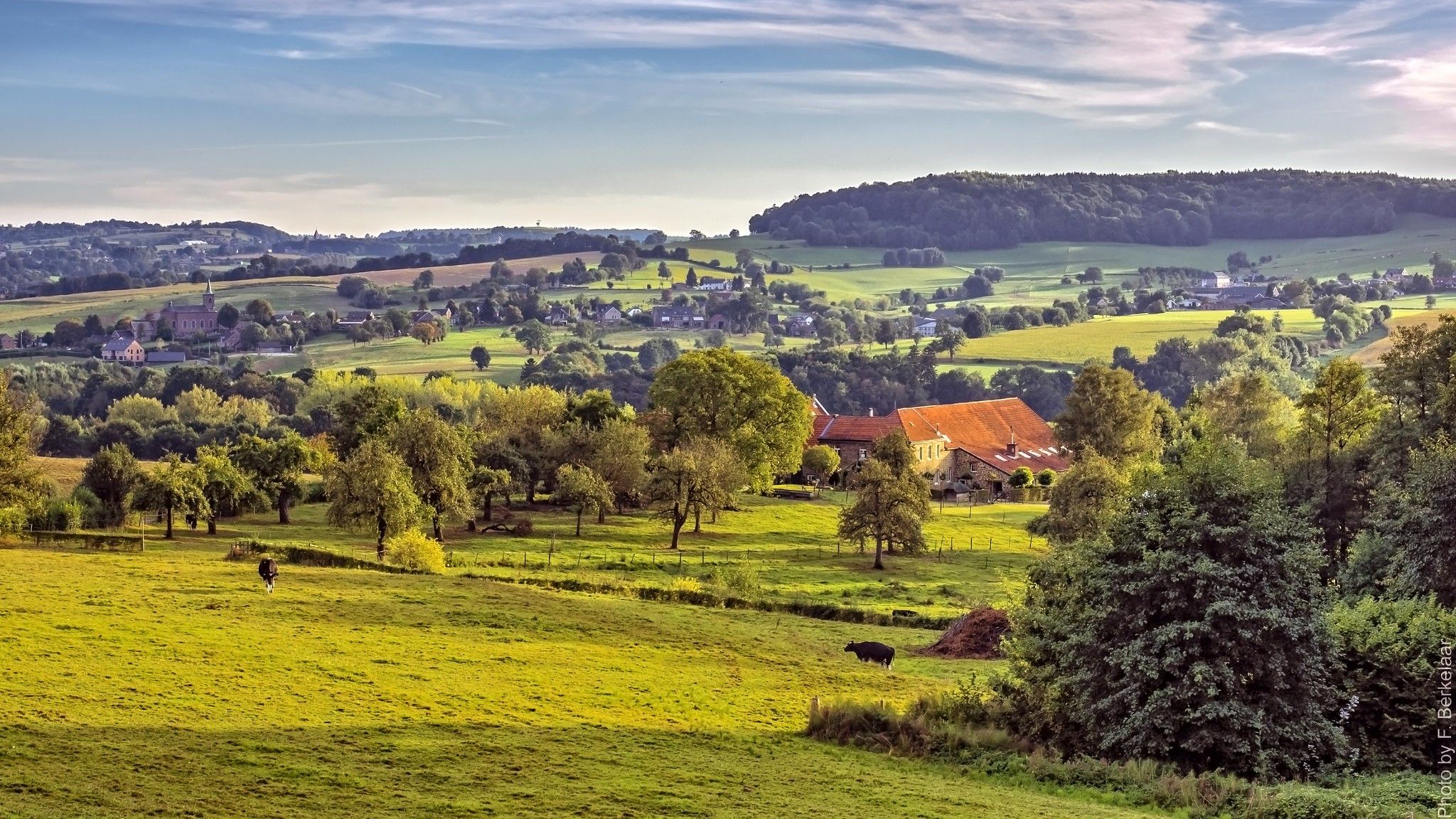
Pilgrim's Way part 2 — s-Hertogenbosch to Maastricht
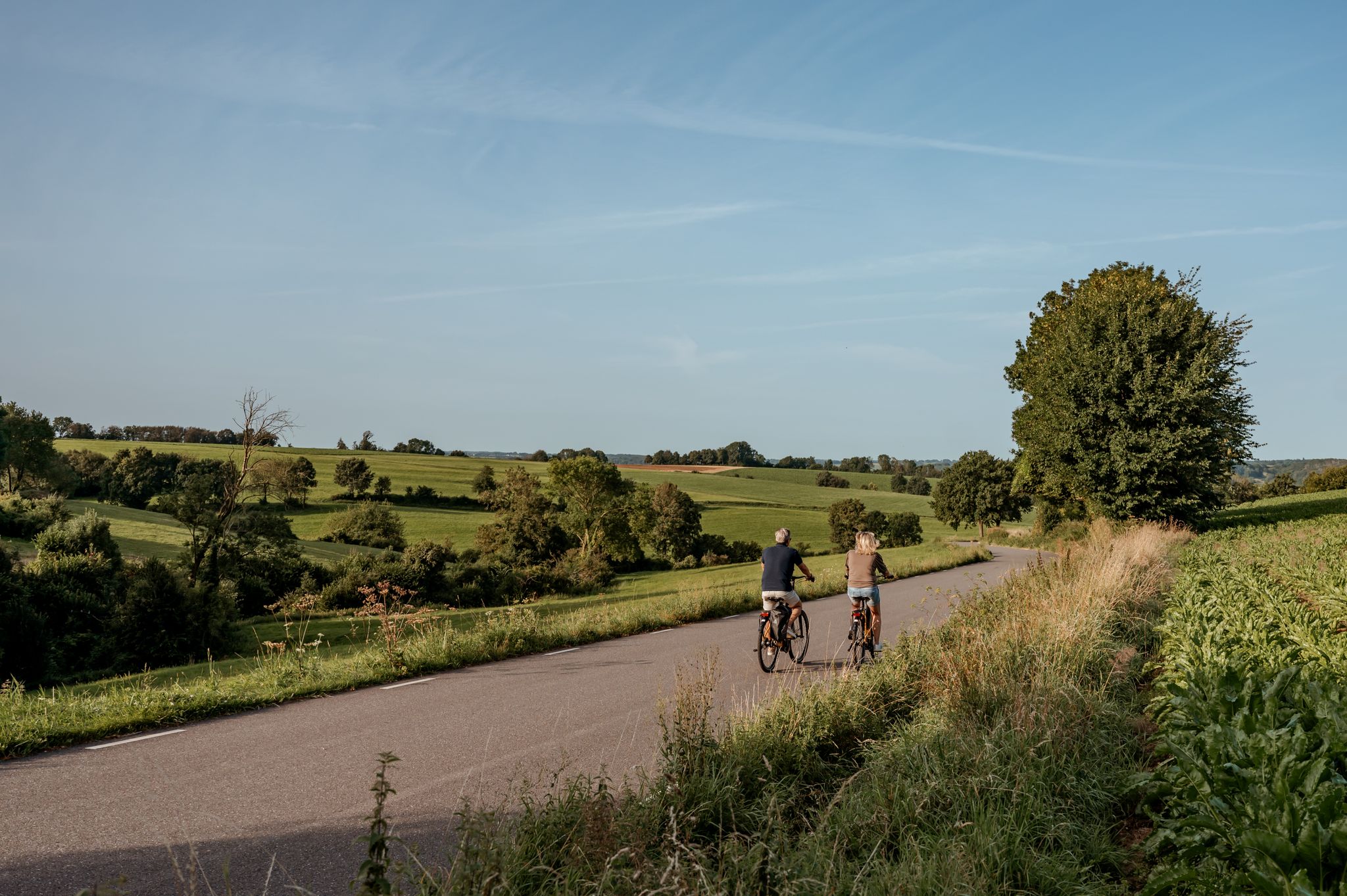
The best of South Limburg by bike
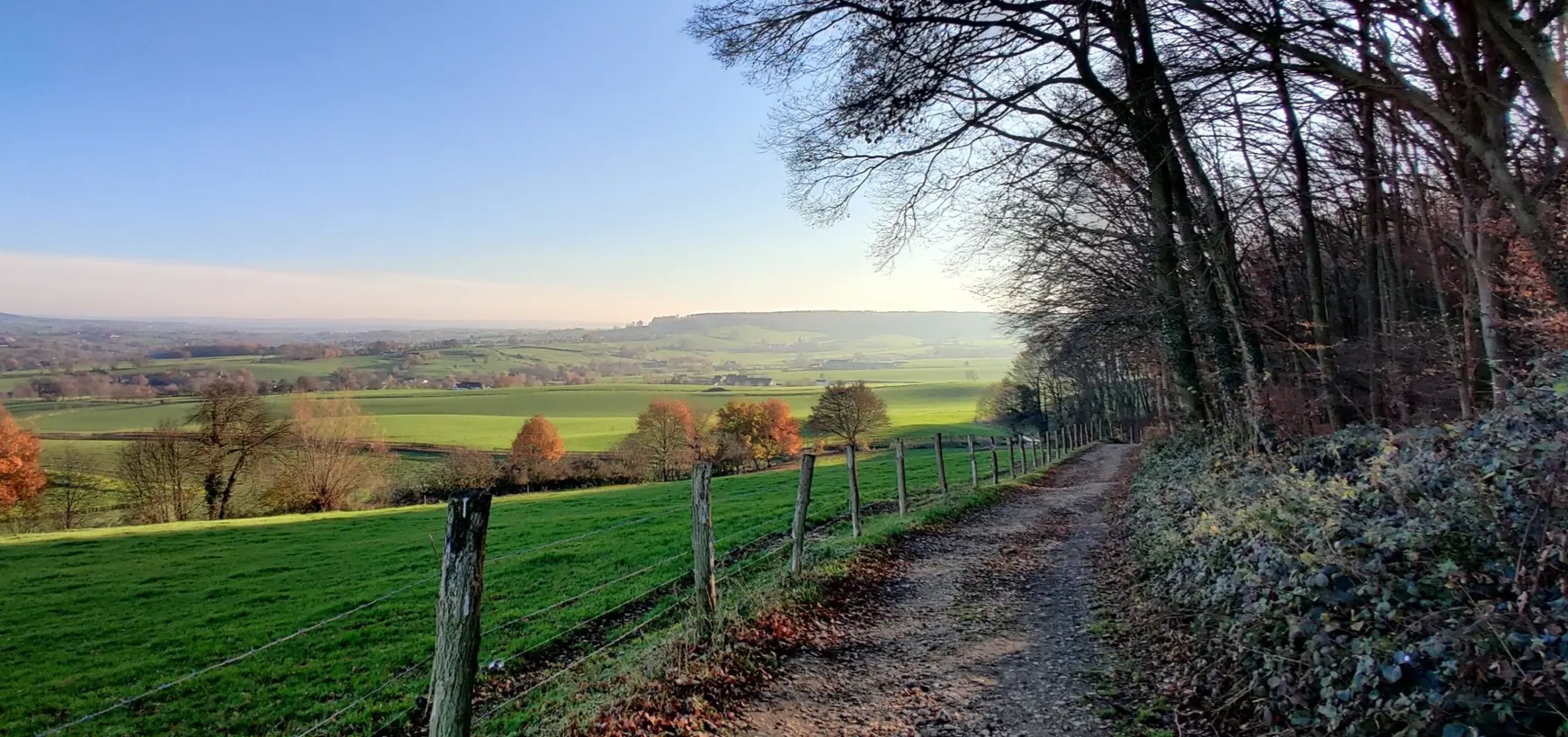
Two days Graveling through the Heuvelland – Limburg200 Gravel
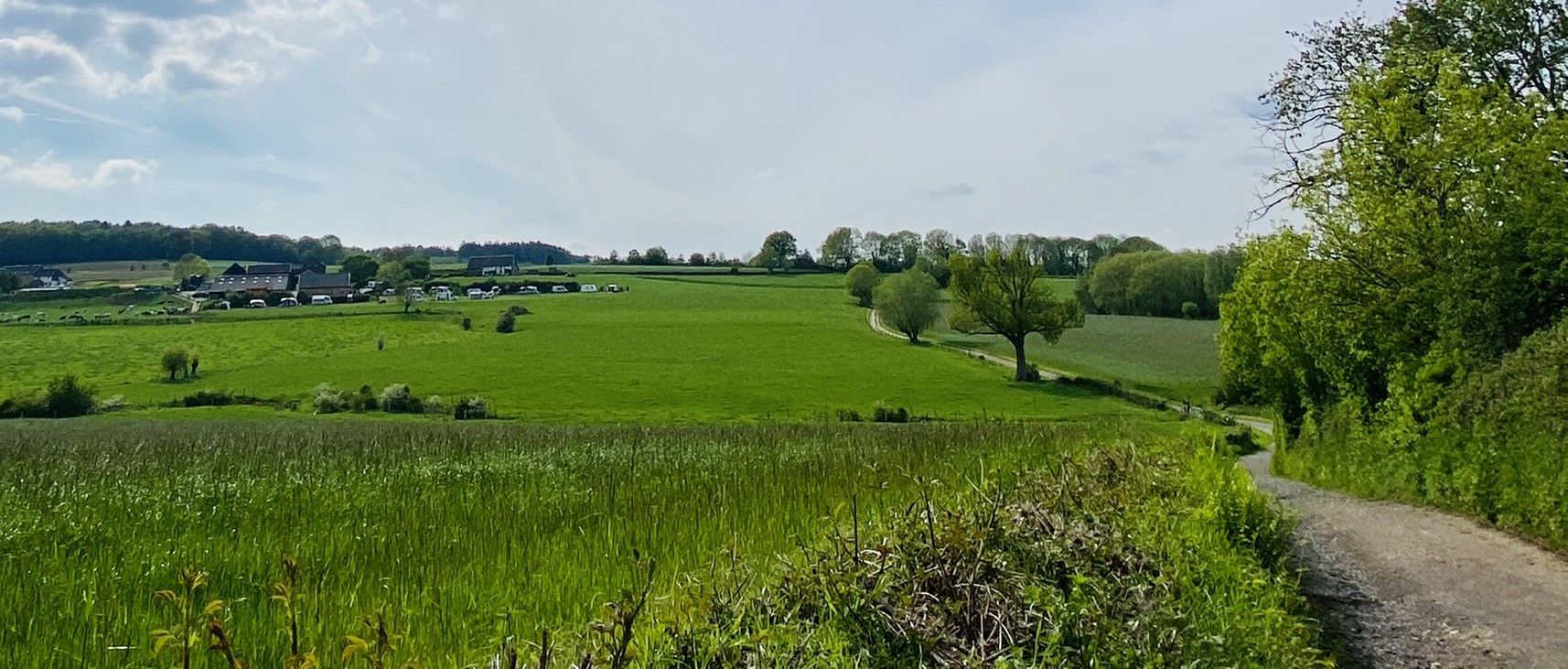
The Krijtlandpad trail - South Limburg at its best in five hiking stages
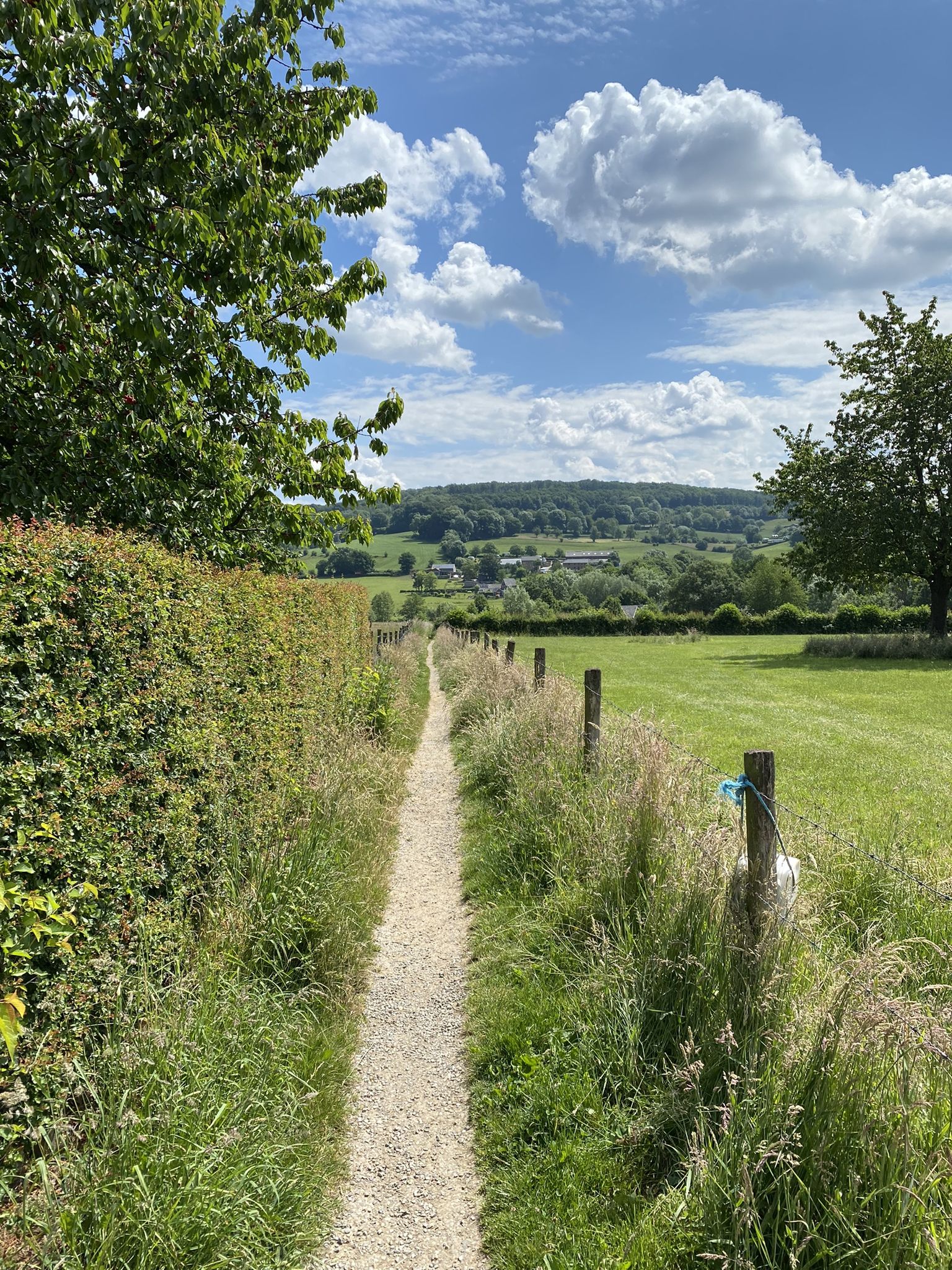
Train your calves in the rolling hills - 10 trailruns in Limburg
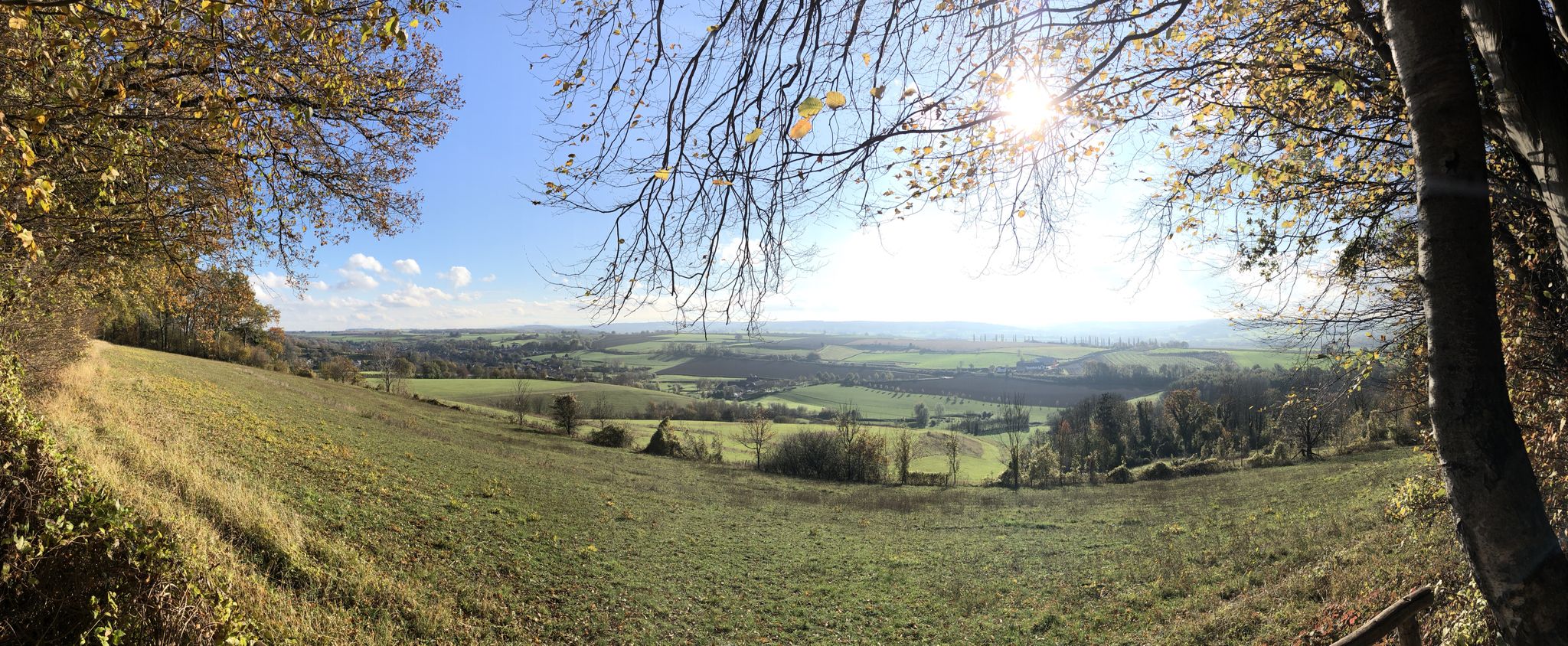
A merry multi-day hike – Limburg Pubs Route
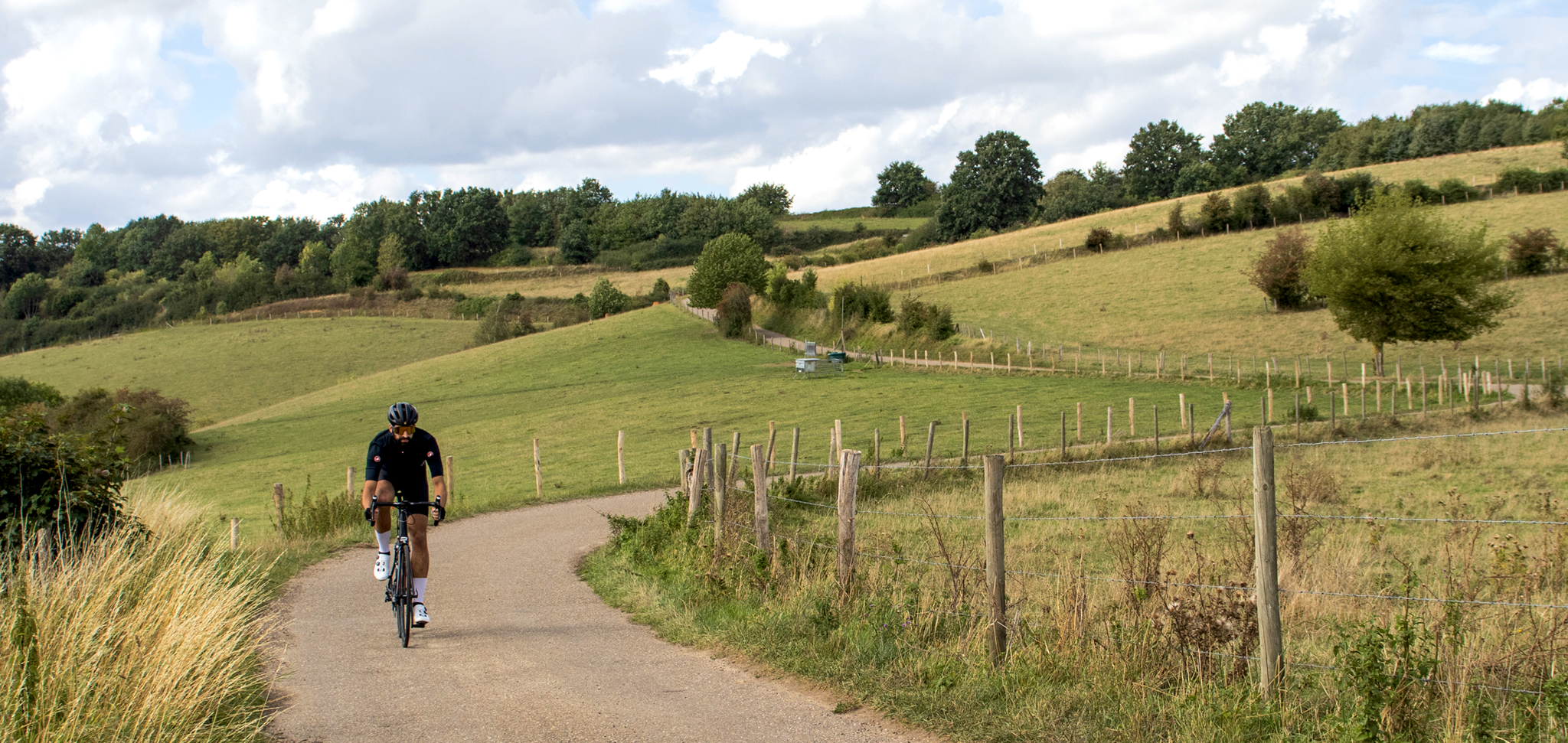
Cross-border cycling in South Limburg – the alternative routes
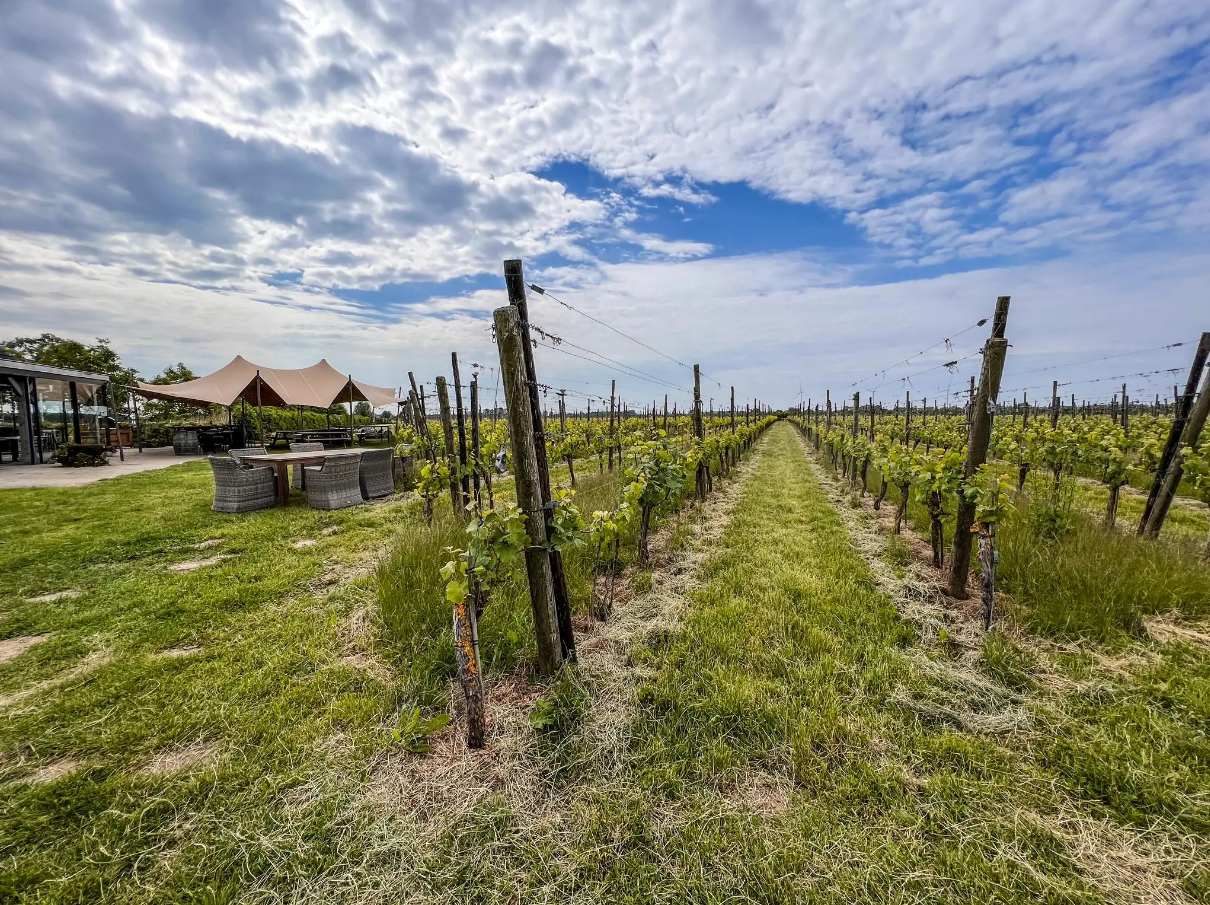
Hike and wine – walking through vineyards in the Netherlands
Hiking around Gulpen-Wittem
Cycling around Gulpen-Wittem
Other adventures around Gulpen-Wittem


Tips from the Community

Along the rippling Geul River, an impressive marlstone wall rises, a silent witness to Limburg's underground landscape. These calcareous rocks were used for centuries for construction and crafts and now offer a fascinating sight for hikers and nature lovers. The wall forms a natural boundary along the water and, in some places, harbors small caves and niches where flora and fauna have found a home. The contrast of the white marl against the green foliage and the glistening water of the Geul makes this a particularly photogenic and tranquil spot during your walk.
0
0

Beautiful part of the walk along the Geul
0
0

When the path that has been running between slopes and sloping forest on one side and the Geul on the other side suddenly starts to rise a bit, you know what is coming: part of the marl crops out and offers you a glimpse of what you can discover if you take one of the paths away from the Geul: quarries and marl.
6
0

Wonderful single track with deliciously scented wild garlic on both sides.
1
0
The Trichterberg quarry is located in the forest to the left of the steep Eckelraderweg, between Gronsveld and Eckelrade. Diagonally opposite are dole chambers. The quarry has been designated as a “Geological Monument”. Steep limestone walls with here and there sawn surfaces and a few small corridor remains are the only remains. Not much is known about the Trichterberg quarry. That is why Peter Jennekens, Kevin Amendt and Rob Habets wrote a source overview for the magazine of the Study Group Underground Limestone Quarries - Natural History Society in Limburg. Based on this, they cautiously conclude that the origin of the quarry must lie somewhere between the years 1846 and 1867. The entire PDF with all sources can be found at https://www.sok.nl (November 2013 edition).
5
0

Text board [see photo] Limestone quarry Trichterberg Geological Monument Limestone quarry Trichterberg In the past, limestone was mined at this location. This limestone was used as building blocks and at a later time for fertilizing (oenergelen) fields and meadows ` In the upper Cretaceous (80 to 65 million years ago) the whole of South Limburg was flooded by a 'Cretaceous sea'. Many plants and animals that are now extinct lived in this tropical sea. The limestone visible here consists of countless skeletons of small plants and animals that formed the plankton. Many large animals also lived in this Cretaceous sea, such as the ten-meter-long 'Mosasaur'. Flint Flint is a hard rock that can form in pure limestone under very special circumstances. Flint consists of pure silica (SiO2). In the Stone Age, this rock was used for making stone tools. Until the last century, flint was used to make fire using the Tinderbox.
2
0
Text board [see photo] Gravel pit Savelsbos Geological monument 'Gravel pit Savelsbos'. From Roman times until around 1950, a mixture of sand and gravel was excavated in this pit to improve and harden roads. Around 1 million years ago, the Maas flowed from Eijsden towards Cadier en Keer. At the end of this period, the Maas valley was filled with a mixture of sand and gravel. The sand, gravel and stones present come from the Vosges and the Ardennes.
3
0

Beautiful path between marl and Geul...
7
0
Frequently Asked Questions
What kind of 'canyons' can I expect to find in Gulpen-Wittem?
The 'canyons' in Gulpen-Wittem are not traditional geological canyons but rather deep valleys, narrow paths, and dramatic marl walls carved by rivers like the Geul and Gulp. These formations create a unique, enclosed natural experience within the undulating landscape of the South Limburg Heuvelland.
Are there family-friendly 'canyon' areas in Gulpen-Wittem?
Yes, several areas are suitable for families. For instance, the Hohnbach Valley offers versatile paths through diverse natural surroundings. The Trichterberggroeve Limestone Quarry is also designated as family-friendly, providing an interesting natural monument to explore.
What natural features are prominent in the Gulpen-Wittem 'canyon' areas?
You'll encounter a variety of natural features, including dramatic marl walls, steep limestone cliffs, and river valleys. The Marl Cliff along the Geul showcases visible marl on its footpath, while the Hohnbach Valley is known for its beautiful daffodil meadows in spring and diverse natural settings. Former quarries like Blom Quarry have transformed into nature reserves with unique plant and animal species.
What is the best time to visit the 'canyons' of Gulpen-Wittem?
Spring is particularly beautiful, especially in areas like the Hohnbach Valley, where you can experience stunning daffodil meadows. Generally, the region is ideal for outdoor activities from spring through autumn, offering pleasant weather for exploring the valleys and trails.
What outdoor activities can I do near these 'canyons'?
The region is excellent for various outdoor activities. You can find numerous routes for hiking, running, and mountain biking that traverse forests, meadows, valleys, and hills. For detailed routes, explore the Hiking around Gulpen-Wittem, Running Trails around Gulpen-Wittem, and Mountain Hikes around Gulpen-Wittem guides.
Are there any historical or cultural sites near the 'canyon' areas?
Yes, beyond natural beauty, the Gulpen-Wittem area boasts a rich cultural history. You can find castles, monumental farms, and charming villages like Wijlre and Wahlwiller. The Trichterberggroeve Limestone Quarry is also a designated Geological Monument with historical significance as a former excavation site.
What do visitors enjoy most about the 'canyons' in Gulpen-Wittem?
Visitors frequently praise the unique landscape, often described as a 'five-star landscape' with green, rolling hills and tranquil atmosphere. The intimate and enclosed feeling of walking along narrow paths with marl walls, such as at the Marl Cliff along the Geul, is also highly appreciated. The diverse trails and scenic views are popular among the komoot community.
Are there any 'canyon' areas with significant elevation changes for a more challenging hike?
While not mountainous, the region's undulating landscape does offer areas with notable elevation changes. The Savelsbos Gravel Pit, for example, is known for its many differences in altitude, providing opportunities for good altitude meters and interesting journeys.
Can I bring my dog to the 'canyon' trails in Gulpen-Wittem?
Many trails in the Gulpen-Wittem region are dog-friendly, allowing you to explore the natural beauty with your pet. However, it's always advisable to check specific trail regulations or local signage, especially in nature reserves like Blom Quarry, where nature conservation is a priority.
Where can I find a 'hidden gem' or less crowded 'canyon' experience?
For a quieter experience, consider exploring areas like Blom Quarry. This former quarry has been transformed into a diverse nature reserve, offering steep slopes, puddles, and unique flora and fauna. It's a peaceful spot where hikers are welcome between sunrise and sunset.
What kind of wildlife can be observed in the Gulpen-Wittem 'canyons'?
The diverse natural environments, including forests, meadows, and former quarries, support various wildlife. Areas like Blom Quarry are now nature reserves specifically managed to protect unique plant and animal species. The region's tranquil 'silence areas' also provide undisturbed habitats for local fauna.
Are there any circular routes that include these 'canyon' features?
Yes, many hiking and running routes in the region are circular and incorporate the distinctive valley and marl wall features. You can find numerous options in the Hiking around Gulpen-Wittem guide, which often lead through these unique natural formations.
Most popular routes around Gulpen-Wittem
Most popular attractions around Gulpen-Wittem

Get inspired with the komoot mobile app


Explore more
Already discovered everything in this region? See additional gorges around Gulpen-Wittem for your next adventure:
