Top 20 Lakes around Dongen
Best lakes around Dongen are characterized by a landscape shaped by historical waterways and diverse natural reserves. The municipality in North Brabant, Netherlands, features the Donge River and the Dongense Vaart, which have played significant roles in its history and offer scenic outdoor experiences. While traditional large recreational lakes are not prominent, the area provides opportunities for exploring fens, ponds, and water-rich natural habitats. These locations offer peaceful settings for walking and cycling, connecting visitors with the region's natural features…
Last updated: October 26, 2026
Wonderpad Huis ter Heide
Highlight • Trail
Translated by Google •
Tip by

Kaatsheuvel Ice Rink Pond
Highlight • Lake
Translated by Google •
Tip by

Sign up now to discover places like this
Get recommendations on the best single tracks, peaks, & plenty of other exciting outdoor places.
Leikeven and Galgenven viewpoint
Highlight • Viewpoint
Plenty of forest, heathland, and beautiful, clear lakes.
The well-designed viewpoints are also very well-chosen for observing the local birdlife.
Binoculars are, of …
Translated by Google •
Tip by

Highland Cattle Grazing Area – Huis ter Heide
Highlight • Natural
Translated by Google •
Tip by
Kaatsheuvelse Ice Rink Lake
Highlight • Lake
Translated by Google •
Tip by

Sign up for free to discover even more lakes around Dongen.
Already have an account?
Start today with a free account
Your next adventure awaits.
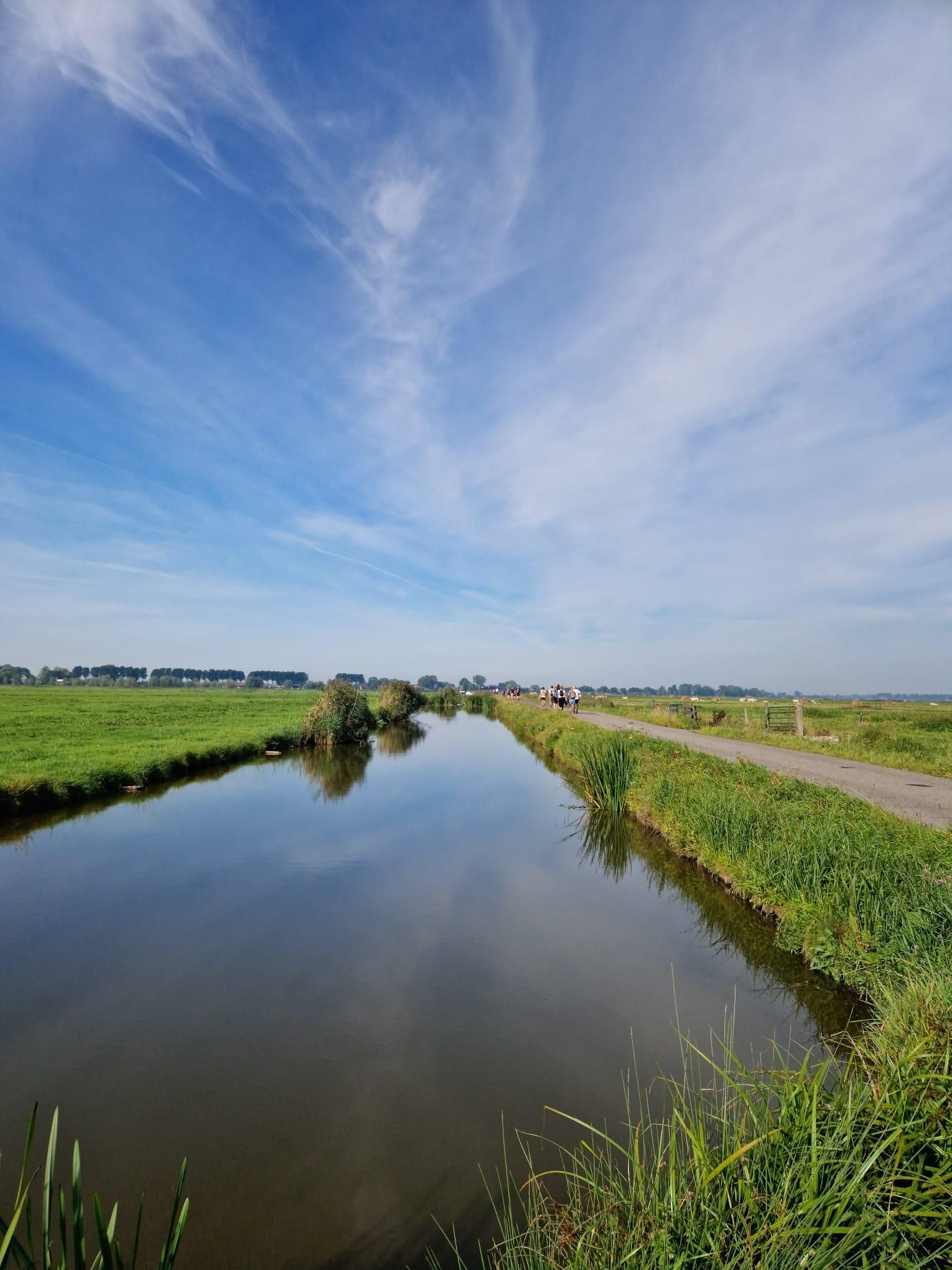
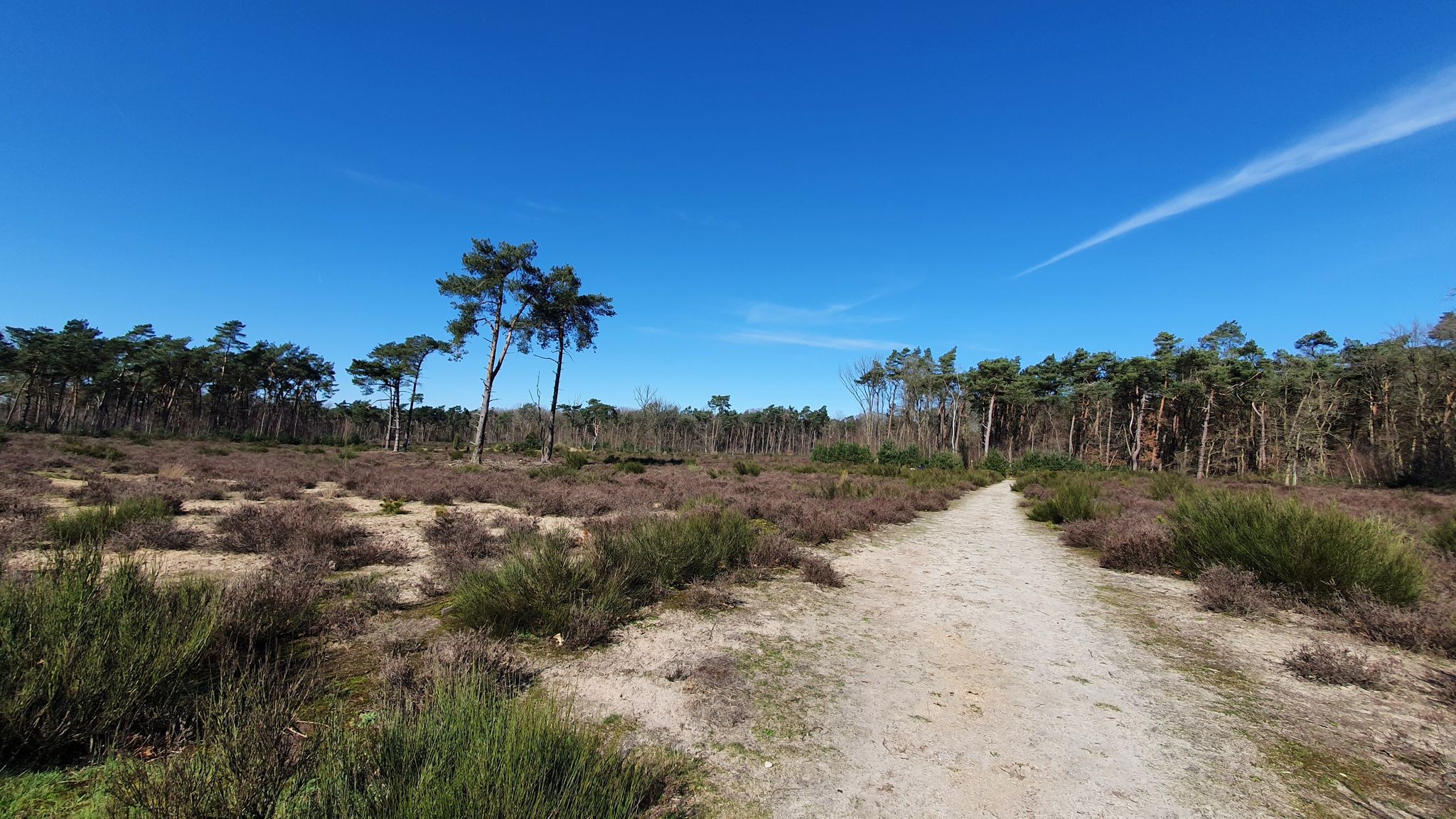
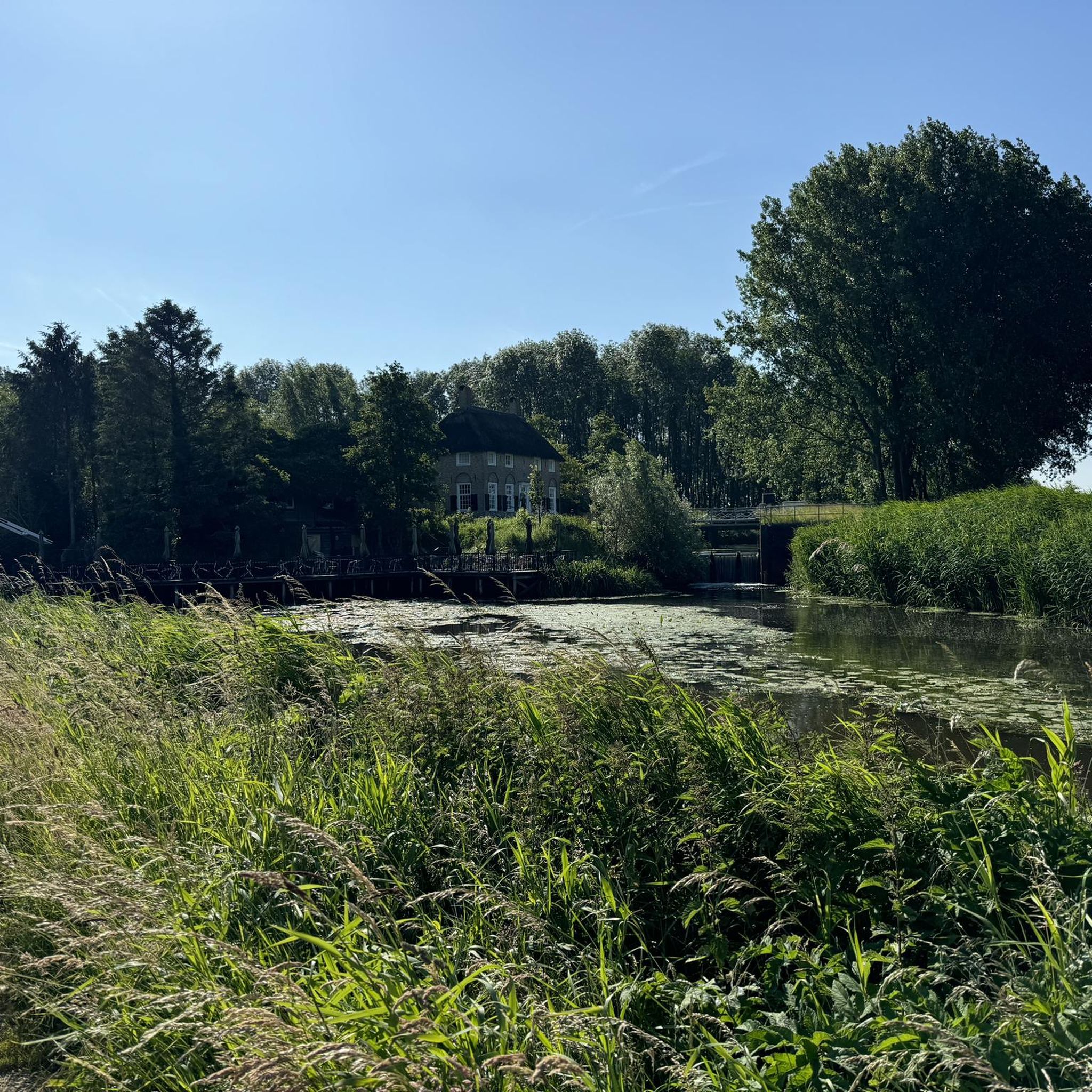



Tips from the Community

Scottish Highlanders help Natuurmonumenten manage their nature reserves. And this also applies to Huis ter Heide. You can encounter them in various places – and sometimes you won't. The Scottish Highlander is an iconic cattle breed from Scotland, immediately recognizable by its long, curved horns and thick, shaggy coat. These animals are excellently adapted to cold, wet climates and are known for their calm temperament. To prepare for the scarce winter months, Highlanders eat themselves full in the summer and autumn. This way, they start the winter well-fatted. With their grazing, they ensure that the landscape remains open and varied with many birds, butterflies, and special plants. Source and more info: https://www.natuurmonumenten.nl/dieren/schotse-hooglander
1
0

Special to see the Scottish highlanders like this..
2
0

Beautiful area, parts of the route are not accessible until mid-July 2025, boardwalk is broken.
3
0

The Kaatsheuvel ice rink is not a natural fen. The lake was dug by human hands. During the crisis years 1929-1940, the government looked for a job creation project to help the unemployed find work. The municipality of Loon op Zand had an idea: an ice rink to offer residents some winter fun during those economically difficult years. The construction of the ice rink started in 1933 under the direction of the Nederlandsche Heidemaatschappij. Excavators already existed, but to keep the employees busy, the excavation work could not be completed too quickly. All the sand had to be dug out with a shovel, the local history society reported on the board. “And are removed with wheelbarrows.” The ice rink was festively opened on January 27, 1934. An ice club was also founded. That first winter there were already more than 4,000 skaters on the ice. Animals also benefit The ice rink brought fun not only to residents of the region. Animals also benefited from excavating the lake, says Natuurmonumenten. Outside the skating season, birds, insects and other animals would benefit from the water in the otherwise dry drifting sand area of the Loonse and Drunense Duinen. The Kaatsheuvel ice rink can hardly be called a real ice rink anymore. The ice club was defunct in 1950 and in recent years, due to the mild winters, there is hardly any skating on the lake. But if it is possible, the skates are still tied.
5
0

Older residents know: The "Kaatsheuvelse Ijsbaan" is not a natural body of water, it was dug by human hands. During the crisis years 1929 - 1940 the government looked for a project to create jobs for the unemployed. The municipality of Loon op Zand had an idea: an ice rink to offer residents some winter fun during these difficult economic years. Construction of the ice rink began in 1933 under the direction of the Nederlandse Heidemaatsschappij. Excavators already existed, but in order to keep the workers busy, the excavation work should not be completed too quickly. All the sand had to be dug out with shovels and then carted away with wheelbarrows. The ice rink was officially opened on January 27, 1934 and an ice sports club was founded. In the first winter there were about 4,000 skaters on the ice. Over the decades, the artificial lake developed into an important place for birds, insects and other animals, which found a watering hole in this otherwise mostly dry shifting sand area.
1
0

You can wander endlessly here. Between the water. The birds and Highlanders.
6
0
Impressive beasts. Respect for the animals. Some block the path. Then I walked past it. But not looked at. And don't stand still either.
4
0
There is also a stork colony.
4
0
Frequently Asked Questions
What kind of natural features can I expect to see around Dongen's waterways?
While Dongen doesn't have large recreational lakes, its landscape is rich with historical waterways and diverse natural reserves. You'll find picturesque fens, ponds, and water-rich natural habitats. Key features include the historic Donge River and the Dongense Vaart canal, alongside areas like the Loonse and Drunense Dunes, which offer varied environments of forest, heath, and sand.
What is the historical significance of the Donge River and Dongense Vaart?
The Donge River played a crucial role in Dongen's historical leather industry, with its currents used for cleaning animal hides. The Dongense Vaart, a historic canal constructed in 1564, was vital for transporting turf and hay. Both waterways offer a glimpse into the region's past economy and infrastructure.
Are there good spots for wildlife observation near Dongen?
Yes, several areas are excellent for wildlife. The Leikeven and Galgenven viewpoint is ideal for observing local birdlife and encountering Scottish cattle. The Huis ter Heide Nature Reserve is a water-rich bird paradise where you might also spot noisy frogs and colorful dragonflies. A dedicated Highland Cattle Grazing Area is also present within Huis ter Heide.
Can I go hiking or walking around the waterways in Dongen?
Absolutely. The Donge River and Dongense Vaart offer serene settings for leisurely walks. The Huis ter Heide Nature Reserve provides extensive hiking trails through woods, heaths, and fens. The Loonse and Drunense Dunes, where the Kaatsheuvel Ice Rink Pond is located, also feature distinct hiking trails. For more options, explore the various walking routes available around Dongen.
Are there cycling routes available near Dongen's waterways?
Yes, cycling is a popular activity. The Dongense Vaart is integrated into local cycling routes, such as the 'Tussen Donk en Vaart' route. The area around the Kaatsheuvel Ice Rink Pond in the Loonse and Drunense Dunes also offers dedicated cycling trails. You can find various road cycling, gravel biking, and MTB trails around Dongen, including routes that follow the Donge River. For detailed routes, check out the Road Cycling Routes around Dongen, Gravel biking around Dongen, and MTB Trails around Dongen guides.
Are there family-friendly areas to visit near Dongen's fens and ponds?
Yes, several spots are suitable for families. The Kaatsheuvel Ice Rink Pond is a family-friendly fen within the Loonse and Drunense Dunes. The Leikeven and Galgenven viewpoint is also family-friendly, offering diverse hiking and opportunities to see Scottish cattle. Additionally, the peaceful Lange Wiel forest lake provides a relaxing environment for all ages.
What is the best time of year to visit the natural areas around Dongen?
The natural areas around Dongen offer unique experiences throughout the year. Spring and autumn are particularly beautiful for walking and cycling, with vibrant foliage or blooming nature. Winter can also be charming, especially around the Kaatsheuvel Ice Rink Pond, which was historically used for skating when frozen. Wildlife observation is often good in warmer months.
Are the trails around Dongen's natural reserves dog-friendly?
Yes, many areas are dog-friendly. Both the Kaatsheuvel Ice Rink Pond and the Huis ter Heide Nature Reserve are noted as dog-friendly, offering opportunities for you and your canine companion to explore the varied landscapes.
What can I expect at the <a href="https://www.komoot.com/highlight/272663" target="_blank" rel="noopener">Kaatsheuvel Ice Rink Pond</a>?
The Kaatsheuvel Ice Rink Pond, also known as 'The Ice Rink,' is a fen located within the varied nature of the Loonse and Drunense Dunes. Historically used for skating, it now offers distinct cycling and hiking trails through a landscape of forest, heath, and sand. It's a great spot for experiencing diverse nature.
What makes the <a href="https://www.komoot.com/highlight/2694786" target="_blank" rel="noopener">Huis ter Heide Nature Reserve</a> special?
The Huis ter Heide Nature Reserve is considered a hidden gem and a water-rich bird paradise near Tilburg. It offers an oasis of peace with extensive hiking trails through woods, heaths, and fens. Visitors can enjoy a versatile area rich in nature, including opportunities to see Scottish Highlanders, frogs, and dragonflies.
What are the <a href="https://en.wikipedia.org/wiki/Donge_(river)" target="_blank" rel="noopener">Donge River</a> and Dongense Vaart like for visitors today?
Today, the Donge River offers picturesque scenery, ideal for peaceful strolls amidst nature. The Dongense Vaart is a charming historic canal, often described as a 'picturesque blue ribbon,' with characteristic historical buildings along its banks. Both are integrated into local walking and cycling routes, providing a blend of natural beauty and historical context.
Most popular attractions around Dongen

Get inspired with the komoot mobile app


Explore more
Still not found your perfect lake around Dongen? Check out the guides of these regions to see even more beautiful places.
