Top 20 Lakes around Graafstroom
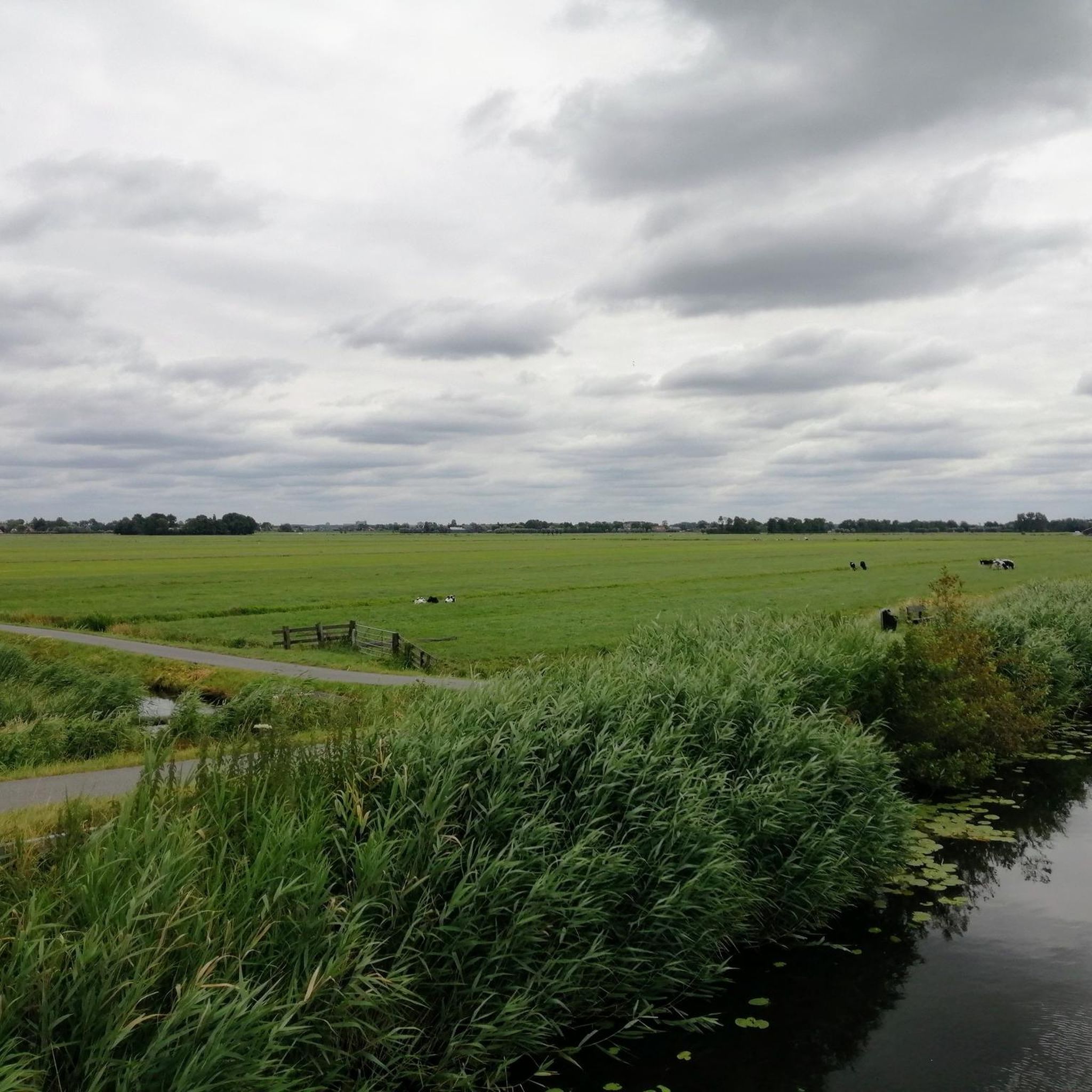
Best lakes around Graafstroom are found within the Alblasserwaard region, a distinctive polder landscape in the western Netherlands. This area, formerly the municipality of Graafstroom, is characterized by an intricate network of waterways, canals, and ditches rather than expansive natural lakes. The region's charm lies in its quintessential Dutch polder landscape, offering scenic views and opportunities to experience unique water management systems. While traditional large lakes are not prominent, the area provides diverse water features for exploration.
Best lakes around…
Last updated: August 19, 2026
De Biesbosch National Park
Highlight • Natural
Translated by Google •
Tip by

Jantjesplaat
Highlight • Natural
Paths and footbridges are paved, detours into the countryside are not recommended, swampland!
Translated by Google •
Tip by

Sign up now to discover places like this
Get recommendations on the best single tracks, peaks, & plenty of other exciting outdoor places.
Sign up for free
Dead trees in the De Biesbosch wetlands
Highlight • Natural
Translated by Google •
Tip by

Zouweboezem and Polder Achthoven
Highlight • Natural
Translated by Google •
Tip by

Crezéepolder Information Board
Highlight • Rest Area
Translated by Google •
Tip by
Sign up for free to discover even more lakes around Graafstroom.
Sign up for free
Already have an account?
Start today with a free account
Your next adventure awaits.
Login or Signup
Tips from the Community


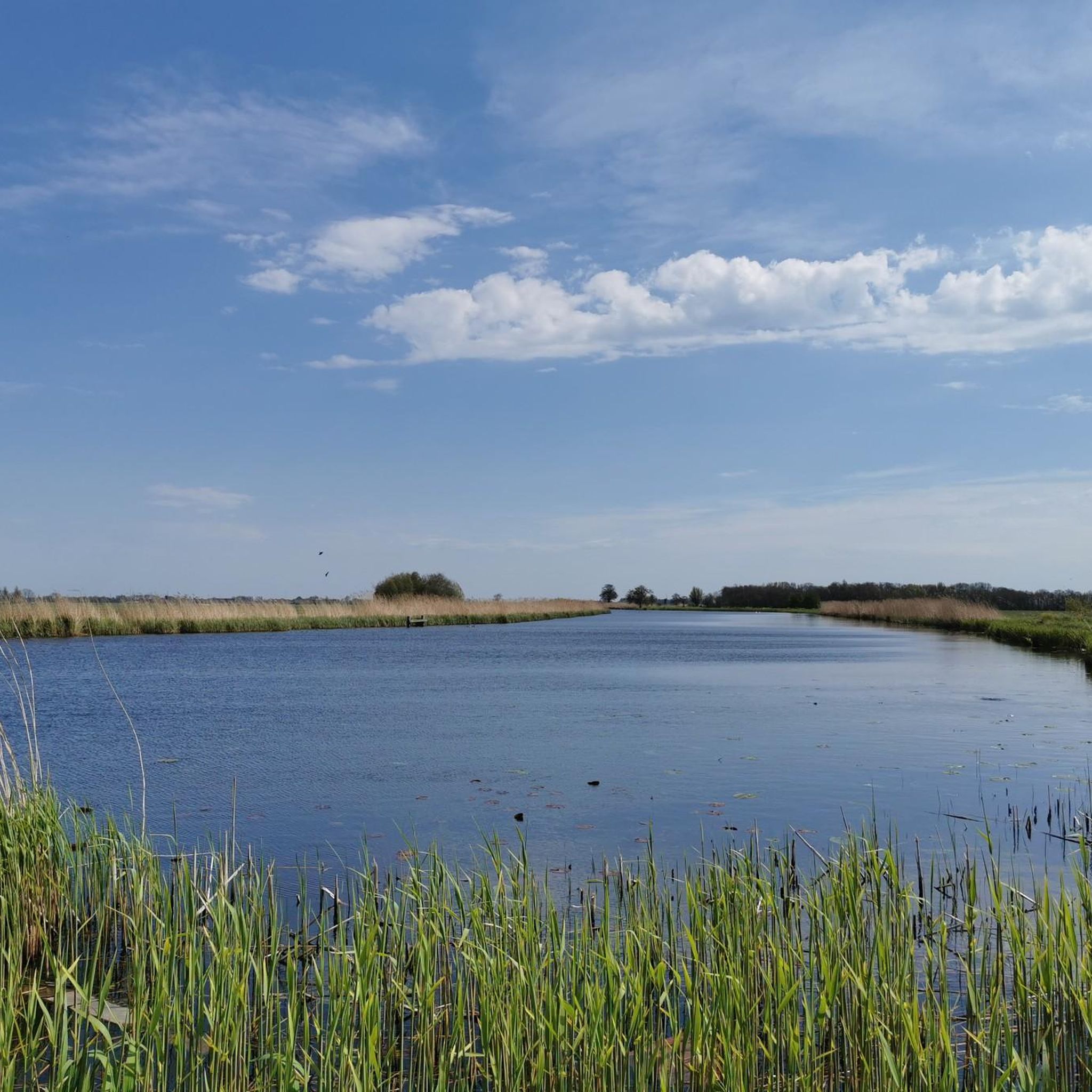
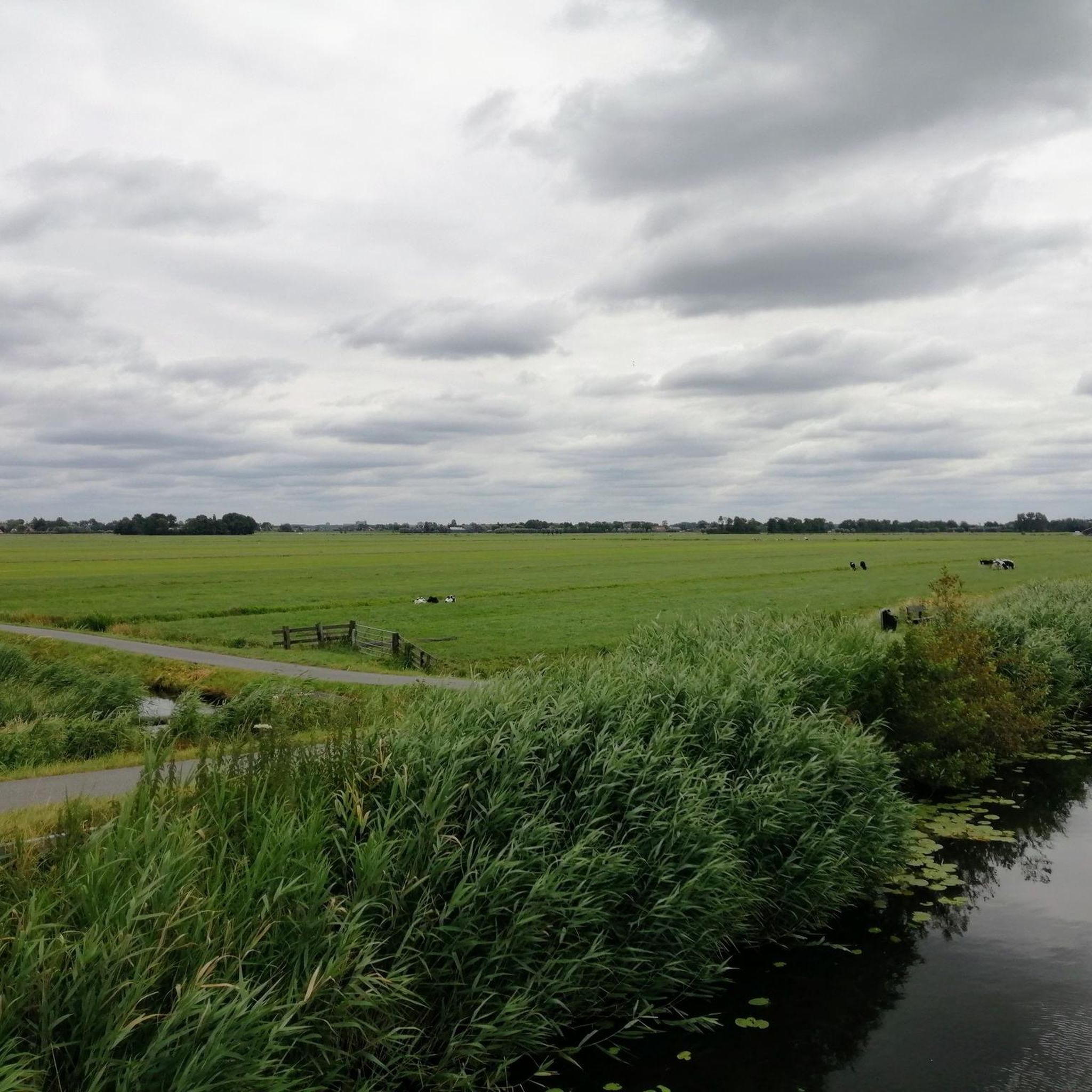
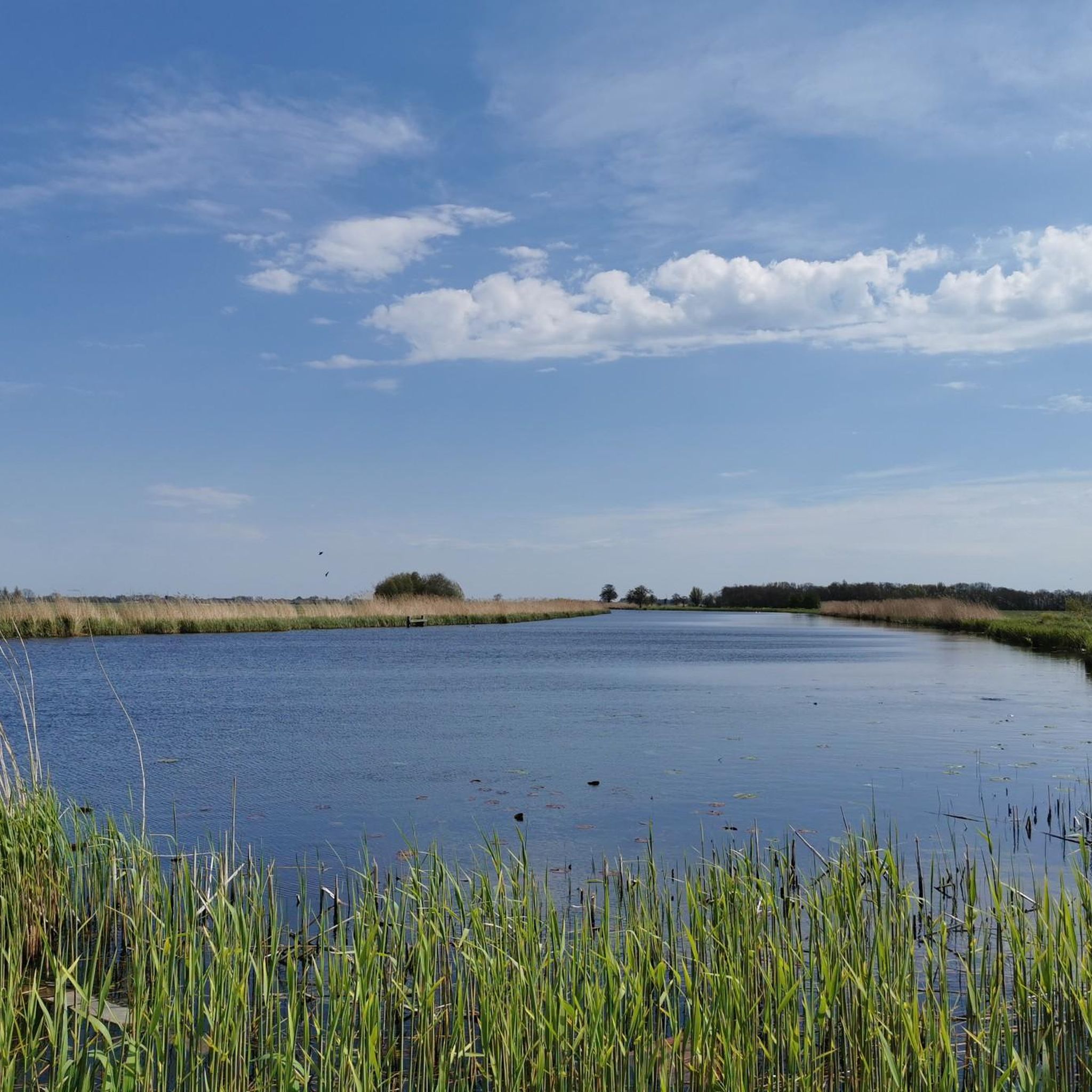
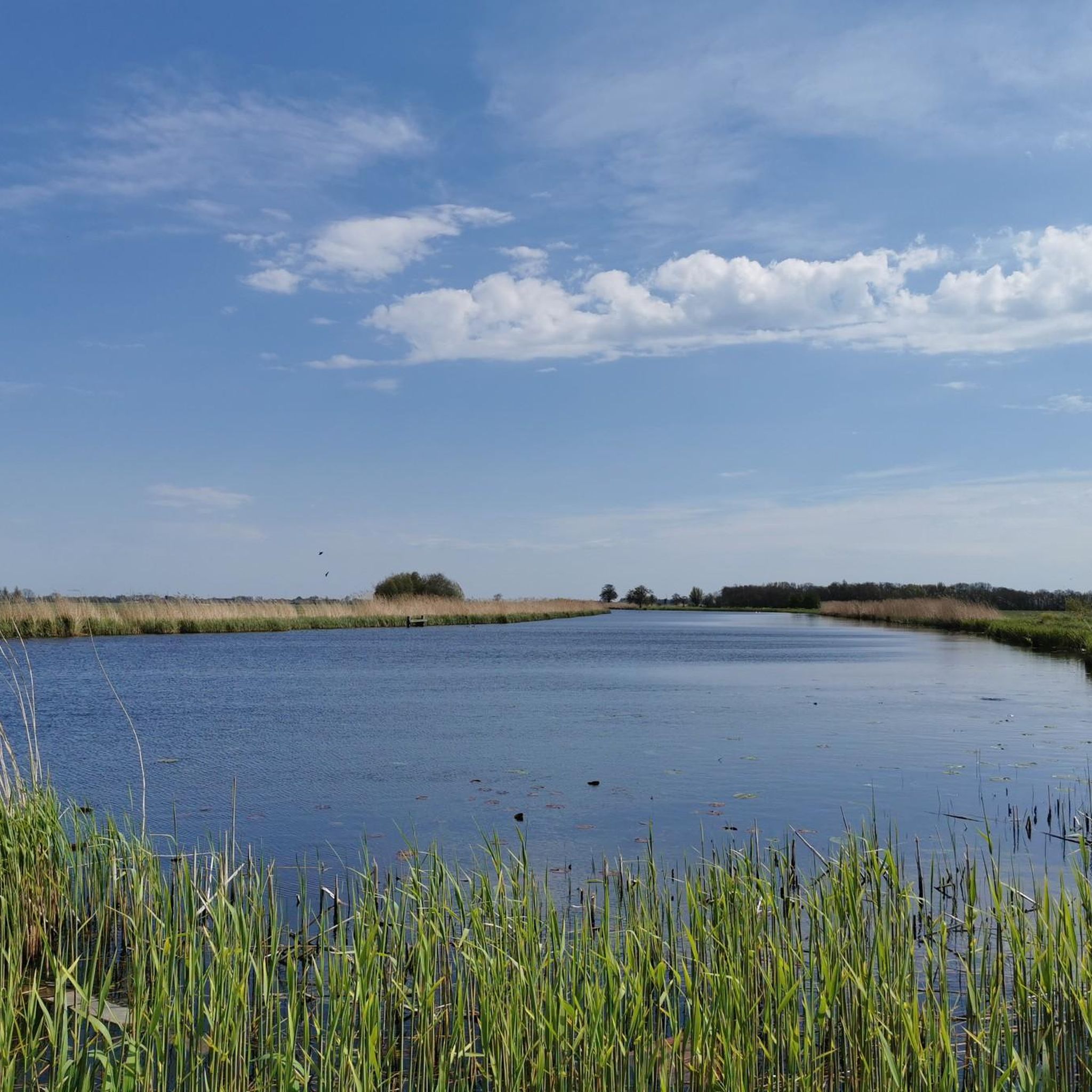
The Crezéepolder is a 75-hectare nature reserve outside the dikes on the Noord river between Hendrik-Ido-Ambacht and Ridderkerk, in the Dutch province of South Holland. The Crezéepolder was formerly used for agriculture after the gorse (sedges) were reclaimed around the Second World War. Instead of being an agricultural polder, the Crezéepolder will become a nature reserve. The development of this new nature and recreation area involves, among others, Rijkswaterstaat South Holland South, the province of South Holland, the municipalities of Ridderkerk, Hendrik-Ido-Ambacht, and Oasen.[1] Two openings were made in the dike to allow freshwater from the Noord river to flow in at high tide. The water flows in and out twice a day. The difference between high and low tide here is approximately 90 cm. This is rare in both the Netherlands and Europe. Due to its location on the river, the area is attractive to rare and scarce animals and birds. Source and more information: Wikipedia
2
0

There's plenty of flora and fauna to discover in the Biesbosch National Park. The park's museum and café are also a must-see. It's important to check the ferry service to Crezée in advance.
1
0

Diversity of birds!
1
0

National Park De Biesbosch is on the list of protected nature reserves. De Biesbosch is partly used for agriculture and there is a lot of (water) recreation. Specially constructed reservoirs provide for the storage of clean surface water. Since 1994, De Biesbosch has been a national park, where work is now in full swing to give more space to the rivers.
3
0

Make sure you wear long pants. Parts of the path run through nettles and blackberries. Perhaps farmers should produce a little less nitrogen...
0
0

The (bicycle) ferry from Lage Zwaluwe runs all day until about half past six (with a break between a quarter past 1 and 2 o'clock). From there you will be treated to a beautiful wetland, outside the Wadden area, the Netherlands' most beautiful nature reserve, if I may say so. Enjoy the many birds and the diversity of (wet) nature. If you park your bicycle, you can also explore the area on foot; there are several lookout towers where you can secure your bicycle. At the end of the ride I set up my tent at the Knotwilg nature campsite. A hiker's field with a view over the water, great! There are also beautiful routes into the area from there. There is a mini lookout tower near the campsite, so you can enjoy a beautiful sunset.
5
0
With the (bicycle) ferry from Lage Zwaluwe you will be completely immersed in the most beautiful nature reserve in the Netherlands. Take your time for this part, there are various routes into the area!
3
1
Frequently Asked Questions
What kind of 'lakes' can I expect to find around Graafstroom?
The Graafstroom region, part of the Alblasserwaard, is characterized by a distinctive polder landscape. Instead of large, traditional lakes, you'll find an intricate network of waterways, canals, and ditches. The area's charm lies in its unique water management systems and freshwater tidal areas, offering scenic views and diverse water features.
Are there any national parks or significant nature reserves in the area?
Yes, the most prominent natural area is De Biesbosch National Park. It's one of the few freshwater tidal areas in the world, known for its labyrinth of rivers and streams. Another significant reserve is the Zouweboezem, a swampy nature reserve important for migratory birds.
What outdoor activities can I do near the waterways of Graafstroom?
The region is excellent for various outdoor activities. You can enjoy hiking, cycling, or canoeing through the labyrinth of rivers and streams in De Biesbosch National Park. There are also numerous routes for hiking, cycling, and mountain biking that explore the polder landscape and its water features.
Are there family-friendly spots to visit near the water?
Yes, De Biesbosch National Park is considered family-friendly, offering opportunities for easy walks and canoeing. Additionally, the Springerpark Music Pavilion in Schoonhoven, with its pond and events, is a pleasant spot for families.
Where can I go for a walk to see water birds and unique wetlands?
For birdwatching and experiencing wetlands, Jantjesplaat is an excellent choice. This island provides walking paths across bridges, allowing you to view flooded trees and various water birds. The Zouweboezem nature reserve is also a significant stopover for migratory birds.
What is the best time to visit the Graafstroom area for outdoor activities?
The best time to visit is generally during the spring and summer months (April to September) when the weather is mild and nature is in full bloom. This period is ideal for hiking, cycling, and water-based activities. Autumn also offers beautiful scenery, especially in areas with trees.
Can I cycle through the wetlands?
Yes, cycling is a popular way to explore the region. You can find beautiful bicycle paths through areas like the Biesbosch, offering scenic views of the wetlands and waterways, such as near the Dead trees in the De Biesbosch wetlands. Remember to stick to designated paths, especially in nature reserves.
Are there any specific walking routes recommended for nature lovers?
The Zouweboezem and Polder Achthoven area offers a walking route through its swampy nature reserve and moist grasslands, where you can observe special plant species and birds. For more options, explore the hiking guide for Graafstroom, which includes routes like the 'Achterdijk Bridge – Windmill at Donkse Laagten loop'.
What kind of terrain should I expect on trails around Graafstroom's water features?
The region is primarily a polder landscape, meaning the terrain is generally flat. However, some areas, particularly wetlands like Jantjesplaat and Zouweboezem, can be swampy or muddy, especially after rain. Paths often consist of paved sections, footbridges, and sometimes unpaved trails through grasslands or forests.
What do visitors enjoy most about the Graafstroom area's water landscapes?
Visitors highly appreciate the unique polder landscape, the intricate network of canals and waterways, and the tranquility of the nature reserves. The opportunity to experience a freshwater tidal area at De Biesbosch National Park and observe diverse birdlife is also a major draw. The scenic views, especially when cycling, are frequently mentioned.
Are there any historical landmarks related to water management in the area?
While not explicitly listed as lakes, the region is famous for its iconic windmills, which are crucial to Dutch water management. You can find cycling routes that pass by these historical structures, such as the 'Kinderdijk Windmills loop' mentioned in the MTB guide, offering a glimpse into the area's rich water history.
Most popular attractions around Graafstroom

Get inspired with the komoot mobile app


Explore more
Still not found your perfect lake around Graafstroom? Check out the guides of these regions to see even more beautiful places.
