Top 4 Castles around Ridderkerk
Castles around Ridderkerk offer a journey through the region's rich history, situated near the Maas river. The area features significant historical structures, from well-preserved 18th-century estates to medieval castle ruins. Ridderkerk's landscape provides a backdrop for exploring these sites, reflecting centuries of Dutch heritage and architectural evolution. These historical locations provide insight into the past of this South Holland municipality.
Best castles around Ridderkerk
- The most popular castles is Huys ten Donck, a historical site that is an impressive…
Last updated: May 13, 2026
Huys ten Donck
Highlight • Historical Site
Translated by Google •
Tip by

Huis te Woude Castle ruins
Highlight • Castle
Construction of …
Translated by Google •
Tip by

Sign up now to discover places like this
Get recommendations on the best single tracks, peaks, & plenty of other exciting outdoor places.
Sign up for free
Heerlijkheid Huis te Capelle Sloteiland
Highlight • Historical Site
In front of you lies the Sloteiland, which is named after the two castles that stood there. These managed until the territory look called lordship) …
Translated by Google •
Tip by

Castle Garden and Herb Garden
Highlight • Historical Site
Translated by Google •
Tip by

Ruins of Huis ten Berghe
Highlight • Castle
Translated by Google •
Tip by

Start today with a free account
Your next adventure awaits.
Login or Signup
Other adventures around Ridderkerk

Tips from the Community

Huys ten Donck is a monumental country house dating from 1746, located in Ridderkerk, South Holland. It is surrounded by a beautiful 18th-century park in the English landscape style. The house is still privately occupied by descendants of the original family and is occasionally open for tours, events, and weddings. The estate is also popular for walking in the green surroundings.
5
0

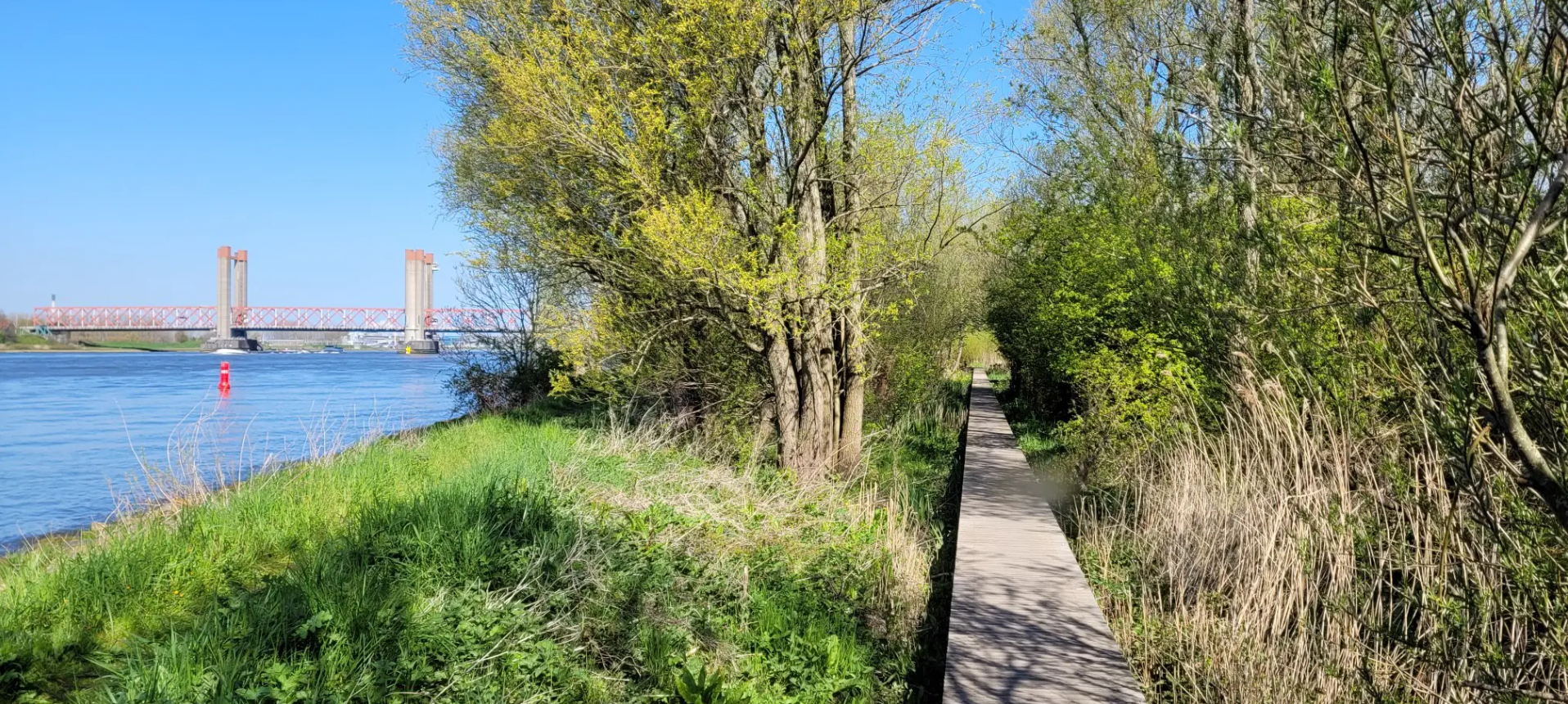
In the municipality of Ridderkerk, in the Riederwaard near Slikkeveer, lies the castle ruin of the noble Van Woude family, which held a fiefdom belonging to the count. Construction of the castle began in 1372 but was never completed because the Riederwaard flooded in 1373. The existing walls withstood the flood, but were torn down during the Hook and Cod Wars. During the St. Elizabeth's Flood in 1421, the remains were covered with a layer of clay. The castle measured approximately fifteen by twenty meters. A wall divided the building lengthwise into two naves. There was at least one floor, which likely housed a representative hall. The ground floor resembled a cellar lit by slit windows. Because the rising walls were only 50 to 65 centimeters thick, Huis te Woude likely served residential purposes rather than defense.
0
0

In the middle of the cemetery of the Hillegondakerk in Hillegersberg lies the ruin of Huis ten Berghe, a 13th century castle residential tower. Once an imposing building, the castle was destroyed in 1426 by the troops of Jacoba van Beieren, but the remains still bear witness to its medieval past.
0
0

Special cemetery. Open between 9am and 4pm.
0
0

There is also a herb garden that can be viewed
0
0
Beautiful almost all year round.
0
0

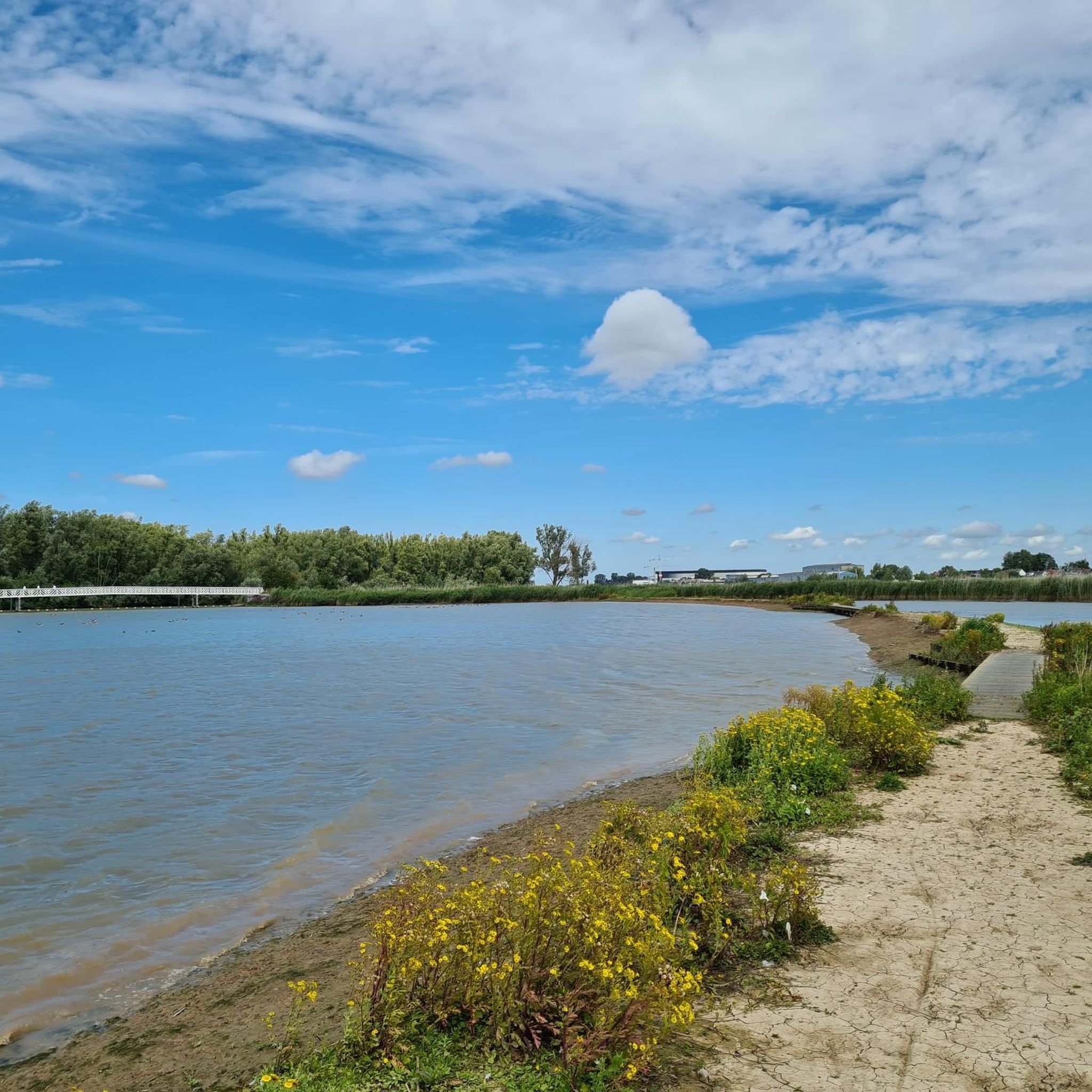
Glory House in Capelle Sloteiland In front of you lies the Sloteiland, which is named after the two castles that stood there. These managed until the territory look called lordship) of Capelle. Here the Lords of Capelle built themselves five houses. Due to the Hoekse Kabeljauwse quarrels (a battle between two groups of nobles), two of them had to be demolished during construction
0
0

A very beautiful piece of nature with history, after all it is the castle garden of Castle Rhoon. And is part of a beautiful natural walking area around the castle. For me personally a great training round on an early morning at the weekend.
0
0
Frequently Asked Questions
What types of historical sites can I explore around Ridderkerk?
Ridderkerk offers a diverse range of historical sites. You can visit grand 18th-century estates like Huys ten Donck, which features Rococo architecture and authentic collections. There are also medieval castle ruins, such as Huis te Woude Castle ruins, providing a glimpse into the region's turbulent past. Additionally, you can find castle gardens and archaeological remnants of fortifications.
Are there any family-friendly castle attractions in the Ridderkerk area?
Yes, several sites are suitable for families. Huys ten Donck offers seasonal activities and its extensive landscape gardens are great for exploration. The reconstructed foundations of Huis te Woude Castle ruins can be an interesting historical discovery for older children. The Castle Garden and Herb Garden, part of Castle Rhoon, provides a beautiful natural walking area for all ages.
What outdoor activities can I do near the castles around Ridderkerk?
The area around Ridderkerk's historical sites is excellent for outdoor activities. You can find numerous cycling routes, including those around Huys ten Donck, and hiking trails through natural areas like the Donckse Bos. For more detailed routes, explore the Cycling around Ridderkerk or Hiking around Ridderkerk guides.
What is the best time of year to visit the castles and historical estates in Ridderkerk?
The castles and estates around Ridderkerk are enjoyable throughout the year. Spring and summer offer lush gardens and pleasant weather for exploring the grounds of places like Huys ten Donck. Autumn brings beautiful foliage, while winter can offer serene, crisp walks, especially in the surrounding parks and nature areas.
Are there any nature trails or parks associated with these historical sites?
Yes, nature is an integral part of many historical sites here. Huys ten Donck is surrounded by extensive landscape gardens, among the oldest in the Netherlands, and the Donckse Bos park. The Castle Garden and Herb Garden also offers a beautiful natural walking area.
Can I visit the ruins of Huis te Woude, and what makes them unique?
Yes, you can visit the Huis te Woude Castle ruins. What makes them unique is their story of ambition and natural disaster; construction began in 1372 but was never completed due to flooding. The foundations have been reconstructed, allowing visitors to visualize the layout of this medieval residential castle. You can find more historical context on castles.nl.
What are the main differences between Huys ten Donck and Huis te Woude?
Huys ten Donck is a well-preserved 18th-century Rococo country mansion with authentic interiors and extensive landscape gardens, offering a glimpse into aristocratic life. In contrast, Huis te Woude Castle ruins are the reconstructed foundations of a medieval castle that was never completed, providing an archaeological insight into the region's earlier, more turbulent history.
Are there any other notable castle ruins or historical remnants in the area?
Beyond Huis te Woude, you can also explore the site of Heerlijkheid Huis te Capelle Sloteiland, named after two castles that once stood there before being demolished during historical conflicts. Further afield, the Ruins of Huis ten Berghe, a 13th-century castle residential tower, can be found in Hillegersberg.
What do visitors particularly enjoy about the historical sites around Ridderkerk?
Visitors appreciate the rich history and the beautiful natural surroundings. Many enjoy the authentic collections and stunning architecture of Huys ten Donck, as well as the peaceful walks through its gardens. The historical insight provided by the Huis te Woude Castle ruins and the serene atmosphere of the Castle Garden and Herb Garden are also frequently highlighted.
How long should I plan for a visit to these historical sites?
For a detailed visit to a major site like Huys ten Donck, especially if taking a tour or attending an event, plan for 2-3 hours. Exploring the Huis te Woude Castle ruins or the Castle Garden and Herb Garden might take 1-2 hours, allowing time for a leisurely walk and appreciation of the history.
Are there cafes or dining options near the castles in Ridderkerk?
While specific cafes directly adjacent to every ruin might be limited, the larger estates like Huys ten Donck may offer facilities during events or specific opening hours. Ridderkerk itself and nearby towns provide various dining options within a short drive or cycle from these historical locations.
Most popular routes around Ridderkerk
Most popular attractions around Ridderkerk

Get inspired with the komoot mobile app


Explore more
Looking for the best castles somewhere else? Discover other guides around Ridderkerk:
