Top 9 Castles around Campiña
Best castles around Campiña are found in a region known for its historical significance and diverse landscapes, particularly in Spain. This area features a rich history of fortified structures, reflecting centuries of different occupations and architectural styles. The region's terrain, often characterized by hills and river valleys, provided strategic locations for these defensive buildings. Exploring these sites offers insight into the historical development and cultural heritage of the area.
Best castles around Campiña
- The most popular castles is Pioz Castle…
Last updated: July 10, 2026
Palace of the Infantado
Highlight • Castle
Translated by Google •
Tip by

Pioz Castle
Highlight • Castle
Translated by Google •
Tip by
Sign up now to discover places like this
Get recommendations on the best single tracks, peaks, & plenty of other exciting outdoor places.
Sign up for free
Castillo de Chiloeches
Highlight • Castle
Translated by Google •
Tip by

Recópolis Archaeological Site
Highlight • Historical Site
Translated by Google •
Tip by

Zorita de los Canes Castle
Highlight • Castle
Translated by Google •
Tip by
Pastrana
Highlight • Settlement
Translated by Google •
Tip by
Almoguera Castle
Highlight • Castle
Translated by Google •
Tip by
Ruins of the Vállaga Castle
Highlight • Castle
Translated by Google •
Tip by
Peñalver Village Highlights
Highlight • Settlement
Translated by Google •
Tip by

Castillo de Anguix
Highlight • Castle
Translated by Google •
Tip by
Start today with a free account
Your next adventure awaits.
Login or Signup
Popular around Campiña
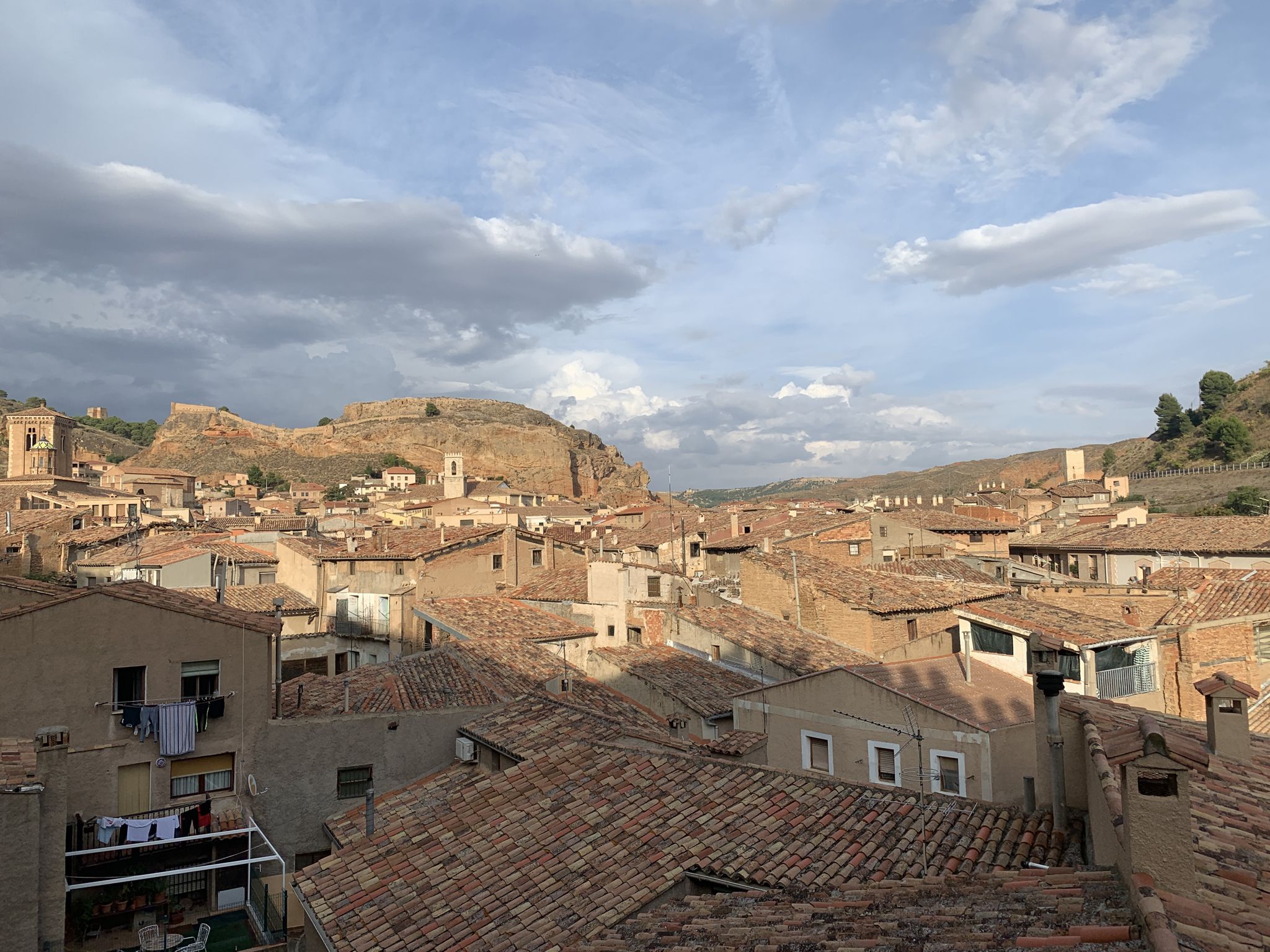
18th-century gravel – Camino Real de Aragón from Madrid
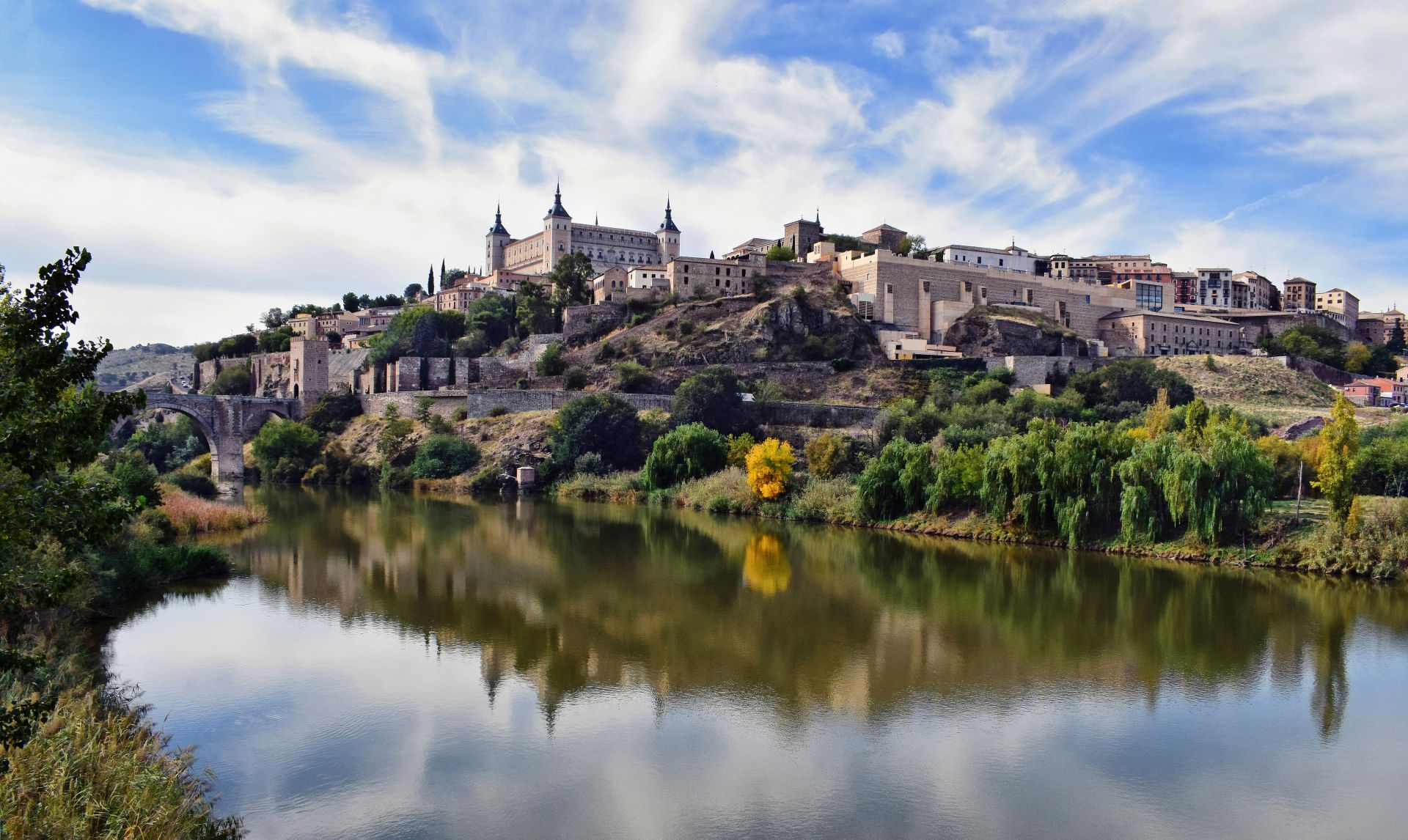
Albarracín to Toledo – Eastern Tagus Nature Trail
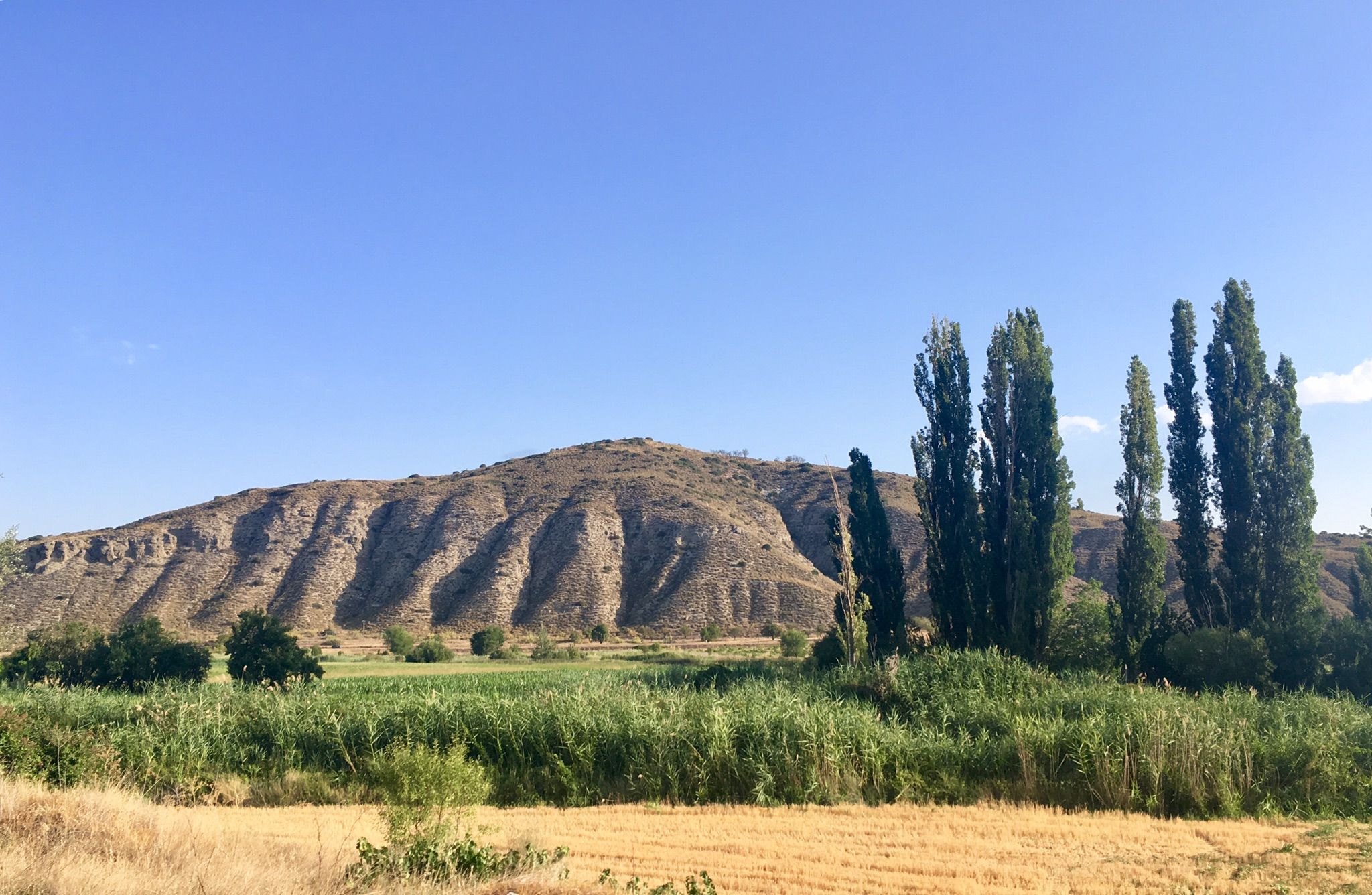
Canyons and countryside – Spain’s Tajuña River gravel
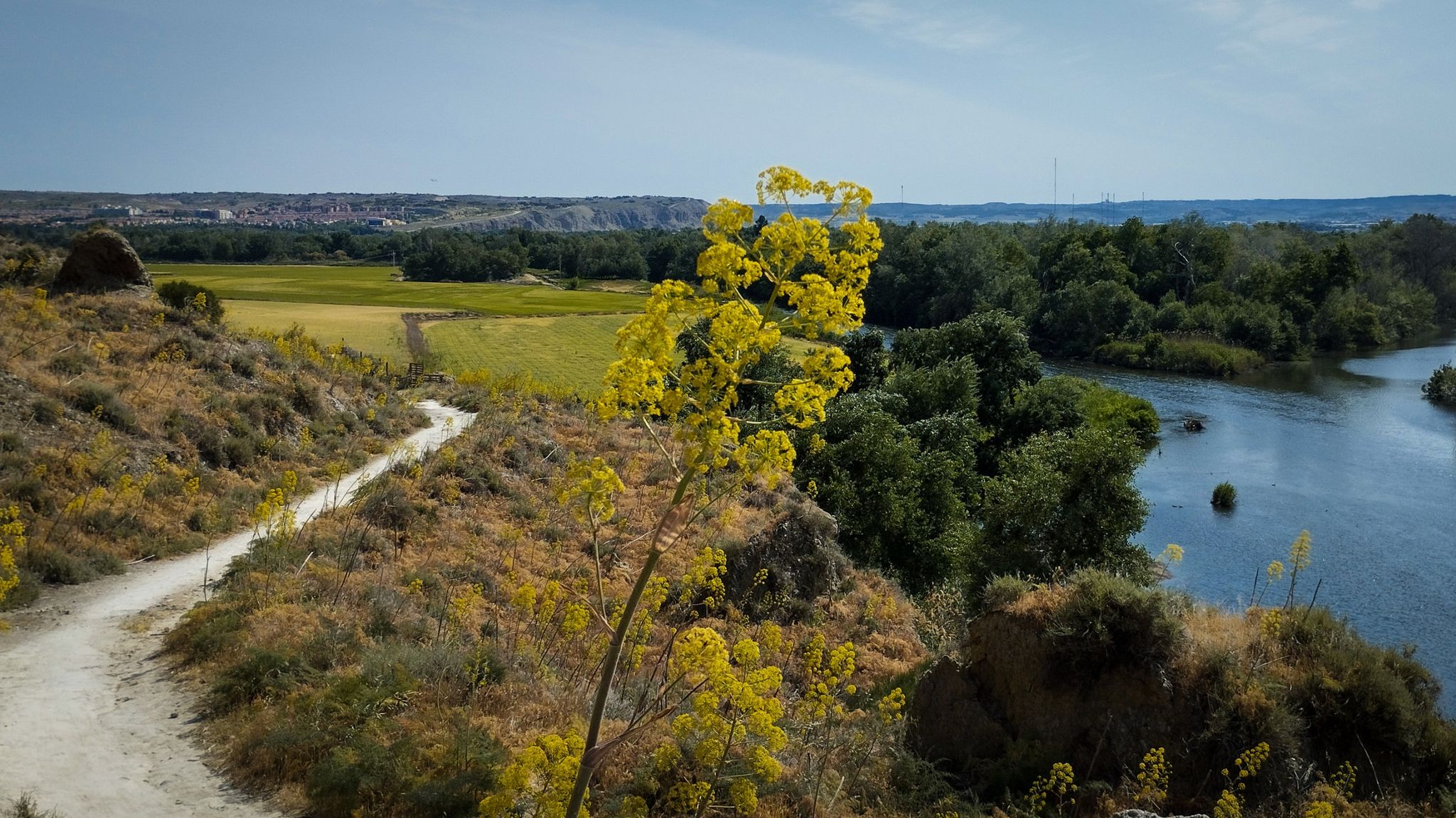
Unexpectedly wild – Jarama on a gravel bike
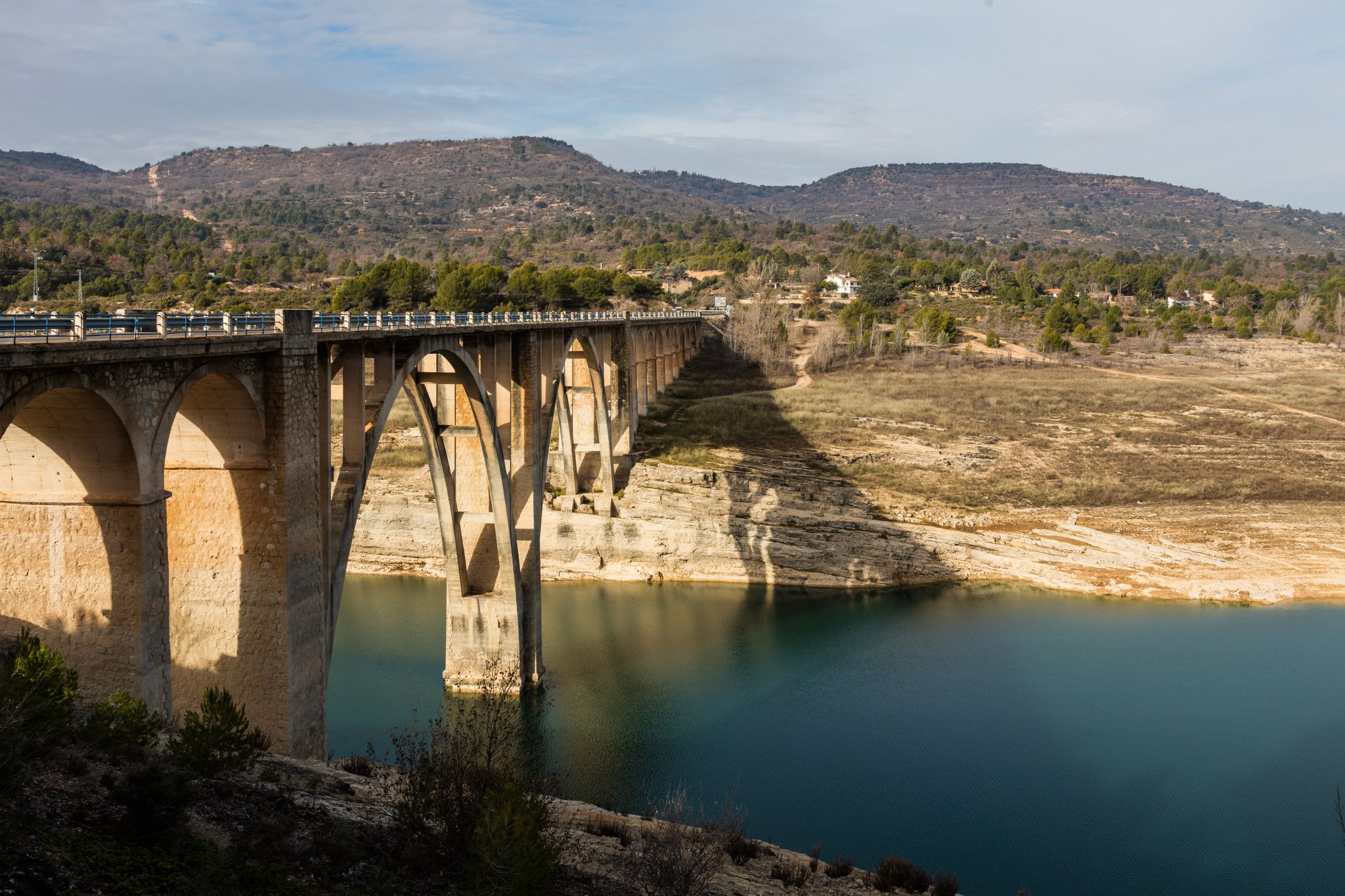
A journey on the Iberian Peninsula – Tagus Nature Trail
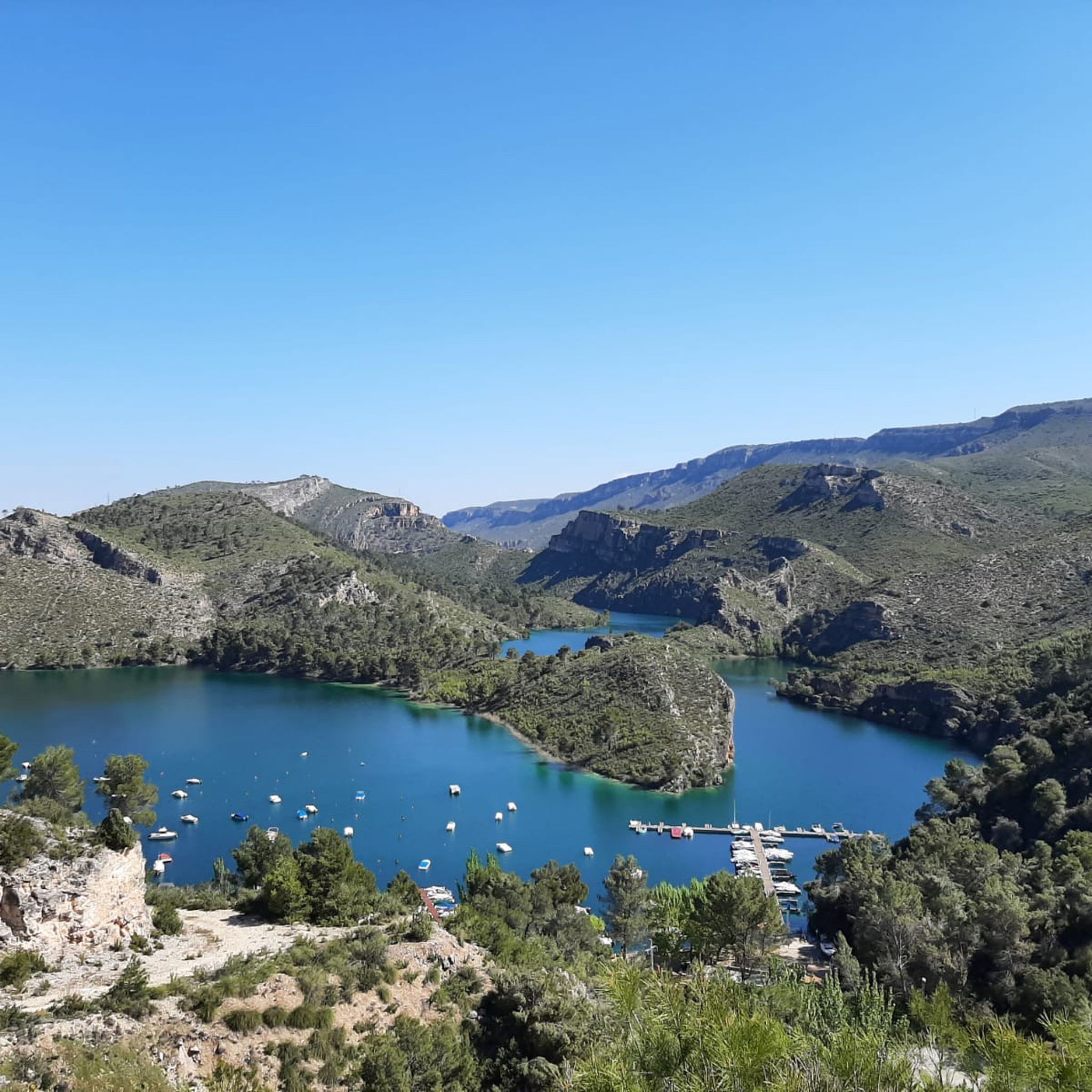
Hiking around Campiña
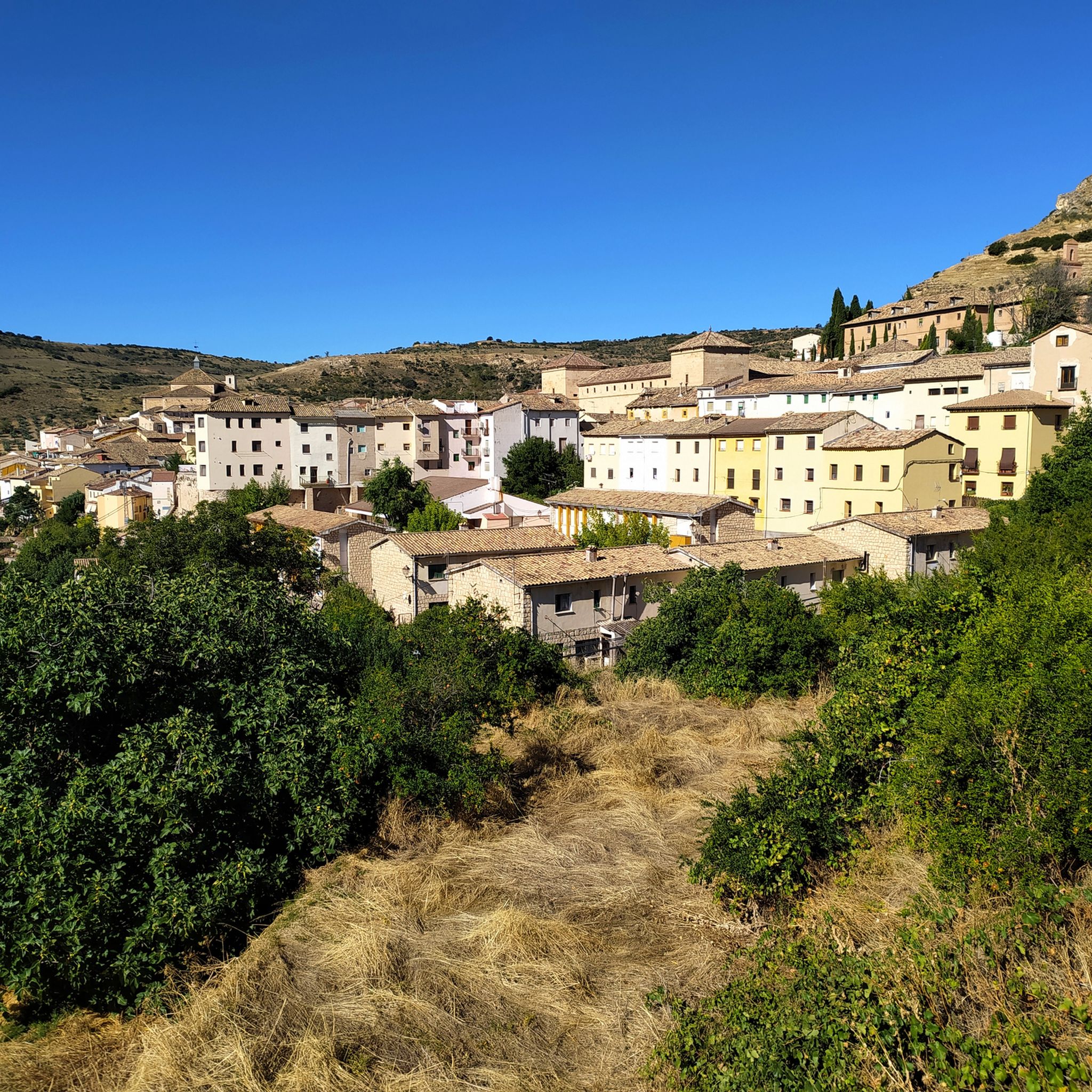
Road Cycling Routes around Campiña
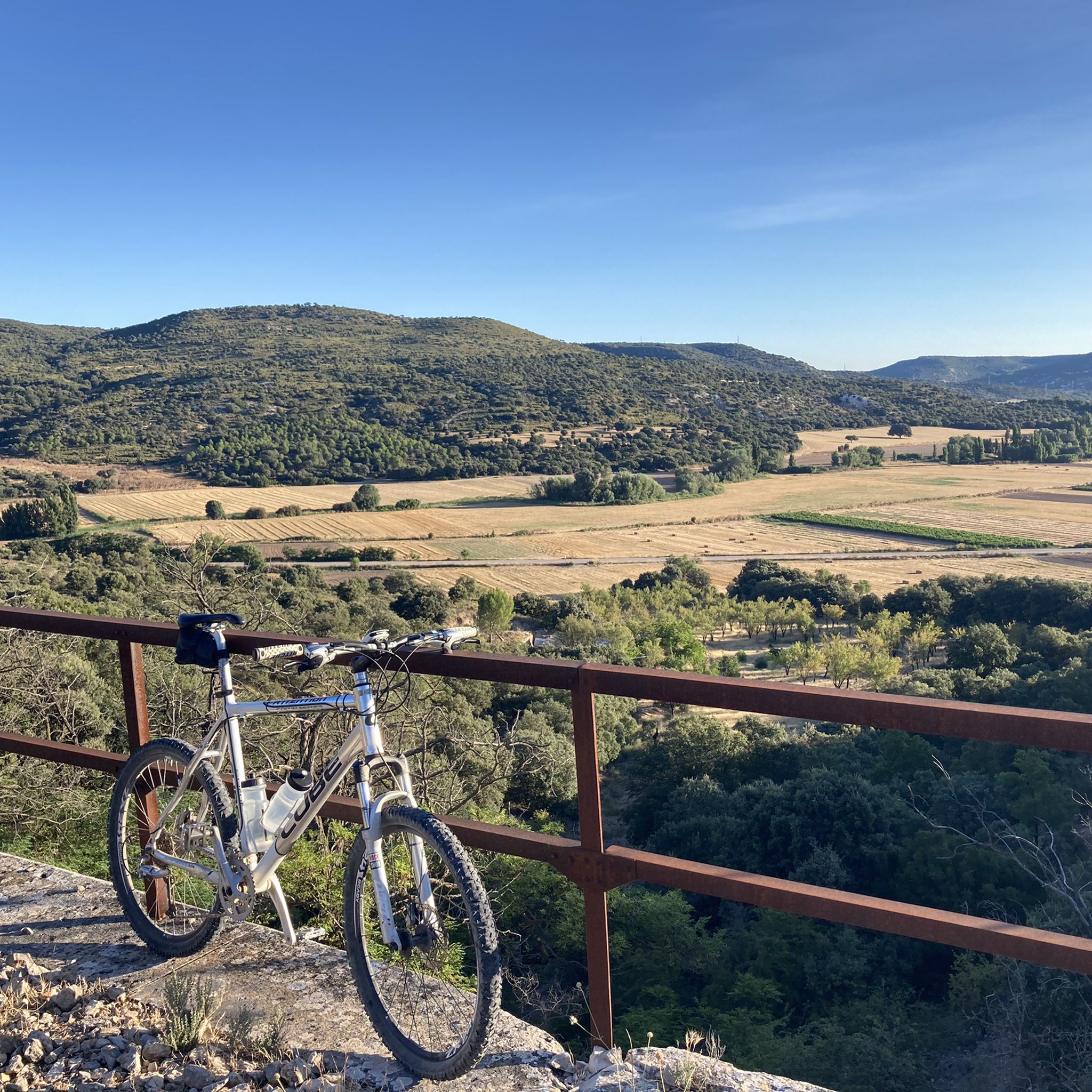
MTB Trails around Campiña
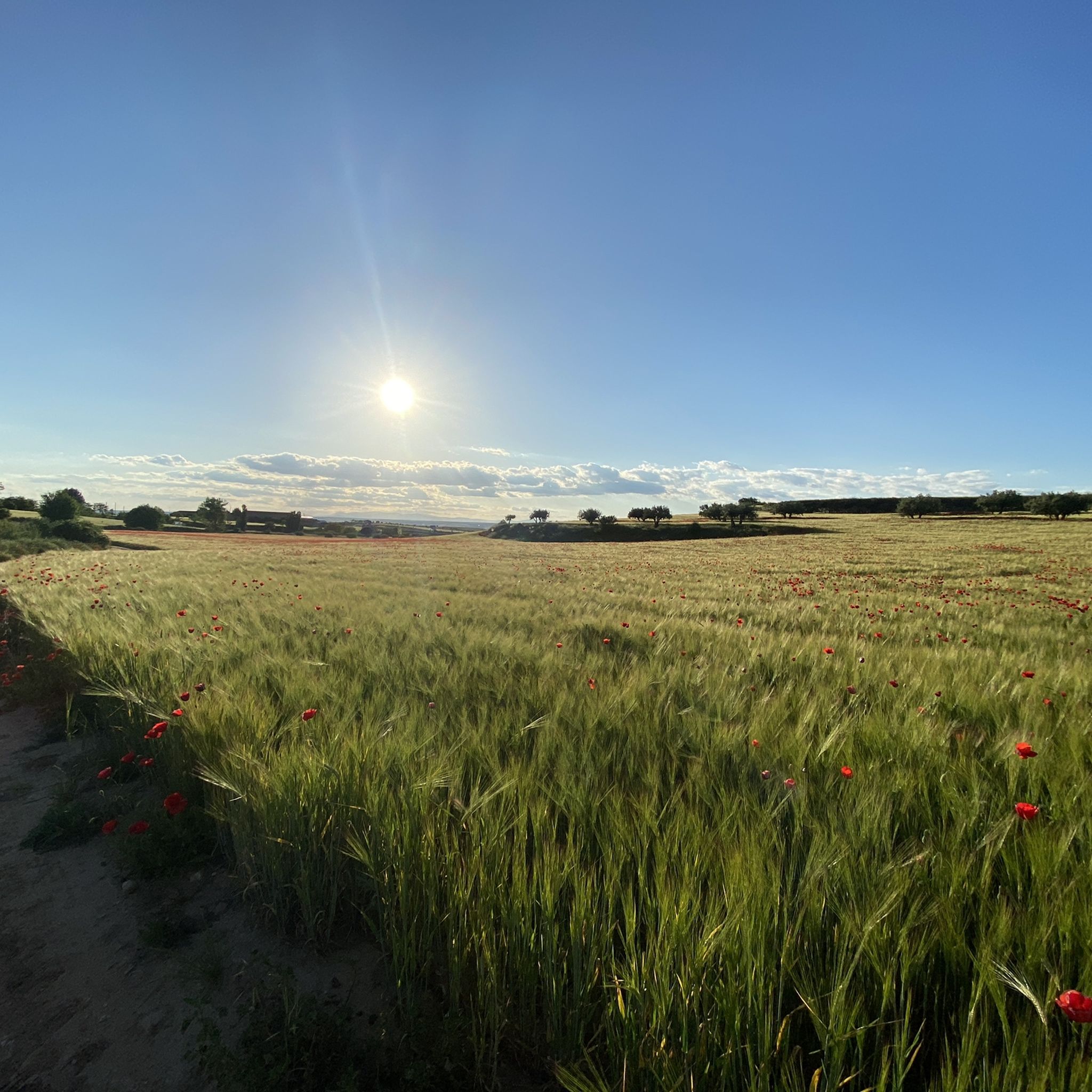
Cycling around Campiña
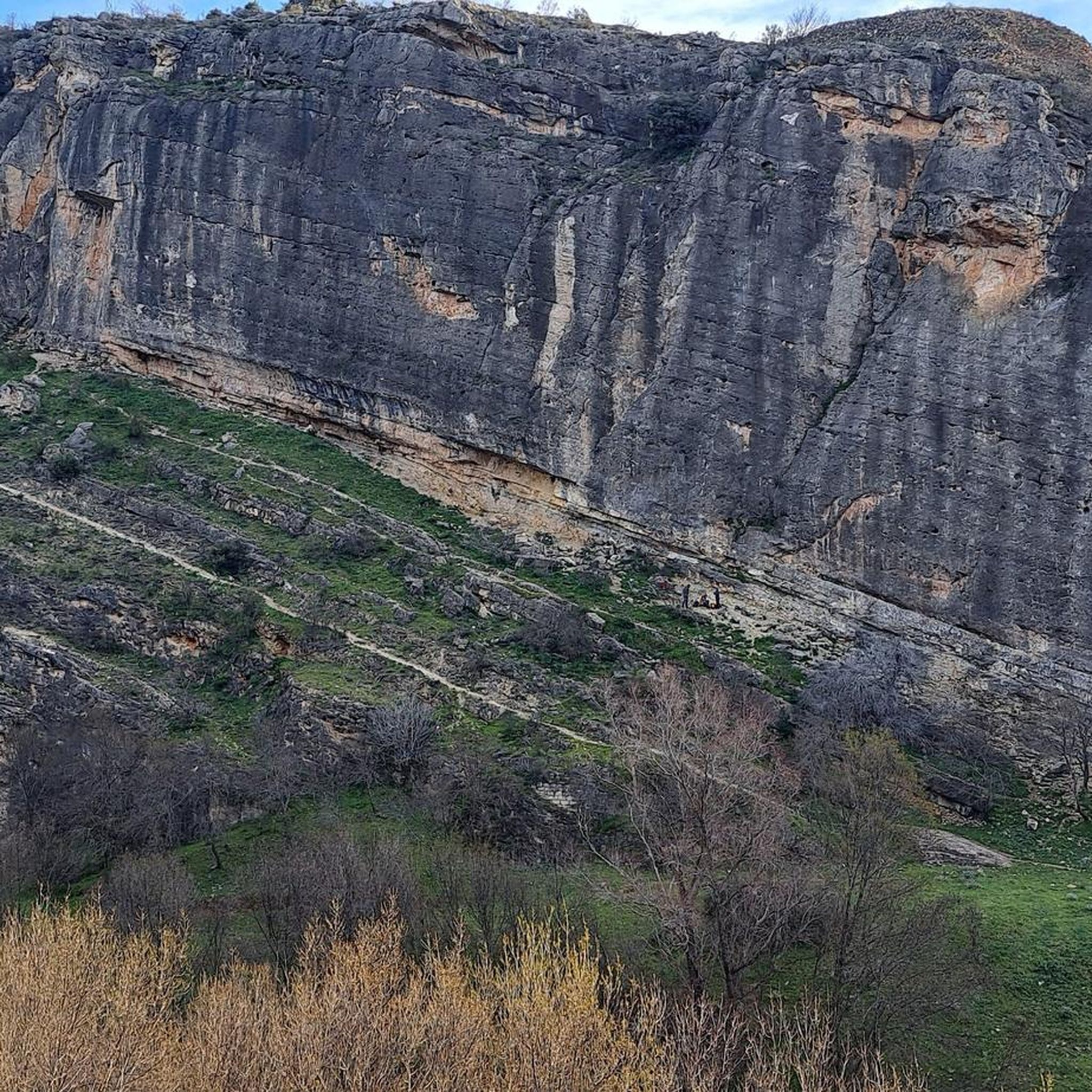
Running Trails around Campiña
Other adventures around Campiña


Tips from the Community

The village of La Miel. With a beautiful church, many caves-wineries, the Monument to the Honeymaker, ruins of an ancient castle, and an extraordinary landscape of La Alcarria.
0
1
Beautiful on the outside, spectacular on the inside. It is a work of art that no one should miss. The events held in its courtyard, such as the Guadalajara Storytelling Marathon, are also spectacular.
0
1
The Castle is a Prehistoric settlement located on a hill for better defense.
1
0

In restoration works, it presents a beautiful appearance
2
0

An observation platform located on an exposed rock outcrop on a hilltop overlooking the town of Chiloeches. The wooden platform offers a panoramic view of the surrounding landscape.
1
0

The castle of Zorita de los Canes stands on a hill on one of the banks of the Tagus River. It is a fortification of Arab origin built in the 9th century.
4
1
The castle of Vállaga, today in ruins, is a fortification of Arab origin built in the 12th century that was later used as a wine cellar and known as the Cuevas del Marqués.
1
0
The castle of Almoguera dates from the 15th century, although it was built on the ruins of an old Arab fortification. Little remains of this medieval construction, as the current castle is a reconstruction from the end of the 20th century.
1
0
Frequently Asked Questions
What types of castles can I expect to find in the Campiña region?
The Campiña region, particularly in Spain, is rich in historical fortifications. You'll find a variety of architectural styles, including Gothic, Arab-origin, and Visigothic castles and historical sites. For example, Palace of the Infantado showcases Gothic-Isabelline style with Renaissance elements, while Recópolis Archaeological Site reveals ruins of an ancient Visigothic city and an Andalusian citadel. Zorita de los Canes Castle is of Arab origin, later adapted by the Order of Calatrava.
Are there family-friendly castles in Campiña?
Yes, several castles and historical sites in Campiña are suitable for families. The Palace of the Infantado is listed as family-friendly, offering a magnificent and surprising building to explore. Additionally, Peñalver Village Highlights, which includes a castle, is also categorized as family-friendly.
What historical periods do the castles in Campiña represent?
The castles and historical sites in Campiña span a wide range of historical periods. You can explore sites like Recópolis Archaeological Site, which dates from the 5th-8th century Visigothic era. Castles like Zorita de los Canes Castle have Arab origins from the 9th century, with later Gothic additions. The Palace of the Infantado was built at the end of the 15th century, showcasing Gothic-Isabelline and Renaissance styles. This rich history reflects centuries of different occupations and architectural developments in the region.
Are there any castles in Campiña that offer panoramic views?
Yes, many castles in Campiña are strategically located on hillsides, offering excellent panoramic views. Castillo de Chiloeches provides very good views from an observation platform on a hilltop. Zorita de los Canes Castle, perched on a hill overlooking the Tagus River, also offers wonderful views of the valley. The Castillo de Anguix and the Ruins of the Vállaga Castle are also noted for their viewpoints.
What outdoor activities can I do near the castles in Campiña?
The Campiña region offers various outdoor activities near its castles. You can find numerous cycling routes, such as those in the Cycling around Campiña guide, including loops around Guadalajara. For mountain biking, the MTB Trails around Campiña guide features routes like the 'Guadalajara and Chiloeches Castle Loop' and 'Pioz and Pezuela de las Torres Loop'. Running enthusiasts can explore trails from the Running Trails around Campiña guide, including routes near Guadalajara.
Which castles in Campiña are known for their unique architectural features?
Several castles in Campiña stand out for their unique architecture. Pioz Castle is notable for its 15th-century design, showing how castles were arranged when artillery was introduced, preserving its interior, towers, outer enclosure, and moat. The Palace of the Infantado is a magnificent Gothic-Isabelline style palace with Renaissance elements. In the broader Campiña region, the Castillo de Baños de la Encina (Jaén) is known for its 14 towers made of rammed earth, a Moorish building technique, and its large keep.
Are there any archaeological sites related to castles in Campiña?
Yes, the Recópolis Archaeological Site is a significant location where the ruins of an ancient Visigothic city and an Andalusian city with its citadel (later converted into a castle) can be found. It is one of only two known sites in all of Europe dating from the 5th-8th century, offering a deep dive into early medieval history.
Can I visit the interior of Pioz Castle?
Access to the outside of Pioz Castle is free. To visit the interior, you need to contact the Pioz town hall directly at telephone 949.272.076 for arrangements.
What is the best time to visit castles in Campiña?
The best time to visit castles in Campiña, particularly those in Spain, is generally during the spring (April-May) and autumn (September-October) months. During these periods, the weather is typically mild and pleasant, making it comfortable for exploring outdoor sites and walking around. Summers can be very hot, especially in Andalusia, while winters can be cooler and sometimes rainy.
Are there any castles in Campiña that are currently undergoing restoration?
Yes, Pioz Castle has been noted to be undergoing restoration works, presenting a beautiful appearance as a result. This indicates ongoing efforts to preserve these historical structures for future visitors.
What are some lesser-known castles or ruins in Campiña that offer a unique experience?
For a unique experience away from the most popular sites, consider visiting the Ruins of the Vállaga Castle, which offers a challenging yet rewarding visit with historical significance and viewpoints. Almoguera Castle also provides an interesting historical site to explore, often with fewer crowds, allowing for a more intimate experience with the past.
Are there any castles in the broader Campiña region (beyond Guadalajara) that are particularly notable?
Yes, if you venture into other Campiña regions in Spain, you'll find more notable castles. In Campiña Este (Córdoba Province), the Castillo de Almodóvar del Río is considered one of the best-preserved castles in Spain and was a filming location for *Game of Thrones*. Campiña del Norte (Jaén Province) features the well-preserved Castillo de Baños de la Encina, known for its 10th-century Moorish architecture and 14 rammed earth towers. These offer a glimpse into the diverse history of the wider Campiña area.
Most popular routes around Campiña
Most popular attractions around Campiña

Get inspired with the komoot mobile app


Didn’t find what you were looking for?
Explore Campiña’s best castles region by region:
Explore more
Looking for the best castles somewhere else? Discover other guides around Campiña:
