Top 6 Castles around Barcelones
Castles around Barcelones offer a glimpse into the region's rich history and diverse architectural styles. Situated along the Mediterranean coast and extending into the surrounding hills, Barcelones features a landscape dotted with historical fortresses and unique Modernista interpretations of castles. These structures provide panoramic viewpoints over the city, port, and natural surroundings. The area's historical significance is reflected in these varied defensive and architectural landmarks.
Best castles around Barcelones
- The most popular castles is Cannon at Montjuïc Castle, a man-made monument that offers magnificent views of the sea, port, and city from its 173 meter high position. It served as a military fortress and is now a municipal facility.
- Another must-see spot is Torre Baró Castle, a castle that, despite its medieval appearance, is a 20th-century construction. It functions as an information and environmental education point within the Collserola park and provides extensive views of Barcelona.
- Visitors also love Casa de les Punxes (Casa Terradas), a man-made monument designed by modernist architect Josep Puig i Cadafalch. This magnificent building, declared a National Historic Landmark, features six cylindrical towers and exposed brickwork.
- Barcelones is known for historical fortresses, Modernista architectural castles, and structures offering panoramic viewpoints. The region provides a variety of castles to see and explore, from ancient defensive sites to unique 20th-century interpretations.
- The castles around Barcelones are appreciated by the komoot community. The 6 castles in the region have garnered more than 520 upvotes and over 444 photos from visitors.
Last updated: April 28, 2026
Cannon at Montjuïc Castle
Highlight • Monument
Translated by Google •
Tip by

Casa de les Punxes (Casa Terradas)
Highlight • Monument
Translated by Google •
Tip by

Sign up now to discover places like this
Get recommendations on the best single tracks, peaks, & plenty of other exciting outdoor places.
Sign up for free
Castle of the Three Dragons
Highlight • Castle
Translated by Google •
Tip by
Torre Baró Castle
Highlight • Castle
Translated by Google •
Tip by

Castell de l'Oreneta Park
Highlight • Forest
It is an excursion in a forest within the city, in which the municipal intervention has improved the road network, has designed rest areas and areas for children's play, the largest with table tennis tables. Another highlight is the picnic areas, especially the one in the highest part of the park. The tables enjoy the shade of a large carob tree and you can contemplate an exceptional panoramic view of Barcelona, from Sant Adrià de Besòs to Prat de Llobregat. Next to the park are the Can Caralleu public swimming pools, ideal to complete a summer day.
Translated by Google •
Tip by
Circular route around the castle with a beautiful view of the harbor
Highlight • Trail
Translated by Google •
Tip by

Start today with a free account
Your next adventure awaits.
Login or Signup
Popular around Barcelones

Triathlon 360 – my journey around the world
Grand Tour of Catalonia Gravel – your bikepacking adventure
On the road to the sun — bikepacking to southeast Spain
Barcelona to Girona – a road cycling mecca on your gravel bike
The Pilgrims' Road to Montserrat - GR 96
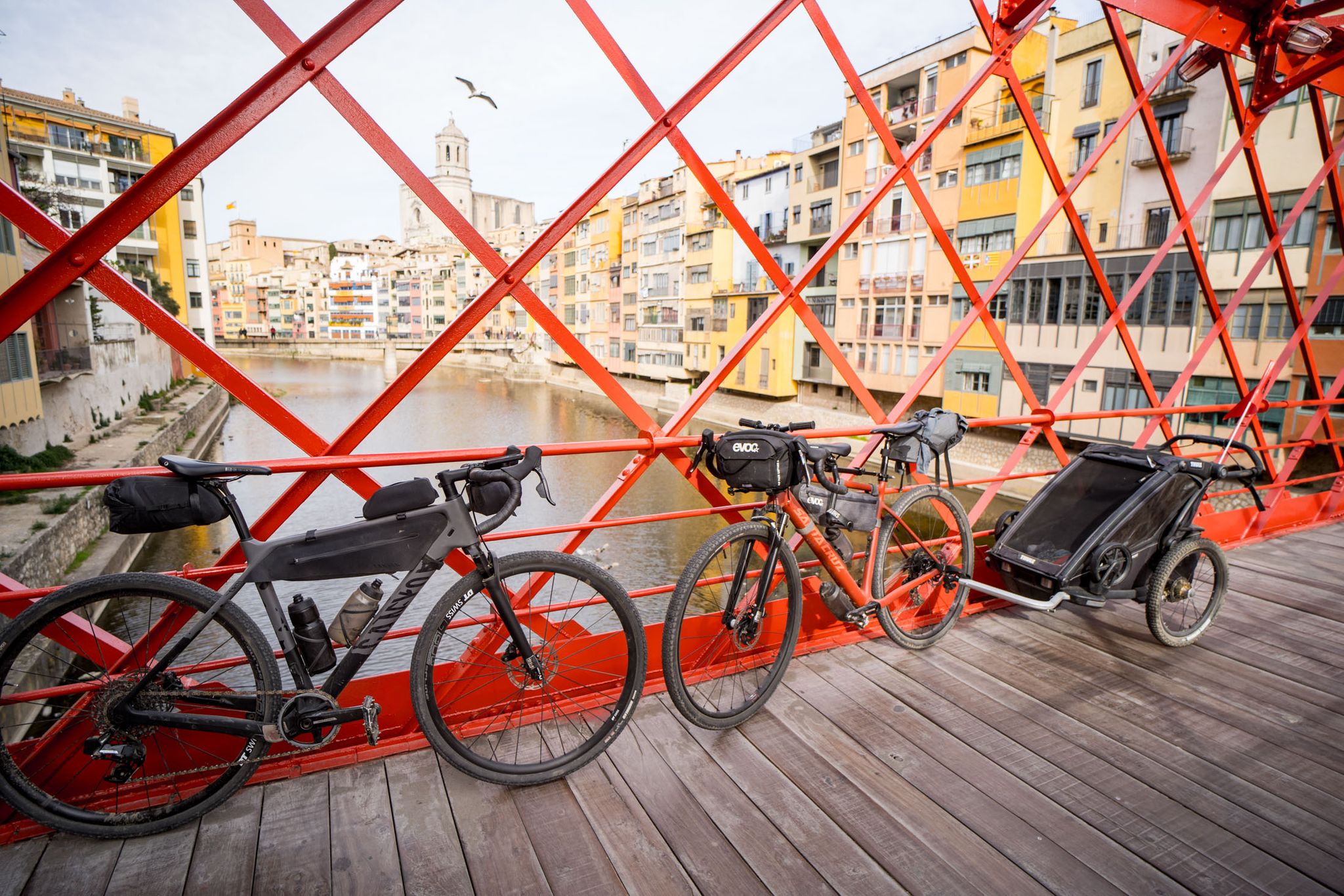
Family Bikepacking / Barcelona-Girona
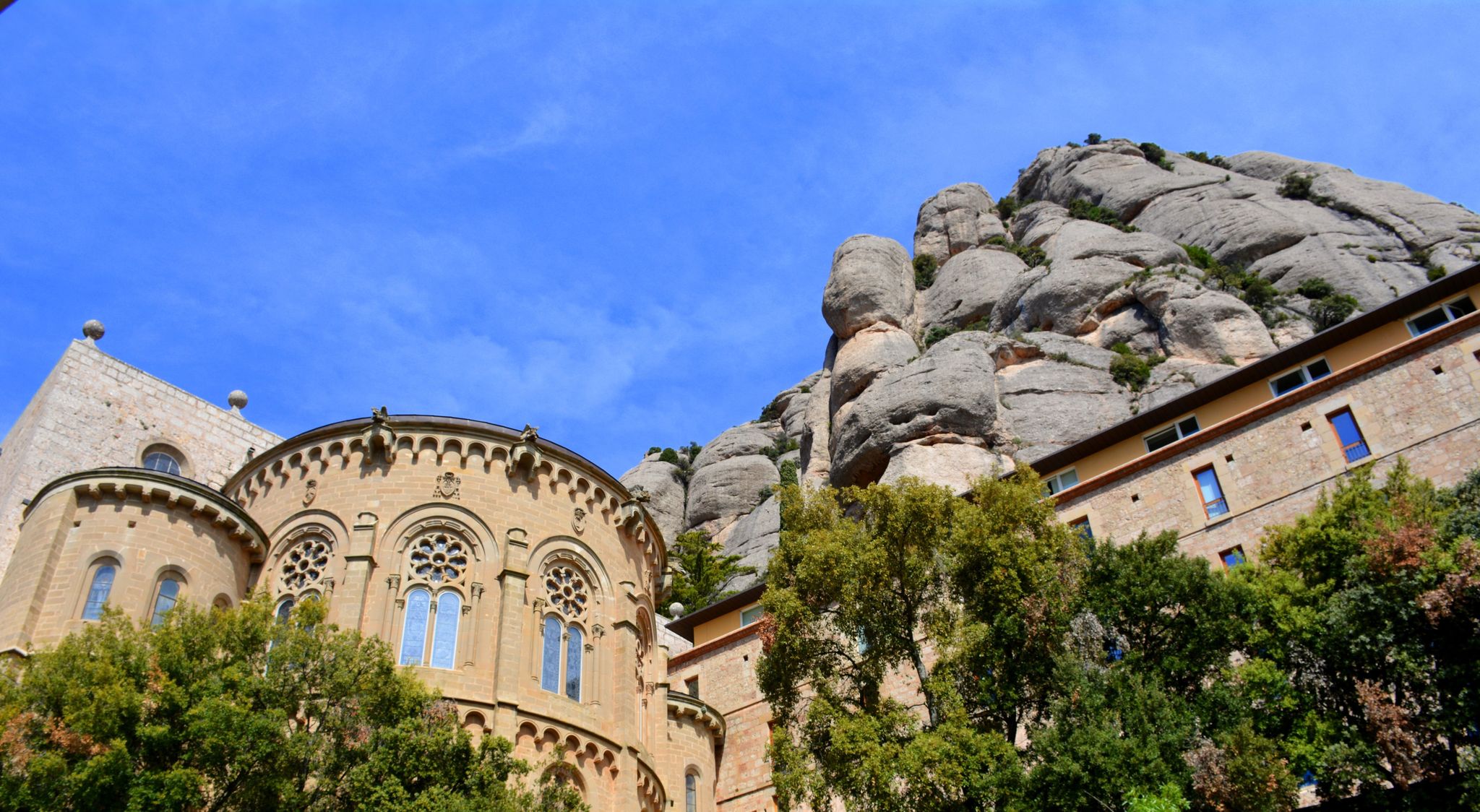
From the city to the forests – Camí Romeu de Montserrat (GR 96)
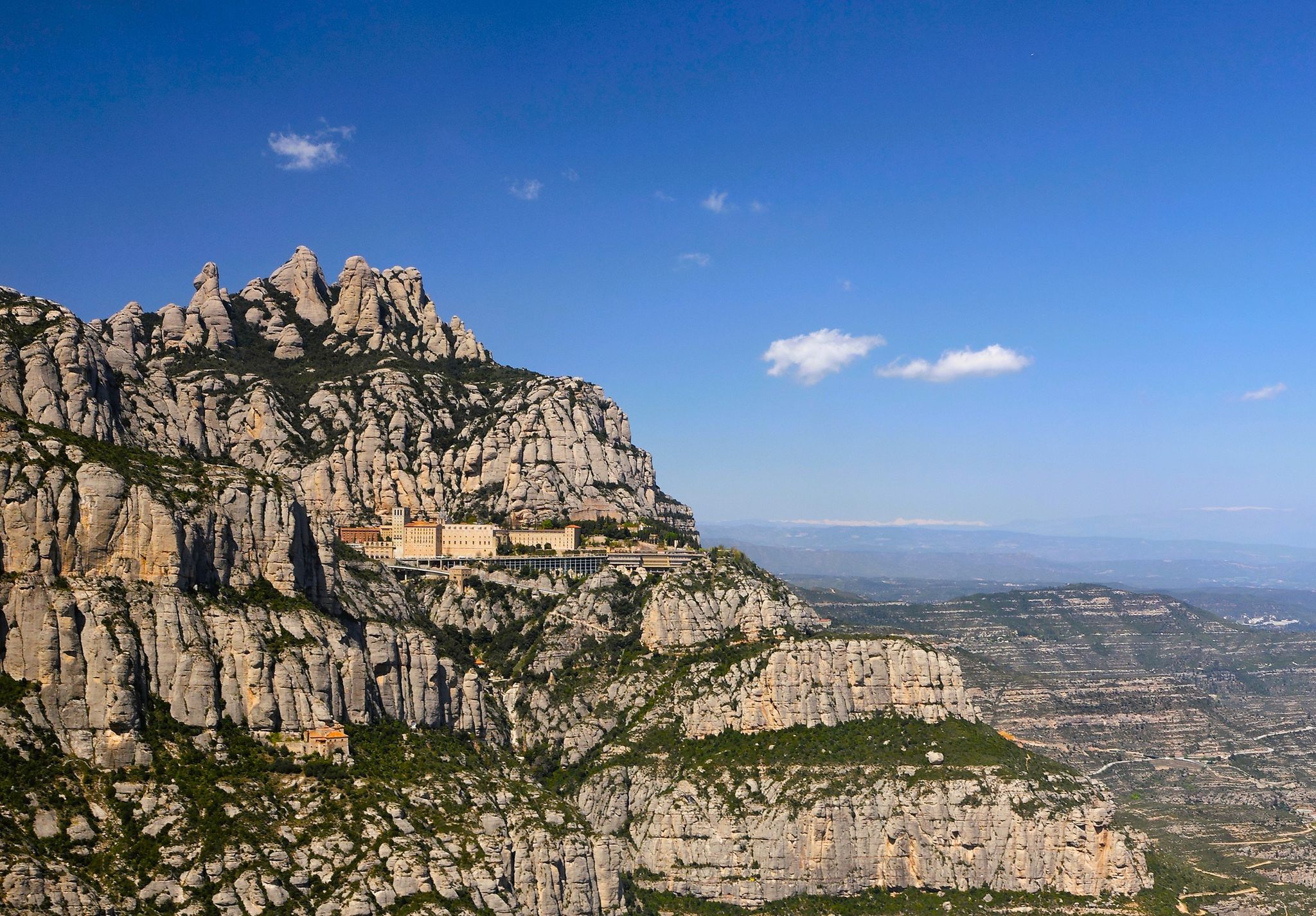
The Magic Mountain — Barcelona-Montserrat Trail (GR 6)
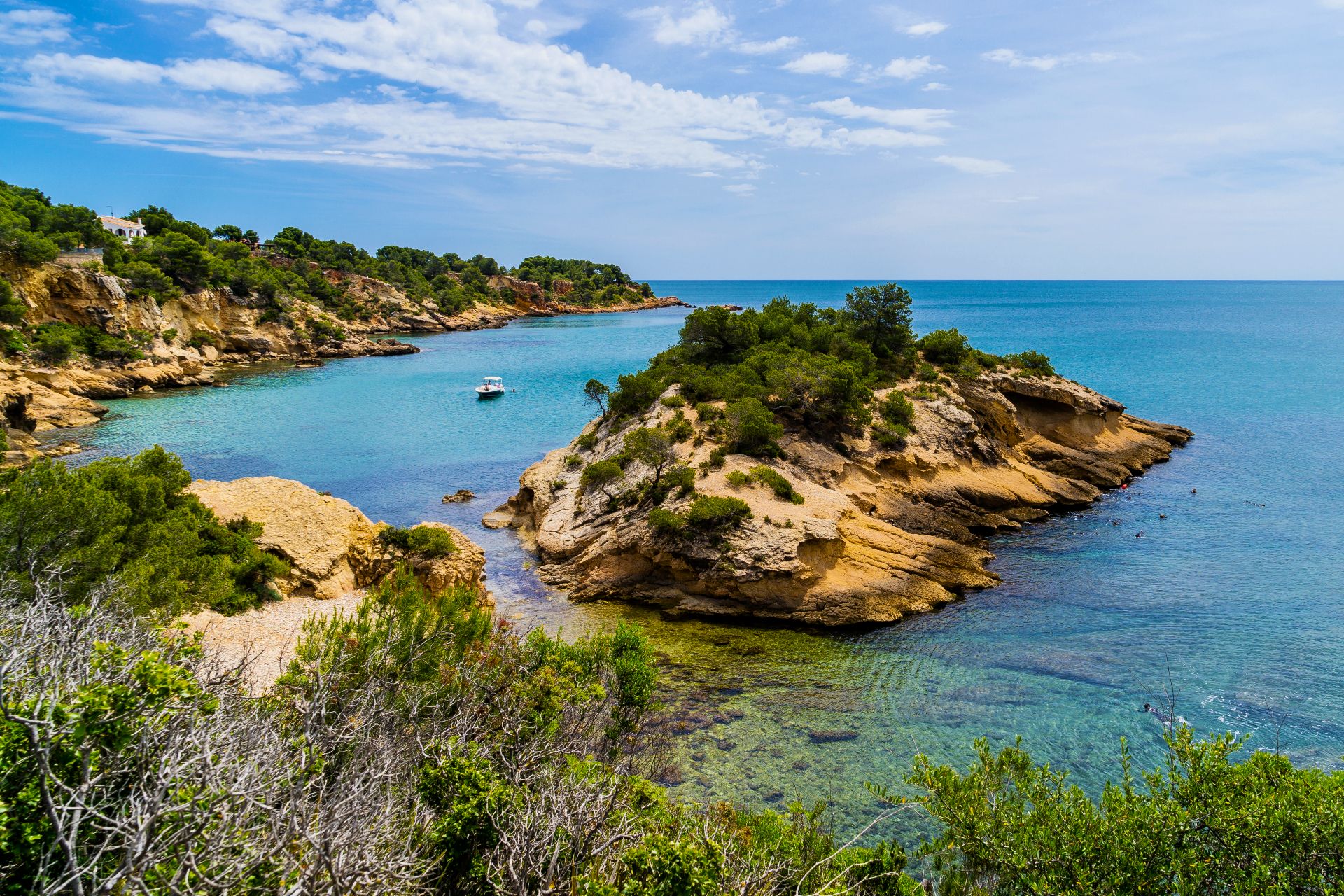
The Catalan coast on foot – Mediterranean Path (GR 92)
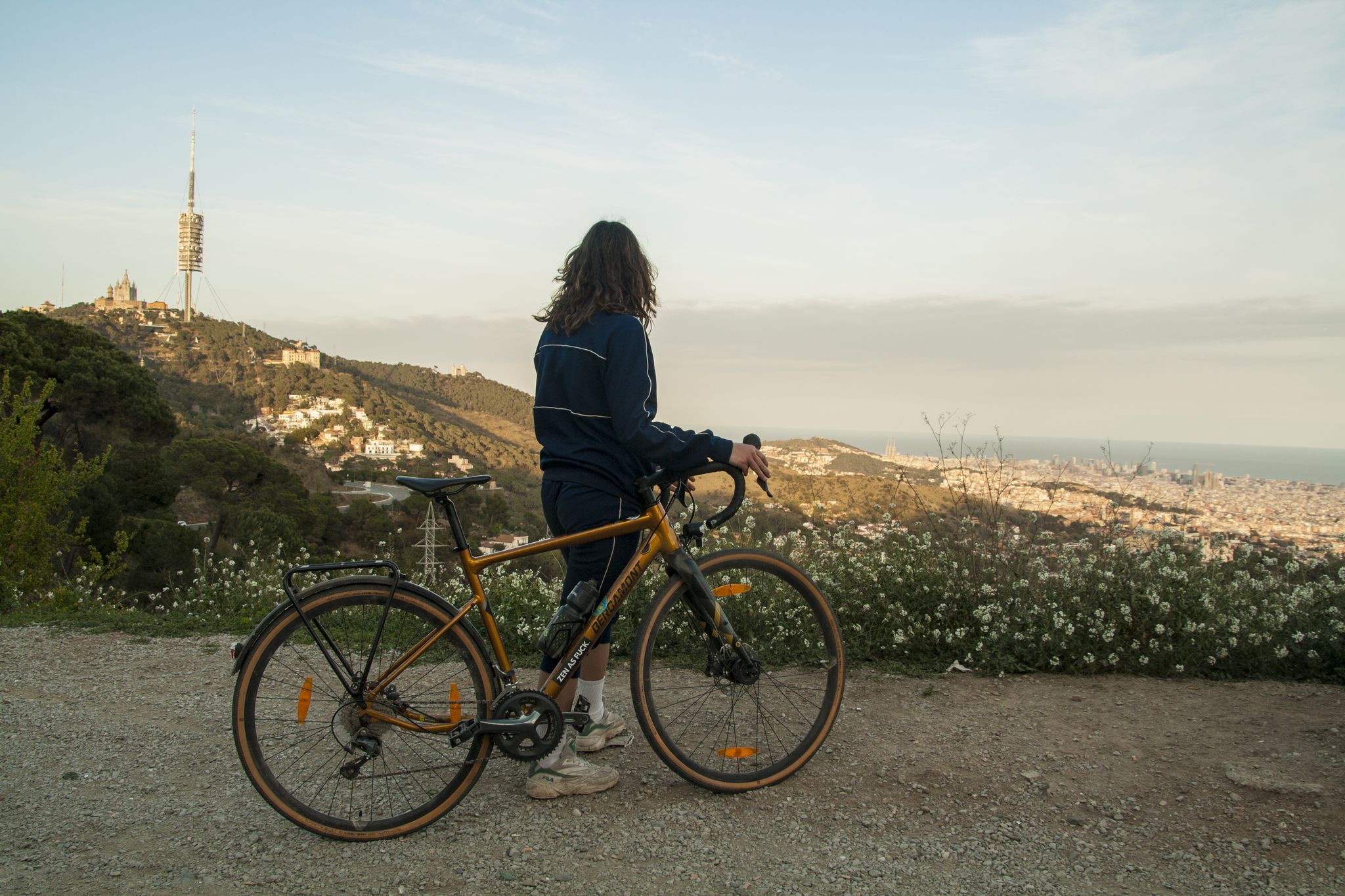
Mountains, sea and the city – gravel biking around Barcelona
Other adventures around Barcelones


Tips from the Community

Of the 120 cannons that once served to defend the city, only a few remain today
7
0

The building once had beautiful stained-glass windows created by Antoni Rigalt i Blanch, but many were lost over time, leaving only fragments of their original splendor.
0
0
The building’s dramatic name, Castle of the Three Dragons, wasn’t inspired by legends or medieval tales but by a play written in 1865 by Serafí Pitarra, a Catalan dramatist known for his satirical works.
0
0
The façade features various symbolic decorations, including a sculptural panel with an angel representing Angela Terradas and ceramic panels depicting Saint George slaying the dragon, a nod to Catalan heritage and its patron saint
0
0
Casa de les Punxes, also known as Casa Terradas, was designed by architect Josep Puig i Cadafalch, a prominent figure in Catalan Modernism. It features six pointed towers, giving it the nickname "House of Spikes". It was commissioned in 1905 by Bartomeu Terradas Brutau for his three sisters, Angela, Josefa, and Rosa. The design was meant to create three distinct homes, yet architecturally it appears as a single unified structure.
0
0

A must see when you are in Barcelona
0
0
The magnificent building was declared a National Historic Landmark in 1975 and is currently privately owned
17
0

The Casa de les Punxes breaks all architectural conventions. This majestic mansion, designed by Josep Puig i Cadafalch, was built in 1905. It is reminiscent of Neuschwanstein Castle and a medieval castle. It shows the influences of various architectural movements, countless technical innovations and a wealth of decorative elements of great artistic value.
0
0
Frequently Asked Questions
Which castles around Barcelones offer the best panoramic views?
For breathtaking 360-degree views of the city, port, and Mediterranean Sea, visit Montjuïc Castle. Another excellent spot is Torre Baró Castle, which provides extensive views of Barcelona, including Nou Barris, Horta, Sant Andreu, and the Besòs river. Castelldefels Castle also offers spectacular views over the Llobregat Delta and the Mediterranean.
Are there family-friendly castles to visit near Barcelona?
Yes, several castles and related sites are great for families. Montjuïc Castle is family-friendly, offering exhibitions and guided tours. The Casa de les Punxes, a Modernista castle-like building, is also listed as family-friendly. Additionally, the Castell de l'Oreneta Park, which contains the remains of a castle, is a large forest area with rest areas, children's play zones, and picnic spots.
What historical significance do the castles in the Barcelones region hold?
The castles in the Barcelones region are rich in history. Montjuïc Castle, for instance, evolved from an 11th-century watchtower into a military stronghold, serving as a prison and later a military museum. Castelldefels Castle, dating back to the 10th century, was a crucial coastal defense against invasions and pirate attacks. Cardona Castle is particularly significant as the last Catalan stronghold to surrender in 1714 during the War of the Spanish Succession.
Can I visit castles that showcase Modernista architecture?
Absolutely. The Barcelones region features unique Modernista interpretations of castles. The Casa de les Punxes (Casa Terradas) is a magnificent Modernista building designed by Josep Puig i Cadafalch, known for its six cylindrical towers. The Castle of the Three Dragons, designed by Lluís Domènech i Montaner, is another iconic example of early Catalan Modernisme, originally built for the 1888 Universal Exhibition.
Are there any castles near Barcelona that are less crowded?
While popular sites like Montjuïc can attract crowds, exploring castles slightly further afield might offer a quieter experience. Cardona Castle, located about an hour and fifteen minutes from Barcelona, is a significant medieval fortress that provides an immersive historical journey and exceptional panoramic views, often with fewer visitors than central Barcelona attractions. Castelldefels Castle also offers a rich historical experience overlooking the sea.
What outdoor activities can I do near these castles?
Many castles are situated near natural areas perfect for outdoor activities. For example, the Castell de l'Oreneta Park connects Barcelona with the Collserola mountain range, offering forest walks and picnic areas. You can find various hiking routes around Barcelones, including easy, moderate, and difficult options, such as the 'Turo de Magarola, Ermita Sant Medir, Fuente Vista Rica – Circular Route' or longer trails in Collserola Natural Park. Explore more hiking options in the Hiking around Barcelones guide.
Are there hiking trails that include castle visits?
Yes, several routes incorporate castle views or visits. The Circular route around the castle with a beautiful view of the harbor is an example of a trail that combines scenic views with castle exploration. The area around Torre Baró Castle, located within the Collserola park, also offers itineraries to discover the surroundings. For more detailed hiking options, refer to the Hiking around Barcelones guide.
What are the public transport options to reach castles from Barcelona?
Montjuïc Castle is easily accessible by bus or cable car from Barcelona. For castles slightly outside the city, public transport options vary. Castelldefels Castle can be reached by train from Barcelona, followed by a local bus or a walk. For Cardona Castle, a bus service from Barcelona is available, though it's a longer journey. Always check current schedules for the most up-to-date information.
Are there any castles that are particularly important for Catalan history?
Cardona Castle is considered one of the most important medieval fortresses in Catalonia. It was the last Catalan stronghold to surrender to Bourbon troops in 1714 during the War of the Spanish Succession, making it a symbol of Catalan resistance. Montjuïc Castle also played a significant role in Catalan history, particularly during the Reapers' War and as a military prison.
Can I find castles that offer views of the coastline?
Yes, several castles provide stunning coastal views. Montjuïc Castle offers magnificent views of the sea and port. Castelldefels Castle, situated on a hill, overlooks the Mediterranean Sea and the Llobregat Delta. Further afield, Castell de Burriac, after a hike, also offers rewarding views of the coastline.
What is the best time of year to visit castles in the Barcelones region?
The spring (April-May) and autumn (September-October) months are generally ideal for visiting castles in the Barcelones region. The weather is typically mild and pleasant, making it comfortable for exploring outdoor areas and enjoying panoramic views without the intense heat of summer or the cooler, sometimes wetter, conditions of winter. These seasons also tend to be less crowded than peak summer.
Are there any castles near Barcelona that are also luxury accommodations?
Yes, Cardona Castle currently houses a Parador Nacional, which is a luxury hotel. This allows visitors the unique experience of staying within a historic fortress, combining a rich historical visit with comfortable accommodation.
Most popular routes around Barcelones
Most popular attractions around Barcelones

Get inspired with the komoot mobile app


Didn’t find what you were looking for?
Explore Barcelones’s best castles region by region:
Explore more
Looking for the best castles somewhere else? Discover other guides around Barcelones:
