Top 10 Castles around Baix Camp
Best castles around Baix Camp are found in Catalonia, Spain, a region known for its varied landscape, from coastal plains to inland mountains. The area features historical fortifications that reflect its strategic importance throughout history. These sites offer insights into medieval architecture and past defensive strategies. Baix Camp provides a setting for exploring historical landmarks within a natural environment.
Best castles around Baix Camp
- The most popular castles is Sant Miquel d'Escornalbou Castle and Monastery, a castle and historical…
Last updated: April 28, 2026
La Mola Castle, Colldejou
Highlight • Castle
Translated by Google •
Tip by

Sant Miquel d'Escornalbou Castle and Monastery
Highlight • Castle
Translated by Google •
Tip by

Sign up now to discover places like this
Get recommendations on the best single tracks, peaks, & plenty of other exciting outdoor places.
Sign up for free
Ruins of La Mussara
Highlight • Historical Site
Translated by Google •
Tip by

Castillo del Paborde
Highlight • Castle
Translated by Google •
Tip by
Castell dels Teixells
Highlight • Castle
Translated by Google •
Tip by
Escornalbou Castle-Monastery
Highlight (Segment) • Castle
Translated by Google •
Tip by

Control Towers of the Castle
Highlight • Castle
Translated by Google •
Tip by

Castellet de les Mugues Ruins
Highlight • Historical Site
Translated by Google •
Tip by

Start today with a free account
Your next adventure awaits.
Login or Signup
Popular around Baix Camp
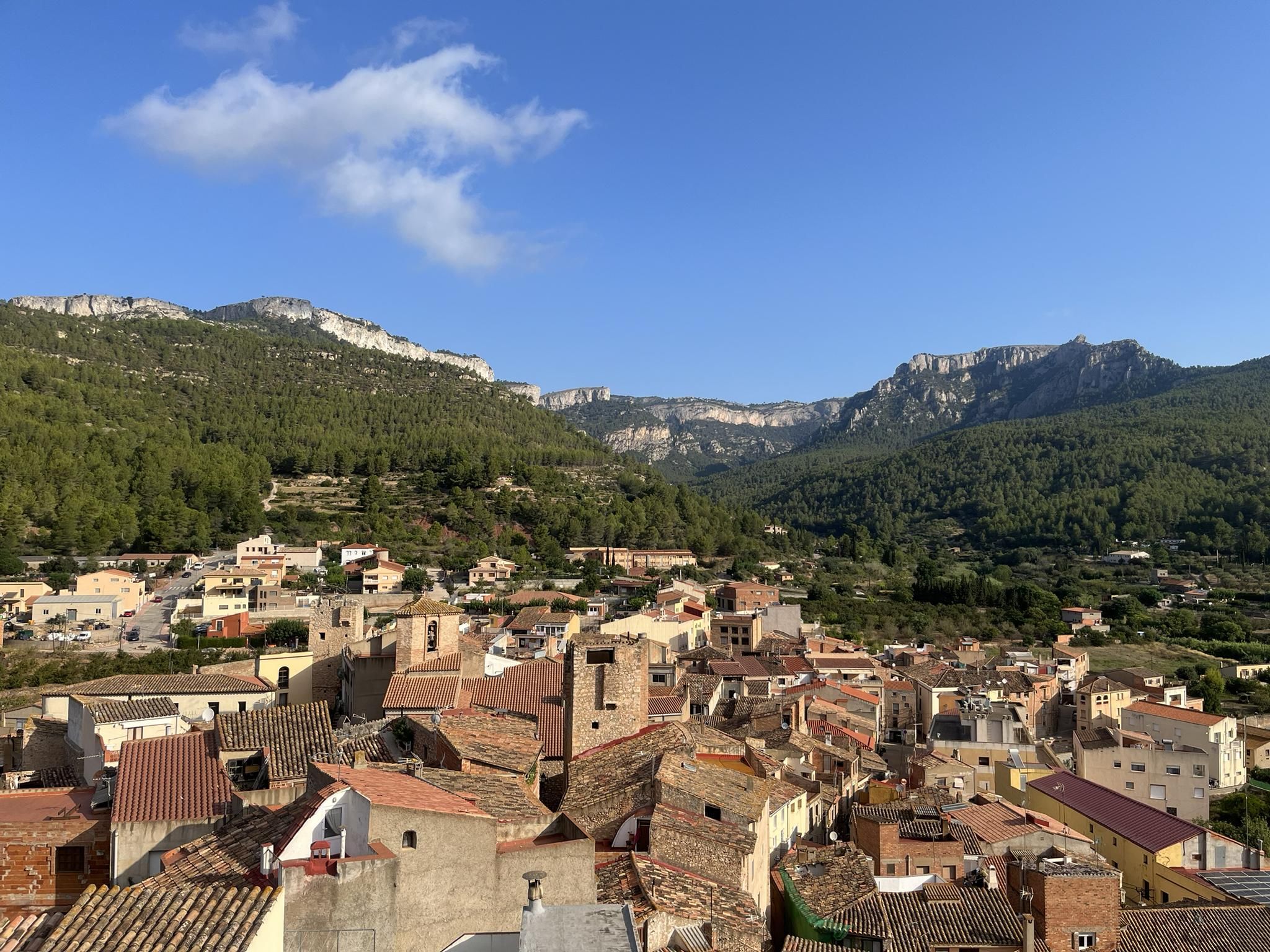
From Cambrils to the Ebro Delta - Camí del Vent (GR 192)
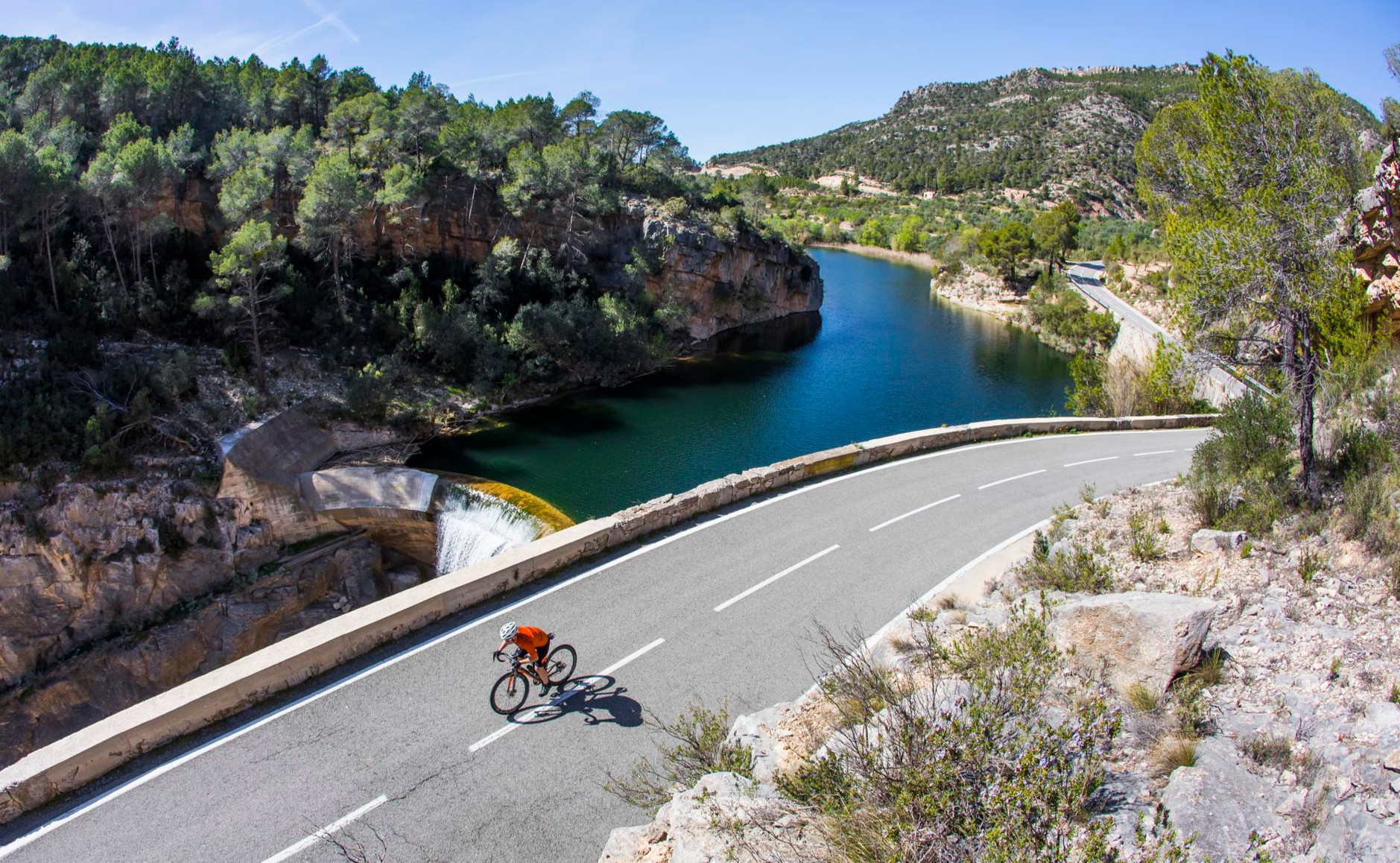
Costa Daurada - Mountains, orchards and monuments by bike
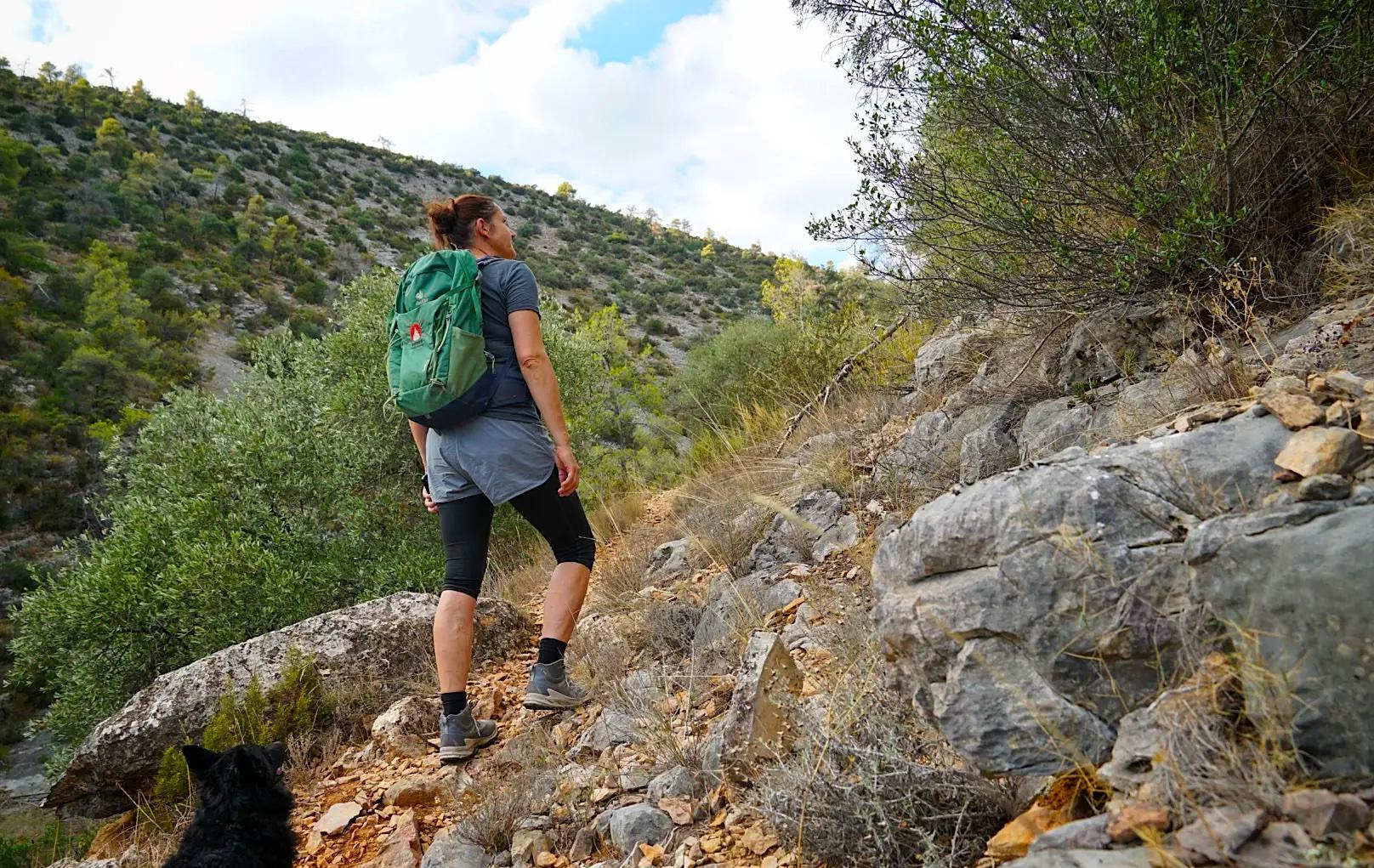
Catalonia's wild south — between sea and mountains
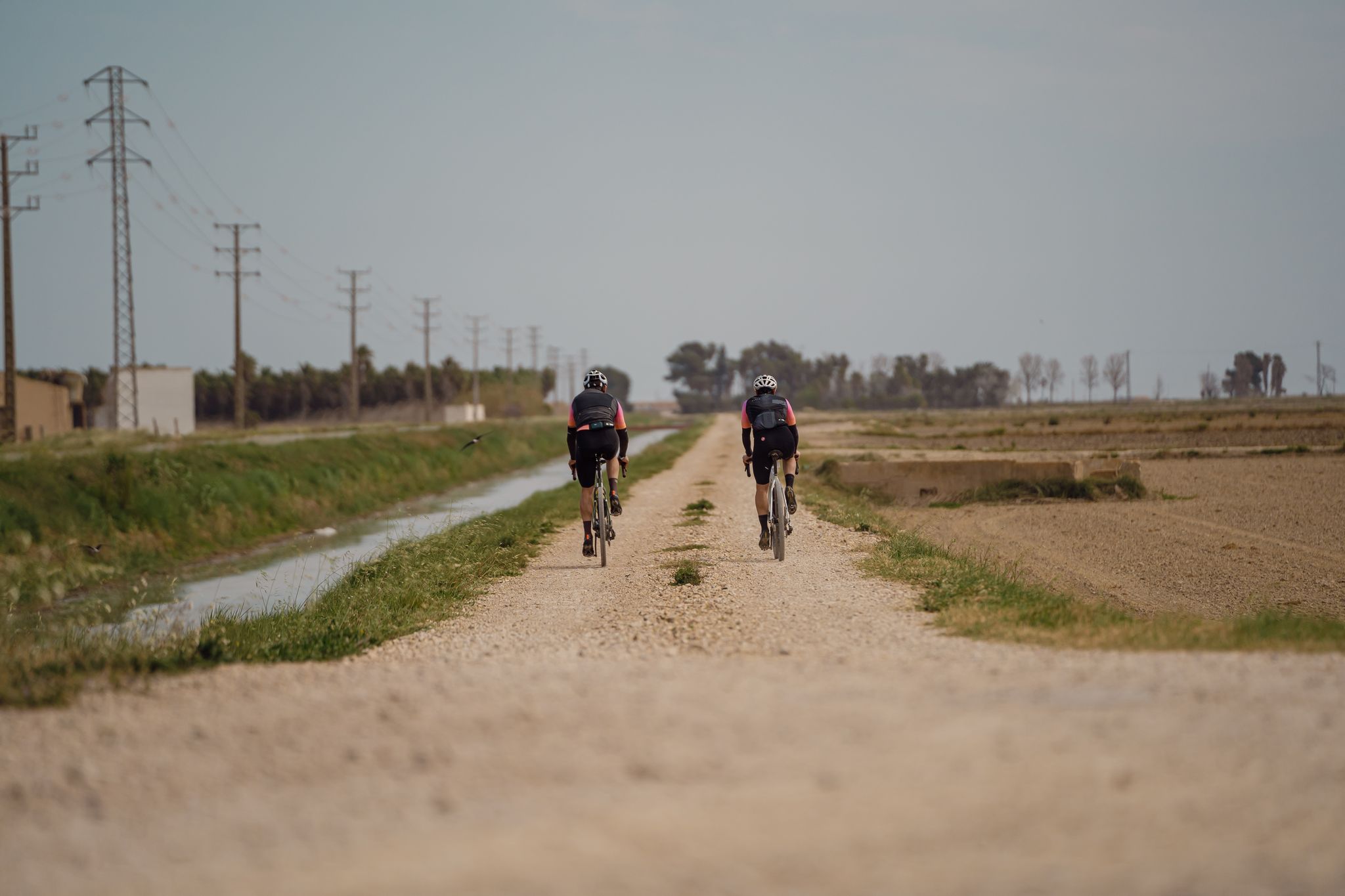
Discover Catalonia on a gravel bike
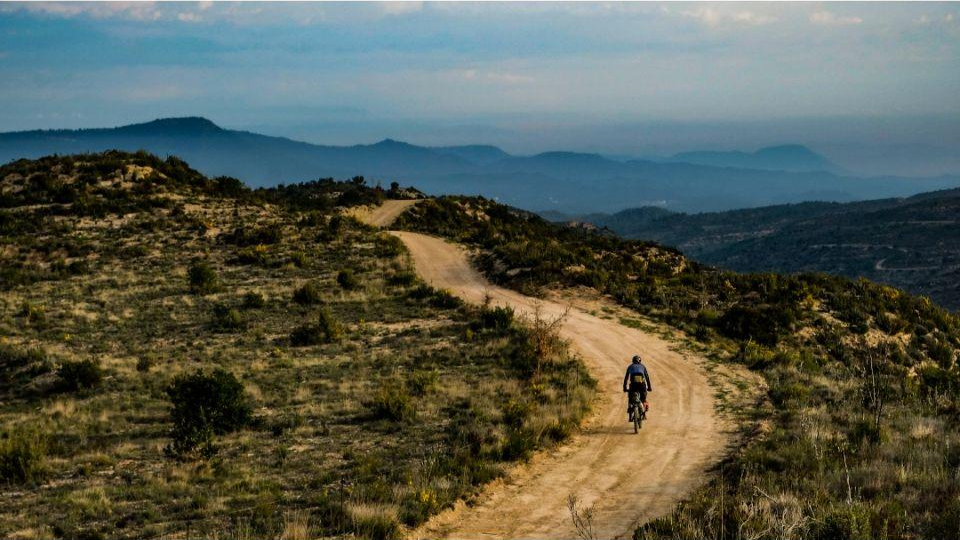
European Divide Trail across the Iberian Peninsula – north
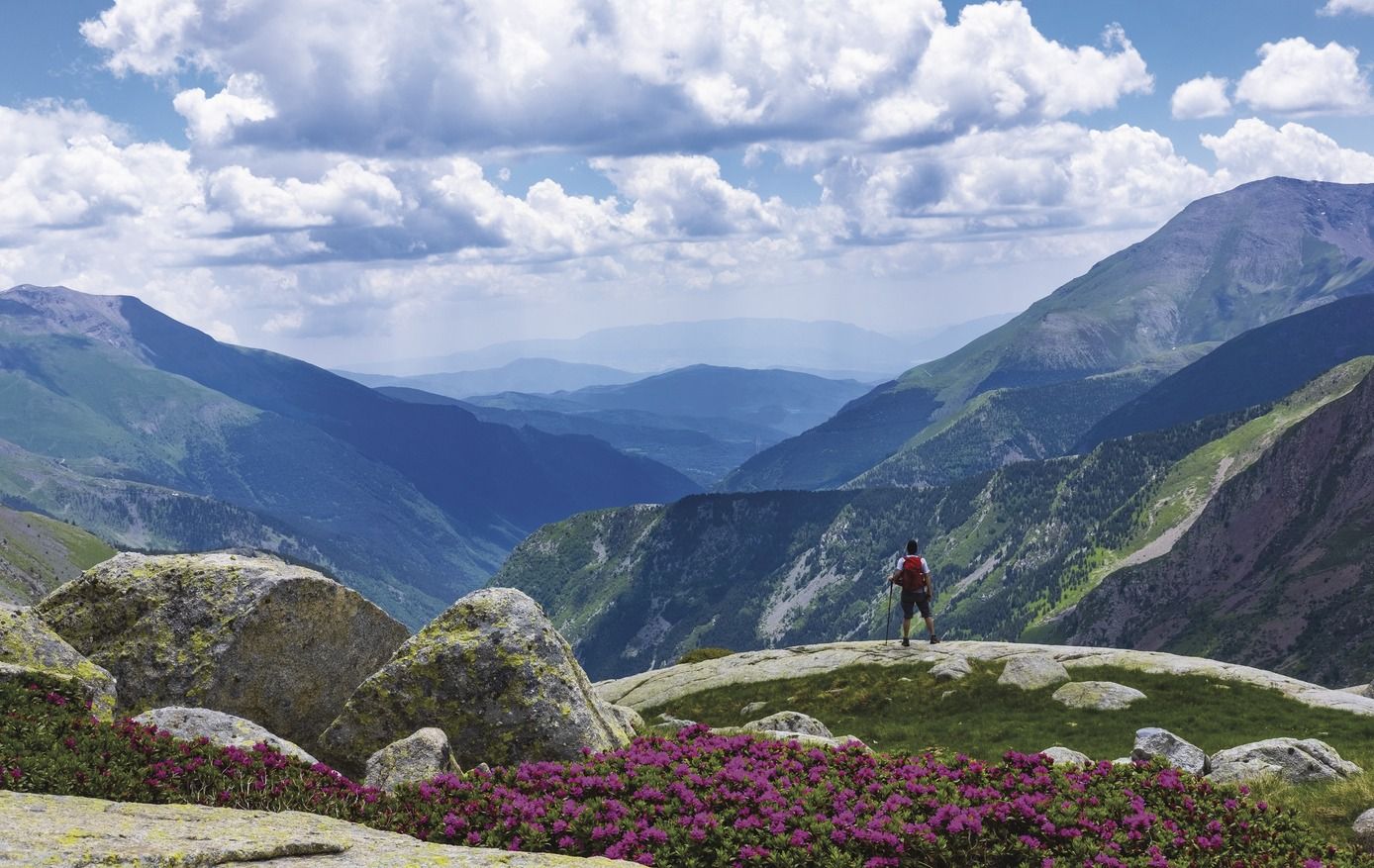
Great Hiking Routes of Catalonia
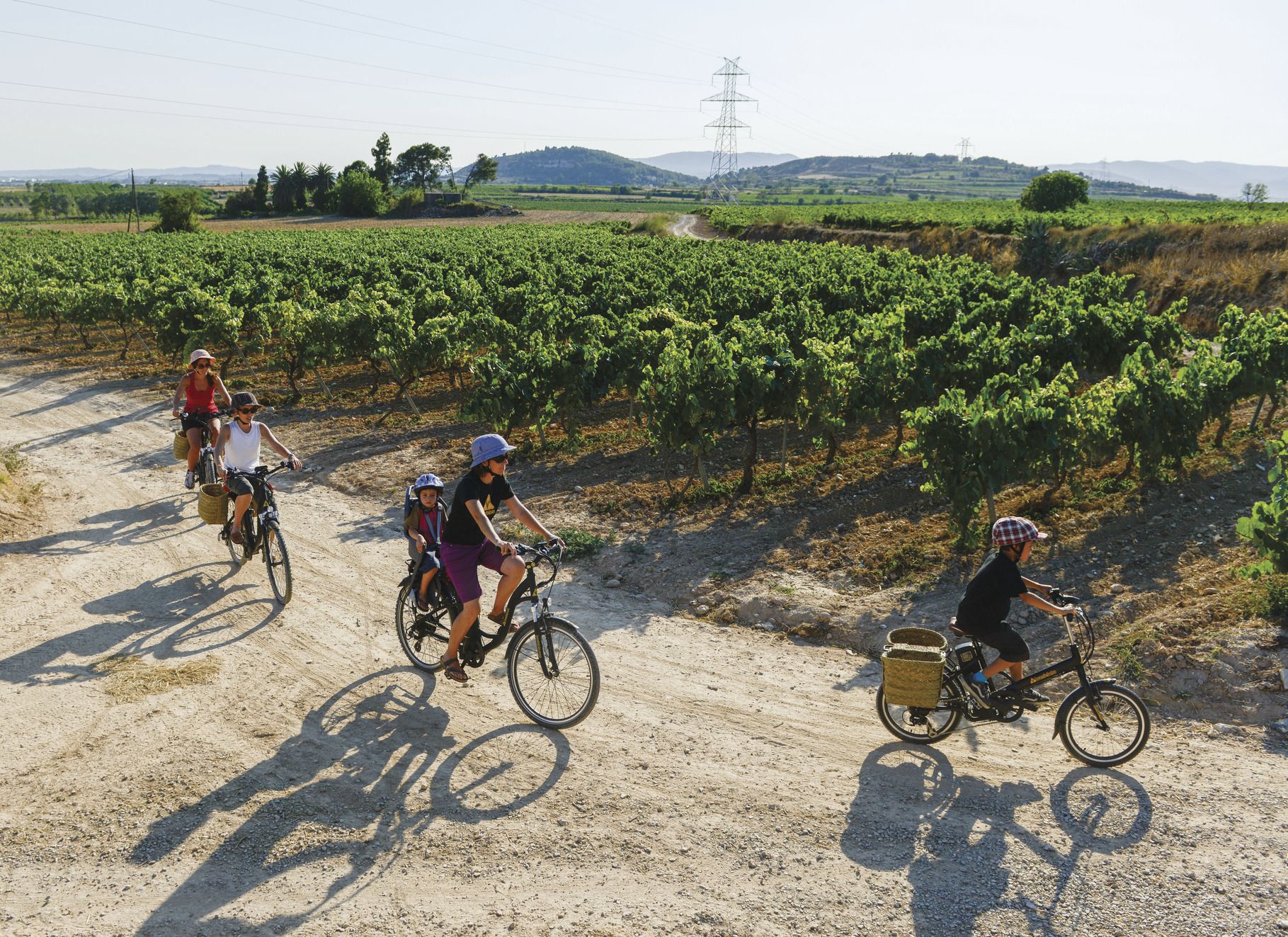
Cycling through Catalonia with your family
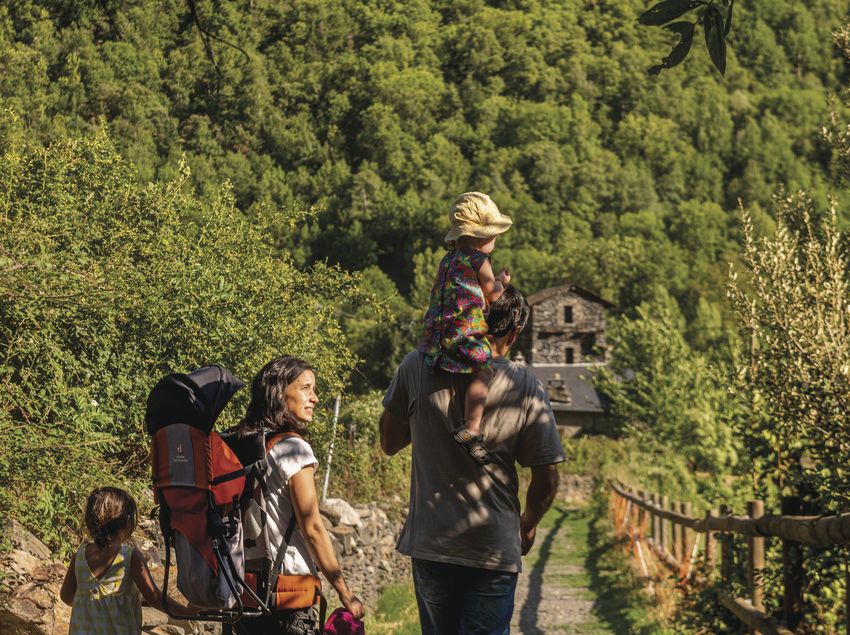
Hike with your family in Catalonia
The Catalan coast on foot – Mediterranean Path (GR 92)
A land of contrasts – Tarragona to the Pyrenees on the GR 7
Other adventures around Baix Camp


Tips from the Community


Old Farmhouse. Ideal to replenish and rest.
0
1

The Selva Castle was for centuries the stately residence of the prefects of Tarragona and the archbishops of the metropolis. It belonged to the Papordia of the archbishop of Tarragona, and was probably built at the end of the 12th century. It was a residence very frequented by the paborde, but it mainly served as a storehouse for nuts and tithes. In 1411 Pope Benedict XIII decreed the abolition of the pabordia and the Castle was administered directly by the Archbishop of Tarragona and in the s. In the 16th century, the building was expanded with residential buildings and an upper floor accessed by a staircase. The action of the Constituent Courts during the Biennium of 1822 ended, in fact, with the lordships. This work was complemented by the confiscation laws of the middle of the 19th century, and thus the Selva Castle would become the property or usufruct of the Town Council. Passing through various users after the ecclesiastical confiscation, the Castle, the town's largest heritage building had become a ruin that the Selvatans have lived with for decades. Finally, in a municipal economic boom, the City Council, entering the new millennium, decided to carry out an ambitious project such as that of restoring the monument and giving it a function of public use in accordance with its identity , a first-rate cultural facility.
0
0

Beautiful historic farmhouse, if you still have water in your bottle drink it here and enjoy life.
14
0

A place with great history, currently only ruins remain, shuttered to prevent their total collapse. Impressive views from the square at the bottom of the ruins of La Mussara.
2
0

From up here you have a beautiful view.
0
0

Beautiful house typical of this area of Reus and characterized by having a tower that can be seen from the outskirts.
0
0

Stately mansion from the early 20th century, made up of the remains of two medieval buildings, the Escornalbou monastery, founded in 1153, and the castle, built on the remains of a Roman fortress. For six centuries this architectural complex formed the barony of Escornalbou, but after the confiscation of Mendizabal it was practically in ruins. In 1911 it was acquired by the philanthropist, diplomat and writer Eduard Toda, who restored it following very personal criteria: some structures were demolished and towers were erected in an "exotic" medieval style. Of the old monastery, only the Romanesque church remains, remains of the chapter house and the structure of the cloister, converted into a viewpoint of the Camp de Tarragona region.
3
1
Frequently Asked Questions
What types of historical fortifications can I explore in Baix Camp?
The Baix Camp region offers a variety of historical fortifications, including unique castle-monasteries, strategic defensive fortresses, and remnants of medieval walled towns. These sites provide a glimpse into the region's rich past and its strategic importance.
Which castles offer the best panoramic views in Baix Camp?
For breathtaking panoramic views, visit Sant Miquel d'Escornalbou Castle and Monastery. Its elevated position provides spectacular vistas of the Tarragona region and the Mediterranean Sea. The cloister, transformed into a garden by Eduard Toda, is a prime spot for enjoying these views.
Are there any castles in Baix Camp that combine monastic and defensive architecture?
Yes, the Sant Miquel d'Escornalbou Castle and Monastery is a unique complex that blends a monastery and a castle. Built on the remains of a Roman fortress, it features a Romanesque church, remnants of a chapter house, and a cloister, showcasing centuries of architectural evolution.
What is the best time of year to visit the castles in Baix Camp?
The best time to visit the castles in Baix Camp is typically during the spring (April-May) and autumn (September-October) months. The weather is generally mild and pleasant for exploring historical sites and enjoying outdoor activities, avoiding the peak heat of summer.
Are there family-friendly castles or historical sites to visit in Baix Camp?
While specific 'family-friendly' categories aren't listed for all castles, sites like Sant Miquel d'Escornalbou Castle and Monastery offer guided visits that can be engaging for families interested in history. The historic center of Montbrió del Camp, with its medieval walled town, also provides an interesting walk for all ages.
Can I find hiking trails near the castles in Baix Camp?
Yes, the Baix Camp region offers various hiking opportunities near its historical sites. For example, you can find easy hikes around Baix Camp, including routes like the 'GR 92: Platja del Torn and Punta de la Rojala Loop' or the 'Mules and Flocks Trail'. You can explore more options in the Easy hikes around Baix Camp guide.
What kind of historical significance does Castell de Vilafortuny hold?
The Castell de Vilafortuny in Cambrils is a medieval castle originally built in the 12th century. It served as a crucial strategic defensive and military fortress against invasions, playing a significant role in Cambrils' medieval past and its defensive heritage.
Are there any challenging castle explorations for experienced hikers?
For those seeking a challenge, La Mola Castle, Colldejou, is a notable site. Komoot users recommend good condition and sturdy, non-slip footwear for its exploration, indicating a more demanding experience.
What do visitors appreciate most about the castles in Baix Camp?
Visitors frequently appreciate the historical depth and the stunning views offered by the castles. Sites like Sant Miquel d'Escornalbou Castle and Monastery are praised for their unique blend of architecture and the panoramic vistas. The historical context and the opportunity to explore well-preserved structures are also highly valued.
Are there cycling routes that pass by or near the castles in Baix Camp?
Yes, the region offers various cycling routes. For instance, you can find road cycling routes around Baix Camp, including challenging loops like 'Riudecanyes Reservoir and Coll de la Teixeta Loop'. More options are available in the Road Cycling Routes around Baix Camp guide and the Cycling around Baix Camp guide.
Can I visit a medieval walled town in Baix Camp?
Yes, the historic center of Montbrió del Camp is a well-preserved example of a medieval walled town (vila closa). Its oldest core, 'La Closa,' still features a medieval tower integrated into the town hall, and the church tower was part of its defenses, offering insight into historical urban planning.
Is there a historical farmhouse among the castles to visit?
Yes, Castell dels Teixells is a historical farmhouse located on the Camino de los Tegells in Cambrils. It is a very well-preserved building that offers a glimpse into the region's agricultural and architectural heritage.
Most popular routes around Baix Camp
Most popular attractions around Baix Camp

Get inspired with the komoot mobile app


Didn’t find what you were looking for?
Explore Baix Camp’s best castles region by region:
Explore more
Looking for the best castles somewhere else? Discover other guides around Baix Camp:
