Top 16 Castles around Caceres
Best castles around Caceres offer a journey through centuries of history in Spain's Extremadura region. The province features a diverse landscape, from plains to hills, often providing strategic locations for its numerous fortifications. These architectural sites reflect a rich heritage of Moorish and Christian influences, showcasing fortified palaces and ancient towers. Visitors can explore these historical landmarks, many of which are integrated into the natural environment.
Best castles around Caceres
- The most popular castles is Historic Centre of Cáceres,…
Last updated: June 26, 2026
Historic center of Cáceres
Highlight • Historical Site
Translated by Google •
Tip by

Montánchez Castle
Highlight • Castle
Translated by Google •
Tip by

Sign up now to discover places like this
Get recommendations on the best single tracks, peaks, & plenty of other exciting outdoor places.
Sign up for free
Palace and Tower of the Storks
Highlight • Castle
Translated by Google •
Tip by
Palace of the Golfines de Abajo
Highlight • Historical Site
It has one of the most beautiful facades in Cáceres, uniting different …
Translated by Google •
Tip by
Cáceres Old Town (UNESCO World Heritage Site)
Highlight • Historical Site
Translated by Google •
Tip by
Torre de Bujaco
Highlight • Monument
Translated by Google •
Tip by
Carvajal Palace
Highlight • Historical Site
Its main façade follows the typology of …
Translated by Google •
Tip by
Palace of the Marquises of Torreorgaz
Highlight • Historical Site
Translated by Google •
Tip by
Palacio de los Golfines de Arriba
Highlight • Historical Site
Translated by Google •
Tip by
Castillo de Las Arguijuelas de Abajo
Highlight • Castle
Translated by Google •
Tip by

Sign up for free to discover even more castles around Caceres.
Sign up for free
Already have an account?
Start today with a free account
Your next adventure awaits.
Login or Signup
Popular around Caceres
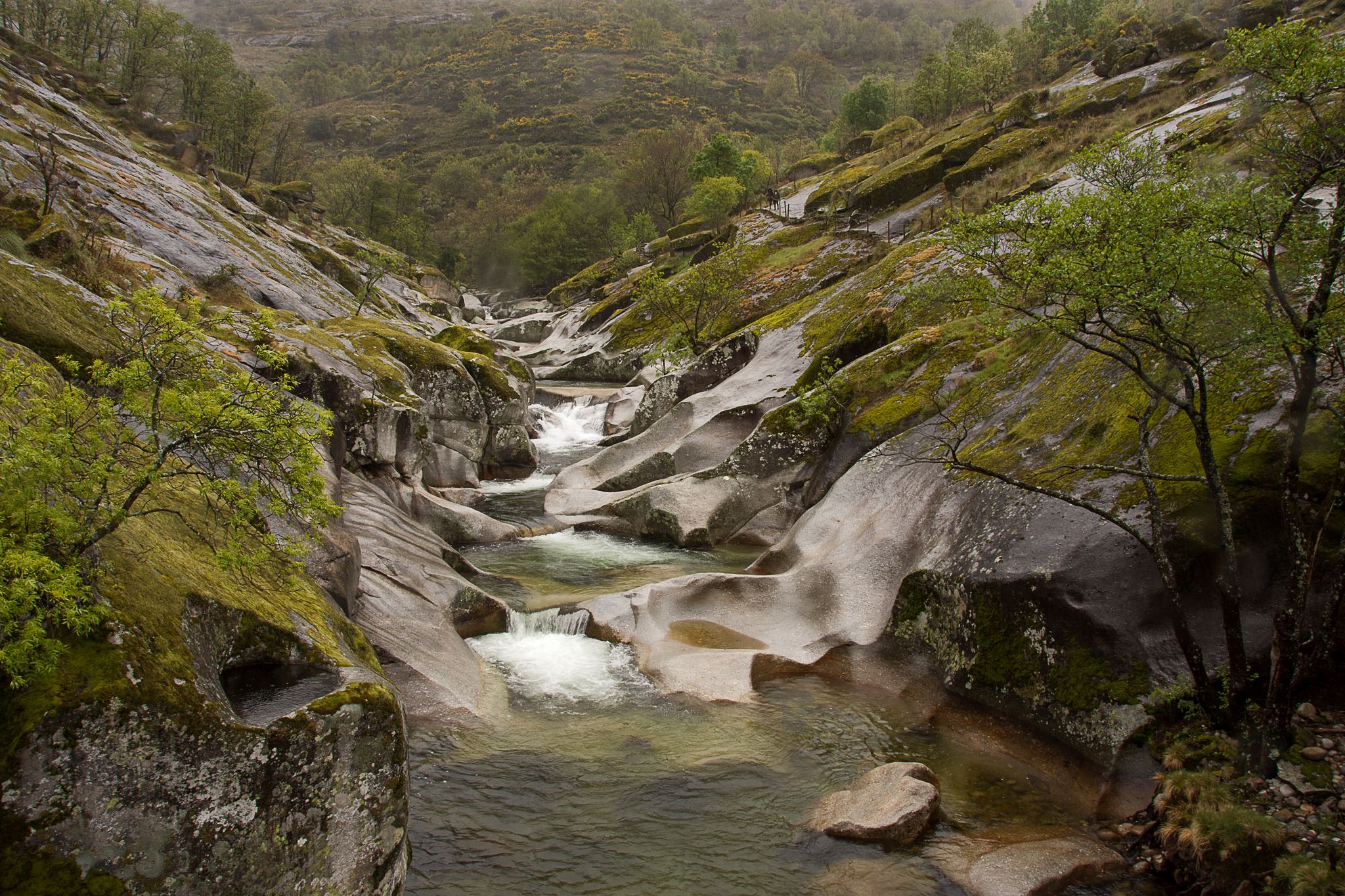
Six routes to discover Extremadura on foot
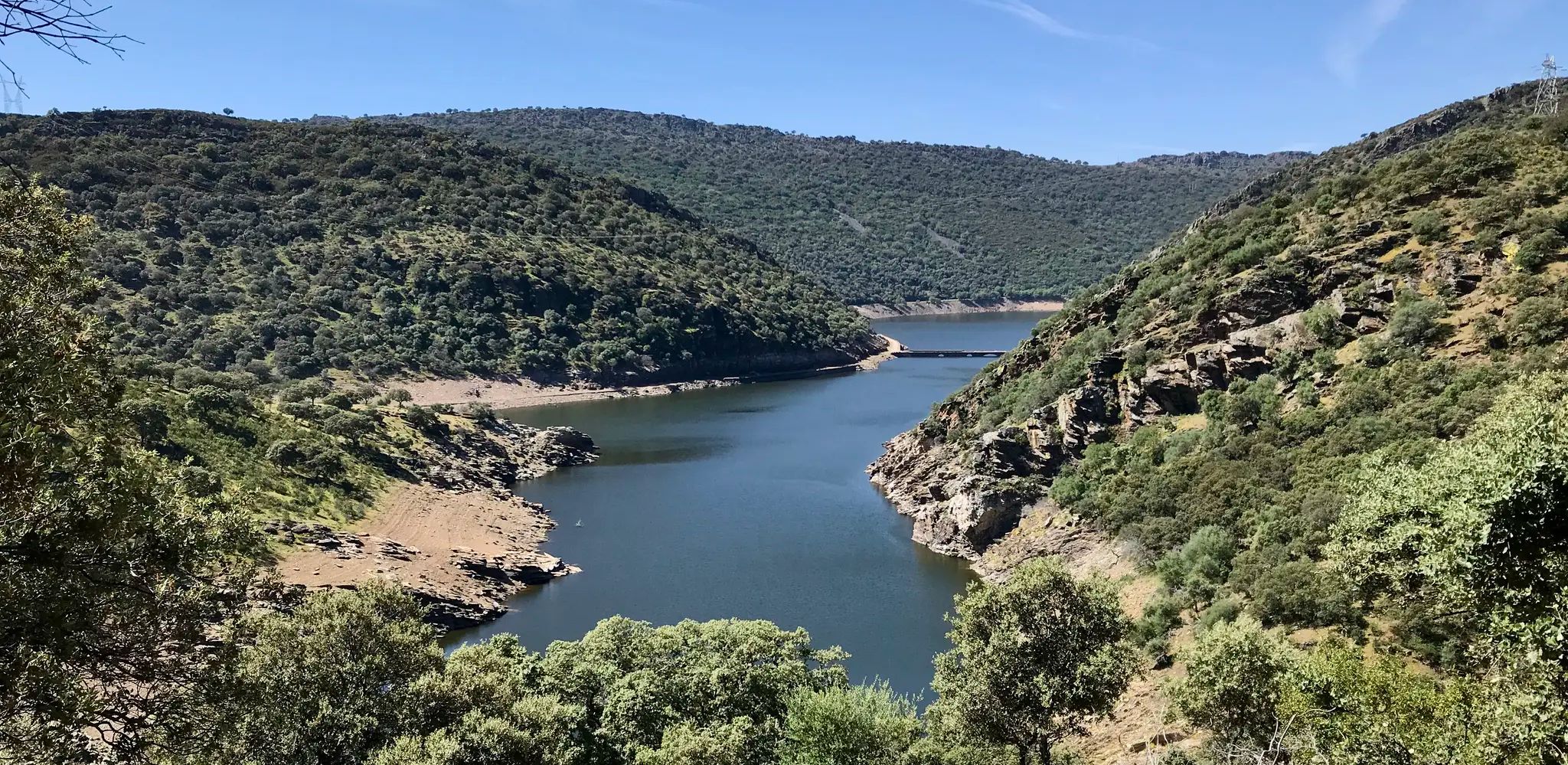
Toledo to Cedillo – Camino Natural del Tajo West
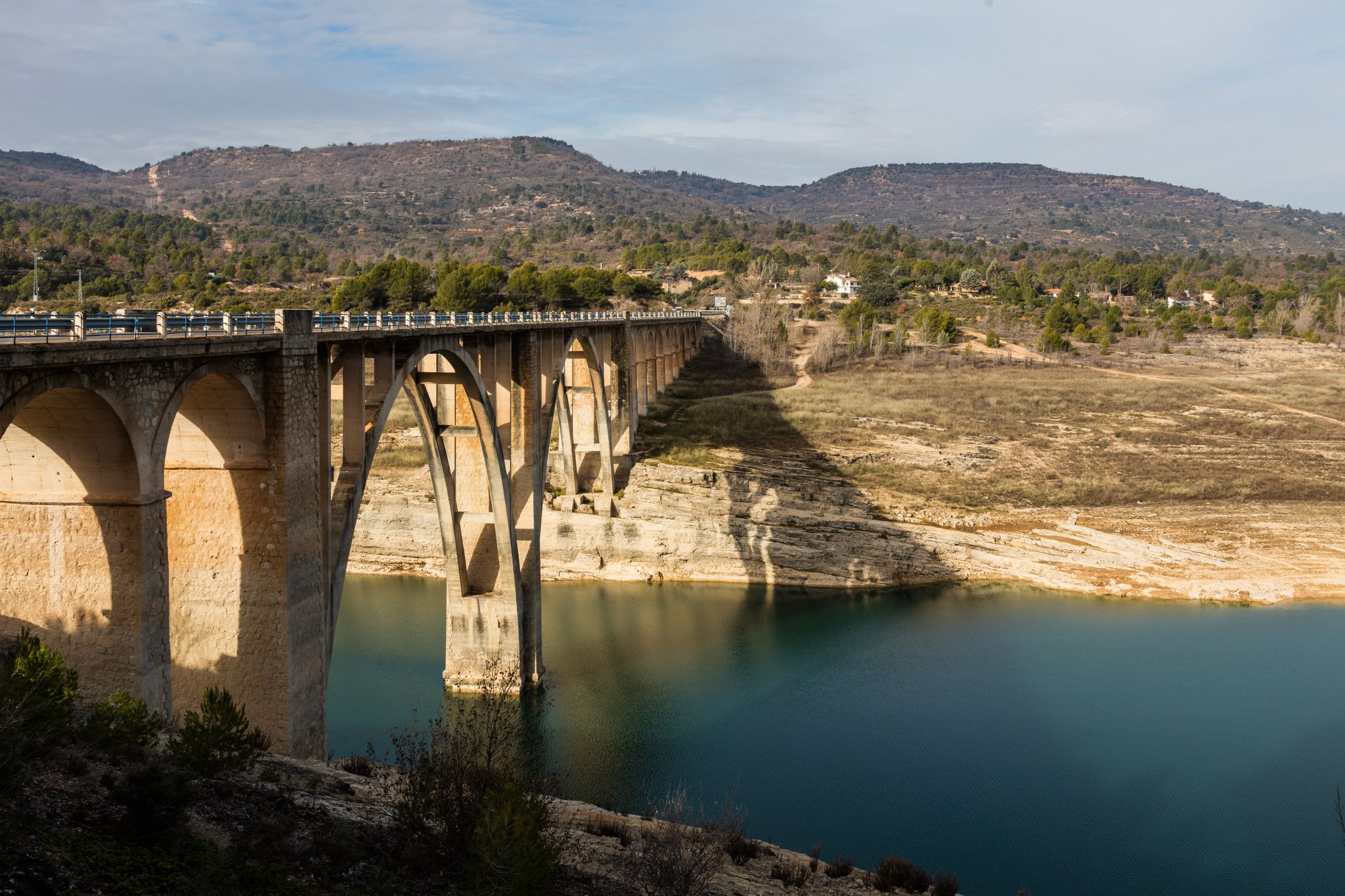
A journey on the Iberian Peninsula – Tagus Nature Trail
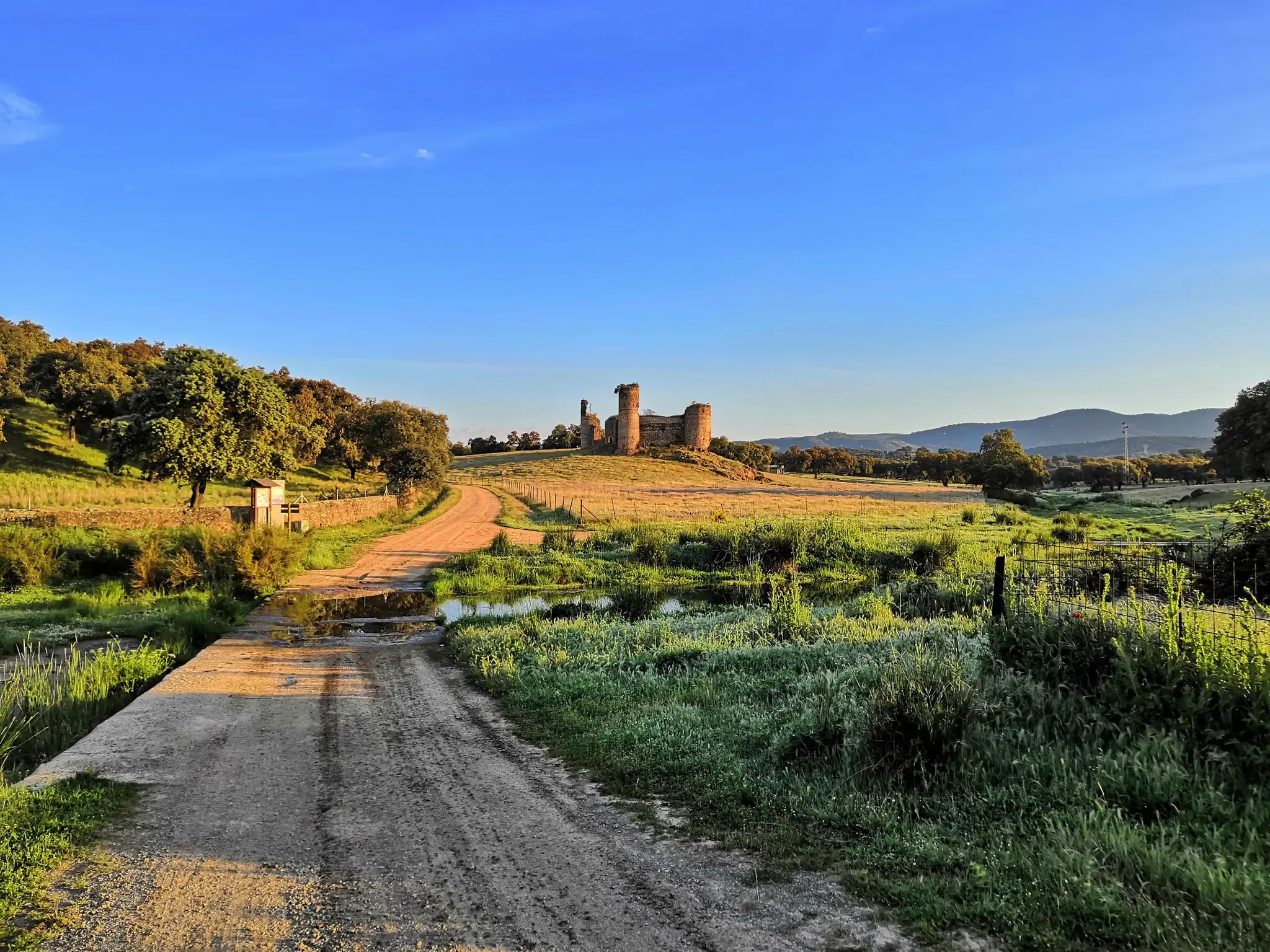
A romantic journey in the footsteps of the Romans – Via de la Plata
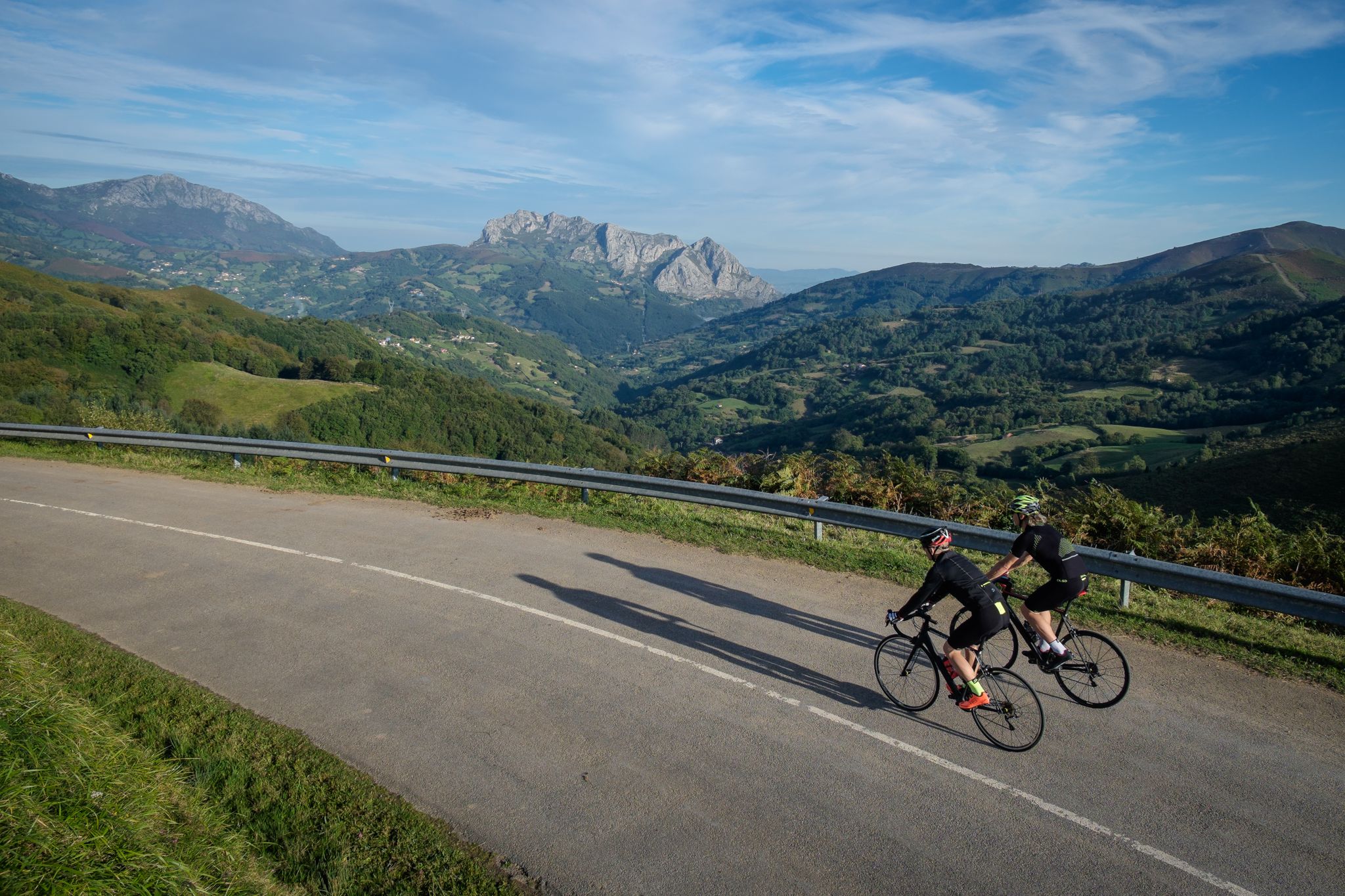
Explore Spain’s monuments and landscapes – cycle the Via de la Plata
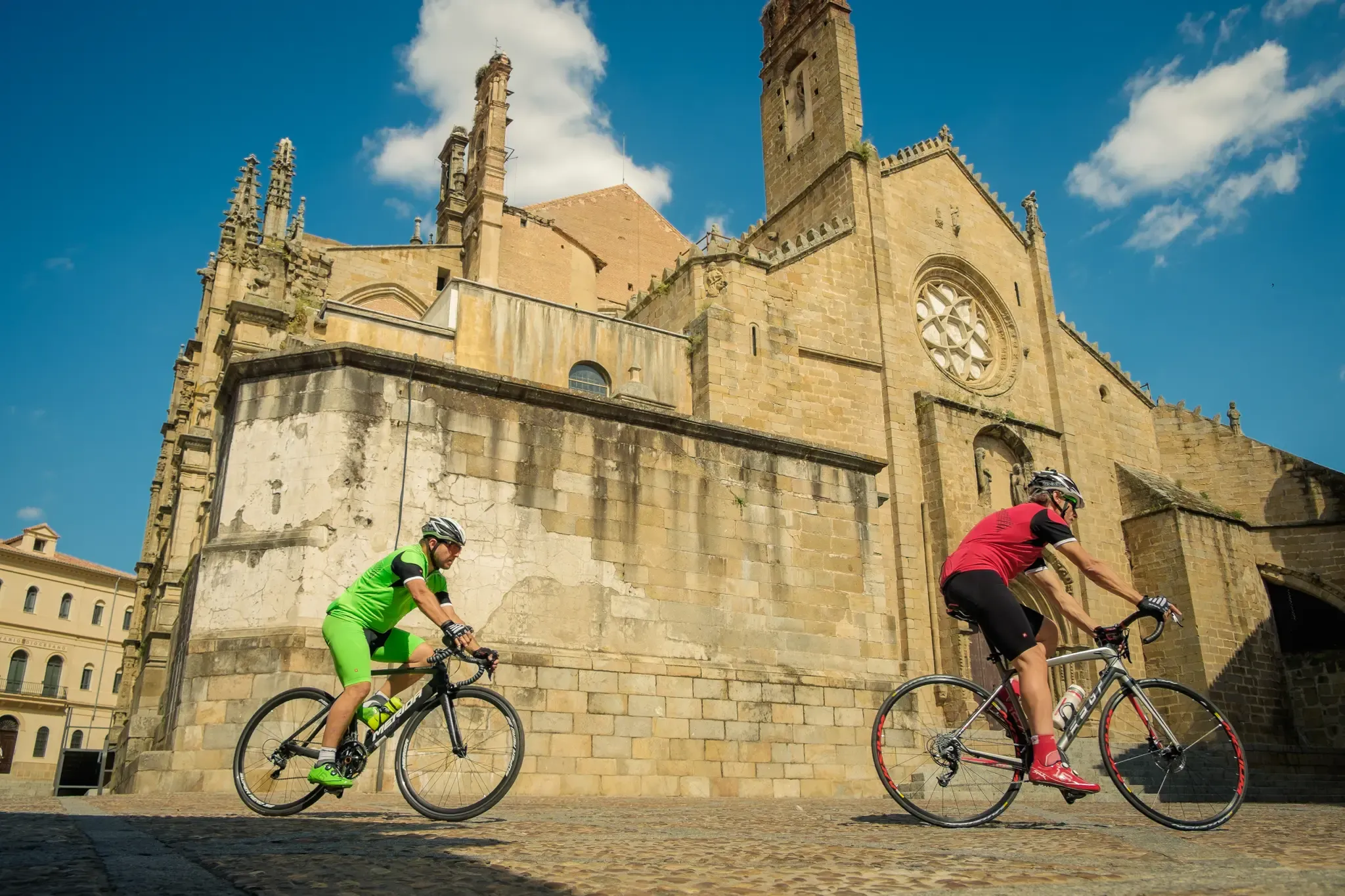
Vía de la Plata – from Seville to Gijón by bike
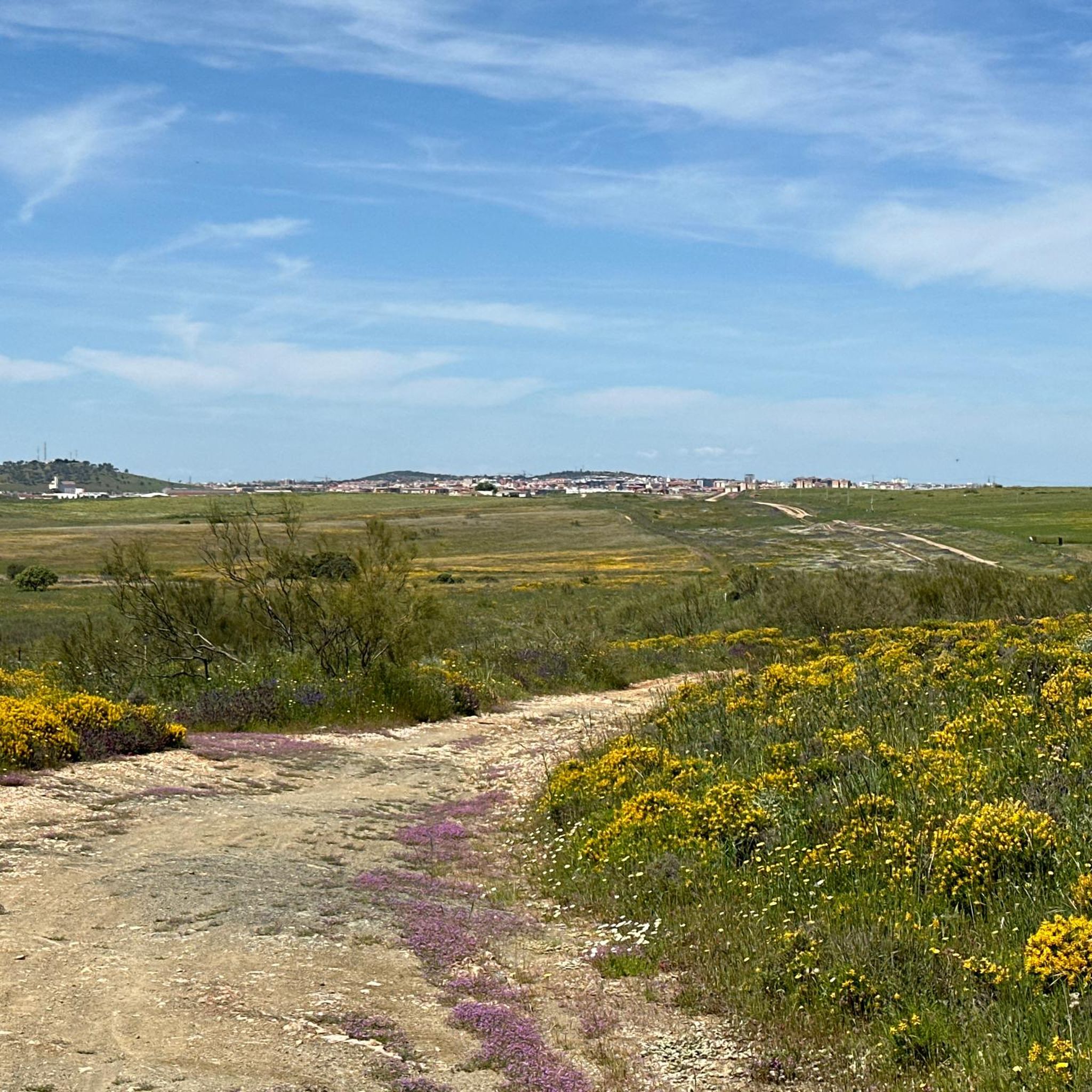
Running Trails around Caceres
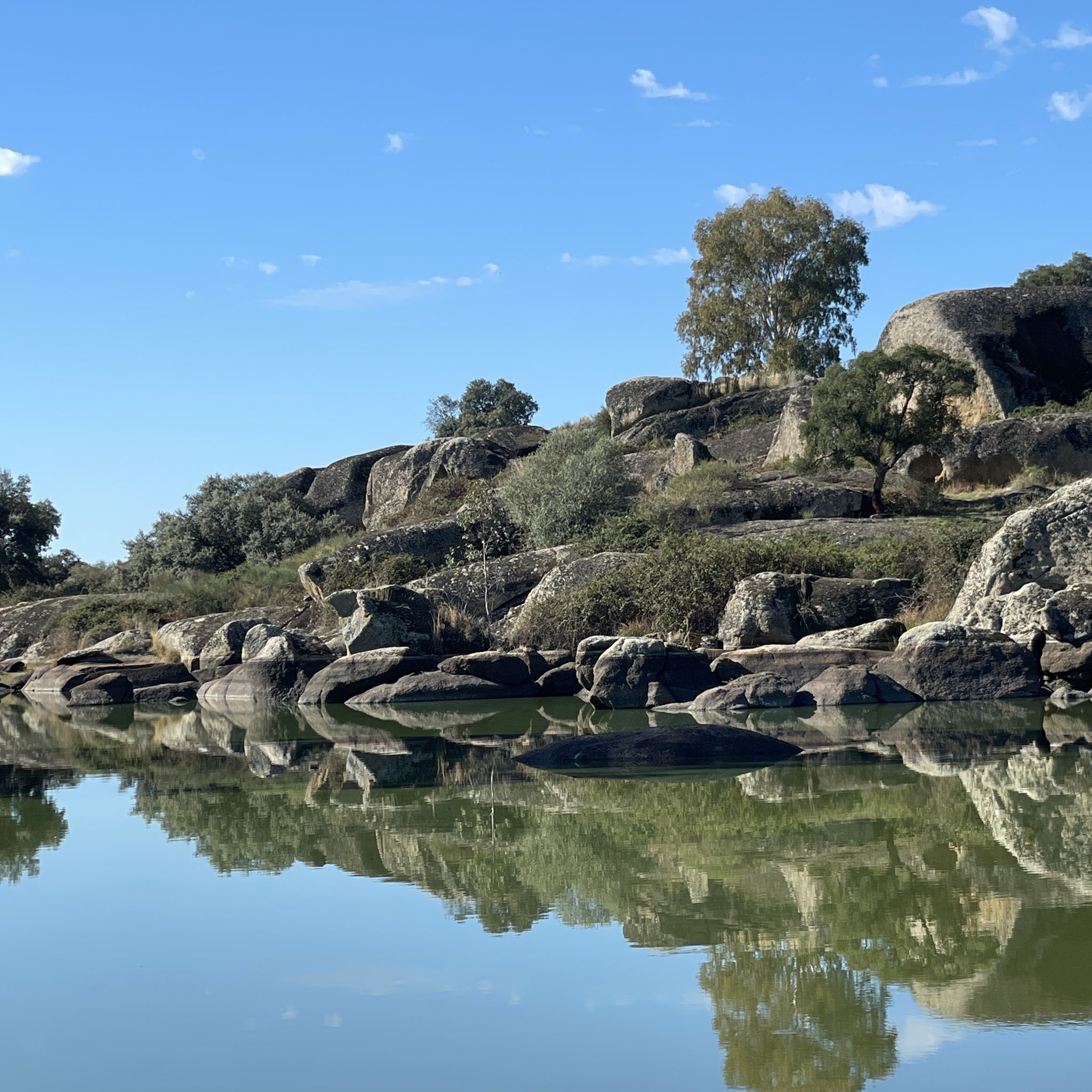
Cycling around Caceres
MTB Trails around Caceres
Road Cycling Routes around Caceres
Other adventures around Caceres


Tips from the Community

To enjoy all the beauty, walk to the parador in the former, fourteenth-century palace of the marquises of Torreorgaz, truly magnificent. The restaurant serves good local dishes.
3
0

It is located atop a hill in the Sierra de Montánchez, also known as the "balcony of Extremadura," at an altitude of approximately 700–900 meters above sea level. Founded on the site of an earlier Roman fortress, its main structure dates back to the Caliphate period of the 9th century (Almohad era). It preserves three underground cisterns built between the 11th and 13th centuries. Captured around 1156–1230, it passed to the Order of Santiago after being granted by Alfonso XI. Walls, a keep, and defensive enclosures were added. 17th century: A hermitage and an interior pond were added. In 1620, it served as a prison for Don Rodrigo Calderón.
1
0
The historic center of Cáceres, declared a UNESCO World Heritage Site, is one of the most impressive monumental complexes in Spain. Walking through its cobbled streets is like traveling to the Middle Ages, thanks to its excellent state of preservation and the absence of modern buildings that alter its aesthetics.
14
1
Walking anywhere along its narrow cobblestone streets is like traveling back in time. You'll find yourself surrounded by mansions, Renaissance palaces, and churches crowned with stork nests, and you'll understand why Cáceres is a World Heritage City. Get your camera ready to photograph one of Spain's most beautiful historic centers.
8
0
Being able to walk anywhere through its narrow cobbled streets is like traveling to another era. You will be surrounded by mansions, Renaissance palaces and churches crowned with stork nests and you will understand why Cáceres is a World Heritage City. Prepare your camera to photograph one of the most beautiful historic centers in Spain.
14
1
It is the largest palace in the Monumental City, since it occupied the space of almost twenty houses. It has one of the most beautiful facades in Cáceres, uniting different architectural styles: Gothic, Renaissance and Plateresque. Alfiz, mullioned windows, shields, cartouches, medallions in the classical style and a finishing of facing griffins, similar to that of the Monterrey Palace in Salamanca, have made this building one of the most significant and reproduced in multiple supports (painting, photography, films …). On the main façade we see a twin window with a semicircular arch and marble mullion, with an Ionic capital, and above it, the coat of arms of the Catholic Monarchs. Below the window, the Golfines shield held by two angels and a laurel with the inscription “Fer de Fer”, this gives us to understand that this palace was the place chosen by the Catholic Monarchs to stay when they visited Cáceres in 1480.
33
0
It was initially built on a Roman-era construction, of which recently, during the restoration, some Roman archaeological remains have been found. Stately mansion of a family that founded an important mayorazgo, the first in the province and one of the oldest in Spain, hence the name of the palace. The building presents various construction phases: the side façade and the patio are Gothic in style; Its main façade dates from the late 15th and early 16th centuries. It features two beautiful mullioned windows with a central marble mullion and the family coat of arms. Under the shield there is an inscription that says: “Be your Lord for us a tower of strength and our youth will be renewed like that of the eagle”, which refers to the coat of arms of this family, half eagle and half tower. The façade is renovated, as it was destroyed by a bomb that fell in the Plaza de Santa María during the Spanish Civil War, in 1937.
21
0
It is a construction of Arab origin and built on Roman ashlars. It stands within the defensive fence of the monumental city of Cáceres. It is 25 meters high and has a square floor plan. It appears topped by a ring of battlements, two lateral machicolations and one frontal one, which was added in the 18th century. On the western side, facing the Plaza Mayor, is the small balcony of the Fueros, from the 16th century.
30
0
Frequently Asked Questions
What historical periods do the castles and fortifications around Cáceres represent?
The castles and fortifications in the Cáceres province offer a journey through centuries of history, reflecting a rich heritage of Moorish and Christian influences. Many structures, like the Montánchez Castle, have origins dating back to Roman times, with significant additions during the Almohad occupation and subsequent Christian Reconquest. Others, such as the Torre de Bujaco, are Almohad in origin, built on Roman foundations, showcasing the region's layered past.
Are there any castles or historical towers within Cáceres city that I can visit?
Yes, the historic center of Cáceres, a UNESCO World Heritage site, features several significant historical structures. You can climb the Torre de Bujaco for panoramic views of the city. The Palace and Tower of the Storks also offers a unique history and views from its distinctive tower. Additionally, the Palace of the Golfines de Abajo provides a glimpse into aristocratic life with its well-preserved rooms and collections.
Which castles offer the best panoramic views of the Extremaduran landscape?
For breathtaking panoramic views, consider visiting Monfragüe Castle, located within the Monfragüe National Park. It offers an exceptional vantage point over the Tagus River and surrounding dehesas, making it ideal for birdwatching. Castillo de Trujillo also provides magnificent views of the Extremaduran plains from its ramparts, especially stunning at sunset.
Are there family-friendly castles to visit in the Cáceres region?
Many historical sites in Cáceres are suitable for families. The Historic Centre of Cáceres, with its cobblestone streets and ancient architecture, is a fascinating place for all ages to explore. The Torre de Bujaco and the Palace of the Golfines de Abajo are also listed as family-friendly highlights, offering engaging experiences for younger visitors.
What natural features can I expect to see near the castles?
The castles are often integrated into the natural environment. Monfragüe Castle, for instance, is situated within the Monfragüe National Park, known for its rich biodiversity and the Tagus River. Montánchez Castle is located atop a hill in the Sierra de Montánchez, offering views of the surrounding landscape. The region's plains and dehesas (woodlands) are common natural backdrops.
What outdoor activities can I do near the castles around Cáceres?
The region around Cáceres offers various outdoor activities. You can find numerous routes for gravel biking, cycling, and running. For example, there are gravel biking routes like the 'Guadiloba Reservoir – Guadiloba River loop' and cycling routes such as 'Malpartida de Cáceres from Cáceres'. Running enthusiasts can explore trails like the 'Urban route of Cáceres' or the 'Mining and Hermitages Route'. You can find more details on these activities in the Gravel biking around Caceres, Cycling around Caceres, and Running Trails around Caceres guides.
When is the best time to visit the castles in Cáceres?
The best time to visit the castles around Cáceres is generally during the spring (March to May) and autumn (September to November). During these seasons, the weather is milder and more pleasant for exploring historical sites and enjoying outdoor activities. Summers can be very hot, while winters are cooler but still offer good opportunities for exploration, especially if you prefer fewer crowds.
Are there any less crowded castles or historical sites to explore?
While popular sites like the Historic Centre of Cáceres attract many visitors, you might find a more tranquil experience at places like Castillo de Mirabel. Its ruins offer attractive views and historical significance, often with fewer crowds. The Floripes Tower and Carvajal Palace also offer historical interest within the city, potentially providing a quieter visit compared to the main attractions.
What do visitors enjoy most about the castles and historical sites in Cáceres?
Visitors frequently highlight the immersive historical experience. Strolling through the narrow cobblestone streets of the Historic Centre of Cáceres is often described as traveling back in time. The well-preserved architecture, the blend of Moorish and Christian influences, and the panoramic views from sites like the Torre de Bujaco are consistently praised. Many appreciate the opportunity to explore ancient fortresses and palaces that showcase the region's rich past.
Can I find accommodation near the castles in the Cáceres region?
Yes, there are various accommodation options available. Within Cáceres city, you can find hotels and guesthouses, including the Parador de Cáceres, which is housed in the Palace of the Marquises of Torreorgaz. For those looking to stay closer to specific castles outside the city, there are rural accommodations and even unique stays like Castillo de Las Arguijuelas de Abajo, which now serves as a hotel and event space.
Are there any castles that were used as filming locations?
Yes, Castillo de Trujillo is famously known for its dungeons and ramparts being used as a filming location for the popular series "Game of Thrones." This adds an extra layer of interest for visitors who are fans of the show.
What kind of architectural styles can I expect to see?
The castles and historical buildings in Cáceres showcase a diverse range of architectural styles, reflecting their long history. You'll find strong influences from Moorish architecture, such as horseshoe arches and defensive structures, alongside Christian additions from the Reconquest, including Gothic and Renaissance elements. Many palaces within Cáceres city feature ornate Plateresque facades and traditional courtyards.
Most popular routes around Caceres
Most popular attractions around Caceres

Get inspired with the komoot mobile app


Didn’t find what you were looking for?
Explore Caceres’s best castles region by region:
Explore more
Looking for the best castles somewhere else? Discover other guides around Caceres:
