Top 11 Lakes around Vegas
Best lakes around Vegas offer diverse aquatic environments within a desert landscape. While the region is known for its arid climate, surrounding areas feature both natural and man-made lakes, providing varied recreational opportunities. These water bodies range from large reservoirs to smaller, ecologically significant wetlands. The landscape often includes desert ecosystems, canyons, and unique geological formations.
Best lakes around Vegas
- The most popular lakes is Birdwatching Hide at San Juan Lagoons, a viewpoint and lake that offers a perfect…
Last updated: June 26, 2026
Laguna Seca de las Esteras
Highlight • Lake
Translated by Google •
Tip by

Birdwatching Hide at San Juan Lagoons
Highlight • Viewpoint
Translated by Google •
Tip by

Sign up now to discover places like this
Get recommendations on the best single tracks, peaks, & plenty of other exciting outdoor places.
Sign up for free
Chinescos Pond
Highlight • Lake
It is an artificial lake with three islets where …
Translated by Google •
Tip by

Laguna de San Juan
Highlight • Lake
Translated by Google •
Tip by

Jarama River in the Southeast Regional Park
Highlight • River
Translated by Google •
Tip by

Bird Observatory of the Laguna del Tajuña
Highlight • Lake
Translated by Google •
Tip by
Charcón Grande and Charca Rosa
Highlight • Lake
Translated by Google •
Tip by
Tierno Galván Gravel Pit Lagoon
Highlight • Lake
Translated by Google •
Tip by

Laguna de San Galindo
Highlight • Lake
Translated by Google •
Tip by
Start today with a free account
Your next adventure awaits.
Login or Signup
Popular around Vegas
A gravel bike adventure between Madrid and Valencia
A family ride through Las Vegas de Madrid in Spain – Tajuña Greenway
Madrid’s mediaeval castles and hidden gems by gravel bike

Ports, countryside and rivers – Tour of Madrid by road bike
Albarracín to Toledo – Eastern Tagus Nature Trail
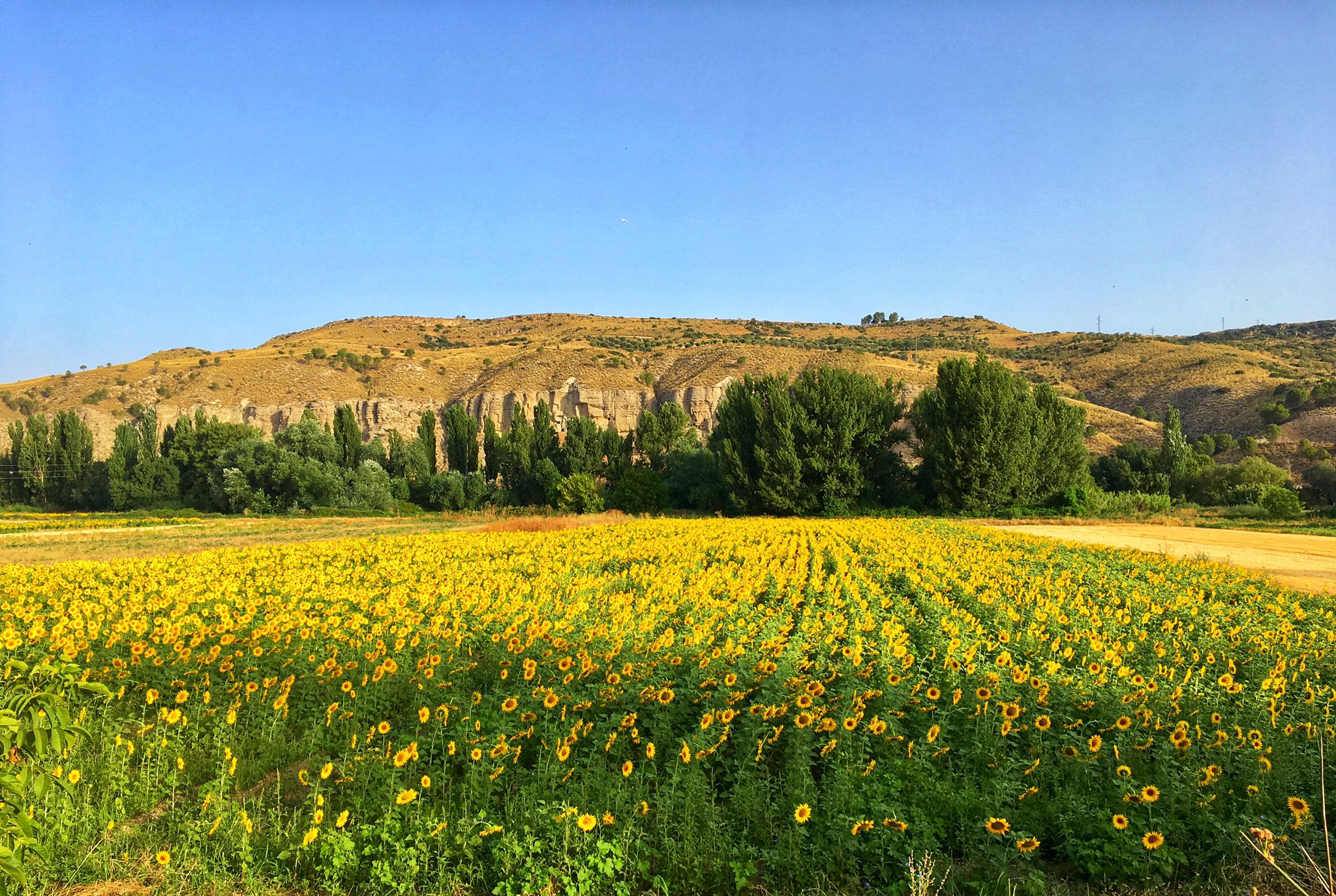
Palaces, rivers and fields — Las Vegas de Madrid gravel tour
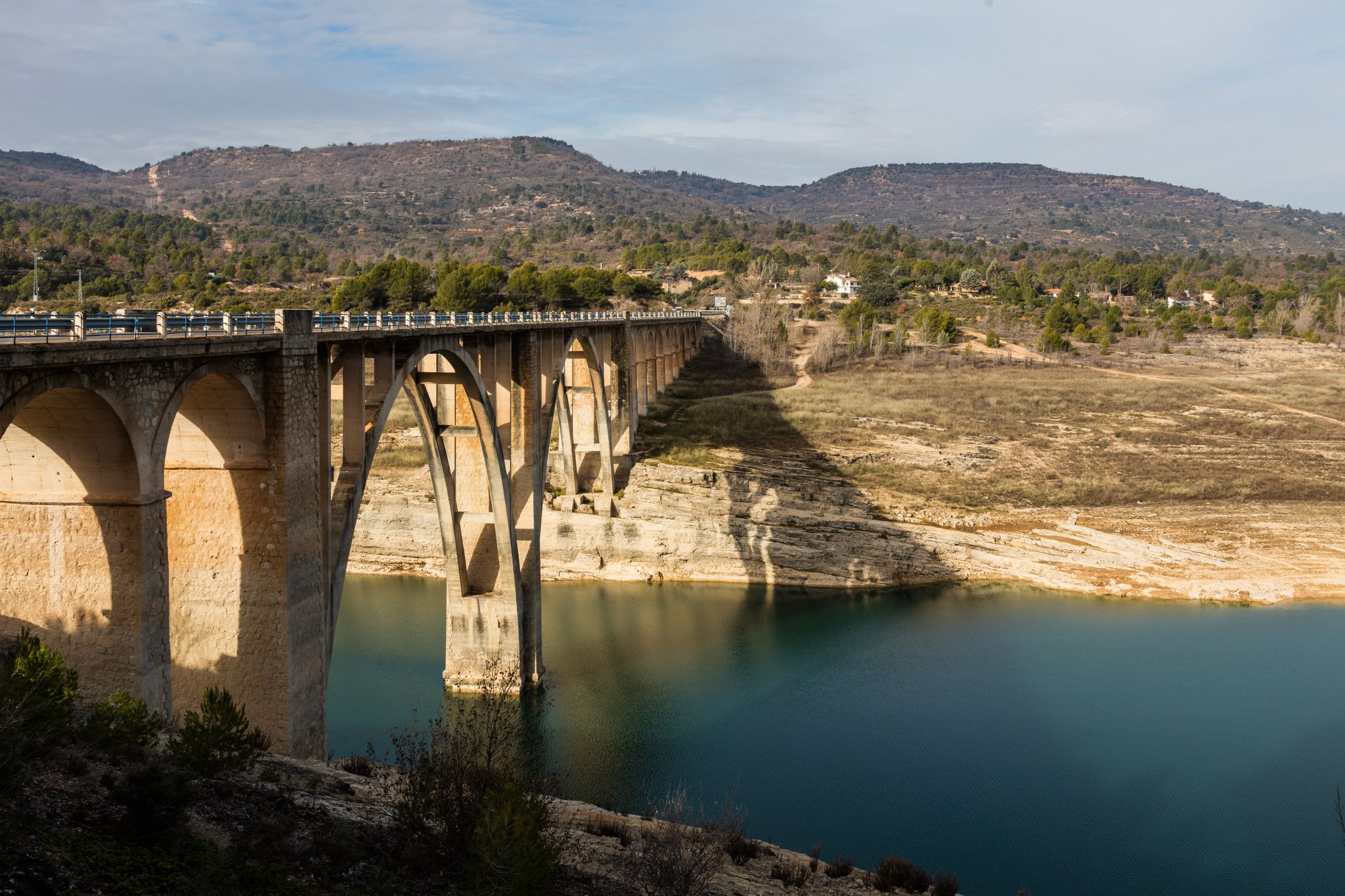
A journey on the Iberian Peninsula – Tagus Nature Trail
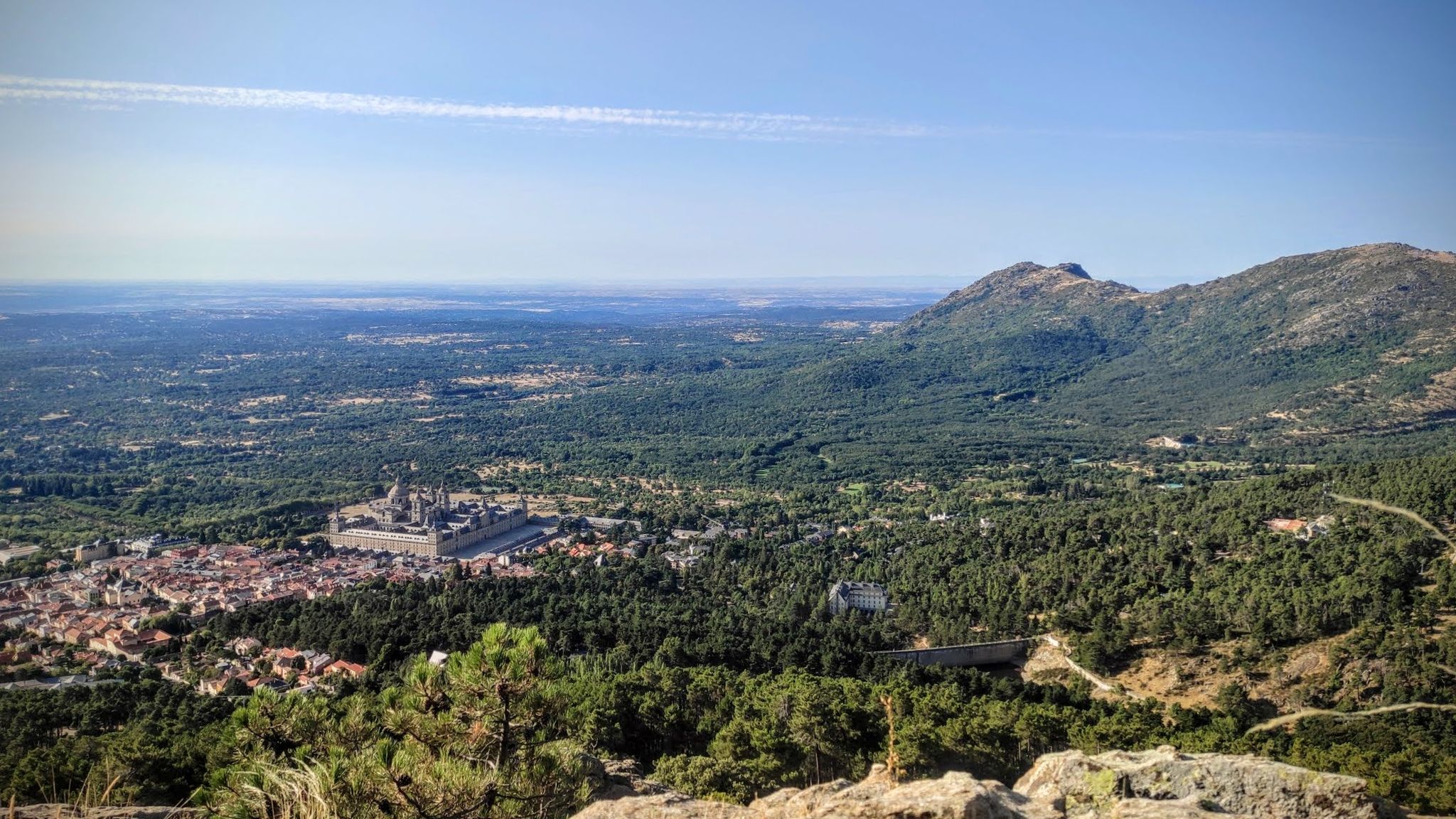
Sierras, countryside, reservoirs and history – Tour of Madrid gravel
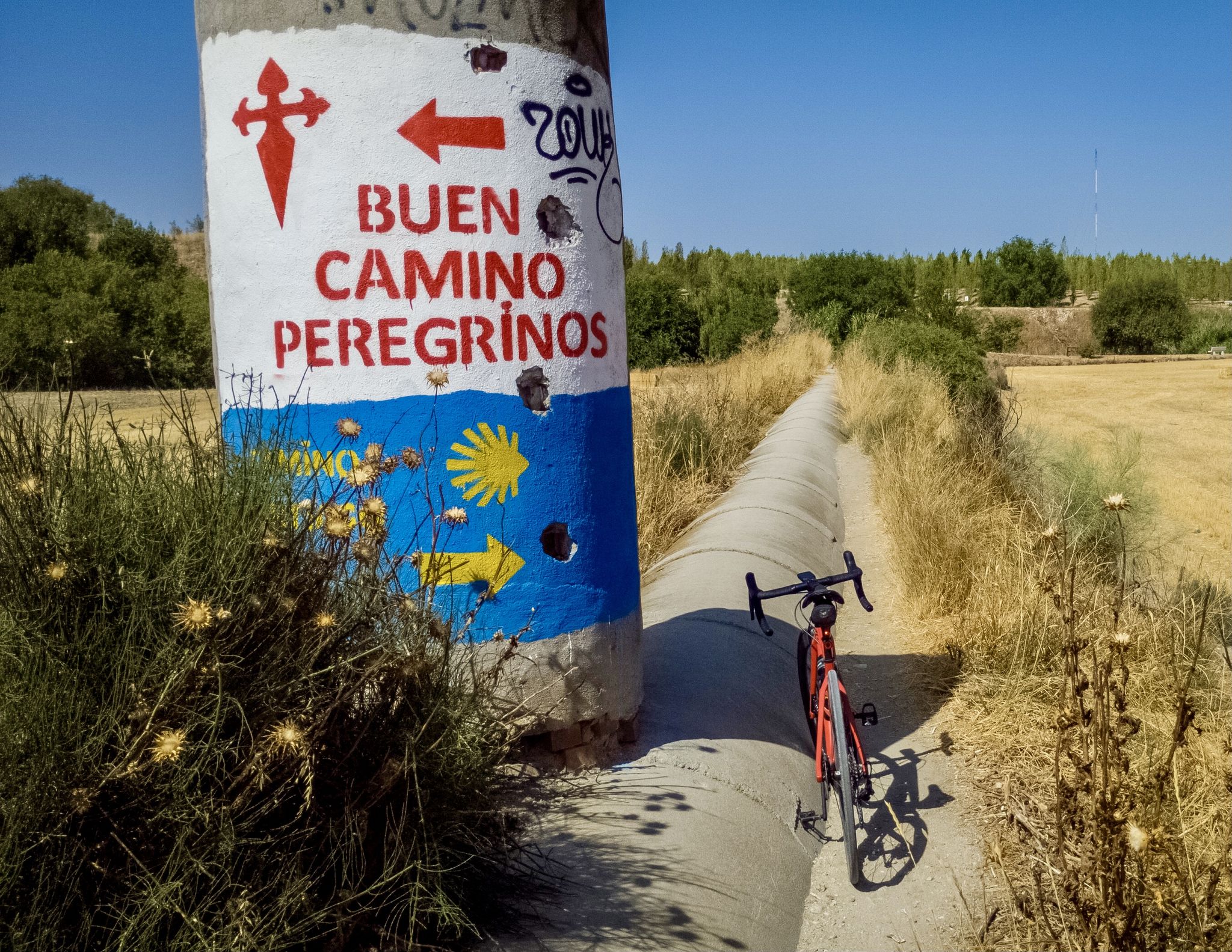
Cycle in the footsteps of the Order of Saint James — Uclés Way in Spain
Road Cycling Routes around Vegas
Other adventures around Vegas


Tips from the Community

The Tierno Galván Park, in San Martín de la Vega, houses an old gravel pit surrounded by interesting vegetation, which belongs to the Jarama wetlands, within the Southeast Regional Park.
0
0

The lower basin of the Jarama River is the river axis that links the main elements of the Regional Park of the Southeast. The rich alluvial plains hide 132 artificial lagoons that are authentic distributors of exclusivity and biological diversity. The origin of these valuable wetlands is the extraction of aggregates in the open air, digging enormous holes until breaking the water table and causing the flooding of the gravel pit with water from the river basin. In a short time, the banks of these particular artificial ponds are covered with rushes, reeds, cattails, tamarisks, willows, ash trees and elms, developing leafy belts of marsh vegetation that constitute a magnificent habitat for different groups of aquatic birds, reptiles and amphibians. The gypsum cliffs are also an indispensable environmental element to delve deeper into the surprising natural wealth of the regional park and enrich the aesthetic quality of the landscape. The striking grey and whitish cliffs, with a fragile and arid appearance, are formed by large layers of marl and gypsum sediments piled up during the Miocene while large masses of water containing abundant mineral salts were evaporating. The steep and desolate appearance of these unique reliefs, together with the toxic nature of a substrate rich in calcium sulphate, conditions the development of the plant species that colonize the unstable cliffs, unique and sometimes endemic plants adapted to the demanding conditions in this exclusive geographical section of the park.
0
0
The route passes by the Esteras lagoon and ends at the curious ponds of Charcón Grande and Charca Rosa. In some sources, the two ponds appear together under the name Charca Rosa. In any case, they are a unique feature of saline wetlands because sometimes the water appears with a marked pink color. Scientists are investigating the origin of the hue and claim that it may be due to the effect of a microorganism from the saline nature of the water or a halobacteria.
0
0
In spring and during the rainy season, the blue surface of the Esteras lagoon is an environmental jewel in the arid landscape of the rural moorland. The volume of water depends on rainfall and evaporation. During long periods of high temperatures, the water disappears and becomes a white salt lake with a noticeable crust of mineral salts. In this case, it is advisable not to enter the lake to closely observe the sodium sulphate crystals because it is a mud trap, the wetland is always under the salt.
0
0
It is a small lagoon of endorheic origin that completes the environmental space of the wetlands of the Tajuña valley. The shallow and seasonal nature of the wetland favors silting up and is turning the water patina into a reed bed.
0
0
The best times to observe birds are early in the morning, before the birds that sleep in the lagoon go out in search of food, and at dusk, when the birds that spend the day fluttering around the fields and plains of the Tajuña return to spend the night. With luck, suitable equipment, patience and knowledge of the habits of birds, you can see coots, grebes, white-rumped grebes, moorhens, grey herons, mallards, red-crested pochard and various reptiles such as the ocellated lizard and the common grass snake, among many others. In summer, it is easy to observe the bee-eater, little bittern, sand martin, reed warbler, great reed warbler and purple heron in the area around the lagoon and the surrounding steppe mountains.
0
0

At this point on the path of La Blanca, at the height of the San Juan lagoons, there is a viewpoint frequented by bird lovers. It is a perfect point to see the fauna that inhabits this seasonal wetland.
0
0

The route enters the Cañada del Raso through the access to a gypsum factory, leaves the facilities on the right and passes through the Laguna Seca or Las Esteras wetland, a valuable lake ecosystem in a natural depression in the land that floods temporarily, creating a hypersaline wetland of great geological, botanical and faunal importance of high environmental value, a small wonder in the páramo landscape.
0
0
Frequently Asked Questions
What unique natural features can I find around the lakes in Vegas?
The Vegas region boasts diverse natural features. You can explore the Laguna Seca de las Esteras, a valuable lake ecosystem that temporarily floods, creating a hypersaline wetland of geological, botanical, and faunal importance. The area also features gypsum cliffs and unique gypsophilous vegetation adapted to the mineral-rich soils, particularly around the Laguna de San Juan and the Jarama River basin.
Are there any historical or man-made attractions near the lakes?
Yes, near the lakes in Vegas, you can visit Chinescos Pond, an artificial lake featuring three islets and an 18th-century Greek-style temple with Ionic columns. Additionally, the Jarama River basin in the Southeast Regional Park contains numerous artificial lagoons formed from aggregate extraction, which have evolved into rich wetland habitats.
What are the best lakes for birdwatching in the Vegas area?
For birdwatching, the Birdwatching Hide at San Juan Lagoons is a perfect spot, especially during the rainy season when the seasonal wetland is active. The Laguna de San Juan is also a significant wildlife refuge, home to resident, wintering, and summer bird species like the western marsh harrier, purple swamp, and kingfisher. You can also visit the Bird Observatory of the Laguna del Tajuña.
Are there family-friendly lakes or activities available?
Several lakes in the Vegas region offer family-friendly experiences. The Birdwatching Hide at San Juan Lagoons and the Bird Observatory of the Laguna del Tajuña are suitable for families interested in nature. The Tierno Galván Gravel Pit Lagoon is also categorized as family-friendly, providing accessible natural spaces.
What kind of hiking trails can I find near the lakes?
You can find a variety of hiking trails near the lakes. For easy options, consider routes like the 'Jardín del Príncipe and Tajo Natural Trail Loop' or the 'Laguna de San Juan – Steppe Hills of the Tajuña loop'. These trails offer opportunities to explore the unique landscapes and observe wildlife. You can find more details on these and other easy hikes in the Easy hikes around Vegas guide.
Are there cycling routes around the lakes in Vegas?
Yes, the region offers various cycling routes. Road cyclists can explore routes like the 'Vegas del Tajo y Jarama Loop' or the 'Chinchón Loop from San Martín de la Vega'. For mountain biking enthusiasts, there are trails such as 'Aranjuez – circular por la Laguna de Noblejas y el Palacio Real de Aranjuez'. More information on these routes can be found in the MTB Trails around Vegas and Road Cycling Routes around Vegas guides.
When is the best time to visit the seasonal wetlands like Laguna Seca de las Esteras?
For seasonal wetlands like Laguna Seca de las Esteras and San Juan Lagoons, the best time to visit is during the rainy season or in spring. This is when the wetlands are most likely to be flooded, showcasing their full environmental value and attracting a greater diversity of fauna, especially birds. During long periods of high temperatures, the water may disappear, leaving a salt crust.
What is the significance of the Jarama River in the Southeast Regional Park?
The Jarama River in the Southeast Regional Park serves as the central river axis, connecting numerous natural elements. Its lower basin is notable for 132 artificial lagoons, formed from aggregate extraction, which have transformed into vital wetlands. These lagoons, along with the striking gypsum cliffs, contribute significantly to the park's biological diversity and aesthetic landscape.
What are some lesser-known lakes or lagoons worth exploring?
Beyond the more prominent spots, you might enjoy exploring Charcón Grande and Charca Rosa, or the Tierno Galván Gravel Pit Lagoon. These offer quieter experiences and contribute to the diverse aquatic environments of the Vegas region.
What kind of wildlife can be observed around the lakes?
The lakes and wetlands in Vegas are rich in wildlife. At the Laguna de San Juan, you can observe resident birds like the western marsh harrier and royal blue eagle, as well as wintering species such as the great cormorant and European pochard. The marsh vegetation around the Jarama River's artificial lagoons also provides habitat for various aquatic birds, reptiles, and amphibians.
Are there any specific tips for visiting Laguna Seca de las Esteras?
When visiting Laguna Seca de las Esteras, be aware that the volume of water depends on rainfall and evaporation. During dry periods, it becomes a white salt lake with a noticeable crust of mineral salts. It's advisable not to enter the lake directly in this state, as it can be a mud trap. The wetland is always under the salt, so observe from the edges.
Most popular routes around Vegas
Most popular attractions around Vegas

Get inspired with the komoot mobile app


Didn’t find what you were looking for?
Find the best lakes around Vegas per region:
Explore more
Still not found your perfect lake around Vegas? Check out the guides of these regions to see even more beautiful places.
