Top 7 Caves around Vinalopo
Best caves around Vinalopo are found within a region known for its historical castles and the Vinalopó River. This area offers a variety of subterranean formations, from natural geological wonders to historical cave dwellings. The landscape features mountains like the Sierra de Mariola, where the Vinalopó River originates from a cave. Exploration opportunities include both natural caverns and man-made structures carved into the rock.
Best caves around Vinalopo
- The most popular caves is San Pascual Cave of Orito, a…
Last updated: June 26, 2026
El Canyo Ice Well
Highlight • Monument
Translated by Google •
Tip by

Cueva del Lagrimal
Highlight • Cave
Translated by Google •
Tip by

Sign up now to discover places like this
Get recommendations on the best single tracks, peaks, & plenty of other exciting outdoor places.
Sign up for free
San Pascual Cave of Orito
Highlight • Cave
Translated by Google •
Tip by

Pocico Alonso
Highlight • Natural Monument
After decades of abandonment, it was rebuilt by residents of the …
Translated by Google •
Tip by
Hermitage of Saint Paschal
Highlight • Religious Site
Translated by Google •
Tip by

Tío Gregorio Cave
Highlight • Cave
Translated by Google •
Tip by

Sierra del Caballo
Highlight • Natural
Translated by Google •
Tip by
Cova de Serrella
Highlight • Cave
Translated by Google •
Tip by
Cave House Ruins of Villena
Highlight • Cave
Translated by Google •
Tip by

Abandoned Cave Dwelling
Highlight • Cave
Translated by Google •
Tip by
Sign up for free to discover even more caves around Vinalopo.
Sign up for free
Already have an account?
Start today with a free account
Your next adventure awaits.
Login or Signup
Popular around Vinalopo
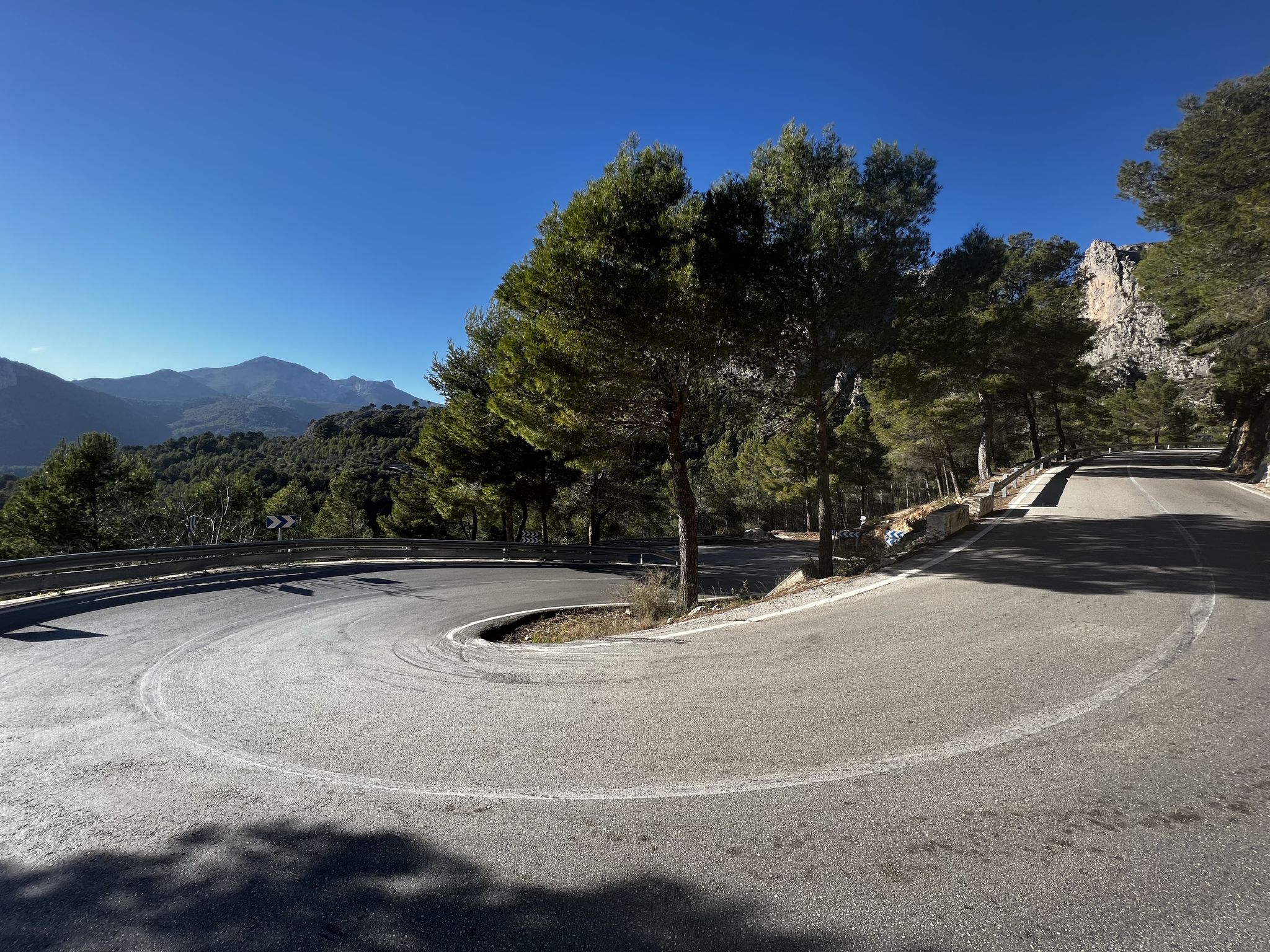
Sunny road cycling adventures in Alicante's Costa Blanca

Iron Gravel 226k — Unknown Alicante
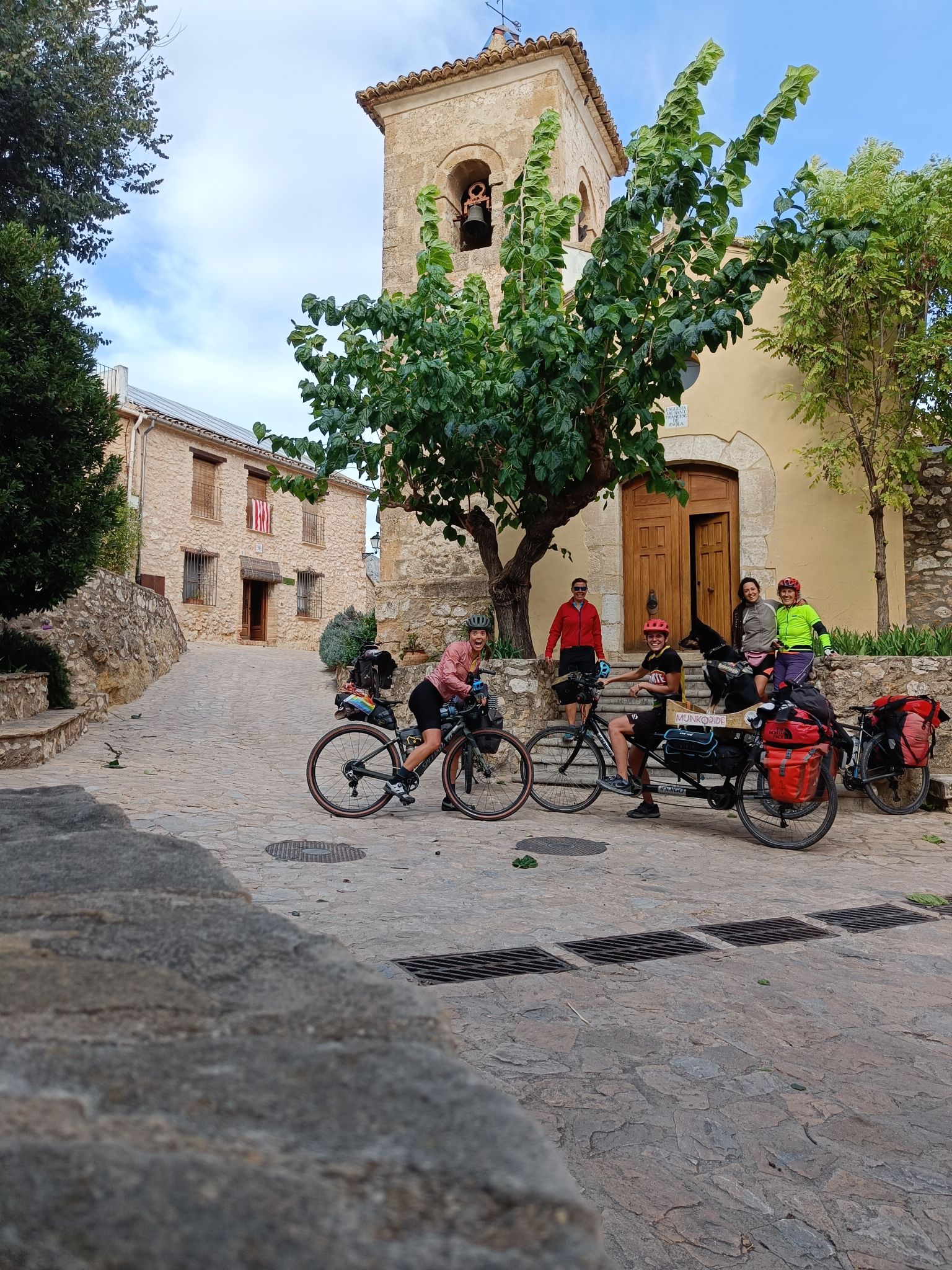
Community ride through the east of Spain – an autumn adventure
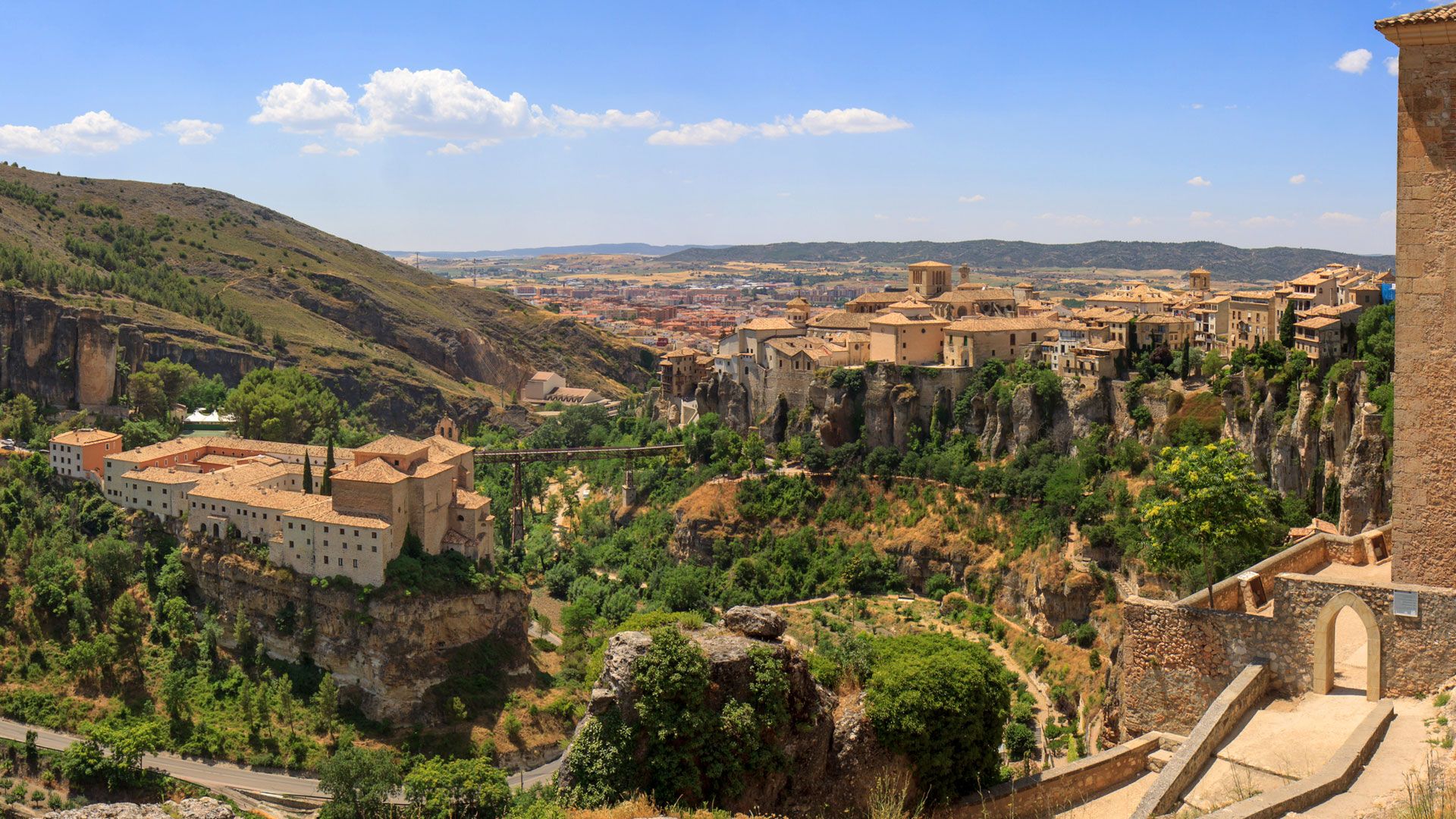
Levante to Castile – Ruta de la Lana Gravel Route
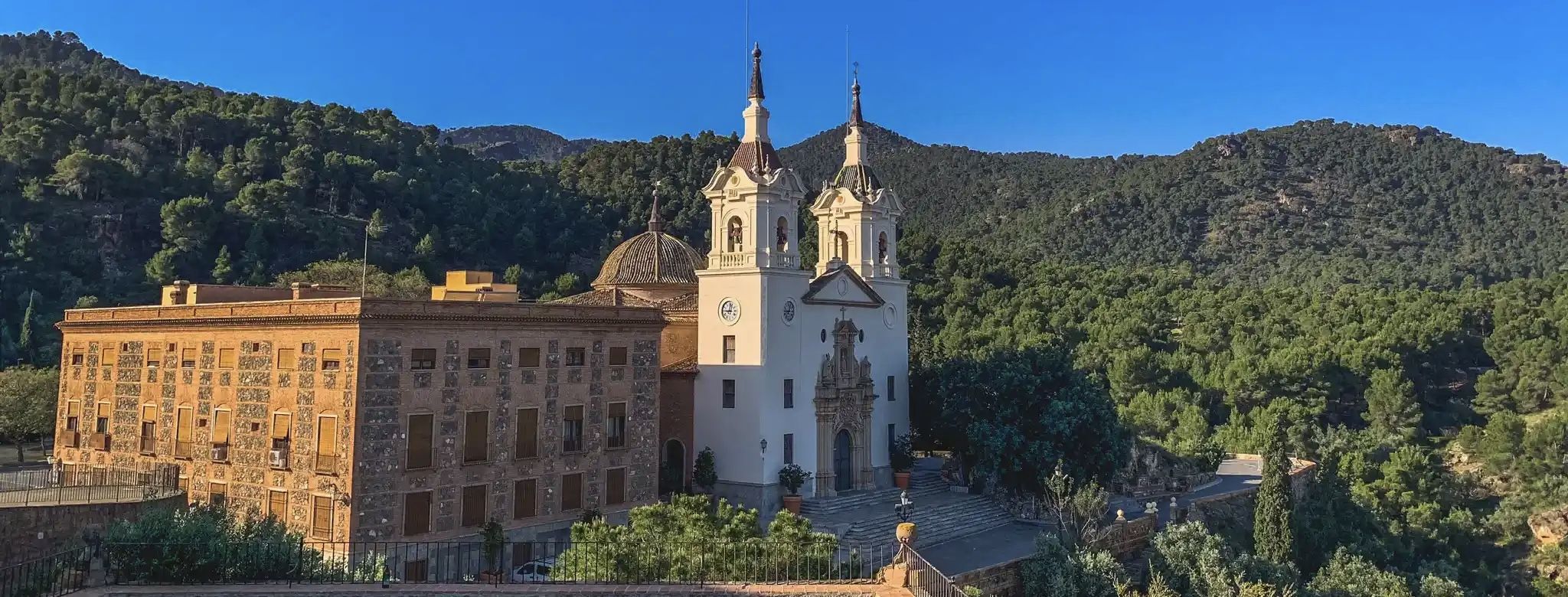
A ride through the "Huerta de Europa" – Transmurciana on MTB
Mythical mountain passes – Alicante by road bike
Discover Alicante – Costa Blanca Inland Path (GR 330)
El Camino del Cid – defence of the south by gravel bike
A journey full of discoveries – the Valencia region on foot (GR7)
Alicante's inland paradise by bike – Iron Gravel 360
Other adventures around Vinalopo


Tips from the Community

It is an exceptional route, I recommend it
0
0

Interesting to see, abandoned, but clearly visible, someone once lived here. Several rooms dug into the hill, all that is left is the remains of people. A bit spooky if you are alone in the region, so I decided not to go in. 😉
2
0

No matter how you go up on foot or by bicycle, a good slope awaits you, by bicycle you have a slope of 18%.
0
0
Small cave-shelter, it can serve as shelter in case of bad weather.
0
0

The San Pascual Cave is located at the top of the Sierra de San Pascual and can be accessed on foot (through the traditional path) or by car (by road). In this place is the image of the saint, venerated by the faithful, and from here you can enjoy a great panoramic view of the interior of the valley and the Alicante coast.
2
0
El Pocico Alonso is a small fountain that has been the subject of attention and restoration over the years. After decades of abandonment, it was rebuilt by residents of the area, hikers and, finally, the Community of Irrigators of Elda and the Environment Department of this town.
5
0
The Sierra del Caballo offers a fascinating environment for hiking, although it is important to keep in mind that the route is not signposted. From here, you can enjoy panoramic views of the Serra de l'Arguenya and the Sierra del Cid. In addition, there are several caves in the mountains, such as the Cueva del Encanto.
6
0
Frequently Asked Questions
What natural features can be found in the Vinalopó caves?
The Vinalopó region offers diverse natural cave features. For instance, Cueva del Lagrimal is known for water dripping from its roof, especially during rainy seasons, and is surrounded by diverse flora like holm oaks and laurel bushes. Further afield, the famous Cuevas de Canelobre, though outside the immediate Vinalopó area, boast impressive stalactites, stalagmites, and columns, including a 25-meter-high formation known as the 'Sagrada Familia'.
Are there historical caves or dwellings to explore in the Vinalopó region?
Yes, the Vinalopó region is rich in historical cave sites. You can explore the Moorish Caves of Bocairent, which are ancient dwellings carved into rock. Additionally, several castles along the Vinalopó River, such as those in Elda and Petrer, feature integrated cave structures that served defensive or storage purposes. The Tío Gregorio Cave is noted as a 'first cave house', offering insight into traditional troglodyte architecture.
Which caves are suitable for families in the Vinalopó area?
For families, the San Pascual Cave of Orito is a family-friendly option. It's accessible on foot or by car and houses the image of a saint, offering panoramic views. While the Cuevas de Canelobre are a bit further out, they offer guided tours and are a popular family attraction due to their impressive formations and occasional musical performances.
What kind of archaeological remains can be found in the Vinalopó caves?
Some caves in the Vinalopó region hold significant archaeological value. Cueva del Lagrimal, for example, contains archaeological remains dating from the Mesolithic period up to the Arab period, indicating long-term human presence and use.
Can I explore less crowded caves in Vinalopó?
While some caves like Cueva del Lagrimal are very visited, the Vinalopó region has numerous smaller, less prominent cave sites and historical cave houses. Exploring areas like the Vinalopó Medio for its traditional cave houses or seeking out less-known natural formations might offer a quieter experience. The Cave House Ruins of Villena and Abandoned Cave Dwelling offer a glimpse into these less-trafficked historical sites.
What outdoor activities are available near the Vinalopó caves?
The Vinalopó region offers a variety of outdoor activities near its caves. You can find excellent opportunities for hiking and mountaineering. For example, there are numerous Mountain Hikes around Vinalopó, including routes like the 'Alt de Guixop' loop. Additionally, the area is great for Waterfall hikes, such as the 'Birth of the Vinalopó' trail, and Running Trails, like the 'Parque Natural de la Font Roja' trail run.
Are there hiking trails that lead to or near caves in Vinalopó?
Yes, many hiking trails in the Vinalopó region offer access to or views of caves. For instance, the traditional path leads to the San Pascual Cave of Orito. The Font de la Coveta, the source of the Vinalopó River, is reached via a pleasant walk through the Sierra Mariola Natural Park. You can find more detailed routes and guides for Mountain Hikes and Waterfall Hikes in the area.
What is the origin of the Vinalopó River, and can I visit it?
The Vinalopó River originates from the Font de la Coveta, a small limestone cave nestled high in the Sierra de Mariola mountains. A babbling brook emerges from this picturesque spot. Yes, you can visit it; reaching the Font de la Coveta involves a pleasant walk through the Sierra Mariola Natural Park, making it a significant natural landmark.
Are there any unique historical structures related to caves in the Vinalopó area?
Beyond natural caves, the Vinalopó region features unique historical structures like ice wells. The El Canyo Ice Well is a notable example, unique for its hexagonal plan. These structures were used for manufacturing and conserving ice by collecting and pressing winter snow, offering a glimpse into past preservation methods.
What do visitors appreciate most about the Vinalopó caves?
Visitors to the Vinalopó caves appreciate the blend of natural beauty and historical significance. Sites like San Pascual Cave of Orito are valued for their panoramic views, while Cueva del Lagrimal is admired for its natural water features and surrounding diverse flora. The komoot community has shown its appreciation with numerous upvotes and shared photos, highlighting the region's appeal for exploration and discovery.
Are there any caves that offer panoramic views in the Vinalopó region?
Yes, several cave-related sites in the Vinalopó region offer impressive panoramic views. The San Pascual Cave of Orito, located at the top of the Sierra de San Pascual, provides great panoramic views of the valley and the Alicante coast. Additionally, the Sierra del Caballo, which includes cave features, is also known for its viewpoints.
Can I find traditional cave houses in the Vinalopó region?
Yes, the Vinalopó Medio area is known for its traditional cave houses, which are historical dwellings carved into the earth. These offer a unique insight into troglodyte architecture and the living conditions of past inhabitants. Examples include the Tío Gregorio Cave, identified as a 'first cave house', and the Cave House Ruins of Villena.
Most popular routes around Vinalopo
Most popular attractions around Vinalopo

Get inspired with the komoot mobile app


Didn’t find what you were looking for?
Discover more caves around Vinalopo region by region:
Explore more
Extend your search for the best caves by checking out these guides of the top ones around Vinalopo:
