Top 11 Castles around Marquesado
Castles around Marquesado offer a glimpse into the region's rich history, spanning various historical territories in Spain, including the Marquesado del Cenete and Marquesado de Villena. These areas are characterized by their strategic locations, often atop hills, providing panoramic views of the surrounding landscapes. The castles reflect diverse architectural styles, from robust Almohad fortresses to early Renaissance designs. This historical significance is complemented by the natural beauty of the terrain, making the Marquesado region a notable destination for exploring medieval…
Last updated: June 26, 2026
Forna Castle
Highlight • Castle
Translated by Google •
Tip by

Castell de Benissili
Highlight • Castle
Translated by Google •
Tip by

Sign up now to discover places like this
Get recommendations on the best single tracks, peaks, & plenty of other exciting outdoor places.
Sign up for free
View of Dénia Castle
Highlight • Viewpoint
Translated by Google •
Tip by

Moraira Castle
Highlight • Castle
Translated by Google •
Tip by
Castellet d'Orba Castle Ruins
Highlight • Castle
Translated by Google •
Tip by

Church-Fortress of Saint Michael the Archangel (Murla)
Highlight • Religious Site
This used to be an old castle during the Islamic rule. During the last Muslim period it was owned by Al-Azraq.
Translated by Google •
Tip by

Walls and Torreó de la Peça
Highlight • Historical Site
Translated by Google •
Tip by

Castell d'Aixa Ruins and Viewpoint
Highlight • Castle
Translated by Google •
Tip by

Església - Fortalesa Castell de Pop
Highlight • Religious Site
Translated by Google •
Tip by

Forna – From quiet valleys to a castle on the hill
Highlight • Settlement
Tip by

Sign up for free to discover even more castles around Marquesado.
Sign up for free
Already have an account?
Start today with a free account
Your next adventure awaits.
Login or Signup
Popular around Marquesado
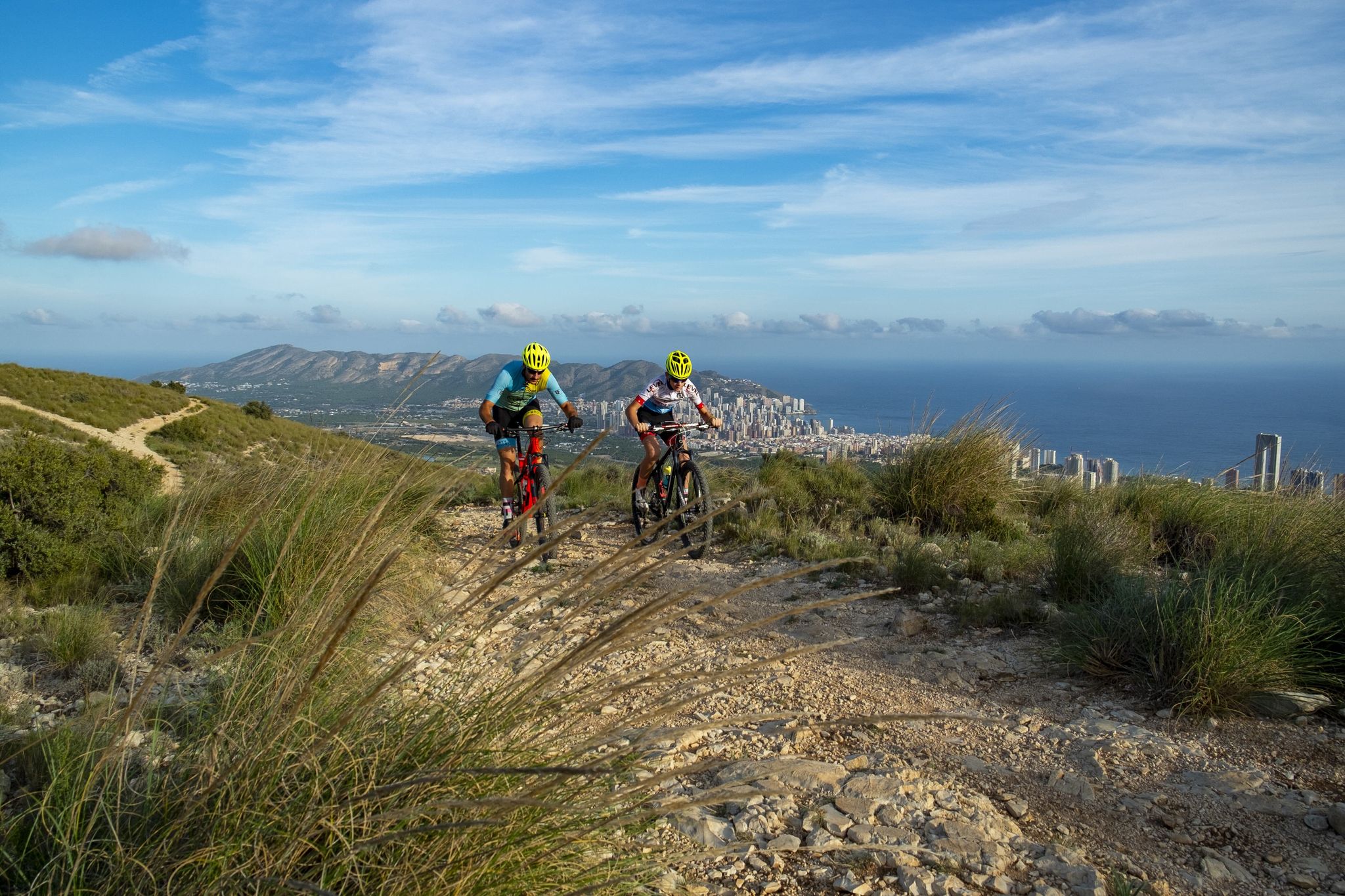
Costa Blanca on a gravel bike – the finest loops
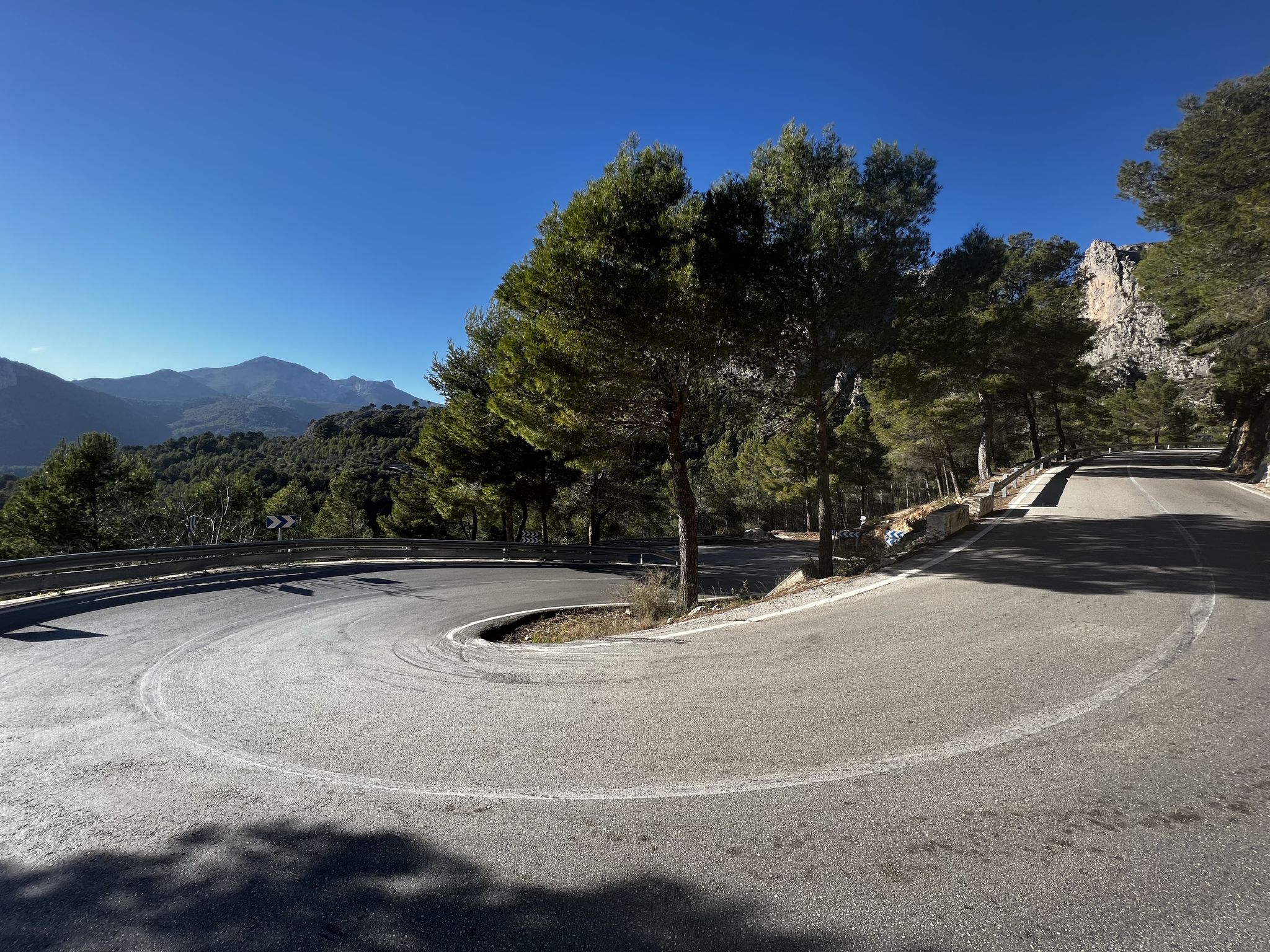
Sunny road cycling adventures in Alicante's Costa Blanca
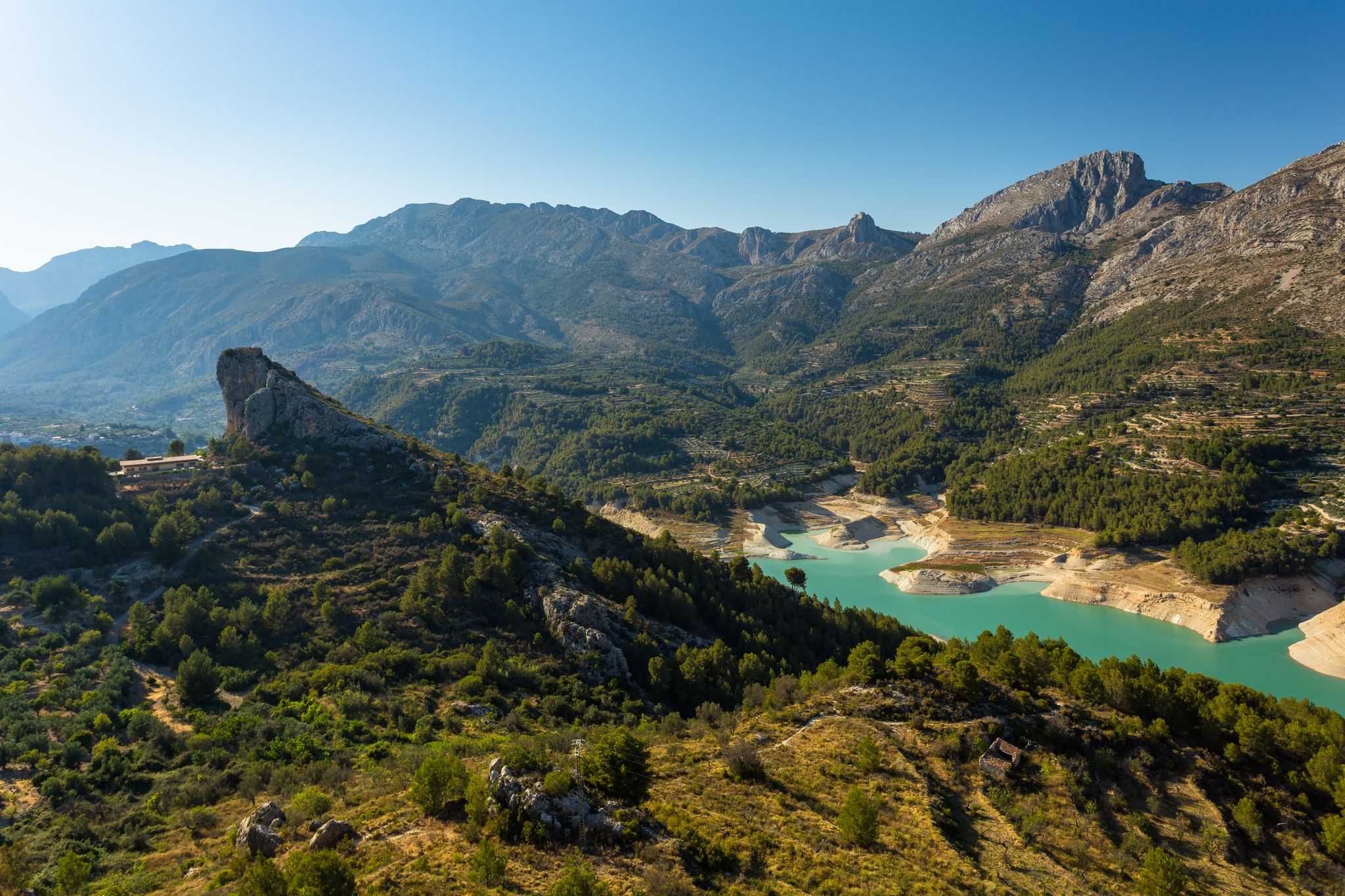
Mythical mountain passes – Alicante by road bike
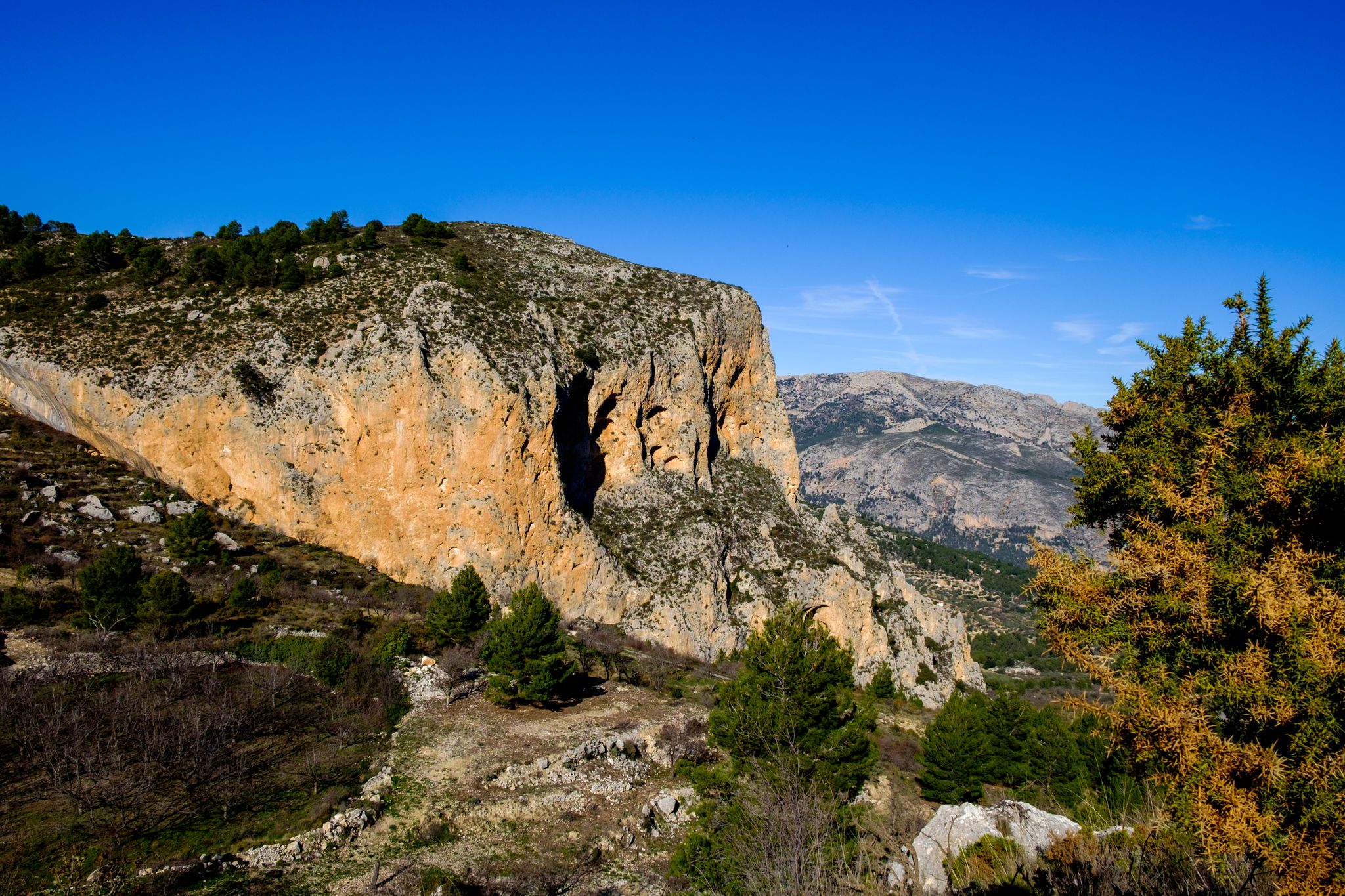
Discover Alicante – Costa Blanca Inland Path (GR 330)
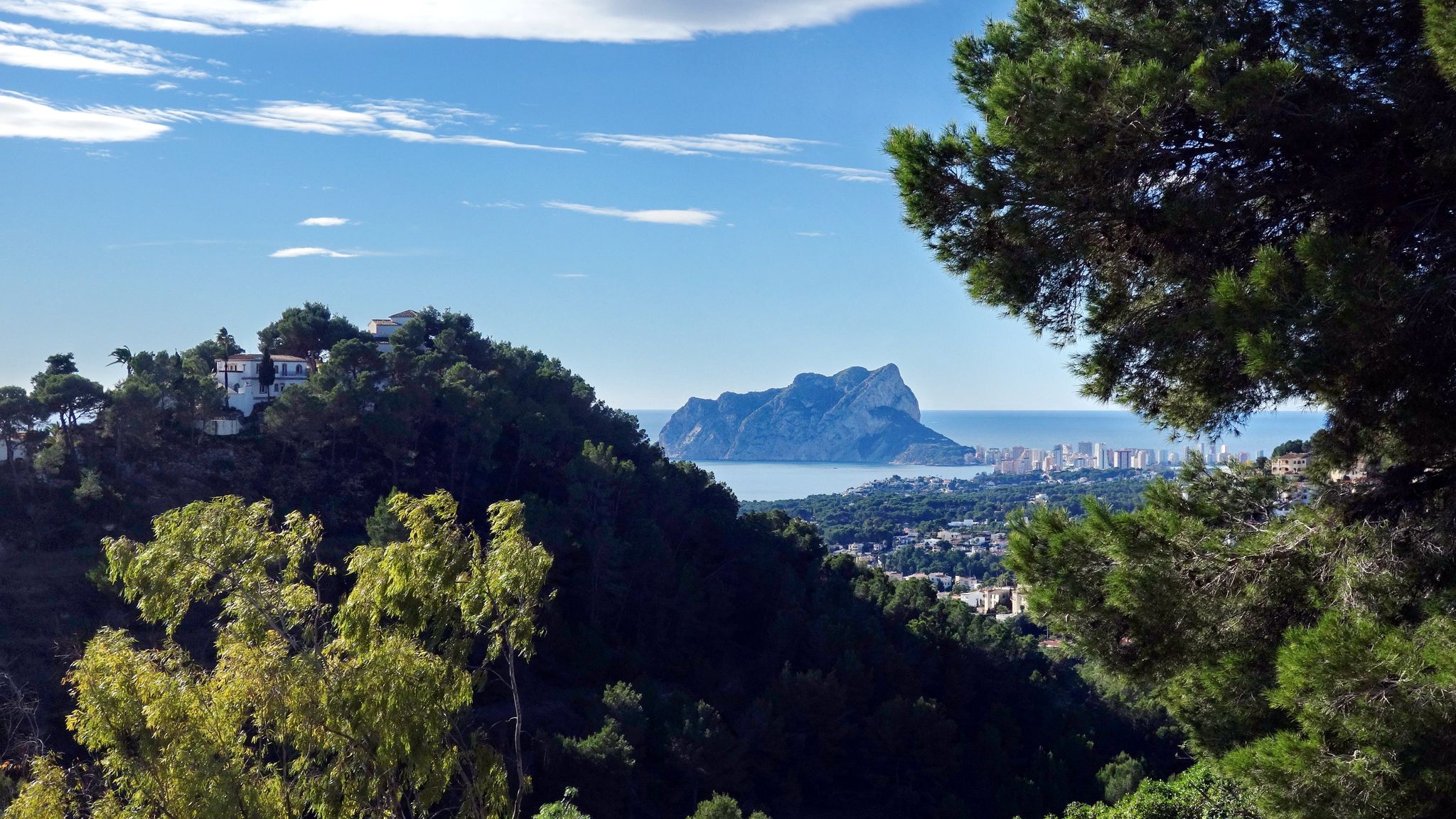
Limestone hills and sea views – Costa Blanca by bicycle
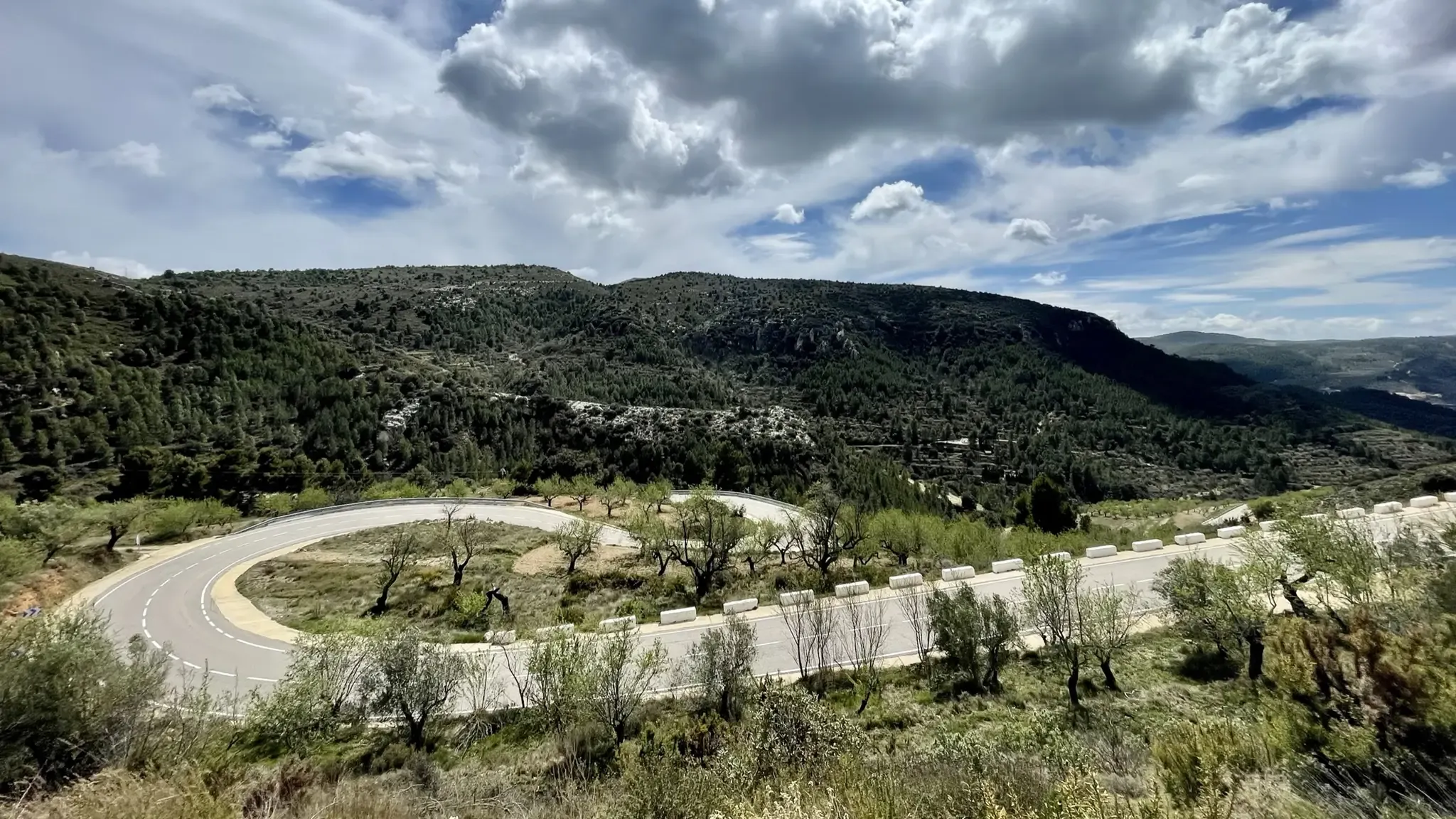
Navigating Alicante's mountains – road cycling rides
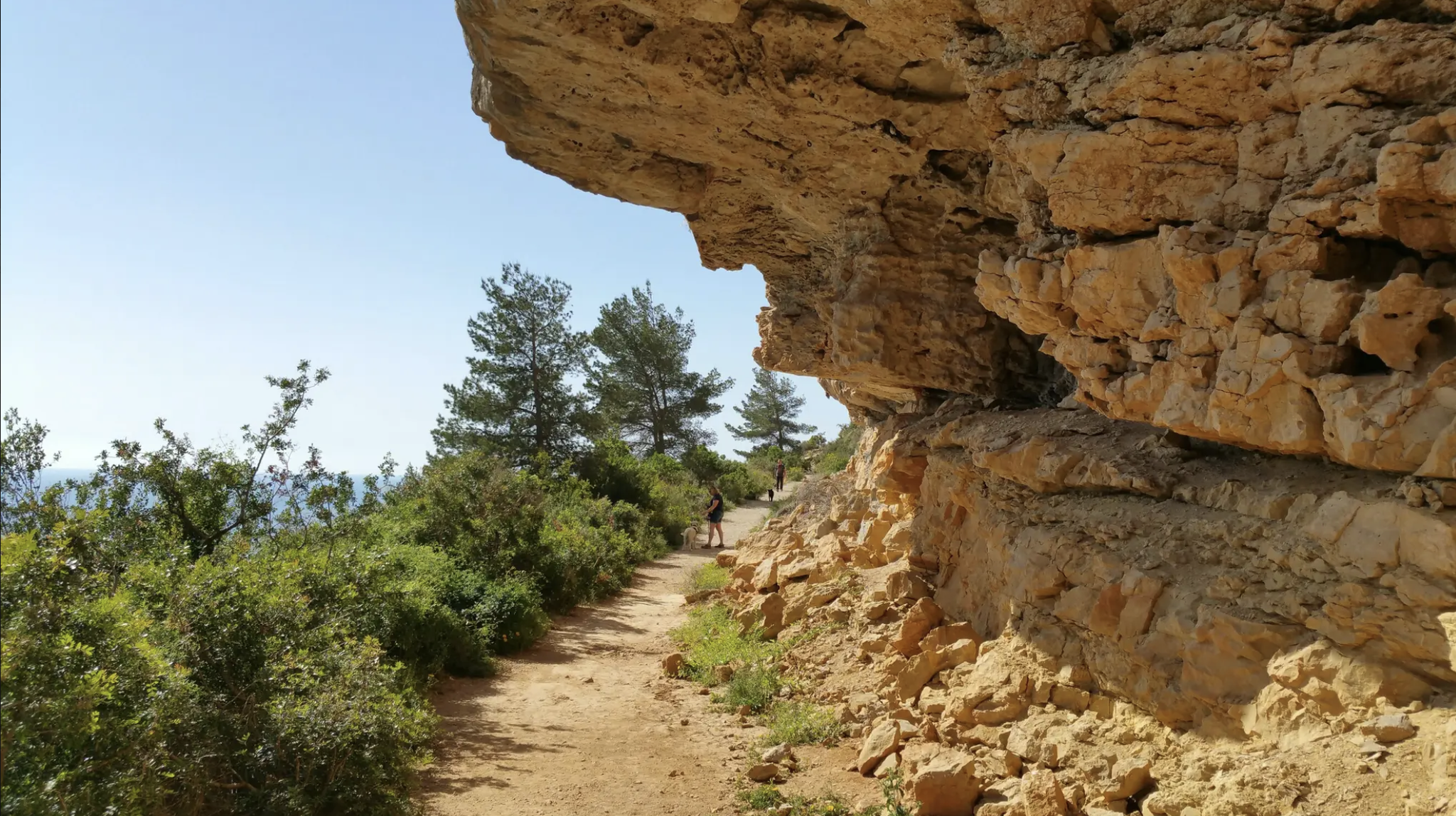
Family walks in Spain — hiking in Alicante
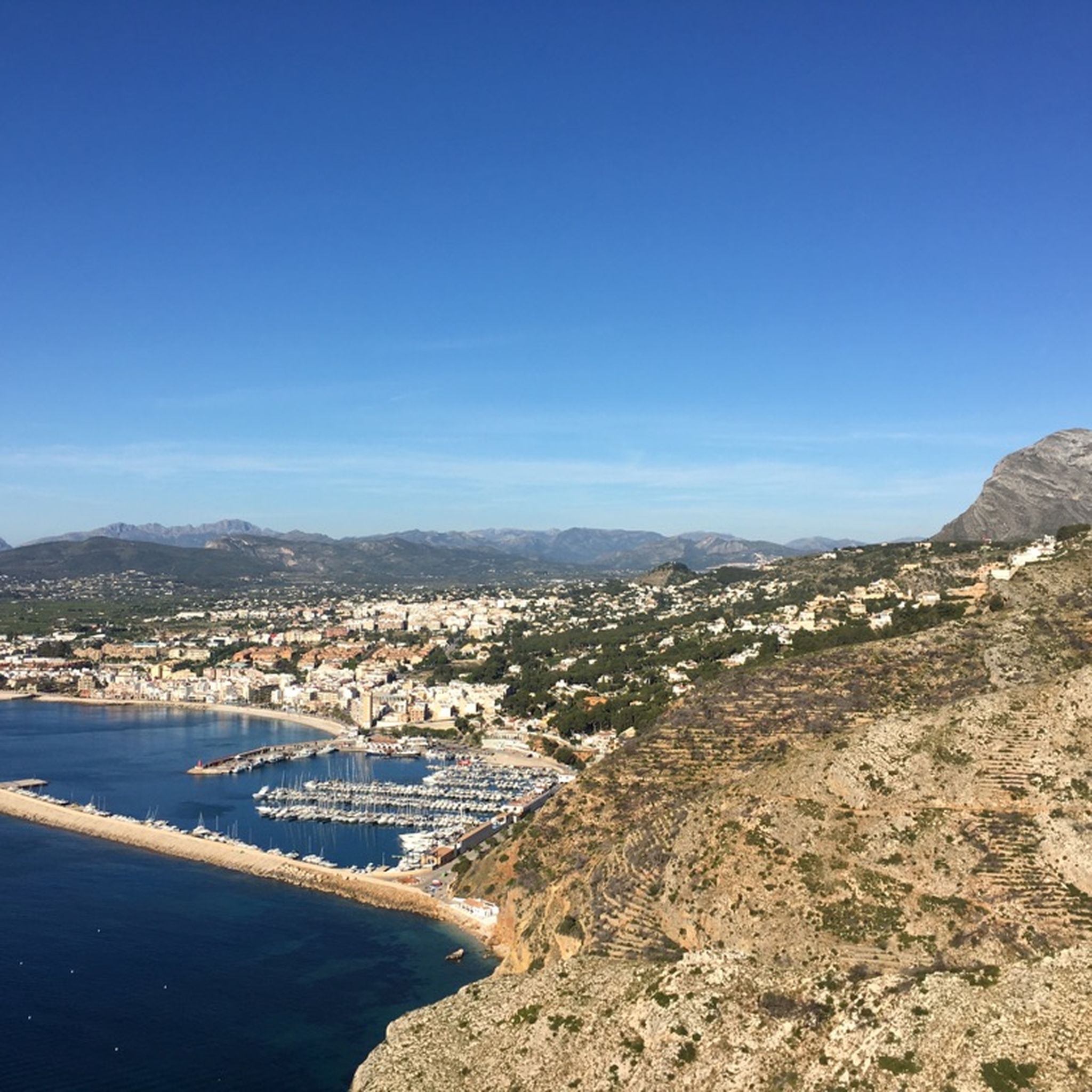
Hiking around Marquesado
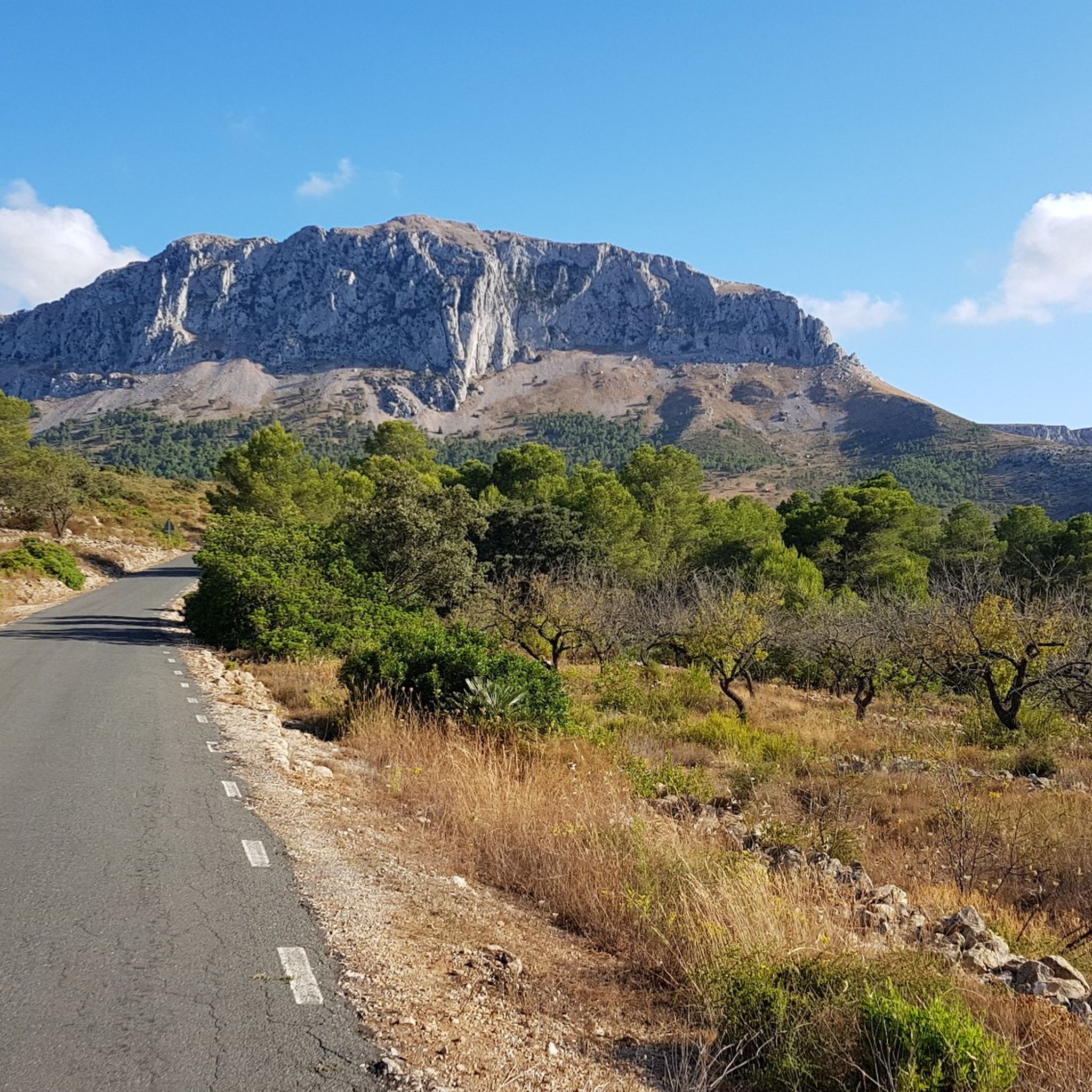
Road Cycling Routes around Marquesado
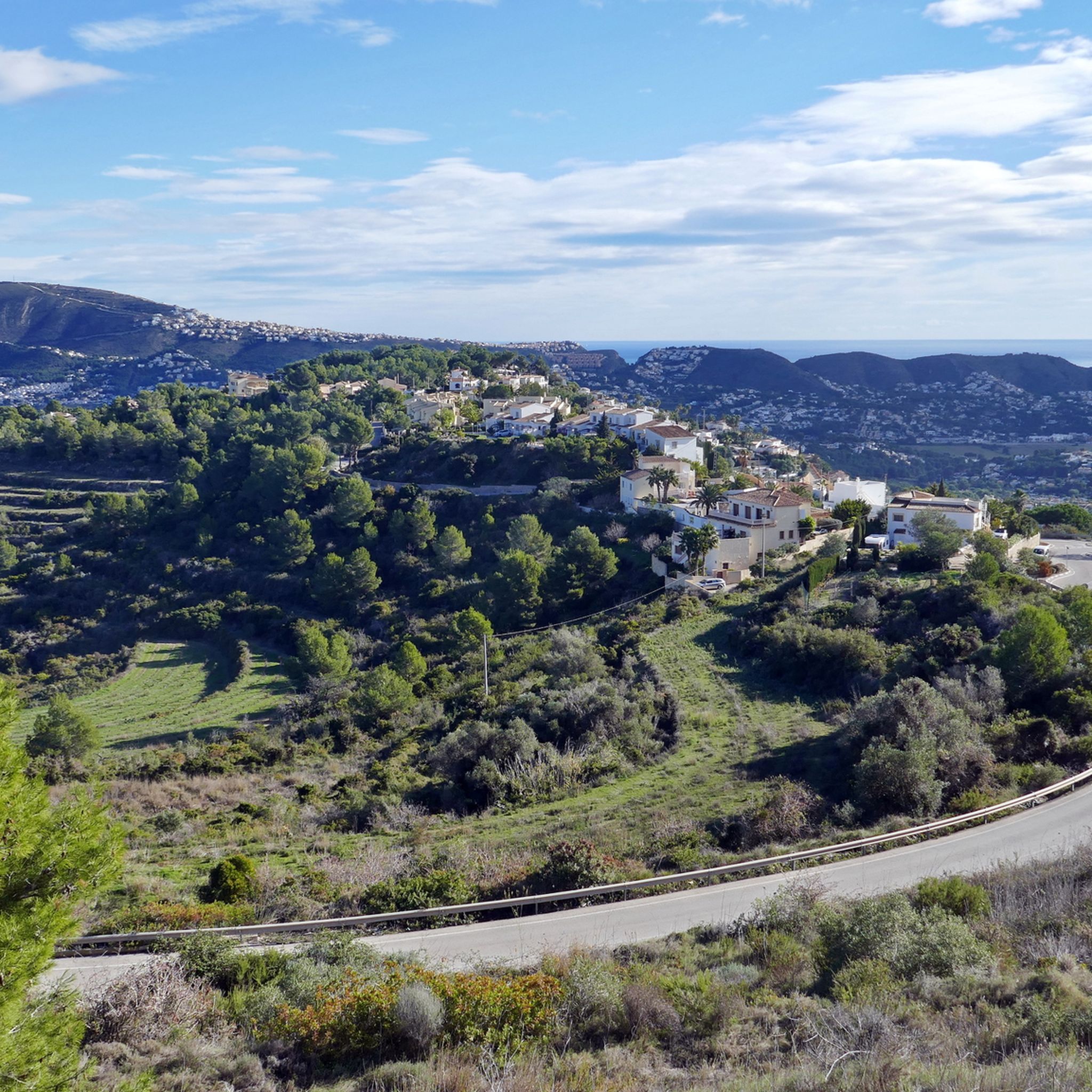
Cycling around Marquesado
Other adventures around Marquesado


Tips from the Community

The Torreó de la Peça is part of the medieval city walls of Calpe.
6
0

Església - Fortalesa Castell de Pop (Iglesia de San Miguel Arcángel), the parish church and castle of San Miguel Arcángel. The town of Murla developed around this fortified church over time, with the origins of the castle itself dating back to the early centuries of Muslim rule. The strategic location of the castle and parish church of San Miguel Arcángel allowed control of the passage between L'Alcoià and La Marina Alta, as well as protection for the population from frequent pirate attacks. In the 16th century, the castle building in Murla was remodeled to house the parish church, which consists of a nave divided into three sections and cross-ribbed vaults. It still boasts two imposing towers, and its simple exterior contrasts with the religious architecture of the interior, where Gothic ornamentation can be admired. The fortified church gained importance in the 16th century due to the attacks by Barbarossa's pirates. At the foot of the tower is the laundry room, which is still in use today...
2
0

The Castle of Dénia, or Castillo de Dénia, rises majestically on a gentle hill in the heart of the city, dominating the cityscape even from below. From the city center or the port, the fortress appears imposing; its medieval walls and towers rise significantly above the surrounding buildings, conveying a direct impression of the structure's historical significance. Originally used as the Roman settlement "Dianium," the castle was expanded in the 10th and 11th centuries during Muslim Andalusian rule and further fortified after the Christian reconquest. Today, visitors can explore the complex, visit the entrance gate, "Portal de la Vila," and admire the various towers and walls that reflect the region's history. The castle is a particularly impressive sight from the foot of the hill, offering a powerful glimpse into both history and architecture.
7
0

Dénia Castle, with over a thousand years of history, brings together in a single space the traces of the different cultures that have passed through this city. If you're wondering what to see in Dénia, this is a must-see. Moreover, from the top, you can enjoy stunning views.
10
0

Beautiful city with harbor.
1
0

Enjoy a break at the cosy terrace in the heart of the village, or relax at the terrace next to the castle for stunning views.
3
1
Forna is a charming village on the edge of the Sierra de Alfaro, located between the Vall de Gallinera and Oliva. The road leading there takes you past vast orange groves and green valleys, gradually climbing towards the historic castle proudly overlooking the village. Once a Moorish fortress, the castle gives Forna a unique and picturesque character.
2
1
A perfect place to have a rest on a hot day. There are a few benches in the shade under the trees. And there is a tap to refill your bidon.
0
0
Frequently Asked Questions
What types of castles can I expect to see in the Marquesado region?
The Marquesado region, encompassing areas like Marquesado del Cenete and Marquesado de Villena, features a diverse range of castles. You'll find robust Almohad fortresses, early Renaissance-style castles, and historical ruins. These structures reflect various architectural periods and defensive strategies, often perched on hills with panoramic views.
Are there any castles known for their unique architecture or historical significance?
Yes, several castles stand out. The Castillo de la Calahorra in the Marquesado del Cenete is one of Spain's first Renaissance castles, known for its austere exterior contrasting with an elegant Italian Renaissance interior. In the Marquesado de Villena, the Castillo de Villena (Atalaya Castle) showcases a blend of Almohad and later Christian architectural styles, with impressive vaults from the 12th century.
Which castles offer the best panoramic views of the surrounding landscape?
Many castles in the Marquesado region are strategically located for stunning views. Castell d'Aixa Ruins and Viewpoint offers beautiful 360-degree views from its elevated position. Similarly, Castell de Benissili and Castellet d'Orba Castle Ruins are known for their commanding positions and rewarding coastal and hinterland views.
Are there family-friendly castles to visit in the Marquesado area?
Yes, several sites are suitable for families. Moraira Castle is listed as family-friendly. Additionally, the Church-Fortress of Saint Michael the Archangel (Murla) and the Walls and Torreó de la Peça are also considered family-friendly historical sites that offer insights into the region's past.
What outdoor activities can I do near these castles?
The Marquesado region offers various outdoor activities. You can find numerous road cycling routes, running trails, and general cycling paths. For example, there are challenging road cycling routes like the Sierra de Bèrnia and Cumbre del Sol Loop, and moderate running trails such as the Cala Les Rotes — round trip from the port of Dénia. You can explore more options in the Road Cycling Routes around Marquesado, Running Trails around Marquesado, and Cycling around Marquesado guides.
Are there any castles that have been featured in films or TV series?
Yes, the Castillo de la Calahorra has served as a filming location for notable productions. It was used in "Doctor Zhivago" and more recently recreated the city of Pentos for "House of the Dragon," the prequel to "Game of Thrones."
What is the best time of year to visit the castles in the Marquesado region?
Given the region's climate, spring (April-May) and autumn (September-October) generally offer pleasant weather for exploring the castles and their surroundings. Temperatures are milder, making outdoor activities like hiking and cycling more comfortable than in the peak summer months.
How long should I plan for a visit to a castle in the Marquesado region?
The duration of your visit can vary. For ruins like Castell d'Aixa, a short steep climb of about 1.5 hours is needed to reach the ruins and enjoy the panoramic views. For larger, more preserved castles like Castillo de Villena or Castillo de Almansa, you might want to allocate 2-3 hours to explore the interior, walls, and any associated museums or exhibitions.
Are there any castles that are particularly well-preserved or restored?
The Castillo de Villena (Atalaya Castle) underwent significant rehabilitation in 1963 and was even a Parador Nacional, with its patio still open for visits. The Castillo de Almansa, a 13th-century Almohad fortress, also received major renovations in the 14th century, maintaining its imposing presence.
What do visitors enjoy most about the castles around Marquesado?
Visitors frequently highlight the spectacular views from the elevated castle positions, such as the 360-degree outlook from Castell d'Aixa. The historical significance and the blend of architectural styles, from Almohad to Renaissance, also captivate many. The opportunity for a first rest at places like Castell de Benissili after a climb is also appreciated.
Are there any castles that are particularly challenging to reach, requiring good footwear?
Yes, some castle ruins are located on elevated positions that require a bit of effort. For instance, reaching Castellet d'Orba Castle Ruins is described as 'exhausting but great' and requires good footwear. Similarly, the climb to Castell d'Aixa is steep and requires sure-footedness.
Can I find any defensive walls or towers separate from full castles?
Yes, in addition to complete castles or ruins, you can explore defensive structures like the Walls and Torreó de la Peça in Calpe. This tower was part of a larger defensive layout designed to protect the city, offering a glimpse into medieval urban fortifications.
Most popular routes around Marquesado
Most popular attractions around Marquesado

Get inspired with the komoot mobile app


Didn’t find what you were looking for?
Explore Marquesado’s best castles region by region:
Explore more
Looking for the best castles somewhere else? Discover other guides around Marquesado:
