The 5 Most Amazing Peaks around Rio Nacimiento
Best mountain peaks around Rio Nacimiento are found in a remote mountain range over 2,000 meters high, spanning the provinces of Granada and Almería. This area is characterized by its semi-desert terrain and historic crossroads of cultures, featuring remains of Roman aqueducts and Arab castles. The region includes the Sierra de los Filabres and offers diverse landscapes for exploration. It represents a significant natural landscape with notable peaks and viewpoints.
Best mountain peaks around Rio Nacimiento
- The most popular mountain…
Last updated: July 10, 2026
Sierras de Baza and Los Filabres
Highlight • Mountain Pass
Tip by

Calar Alto Astronomical Observatory
Highlight • Structure
Translated by Google •
Tip by

Sign up now to discover places like this
Get recommendations on the best single tracks, peaks, & plenty of other exciting outdoor places.
Sign up for free
Calar Alto (2,168 m)
Highlight • Summit
Translated by Google •
Tip by

Pico del Buitre and Shelter
Highlight • Summit
Translated by Google •
Tip by

Ascent to Calar Alto from the Tabernas Desert via Gérgal
Highlight (Segment) • Climb
The road surface is in good condition, there …
Translated by Google •
Tip by

View of Sierra Nevada and the Abrucena River Valley
Highlight • Viewpoint
Translated by Google •
Tip by

Start today with a free account
Your next adventure awaits.
Login or Signup
Popular around Rio Nacimiento
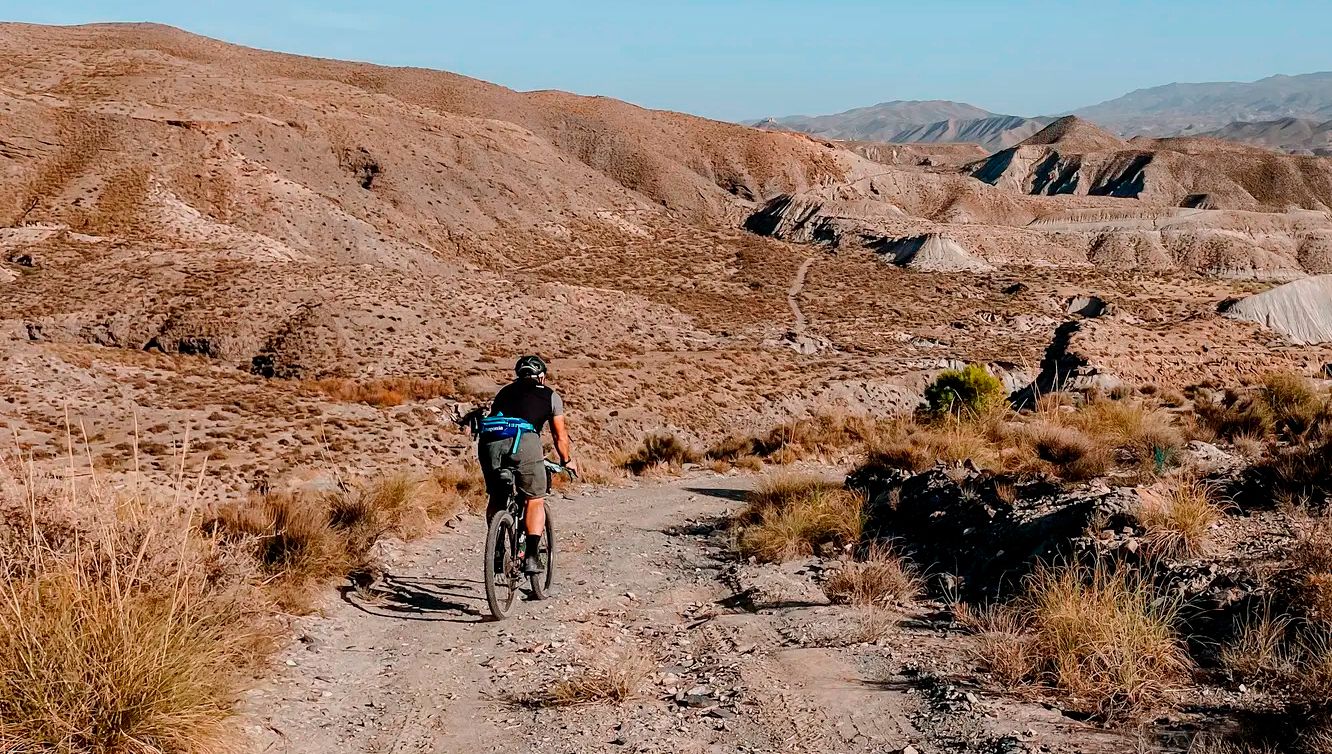
TransAlmería Gravel – Summits, dry riverbeds and deserts
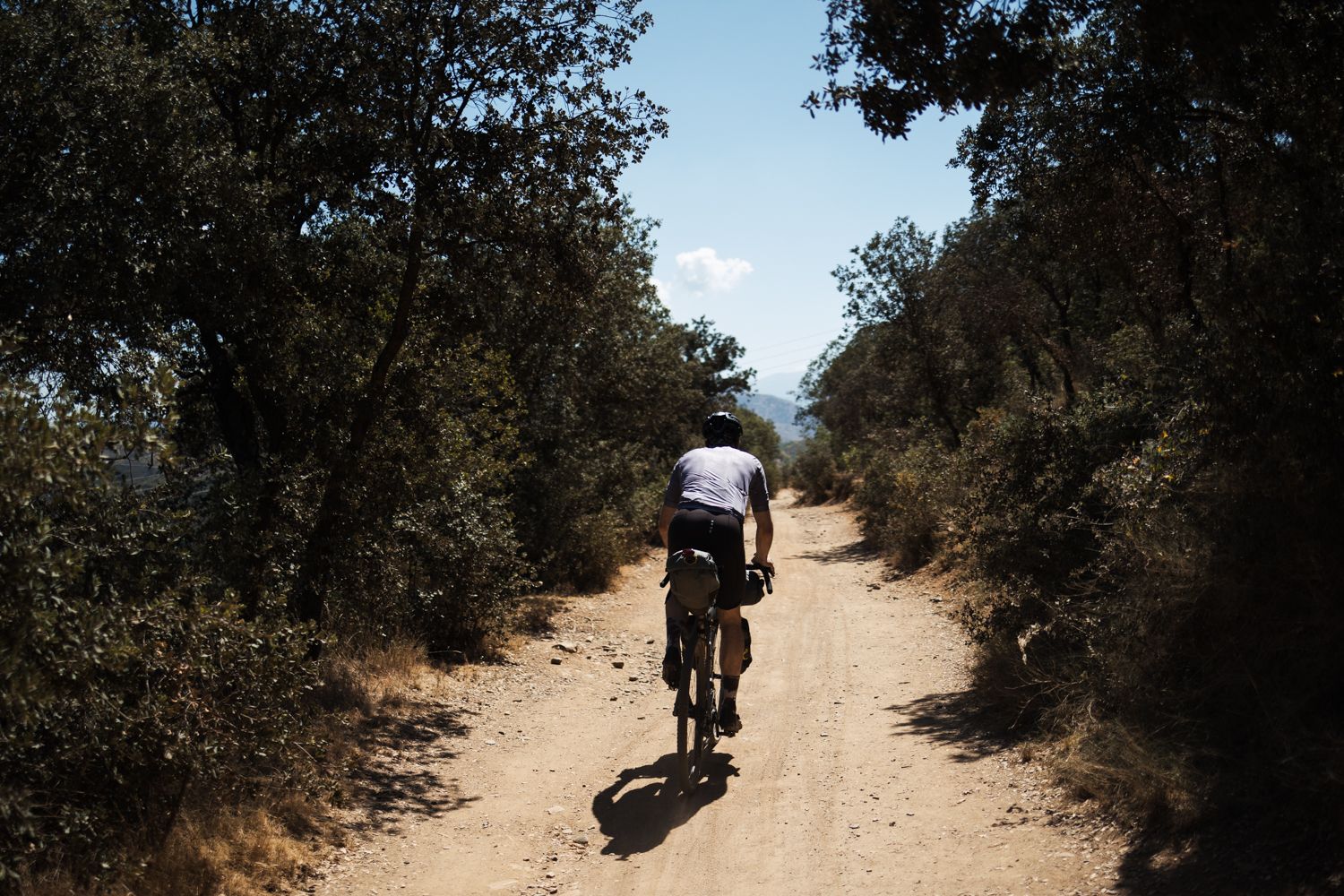
Mozarabic Way to Santiago – Gravel between two worlds
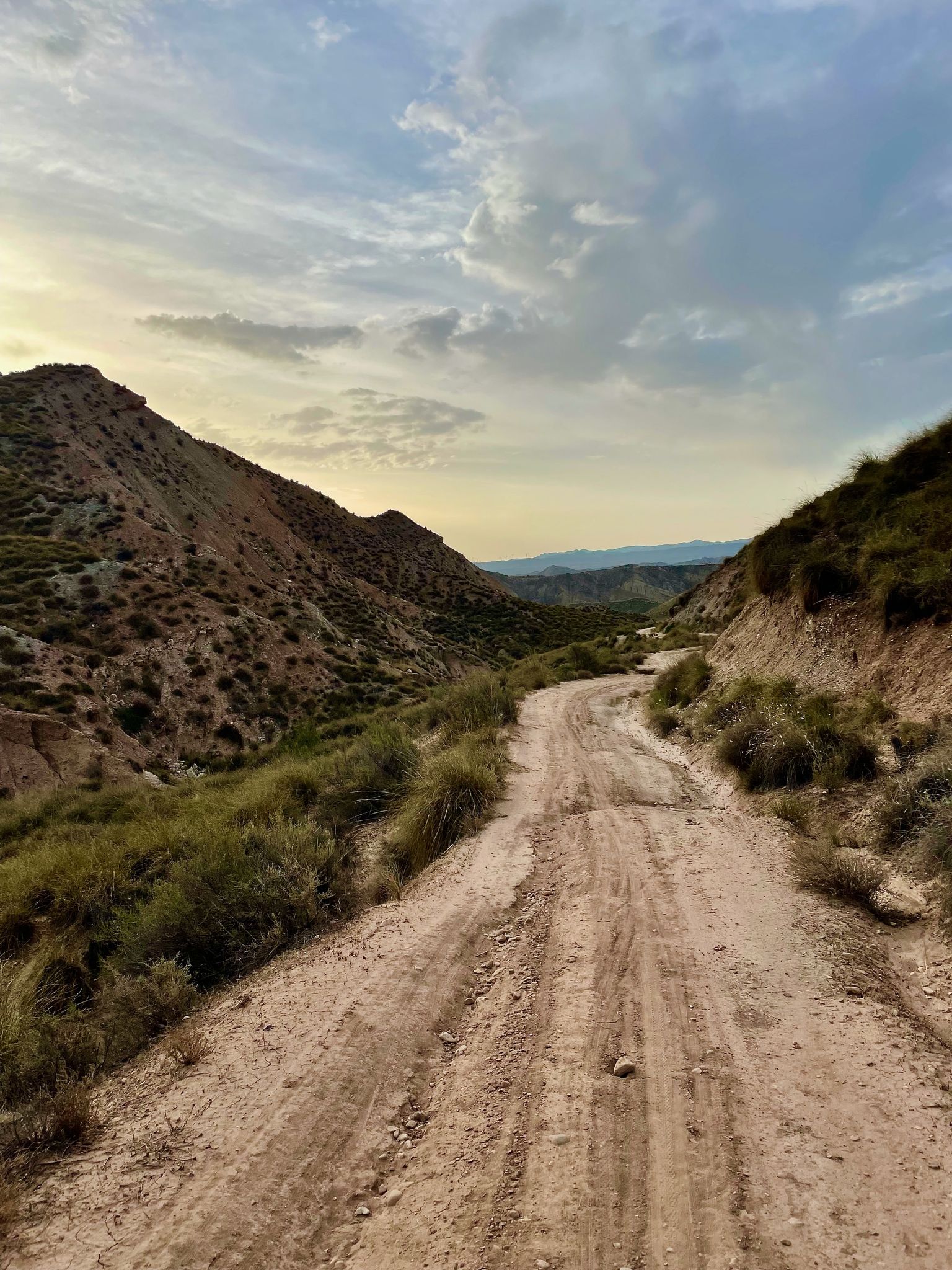
Badlands 2021 — 750km of gravel in the Spanish deserts
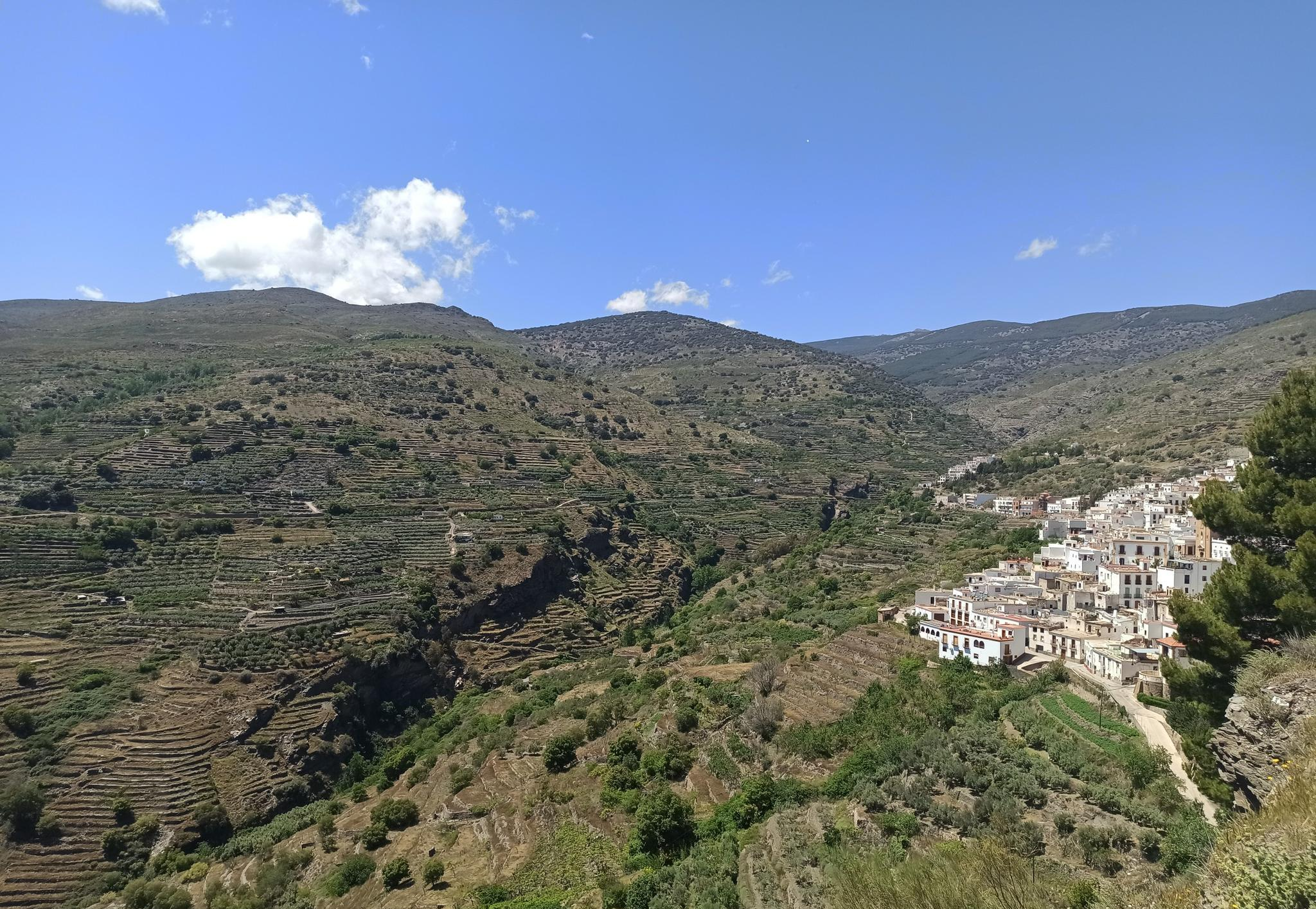
Among white villages - Path of the Alpujarra (GR 142)
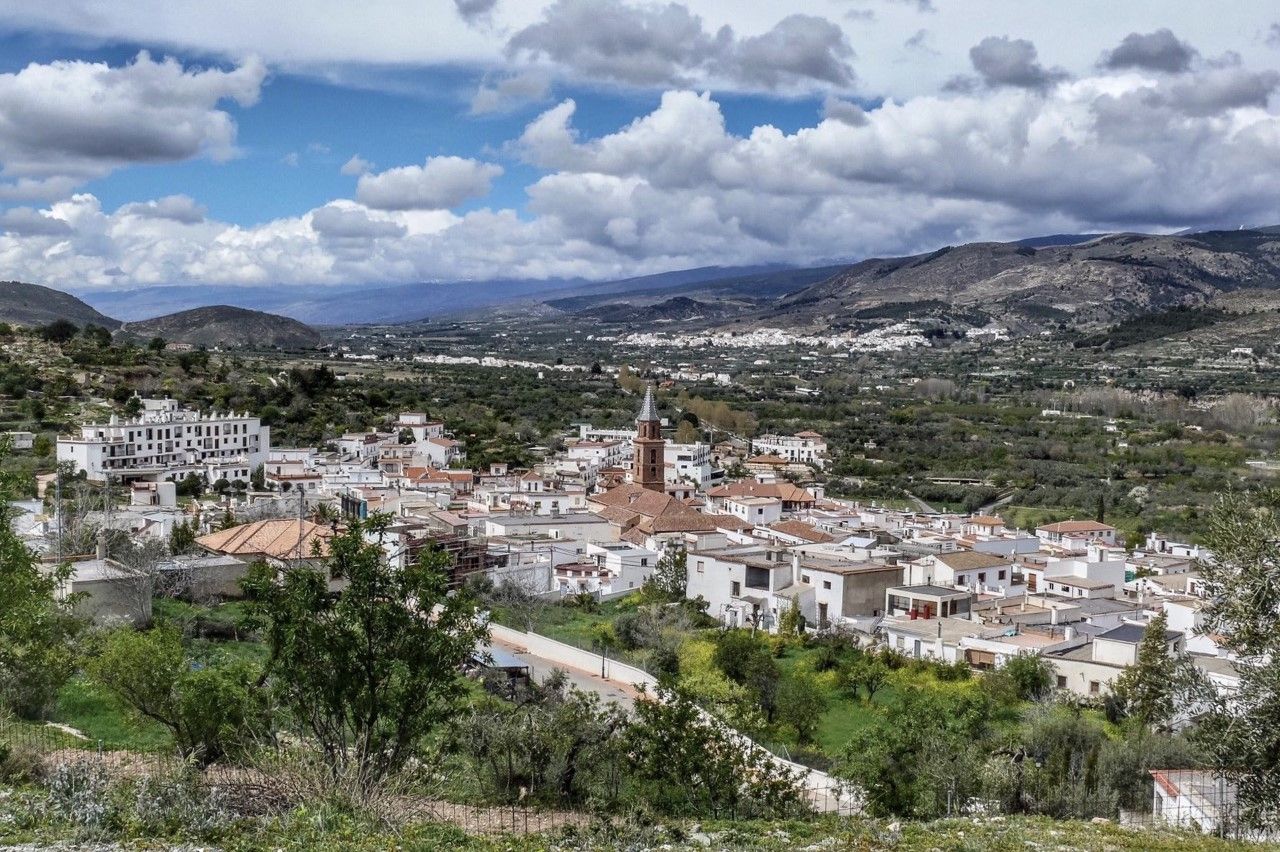
Gullies and summits – TransAlmería by MTB (Las Alpujarras)
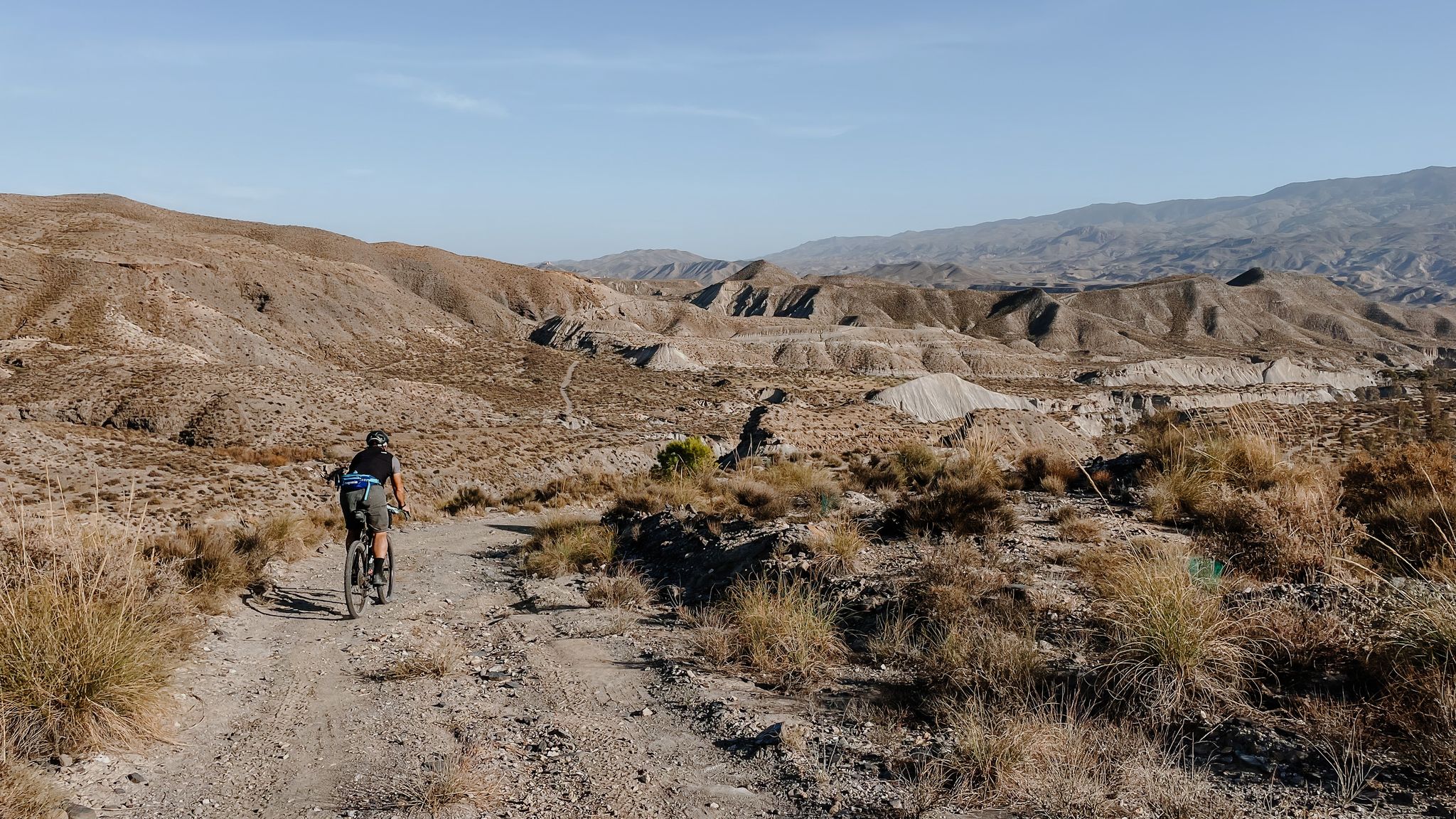
High mountains, desert and sea – an adventure of contrasts in Andalusia
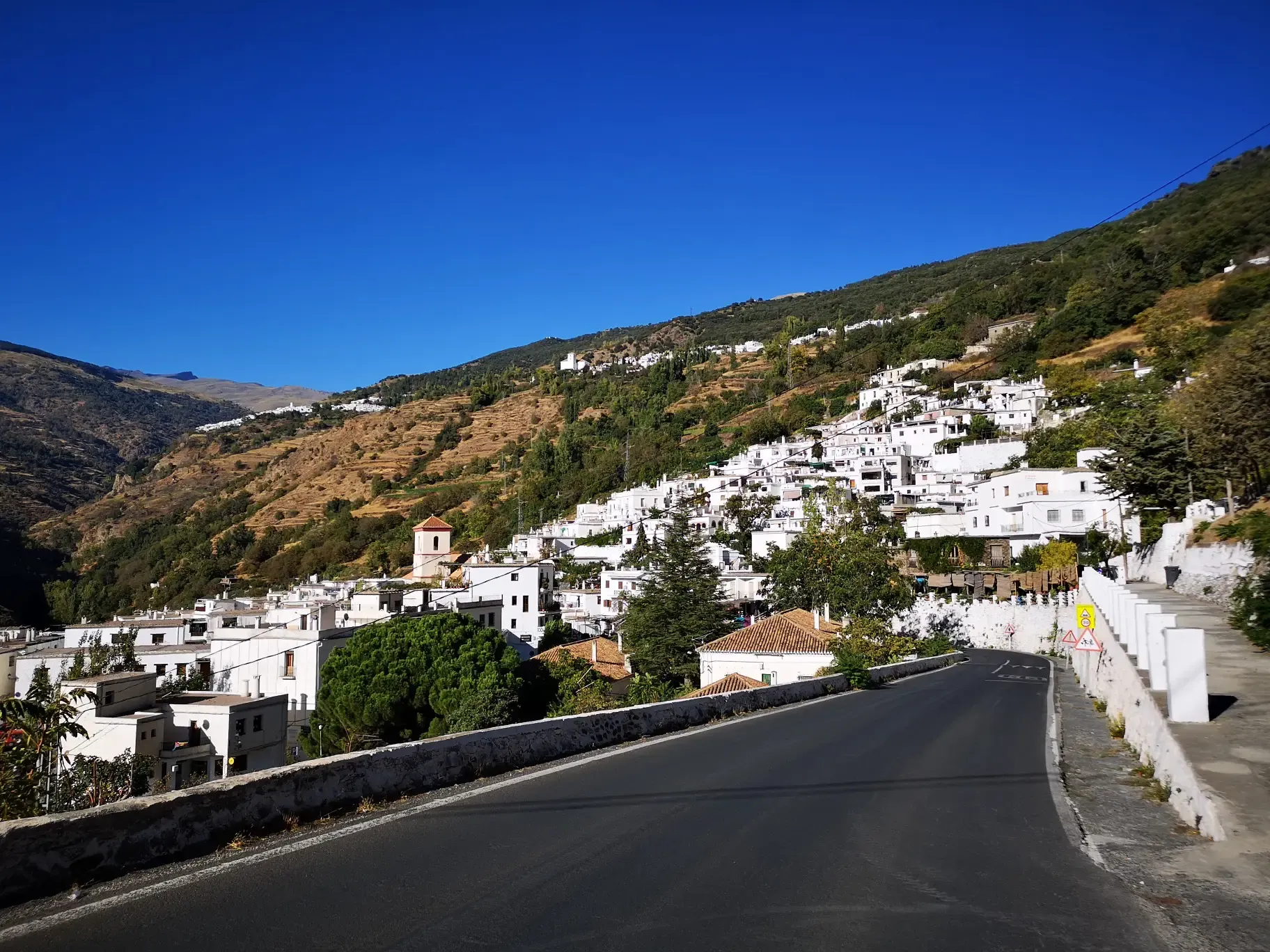
An Andalusian adventure on wheels – Transnevada
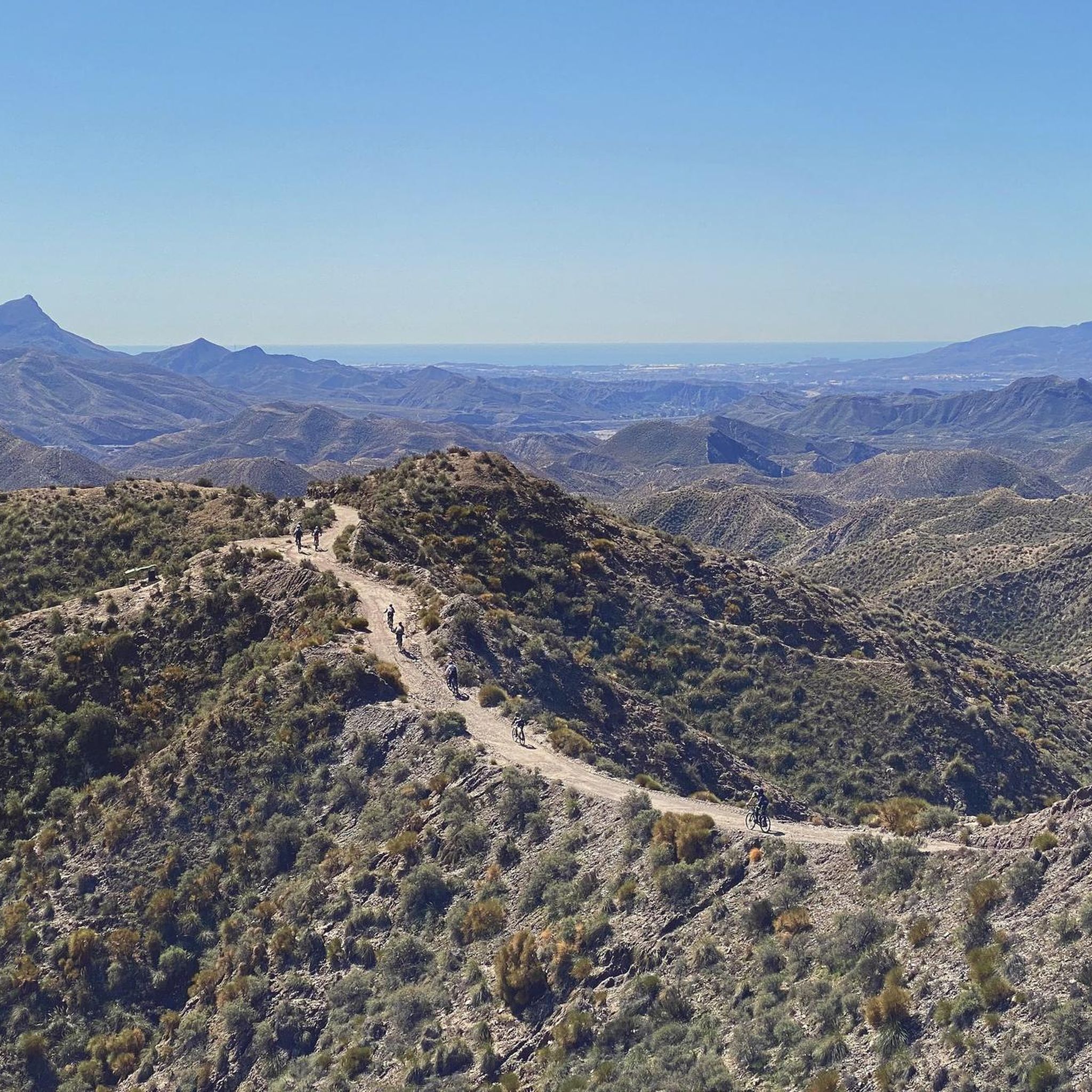
Cycling around Rio Nacimiento
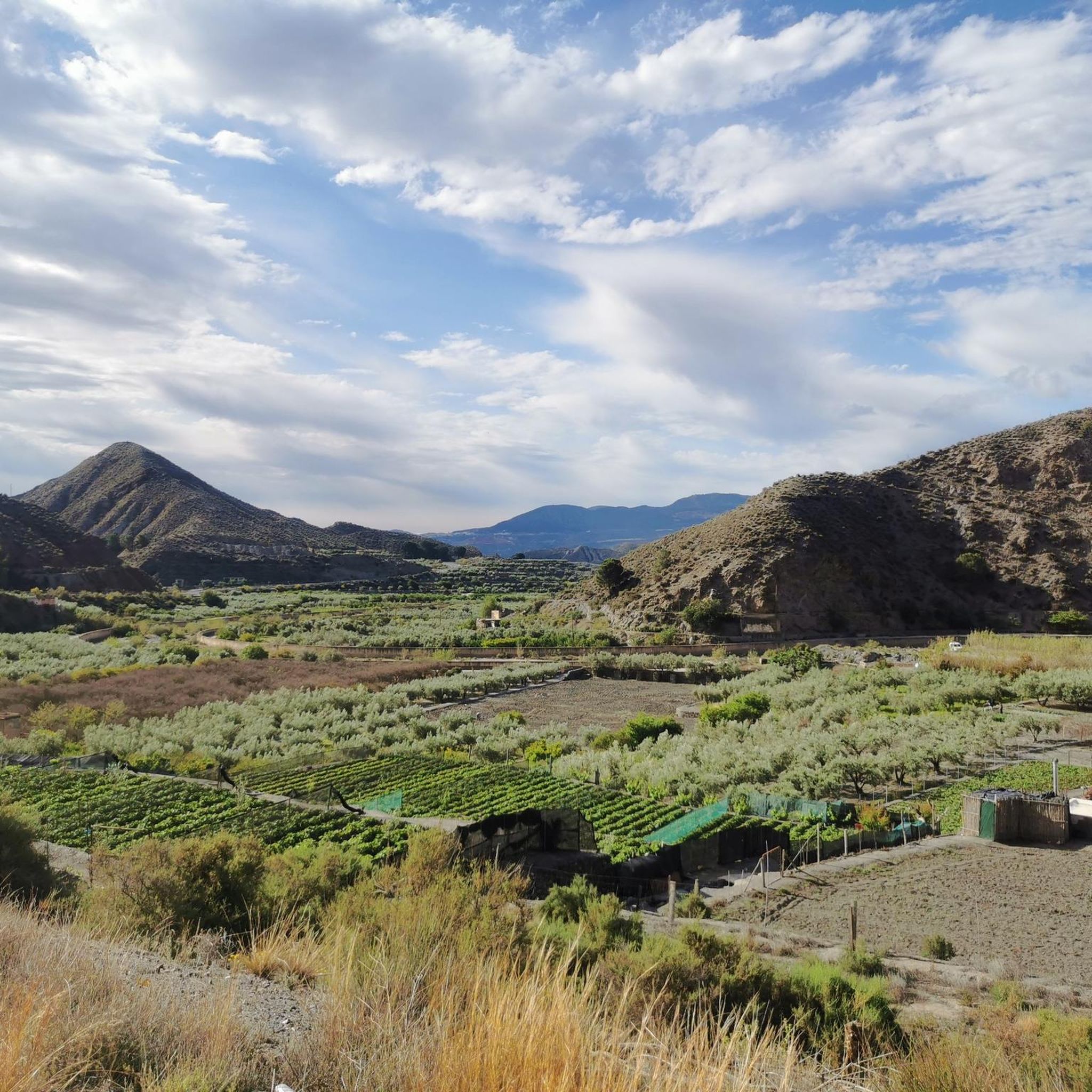
Road Cycling Routes around Rio Nacimiento
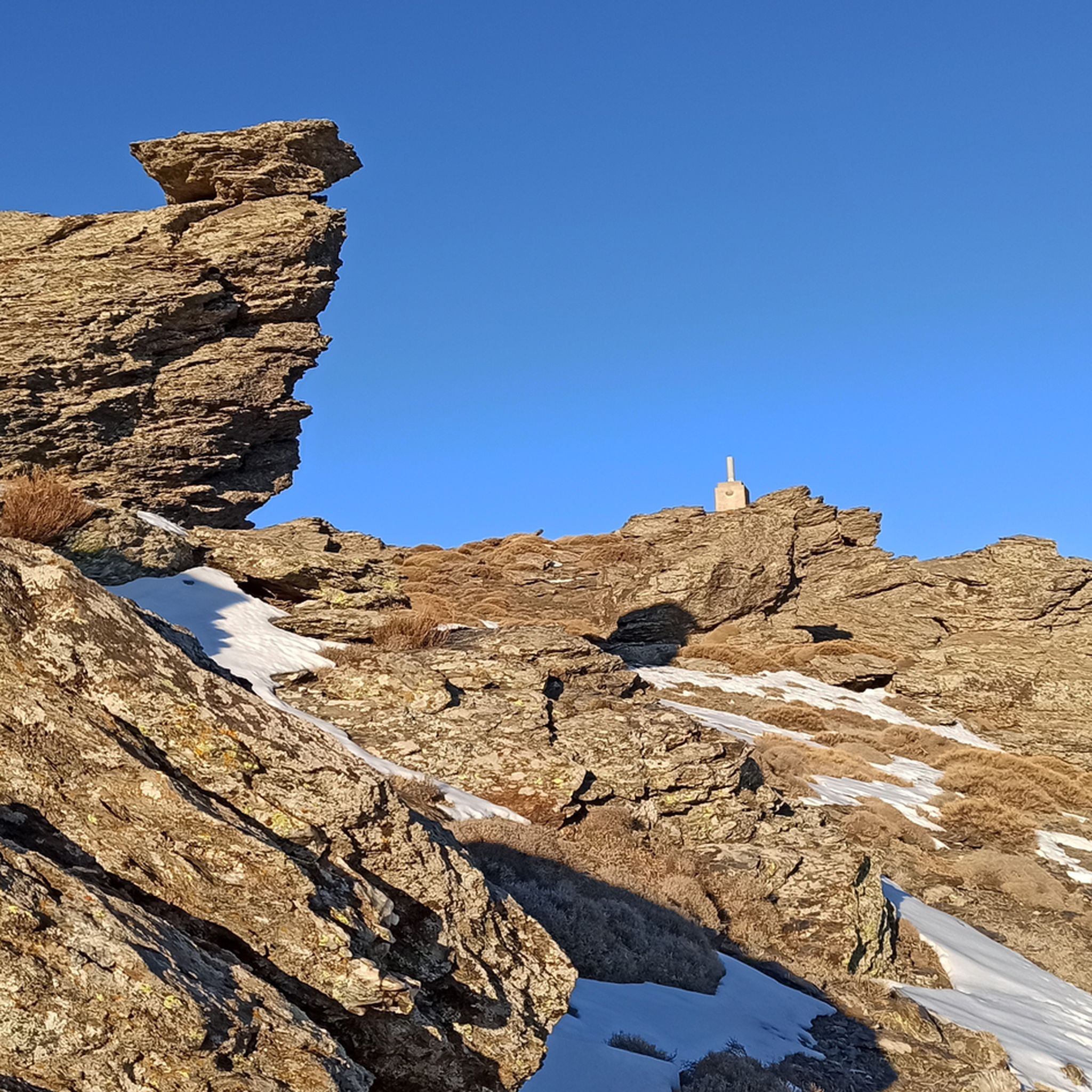
Hiking around Rio Nacimiento
Other adventures around Rio Nacimiento


Tips from the Community

This is a long, steep, and spectacular climb to the summit of Calar Alto, crossing part of the Tabernas Desert from Gérgal. The road surface is in good condition, there is rarely much traffic, and the views are spectacular. Take it easy because, although the average gradient is 5.3%, the climb is long, exceeding 37 kilometers.
1
0

Both mountain ranges ensure that it hardly rains in this semi-desert area.
1
0

breathtaking place ... so extraterrestrialy beautiful and interesting ..also totally isolated
0
0

Take plenty of water, there is none at the top.
0
0

Vulture shelter, beautiful views of the Sierra Nevada and the Marquesado and Ragua area, also on the Almeria coast, although the shelter is a little neglected. We should take a little more care of the bivouacs.
1
0

The Cuatro Caminos pass is a strategic pass, it ends the important slopes and is key to keeping the route at the average altitude until the Caniles highway. The departure from the protected natural area of the mountain range is notable for the change in environment, there are traces of deforestation and the peaks of the mountain range look like plateaus reminiscent of other latitudes. In the background, the white spheres of the astronomical radars of Calar Alto finally appear, the ceiling of the cycle tour and the main challenge of the day. The route immediately leaves the road that goes down towards Escúllar and continues along the mountain range. The road surface is acceptable until the Loma de las Piedras de Ayala, the ground gets much worse and the slope is considerable, it is two uncomfortable kilometers to the natural viewpoint of the Piedras del Deseo, an inspiring name where there are some corrals and fantastic views of the Gulf of Almería, an arc bluish by the waves of the Mediterranean between Punta Entinas and Cabo de Gata. The track improves significantly, passing through the Pingarra hill and connecting with the road that goes up to Calar Alto. On the ditch there are signs for cyclists with the distance and percentage of the slope. The day we spent there was a blizzard, it was cloudy and we couldn't enjoy the views at all, a shame after the four long hours of climbing. Some souvenir photos, all the clothes on and at full speed to Bacares, a town that seems exiled in a wild and lonely corner of the Sierra de los Filabres, surrounded by ravines and mountains. Passing through the town is not obligatory, the main road passes through the detour, you can see the hamlet that is on the opposite slope and continue the descent towards Tíjola.
1
0

Beautiful view
0
0

The Calar Alto plateau is located at an altitude of 2,168 metres, in the heart of the Sierra de los Filabres. Its clear sky allows us to see the stars at night, which is why this peak houses the largest observatory in Europe.
0
0
Frequently Asked Questions
What are the most popular mountain peaks and viewpoints around Rio Nacimiento?
The region offers several notable peaks and viewpoints. Pico del Buitre and Shelter is a popular summit with views of the Sierra Nevada and the Almeria coast. The Calar Alto Astronomical Observatory, located at 2,168 meters, is another significant peak housing Europe's largest observatory. For scenic vistas, the View of Sierra Nevada and the Abrucena River Valley offers beautiful perspectives of the surrounding landscape.
What kind of terrain can I expect in the Rio Nacimiento mountain range?
The Rio Nacimiento mountain range, spanning Granada and Almería, is characterized by its semi-desert terrain. It features remote mountain ranges over 2,000 meters high, including the Sierra de los Filabres. The landscape often includes badlands and areas where it hardly rains, contributing to its unique, rugged beauty.
Are there any significant historical or cultural landmarks in the Rio Nacimiento mountains?
Yes, the Sierras de Baza and Los Filabres area was a historic crossroads of cultures. Its legacy includes remains of Roman aqueducts and Arab castles, reflecting a rich past within this remote mountain range.
What outdoor activities can I do near the mountain peaks of Rio Nacimiento?
The area around Rio Nacimiento is excellent for various outdoor activities. You can find numerous routes for hiking, mountain biking, and running. For hiking, explore trails like 'Cañada de los Arquillos y Cordel de la Solana' or 'La Jairola - El Castillejo'. Mountain biking enthusiasts can tackle routes such as 'Transnevada and Encinar de Abrucena Loop' or the challenging 'Velefique climb'. Runners can enjoy trails like 'El Encinar de Abrucena'. You can find more details on these activities in the Hiking around Rio Nacimiento, MTB Trails around Rio Nacimiento, and Running Trails around Rio Nacimiento guides.
Is the Rio Nacimiento area suitable for family-friendly outings?
Yes, there are options for families. The View of Sierra Nevada and the Abrucena River Valley is specifically categorized as family-friendly, offering accessible viewpoints. When planning, look for trails and highlights marked as 'family_friendly' for suitable options.
What is the Calar Alto Astronomical Observatory and how can I visit it?
The Calar Alto Astronomical Observatory is Europe's largest observatory, situated at an altitude of 2,168 meters in the Sierra de los Filabres. It's renowned for its exceptionally clear skies, making it ideal for stargazing. Access involves a long, often steep climb, such as the Ascent to Calar Alto from the Tabernas Desert via Gérgal, which offers spectacular views along the way.
Are there any challenging climbs or routes for experienced adventurers?
Absolutely. The Ascent to Calar Alto from the Tabernas Desert via Gérgal is a long, steep, and spectacular climb, exceeding 37 kilometers with an average gradient of 5.3%. The Pico del Buitre is also described as an exposed summit, offering a challenging ascent with incredible views.
What unique natural features can be found in the Rio Nacimiento mountain region?
Beyond the peaks, the region is notable for its semi-desert environment and the presence of badlands, particularly around the Sierras de Baza and Los Filabres. The area also offers views of the Sierra Nevada and the Abrucena River Valley, showcasing diverse geological formations and riverine landscapes.
What is the best time to visit the mountain peaks around Rio Nacimiento?
Given the semi-desert climate and the fact that it 'hardly rains' in areas like the Sierras de Baza and Los Filabres, visiting during spring or autumn might offer more comfortable temperatures for outdoor activities. Summers can be very hot, while winters at higher altitudes, like Calar Alto, can be chilly, especially during descents at night.
Are there any shelters or accommodation options on the mountain peaks?
Yes, Pico del Buitre has a shelter at its summit, which can be useful for those undertaking longer excursions. While the shelter might be a bit neglected, it provides a basic refuge.
What makes the Calar Alto area special for astronomy?
The Calar Alto plateau, at 2,168 meters, is renowned for its exceptionally clear skies, which is why it hosts the largest astronomical observatory in Europe. This isolation and lack of light pollution create ideal conditions for observing celestial bodies, making it a 'breathtaking' and 'extraterrestrial' experience for visitors.
Most popular routes around Rio Nacimiento
Most popular attractions around Rio Nacimiento

Get inspired with the komoot mobile app


Didn’t find what you were looking for?
Discover Rio Nacimiento’s best peaks and summits by region:
Explore more
See even more amazing summits around Rio Nacimiento with these guides:
