Top 6 Caves around Sierra de Albarracín
Best caves around Sierra de Albarracín are primarily prehistoric rock shelters, renowned for their ancient art rather than traditional karstic cave systems. This region in Spain is celebrated for its significant cultural heritage, offering a unique glimpse into early human inhabitants' lives. The rock art sites, many located within the Albarracín Cultural Park, are a major draw. The entire rock art of the Sierra de Albarracín was designated a UNESCO World Heritage Site in 1998.
Best caves around Sierra de Albarracín
- The most popular caves is Prado del Navazo Bulls Rock Shelter, a historical site that is one of the most prominent sites of Levantine Rock Art in the Sierra de Albarracín. It features naturalistic representations of large bovids painted in a unique yellowish-white color, and is a UNESCO World Heritage Site.
- Another must-see spot is Shelter of the Archer of the Enclosed Ravines, a historical site located in the protected landscape of the Pinares de Rodeno. It contains a 9 m wide frieze of cave paintings depicting a hunting scene, a female figure, and various animals, including a central archer figure.
- Visitors also love Bishop's Little Kitchen Rock Shelter, a historical site with protected cave paintings and an access platform. Its discovery in 1892 marked a pioneering identification of Levantine art panels in the Iberian Peninsula.
- Sierra de Albarracín is known for prehistoric rock shelters with ancient Levantine rock art and natural caves formed by erosion. Visitors can explore sites with unique cave paintings and geological formations.
- The caves around Sierra de Albarracín are appreciated by the komoot community, with 28 upvotes and 14 photos shared across 8 highlights.
Last updated: July 10, 2026
Shelter of the Archer of the Enclosed Ravines
Highlight • Historical Site
Translated by Google •
Tip by

Prado del Navazo Bulls Rock Shelter
Highlight • Historical Site
Naturalistic representations of large bovids are painted in a yellowish-white color, unique in Levantine rock art, which typically uses reddish tones.
Translated by Google •
Tip by
Sign up now to discover places like this
Get recommendations on the best single tracks, peaks, & plenty of other exciting outdoor places.
Sign up for free
Bishop's Little Kitchen Rock Shelter
Highlight • Historical Site
Translated by Google •
Tip by

Deer rock shelter and various figures
Highlight • Historical Site
Translated by Google •
Tip by
Covarratiñas Caves
Highlight • Cave
Translated by Google •
Tip by

Lázaro Shelter
Highlight • Historical Site
Translated by Google •
Tip by
Abrigos del Arrastradero Rock Paintings
Highlight (Segment) • Historical Site
The paintings likely date back to the Neolithic period (c. 5000-2500 BC). They were scientifically documented by the Teruel archaeologist Martín Almagro Basch, who published an initial study in 1953. They were discovered just over 500 meters from La Cocinilla del Obispo, another rock overhang containing cave paintings.
The rock overhangs containing rock paintings are located near the so-called Arrastradero Trail, which begins from the parking lot and allows visitors to visit the Doña Clotilde Cave, the Half-Horse Shelter, the Bishop's Kitchen, the Deer Shelter, the Shelter of the Various Figures, the Shelter of the Two Horses, and the Archer's Shelter on a 2.5-km circular route.
Translated by Google •
Tip by

Cueva Maleno
Highlight • Cave
Translated by Google •
Tip by
Start today with a free account
Your next adventure awaits.
Login or Signup
Popular around Sierra de Albarracín
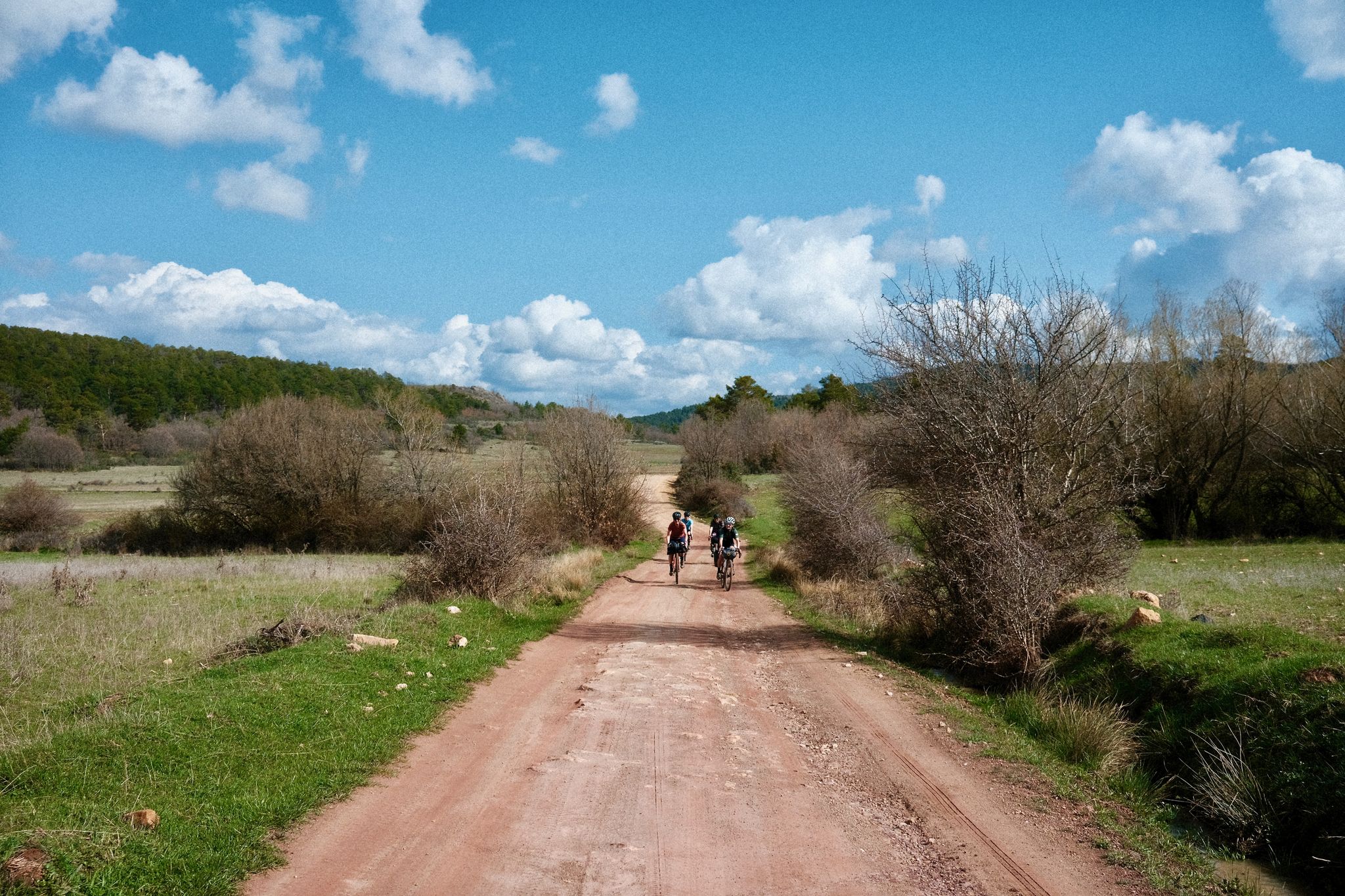
Women's Montañas Vacías 2022 — bikepack in rural Spain
MontañasVacías official — bikepacking across the Spanish Lapland
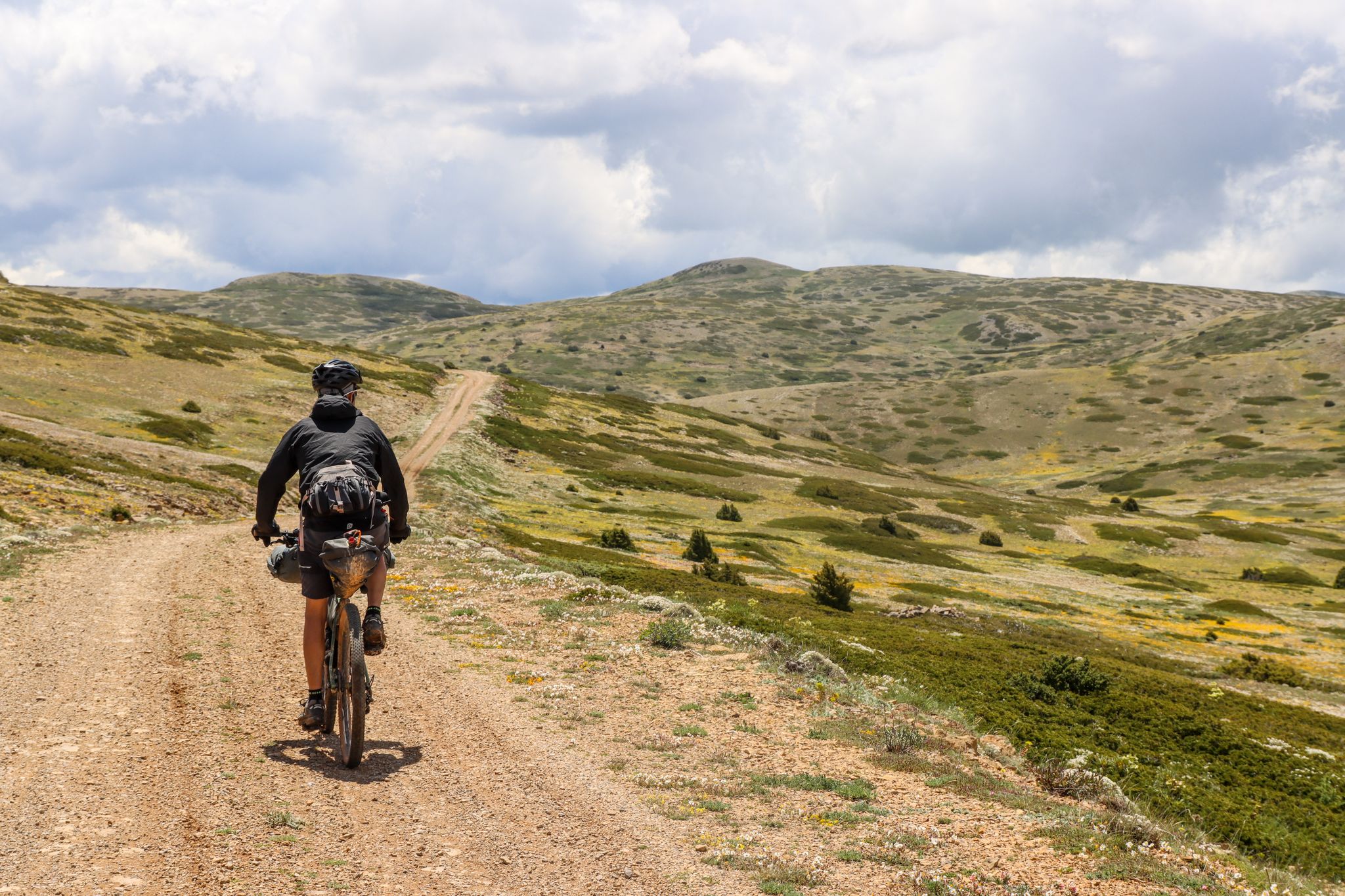
Montañas Vacías — bikepacking the wild and remote 'Empty Mountains'
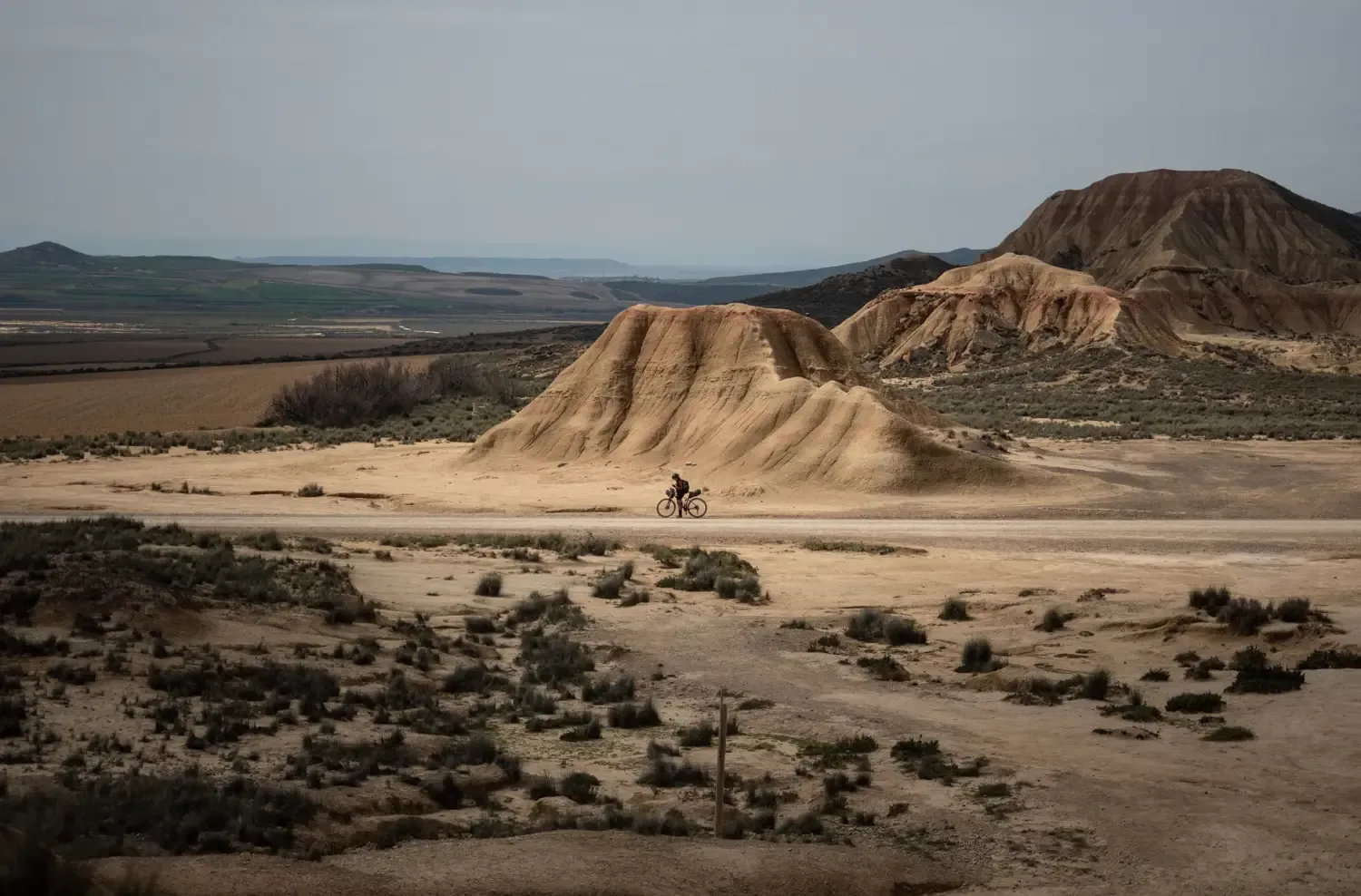
9 mountain biking routes in undiscovered Spain
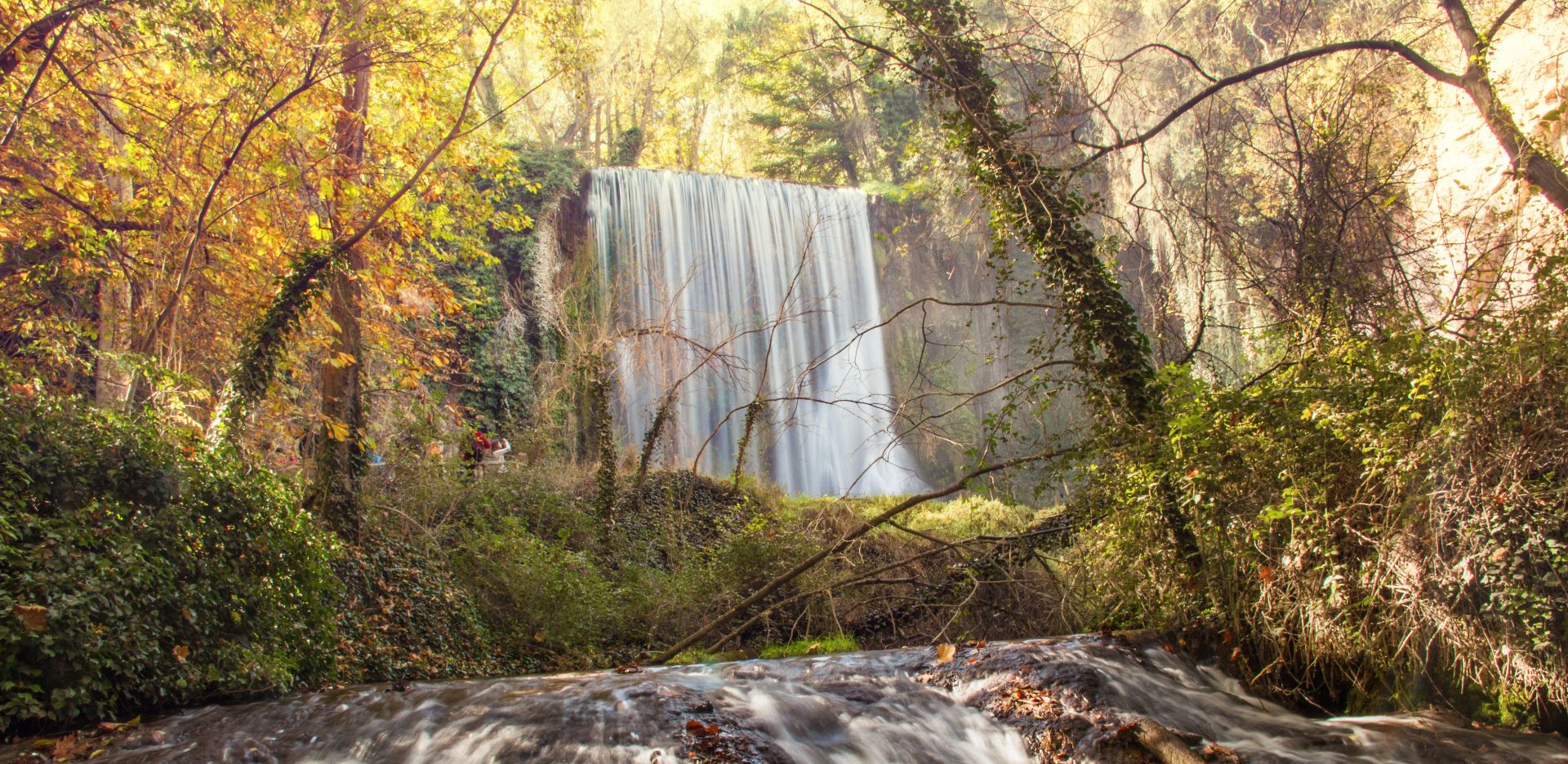
Landscapes of water and rock – Spain’s Jalón and Jiloca Trail (GR 24)
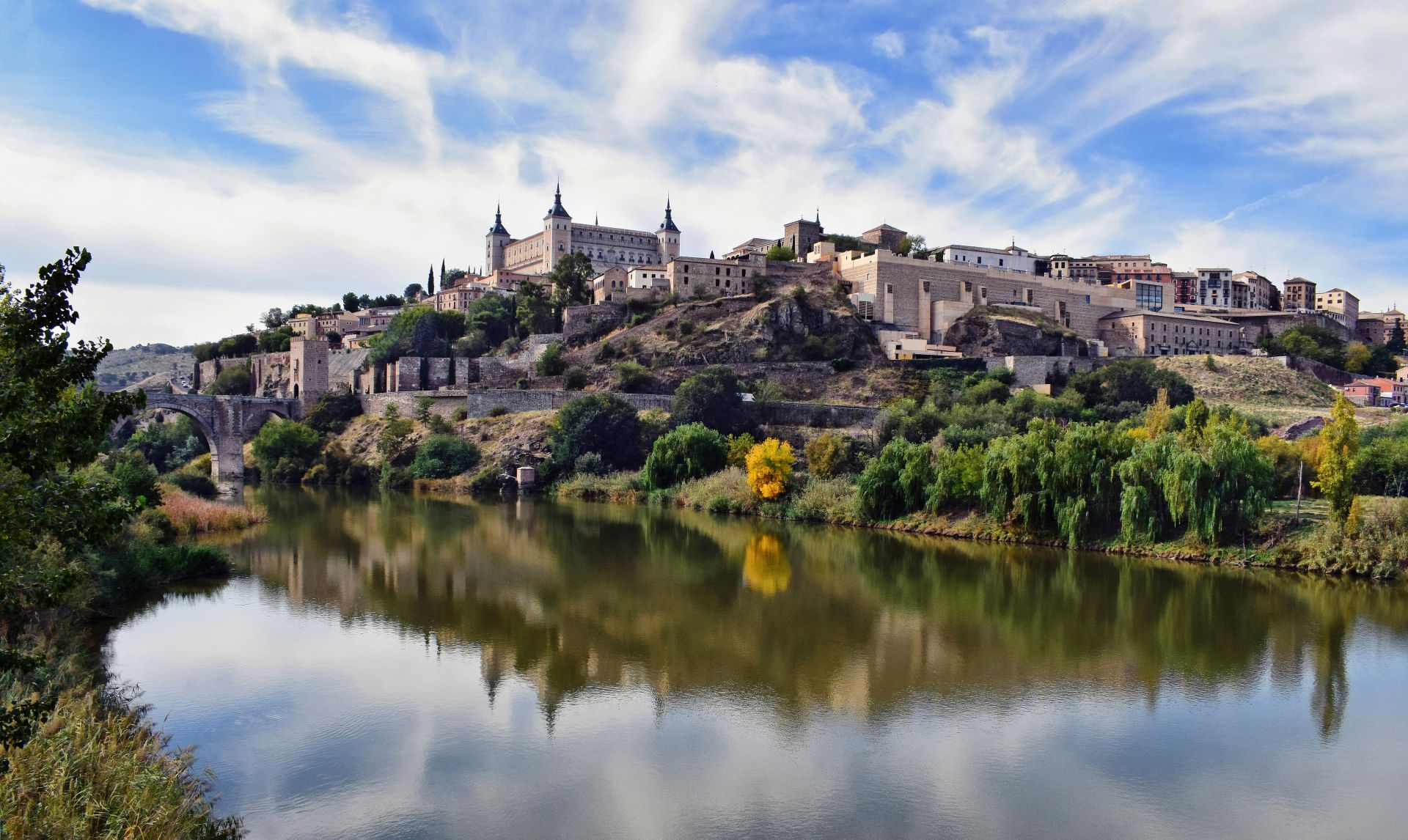
Albarracín to Toledo – Eastern Tagus Nature Trail
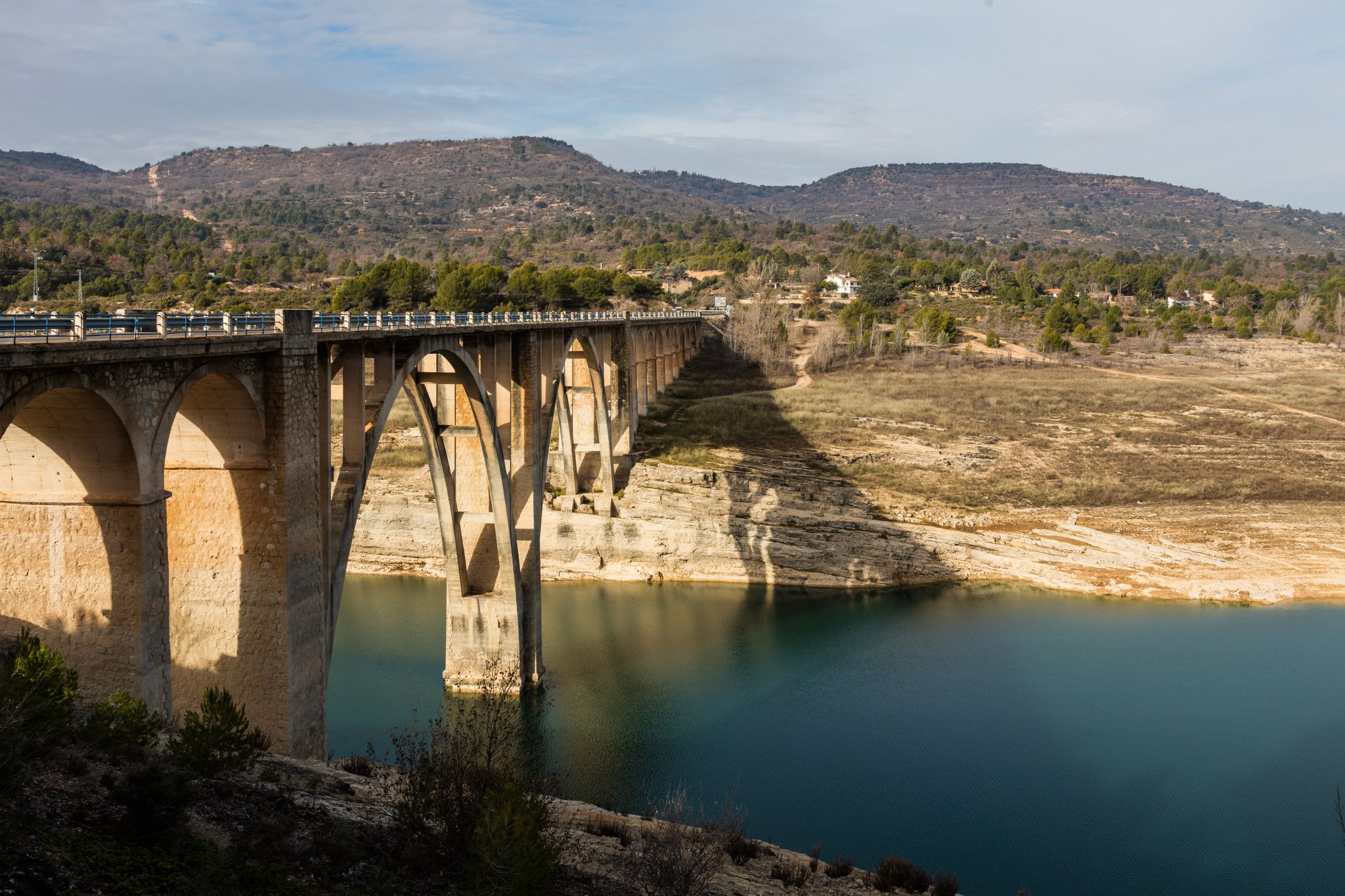
A journey on the Iberian Peninsula – Tagus Nature Trail
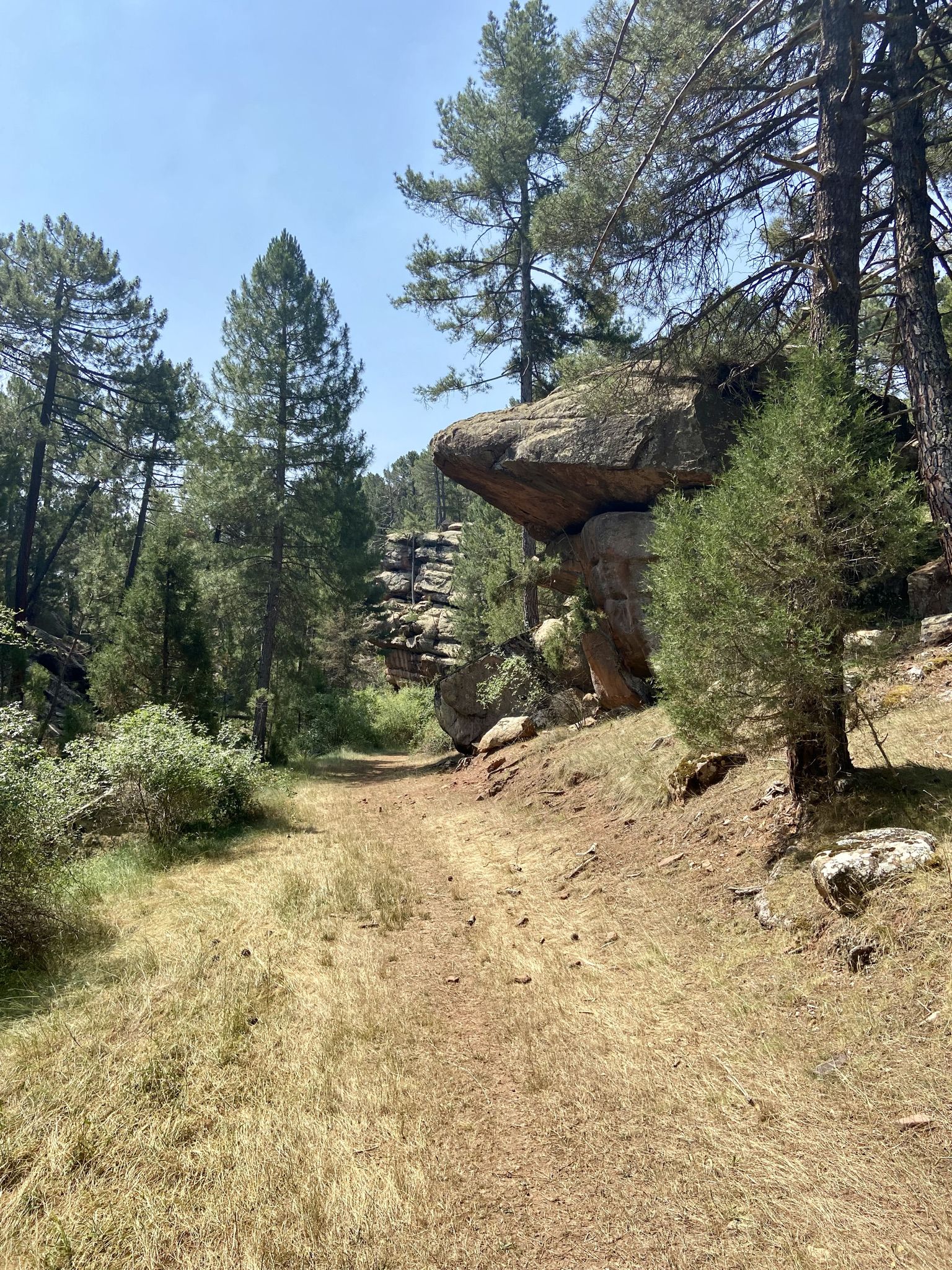
Nature in its purest form – bikepacking in the Sierra de Albarracín
The Three Taifas by gravel bike – El Camino del Cid
The Way of El Cid by bike – The Three Taifas
Other adventures around Sierra de Albarracín


Tips from the Community

The Bull Shelter of Prado del Navazo, also known as Toricos del Navazo, is one of the most prominent sites of Levantine Rock Art in the Sierra de Albarracín (Teruel), and is part of the complex declared a Site of Cultural Interest and World Heritage Site by UNESCO. Naturalistic representations of large bovids are painted in a yellowish-white color, unique in Levantine rock art, which typically uses reddish tones.
4
0

Rock paintings The paintings likely date back to the Neolithic period (c. 5000-2500 BC). They were scientifically documented by the Teruel archaeologist Martín Almagro Basch, who published an initial study in 1953. They were discovered just over 500 meters from La Cocinilla del Obispo, another rock overhang containing cave paintings. The rock overhangs containing rock paintings are located near the so-called Arrastradero Trail, which begins from the parking lot and allows visitors to visit the Doña Clotilde Cave, the Half-Horse Shelter, the Bishop's Kitchen, the Deer Shelter, the Shelter of the Various Figures, the Shelter of the Two Horses, and the Archer's Shelter on a 2.5-km circular route.
0
0

With protected cave paintings.
2
0
With protected cave paintings and access platform.
3
0
Cave carved into the rock and populated since ancient times. It is said that Malena, a good healer, lived there, who healed the entire town with her hands and medicinal herbs.
1
0
Protected landscape in the Sierra de Albarracin Cultural Park. In the middle of the Pinar de Ródeno
7
0

Discovered in 1986, two different scenes are represented, in one there are two archers fighting and in the other an archer with his legs bent facing an animal. It is estimated that they date from 4500-7000 years BC.
2
1
Discovered in 1892, it is one of the most important stops in the park. On the rock, 19 figures have been distinguished, including 5 people representing 3 different moments in time. It is estimated that they date from 4500-7000 years BC
2
1
Frequently Asked Questions
What kind of 'caves' can I expect to find in Sierra de Albarracín?
The Sierra de Albarracín region is primarily known for its significant prehistoric rock shelters, which house invaluable ancient art, rather than traditional karstic cave systems. These rock art sites offer a unique glimpse into the lives of early human inhabitants and are designated UNESCO World Heritage Sites.
Which rock shelters are most popular for their ancient art?
Among the most popular are the Prado del Navazo Bulls Rock Shelter, famous for its unique yellowish-white paintings of bovids, and the Bishop's Little Kitchen Rock Shelter, which played a pivotal role in the discovery of Levantine art in the Iberian Peninsula. Both are UNESCO World Heritage Sites.
Are there any family-friendly rock shelters to visit?
Yes, several rock shelters are suitable for families. The Prado del Navazo Bulls Rock Shelter and the Bishop's Little Kitchen Rock Shelter are both marked as family-friendly and offer accessible platforms for viewing the ancient paintings.
What is the Albarracín Cultural Park and what does it offer?
The Albarracín Cultural Park, also known as Pinares de Rodeno Natural Park, is an expansive area encompassing numerous rock shelters with prehistoric cave paintings. It's set amidst unique red sandstone formations and pine forests, offering a chance to explore ancient art within a stunning natural landscape. The entire rock art of the Sierra de Albarracín, including sites within this park, is a UNESCO World Heritage Site.
Can I see other natural geological features besides rock shelters?
Yes, the Albarracín Cultural Park features a landscape sculpted by atmospheric erosion, creating unique geological formations like tafoni (hemispherical holes), alveoli (larger holes), and gnammas (circular depressions) in the rock. While not a traditional cave, the Source of the Cuervo River in the broader Serranía de Cuenca region is a natural monument with impressive waterfalls formed by travertine springs.
What outdoor activities can I do near the rock shelters?
The region around Sierra de Albarracín offers a variety of outdoor activities. You can find numerous MTB trails, easy hikes, and road cycling routes. Many of these routes pass through the beautiful natural landscapes surrounding the rock art sites, such as the Pinares de Rodeno.
Are there specific hiking trails that lead to rock art sites?
Yes, the Albarracín Cultural Park is a hiker's paradise, with trails leading to various rock art sites. For example, the Shelter of the Archer of the Enclosed Ravines is located within the protected landscape of the Pinares de Rodeno and is accessible via hiking routes.
What is the best time of year to visit the rock shelters?
The Sierra de Albarracín region generally experiences pleasant weather for outdoor activities during spring and autumn, making these seasons ideal for visiting the rock shelters and enjoying the surrounding natural park. Summers can be warm, and winters can be cold, so plan accordingly.
Do I need a permit to access the rock shelters?
Access requirements can vary. While many sites within the Albarracín Cultural Park are generally accessible, some protected areas or specific shelters might have regulations or require guided visits. It's advisable to check with local tourism offices or official park websites for the most current information on permits or access restrictions for individual sites.
What historical significance do the rock shelters hold?
The rock shelters in Sierra de Albarracín are of immense historical significance, primarily due to their Levantine Rock Art, which dates back to the Neolithic period (7,000 - 5,000 B.C.). These paintings provide invaluable insights into the lives, beliefs, and artistic expressions of prehistoric communities, earning them UNESCO World Heritage status.
Are there any less-known rock shelters worth exploring?
Beyond the most prominent sites, the region boasts numerous other rock shelters. For instance, the Deer rock shelter and various figures, discovered in 1974, features a clearly distinguishable deer painting. The Lázaro Shelter and Abrigos del Arrastradero Rock Paintings also offer unique glimpses into ancient art.
What do visitors enjoy most about the rock shelters in Sierra de Albarracín?
Visitors frequently appreciate the unique opportunity to witness ancient art in its natural setting. The combination of historical significance, the stunning red sandstone landscapes of the Pinares de Rodeno, and the peaceful atmosphere makes for a memorable experience. The well-preserved paintings and the UNESCO World Heritage status add to the profound sense of history and culture.
Most popular routes around Sierra de Albarracín
Most popular attractions around Sierra de Albarracín

Get inspired with the komoot mobile app


Didn’t find what you were looking for?
Discover more caves around Sierra de Albarracín region by region:
