Top 5 Castles around Menorca
Castles around Menorca reveal the island's rich history and strategic importance in the Mediterranean. The landscape features impressive fortifications, from well-preserved structures to intriguing ruins. These sites bear witness to past conflicts and shifting powers, offering insights into military engineering and historical events. Exploring these locations provides a journey through centuries of island defense and cultural evolution.
Best castles around Menorca
- The most popular castles is Ruins of Castell de Sant Antoni, a castle that was a 17th-century fortress…
Last updated: August 20, 2026
Castle Sant Nicolau
Highlight • Castle
If you look to the other side of the harbor entrance, you can see the harbor's new lighthouse.
It's no comparison to the old one, which has much more charm.
Translated by Google •
Tip by

Ruins of Castell de Sant Antoni
Highlight • Castle
Translated by Google •
Tip by

Sign up now to discover places like this
Get recommendations on the best single tracks, peaks, & plenty of other exciting outdoor places.
Sign up for free
Fort Marlborough
Highlight • Historical Site
Translated by Google •
Tip by

Castell de Ló Hostel
Highlight • Rest Area
Translated by Google •
Tip by
Fortaleza de La Mola
Highlight • Historical Site
Translated by Google •
Tip by

Start today with a free account
Your next adventure awaits.
Login or Signup
Popular around Menorca
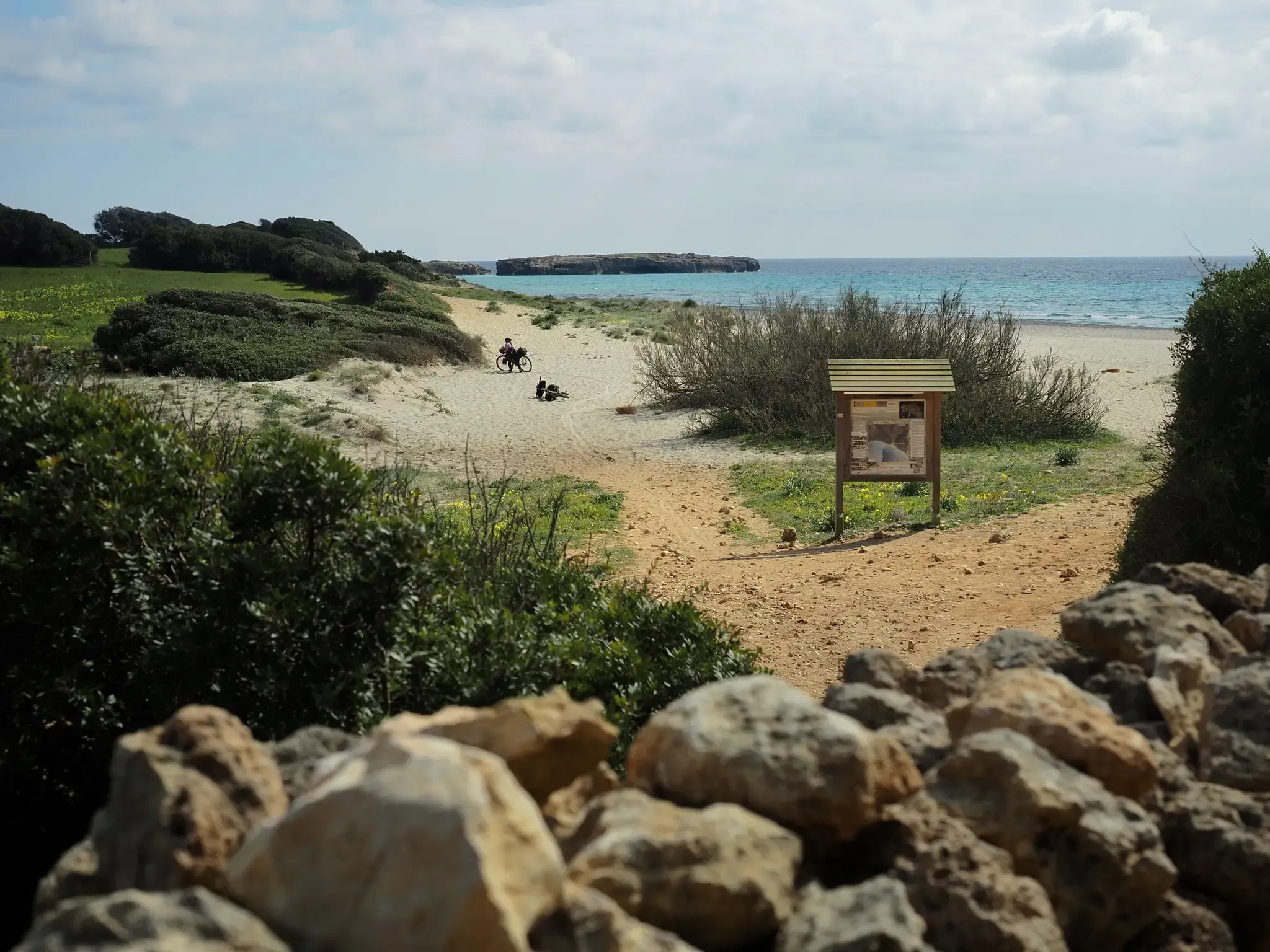
MTB adventure in Menorca – Camí de Cavalls (GR 223)
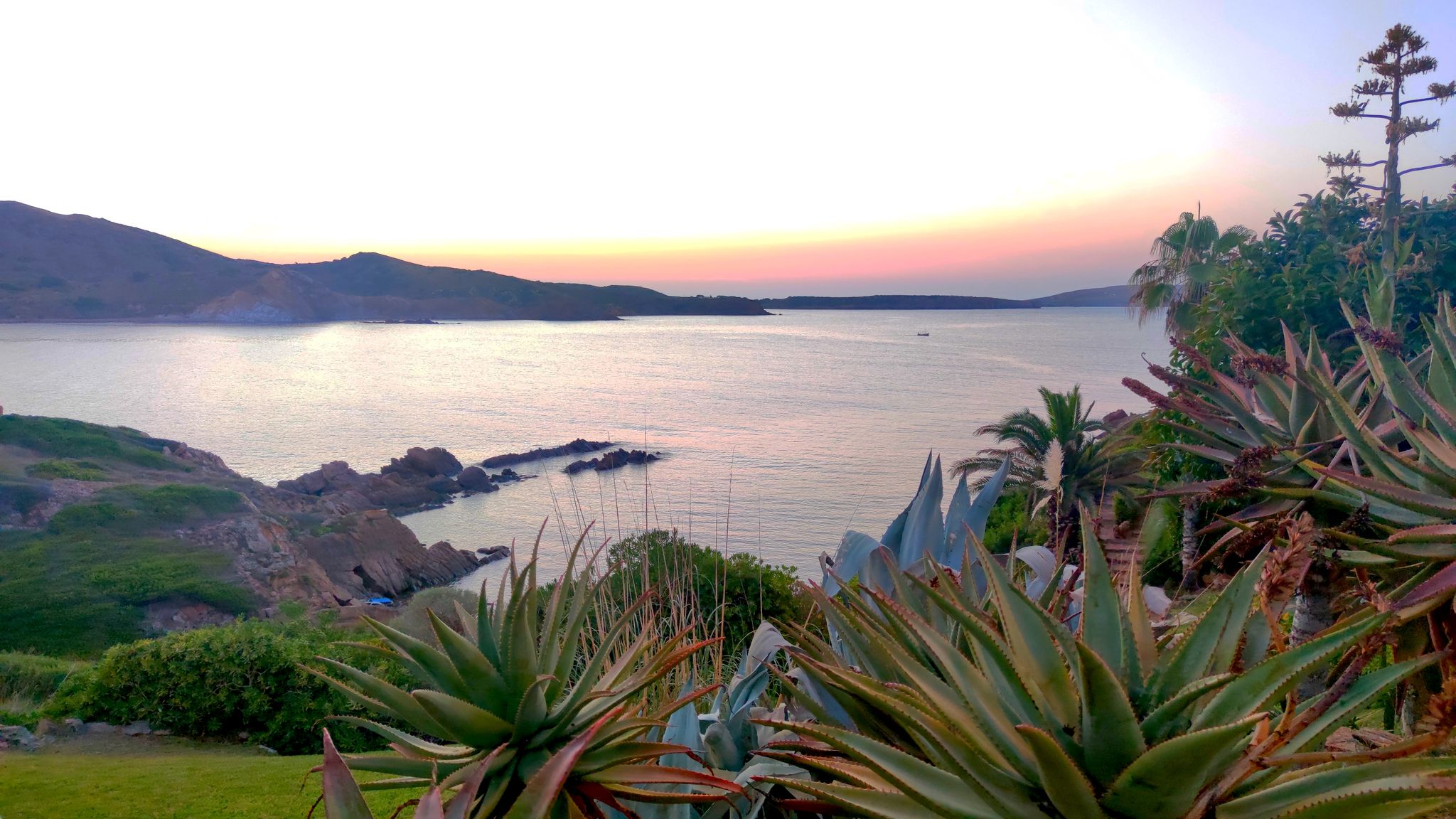
Menorca's turquoise waters and red rocks — Camí de Cavalls (GR223)
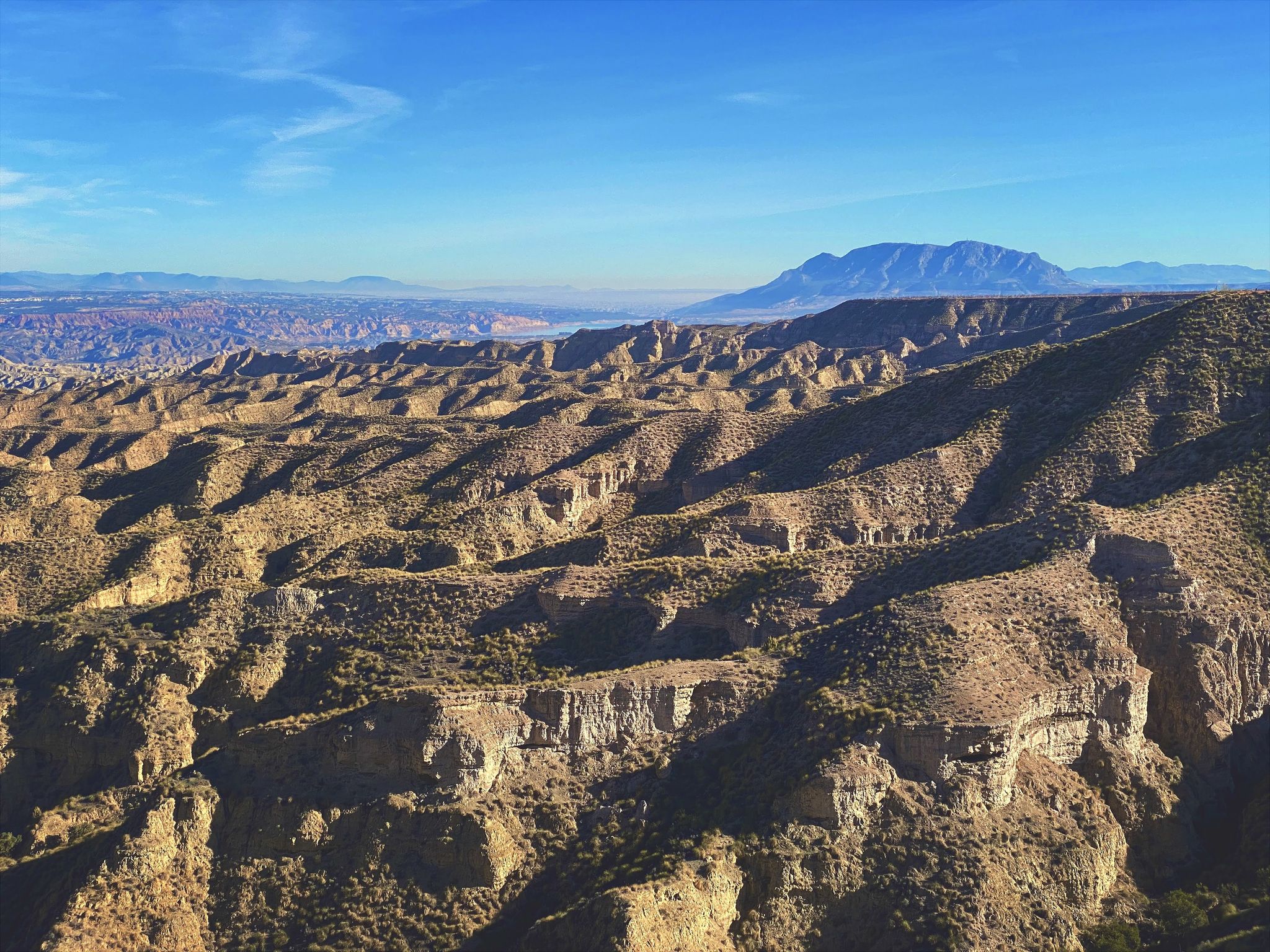
Discover Spain by gravel — a selection of must-see routes
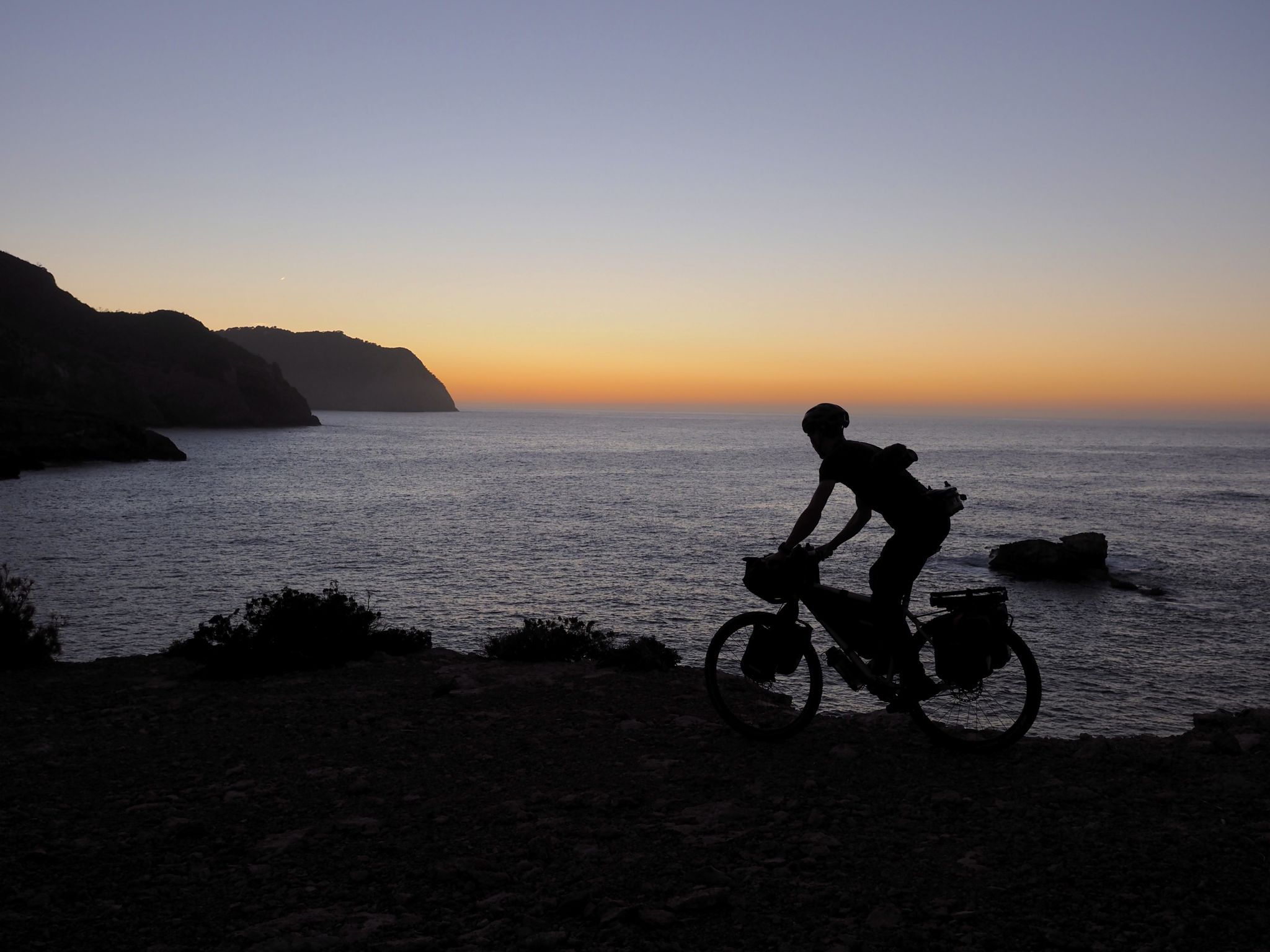
Island hopping in the Spanish Balearic Islands — the TransBaleares
Hiking around Menorca
MTB Trails around Menorca
Cycling around Menorca
Running Trails around Menorca
Road Cycling Routes around Menorca

Gravel biking around Menorca
Other adventures around Menorca


Tips from the Community


Next to the tower there is a small bunker of modern coastal defense dug into the rock.
4
0
A two-meter-deep ditch surrounds the complex on all sides.
4
0
Is crowned by a platform with a small tower top.
4
0
The octagonal tower rests on a pyramid-shaped stump.
4
0
It was built in the late 17th century to ward off the threat of pirates
4
0
Was used as a storage facility for food and weapons and as a refuge for soldiers.
4
0
The interior of the castle, a vault with a column in the middle
4
0
Frequently Asked Questions
Which castles in Menorca offer the most comprehensive historical experience?
For a deep dive into Menorca's military past, Fortaleza de La Mola is an excellent choice. This 19th-century fortress is one of Europe's largest and remarkably well-preserved, offering insights into military engineering and 19th-century life. Similarly, Fort Marlborough, a British-built fort from the 18th century, serves as an interpretation center with re-enactments that bring history to life.
Are there any family-friendly castles to visit in Menorca?
Yes, Fort Marlborough is considered family-friendly, offering an engaging experience with re-enactments that transport visitors back to the 18th century. Its underground areas and historical displays are captivating for all ages. Fortaleza de La Mola also caters to families, with extensive grounds to explore and electric cars available for those who prefer not to walk the entire site.
What are the best castles in Menorca for panoramic views?
Fortaleza de La Mola offers exceptional panoramic views of Mahón harbor and the island's coastline, particularly stunning at daybreak. The upper level of Fort Marlborough also provides excellent views over the historic area of Maó harbor.
Can I explore castle ruins in Menorca?
Yes, the Ruins of Castell de Sant Antoni in Fornells are a significant historical site, though only a few vestiges remain. This 17th-century fortress is considered the origin of the village of Fornells. Similarly, much of Sant Felip Castle was demolished, but visitors can still explore its outer works and impressive underground galleries.
What is the best time of year to explore Menorca's castles?
Menorca's pleasant climate makes castle exploration enjoyable for much of the year. Spring (April-May) and Autumn (September-October) offer comfortable temperatures for walking and fewer crowds. Summer can be hot, but many sites like Fortaleza de La Mola and Fort Marlborough have indoor sections or underground galleries that provide respite from the heat.
Are there public transport options to reach Menorca's castles?
Public transport options vary by location. For Fortaleza de La Mola, it's generally recommended to drive or take a taxi due to its location. Fort Marlborough is located near Maó harbor, which may have more accessible public transport links or be reachable by a shorter taxi ride from nearby towns. For the Ruins of Castell de Sant Antoni, reaching Fornells by bus is possible, and the ruins are within the village.
What kind of outdoor activities can I do near Menorca's castles?
Menorca offers various outdoor activities near its historical sites. You can find excellent cycling routes, such as those in the Cycling around Menorca guide, including routes like 'Torre de Alcaufar and Mirador de Punta Prima'. For mountain biking enthusiasts, the MTB Trails around Menorca guide features routes like 'Faro de Artrutx' or 'Faro de Favartix'. Gravel biking is also popular, with routes like 'Macarella Cove – Cala des Talaier loop' available in the Gravel biking around Menorca guide.
Are there cafes or restaurants near Menorca's historic castles?
While some larger fortresses like Fortaleza de La Mola might have small kiosks or cafes on-site during peak season, it's generally best to look for dining options in the nearby towns. For example, the Ruins of Castell de Sant Antoni are located in Fornells, a charming fishing village with numerous restaurants. Similarly, sites near Mahón harbor, like Fort Marlborough, are close to the city's dining establishments.
Are any of Menorca's castles dog-friendly?
While specific rules for each historical site can vary, some areas around the castles, particularly outdoor ruins or walking paths, might be dog-friendly. For example, the Castell de Ló Hostel, which is listed as a castle-category highlight, is explicitly noted as dog-friendly, allowing dogs on its terrace. It's always advisable to check with individual sites regarding their pet policies before visiting.
What should I wear when visiting castles in Menorca?
Comfortable walking shoes are essential, as many castles involve extensive walking, uneven terrain, or underground passages. Light, breathable clothing is recommended, especially during warmer months. A hat, sunglasses, and sunscreen are also advisable due to the strong Mediterranean sun. For cooler seasons or windy coastal locations, a light jacket or sweater would be beneficial.
Are there any hidden gem castles or less crowded fortifications to visit?
While the major sites like Fortaleza de La Mola and Fort Marlborough are popular, exploring the Ruins of Castell de Sant Antoni in Fornells offers a quieter experience, allowing you to connect with the origins of a charming fishing village. Sant Felip Castle, despite its partial demolition, also provides a unique historical exploration of its underground galleries, often with fewer crowds than the fully preserved fortresses.
What natural features can I expect to see near Menorca's castles?
Menorca's castles are often strategically located, offering stunning natural backdrops. Fortaleza de La Mola is situated within a natural protected area, recognized as a Special Protected Area for Birds (ZEPA) and a Community Interest Site (LIC), providing opportunities to observe local flora and fauna. Many fortifications, like Fort Marlborough, are carved into natural rock formations and offer views of the island's rugged coastline and clear Mediterranean waters.
Most popular routes around Menorca
Most popular attractions around Menorca

Get inspired with the komoot mobile app


Explore more
Looking for the best castles somewhere else? Discover other guides around Menorca:
