The best cycling routes around Kürnbach
4.2
(39)
255
riders
19
rides
Touring cycling routes around Kürnbach are situated within the Kraichgau hill country, characterized by rolling hills and vineyards. The region extends into the Stromberg-Heuchelberg Nature Park, offering routes through contiguous forest areas. Kürnbach itself lies in the Humsterbach valley, providing varied terrain for cycling. This landscape offers a mix of open cultivated areas, shaded woodlands, and waterside elements.
Best touring cycling routes around Kürnbach
- The most popular touring cycling route is Gochsheim Castle – Gochsheim Castle loop from Kürnbach,…
Last updated: July 4, 2026
4.6
(10)
66
riders
28.2km
01:44
160m
160m
Moderate bike ride. Good fitness required. Mostly paved surfaces. Suitable for all skill levels.
4.2
(9)
64
riders
31.0km
02:08
300m
300m
Hard bike ride. Good fitness required. You may need to push your bike for some segments of this route.

Sign up for free
5.0
(2)
14
riders
25.3km
01:46
320m
320m
Moderate bike ride. Good fitness required. Mostly paved surfaces. Suitable for all skill levels.
4.6
(5)
21
riders
15.2km
00:57
120m
120m
Easy bike ride. Great for any fitness level. Mostly paved surfaces. Suitable for all skill levels.
5.0
(1)
16
riders
20.8km
01:24
260m
260m
Moderate bike ride. Good fitness required. Mostly paved surfaces. Suitable for all skill levels.
Get access to more routes and recommendations from other explorers.
Sign up for free
Already have an account?
Our route recommendations are based on thousands of hikes, rides, and runs completed by other people on komoot.
Start today with a free account
Your next adventure awaits.
Login or Signup
Popular around Kürnbach
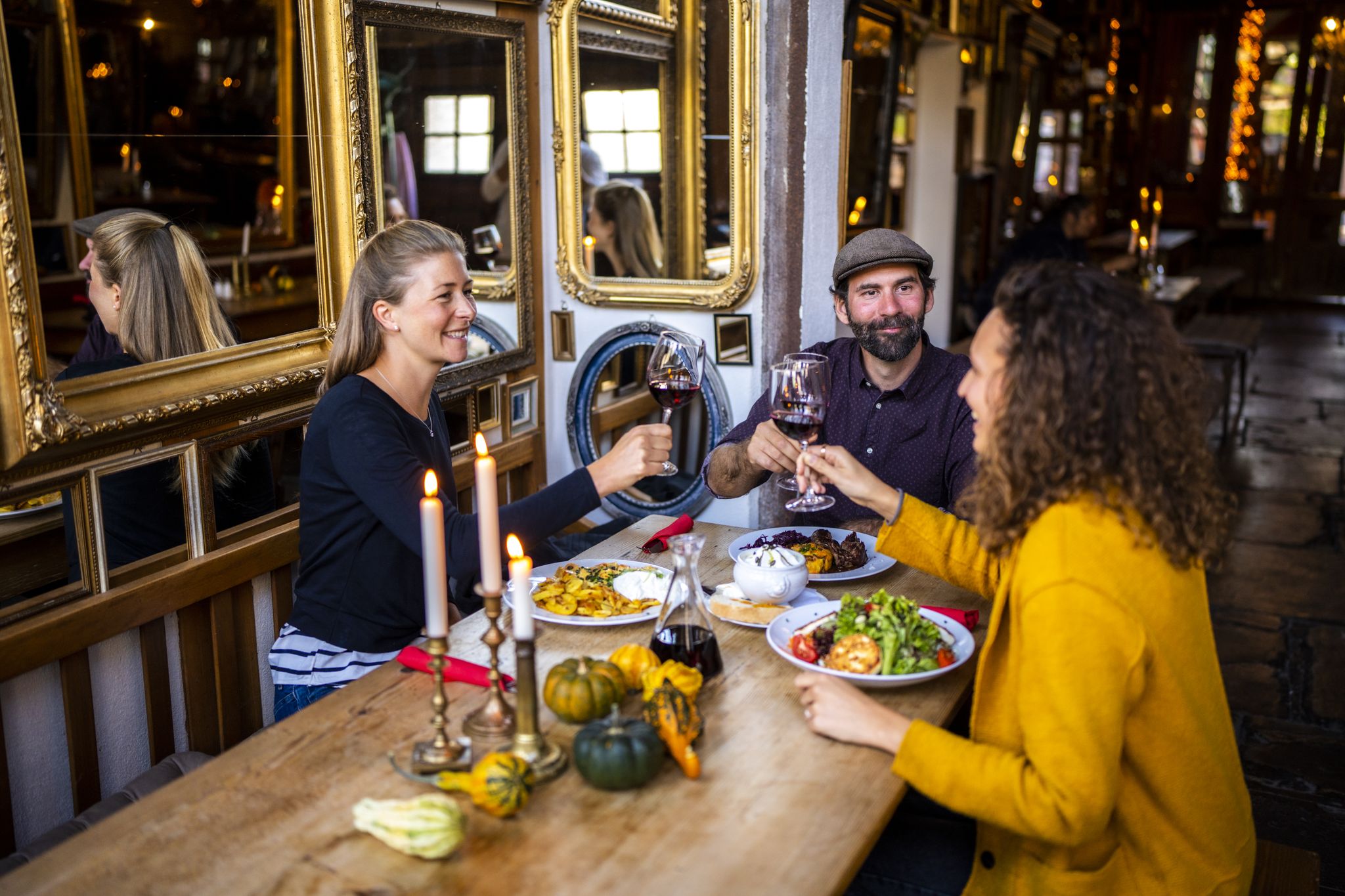
Hikes to seasonal taverns along the Baden Wine Route in Germany
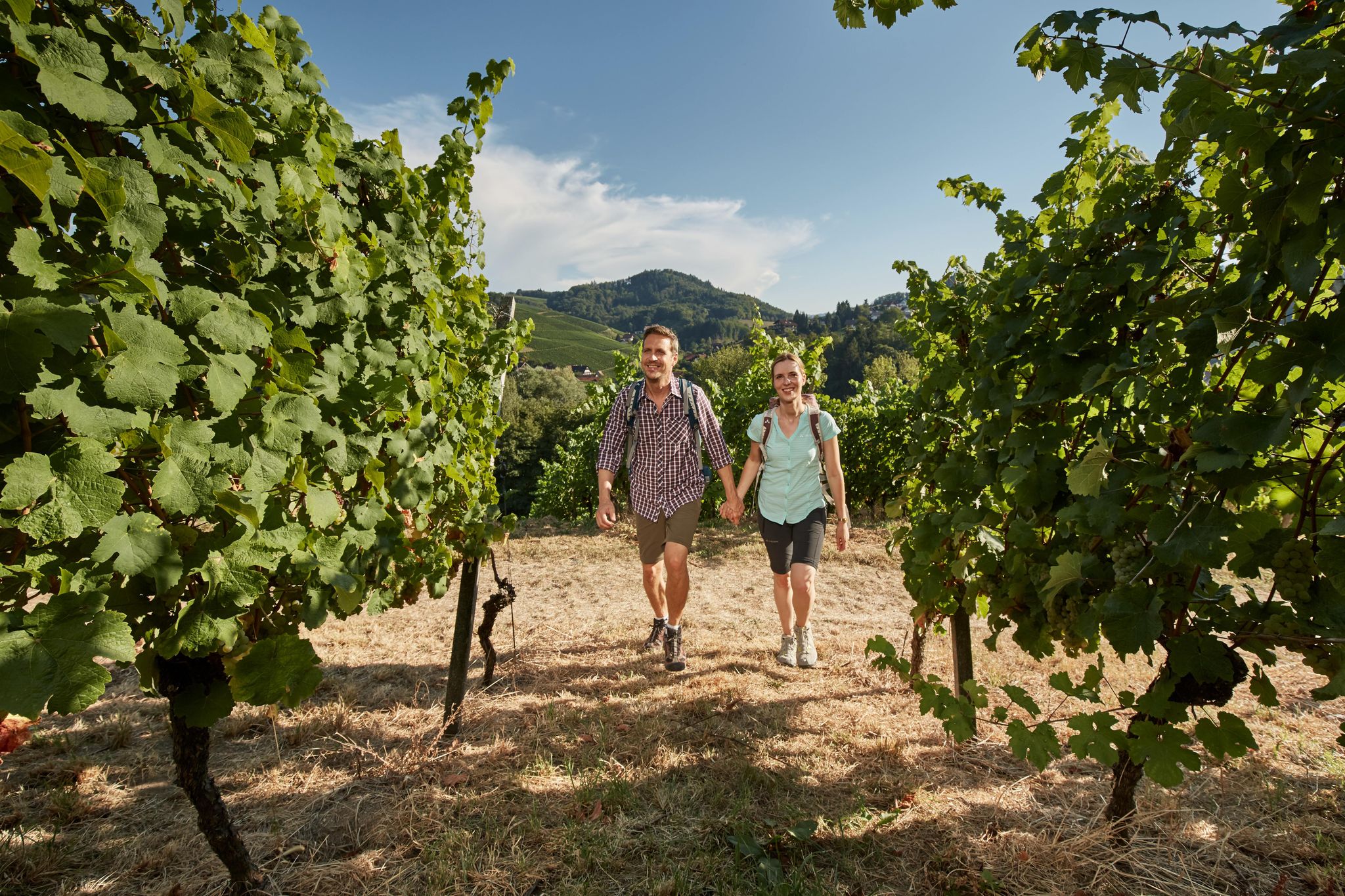
Foodie walks in southern Germany — hiking in Baden-Württemberg
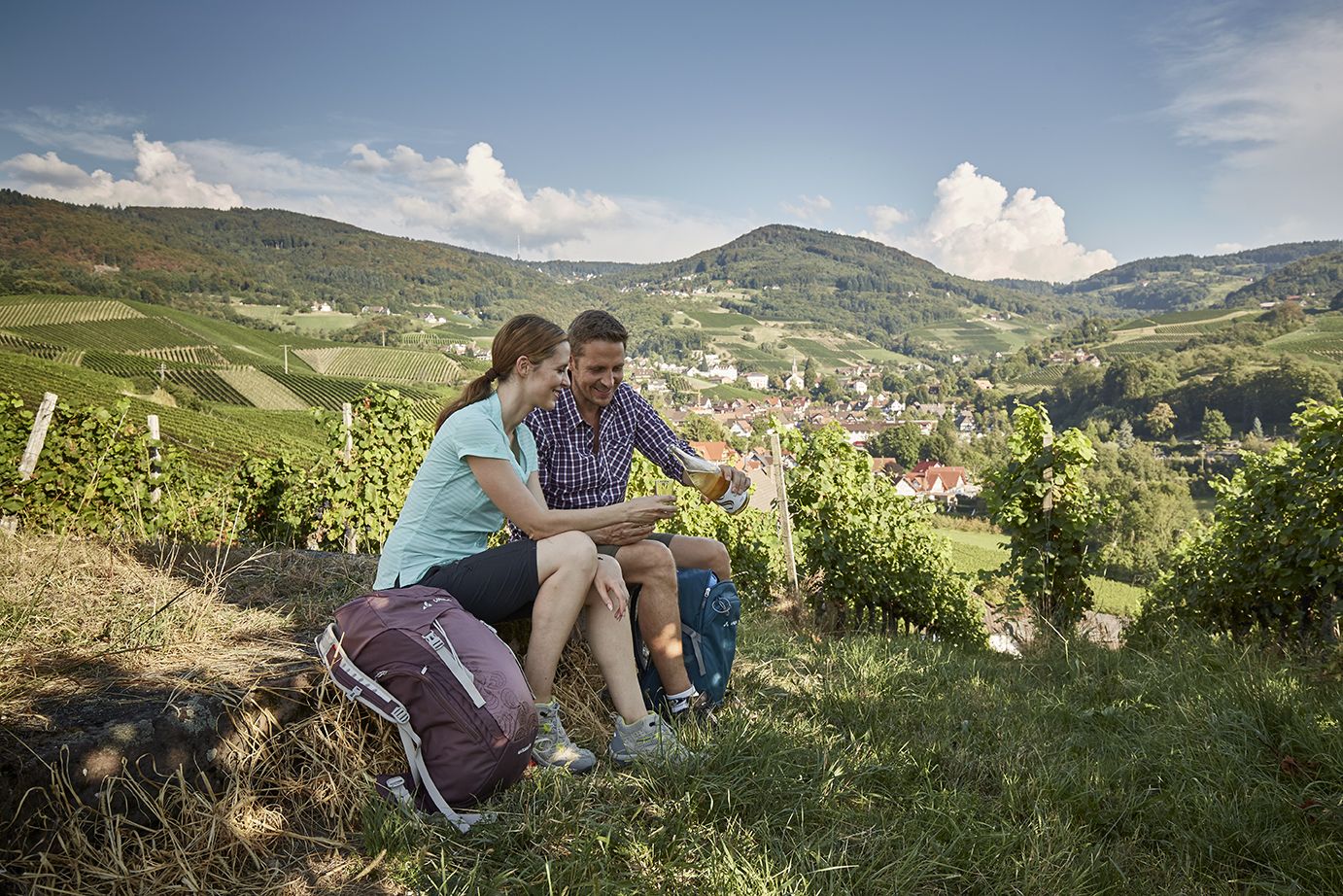
Getting a taste for wine — wine hikes in Germany’s Baden region
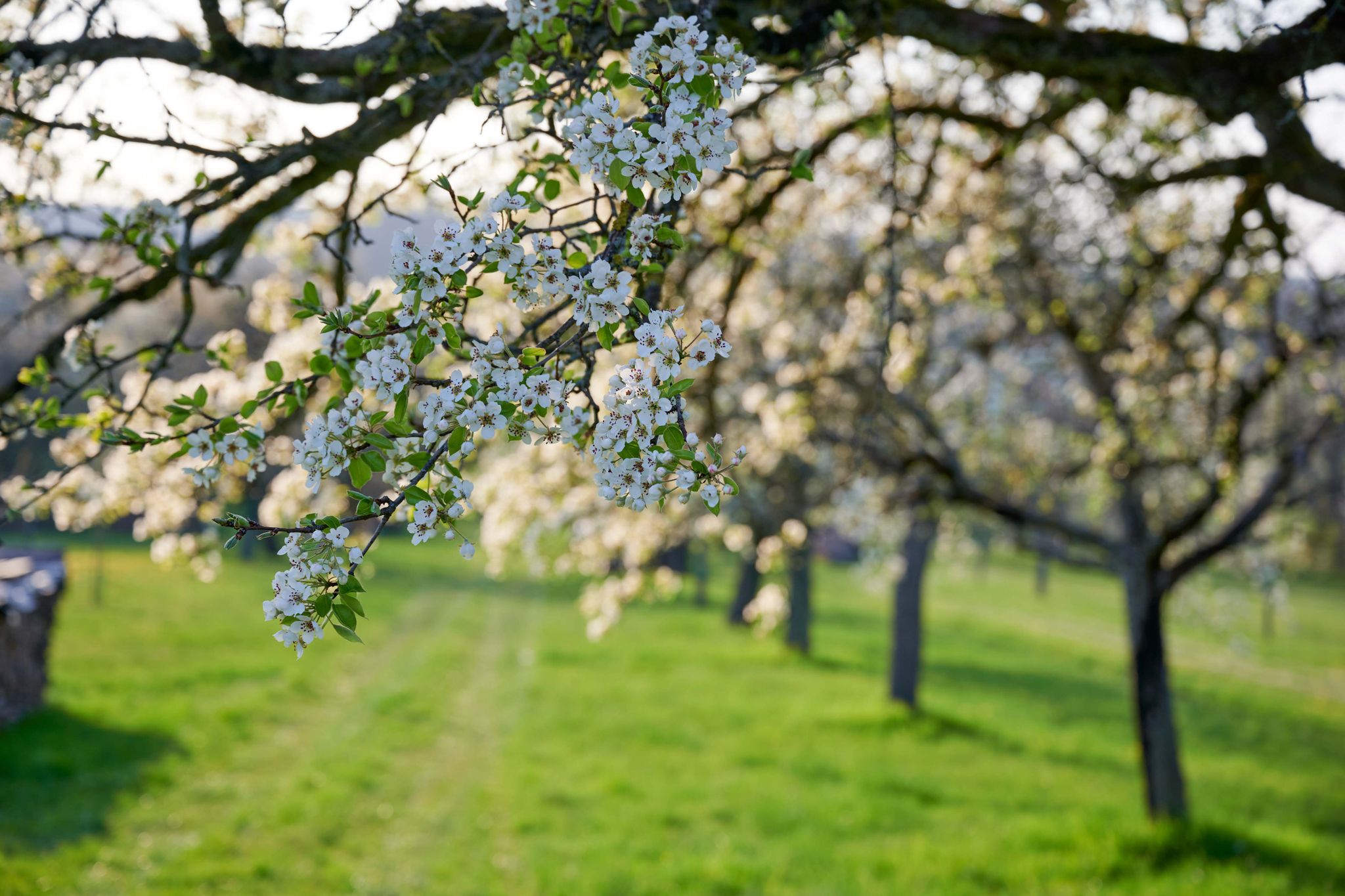
Spring in the land of 1,000 hills – Kraichgau-Stromberg in Germany
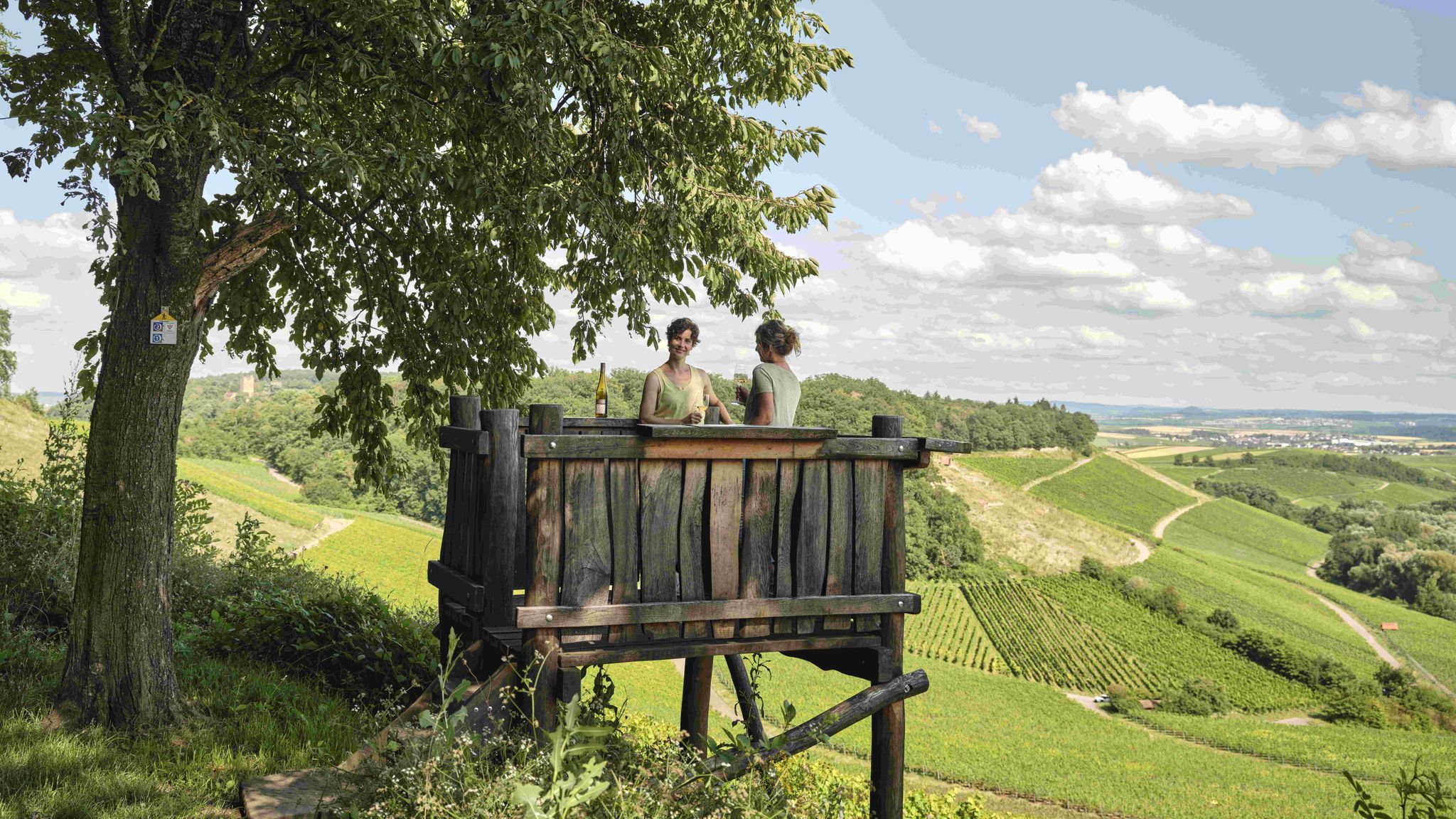
Genusswandern: Auf Wein(wander)wegen durch das Land der 1000 Hügel
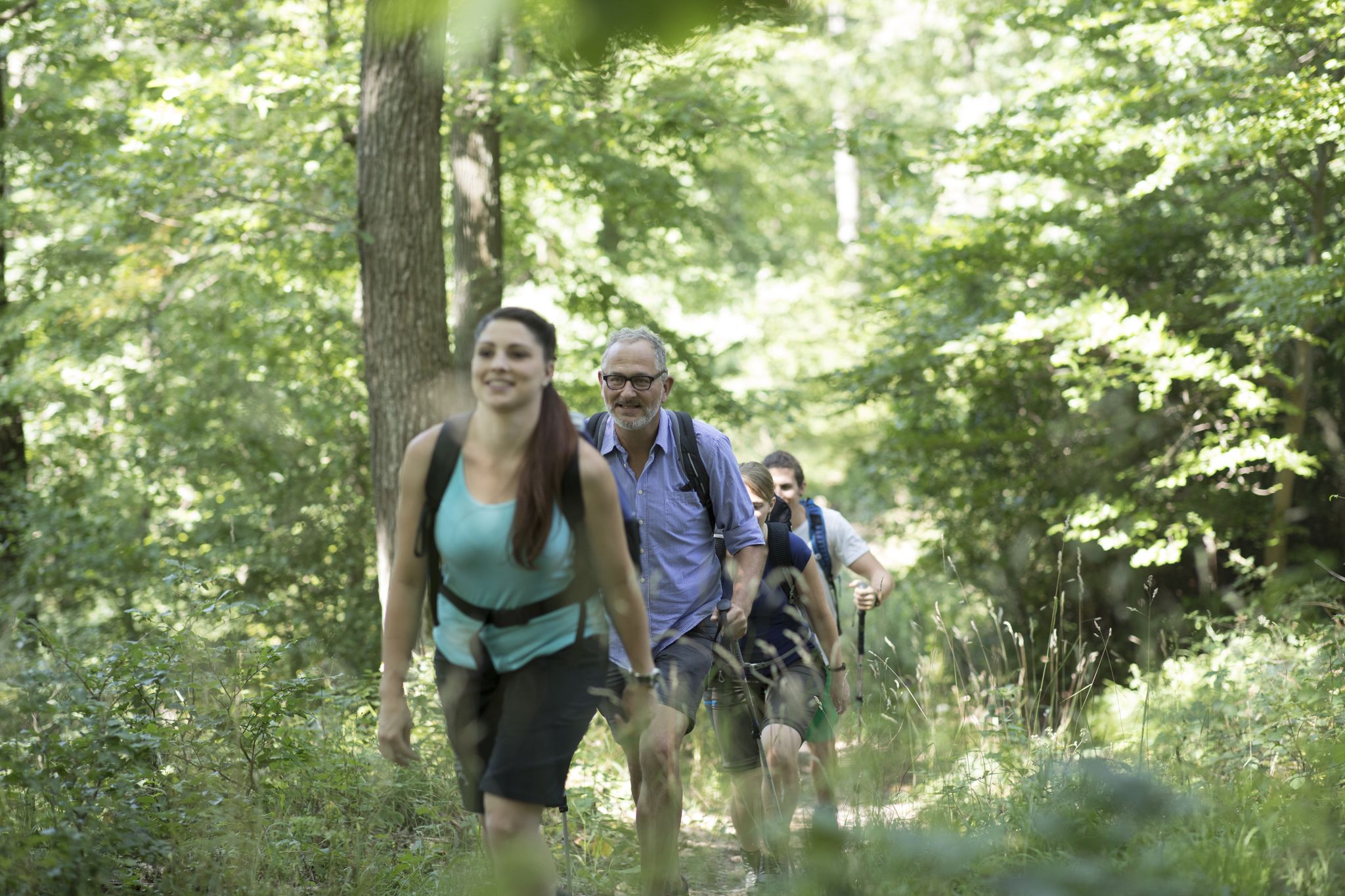
Wander3Klänge: Einfach Los Wandern im Naturpark Stromberg-Heuchelberg
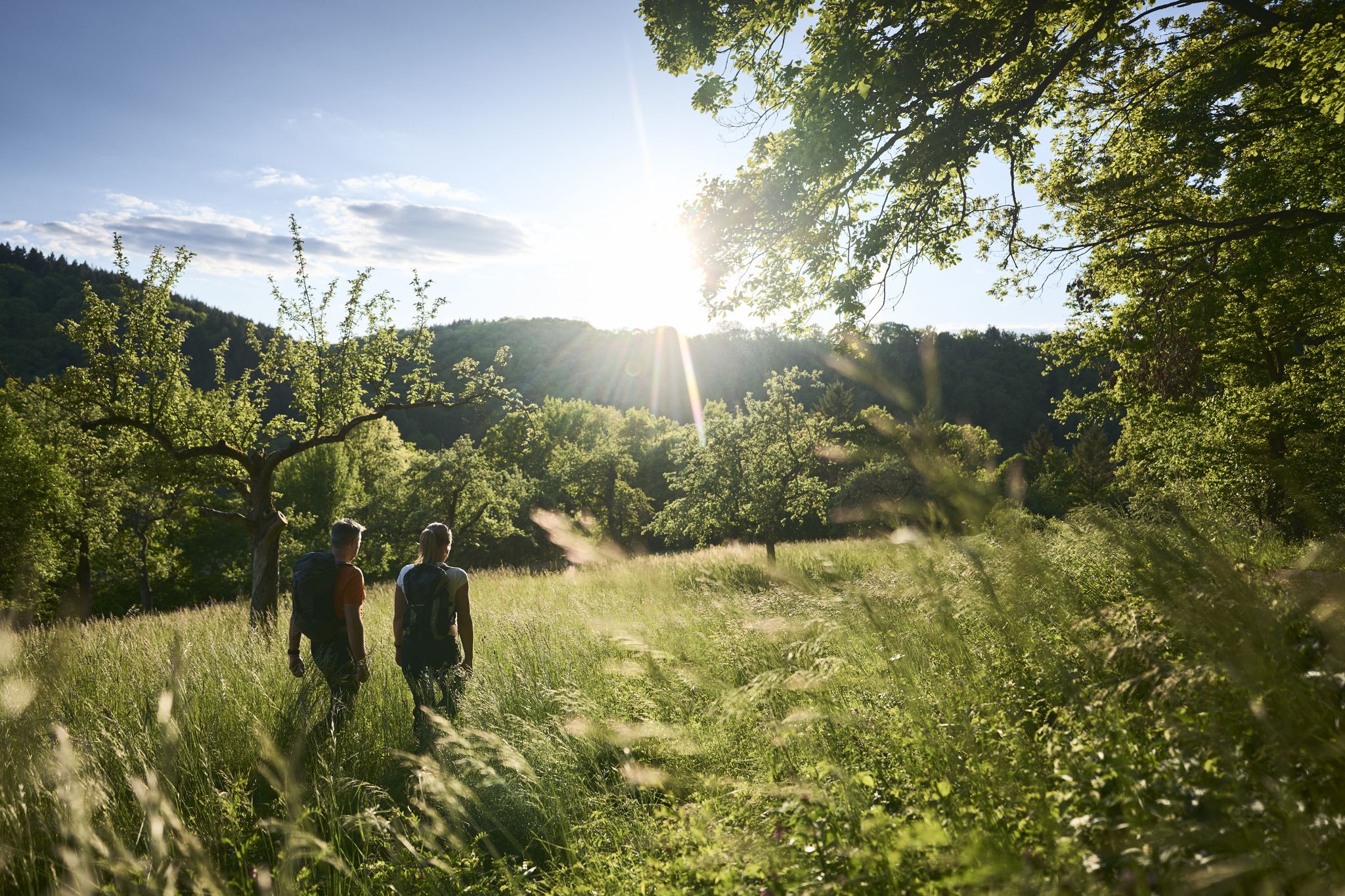
Zu Fuß durchs Land der 1000 Hügel
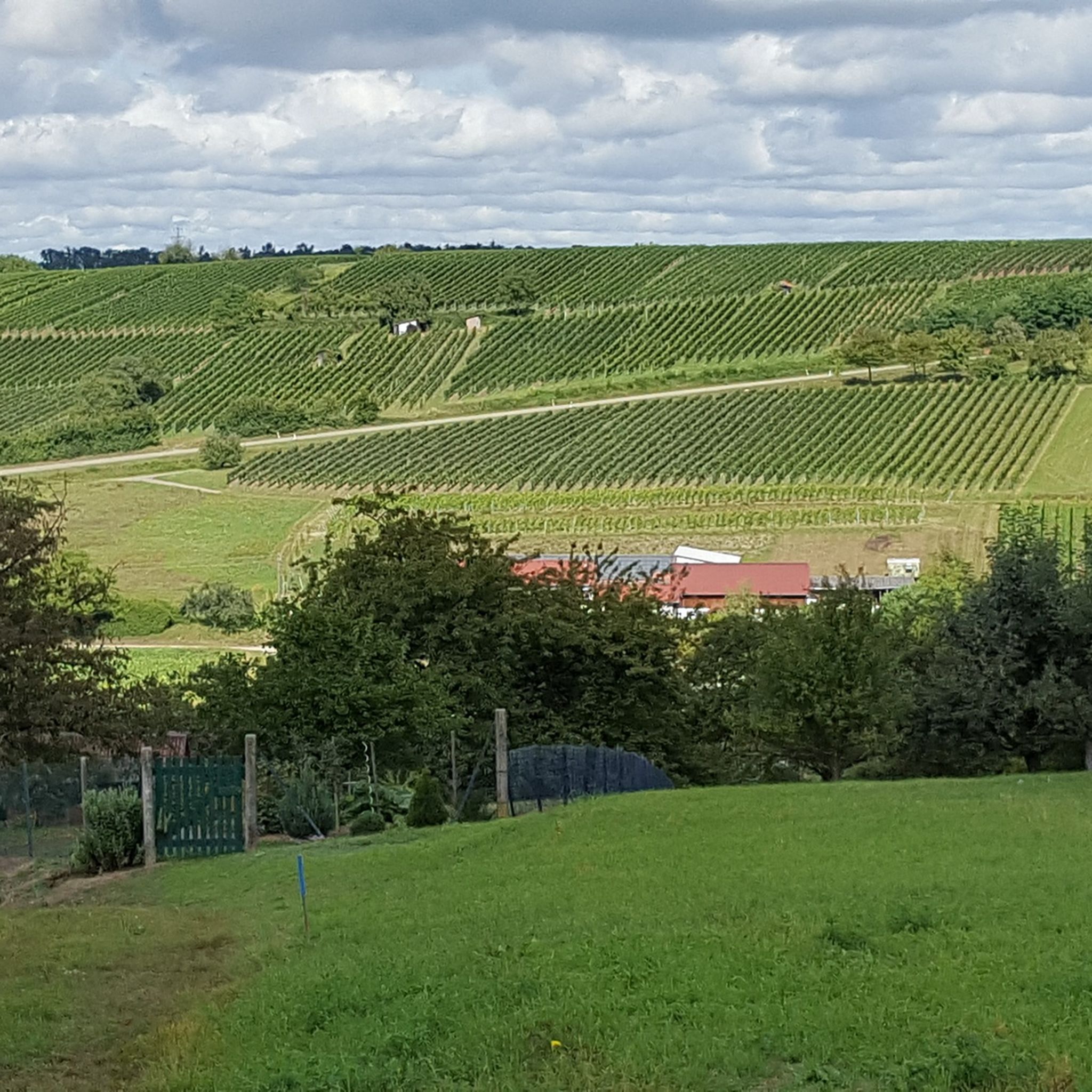
Hiking around Kürnbach
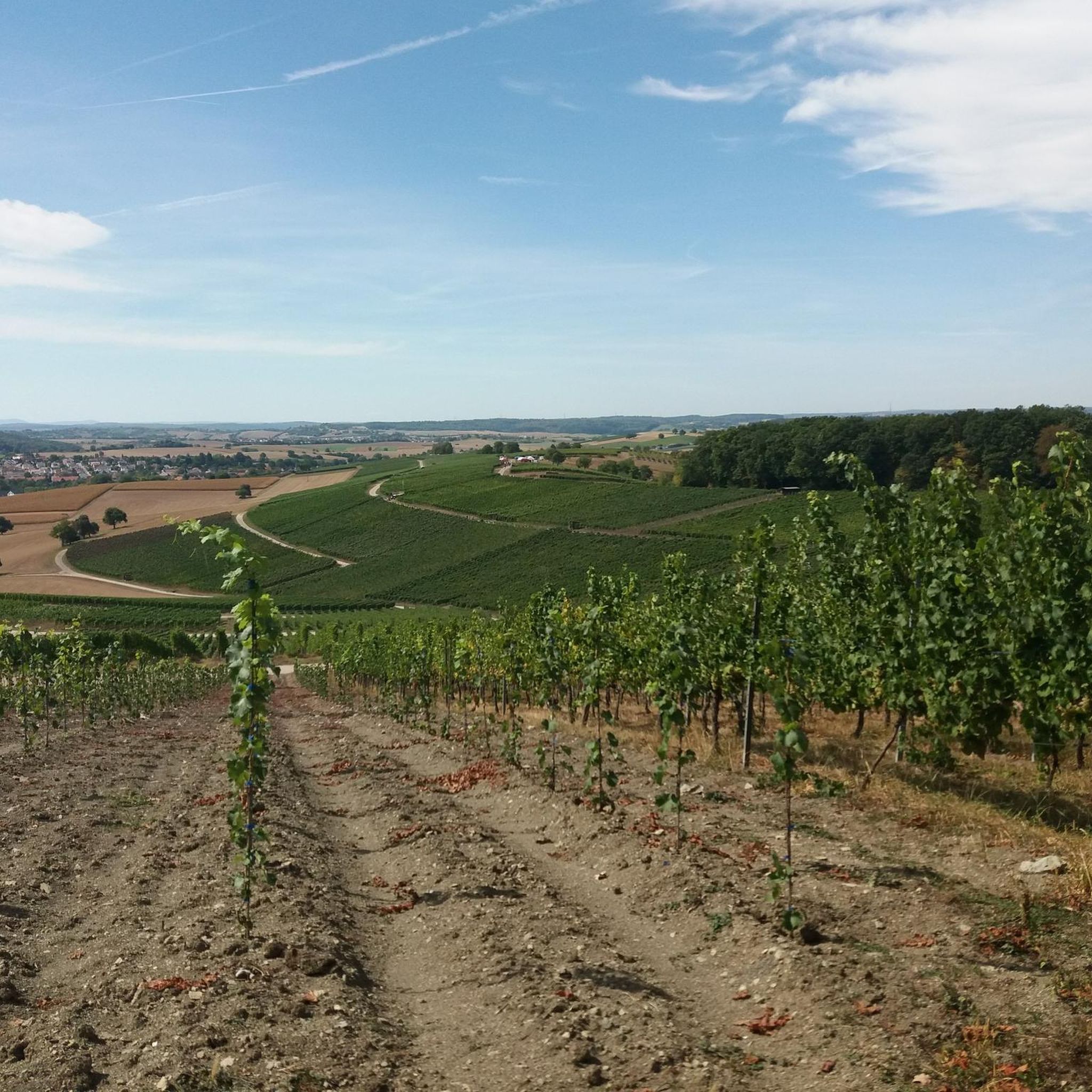
Road Cycling Routes around Kürnbach
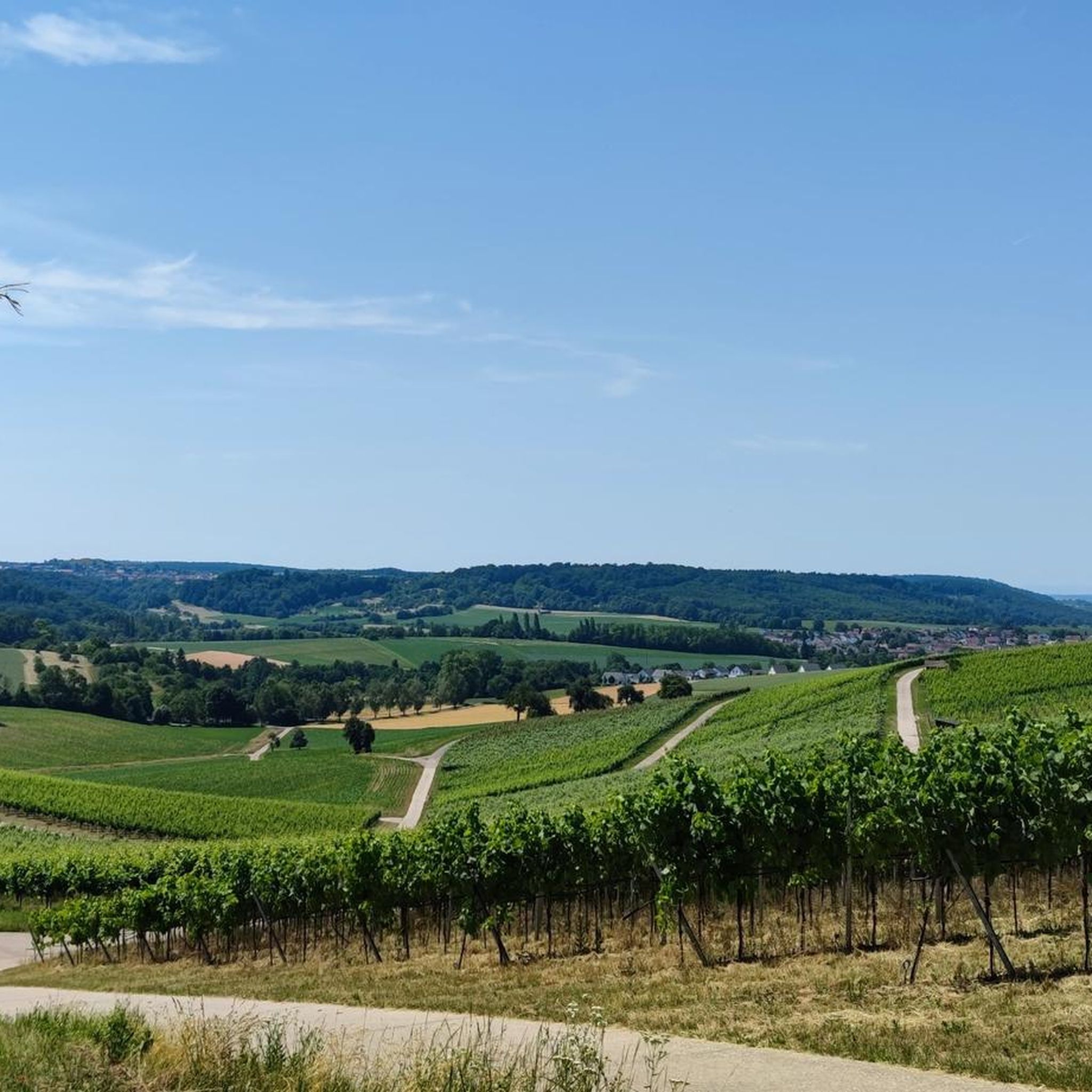
MTB Trails around Kürnbach
Other adventures around Kürnbach


Tips from the Community

Today, the Amthof in its entirety is a cultural monument of particular importance and is considered by historians and heritage conservationists to be the best-preserved monastic farmstead in Southern Germany. With the incorporation of the town hall into the tithe barn, the renovation of the rectory and other buildings, its significance has been expanded again and its fabric saved from decay. Thus, the Amthof will retain its importance as a cultural monument and focal point for the town of Oberderdingen in the years to come.
3
0
The Lichtmessreiter monument in Oberderdingen (at Lindenplatz/Kelterplatz) is an artfully designed fountain. It honors the centuries-old custom of the same name, which is considered a kind of "national holiday" in the community.
5
0


Here you can marvel at the best-preserved medieval monastic farmstead. For details on the individual buildings, see Wikipedia or information on site. Text from the information board (with site plan) at the "Hexenturm": "The 150 x 200 m Amthof is one of the best-preserved medieval monastic farmsteads; it was also the grange of the Herrenalb Monastery for the Kraichgau region. As early as the 10th century, the Weißenburg sources mention a Selhof manor in Derdingen. In 1216, Herrenalb, the Cistercian monastery in the Northern Black Forest, is named as the owner of the Pfleghof, and by 1252 it was the sole owner of all sovereign rights in Derdingen. The monks established a monastic office here in the mid-15th century. Even after the Reformation, the monastic administrative office of Derdingen remained the center of the Württemberg possessions in the Kraichgau. Both the monastic administrator and the Württemberg district administrator had their seats in the current rectory. Since 1534, the farm has been referred to as Amthof. In a major fire in 1693, the wine press went up in flames, the roof structure of the chapel also burned down, as did the Bandhaus (cooperage), a hay barn next to the tithe barn, and one of the 4 towers in the Amthof, the Diebsbodenturm. As late as 1710, the drawbridge at the Amthof gate was renewed, and iron chains were installed instead of ropes. In 1717, the church tower received its current pointed helmet instead of the collapsed Welsch hood, which contained a watch room. In 1806, the Derdingen administrative office was dissolved; since 1808, the administrative building has been the seat of the local pastor. As late as 1870, the moat around the Amthof wall was partially filled. It was not until around 1903 that the Amthof wall was breached near the Hexenturm to create a second access road to the Amthof. In the years 1984-1988, the Amthof was renovated in consultation with the monument preservation authorities. As a cultural monument of high importance, the Amthof was placed under monument protection. Since the conversion of the tithe barn into the town hall and the renovation of the administrative building, the former monastic farmstead has once again become the center of the community. A small exhibition on the history of the Amthof is shown in the Hexenturm!"
2
0

A central location in Oberderdingen. It's a great place to rest in front of the Amthof.
0
0
I think there used to be a beautiful statue of the Virgin Mary in there, but I haven't seen it in a long time. The little dummy is more of a stopgap measure.
0
0

Very charming surroundings with beautiful architecture.
0
1

A beautiful little town with a proud old castle above it.
0
0
Frequently Asked Questions
How many touring cycling routes are available around Kürnbach?
Kürnbach offers a diverse network of touring cycling routes. There are currently over 15 routes available, catering to various skill levels from easy to difficult. The region is known for its well-developed and signposted cycling infrastructure.
What kind of terrain can I expect on touring cycling routes in Kürnbach?
The terrain around Kürnbach is characterized by the undulating Kraichgau hill country, featuring picturesque rolling hills, vineyards, and open cultivated areas. To the east, routes extend into the Stromberg-Heuchelberg Nature Park, offering shaded paths through contiguous forest areas. The village itself lies in the Humsterbach valley, adding varied topography to the cycling experience.
Are there any easy touring cycling routes suitable for beginners in Kürnbach?
Yes, Kürnbach has several easy touring cycling routes. For example, the Chapel Flehingen – Amthof Oberderdingen loop from Kürnbach is an easy 14.7 km route with moderate elevation gain, making it a good option for those new to touring cycling or looking for a relaxed ride.
What are some notable landmarks or points of interest I can see along the cycling routes?
Many routes offer scenic views and pass by interesting sites. You can cycle past Ehmetsklinge Reservoir, enjoy the tranquil Katzenbachsee, or explore the historic village center of Kürnbach with its half-timbered houses. The Gochsheim Castle – Gochsheim Castle loop from Kürnbach offers views of Gochsheim Castle, while the Zaberweg Cycle Path – Riesenhof Open-Air Farm Museum loop from Kürnbach passes by the Riesenhof Open-Air Farm Museum.
Are there any circular touring cycling routes around Kürnbach?
Yes, many of the touring cycling routes around Kürnbach are designed as loops, allowing you to start and end in the same location. Examples include the View of Sternenfels Castle – Amthof Oberderdingen loop from Kürnbach and the Riesenhof Open-Air Farm Museum – Zaberweg Cycle Path loop from Kürnbach, which provide varied experiences through the Kraichgau landscape.
What is the best season for touring cycling in Kürnbach?
The Kraichgau-Stromberg region, including Kürnbach, is ideal for touring cycling from spring through autumn. During these seasons, the vineyards are lush, and the weather is generally pleasant for exploring the rolling hills and shaded forests. Autumn also offers the chance to experience local wine festivals and 'Besenwirtschaften' (seasonal wine taverns).
Are the touring cycling routes in Kürnbach family-friendly?
Kürnbach offers routes suitable for families, especially the easier ones that traverse flatter sections or well-maintained paths. The extensive cycling network includes routes categorized by difficulty, so families can choose paths that match their children's abilities. The scenic and varied landscape provides an enjoyable experience for all ages.
Are dogs allowed on the bike trails in Kürnbach?
Generally, dogs are welcome on bike trails in the Kürnbach region, especially in the natural areas like the Stromberg-Heuchelberg Nature Park. However, it's always recommended to keep dogs on a leash, especially near wildlife, agricultural areas, or other cyclists and pedestrians, to ensure safety and respect for the environment.
Where can I find parking for my car when cycling in Kürnbach?
Kürnbach, as a village, typically offers parking facilities for visitors. You can usually find designated parking areas within the village center or near popular trailheads. It's advisable to check local signage upon arrival for specific parking regulations and locations.
Are there cafes or pubs along the touring cycling routes in Kürnbach?
Yes, the region is known for its local gastronomy. Kürnbach itself has a charming historic village center where you can find places to eat and drink. Many routes pass through or near other villages and vineyards, offering opportunities to stop at cozy restaurants, cafes, or seasonal 'Besenwirtschaften' (wine taverns) to refuel with local food and the famous Black Riesling wine.
What do other touring cyclists enjoy most about cycling in Kürnbach?
The touring cycling routes around Kürnbach are highly rated by the komoot community, with an average score of 4.2 stars from over 40 reviews. Cyclists often praise the diverse landscape, which includes rolling hills, scenic vineyards, and shaded forest paths within the Stromberg-Heuchelberg Nature Park. The well-maintained network and the charm of the historic villages are also frequently highlighted.
Can I reach Kürnbach by public transport with my bicycle?
Public transport options to Kürnbach may vary, but generally, regional trains and buses in Germany allow bicycles, often with specific rules or designated times. It's recommended to check the local public transport provider's website for their current bicycle transport policies, including any required tickets or restrictions, before planning your journey.
Most popular attractions around Kürnbach

Get inspired with the komoot mobile app


Explore more
Browse the best Cycling routes in other regions.
