Top 12 Lakes around Oshawa
Best lakes around Oshawa include access to Lake Ontario and several significant coastal wetlands. Situated on the northern shore of Lake Ontario, Oshawa provides extensive waterfront access and recreational opportunities. The area features diverse natural landscapes, including marshes, swamps, and forested areas, which contribute to its ecological richness. These locations offer various outdoor activities and opportunities to appreciate nature.
Best lakes around Oshawa
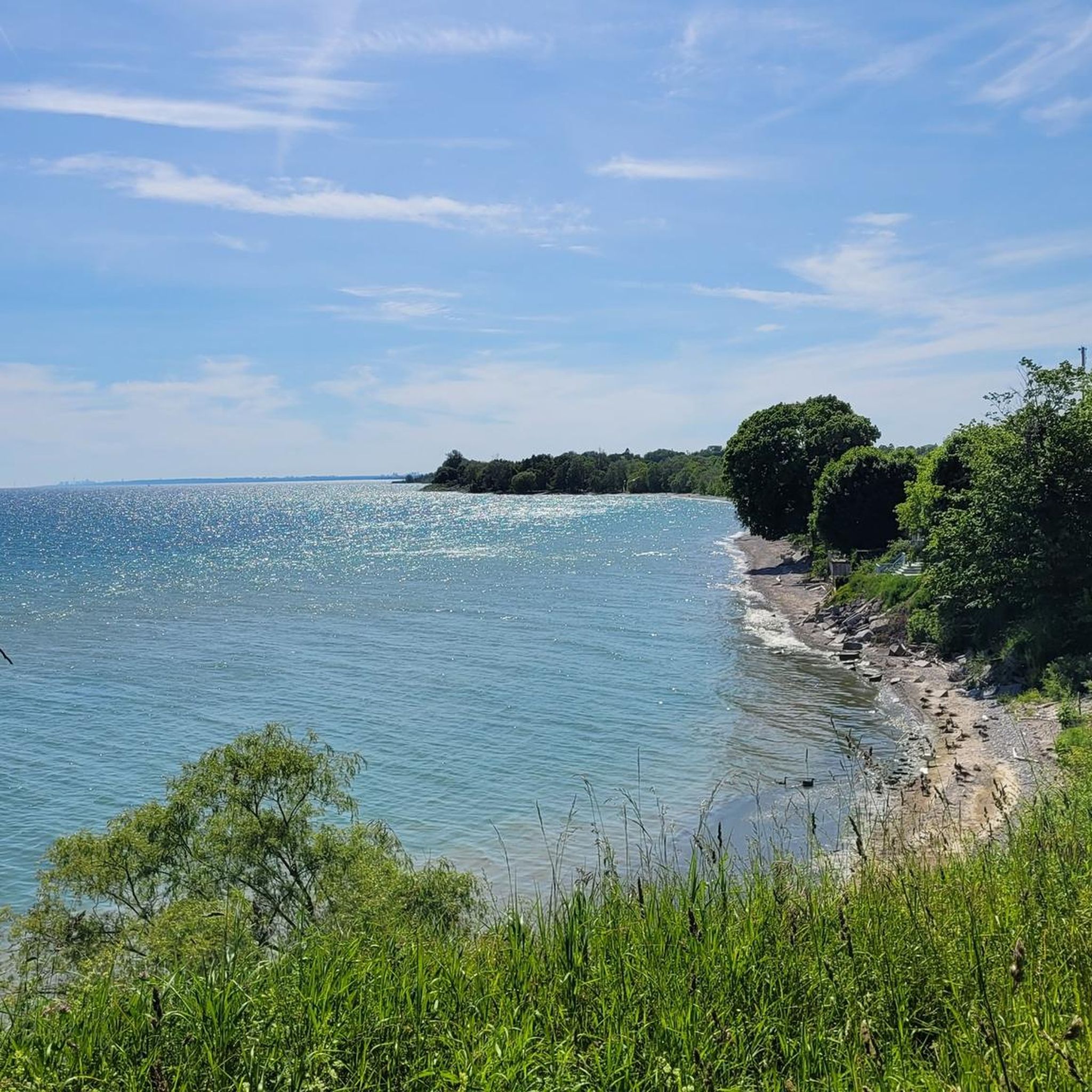
- The most popular lakes is Darlington Provincial Park Nature Trail, a trail that borders Highway 401 to the north, with the shores of Lake Ontario to the south and the McLaughlin Bay Marsh to the southwest. The park is situated on a cliff formed at the end of the last ice age and is one of the most intensively used recreational areas in Ontario.
- Another must-see spot is McLaughlin Bay Wildlife Reserve, an other natural area with diverse habitats such as wetlands, forests, meadows, and shoreline areas. Visitors can expect to find rich biodiversity, supporting nearly 400 varieties of plants, trees, shrubs, and wildflowers, as well as numerous species of native birds, mammals, and fish.
- Visitors also love Second Marsh, a provincially significant coastal wetland located in southeast Oshawa. It is one of the largest remaining wetlands in the Greater Toronto Area, boasting diverse habitats and home to over 380 plant species and 305 bird species.
- Oshawa is known for its access to Lake Ontario and its significant coastal wetlands. These include large wetlands like Second Marsh and smaller ones such as Pumphouse Marsh, offering a variety of natural environments to explore.
- The lakes around Oshawa are appreciated by the komoot community, with more than 10 photos shared and 2 upvotes for the highlights in this guide.
Last updated: August 20, 2026
McLaughlin Bay Wildlife Reserve
Highlight • Natural
Tip by

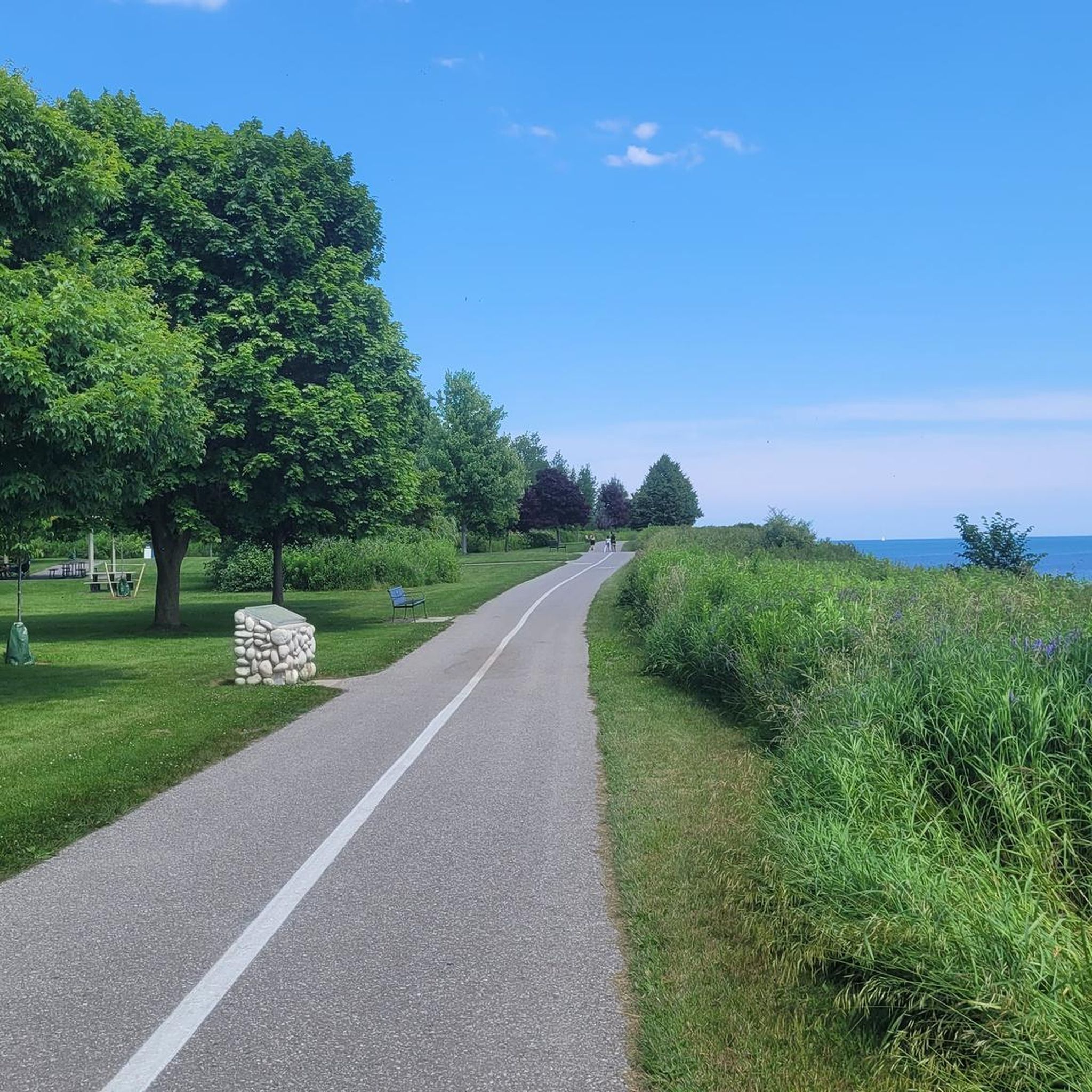
Darlington Provincial Park Nature Trail
Highlight • Trail
Darlington Provincial Park is one of the most intensively used recreational areas in Ontario. It is close to Oshawa and Metro Toronto and is easily accessible via Highway 401. (Visit June 5, 2025)
ontarioparks.ca/park/darlington
Tip by

Sign up now to discover places like this
Get recommendations on the best single tracks, peaks, & plenty of other exciting outdoor places.
Sign up for free
Second Marsh
Highlight • Natural
Source: secondmarsh.ca
Tip by
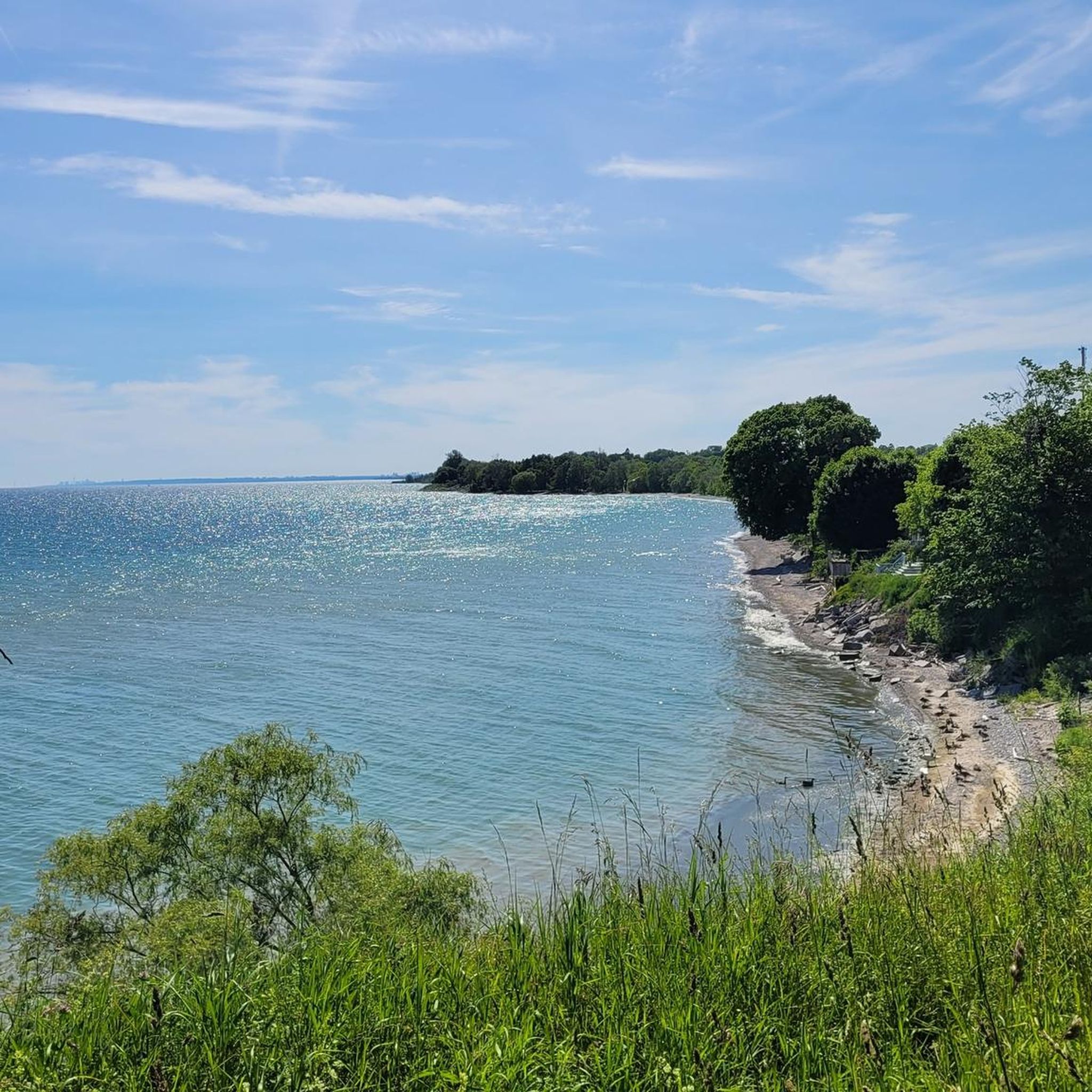
Thickson's Point
Highlight • Viewpoint
The name for the park, Thickson's Point, originated from James Norman Thickson, who purchased and developed the area in 1919 as a summer cottage colony.
Tip by
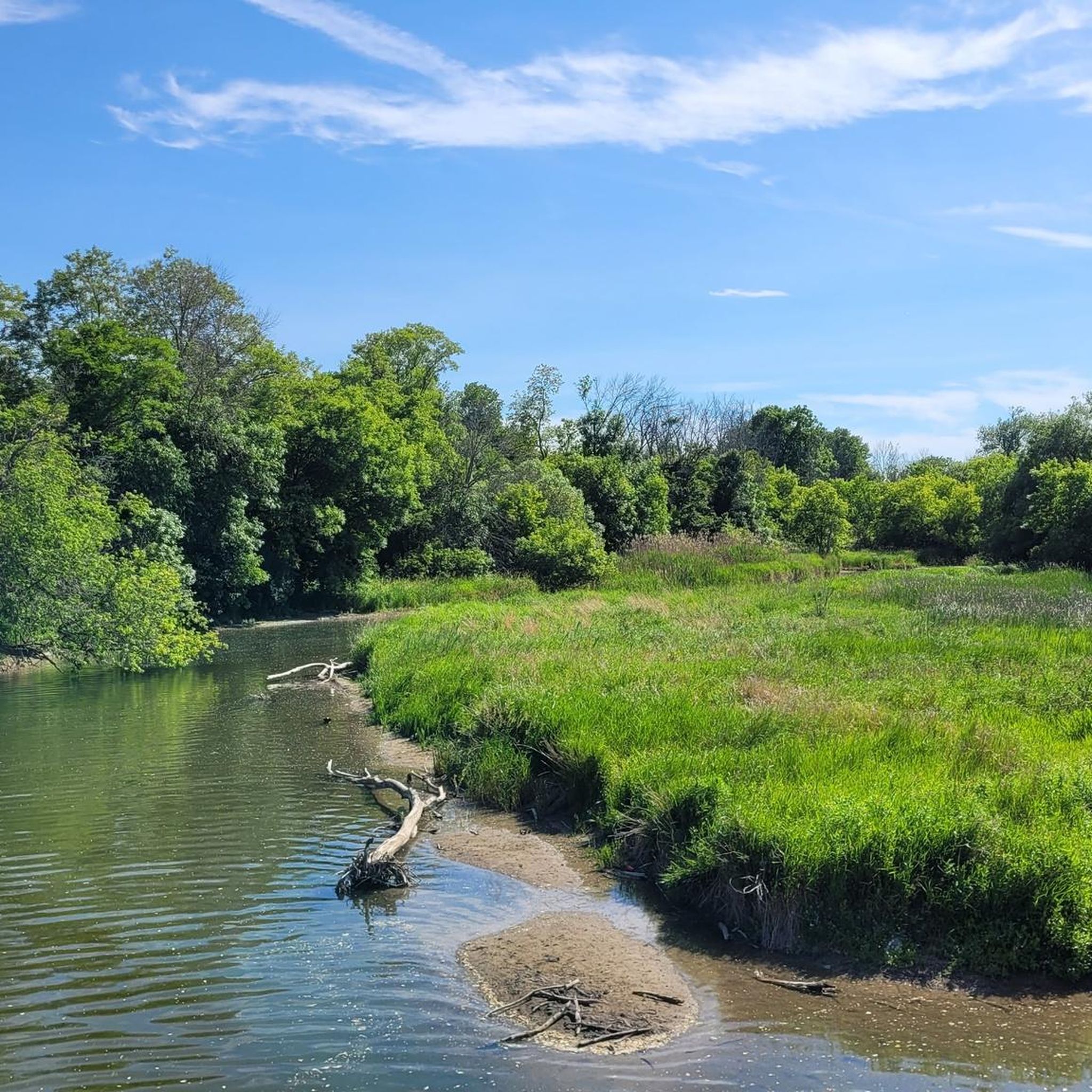
Corbett Creek Marsh
Highlight • Natural
publications.gc.ca/collections/collection_2012/ec/En164-23-2011-eng.pdf
Tip by
Sign up for free to discover even more lakes around Oshawa.
Sign up for free
Already have an account?
Start today with a free account
Your next adventure awaits.
Login or Signup
Tips from the Community

McLaughlin Bay Wildlife Reserve is a peaceful natural area in Oshawa, where wetlands, meadows, and wooded trails create a quiet setting along the Lake Ontario shoreline. Walking paths wind through marshland and forested sections, with boardwalks, lookout areas, and excellent opportunities to spot birds, deer, turtles, and other wildlife throughout the reserve. Surrounded by protected habitat near Second Marsh, it has a calm, tucked-away feel that makes it especially popular for walking, birdwatching, and enjoying nature close to the city.
0
0

Darlington Provincial Park was established in 1959 and is classified as a recreational park. It borders Highway 401 to the north; the shores of Lake Ontario lie to the south, and the McLaughlin Bay Marsh to the southwest. The park is situated on a cliff formed at the end of the last ice age. Part of the park is used as a campground. Darlington Provincial Park is one of the most intensively used recreational areas in Ontario. It is close to Oshawa and Metro Toronto and is easily accessible via Highway 401. (Visit June 5, 2025) https://www.ontarioparks.ca/park/darlington
1
0
Thickson's Point is a popular birdwatching spot in Whitby, located on the clifftop overlooking Lake Ontario, near the Thickson Woods Nature Preserve. Access is via the Great Lakes Waterfront Trail. (Visit June 4, 2025) The name for the park, Thickson's Point, originated from James Norman Thickson, who purchased and developed the area in 1919 as a summer cottage colony.
1
0
The Second Marsh coastal wetland, along with the McLaughlin Bay Wildlife Reserve and Darlington Provincial Park, forms one of the largest publicly accessible riparian landscapes in the Greater Toronto Area. It is the largest remaining wetland in the region and includes reed beds, marshes, wet meadows, a beach ridge, and forested areas with numerous plant and bird species as well as other animal species. The wetland is considered a valuable habitat and unique ecosystem on the north shore of Lake Ontario. Source: https://www.secondmarsh.ca/
1
0
The McLaughlin Bay Marsh area is owned by General Motors of Canada. In 2023, the company donated the McLaughlin Bay Wildlife Reserve to the City of Oshawa to support the protection of ecologically sensitive areas. The reserve was originally created in 1990 and is home to numerous plant and bird species. The area is named in honour of Samuel McLaughlin, the founder of General Motors of Canada and a pioneer of the Canadian automotive industry. Source: https://www.ontariotrails.on.ca/trail/mclaughlin-bay-wildlife-reserve
2
0
Corbett Creek Marsh is a coastal wetland at the Town of Whitby in Durham Region with a wetland size of 7 ha. The wetland of Corbett Creek Marsh is periodically closed off from the Lake Ontario as water levels may differ from the lake by up to one metre. The marsh is adjacent to the Waterfront Trail. https://publications.gc.ca/collections/collection_2012/ec/En164-23-2011-eng.pdf
3
0
Frequently Asked Questions
What kind of wildlife can I see at the lakes and wetlands around Oshawa?
Oshawa's lake areas, particularly its coastal wetlands, are rich in biodiversity. At Second Marsh Wildlife Area, you can find over 380 plant species and 305 bird species, including migratory waterfowl. McLaughlin Bay Wildlife Reserve supports nearly 400 varieties of plants, trees, shrubs, and wildflowers, along with numerous native birds, mammals, and fish. Even smaller areas like Pumphouse Marsh Wildlife Reserve offer opportunities to observe local wildlife and bird species.
Are there good spots for birdwatching near Oshawa?
Yes, Oshawa is an excellent destination for birdwatching. Second Marsh Wildlife Area is a provincially significant wetland and a haven for birdwatchers, especially during spring and autumn migrations. McLaughlin Bay Wildlife Reserve also offers viewing platforms for birdwatchers. Additionally, Thickson's Point is a popular birdwatching spot overlooking Lake Ontario, known for its diverse avian visitors.
What outdoor activities can I do near the lakes in Oshawa?
You can enjoy a variety of outdoor activities. The 11-kilometer section of the Waterfront Trail along Lake Ontario is perfect for walking, cycling, and rollerblading. Lakeview Park offers beaches for swimming and sunbathing. For hiking, explore the trails at McLaughlin Bay Wildlife Reserve or Darlington Provincial Park Nature Trail. Fishing is popular in Lake Ontario for salmon, trout, and bass. For more structured activities, you can find various hiking routes and running trails in the area.
Are there family-friendly lake areas around Oshawa?
Absolutely. Lakeview Park on Lake Ontario is a popular family destination with a beach, picnic areas, playgrounds, and sports fields. Darlington Provincial Park Nature Trail is also classified as family-friendly and offers camping. Both McLaughlin Bay Wildlife Reserve and Second Marsh are great for families interested in nature walks and wildlife viewing, with accessible trails and boardwalks.
Are there accessible lakeside walks in Oshawa?
Yes, McLaughlin Bay Wildlife Reserve features the unique Dogwood Trail, specifically designed for partially sighted or visually impaired visitors, promoting inclusivity. Many sections of the Great Lakes Waterfront Trail are also paved and relatively flat, offering accessible options for enjoying the shoreline.
When is the best time to visit the lakes near Oshawa?
The best time to visit depends on your interests. Spring and autumn are ideal for birdwatching, especially at Second Marsh and Thickson's Point, due to migratory birds. Summer is perfect for swimming and beach activities at Lakeview Park and enjoying water sports on Lake Ontario. The trails are generally enjoyable from spring through fall.
What historical or cultural sites are near Oshawa's lakes?
The Oshawa waterfront has a rich history related to Indigenous peoples and early settlement. The Oshawa Museum, located in Lakeview Park, offers insights into the area's past. The Oshawa Harbour also holds significant historical and economic importance. The McLaughlin Bay Wildlife Reserve is named in honor of Samuel McLaughlin, a pioneer of the Canadian automotive industry.
Can I go cycling along the lakes in Oshawa?
Yes, the Great Lakes Waterfront Trail runs along Oshawa's section of Lake Ontario, providing scenic paths for cycling. This trail connects various parks and natural areas, including McLaughlin Bay Wildlife Reserve and Pumphouse Marsh Wildlife Reserve, offering extensive opportunities for lakeside cycling.
Is there a traditional inland lake experience near Oshawa?
While Oshawa itself is primarily known for Lake Ontario and its coastal wetlands, Pigeon Lake in the Kawartha Lakes region is a popular option approximately 65 kilometers away. It offers a more traditional inland lake experience with excellent fishing, boating, water sports, and a quintessential Ontario cottage country feel, including Emily Provincial Park for camping.
What makes Second Marsh a significant natural area?
Second Marsh is a provincially significant coastal wetland and one of the largest remaining wetlands in the Greater Toronto Area. It boasts diverse habitats like marshes, swamps, wet meadows, and a barrier beach, supporting over 380 plant species and 305 bird species. It serves as a crucial stopover for migratory birds and is a valuable ecosystem on the north shore of Lake Ontario.
Are there any easy hiking trails around Oshawa's lake areas?
Yes, there are several easy hiking options. The trails within McLaughlin Bay Wildlife Reserve are suitable for leisurely walks. Many sections of the Waterfront Trail are also easy to navigate. For more specific easy routes, consider trails like the Courtice Shore Trail or the Whitby Waterfront Trail, which are part of the broader network near Oshawa's lakes.
Can I find beaches for swimming near Oshawa?
Yes, Lakeview Park on the shores of Lake Ontario features a family-friendly beach where you can swim (when supervised) and sunbathe. The extensive Lake Ontario shoreline provides various points for enjoying the water.
Most popular routes around Oshawa
Most popular attractions around Oshawa

Get inspired with the komoot mobile app


Explore more
Still not found your perfect lake around Oshawa? Check out the guides of these regions to see even more beautiful places.
