Top 3 Caves in Gila National Forest
Best caves in Gila National Forest are primarily natural alcoves and cliff dwellings, offering a unique blend of natural beauty and historical significance. The Gila National Forest in southwestern New Mexico is characterized by its rugged terrain, diverse ecosystems, and ancient cultural sites. These features provide a tangible connection to the Mogollon people, who inhabited the region centuries ago. The area is known for its deep canyons, forested mountains, and archaeological marvels.
Best caves in Gila National Forest
- The most…
Last updated: July 11, 2026
Pictographs in Chloride Canyon
Highlight • Historical Site
Tip by

Gila Cliff Dwellings
Highlight • Historical Site
Tip by

Sign up now to discover places like this
Get recommendations on the best single tracks, peaks, & plenty of other exciting outdoor places.
Sign up for free
View to Gila Cliff Dwellings
Highlight • Historical Site
Tip by
Start today with a free account
Your next adventure awaits.
Login or Signup
Other adventures in Gila National Forest


Tips from the Community

This may not be a bike trail, but there were no visitors and at least up to here the trail was gradual and easy rolling
0
0

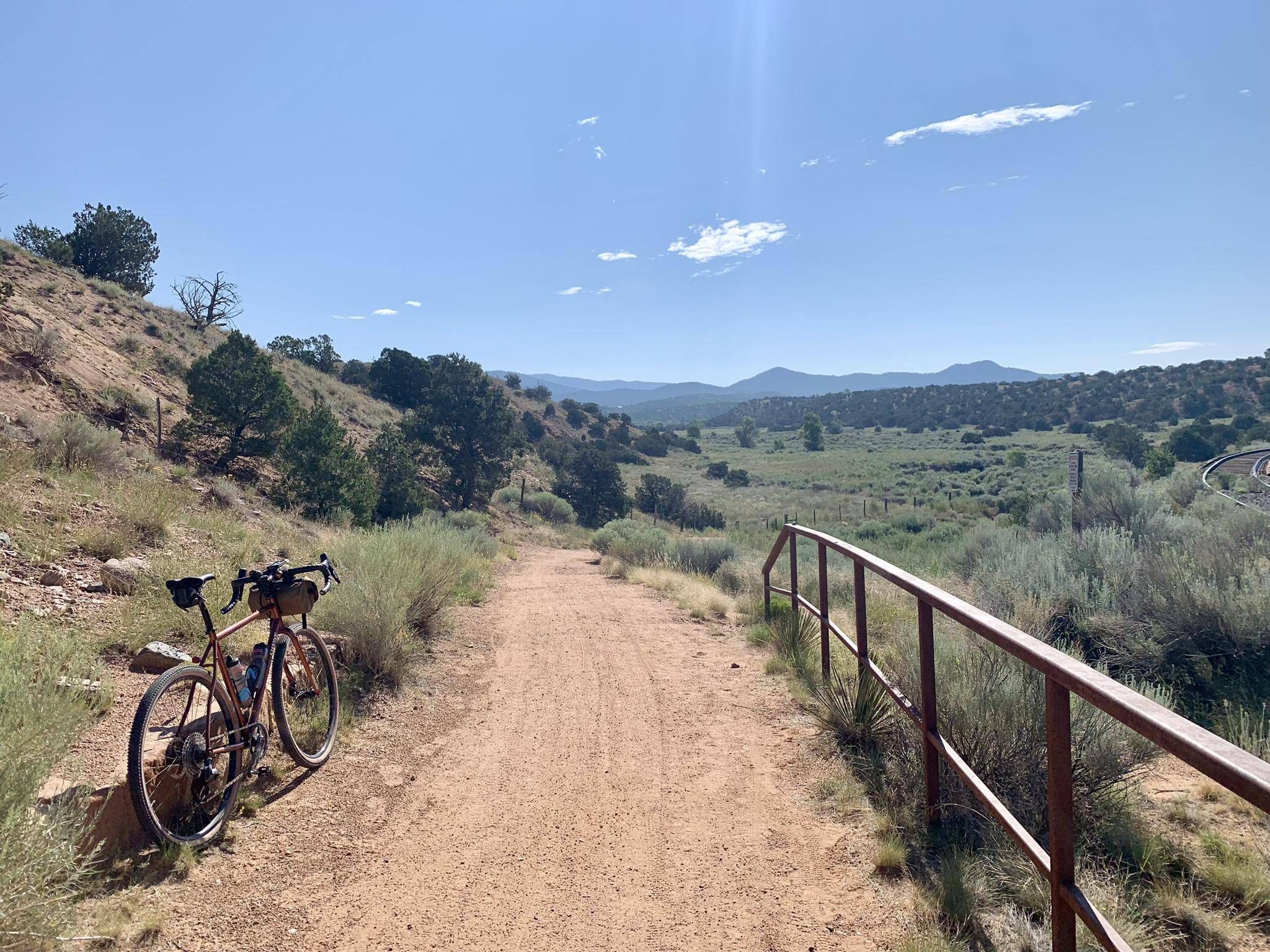
Pictographs, caves, lush vegetation and a beautiful winding double-track up through Chloride Canyon here make for incredible gravel riding.
2
0
4 caves high in the sandstone cliffs of a narrow side canyon to the Gila River with houses built in successive phases between 800 and 1300 AD. Occupied by some 60 Mogollan natives.
0
0
Frequently Asked Questions
What kind of 'caves' can I expect to find in Gila National Forest?
The Gila National Forest is primarily known for its natural alcoves and cliff dwellings, which served as ancient homes and shelters. These include the remarkable Gila Cliff Dwellings, as well as sites featuring ancient rock art like the Pictographs in Chloride Canyon. While not traditional deep cave systems, they offer a unique blend of natural beauty and historical significance.
What is the historical significance of the Gila Cliff Dwellings?
The Gila Cliff Dwellings are a collection of well-preserved ancient homes built into natural caves by the Mogollon people between 1270 CE and 1280 CE. They offer a unique glimpse into the lives, architecture, and culture of these indigenous people, who inhabited the area for a short period before abandoning the dwellings around 1300 CE. Evidence of earlier archaic peoples using the caves for shelter dates back several thousand years.
Are the Gila Cliff Dwellings accessible for visitors?
Yes, the Gila Cliff Dwellings are accessible via a moderately strenuous 1-mile loop trail, known as the Cliff Dwellings Trail. This trail includes some ladders that visitors climb to enter the dwellings. A visitor center is available to provide further information on the Mogollon and Apache cultures.
What other historical sites with cave features can I visit?
Beyond the main dwellings, you can explore the Pictographs in Chloride Canyon. This historical site features ancient rock art, primarily attributed to the Mimbres and Mogollon people, etched into rock faces within cave-like formations. It's also known for its lush vegetation and winding double-track, making it suitable for gravel riding.
Are there family-friendly options for exploring the caves?
The View to Gila Cliff Dwellings offers an accessible perspective of the main dwellings, with a gradual and easy rolling trail leading to the viewpoint, which can be suitable for families. While the actual Gila Cliff Dwellings trail is moderately strenuous and involves ladders, many families enjoy the adventure.
What natural features can I see near the caves?
The Gila National Forest offers diverse natural beauty. Near the cave sites, you can experience deep canyons, forested mountains, and stunning desert scenery. Little Bear Canyon, for example, features a scenic trail through a narrow passageway with tall rock sides and is known for its natural beauty, including bright yellow columbines and nearby hot springs.
What outdoor activities can I do near these cave sites?
The Gila National Forest provides numerous outdoor activities. You can find extensive hiking trails, ranging from easy to difficult, including routes like the Little Bear Canyon and Middle Fork Gila Loop. For cyclists, there are various road cycling routes, such as the Wild Horse Mesa loop, offering scenic rides through the region.
Are there any easy hiking trails near the cave attractions?
Yes, there are several easy hiking options in the Gila National Forest. For instance, the Middle Fork Trail to Lightfeather Hot Springs and the Turkey Creek Hot Springs trail are both considered easy. You can find more options in the Easy hikes in Gila National Forest guide.
What is the best time to visit the Gila National Forest caves?
The Gila National Forest experiences varied weather. Spring and fall generally offer the most pleasant temperatures for exploring the cave sites and trails. Summers can be hot, while winters can bring cold temperatures, especially at higher elevations. Always check local weather forecasts before your visit.
Are permits required to visit the Gila Cliff Dwellings?
While specific caving permits are not generally required for the accessible cave sites like the Gila Cliff Dwellings National Monument, there may be entrance fees or specific regulations for the monument itself. It's advisable to check the official National Park Service website for the most current information regarding fees and operating hours.
How long does it take to hike to the Gila Cliff Dwellings?
The Cliff Dwellings Trail, which leads to the Gila Cliff Dwellings, is a 1-mile loop. The hike typically takes about 1 to 1.5 hours to complete, allowing time to explore the dwellings and read interpretive signs.
What should I wear when visiting the cave sites?
For exploring the cave sites and trails in Gila National Forest, comfortable hiking shoes with good grip are recommended, especially for trails involving ladders or uneven terrain like the Cliff Dwellings Trail. Layered clothing is also advisable, as temperatures can vary throughout the day and within the canyons.
Most popular routes in Gila National Forest
Most popular attractions in Gila National Forest

Get inspired with the komoot mobile app


