Stanislaus National Forest
Stanislaus National Forest
The 5 Most Amazing Peaks in Stanislaus National Forest
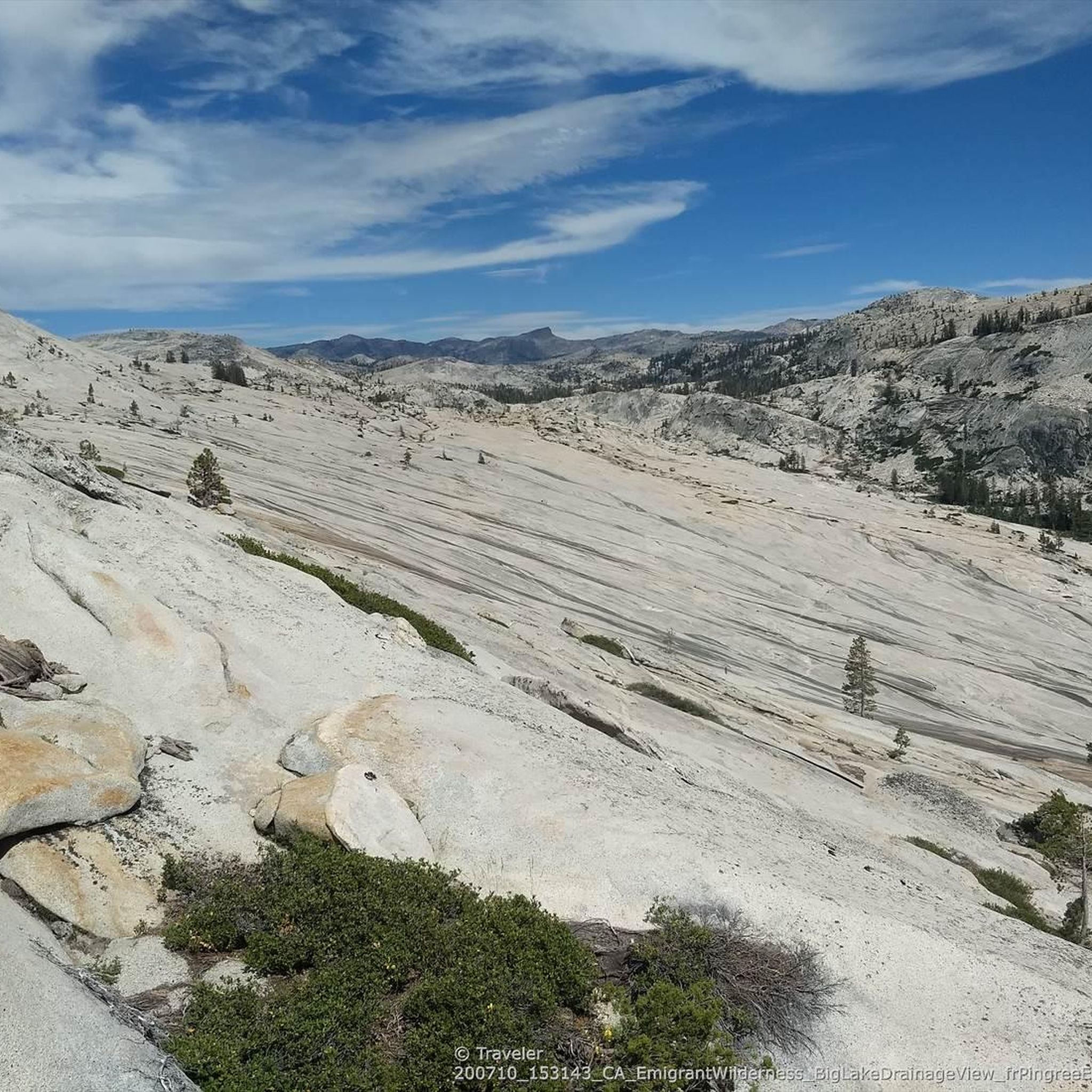
Best mountain peaks in Stanislaus National Forest are found within California's Sierra Nevada, offering a diverse landscape of high alpine terrain, ancient volcanic cones, and granite features. The forest encompasses wilderness areas like Emigrant Wilderness and parts of the Carson-Iceberg and Mokelumne Wildernesses. These peaks provide panoramic views and opportunities for challenging hikes. The region is characterized by its rugged beauty and varied geological formations.
Best mountain peaks in Stanislaus National Forest
- The most popular mountain peaks is Leavitt Peak, a summit that towers high above the Sonora Pass region at an elevation of 11,569 feet. The Pacific Crest Trail passes lower on its eastern flank, making it accessible for hikers.
- Another must-see spot is Top Of The World, a viewpoint offering expansive views. Visitors can hike to the summit as an out-and-back or explore longer loop trails for a day hike.
- Visitors also love Inspiration Point, a viewpoint and natural monument. This spot provides 360-degree views from the top, making it a rewarding destination for hikers.
- Stanislaus National Forest is known for its challenging summits, scenic viewpoints, and natural monuments. The region offers a variety of mountain peaks to see and explore, catering to different hiking preferences.
- The mountain peaks in Stanislaus National Forest are appreciated by the komoot community. The guide features 5 highlights, with 3 upvotes and 2 photos contributed by visitors.
Last updated: July 11, 2026
Hiram Peak from Upper Highland Lake
Highlight • Summit
While most of the wilderness area sees very few visitors, Hiram’s close proximity to Highland Lakes brings a few visitors during summer, and snowmobiles in winter.
Class 2 climb June to November. AT ski climbs require about 20 mile snow approach by snowmobile or overnight snow camping tour from the Hwy4 closure gate SnoPark (SnoPark permits at Bear Valley XC resort).
CA SR4 is closed to cars from the first snowfall (typically early November) to June. CA SR4 from the west: Turn right (south) on Highland Lakes Road (8N01) about 16 miles past Bear Valley. summitpost.org/hiram-peak/150618
Tip by

Top Of The World
Highlight • Viewpoint
Tip by

Sign up now to discover places like this
Get recommendations on the best single tracks, peaks, & plenty of other exciting outdoor places.
Sign up for free
Bear Top Summit
Highlight • Summit
Tip by
Leavitt Peak
Highlight • Summit
Tip by
Inspiration Point
Highlight • Viewpoint
Tip by

Sign up for free to discover even more peaks in Stanislaus National Forest.
Sign up for free
Already have an account?
Start today with a free account
Your next adventure awaits.
Login or Signup
Popular around Stanislaus National Forest

Other adventures in Stanislaus National Forest

Tips from the Community

In winter, Highland Lakes road and the connecting trail along the east side of upper Highland Lake are snow covered and offer a flat easy loop. The lakeshore offers panoramic views of Hiram Peak on the other side.
1
0

As you would expect from a place called Top Of The World, the views from here are great. You can hike to the summit as an out and back, or loop around on some longer trails for a day hike.
0
0

You'll get some great views from up here! Touring cyclists should make sure to approach via Manuel Peak Road (often misspelled as Manual Peak Road) to the north. The trail to the south is a black-diamond-rated mountain bike trail—not great for touring tires.
0
0
The way up can be covered in snow even in mid-summer, and it's not uncommon to have downed trees to navigate either. However, the 360 views at the top are breathtaking.
0
0
Bear top is a gentle round summit along Bloods ridge. Several trails converge here in all directions. Early in the season into June there can still be snow on some trails https://www.bvadventures.com/summer-trails-report
1
0
At 11569 feet, almost 3500 m elevation, Leavitt Peak towers high above the Sonora Pass region, with the Pacific Crest Trail ducking 600 feet lower on its eastern flank.
2
0
Highest point in the Bear Valley Mountain ski area, where four of the lifts end and ski runs go down in all directions. www.bearvalley.com
1
0
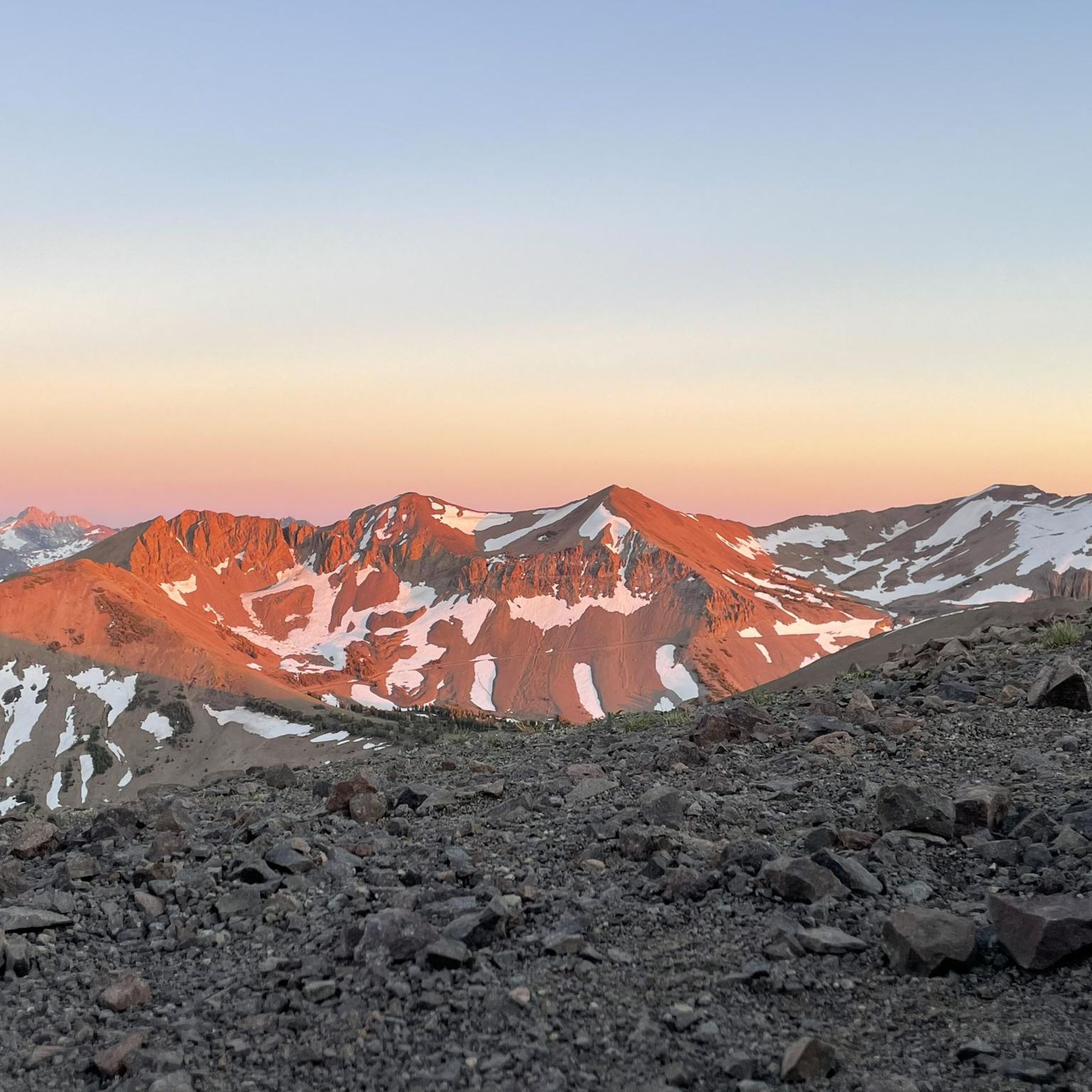
The summit of Hiram Peak (9796 ft / 2986 m) lies only a few hundred feet within the Carson-Iceberg Wilderness and about one mile, and a thousand feet above Highland Lakes on the ridge separating the deep canyons of Highland and Arnot Creeks. Its summit offers an excellent view of these drainages, along with the impressive pyramid shaped summits of Airola Peak and Dardanelles Cone. While most of the wilderness area sees very few visitors, Hiram’s close proximity to Highland Lakes brings a few visitors during summer, and snowmobiles in winter. Class 2 climb June to November. AT ski climbs require about 20 mile snow approach by snowmobile or overnight snow camping tour from the Hwy4 closure gate SnoPark (SnoPark permits at Bear Valley XC resort). CA SR4 is closed to cars from the first snowfall (typically early November) to June. CA SR4 from the west: Turn right (south) on Highland Lakes Road (8N01) about 16 miles past Bear Valley. http://www.summitpost.org/hiram-peak/150618
2
0
Frequently Asked Questions
What are some of the most prominent mountain peaks in Stanislaus National Forest?
The Stanislaus National Forest is home to many notable peaks. Among the most prominent are Sonora Peak, Stanislaus Peak, and Leavitt Peak. Other significant peaks include Dardanelles Cone, Trumbull Peak, The Three Chimneys, and Night Cap Peak. Many of these offer stunning panoramic views and challenging hikes.
Which peaks offer the best panoramic views in the Stanislaus National Forest?
For breathtaking panoramic views, Sonora Peak is highly recommended, offering expansive vistas of the High Sierra. Stanislaus Peak also provides sweeping views of the high alpine landscape. Additionally, komoot users enjoy viewpoints like Top Of The World, Inspiration Point, and Cougar Rock, all known for their excellent scenery.
What is the highest mountain peak in Stanislaus National Forest?
Sonora Peak stands as the highest and most prominent peak in the Stanislaus National Forest, reaching an elevation of 11,453 feet (3,490.9 meters). It is also the high point of Alpine County.
What is the best time of year to hike the mountain peaks in Stanislaus National Forest?
The best time to hike most mountain peaks in the Stanislaus National Forest is typically between May and November, when higher elevation routes like Route 108 are open. For peaks like Stanislaus Peak, the snow-free summer months from July to September are ideal due to the need for scrambling on loose terrain.
Are there any easy or beginner-friendly mountain peak hikes in the area?
While many peaks offer challenging ascents, Sonora Peak is known for its relative ease and accessibility, making it a popular choice for many hikers. For general easy hiking options in the region, you can explore routes like Crabtree Trail to Bear Lake or Sugar Pine Railway - Strawberry Branch, which are part of the Easy hikes in Stanislaus National Forest guide.
What kind of geological features can I expect to see on these mountain peaks?
The mountain peaks in Stanislaus National Forest showcase diverse geological features. Stanislaus Peak, for instance, is an ancient volcanic cone known for its striking red-hued rock formations. You'll also find granite features, similar to those in nearby Yosemite National Park, and rugged high alpine terrain across the forest.
What outdoor activities can I do near the mountain peaks in Stanislaus National Forest?
Beyond peak bagging, the Stanislaus National Forest offers extensive opportunities for outdoor activities. You can find numerous hiking trails, including the popular Sonora Peak Trail, or explore longer routes like Herring Creek and Pinecrest Lake Loop. For mountain biking, trails like Slick Rock Road or the Arnold Rim Trail are available. Discover more options in the Hiking in Stanislaus National Forest and MTB Trails in Stanislaus National Forest guides.
Can I access the Pacific Crest Trail (PCT) from any of these peaks?
Yes, the Pacific Crest Trail (PCT) passes through the Stanislaus National Forest. Leavitt Peak is located high above the Sonora Pass region, with the PCT passing lower on its eastern flank, making it accessible for hikers on this iconic long-distance trail. Sonora Pass itself is also a popular crossing point for the PCT.
What makes Stanislaus Peak unique?
Stanislaus Peak is unique as an ancient volcanic cone, distinguished by its striking red-hued rock formations. Located within the Carson-Iceberg Wilderness, it offers panoramic views and requires a Class 2 scramble on loose volcanic terrain to reach its summit, making it a rewarding challenge for experienced hikers.
What do visitors enjoy most about the mountain peaks in Stanislaus National Forest?
Visitors consistently praise the incredible panoramic views from the summits and viewpoints. The opportunity for challenging hikes, immersion in the rugged beauty of the Sierra Nevada landscape, and the diverse terrain, including wilderness areas, are also highly valued. Many appreciate the feeling of accomplishment after reaching a summit like Leavitt Peak.
Are there any specific tips for hiking to Sonora Peak?
The hike to Sonora Peak is popular due to its accessibility and fantastic views. You can approach it from the St. Mary's Trailhead west of Sonora Pass or from the Sonora Pass Pacific Crest Trail (PCT) trailhead. The trail guides you through thinning pine forests and over snow-melt streams, eventually requiring some scrambling over rocky scree to reach the summit.
Where can I find facilities like restrooms or picnic areas near the mountain peaks?
Near Sonora Pass, which is a significant mountain pass and viewpoint, you'll find a picnic area with restrooms just to the west of the summit. This makes it a convenient spot to rest and prepare before or after your mountain adventures.
Most popular routes in Stanislaus National Forest
Most popular attractions in Stanislaus National Forest

Get inspired with the komoot mobile app


