Top 9 Lakes around Twin Lakes
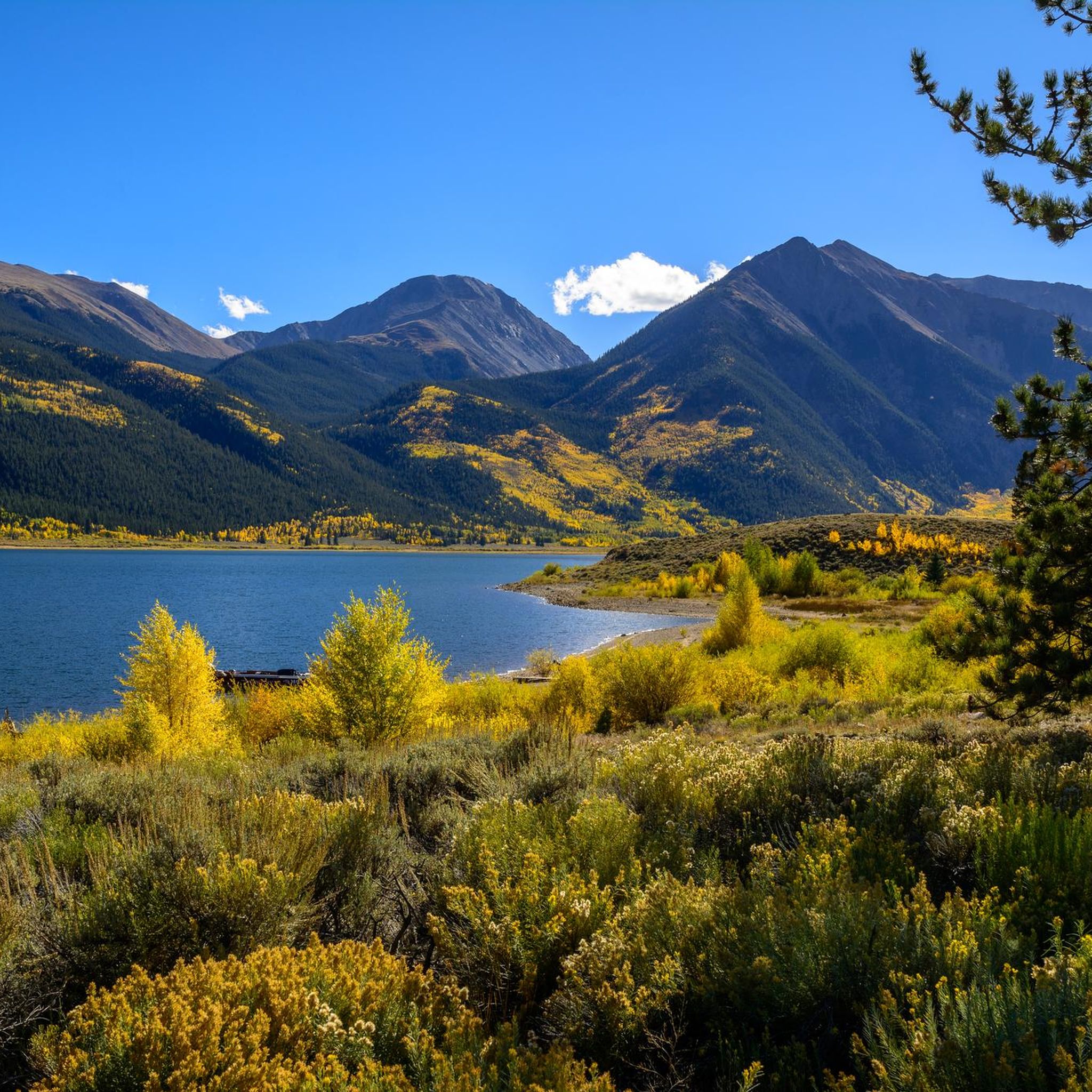
Best lakes around Twin Lakes, Colorado, are prominent glacier-carved alpine lakes that also serve as a reservoir. Located at the base of Mount Elbert within the San Isabel National Forest, the area is known for its picturesque setting. The Twin Lakes District holds historical significance, listed on the National Register of Historic Places since 1974. This region offers a range of outdoor activities and natural beauty.
Best lakes around Twin Lakes
- The most popular lakes is Twin Lakes view from…
Last updated: May 16, 2026
Lily Pond Lake
Highlight • Lake
Tip by

Hayden Meadows
Highlight • Trail
Tip by
Sign up now to discover places like this
Get recommendations on the best single tracks, peaks, & plenty of other exciting outdoor places.
Sign up for free
Twin Lakes overlook
Highlight • Viewpoint
Tip by
Twin Lakes view from CT
Highlight • Viewpoint
Tip by

High mountain camp
Highlight • Rest Area
Tip by
Sign up for free to discover even more lakes around Twin Lakes.
Sign up for free
Already have an account?
Start today with a free account
Your next adventure awaits.
Login or Signup

Tips from the Community

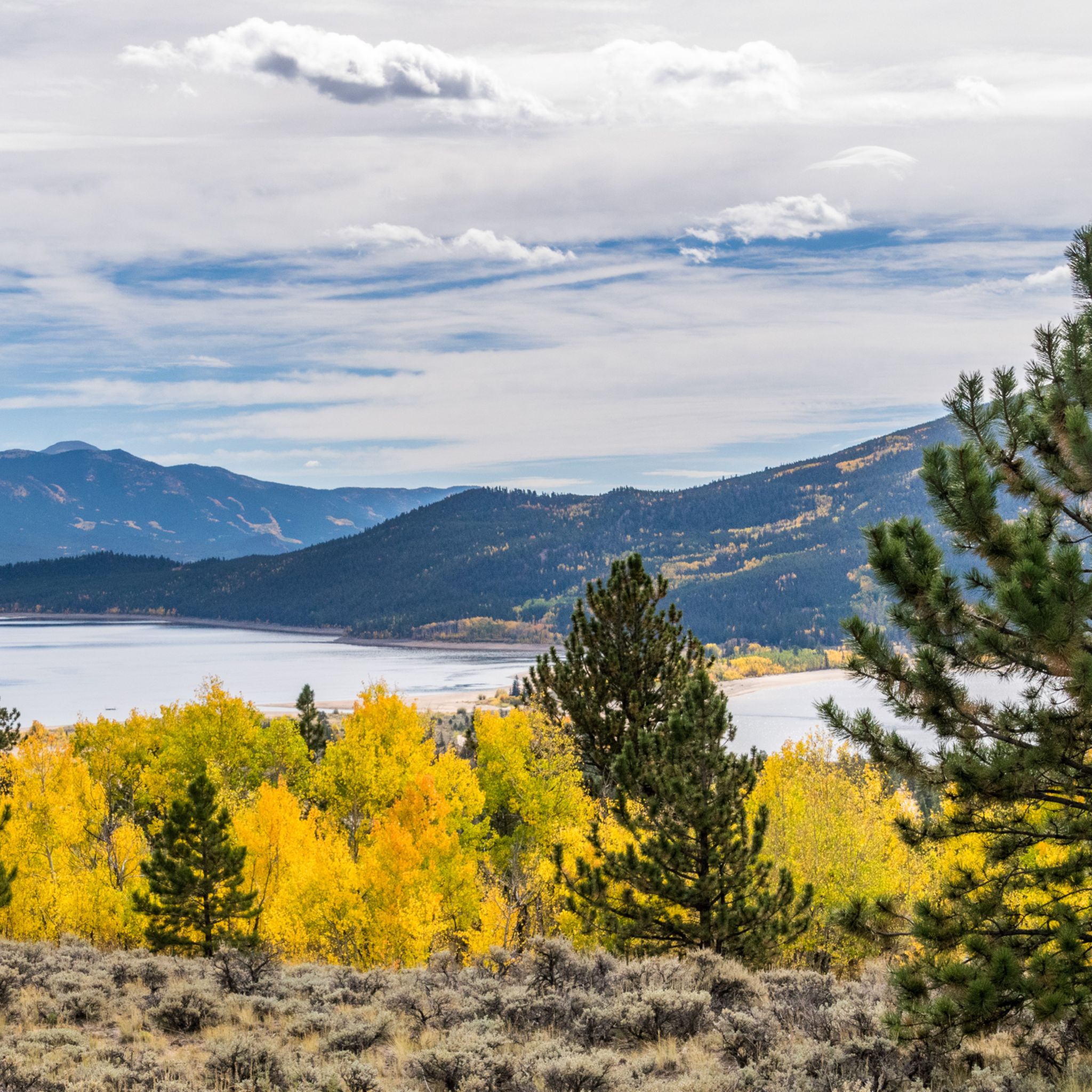
Enjoy the great view of the Twin lakes. At this point, you can also see where the Colorado Trail/ Continental Divide Trail will take you if you hike southbound and decide for the Collegiate West. The climb that lies ahead is (again) impressive!
2
0

That was the starting point for our trail up to Mount Elbert.
0
0

There is a beautiful overlook towards Twin Lakes below while still surrounded by an aspen grove on the Colorado Trail.
1
0
Hayden Meadows is a heavily used Forest Service area. There are restrooms next to the parking lot and signage posted at the trailhead. The area is known for its trout fishing in the Arkansas headwaters. There is also a small reservoir right next to the parking area. This is an especially great trail in the winter and spring months. While the rest of the high valley is covered in snow, Hayden Meadows often sees dry stints. The trail on the east side of the river is quieter and includes more singletrack. The side of the meadows next to the highway is a bit louder and less scenic, but it is really flat and can be good for faster running.
0
0
Lily Pond Lake is actually a collection of small mountain pools at the eastern base of Mount Elbert. Beavers are constantly changing the way water flows around the area, and you can easily observe beavers, fish, birds, and frogs at these ponds. Some of the pools are directly beside the Colorado Trail, and some of the larger ponds are further down a spur trail. This is an easy detour to add on to other runs when you are passing by the area.
0
0
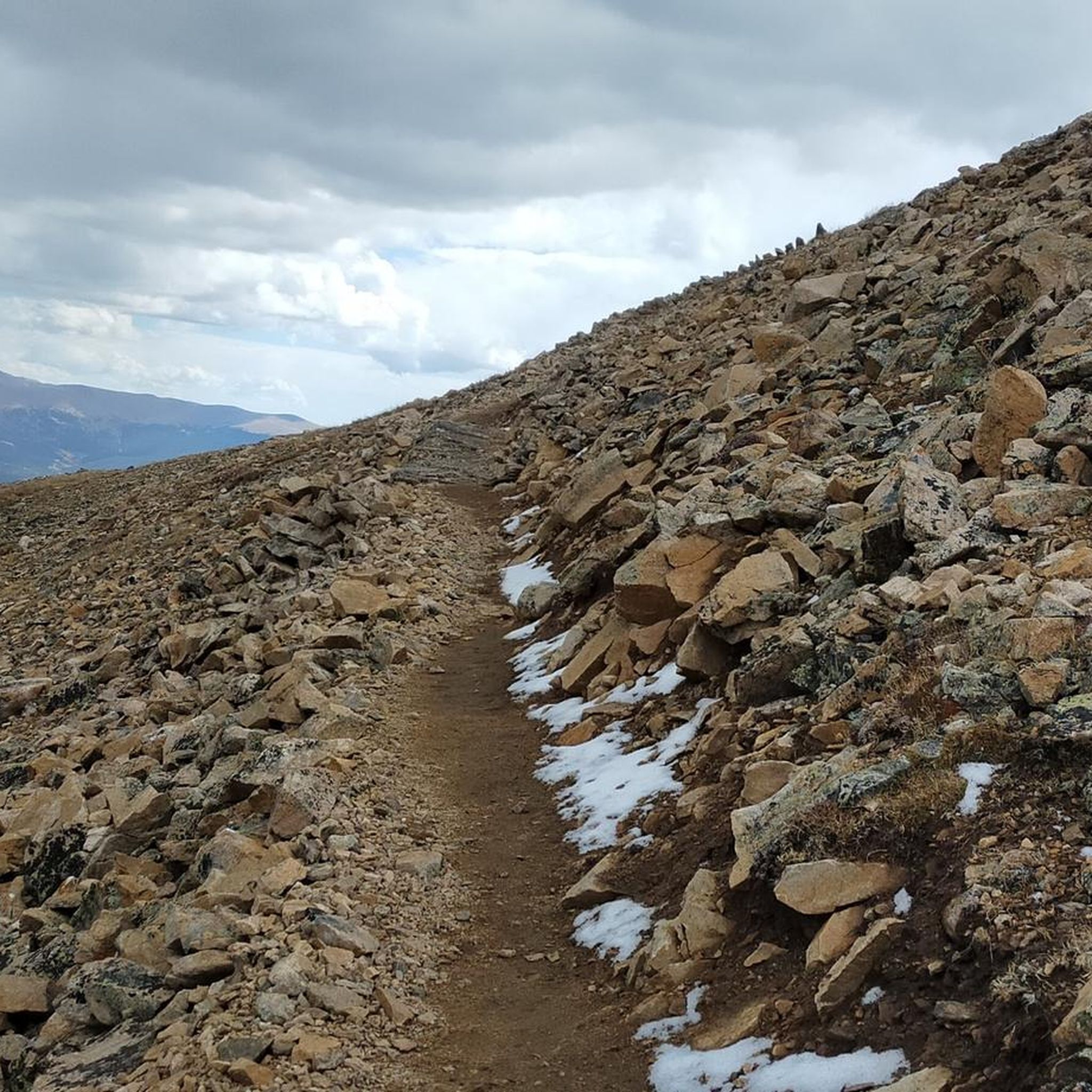
Some of the longer switchbacks on the South Elbert Trail are in a large meadow and offer some views back into the town of Twin Lakes and over towards Buena Vista. You also have a great view of the southern terminus of the Mosquito Peaks and the Buffalo Peaks to the east. Going up can be hard, but you can bomb down to the trailhead from here on your way back to the car. This section is smooth and way less steep than the upper miles of trail.
0
0
There is a high elevation campsite off the side of the Colorado Trail about half a mile below Hope Pass. There are some dispersed trees in the area, but most of the site is open with views of Mount Hope and a small alpine lake at the top of the gulch. This is actually the site of the famous "Hopeless Aid Station" on the infamous Leadville 100 mile run course. The aid station is stocked one weekend in August each year with help from a team of pack-llamas and race volunteers.
0
0
Hayden Meadows is a heavily used Forest Service area. There are restrooms next to the parking lot and signage posted at the trailhead. The area is known for its trout fishing in the Arkansas headwaters. There is also a small reservoir right next to the parking area. This is an especially great trail in the winter and spring months. While the rest of the high valley is covered in snow, Hayden Meadows often sees dry stints. The trail on the east side of the river is quieter and includes more singletrack. The side of the meadows next to the highway is a bit louder and less scenic.
0
0
Frequently Asked Questions
What are some popular viewpoints around Twin Lakes, Colorado?
For stunning vistas, consider visiting Twin Lakes view from CT, which offers a great perspective of the lakes and the Colorado Trail. Another excellent spot is Twin Lakes overlook, providing views back towards the town of Twin Lakes, Buena Vista, and the Mosquito and Buffalo Peaks. Additionally, the Flume Creek crossing offers spectacular views of the lakes and surrounding mountains.
Are there family-friendly spots to visit near Twin Lakes, Colorado?
Yes, Lily Pond Lake is a great family-friendly option. It's a collection of small mountain pools where beavers are active, and you can observe various wildlife like fish, birds, and frogs. Some pools are directly beside the Colorado Trail, making it an easy detour.
What kind of wildlife can I expect to see around the lakes?
Around spots like Lily Pond Lake, you can often observe beavers, fish, birds, and frogs. The area's natural setting within the San Isabel National Forest supports diverse alpine wildlife, though specific sightings can vary.
What outdoor activities can I do near Twin Lakes, Colorado?
The Twin Lakes area is a hub for outdoor enthusiasts. You can enjoy extensive hiking, with trails like the Willis Gulch and Sheep Gulch Trail or the Interlaken Trail. There are also dedicated running trails, including segments of the Colorado Trail. For cyclists, the region offers challenging road cycling routes, such as the iconic Independence Pass.
Are there any historical sites or significant landmarks in the Twin Lakes area?
Yes, the Twin Lakes District holds significant historical value and has been listed on the National Register of Historic Places since 1974. The area was once home to the historic Interlaken resort, and the Twin Lakes Reservoir itself is an enlargement of a natural glacial lake.
What is the best time to visit Twin Lakes, Colorado?
The best time to visit Twin Lakes, Colorado, for hiking and general outdoor activities is typically during the warmer months, from late spring through early fall. This period offers more accessible trails and pleasant weather. Fall is particularly popular for viewing vibrant foliage.
Are there opportunities for camping near the lakes?
Yes, the Twin Lakes area, being part of the San Isabel National Forest, offers several U.S. Forest Service lakeside campgrounds. These include Dexter Campground, Lakeview Campground, Parry Peak Campground, Twin Peaks Campground, and White Star Campground. Additionally, there are high-elevation campsites like the High mountain camp near Hope Pass.
Can I go fishing or boating on Twin Lakes?
Yes, Twin Lakes is well-known for excellent trout fishing. Boating is also a popular activity on the lakes, and stand-up paddleboarding is common. While the glacial water is cold, swimming is permitted.
What makes the Twin Lakes in Colorado unique compared to other 'Twin Lakes' locations?
Twin Lakes, Colorado, stands out due to its prominent glacier-carved alpine lakes nestled at the base of Mount Elbert, Colorado's highest peak, within the San Isabel National Forest. Its picturesque setting, historical significance (National Register of Historic Places), and accessibility via the 'Top of the Rockies Scenic Byway' make it a distinct and highly regarded destination.
What is the difficulty level of hiking trails around Twin Lakes?
Hiking trails around Twin Lakes vary in difficulty. You can find easy trails like the Forebay Dispersed Campground Road, moderate options such as the Interlaken Trail, and challenging routes like the South Mount Elbert Trail or segments of the Colorado Trail. Always check specific trail descriptions for elevation gain and terrain.
Are there any specific trails that offer views of Mount Elbert?
Many trails in the area offer views of Mount Elbert, as the lakes are situated at its base. For instance, the South Mount Elbert Trail provides views of the surrounding peaks. The Lily Pond Lake area is also at the eastern base of Mount Elbert, offering views of the mountain.
What do visitors enjoy most about the Twin Lakes area?
Visitors frequently praise the stunning alpine scenery, with Mount Elbert towering over the picturesque lakes. The diverse recreational opportunities, from hiking and fishing to boating and camping, are also highly valued. Many appreciate the area's historical charm and the chance to experience true mountain wilderness.
Most popular attractions around Twin Lakes

Get inspired with the komoot mobile app


Explore more
Still not found your perfect lake around Twin Lakes? Check out the guides of these regions to see even more beautiful places.
