Top 5 Castles around powiat olsztyński
Best castles around powiat olsztyński are situated in a region known for its historical significance and varied landscapes. This area, located in northeastern Poland, features a mix of forests, lakes, and agricultural land. The castles here reflect centuries of history, including periods under the Teutonic Order and the Warmian Chapter. The region offers a blend of cultural heritage and natural surroundings for exploration.
Best castles around powiat olsztyński
- The most popular castles is Castle of the Warmian Chapter, a…
Last updated: May 5, 2026
Castle of the Warmian Chapter
Highlight • Castle
More information: pl.wikipedia.org/wiki/Zamek_Kapitu%C5%82y_Warmi%C5%84skiej_w_Olsztynie
Translated by Google •
Tip by

Olsztyn Castle (Zamek w Olsztynie)
Highlight • Castle
Translated by Google •
Tip by

Sign up now to discover places like this
Get recommendations on the best single tracks, peaks, & plenty of other exciting outdoor places.
Sign up for free
Teutonic Castle in Olsztynek
Highlight • Castle
pl.wikipedia.org/wiki/Zamek_w_Olsztynku
Translated by Google •
Tip by

Grazymy Palace
Highlight • Castle
Translated by Google •
Tip by

Start today with a free account
Your next adventure awaits.
Login or Signup
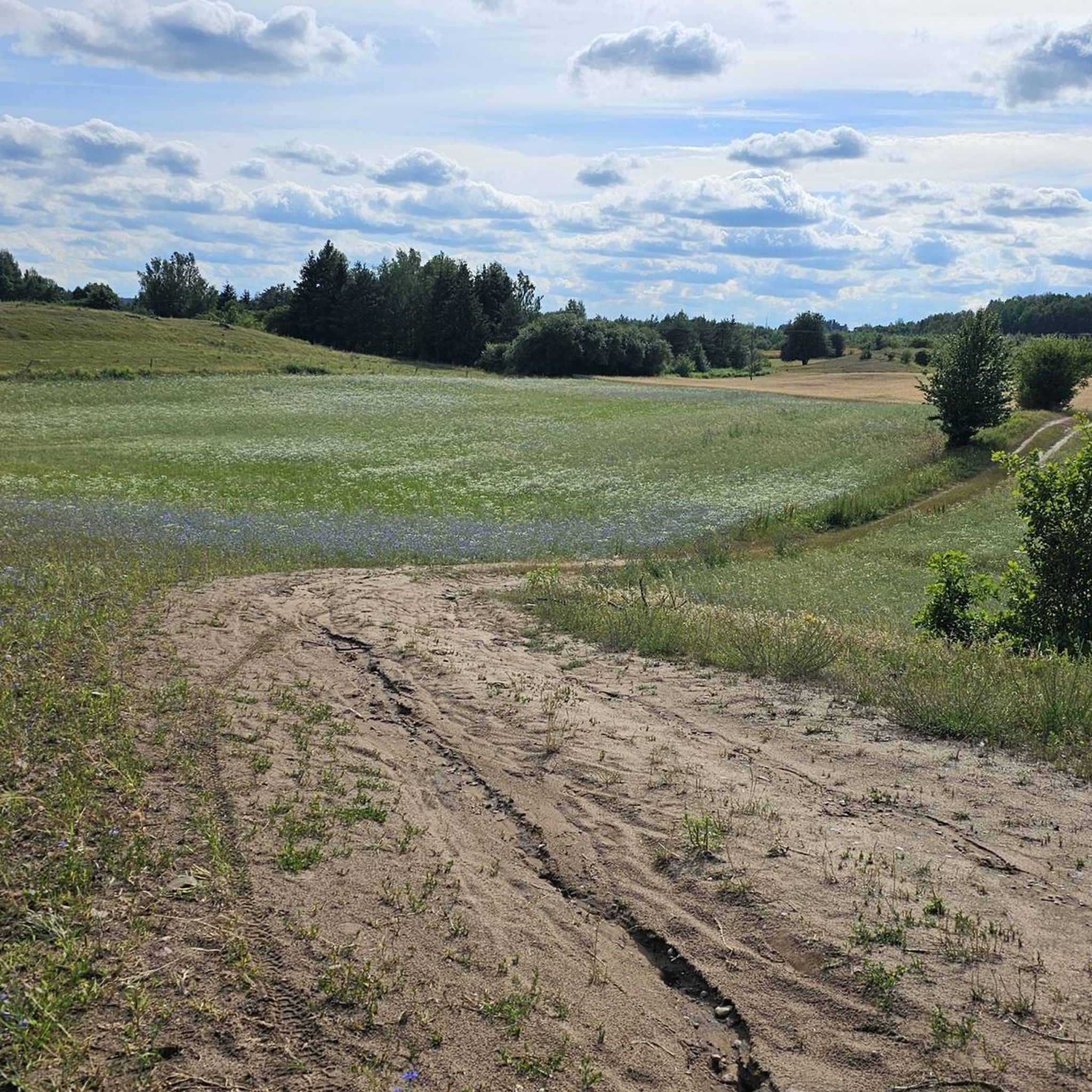
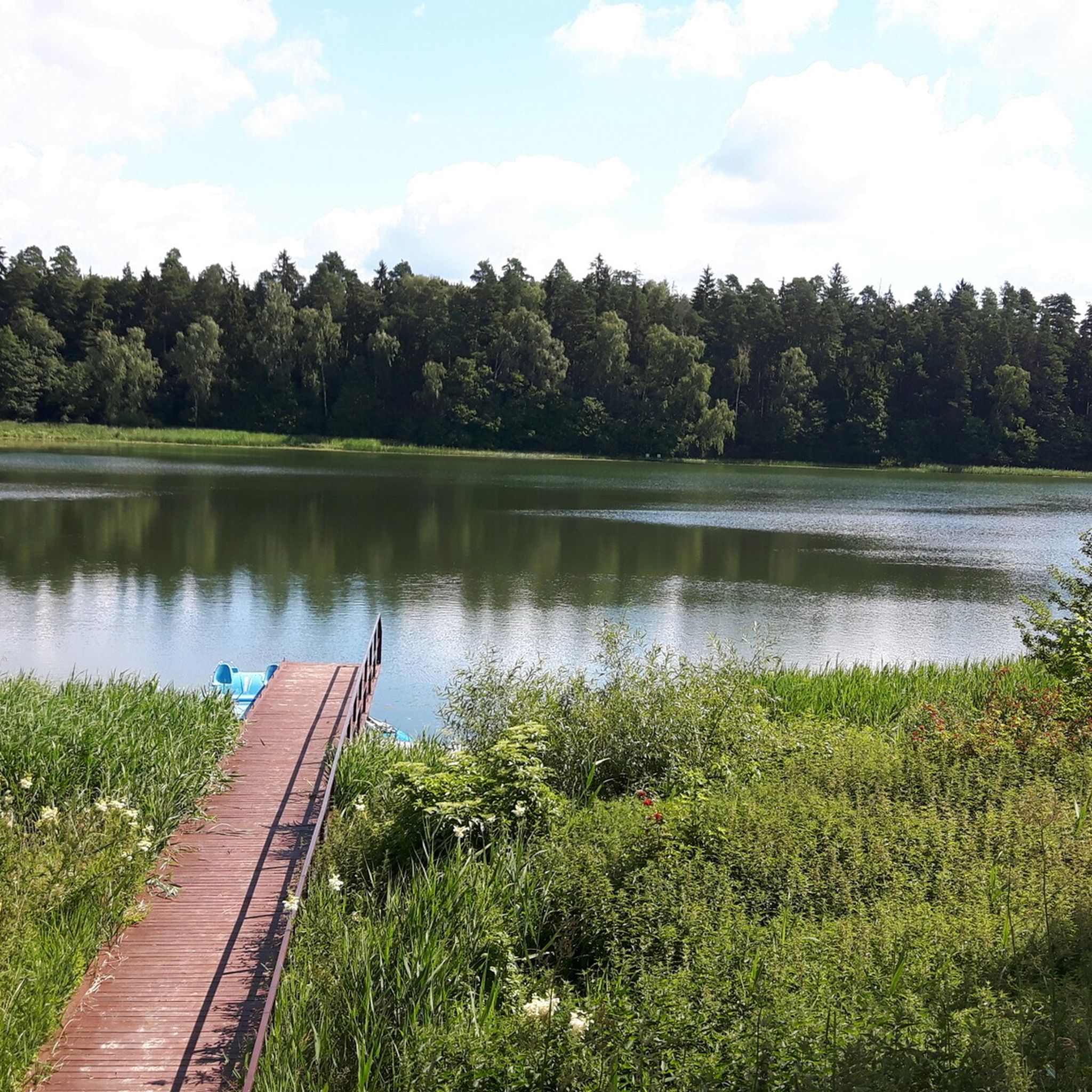
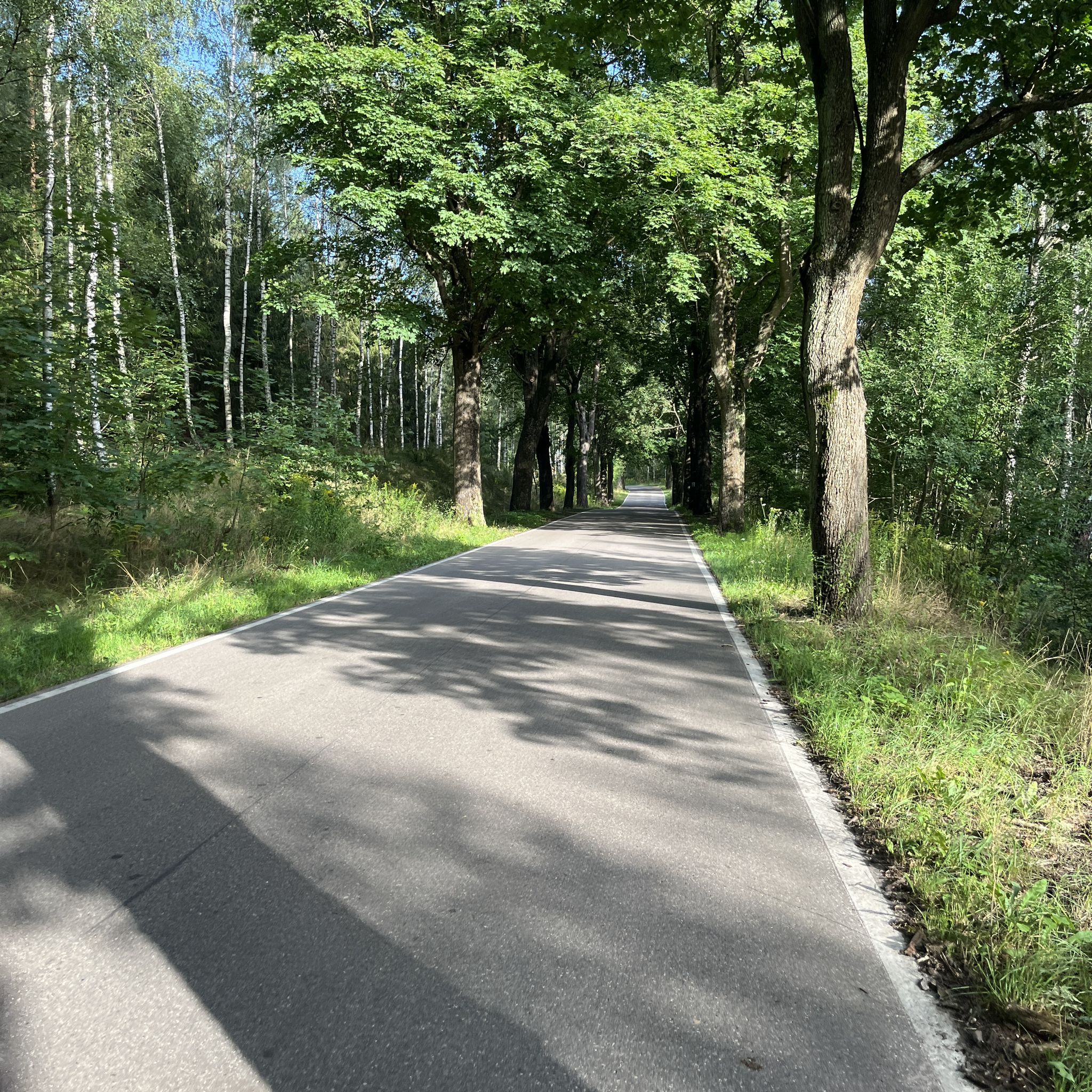
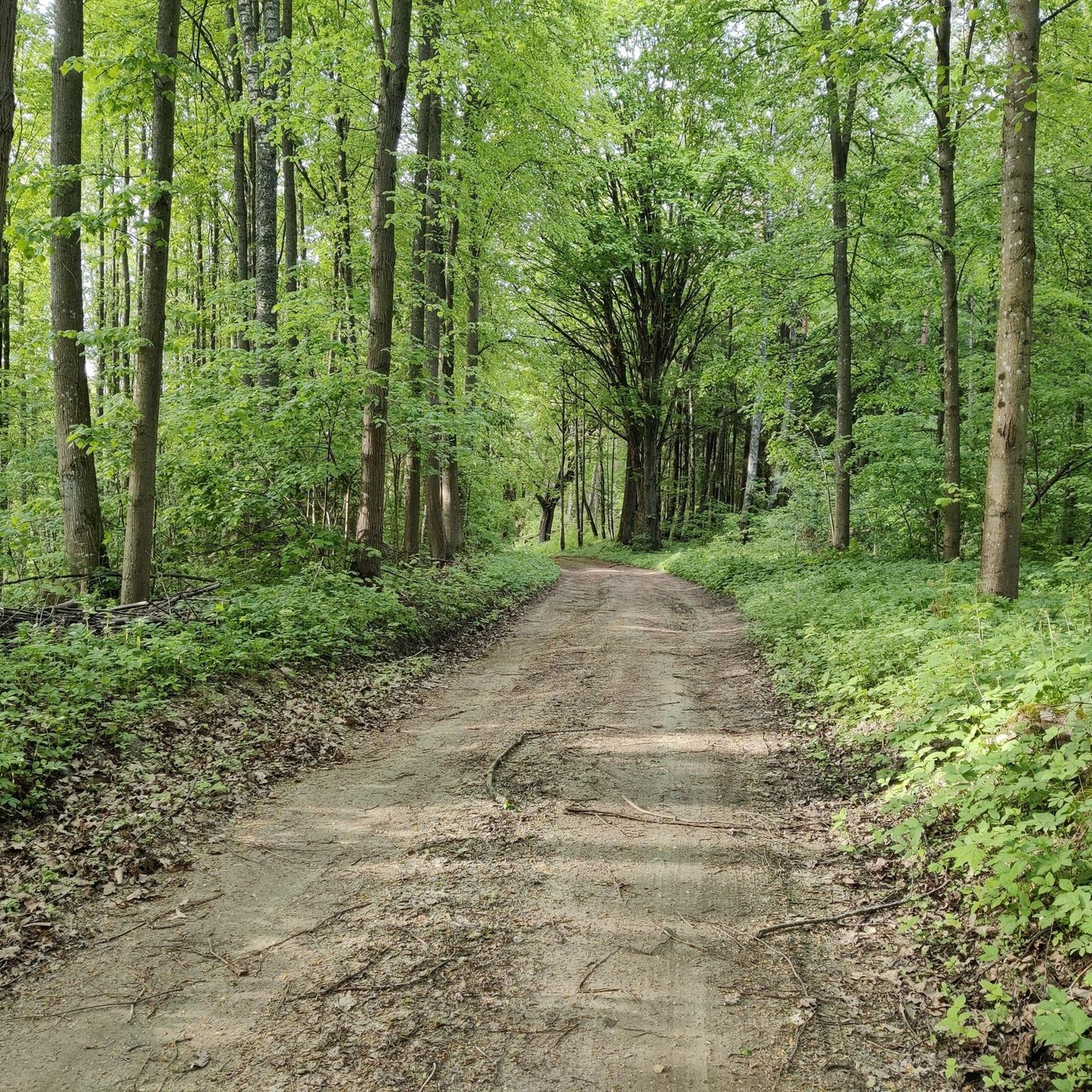

Tips from the Community

In 1334, a watchtower was established on the Łyna River. In 1346, the forest was cleared at the location for a new settlement, mentioned in a historical document from 1348. The following year, the Teutonic Knights began the construction of an Ordensburg (castle) as a stronghold against the Baltic Prussians. Allenstein was granted municipal rights by the cathedral chapter of the Bishopric of Warmia in October 1353. The German "Allenstein" referred to the river's Baltic Prussian name Alna, which meant a hind. Local Poles, having arrived along with German settlers, called it Holstin and Olsztyn, which are Polonizations of the German name. The castle was completed in 1397. The town was captured by the Kingdom of Poland during the Polish-Lithuanian-Teutonic War in 1410, and again in 1414 during the Hunger War, but it was returned to the monastic state of the Teutonic Knights after hostilities ended.
5
0

In 1937, the Grazym estate had a total area of 31,490 ha, and the last owner was the von Stein-Kamiński family. From 1945, the building housed an Children's Home, and from 1956, a Home for the Mentally and Nervously Ill, today for the intellectually disabled.
0
0

Nicholas Copernicus lived here in Allenstein Castle in 1516, 1524, 1531, 1535 and 1538.
0
0

Teutonic castle in Olsztynek - built in the years 1349–1366 in the Gothic style. Unlike other Teutonic castles, it was not a monastery or the seat of the commander, but the castle of the burgrave whose task was to collect taxes.
0
0

Allenstein Castle was built in the 14th century and served as the residence of the grand masters of the Teutonic Order. Today the castle houses a museum that presents a variety of exhibitions and exhibits on the history of the Teutonic Order and the city of Allenstein.
8
1

Remains of the Teutonic castle. The building has been rebuilt many times. https://pl.wikipedia.org/wiki/Zamek_w_Olsztynku
0
0

The Allenstein Castle was the seat of an administrator of the Warmian cathedral chapter and the main location of one of the three chamber offices that were subordinate to the chapter and, together with the episcopal chamber offices, formed the Bishopric of Warmia, which was granted as secular territory to the bishop and the chapter when the four Prussian dioceses were founded in 1245. In 1455, Allenstein Castle was taken over by the mercenary captain Knight Georg von Schlieben.[5] From 1516 to 1519, the office of administrator was held by the nephew and foster son of the Warmian bishop Lucas Watzenrode, the Warmian canon Nicholas Copernicus, who became known as an astronomer. Copernicus lived at Allenstein Castle during this time. As evidence, an astronomical table for calculating the equinox painted on the plaster of the castle's cloister has been preserved to this day. At the time of the war between Poland and the last Grand Master of the Teutonic Order in Prussia, Albrecht von Hohenzollern, he returned to Frauenburg, but was called back to Allenstein in the autumn of 1520. Archdeacon Bernhard Sculteti supported Copernicus with cannons and provisions so that Allenstein Castle could be maintained independently and in full independence from Poland.[6] It was not attacked and a ceasefire was concluded on April 7, 1521. Due to his successful defense, Copernicus was appointed Commissioner of Warmia and tasked with its reconstruction. Tiedemann Giese, the later Bishop of Warmia, was his assistant. Source Wikipedia
0
0

A castle complex worth seeing with an interesting history. More information: https://pl.wikipedia.org/wiki/Zamek_Kapitu%C5%82y_Warmi%C5%84skiej_w_Olsztynie
3
0
Frequently Asked Questions
Which castles in powiat olsztyński are suitable for families?
Several castles in the region are considered family-friendly. The Castle of the Warmian Chapter and Olsztyn Castle (Zamek w Olsztynie) both offer historical exploration that can engage visitors of all ages. The Teutonic Castle in Olsztynek is also noted as family-friendly, providing a glimpse into medieval history.
What historical periods do the castles in powiat olsztyński represent?
The castles in powiat olsztyński primarily represent periods under the Teutonic Order and the Warmian Chapter, dating back to the 14th century. For instance, Olsztyn Castle (Zamek w Olsztynie) was built in the 14th century and served as a residence for the Teutonic Order, later housing a museum on its history. The Castle of the Warmian Chapter also has significant historical value from this era.
Can I visit castles in powiat olsztyński during winter?
While the castles themselves may be open, winter conditions in powiat olsztyński can include snow and cold temperatures. It's advisable to check the specific opening hours and accessibility of each castle before your visit, as some may have reduced hours or closures. Dress warmly and be prepared for potentially icy paths.
What outdoor activities can I combine with a castle visit in powiat olsztyński?
The region around powiat olsztyński offers various outdoor activities. You can find numerous hiking trails, road cycling routes, and MTB trails. These routes often pass through forests and by lakes, providing a natural complement to historical exploration. For example, you can find hiking routes near Olsztyn that include views of Lake Długie.
Are there any famous historical figures associated with the castles in this region?
Yes, the renowned astronomer Nicolaus Copernicus is notably associated with the Castle of the Warmian Chapter. He resided there from 1516 to 1519, conducting astronomical observations. He also played a role in the defense of Allenstein (Olsztyn) Castle during a conflict with the Teutonic Order.
What should I wear when visiting castles in powiat olsztyński?
Comfortable walking shoes are highly recommended, as you'll likely be exploring castle grounds, stairs, and potentially uneven historical paths. Layered clothing is also advisable, especially outside of summer, to adapt to changing weather conditions. If visiting in winter, ensure you have warm, waterproof outerwear.
Are there any hidden gem castles or lesser-known historical sites in powiat olsztyński?
While not a traditional castle, Grazymy Palace is a historical site that offers a different perspective on the region's past. Once a large estate, it has served various purposes over the years, including a children's home. It provides a unique glimpse into local history beyond the more prominent fortifications.
What kind of natural surroundings can I expect near the castles?
The castles in powiat olsztyński are set within a region characterized by diverse natural landscapes. You can expect to find extensive forests, numerous lakes, and agricultural land. This blend of cultural heritage and natural beauty makes for scenic exploration, often with opportunities for walks or cycling in the vicinity of the historical sites.
Is public transport available to reach the castles near Olsztyn?
Public transport options vary depending on the specific castle. Olsztyn, as the regional capital, has bus and train connections. For castles directly within or very close to Olsztyn, such as Olsztyn Castle (Zamek w Olsztynie), local buses are generally available. For castles further afield, such as the Teutonic Castle in Olsztynek or Grazymy Palace, public transport might be less frequent or require connections, so checking local schedules beforehand is recommended.
Are there cafes or restaurants near the castles in powiat olsztyński?
Near the more prominent castles, especially those located within or close to towns like Olsztyn or Olsztynek, you will typically find cafes, restaurants, and other amenities. For example, Olsztyn Castle (Zamek w Olsztynie) is situated in the city, offering many dining options nearby. For castles in more rural settings, options might be limited, so it's wise to plan accordingly or bring your own refreshments.
What are the parking facilities like at the castles in powiat olsztyński?
Parking availability varies by location. Castles within urban areas like Olsztyn Castle (Zamek w Olsztynie) may have paid public parking lots nearby. For castles in smaller towns or more rural settings, there might be designated parking areas, sometimes free, but it's always best to check specific castle websites or local information for the most up-to-date details on parking facilities and fees.
Most popular routes around powiat olsztyński
Most popular attractions around powiat olsztyński

Get inspired with the komoot mobile app


Explore more
Looking for the best castles somewhere else? Discover other guides around powiat olsztyński:
