Top 6 Castles around gmina Niemcza
Best castles around gmina Niemcza offer a journey through a rich historical landscape in southwestern Poland. This region is characterized by its architectural heritage, including Renaissance monuments and ancient strongholds. Situated between the Krzyżowe and Gumińskie Hills, the area provides a scenic backdrop for exploring centuries of history. The diverse terrain and cultural significance make it a notable destination for those interested in historical sites.
Best castles around gmina Niemcza
- The most popular castles is Dobrocin Palace, a castle…
Last updated: July 16, 2026
Stoszowice Castle
Highlight • Castle
Translated by Google •
Tip by

Pieszyce Palace
Highlight • Castle
Translated by Google •
Tip by
Sign up now to discover places like this
Get recommendations on the best single tracks, peaks, & plenty of other exciting outdoor places.
Sign up for free
Gladishof Palace
Highlight • Castle
Translated by Google •
Tip by
Dobrocin Palace
Highlight • Castle
Since its privatization, it has been falling into disrepair. It can be explored by going around …
Translated by Google •
Tip by
Gola Dzierżoniowska Castle
Highlight • Castle
Translated by Google •
Tip by

Sign up for free to discover even more castles around gmina Niemcza.
Sign up for free
Already have an account?
Start today with a free account
Your next adventure awaits.
Login or Signup
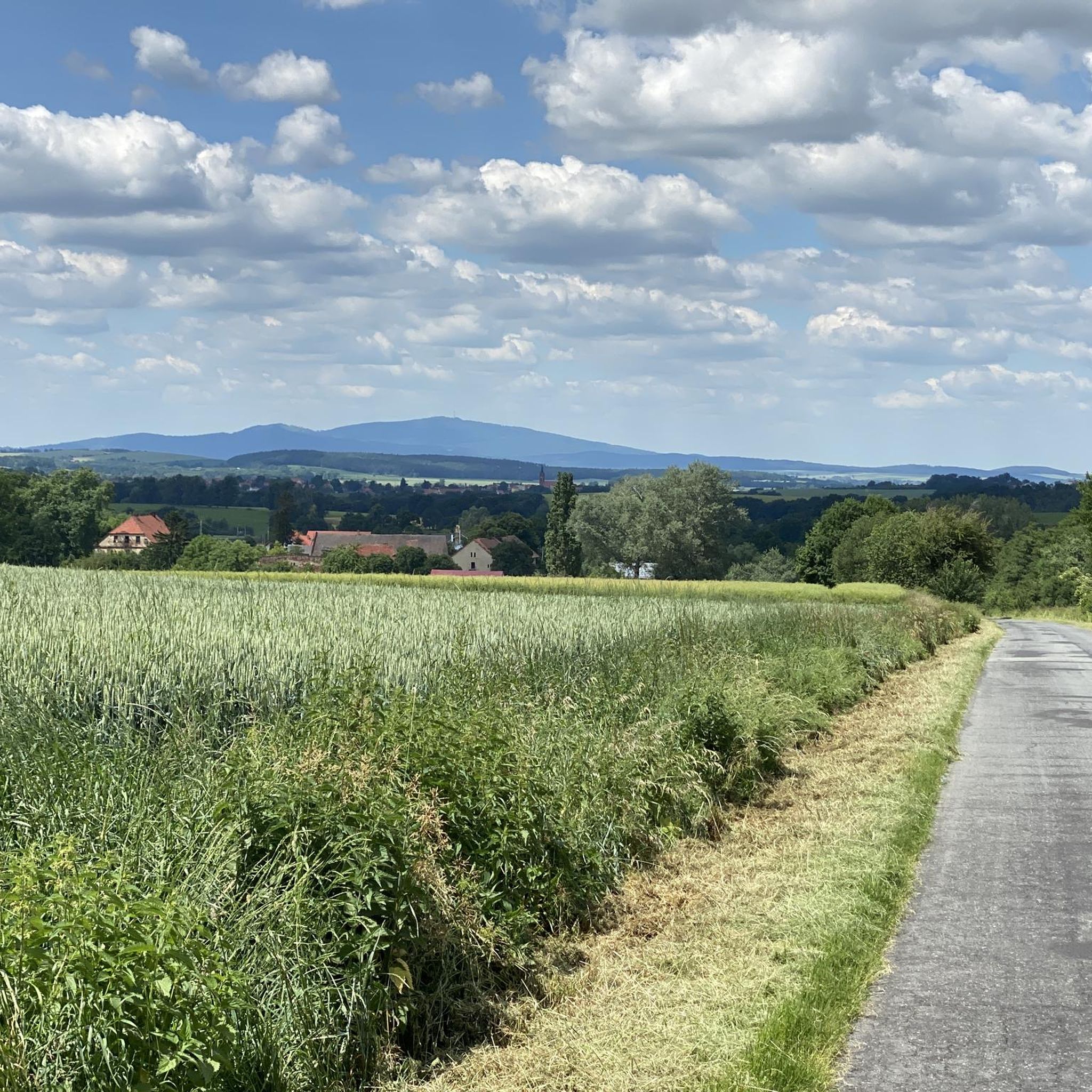

Tips from the Community

The castle was built in the 15th century. In 1600, expanded and rebuilt in the Renaissance style. Rebuilt and enlarged in the 18th and 19th centuries.
2
0

The beginnings of the castle are unknown. Different dates are given, sometimes the 13th century, sometimes the 15th. It is known that around 1600 the castle was rebuilt in the Renaissance style. At that time it was surrounded by a wall and a moat. In the 17th century it was enlarged, and later, in the 18th and 19th centuries it was rebuilt twice. Today's appearance is the result of all this work. After World War II, the castle became the property of the State Centre for Embryo Breeding. The castle was used for offices, and later it housed a library, a café and a village community centre. Today the castle is still in state hands. It belongs to the National Centre for Supporting Agriculture.
2
0

The castle in Gola Dzierżoniowska, picturesquely situated between the Krzyżowe and Gumińskie Hills, is a valuable Renaissance monument. Currently, after reconstruction started in 2000 and lasting 13 years, it houses Uroczysko Siedmiu Stawów Luxury Hotel & Spa by L'Occitane. This ecological and exclusive place of rest for exceptional Guests delights with the unique atmosphere of a 16th-century Renaissance castle, in which the historic interiors are decorated in a modern style.
0
0

A historic castle built in 1580.
0
0

A gem out of the way. A bit neglected. A wonderful setting for a lake and a small park.
1
0

Pieszyce Castle Friedrich Freiherr von Gellhorn had a three-winged late renaissance building built between 1615 and 1617 and fortified with a wall, moat and drawbridge in 1643. . Around 1710 the castle was redesigned by the Landeshut architect and master builder Martin Frantz into a three-winged baroque castle. The castle is one of the largest of its kind in Lower Silesia. It has 60 rooms with a total of 3000 square meters of floor space. In December 2000 it was acquired by Alicja and Marian Hajduk from Las Vegas, USA, and then renovated. Source: excerpts from Wikipedia And they have completely fenced it in and partially screened it from the public with privacy screens.
0
0
Frequently Asked Questions
What kind of historical sites can I expect to find around gmina Niemcza?
Gmina Niemcza is rich in architectural heritage, featuring a mix of Renaissance castles, historical strongholds, and palaces. You can explore well-preserved edifices like Gola Dzierżoniowska Castle, reconstructed sites such as Niemcza Castle, and significant ruins like the Ząbkowice Śląskie Castle Ruins. The region offers a journey through centuries of history, from early medieval fortifications to 16th-century Renaissance architecture.
What is the historical significance of Niemcza Castle?
Niemcza Castle boasts a history spanning over a thousand years, originating from a fortified town built in the 10th century. It played a crucial role in the region's defense, most notably during the 1017 AD Siege of Niemcza, where Polish forces successfully defended against Emperor Henry II's army. While the current structure is largely a result of reconstruction after an 18th-century fire, its deep historical roots and the stories embedded in its location make it significant for those interested in early medieval Polish history and fortifications. You can learn more about its history on Wikipedia.
Are there any well-preserved Renaissance castles in the area?
Yes, the Gola Dzierżoniowska Castle is an exceptional example of a well-preserved Renaissance monument. Originally built in the late 16th century, it has largely retained its original character despite some later transformations. It features a quadrilateral building with an interior courtyard, a notable main portal, and decorative elements like geometric sgraffito. The castle now functions as a luxurious hotel, allowing visitors to experience its historic grandeur firsthand.
Can I visit castle ruins around gmina Niemcza?
Yes, the Ząbkowice Śląskie Castle Ruins are a prominent example. This large ruin is partly undergoing conservation work, but it offers an interesting sight from the outside. The historic castle is open to visitors, and the courtyard and surrounding facility are well-kept, making it a beautiful and worthwhile visit.
What natural attractions or parks are near the castles?
Approximately 2 kilometers east of Niemcza, you'll find the Wojsławice Arboretum. This significant botanical garden covers 62 hectares and is renowned for its vast collections of woody and perennial plants, including national collections of rhododendrons, daylilies, and hydrangeas. It's situated in a picturesque area with varied terrain, offering a peaceful retreat for nature lovers.
What outdoor activities can I do near the castles in gmina Niemcza?
The region around gmina Niemcza offers various outdoor activities. You can explore gravel biking routes, with options like the 'Scenic Viewpoint – Pond loop from Niemcza' which is a moderate 29.8 km ride. For mountain biking enthusiasts, there are trails such as the 'Jugowska Pass loop from Dzierżoniów Śląski'. If you prefer hiking, easy trails like the 'Wojsławice Arboretum – Wojsławice Arboretum loop from Niemcza' are available. You can find more details on these and other routes in the Gravel biking around gmina Niemcza, MTB Trails around gmina Niemcza, and Easy hikes around gmina Niemcza guides.
What is the best time of year to visit the castles around gmina Niemcza?
The best time to visit depends on your interests. For enjoying the natural beauty, May and June are particularly stunning when rhododendrons and azaleas are in bloom at the Wojsławice Arboretum, and July is ideal for daylilies. Generally, spring and autumn offer pleasant weather for exploring the castles and engaging in outdoor activities like hiking and biking.
Are there family-friendly castles to visit in the area?
The Ząbkowice Śląskie Castle Ruins are categorized as family-friendly, offering an interesting historical site that can be explored. The Wojsławice Arboretum also provides a great family outing with its extensive plant collections and scenic landscape, suitable for leisurely strolls.
What do visitors enjoy most about the castles in gmina Niemcza?
Visitors appreciate the authentic Renaissance architecture of places like Gola Dzierżoniowska Castle and the deep historical significance of sites such as Niemcza Castle. The komoot community has shown its appreciation for the castles around gmina Niemcza, with more than 15 upvotes and over 25 photos shared, highlighting the visual appeal and historical depth of these locations.
Is parking available at the castles?
Parking availability varies by castle. For example, Gola Dzierżoniowska Castle, now a hotel, typically offers parking for guests. For other sites like Ząbkowice Śląskie Castle Ruins, there is usually accessible parking nearby. However, some palaces like Pieszyce Palace and Gladishof Palace are privately owned and not publicly accessible, meaning parking would be limited to viewing from a distance.
Are there any castles that are not publicly accessible but still worth seeing?
Yes, some castles, while not fully accessible, can still be admired from their exteriors or fences. For instance, Stoszowice Castle, though still in state hands and used for various purposes, can be admired from its gate. Similarly, Gladishof Palace is visible from the fence, showcasing its neo-Gothic facade. Dobrocin Palace, though falling into disrepair, can be explored by going around it for nice views.
Are there cafes or restaurants near the castles?
Gola Dzierżoniowska Castle, functioning as a hotel (Uroczysko Siedmiu Stawów & SPA), offers dining options on-site. In the town of Niemcza, which is beautifully situated on a hill, you can find local cafes and restaurants. For other castles, it's advisable to check local amenities in nearby towns or plan to bring refreshments, especially for sites that are more remote or less developed for tourism.
Most popular routes around gmina Niemcza
Most popular attractions around gmina Niemcza

Get inspired with the komoot mobile app


Explore more
Looking for the best castles somewhere else? Discover other guides around gmina Niemcza:
