Top 7 Castles around Kolsko
Best castles around Kolsko are found in the Lubusz Voivodeship of western Poland, a region characterized by its historical estates and natural landscapes. While Kolsko itself features the 19th-century Kolsko Palace, the surrounding area offers a collection of historical residences. These structures often blend architectural styles, reflecting centuries of regional history and various noble families. The landscape provides a backdrop for exploring these historical sites.
Best castles around Kolsko
- The most popular castles is Bojadła Palace, a castle that…
Last updated: July 2, 2026
Palace in Sława
Highlight • Castle
More information: de.wikipedia.org/wiki/Schloss_Schlawa
Translated by Google •
Tip by

Castle in Zabor
Highlight • Castle
Translated by Google •
Tip by
Sign up now to discover places like this
Get recommendations on the best single tracks, peaks, & plenty of other exciting outdoor places.
Sign up for free
Bojadła Palace
Highlight • Castle
Translated by Google •
Tip by

Zabór Palace
Highlight • Castle
Translated by Google •
Tip by

Ruins of Geibel Castle (Heinrichslust)
Highlight • Castle
Translated by Google •
Tip by

Sign up for free to discover even more castles around Kolsko.
Sign up for free
Already have an account?
Start today with a free account
Your next adventure awaits.
Login or Signup

Tips from the Community

A place worth visiting, a restored palace and palace-park complex with beautiful alleys, benches, gazebos, and a floating pier, constitute a charming place for relaxation. The interior of the palace is not open to visitors.
0
0

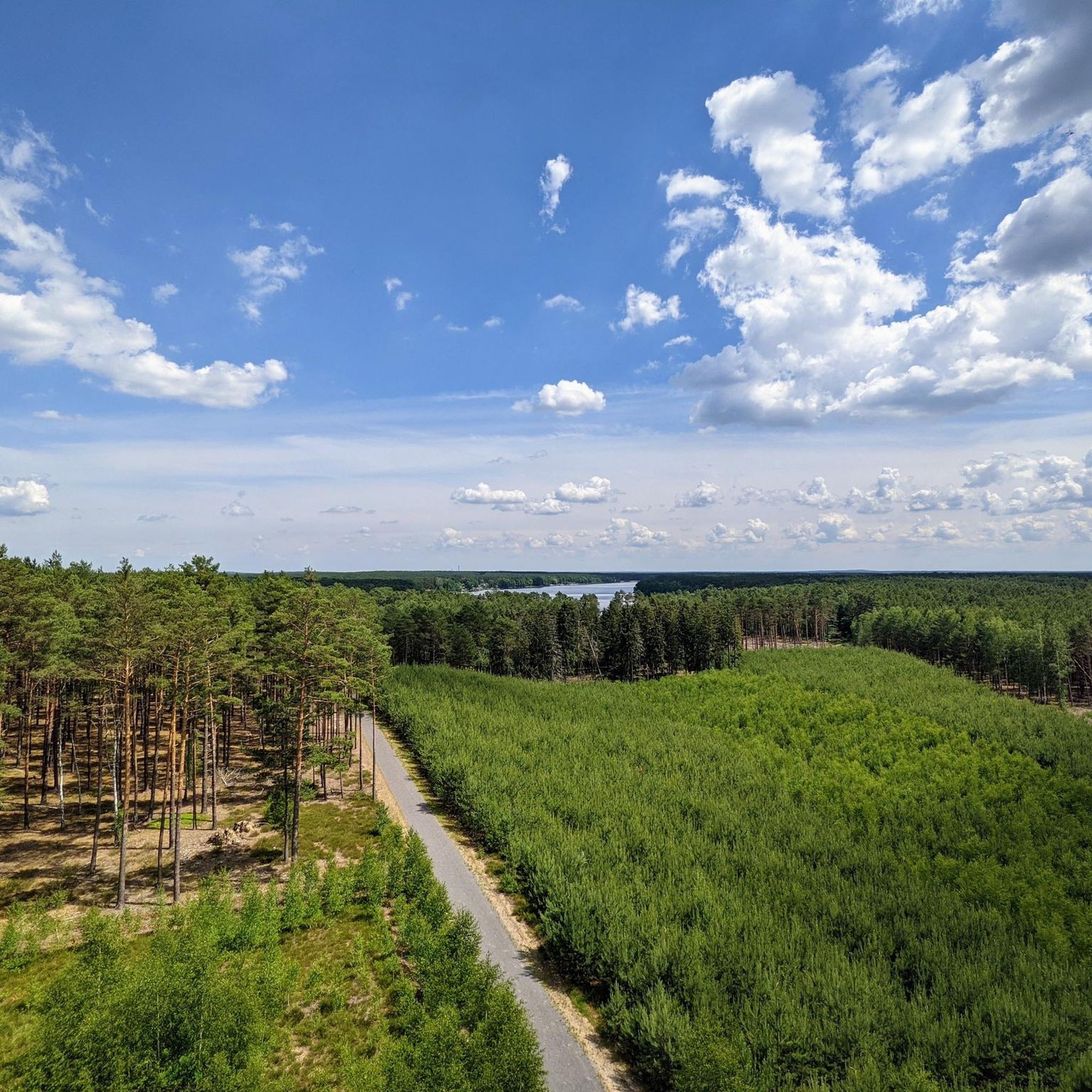
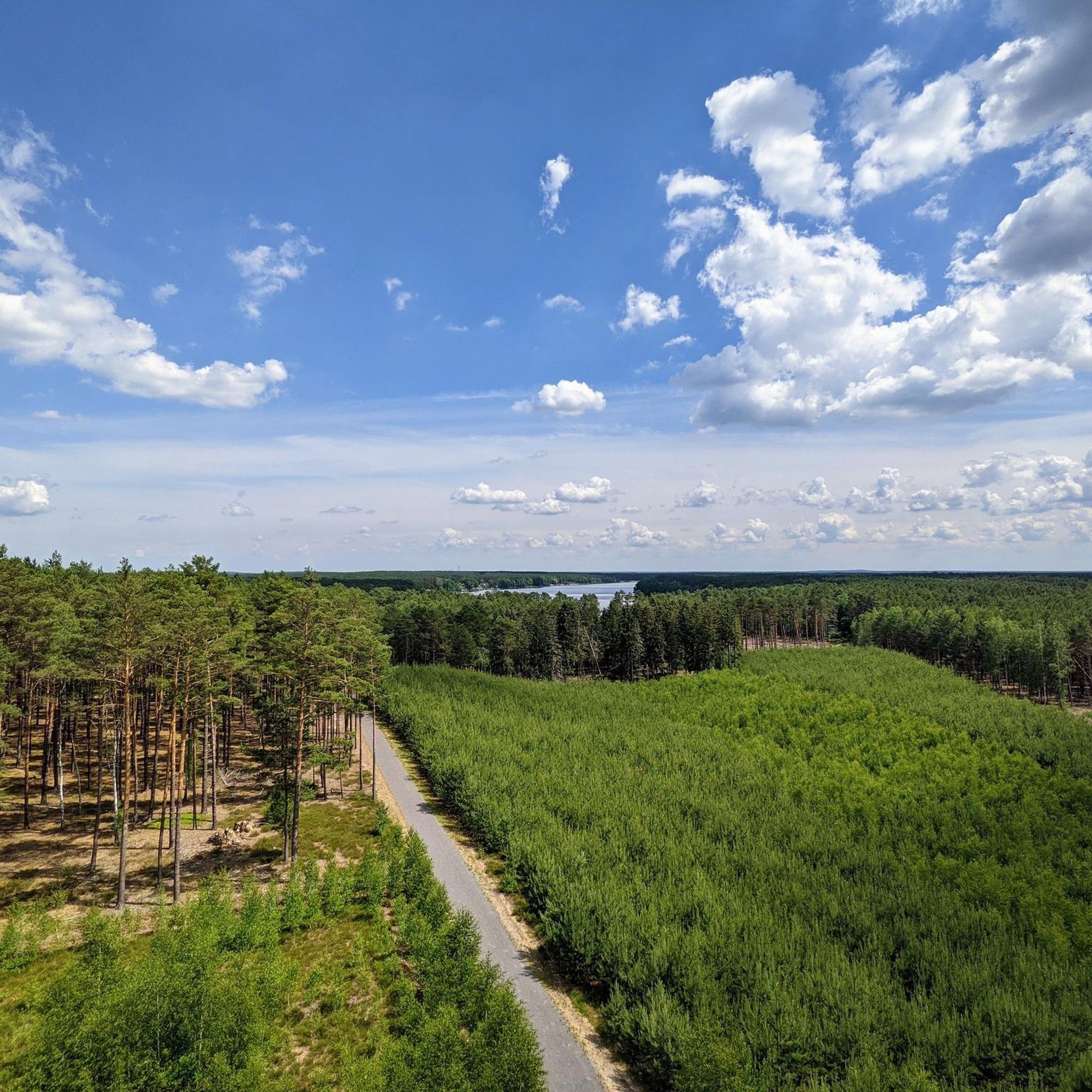
Ruins in the forest, remnants of walls and old fallen trees. Silence and the sounds of the forest.
0
0

In the place of the present palace there was already a castle of the Dukes of Głogów, mentioned since 1468, passed on to the von Rechenberg family. At the end of the 16th century, Hans von Rechenberg rebuilt it in the Renaissance style. In the mid-17th century, the estate passed into the hands of the Barwitz family (von Fernemont). After a great fire in 1721, the former castle was rebuilt in the years 1732–1735 as a two-storey Baroque residence, preserving part of the older structure. The palace served as the residence and archive of the Reich Main Security Office, as well as Heinrich Himmler; a unique collection of books on Freemasonry and witch trials was gathered here. After the war, it was transformed into, among other things, a Children's Home (1957–2006); previously it housed the tax office, ZHP, OSP and a playhouse.
2
0
Originally, an older building existed on the site of today's castle in Zabór (German: Saabor), but the current shape of the palace is the work of Joannes Schönaich, who commissioned the construction of a new, late Baroque residence in the years 1677-1683. The palace was built on a square-like plan, with four corner projections and a central courtyard, which was characteristic of palace complexes of the time. In 1711, the castle was acquired by Frederick Augustus von Cosel, the illegitimate son of King Augustus II the Strong and Countess Cosel. He commissioned further expansion and modernization works, transforming the palace into an impressive Baroque residence. During this period, the interiors gained rich decoration, and a large park in the French and later English style was created around the castle, which is an integral part of it to this day. Zabór became one of the most representative estates in Silesia at that time. Over the following centuries, the castle changed owners. In the 19th century it belonged to the von Schmettau family, and then to Prince Frederick Augustus of Anhalt-Dessau. A key change in the history of the castle came in 1945. After the end of World War II and the annexation of the Partition to Poland, the castle became state property. The castle in the Partition survived the war in relatively good condition. In the post-war years, the castle was adapted to the Provincial Children's Sanatorium, and then to the Center for the Treatment of Children and Youth. This medical function was maintained for many decades, which contributed to the preservation of the historic substance of the building. The interiors of the palace were adapted to the needs of a medical facility, losing some of their original decor.
2
0


The Baroque castle (palace) was rebuilt in 1745 and 1957. From the 18th century, it was the property of the Counts of Cosel, then the Princes of Siedlisko: Johann Carl, Prince of Schönaich-Carolath, married to Johanna Wilhelmina, Princess of Anhalt-Köthen, and their younger son Ferdinand (born 1763)[3]. The last owner of the palace before World War II was the second wife of the last German Emperor, Wilhelm II Hohenzollern, Hermina, who lived in the palace until 1922 and after the emperor's death until April 1945. From 1956, the palace housed a tuberculosis preventorium for children, from 1976 - a Children's Sanatorium, and from 1998 - a Centre for the Treatment of Children and Youth. The castle together with the farmstead, which includes: three outbuildings, an outbuilding (currently a school), a stable (currently a hotel), a morgue, a greenhouse, two utility buildings and a park constitute the castle complex. Above the main entrance in the cartouche are the coats of arms: the Schönaich-Carolath family (on the left) and a complication of coats of arms (on the right, including: in the central field of the shield and in the upper right field the coat of arms of Saxony, Count von Schlabrendorf).
1
0
The Baroque castle (palace) was rebuilt in 1745 and 1957. From the 18th century, it was the property of the Counts of Cosel, then the Princes of Siedlisko: Johann Carl, Prince of Schönaich-Carolath, married to Johanna Wilhelmina, Princess of Anhalt-Köthen, and their younger son Ferdinand (born 1763)[3]. The last owner of the palace before World War II was the second wife of the last German Emperor, Wilhelm II Hohenzollern, Hermina, who lived in the palace until 1922 and after the emperor's death until April 1945. From 1956, the palace housed a tuberculosis preventorium for children, from 1976 - a Children's Sanatorium, and from 1998 - a Centre for the Treatment of Children and Youth. The castle together with the farmstead, which includes: three outbuildings, an outbuilding (currently a school), a stable (currently a hotel), a morgue, a greenhouse, two utility buildings and a park constitute the castle complex. Above the main entrance in the cartouche are the coats of arms: the Schönaich-Carolath family (on the left) and a complication of coats of arms (on the right, including: in the central field of the shield and in the upper right field the coat of arms of Saxony, Count von Schlabrendorf).
0
0

The Baroque palace in Zabór was rebuilt twice in the past, in 1745 and 1957. Since the 18th century, it was the property of the Counts of Cosel, and later of the Princes of Siedlisko, the Schönaich-Carolath family. The last owner of the palace before World War II was the second wife of the last German Emperor, Wilhelm II Hohenzollern, who lived there until April 1945. In 1956, a tuberculosis preventorium for children was established in the palace. In 1976, a Children's Sanatorium was established, and in 1998, the Children and Youth Treatment Centre, which provides assistance to the youngest to this day. The entire area of the facility is the palace with a farm, which includes: three buildings, an outbuilding (currently a school), a stable (currently a hotel), a morgue, a greenhouse, two farm buildings and a park.
1
0
Frequently Asked Questions
What types of historical residences can I explore around Kolsko?
The region around Kolsko features a variety of historical residences, primarily palaces and manor houses, reflecting different architectural styles. You'll find examples ranging from Baroque to neo-Gothic. Notable examples include the 18th-century Bojadła Palace, the Baroque Palace in Sława, and the grand Zabór Palace.
Are there any palaces with significant historical connections to royalty or nobility?
Yes, Zabór Palace has a rich history, once owned by Frederick Augustus von Cosel, the illegitimate son of King Augustus II the Strong. Later, it was also the residence of Hermina, the second wife of the last German Emperor, Wilhelm II Hohenzollern, until 1945.
What is the history of the Kolsko Palace itself?
The Kolsko Palace originated as a late-classical manor house in the first half of the 19th century. It was significantly expanded in 1867 with a neo-Gothic, two-story annex and an octagonal tower, giving it a distinctive T-shape. While its original interior decor was removed when it was adapted into a school after 1945, it remains a well-preserved historical building showcasing a blend of architectural styles.
Can I visit the Kolsko Palace?
The Kolsko Palace currently serves as an educational complex. While its interior has been adapted for school use, visitors can still appreciate its exterior architecture, particularly the blend of late-classical and neo-Gothic styles, and the prominent octagonal tower. The surrounding 3.53-hectare palace park, established in the mid-19th century, also offers a pleasant historical landscape.
Are there any palaces that have been recently restored?
Yes, Bojadła Palace, originally built in 1707 and rebuilt in 1735 after a fire, has been undergoing restoration since 2021, making it an interesting site to visit for those interested in historical preservation.
What outdoor activities can I do near these historical sites?
The area around Kolsko offers various outdoor activities. You can find numerous hiking trails, including easy options like the 'Bridge by the palace in Slava – Palace in Sława loop'. For cycling enthusiasts, there are also gravel biking routes, such as the 'Wild Beach – Lake Sławskie loop'.
Are there any palaces that are currently in a state of decay but still worth seeing?
The Palace in Sława, a Baroque residence with a long history, is currently privately owned and in a state of decay. Despite this, its historical significance and architectural grandeur still make it a compelling site for those interested in exploring historical ruins. Similarly, Kargowa Palace is fenced and abandoned, but offers a glimpse into its past splendor.
What architectural styles are prominent among the castles and palaces in this region?
The historical residences around Kolsko showcase a blend of architectural styles. You'll frequently encounter Baroque designs, as seen in the Palace in Sława and Zabór Palace. The Kolsko Palace itself features a distinctive mix of late-classical and neo-Gothic elements, particularly its octagonal tower.
What do visitors say about the castles and palaces around Kolsko?
The komoot community appreciates the historical insights and architectural variety offered by these sites. Visitors often highlight the beauty of places like Zabór Palace and note the ongoing restoration efforts at Bojadła Palace. The historical context and unique stories associated with each location are also frequently mentioned.
Are there any palaces that were used for purposes other than residences?
Yes, several palaces in the region have had varied uses over time. The Palace in Sława, for instance, served as a Children's Home after the war. Zabór Palace was adapted into a Provincial Children's Sanatorium and later a Center for the Treatment of Children and Youth, a function it maintains to this day. The Kolsko Palace itself was converted into a school.
Can I find any palaces with extensive parks or gardens?
Yes, the Kolsko Palace is surrounded by a 3.53-hectare palace park, established in the mid-19th century, offering a pleasant historical landscape. Zabór Palace also features a large park, originally designed in French and later English styles, which remains an integral part of the complex.
Most popular routes around Kolsko
Most popular attractions around Kolsko

Get inspired with the komoot mobile app


Explore more
Looking for the best castles somewhere else? Discover other guides around Kolsko:
