Top 10 Castles around Trzebiechów
Best castles around Trzebiechów are primarily represented by the historic Trzebiechów Palace, also known as Pałac w Trzebiechowie. This region in Poland features a landscape with several aristocratic residences and historical sites. The area offers insights into centuries of architectural development and noble ownership. These structures provide a factual glimpse into the historical context of the region.
Best castles around Trzebiechów
- The most popular castles is Trzebiechów Palace, a castle that exhibits Baroque architectural style. It was built for…
Last updated: July 2, 2026
Castle in Zabor
Highlight • Castle
Translated by Google •
Tip by

Przytok Palace
Highlight • Castle
Translated by Google •
Tip by
Sign up now to discover places like this
Get recommendations on the best single tracks, peaks, & plenty of other exciting outdoor places.
Sign up for free
Trzebiechów Palace
Highlight • Castle

Bojadła Palace
Highlight • Castle
Translated by Google •
Tip by

Zabór Palace
Highlight • Castle
Translated by Google •
Tip by

Sign up for free to discover even more castles around Trzebiechów.
Sign up for free
Already have an account?
Start today with a free account
Your next adventure awaits.
Login or Signup
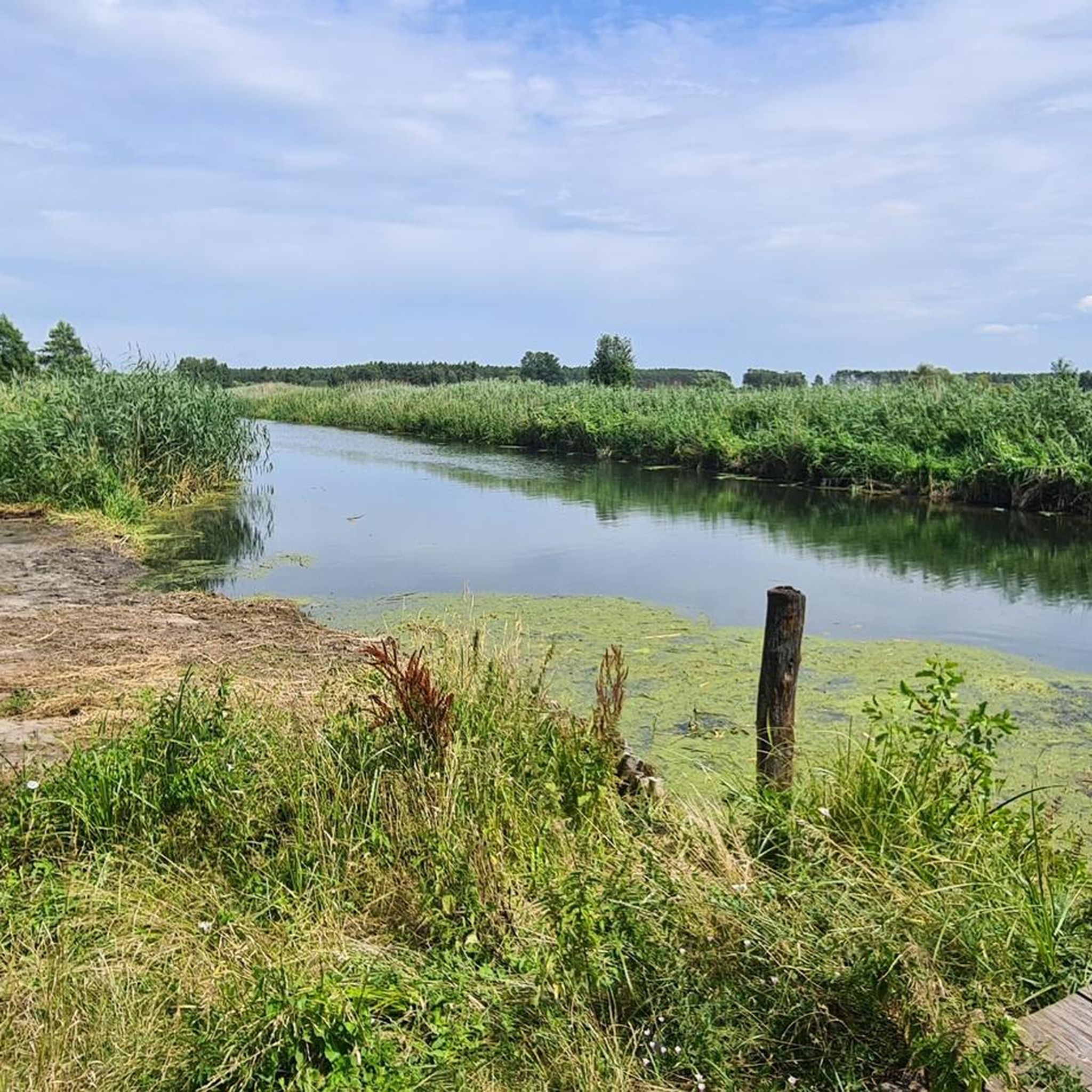
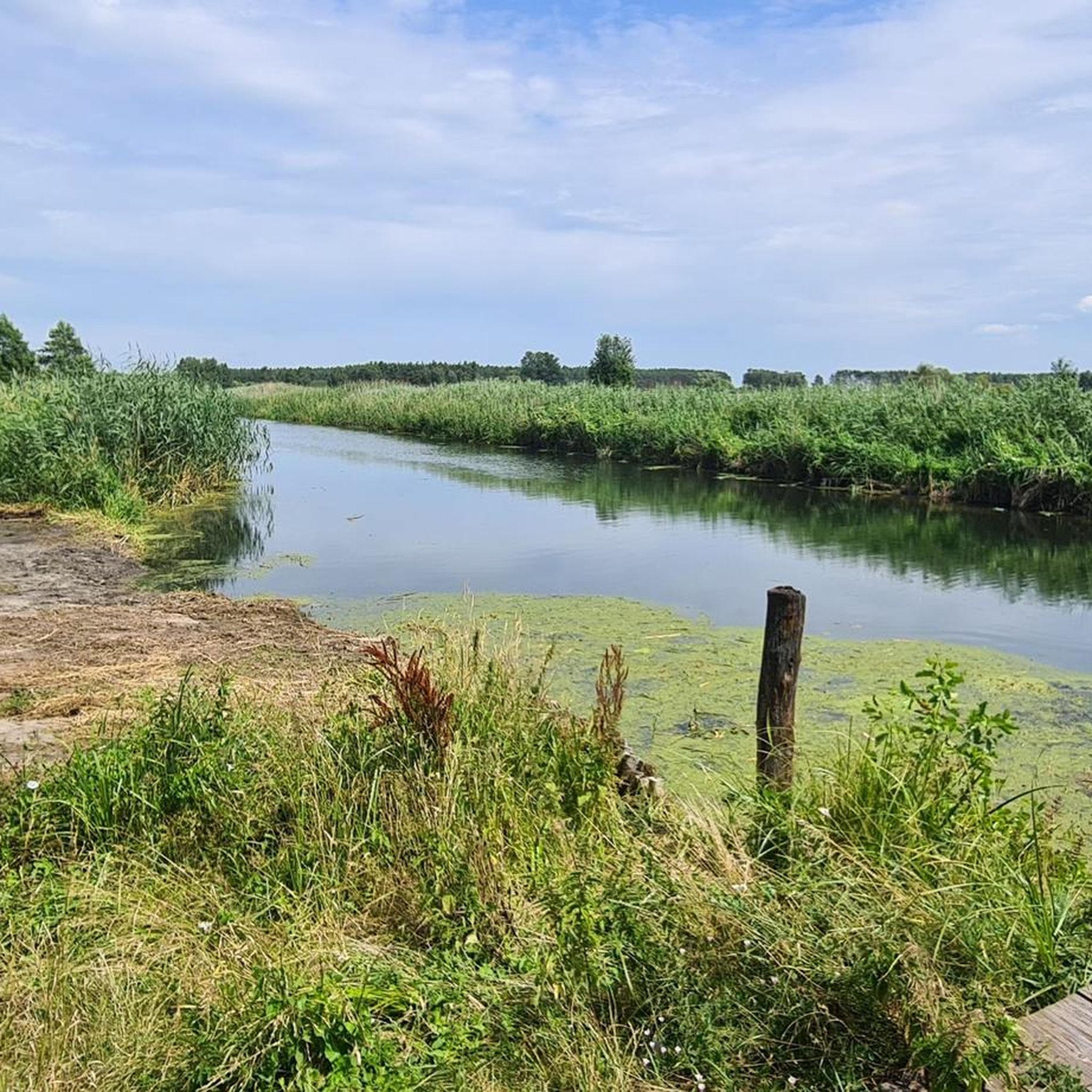
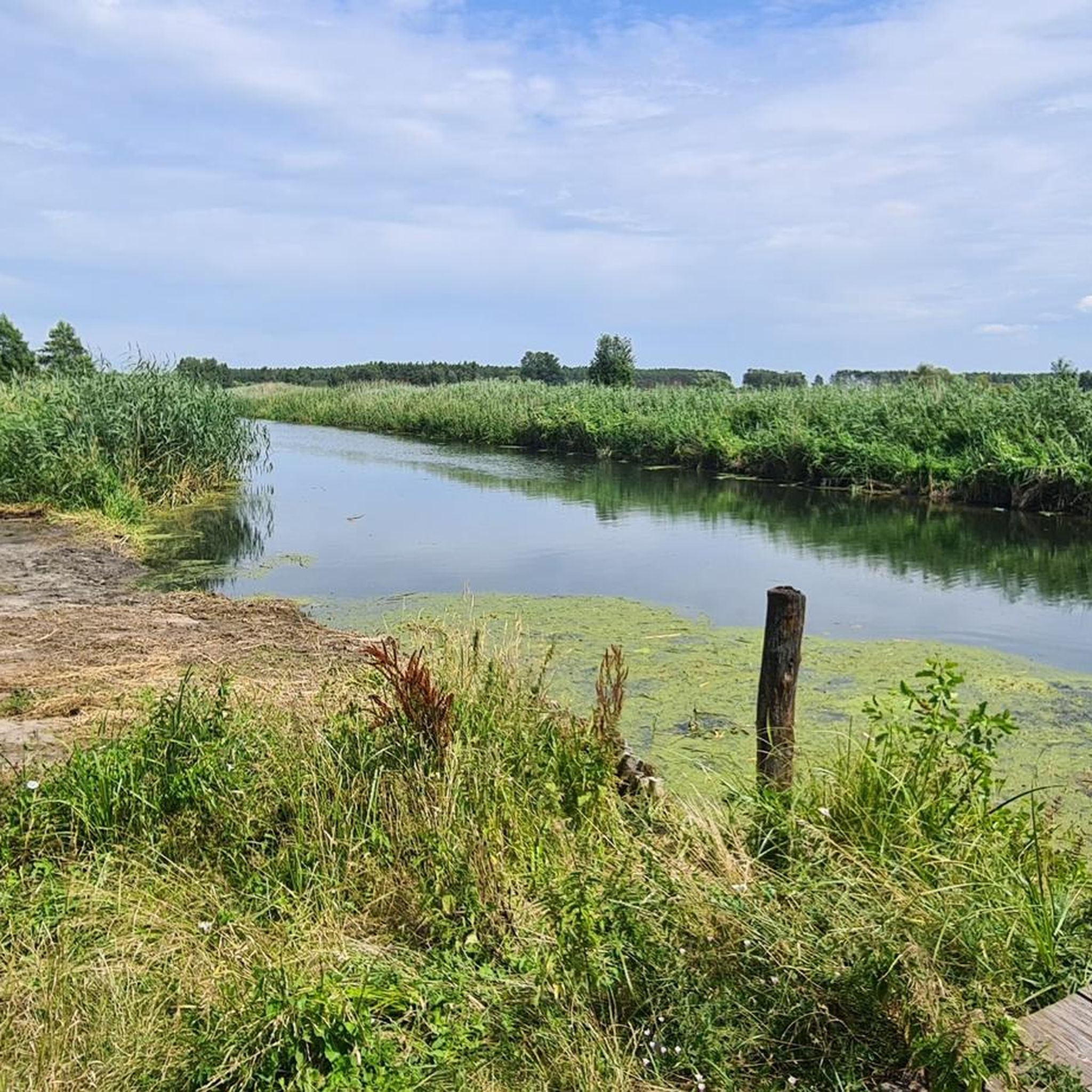

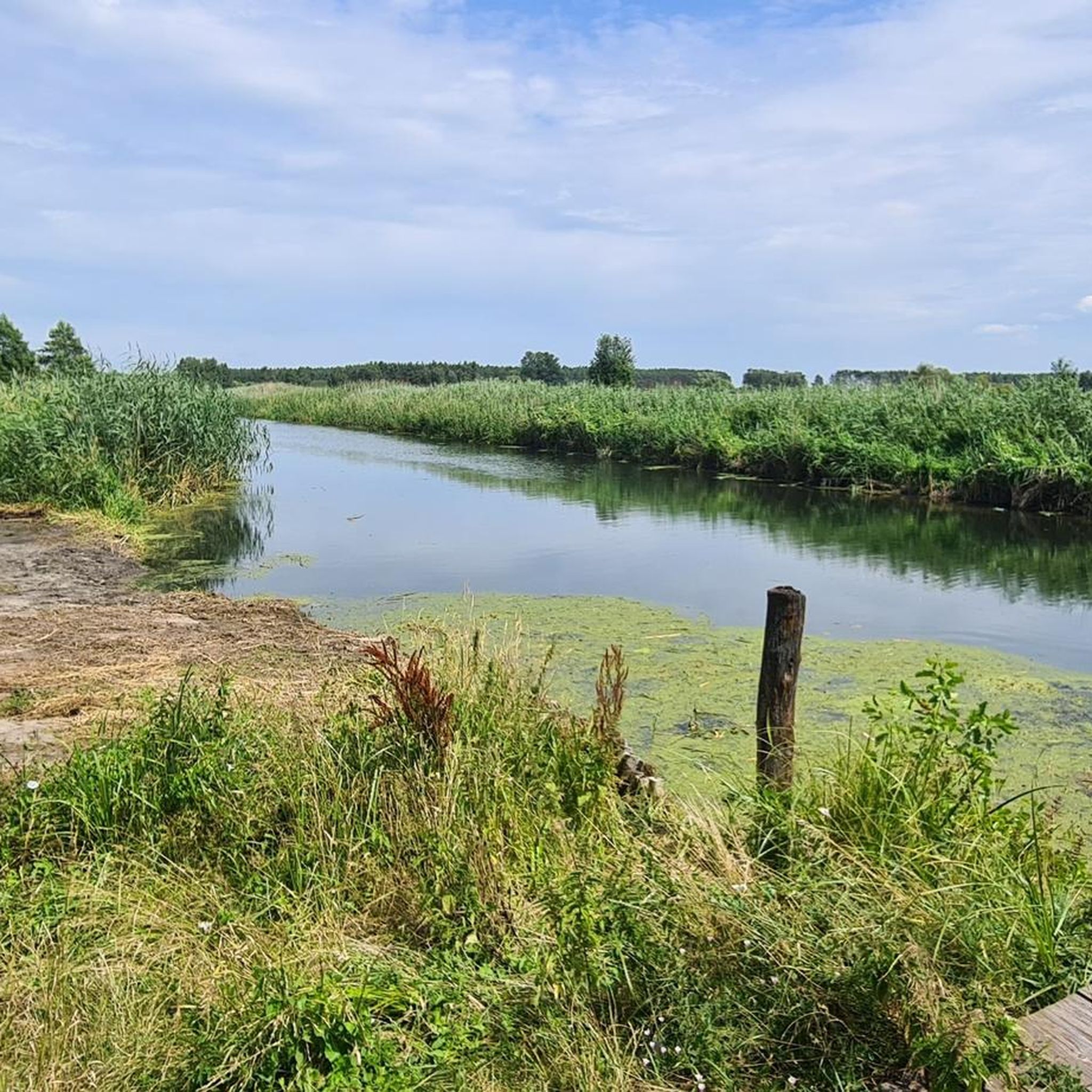
Tips from the Community

A place worth visiting, a restored palace and palace-park complex with beautiful alleys, benches, gazebos, and a floating pier, constitute a charming place for relaxation. The interior of the palace is not open to visitors.
0
0

Originally, an older building existed on the site of today's castle in Zabór (German: Saabor), but the current shape of the palace is the work of Joannes Schönaich, who commissioned the construction of a new, late Baroque residence in the years 1677-1683. The palace was built on a square-like plan, with four corner projections and a central courtyard, which was characteristic of palace complexes of the time. In 1711, the castle was acquired by Frederick Augustus von Cosel, the illegitimate son of King Augustus II the Strong and Countess Cosel. He commissioned further expansion and modernization works, transforming the palace into an impressive Baroque residence. During this period, the interiors gained rich decoration, and a large park in the French and later English style was created around the castle, which is an integral part of it to this day. Zabór became one of the most representative estates in Silesia at that time. Over the following centuries, the castle changed owners. In the 19th century it belonged to the von Schmettau family, and then to Prince Frederick Augustus of Anhalt-Dessau. A key change in the history of the castle came in 1945. After the end of World War II and the annexation of the Partition to Poland, the castle became state property. The castle in the Partition survived the war in relatively good condition. In the post-war years, the castle was adapted to the Provincial Children's Sanatorium, and then to the Center for the Treatment of Children and Youth. This medical function was maintained for many decades, which contributed to the preservation of the historic substance of the building. The interiors of the palace were adapted to the needs of a medical facility, losing some of their original decor.
2
0


The Baroque castle (palace) was rebuilt in 1745 and 1957. From the 18th century, it was the property of the Counts of Cosel, then the Princes of Siedlisko: Johann Carl, Prince of Schönaich-Carolath, married to Johanna Wilhelmina, Princess of Anhalt-Köthen, and their younger son Ferdinand (born 1763)[3]. The last owner of the palace before World War II was the second wife of the last German Emperor, Wilhelm II Hohenzollern, Hermina, who lived in the palace until 1922 and after the emperor's death until April 1945. From 1956, the palace housed a tuberculosis preventorium for children, from 1976 - a Children's Sanatorium, and from 1998 - a Centre for the Treatment of Children and Youth. The castle together with the farmstead, which includes: three outbuildings, an outbuilding (currently a school), a stable (currently a hotel), a morgue, a greenhouse, two utility buildings and a park constitute the castle complex. Above the main entrance in the cartouche are the coats of arms: the Schönaich-Carolath family (on the left) and a complication of coats of arms (on the right, including: in the central field of the shield and in the upper right field the coat of arms of Saxony, Count von Schlabrendorf).
1
0
The Baroque castle (palace) was rebuilt in 1745 and 1957. From the 18th century, it was the property of the Counts of Cosel, then the Princes of Siedlisko: Johann Carl, Prince of Schönaich-Carolath, married to Johanna Wilhelmina, Princess of Anhalt-Köthen, and their younger son Ferdinand (born 1763)[3]. The last owner of the palace before World War II was the second wife of the last German Emperor, Wilhelm II Hohenzollern, Hermina, who lived in the palace until 1922 and after the emperor's death until April 1945. From 1956, the palace housed a tuberculosis preventorium for children, from 1976 - a Children's Sanatorium, and from 1998 - a Centre for the Treatment of Children and Youth. The castle together with the farmstead, which includes: three outbuildings, an outbuilding (currently a school), a stable (currently a hotel), a morgue, a greenhouse, two utility buildings and a park constitute the castle complex. Above the main entrance in the cartouche are the coats of arms: the Schönaich-Carolath family (on the left) and a complication of coats of arms (on the right, including: in the central field of the shield and in the upper right field the coat of arms of Saxony, Count von Schlabrendorf).
0
0

The Baroque palace in Zabór was rebuilt twice in the past, in 1745 and 1957. Since the 18th century, it was the property of the Counts of Cosel, and later of the Princes of Siedlisko, the Schönaich-Carolath family. The last owner of the palace before World War II was the second wife of the last German Emperor, Wilhelm II Hohenzollern, who lived there until April 1945. In 1956, a tuberculosis preventorium for children was established in the palace. In 1976, a Children's Sanatorium was established, and in 1998, the Children and Youth Treatment Centre, which provides assistance to the youngest to this day. The entire area of the facility is the palace with a farm, which includes: three buildings, an outbuilding (currently a school), a stable (currently a hotel), a morgue, a greenhouse, two farm buildings and a park.
1
0

Worth seeing small manor house in the village.
2
0
Frequently Asked Questions
What types of historical castles and palaces can I expect to see around Trzebiechów?
The Trzebiechów region features a variety of historical residences, primarily palaces and manor houses. You'll find examples of Baroque, Renaissance, and Neo-Renaissance architectural styles, reflecting centuries of noble ownership and architectural development. These structures offer a factual glimpse into the region's rich history.
What is the most prominent historical site in Trzebiechów itself?
The most prominent historical site is the Trzebiechów Palace, also known as Pałac w Trzebiechowie or the Reuss-Köstritz Palace. This Baroque-style palace, built for the Reuss prince couple, is now an educational complex with a freely accessible park and is listed as a historic monument in Poland.
Are there any family-friendly castles to visit near Trzebiechów?
Yes, the Trzebiechów Palace is categorized as family-friendly. Its large, picturesque English-style landscape park provides a scenic environment for leisurely walks, and the palace itself hosts various cultural and educational events, including workshops that can be engaging for families.
What historical periods do the castles around Trzebiechów represent?
The castles and palaces in the Trzebiechów area span several historical periods. For instance, the Przytok Palace originated as a Renaissance castle in 1597, later redesigned in Neo-Renaissance style. The Trzebiechów Palace showcases 18th-century French residential architecture with Baroque elements, while the Bojadła Palace was rebuilt in 1735 after a fire, with towers added later.
Can I explore the grounds or parks around the castles?
Yes, for example, the Trzebiechów Palace features a large, picturesque English-style landscape park spanning approximately 11 hectares with historic old-growth trees, which is freely accessible for visitors to explore.
What outdoor activities can I do near these castles?
The region around Trzebiechów offers various outdoor activities. You can find numerous cycling routes, including options for touring bicycle and gravel biking. There are also several running trails, such as a moderate 8.4 km loop from Sulechów near the Zamek Sulechowski.
What do visitors enjoy most about the castles around Trzebiechów?
Visitors appreciate the historical significance and architectural beauty of these sites. The Trzebiechów Palace, for instance, is valued for its preserved architectural details, ornate decorations, and the scenic surrounding park. The variety of structures provides insights into different periods of regional history and aristocratic life.
Is the <a href="https://www.komoot.com/highlight/3418509" target="_blank" rel="noopener">Trzebiechów Palace</a> open to the public?
Yes, the Trzebiechów Palace functions as an educational complex today. Visitors can arrange guided tours to learn about its history and architecture, or attend scheduled cultural and educational events. The adjoining park is also freely accessible.
Are there any lesser-known or 'hidden gem' castles worth visiting?
While the Trzebiechów Palace is well-known, other sites like Przytok Palace and Bojadła Palace offer unique historical insights. Przytok Palace, a small manor house, has a fascinating history of redesigns and restoration after a fire. Bojadła Palace, rebuilt in 1735, has been undergoing restoration since 2021, making it an interesting site to observe its ongoing revival.
What is the history behind the <a href="https://www.komoot.com/highlight/6590878" target="_blank" rel="noopener">Castle in Zabor</a>?
The Baroque Castle in Zabor (also referred to as Zabór Palace) was rebuilt in 1745 and 1957. It was historically owned by the Counts of Cosel and later the Princes of Siedlisko. Notably, the second wife of the last German Emperor, Wilhelm II Hohenzollern, Hermina, lived there until April 1945. After World War II, it served as a children's sanatorium and now functions as a Centre for the Treatment of Children and Youth.
How long does it typically take to visit a castle in this region?
The duration of a visit can vary depending on the castle and your interest. For a site like Trzebiechów Palace, a guided tour and a stroll through the park could take 1-2 hours. Smaller sites or those with limited public access might be quicker. It's best to check specific opening hours and tour availability for each location.
Most popular attractions around Trzebiechów

Get inspired with the komoot mobile app


Explore more
Looking for the best castles somewhere else? Discover other guides around Trzebiechów:
