Top 5 Castles around Gardeja
Castles around Gardeja are concentrated in the surrounding Kwidzyn County, a region with significant historical roots in northern Poland's Pomeranian Voivodeship. Gardeja itself was a town from 1334 to 1945, with a medieval pre-Christian stronghold and a Cistercian monastery from the late 13th century. The area is part of the Gothic Castles Trail, offering insights into medieval defensive architecture and the history of the Teutonic Order. Visitors interested in the history of Gardeja can explore these nearby fortifications.
Best castles…
Last updated: July 2, 2026
Kwidzyn Castle
Highlight • Castle
Translated by Google •
Tip by

Co-Cathedral of St. John the Evangelist in Kwidzyn
Highlight • Religious Site
Translated by Google •
Tip by

Sign up now to discover places like this
Get recommendations on the best single tracks, peaks, & plenty of other exciting outdoor places.
Sign up for free
Castle view
Highlight • Viewpoint
Translated by Google •
Tip by

Viewing Terrace by the Castle of the Chapter of Pomesania
Highlight • Viewpoint
Translated by Google •
Tip by

Ruins of the Bishops of Pomesania Castle
Highlight • Castle
Translated by Google •
Tip by

Start today with a free account
Your next adventure awaits.
Login or Signup

Tips from the Community

The castle in Kwidzyn is an impressive Gothic stronghold from the 14th century, the former seat of the Pomesanian chapter. Its massive walls and characteristic sanitary-defense tower, connected to the castle by the longest covered porch in the world, are a symbol of medieval defensive architecture in these areas. The castle was not only a religious and administrative center, but also played an important role in the Polish-Teutonic conflicts and in the Priests' War. Rebuilt and adapted many times over the centuries, today it houses a museum and is one of the most important historical attractions in the region.
3
0

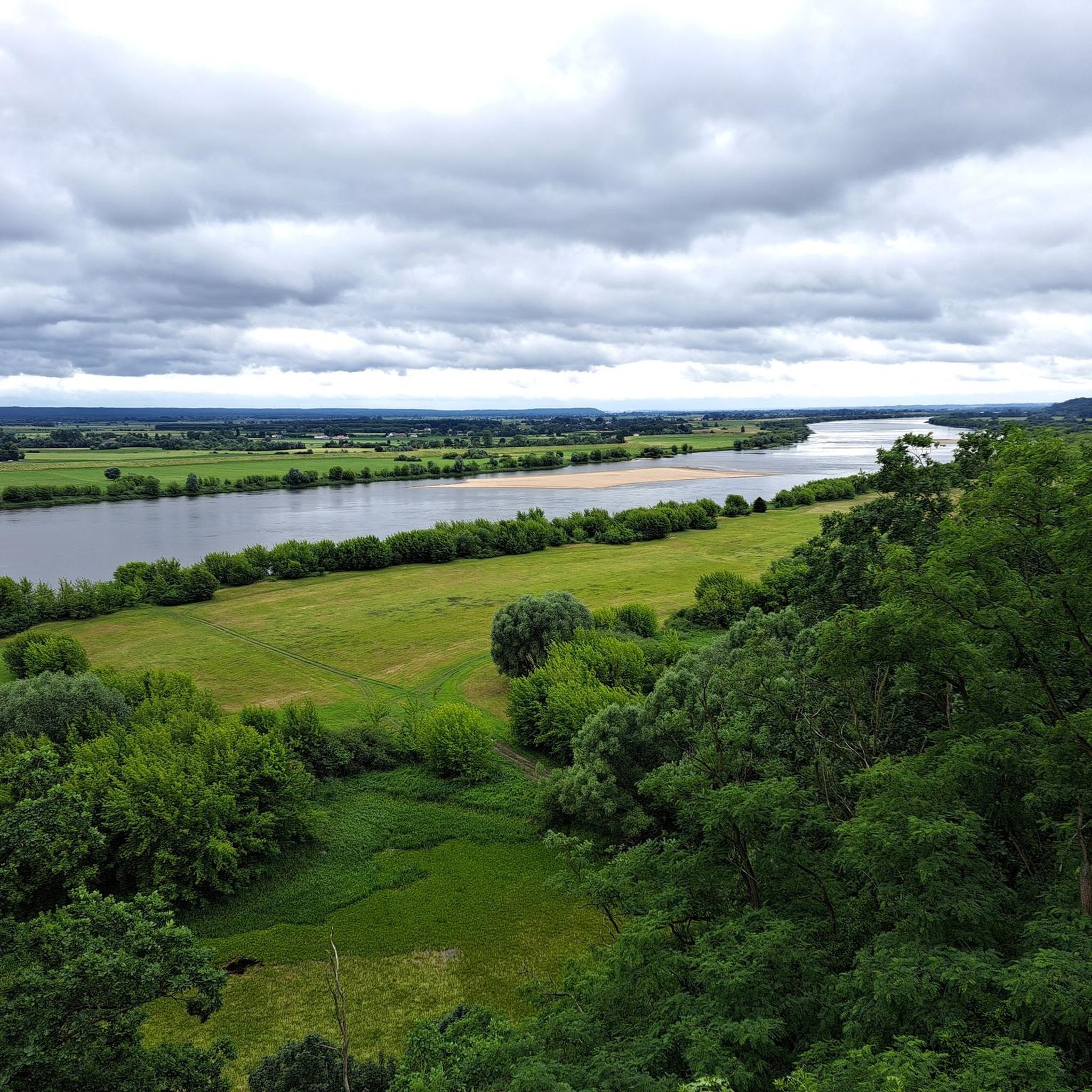
Observation terrace next to the Pomesanian Chapter Castle, from which you can admire the views of the Vistula Valley, Gdańsk and the Co-Cathedral of St. John the Evangelist.
0
0
The Co-Cathedral of St. John the Evangelist in Kwidzyn is a Gothic temple from the 14th century, which is part of the former castle of the Pomesanian Chapter. It is distinguished by its monumental defensive architecture and a characteristic 60-meter tower. The crypt houses the mausoleum of the Pomeranian princes and the Teutonic Grand Masters. The cathedral is one of the most important monuments on the Gothic Castle Trail.
0
0

The sunsets look exceptionally beautiful from here.
1
0
The Teutonic Knights had great momentum and created the longest toilet in their country.
2
2


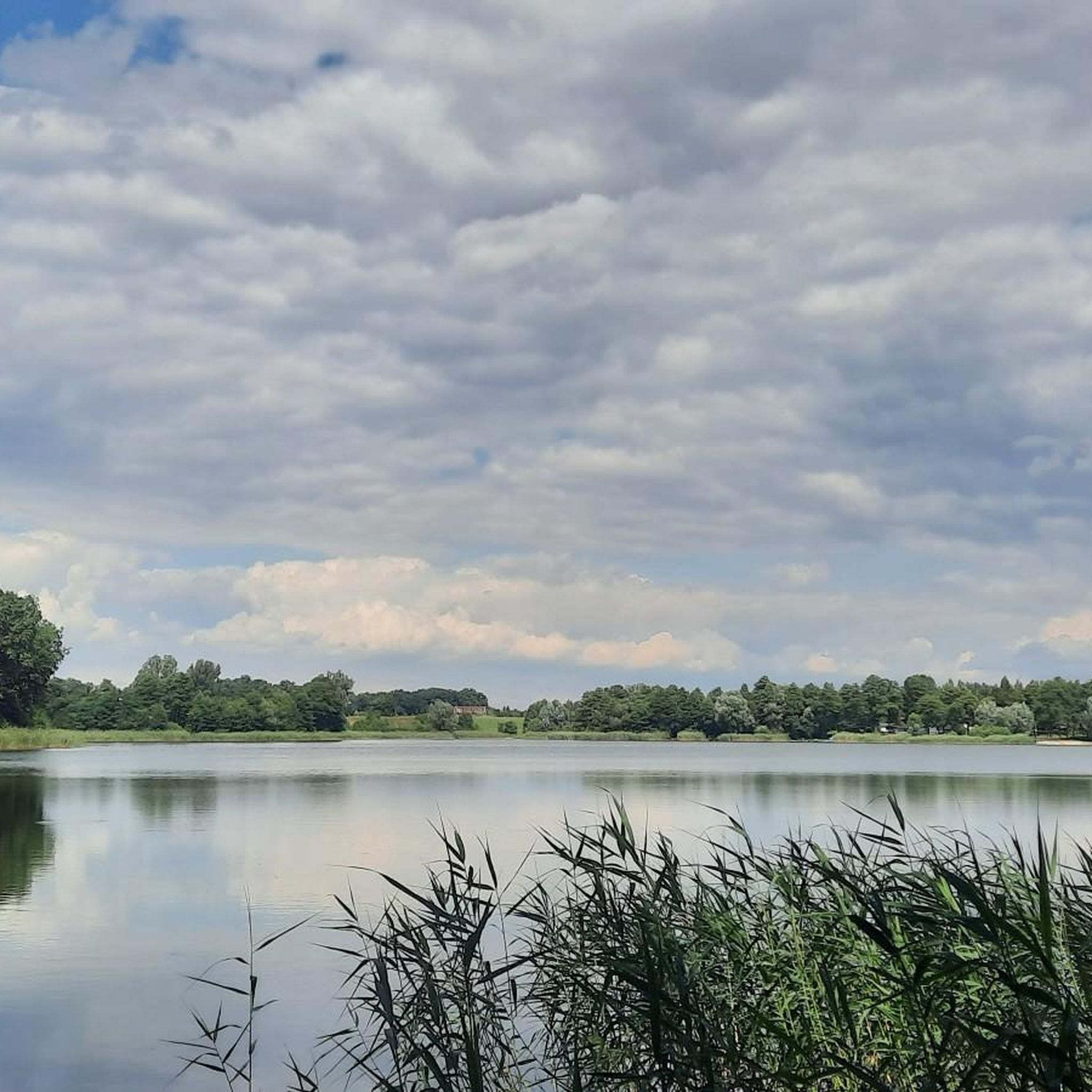
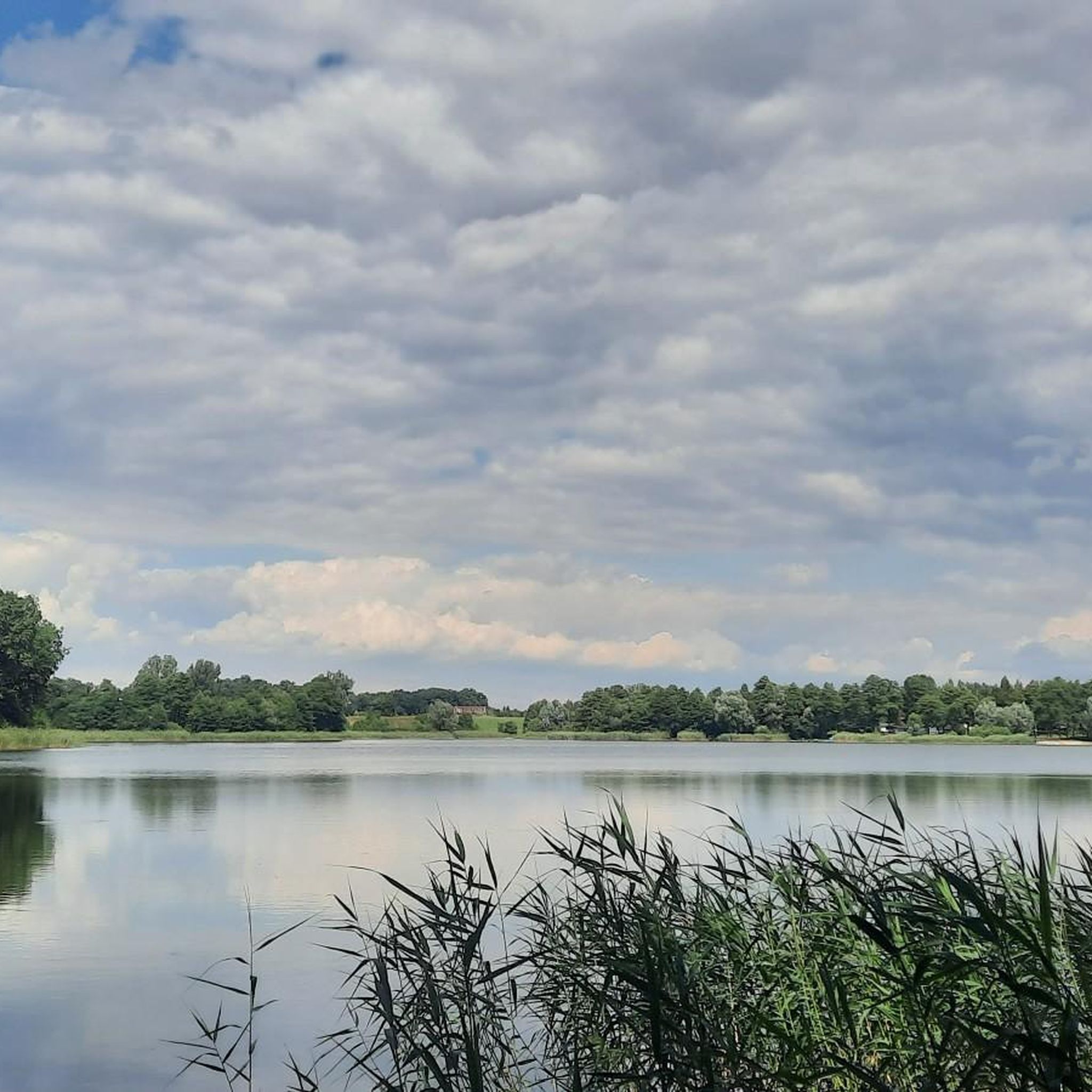
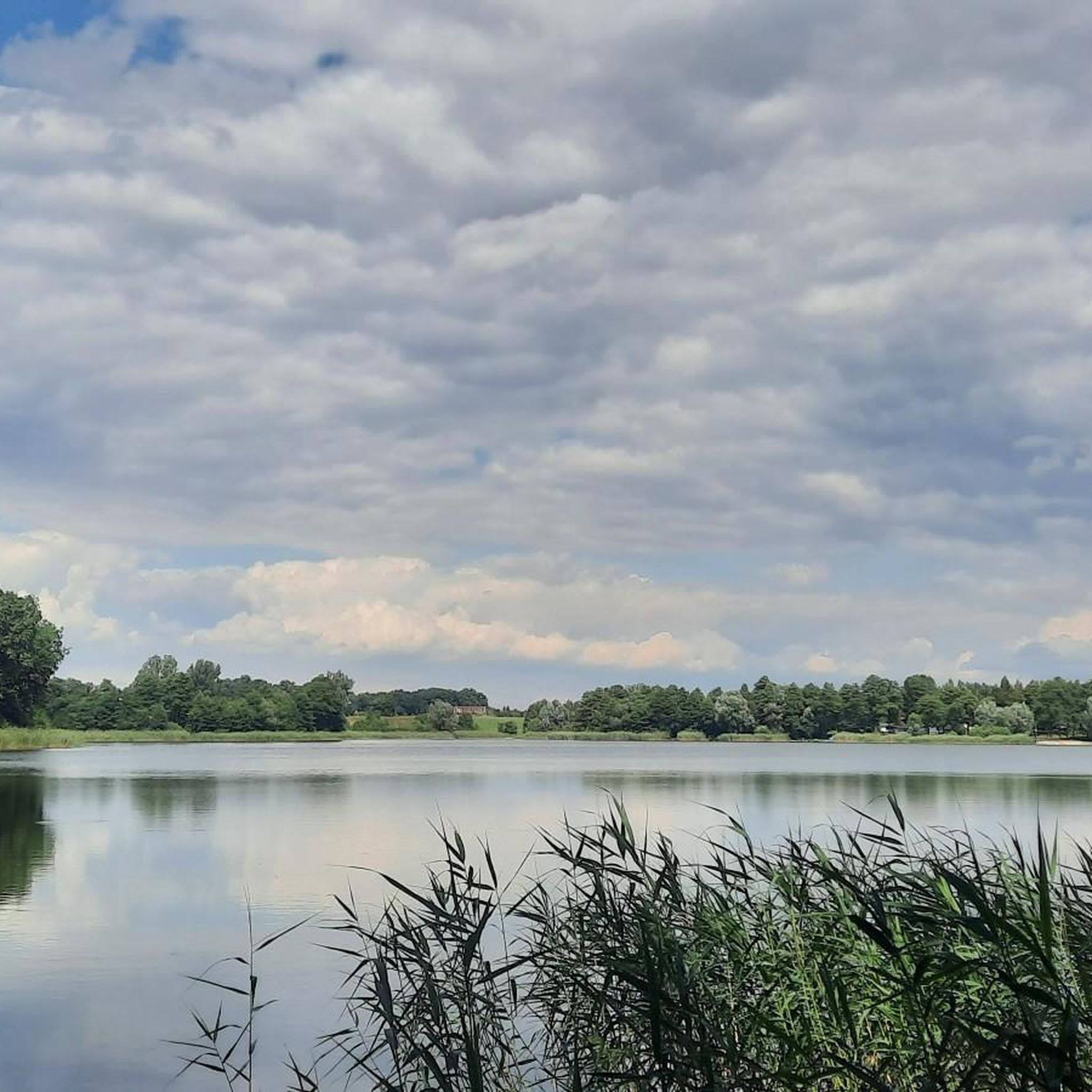
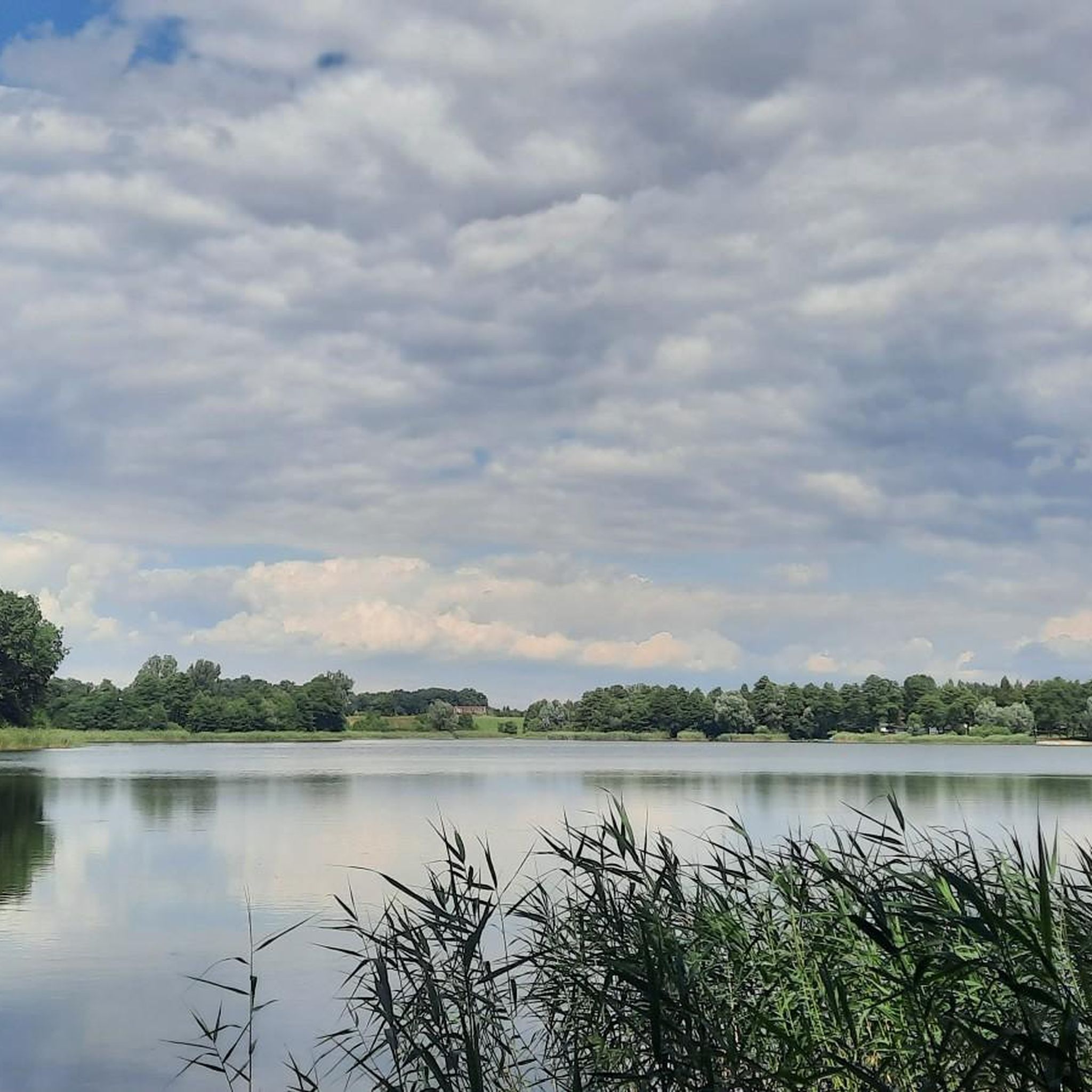
View of the castle on the other side of the river
2
2
Frequently Asked Questions
What are the main historical castles to visit near Gardeja?
The primary historical attractions in the vicinity of Gardeja are concentrated in Kwidzyn. These include the impressive 14th-century Gothic stronghold, Kwidzyn Castle, which houses a museum. Adjacent to it is the Co-Cathedral of St. John the Evangelist in Kwidzyn, a Gothic temple with monumental defensive architecture. You can also explore the Ruins of the Bishops of Pomesania Castle, where a model helps visualize its past grandeur.
What unique architectural features can I see at Kwidzyn Castle?
Kwidzyn Castle is notable for its massive walls and a distinctive sanitary-defense tower, which is connected to the main castle by the world's longest covered porch. This unique design is a striking example of medieval defensive architecture.
Are there any viewpoints near the castles in Kwidzyn?
Yes, there is a Viewing Terrace by the Castle of the Chapter of Pomesania. From here, you can enjoy views of the Vistula Valley, Gdańsk, and the Co-Cathedral of St. John the Evangelist. Sunsets are particularly beautiful from this spot.
What kind of outdoor activities can I do near the castles around Gardeja?
The region around Gardeja and Kwidzyn offers various outdoor activities. You can find MTB trails, including loops like the Miłosna Singletrack. There are also road cycling routes that pass by historic sites, and easy hiking trails, such as the Kwidzyn Castle loop from Kwidzyn.
Is the Co-Cathedral of St. John the Evangelist part of the Kwidzyn Castle complex?
Yes, the Co-Cathedral of St. John the Evangelist in Kwidzyn is a Gothic temple from the 14th century and is an integral part of the former castle complex of the Pomesanian Chapter. It features a characteristic 60-meter tower and houses the mausoleum of Pomeranian princes and Teutonic Grand Masters in its crypt.
What is the best time of year to visit the castles near Gardeja?
The castles are generally accessible year-round. However, for comfortable exploration of the grounds and surrounding areas, spring (April-May) and autumn (September-October) offer pleasant weather. Summer (June-August) is also popular, though it can be warmer. Visiting in winter can provide a unique, quieter experience, but be prepared for colder temperatures.
Are there family-friendly activities at Kwidzyn Castle?
Kwidzyn Castle is considered family-friendly. As a museum, it offers an educational experience for all ages, allowing families to explore medieval history and architecture. The nearby Castle view and Viewing Terrace also provide accessible spots for families to enjoy the scenery.
Can I find information about the Gothic Castles Trail in this region?
Yes, Kwidzyn Castle and the Co-Cathedral of St. John the Evangelist are both important monuments on the Gothic Castles Trail in northern Poland. The Ruins of the Bishops of Pomesania Castle are also part of this trail, which spans several hundred kilometers and includes castles in Warmia, Masuria, Kociewie, Powiśle, and Kashubia.
What do visitors enjoy most about the castles around Gardeja?
Visitors appreciate the impressive Gothic architecture, particularly at Kwidzyn Castle, and the historical significance of the sites. The unique covered porch at Kwidzyn Castle and the monumental defensive architecture of the Co-Cathedral are frequently highlighted. The scenic views from the Viewing Terrace are also a favorite.
Are there any easy hiking routes near the castles in Kwidzyn?
Yes, there are several easy hiking routes. For instance, you can take the 'Kwidzyn Castle – Lake Głęboczek loop from Kwidzyn' or the 'Old Post Office, Kwidzyn – Crypt of the Grand Masters loop from Kwidzyn'. These routes offer a chance to explore the area around the historical sites. You can find more options in the easy hikes guide.
What remains of the Ruins of the Bishops of Pomesania Castle?
Currently, only the foundations, some wall fragments, and a few cellars of the Ruins of the Bishops of Pomesania Castle have survived. A model with a visualization of the original castle has been erected on the site, helping visitors to imagine its former appearance.
Most popular attractions around Gardeja

Get inspired with the komoot mobile app


Explore more
Looking for the best castles somewhere else? Discover other guides around Gardeja:
