Top 7 Caves around Niegowa
Best caves around Niegowa are found within the Kraków-Częstochowa Upland, a region known for its extensive karst phenomena and diverse geological formations. This area offers a blend of natural beauty and historical significance, with caves ranging from speleological wonders to sites of ancient human habitation. Many caves here provide insights into geological processes and prehistoric life. The landscape around Niegowa is ideal for exploring these natural features.
Best caves around Niegowa
- The most popular caves is Okiennik Wielki, a…
Last updated: July 2, 2026
Okiennik Wielki
Highlight • Natural Monument
Translated by Google •
Tip by

Ostrężnicka Cave
Highlight • Cave
The cave has five entrances and is easy to explore. The total length of the cave is
98 meters.
Translated by Google •
Tip by

Sign up now to discover places like this
Get recommendations on the best single tracks, peaks, & plenty of other exciting outdoor places.
Sign up for free
Ostrężnik Castle Ruins
Highlight • Castle
Showing Translation
Tip by

Zborów Mountain
Highlight • Summit
Translated by Google •
Tip by
Bear Grotto
Highlight • Cave
Translated by Google •
Tip by

Sign up for free to discover even more caves around Niegowa.
Sign up for free
Already have an account?
Start today with a free account
Your next adventure awaits.
Login or Signup


Tips from the Community

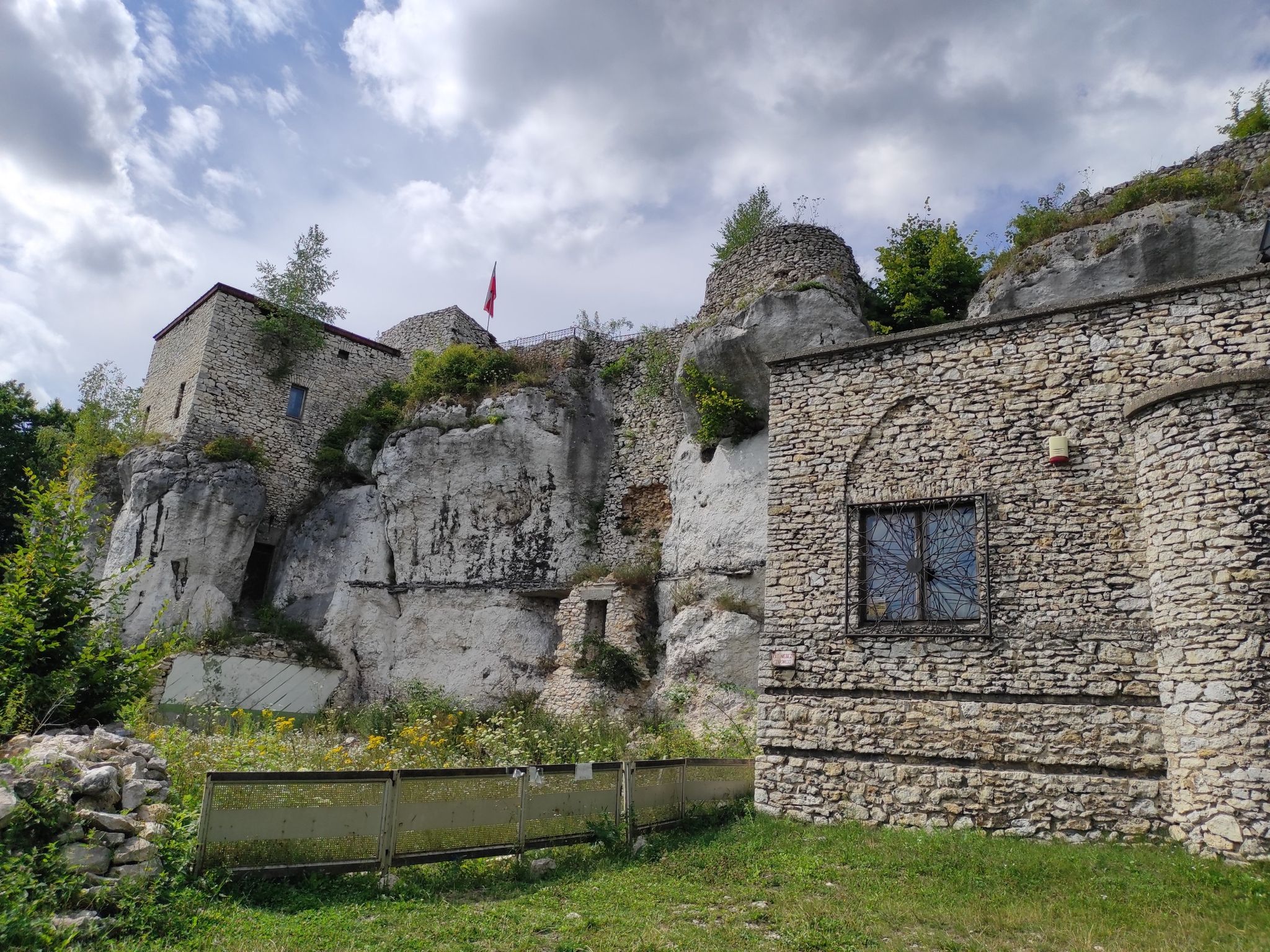
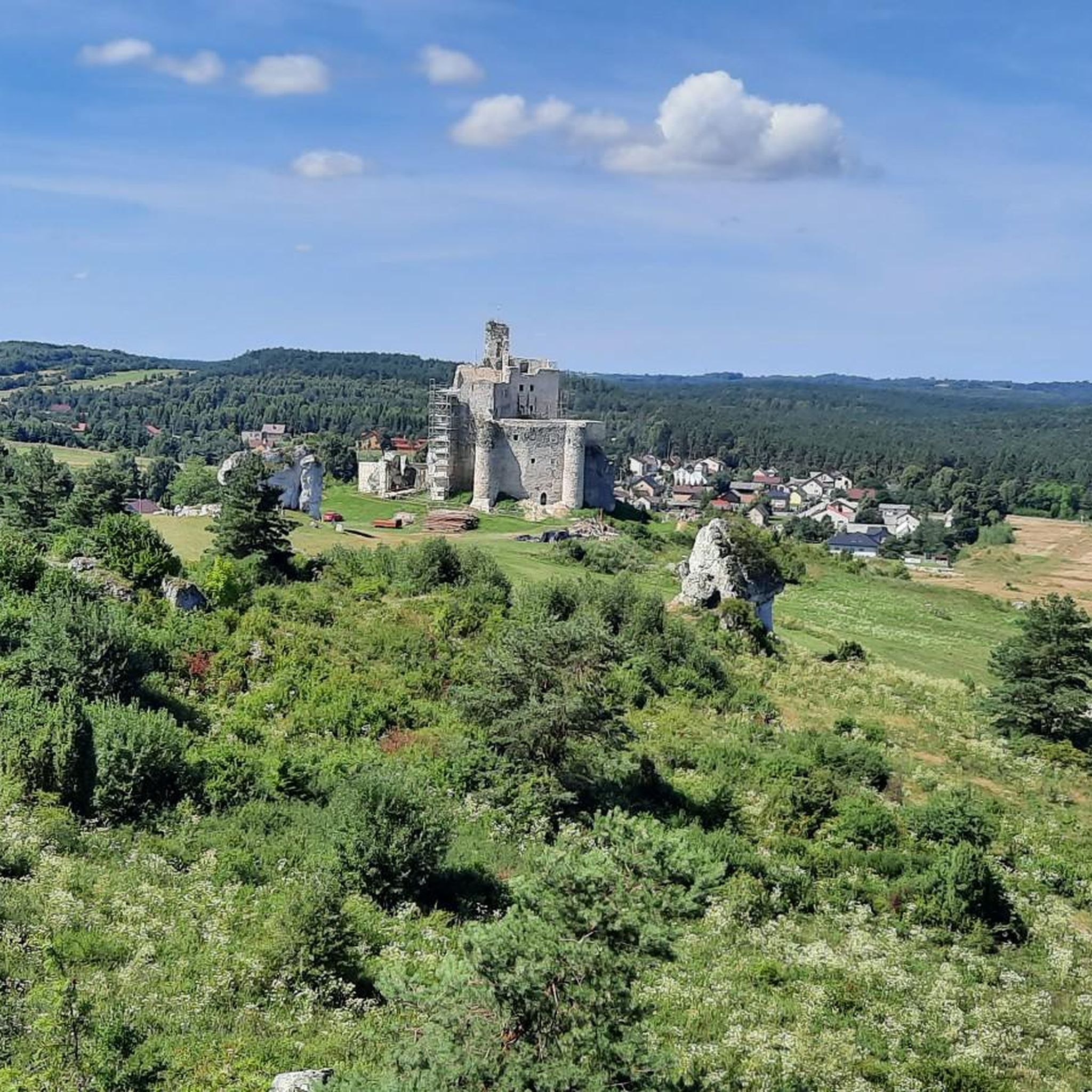
The Ostrężnik Castle was completely destroyed, and more precise information about it is missing. The castle is located in the forest on a hill and borders a rock, with which it was connected by passages. The mysterious and rather gloomy ruin of the fortress, probably dating from the 14th century, is one of the least known defensive structures of the Kraków-Częstochowa Upland. The outlines of the walls are preserved in very poor condition. The layout of the castle, divided into upper, lower, and outer bailey, is also barely recognizable today.
3
0

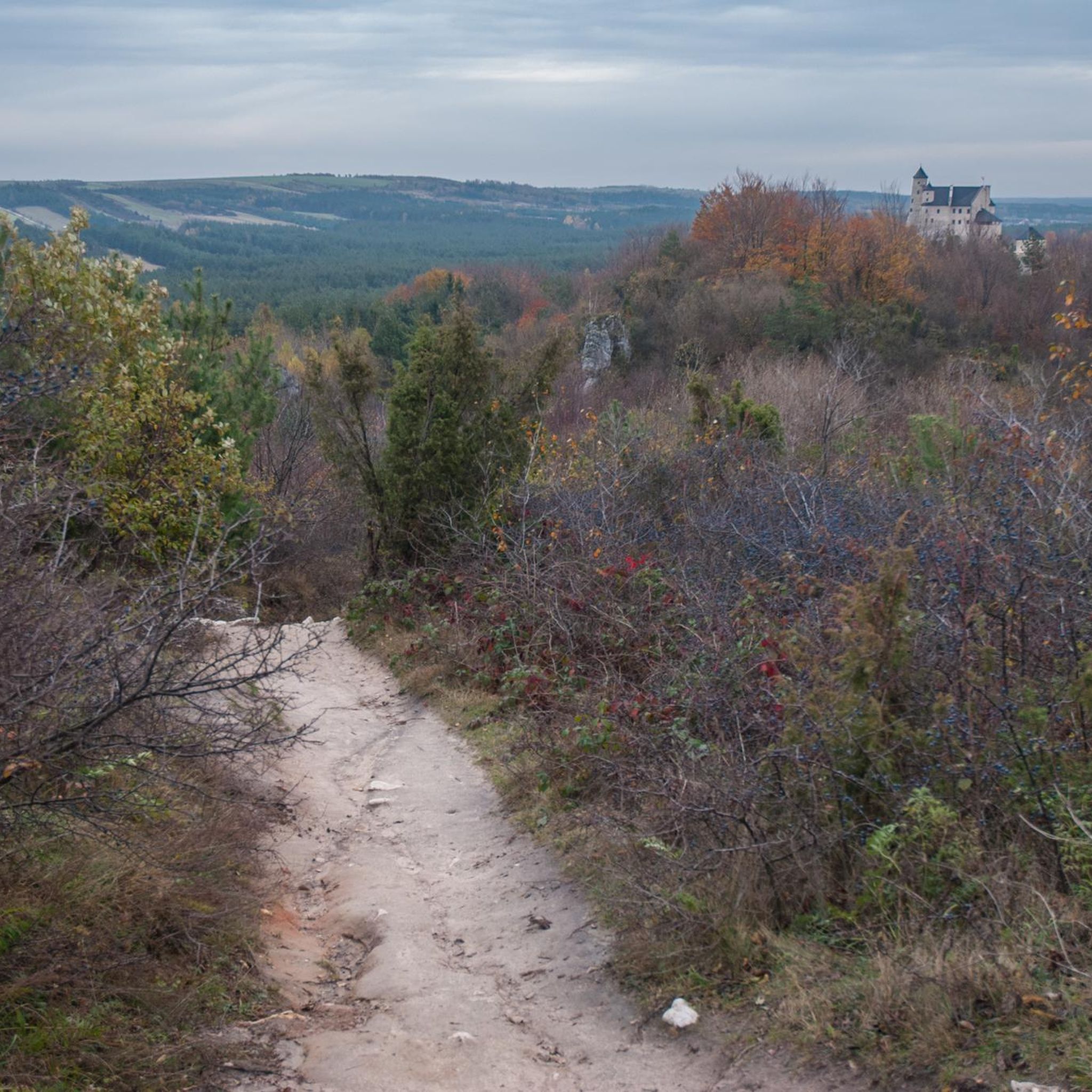
This is the cave in Ostreznik (Jaskinia Ostrężnicka): The cave has six entrances and is 98 meters long.
1
0

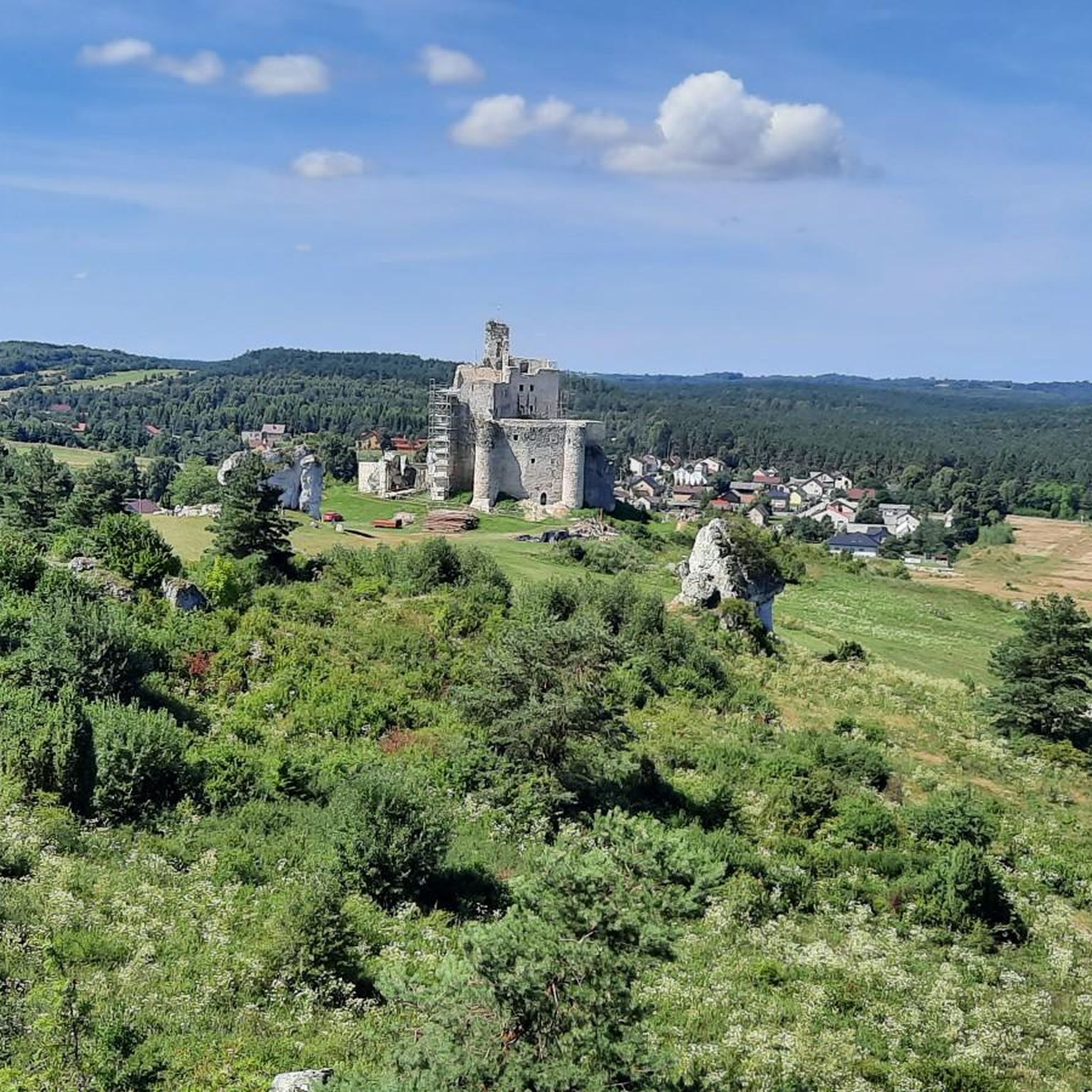
Góra Zborów is one of the most picturesque places in the Kraków-Częstochowa Upland. It is a limestone hill 462 m above sea level, known for its unusual rock formations that attract climbers and hiking enthusiasts. At the top there is a viewpoint from which there is a panorama of the surrounding forests and castles of the Trail of the Eagles' Nests. Nearby you can visit the Głęboka Cave, accessible with a guide. It is worth wearing comfortable shoes, because the terrain is rocky and steep in places.
1
0
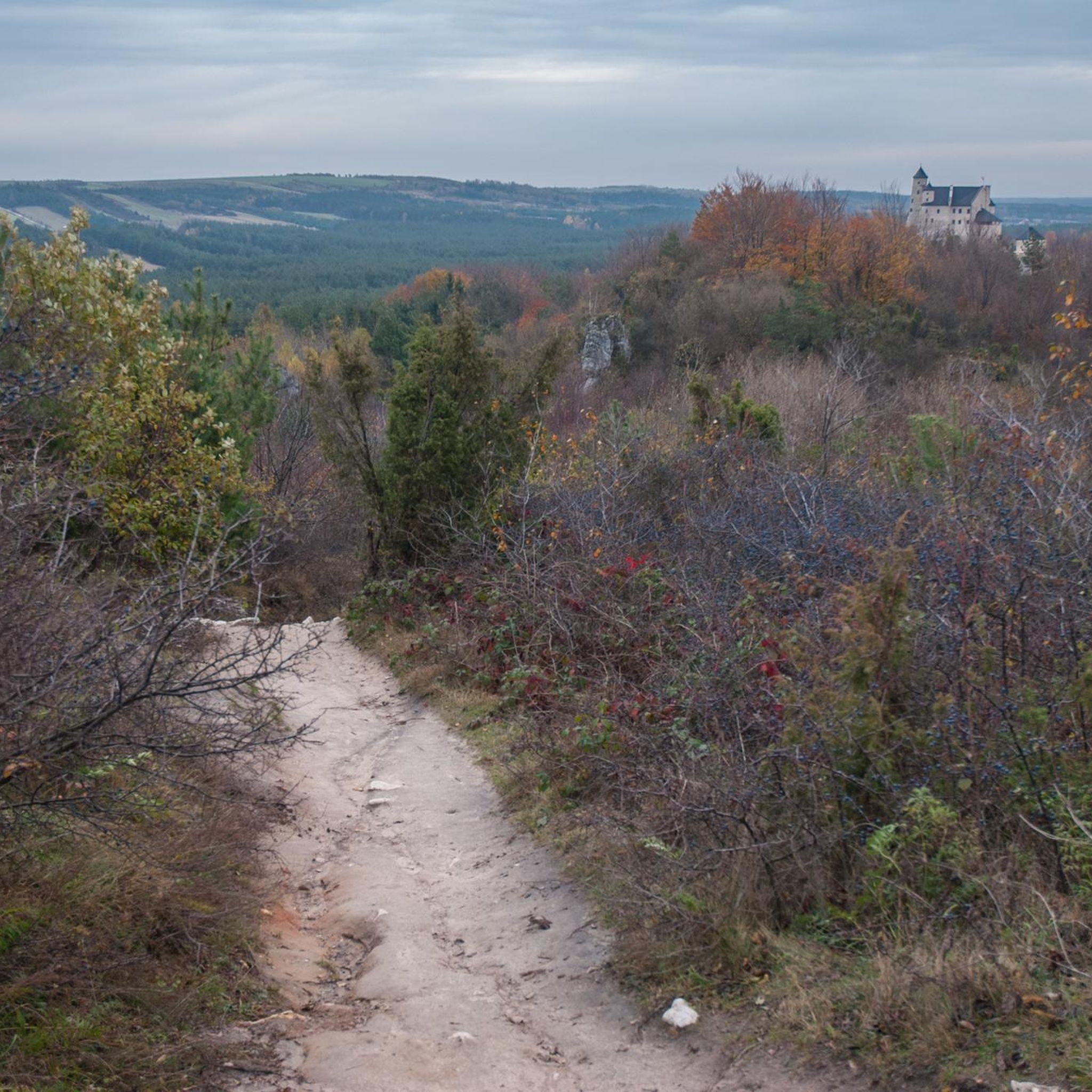
Bear's Grotto is a cave located in the Park Reserve, near Złoty Potok in the Kraków-Częstochowa Upland. It is about 70 meters long and consists of a large chamber with three corridors leading off. The cave was created as a result of karst processes, i.e. the dissolution of limestone by water. In the past, it served as a shelter for primeval people, and during archaeological research, bones of a mammoth, woolly rhinoceros and a cave bear were discovered there. The cave is open to tourists; it is worth taking a flashlight with you to be able to explore its interior more thoroughly. There are hiking trails nearby, including the red Trail of the Eagles' Nests and a nature trail, which make it easier to reach this interesting place.
1
0

An interesting place and you can take a break for photos
1
0
An interesting place to rest and take photos
0
0

Frequently Asked Questions
Which caves around Niegowa are generally accessible to tourists?
For general tourists, Okiennik Wielki is the most accessible and rewarding site. It offers impressive natural scenery and rich historical context without requiring specialized caving equipment. Other significant caves like Jaskinia Wierna and Jaskinia Wiercica are largely restricted to experienced speleologists or have limited public access.
Are there any caves around Niegowa with historical or archaeological significance?
Yes, Okiennik Wielki is historically significant, with flint tools dating back about 60,000 years found in its cave, indicating prehistoric human occupation. It also served as part of a defensive stronghold in the 12th-13th centuries. Ostrężnicka Cave is also notable for archaeological findings of animal and prehistoric human bones, suggesting it was once a shelter.
What kind of natural features can I expect to see in the caves around Niegowa?
The caves in the Niegowa area, part of the Kraków-Częstochowa Upland, showcase diverse karst phenomena. While some, like Jaskinia Wierna, are known for rich stalactite and stalagmite formations, others like Jaskinia Na Plebanii feature expansive corridors with corrosive hollows and flowstones. Okiennik Wielki is famous for its distinctive natural 'window' rock formation.
Are there family-friendly activities or caves suitable for children in the Niegowa area?
While many of the deeper caves require specialized access, the area around Okiennik Wielki offers a blend of natural beauty and history that can be engaging for families. The surrounding landscape of the Kraków-Częstochowa Upland also provides numerous opportunities for easy hikes and exploring rock formations, which are suitable for families.
What outdoor activities can I do near the caves around Niegowa?
The region around Niegowa is excellent for outdoor activities. You can find numerous hiking trails, such as the easy 'Bobolice Castle – Mirow Castle loop from Mirów' or the moderate 'Raczyński Palace – Devil's Bridges loop from Rezerwat Ostrężnik'. There are also gravel biking routes available, including the 'Mirów Castle – Bobolice Castle loop from Niegowa'. For more details, explore the hiking and gravel biking guides for Niegowa.
Can I visit Jaskinia Wierna, the longest cave in the Kraków-Częstochowa Upland?
Jaskinia Wierna is the longest cave in the Kraków-Częstochowa Upland, known for its extensive corridors and formations. However, it is not generally accessible to the public. Its complex layout and the need for specialized equipment mean it is primarily reserved for experienced speleologists, and its entrance is secured to protect its delicate environment.
What is unique about Jaskinia Na Plebanii (Parsonage Cave)?
Jaskinia Na Plebanii, also known as Jaskinia Niegowska, is uniquely located on the rectory grounds of St. Nicholas Church in Niegowa. It was discovered during well excavation in 1957. The cave is notable for its spacious corridor and intricate karst formations, including corrosive hollows and flowstones, though it lacks typical dripstone formations.
Are there any caves near Niegowa that require special permits or equipment to explore?
Yes, several caves in the Niegowa area, such as Jaskinia Wierna and Jaskinia Wiercica, require specialized equipment and often permits for exploration due to their complex nature or vertical development. Jaskinia Brzozowa, while horizontal, has a 2-meter deep entrance shaft equipped with ropes and rungs, suggesting some preparation is needed.
What is the best time of year to visit the caves and surrounding area in Niegowa?
The Kraków-Częstochowa Upland, including the Niegowa area, is generally pleasant to visit from spring through autumn. During these seasons, the weather is more favorable for hiking and exploring the outdoor rock formations and accessible cave sites like Okiennik Wielki. Winter visits might be possible, but some trails could be challenging due to snow or ice, and access to certain cave entrances might be restricted.
What do visitors enjoy most about the caves and natural sites around Niegowa?
Visitors appreciate the blend of natural beauty and historical significance. Sites like Okiennik Wielki are praised for their impressive rock formations and ancient history. The unique karst landscape of the Kraków-Częstochowa Upland, with its numerous rock formations and opportunities for hiking, is also a major draw, as evidenced by over 100 upvotes and 70 photos shared by the komoot community.
Are there any caves in the Niegowa area that are known for wildlife?
While specific details on current wildlife within the caves are limited, historical findings suggest past animal presence. For example, Jaskinia Wierna had a complete lynx skeleton found within it, encased in a dripstone formation. Bear Grotto, located near Złoty Potok in the wider Kraków-Częstochowa Upland, is known for archaeological discoveries of mammoth, woolly rhinoceros, and cave bear bones.
Where can I find information about parking near the caves in Niegowa?
For sites like Głęboka Cave (near Góra Zborów), parking is available right next to the Centre of Natural and Cultural Heritage of the Upland. For other locations like Okiennik Wielki, parking is typically available in designated areas nearby, often at the start of hiking trails leading to the site.
Most popular routes around Niegowa
Most popular attractions around Niegowa

Get inspired with the komoot mobile app


Explore more
Extend your search for the best caves by checking out these guides of the top ones around Niegowa:
