Top 5 Caves around gmina Ogrodzieniec
Best caves around gmina Ogrodzieniec are situated in the heart of the Polish Jura, a region characterized by limestone rock formations and historical significance. The area features natural rock shelters and cave-like elements, particularly around Ogrodzieniec Castle and Mount Birow. This geological landscape has provided shelter for human ancestors for tens of thousands of years. The region offers a blend of natural exploration and historical insights into ancient human presence.
Best caves around gmina Ogrodzieniec
- The most popular caves is…
Last updated: October 6, 2026
Okiennik Wielki
Highlight • Natural Monument
Translated by Google •
Tip by

Zborów Mountain
Highlight • Summit
Translated by Google •
Tip by

Sign up now to discover places like this
Get recommendations on the best single tracks, peaks, & plenty of other exciting outdoor places.
Biśnik Cave
Highlight • Cave
Tip by

Głęboka Cave
Highlight • Cave
Translated by Google •
Tip by

Rzędkowice Studnisko Chimney
Highlight • Cave
Showing Translation
Tip by

Sign up for free to discover even more caves around gmina Ogrodzieniec.
Already have an account?
Start today with a free account
Your next adventure awaits.

Tips from the Community


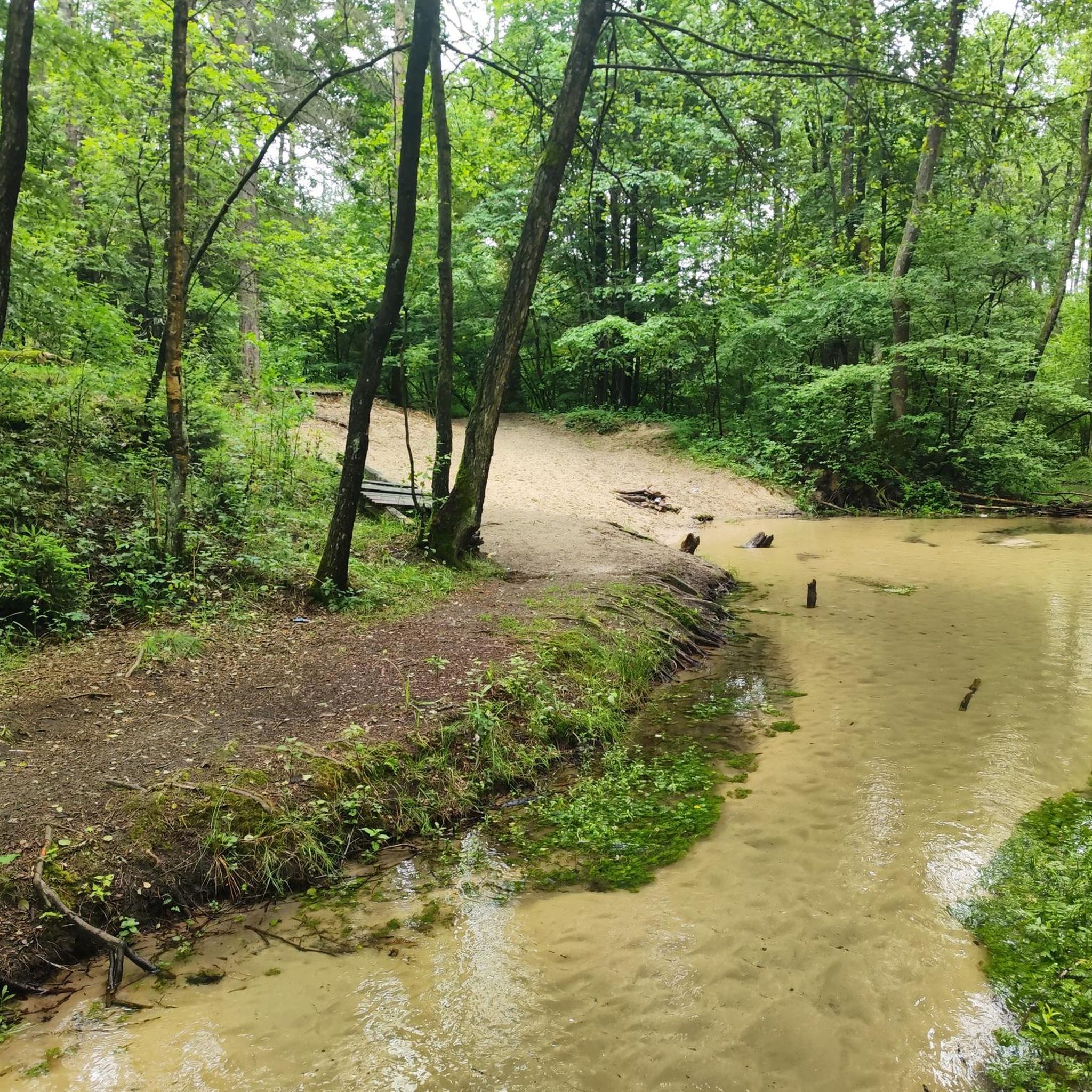
Safety and navigation tips: ⚠️ Be careful: The well is not protected by any railings. When approaching the edge, make sure the ground is not slippery (especially after rain). 🐾 Children and dogs: Due to the vertical nature of the hole, keep an eye on your four-legged friends and younger explorers – a moment of inattention can be dangerous. 🔦 Exploration: Do not try to descend into it from above without professional caving equipment and appropriate skills. This place is best admired from above, but safer, especially with children, from below. 📍 The upper opening of the well is located under the top of the rock and is not visible from below. It is easily accessible via a path on the west and north side of the rock. The well is vertical, about 10 m high, about 2.5 m in diameter, and descends to ground level. It has smooth, washed walls, and a distinct crack in its northern part. At the western base of the rock, there is a semicircular opening through which one can enter the bottom of the well.
0
0
If you thought the Rzędkowice Rocks were just a climber's paradise, this karst sinkhole will quickly prove you wrong! It's a fascinating geological stop and the quintessence of the Jurassic climate. This place is a classic example of karst phenomena on the Kraków-Częstochowa Upland. The sinkhole was formed as a result of chemical weathering processes of limestones – rainwater, saturated with carbon dioxide, has dissolved the rock over millennia along vertical cracks, creating this characteristic, deep opening. The vertical entrance is impressive – even on a hot day, you can feel the coolness emanating directly from the earth's interior. It's a great place to see firsthand how "water carves rock" and to touch the living geological history of our region. A must-see for anyone who, instead of just looking at their feet, likes to delve deeper into the mysteries of nature! You can safely observe it with children from below; at the foot of the rock, you'll find a low opening. https://pl.wikipedia.org/wiki/Komin_w_Studnisku_Rz%C4%99dkowickim
0
0

The largest cave in this region of Poland
0
0

Głęboka Cave is one of the largest accessible caves in the Kraków-Częstochowa Upland, located in the Góra Zborów Reserve in Podlesice. The tour is guided, and the route leads through spectacular corridors and chambers with interesting dripstone formations. The temperature in the cave is around 8°C all year round, so it is worth taking warm clothes. After the tour, it is worth climbing the nearby Góra Zborów, from where there is a beautiful view of the surrounding limestone outcrops. The parking lot is right next to the Centre of Natural and Cultural Heritage of the Upland, where you can buy tickets.
2
0
Góra Zborów is one of the most picturesque places in the Kraków-Częstochowa Upland. It is a limestone hill 462 m above sea level, known for its unusual rock formations that attract climbers and hiking enthusiasts. At the top there is a viewpoint from which there is a panorama of the surrounding forests and castles of the Trail of the Eagles' Nests. Nearby you can visit the Głęboka Cave, accessible with a guide. It is worth wearing comfortable shoes, because the terrain is rocky and steep in places.
1
0
Biśnik Cave, located in the Wodąca Valley in the Kraków-Częstochowa Upland, is one of the oldest human habitations in Poland. Archaeological research has shown that Neanderthals lived here over 100,000 years ago. The cave is part of the Cavemen Trail and can be admired from the outside during a walk through the picturesque area. There are other attractions nearby, such as Grodzisko Pańskie and Jaskinia Jasna, which are worth including on your route.
3
0
Frequently Asked Questions
What kind of caves and rock formations can I explore in Gmina Ogrodzieniec?
Gmina Ogrodzieniec offers a variety of natural rock shelters, historical caves, and unique limestone formations. You can explore archaeological sites like those on Mount Birow, which were inhabited by early humans, or the impressive rock formations of the Rock City of Podzamcze. The region is characterized by its integration of natural geology with historical structures, particularly around Ogrodzieniec Castle.
Are there any family-friendly caves or rock shelters in the area?
Yes, several sites are suitable for families. While Biśnik Cave is an important archaeological site that can be admired from the outside, the reconstructed early medieval settlement on Mount Birow offers an engaging historical experience for all ages. The Rock City of Podzamcze also provides an accessible way to explore unique rock formations.
What historical insights can I gain from visiting the caves in Gmina Ogrodzieniec?
The caves and rock shelters in Gmina Ogrodzieniec are rich in history. Sites like those on Mount Birow show evidence of human habitation dating back 30,000 years, with archaeological findings providing insights into prehistoric life. Okiennik Wielki also has flint tools from 60,000 years ago. Ogrodzieniec Castle itself incorporates cave-like elements, including a reputed torture chamber and a deep rock-cut well, offering a glimpse into medieval history and engineering.
What are the most popular caves or rock formations to visit in the region?
Among the most popular sites are Okiennik Wielki, known for its large rock opening and ancient human habitation. Zborów Mountain is also highly regarded for its picturesque limestone formations and numerous caves, offering panoramic views. For a guided experience, Głęboka Cave provides tours through impressive corridors and dripstone formations.
Are there any guided tours available for the caves?
Yes, Głęboka Cave, located in the Góra Zborów Reserve, offers guided tours. It's one of the largest accessible caves in the Kraków-Częstochowa Upland, and the tour leads through spectacular corridors and chambers. Tickets can be purchased at the Centre of Natural and Cultural Heritage of the Upland, which is right next to the parking lot.
What outdoor activities can I combine with a visit to the caves?
The region around Gmina Ogrodzieniec is excellent for various outdoor activities. You can enjoy hiking, with easy trails like the Ogrodzieniec Castle Ruins – Castle on Góra Birów loop. Cycling is also popular, with routes like the View of Okiennik Rock – Bąkowiec Castle loop. For road cyclists, there are routes such as the Ogrodzieniec Castle – Bąkowiec Castle Ruins loop.
What should I wear when visiting the caves, especially Głęboka Cave?
When visiting caves like Głęboka Cave, it's advisable to wear warm clothes as the temperature inside remains around 8°C (46°F) all year round. Comfortable shoes are also recommended, especially if you plan to explore the surrounding rocky and steep terrain, such as climbing Góra Zborów after your cave tour.
Are there any caves or rock formations that offer great viewpoints?
Yes, several locations provide excellent panoramic views. Mount Birow, with its historical caves and reconstructed settlement, offers breathtaking views of the surrounding landscape and Ogrodzieniec Castle. Zborów Mountain also features a viewpoint at its summit, offering a panorama of forests and castles along the Trail of the Eagles' Nests. Popielowa Hill and Caves is another spot with great views.
Can I visit caves in the wider Polish Jura region from Gmina Ogrodzieniec?
While Gmina Ogrodzieniec has its own unique sites, the wider Polish Jura region is known for more extensive show caves. For example, Nietoperzowa Cave (Bat Cave) is a prominent attraction in a nearby commune. These are often considered nearby attractions due to the region's overall appeal for speleology.
What do visitors enjoy most about the caves and rock formations in Gmina Ogrodzieniec?
Visitors particularly enjoy the blend of natural beauty and rich history. The unique limestone formations, the archaeological significance of sites like Biśnik Cave, and the integration of the landscape with historical structures like Ogrodzieniec Castle are highly appreciated. The panoramic views from places like Zborów Mountain also receive high praise from the komoot community.
Are there any specific permits or restrictions for visiting the caves?
For accessible caves like Głęboka Cave, tours are guided, and tickets are required. For other natural rock shelters and formations, such as those on Mount Birow or the Rock City of Podzamcze, general access is usually permitted, but it's always good practice to check local signage for any specific restrictions or conservation guidelines, especially in nature reserves.
Most popular routes around gmina Ogrodzieniec
Most popular attractions around gmina Ogrodzieniec

Get inspired with the komoot mobile app


Explore more
Extend your search for the best caves by checking out these guides of the top ones around gmina Ogrodzieniec:
