Top 6 Gorges around Moryń
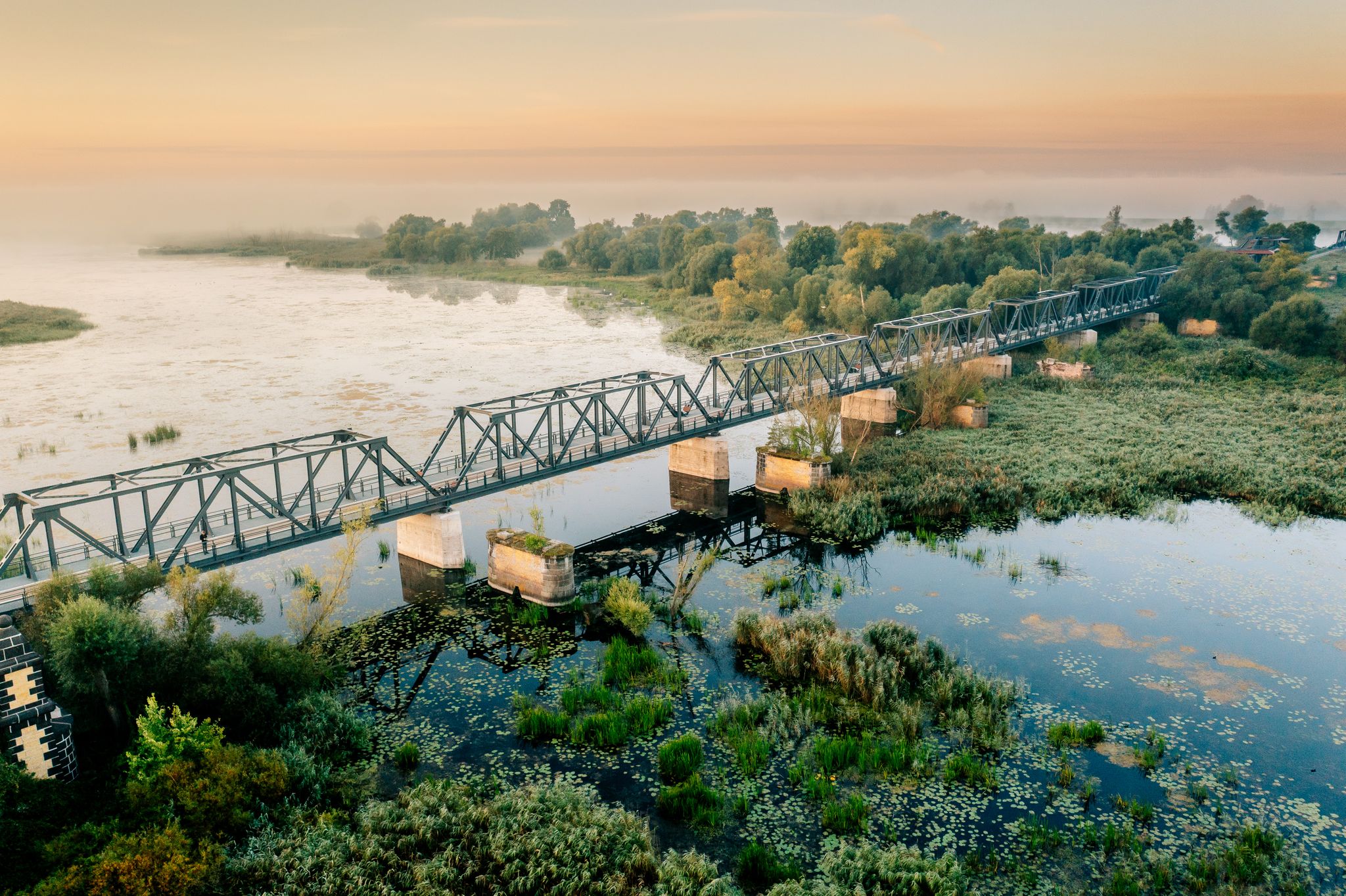
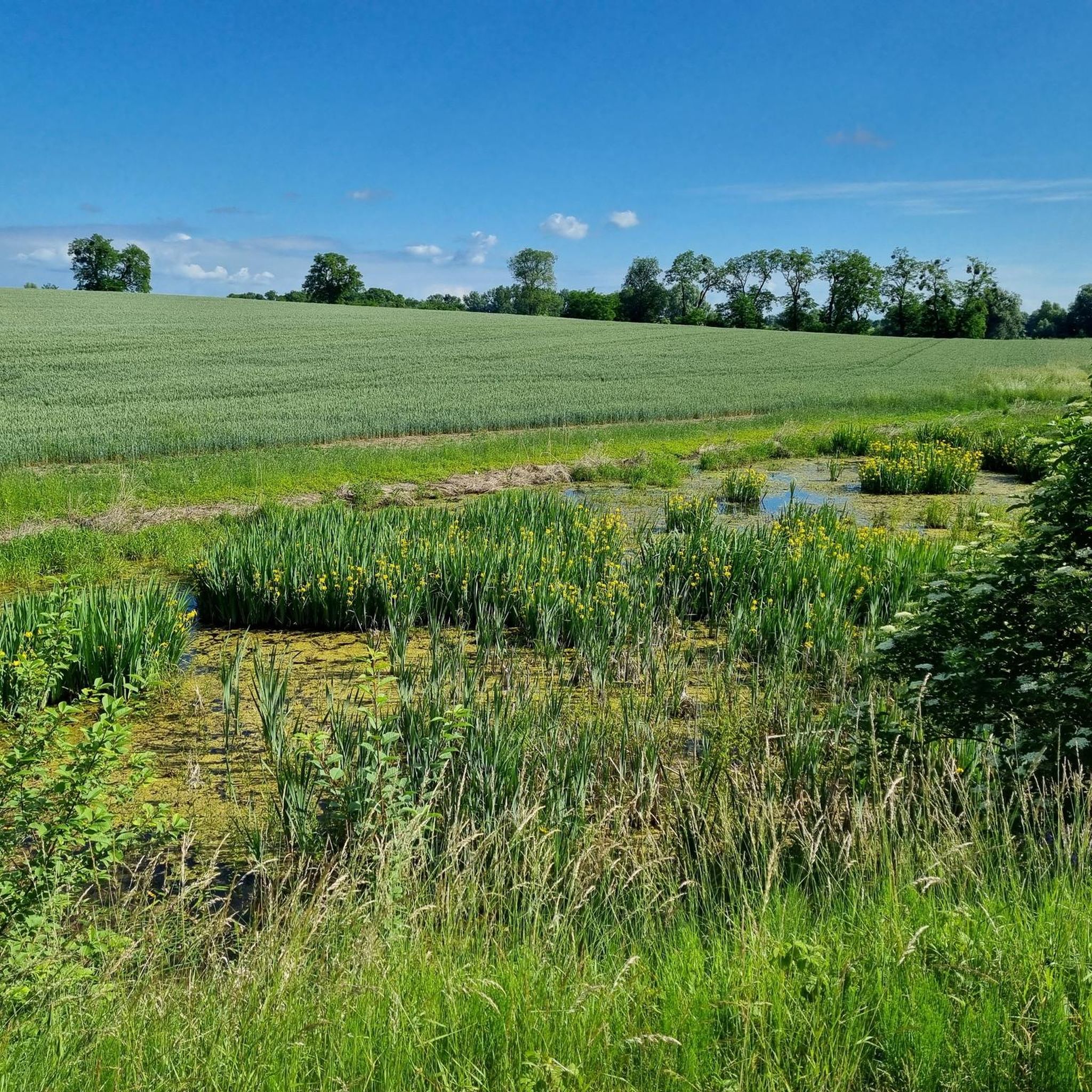
Best canyons around Moryń are found within a region shaped by its glacial landscape, featuring morainic hills, fields, and forests of the Myślibórz Lake District. The area is known for its geological heritage, including glacial erratics showcased in a petrographic garden. While not canyons in the traditional large-scale sense, Moryń offers smaller, steep-sided valleys and ravines that are notable natural features. These formations contribute to the diverse terrain, providing varied hiking trails around Moryń, Poland.
Best canyons around Moryń
- The…
Last updated: July 3, 2026
Parów Źródlany (Source Valley Gorge)
Highlight • Gorge
Quellschlucht - Parów Źródlany (formerly: Wassergrund)
with huge specimens of field maple, beech and stalk oak. The reason for this is a brook …
Translated by Google •
Tip by

Markociński Gorge
Highlight • Gorge
Markenthun Gorge – Wąwóz Markociński (formerly: Grund von Markenthun)
Translated by Google •
Tip by
Sign up now to discover places like this
Get recommendations on the best single tracks, peaks, & plenty of other exciting outdoor places.
Sign up for free
Brekiniowy Gorge (Elsbeerenschlucht)
Highlight • Gorge
The Elsberg canyon - Wąwóz Brekiniowy (formerly: the sarcophagus ground),
there is the largest accumulation of the Elsbeere (Sorbus torminalis). It grows here in large …
Translated by Google •
Tip by
Wiązowy Gorge (Elm Ravine)
Highlight • Gorge
Ulmen Gorge - Wąwóz Wiązowy (formerly Schlangenpfuhlgrund),
where the field elm predominates, forming an ash-elm forest with field maple, beech, hazel, spiked cape and the …
Translated by Google •
Tip by
Świetlisty Gorge (Lichte Schlucht)
Highlight • Gorge
Light Gorge - Wąwóz Świetlisty (formerly: Steingrund)
with a light oak forest with Pfaffenhütchen and hawthorn as undergrowth.
Translated by Google •
Tip by
Start today with a free account
Your next adventure awaits.
Login or Signup

Other adventures around Moryń

Tips from the Community

Station 5 is on the edge of Quellschlucht - Parów Źródlany (formerly: Wassergrund) with huge specimens of field maple, beech and stalk oak. The reason for this is a brook that infiltrates the lower half of the gorge. On the eastern slope you pass a well-trained Sandfingerkraut Stipa dry grass with feather grass, hair grass, large grass lily, shaggy flagpole, golden hair aster, dwarf sedge, sickle alfalfa, Sommerwurz u. a. Also, there is a large eyrie of the downy oak with 85 specimens and a monumental hornbeam. On the western edge of the ravine and in the bottom, in the neighborhood of a mighty beech, stands an ash-elm forest with field elm, maple and field, beech, ash, hawthorn and viburnum; in the ground vegetation you can find giant fescue, dove droppings, whitefly, forest zest, forest twigs, muskweed, meadowcandle u.v.a. As you proceed, pay attention to the markings: here the path can branch out. A path is temporarily closed because of the protection zone for a black stork nest.
2
0
Station 5 is located in Ulmen Gorge - Wąwóz Wiązowy (formerly Schlangenpfuhlgrund), where the field elm predominates, forming an ash-elm forest with field maple, beech, hazel, spiked cape and the more common species of rich forest locations. On the slopes grow monumental grape oaks, next to correspondingly large beech trees. On the slope to the west, there is an area of sandy finger grass hair grass dry grassland.
0
0
Station 7 leads into the flat and not very large Light Gorge - Wąwóz Świetlisty (formerly: Steingrund) with a light oak forest with Pfaffenhütchen and hawthorn as undergrowth.
1
0
At station 8, in the The Elsberg canyon - Wąwóz Brekiniowy (formerly: the sarcophagus ground), there is the largest accumulation of the Elsbeere (Sorbus torminalis). It grows here in large complexes unlike old specimens of a few meters in height. Many of them are flowering and fruiting, yet the population is spreading mainly through root spawn. In the gorge itself, there is a typically trained ash-elm forest with field elm, field maple, beech, hazel, hawthorn and honeysuckle. In the ground vegetation can be found next to forest Ziest, large witch herb u. a. the thorny shield fern (Polystichum aculeatum [P. lobatum]).
1
0
Station 9 again features an information board. The trail begins at the bus stop (PKS), at the upper end of the Markenthun Gorge – Wąwóz Markociński (formerly: Grund von Markenthun) and follows the edge of this longest and largest gorge, at whose wide opening are the buildings of the Markenthun (Markocin) farm, through the center of the valley on an asphalt road to the village. A stream once flowed alongside, parallel to the path. Monumental beech trees and a sturdy sessile oak stand along the edge. Both slopes of the gorge are covered by Baltic beech forest, and a managed mixed forest also remains.
1
0
Frequently Asked Questions
What kind of 'canyons' can I expect to find around Moryń?
The 'canyons' around Moryń are not traditional large-scale geological formations but rather smaller, steep-sided valleys, gorges, and ravines carved within the region's glacial landscape. They are characterized by picturesque morainic hills, fields, and forests, offering diverse terrain for exploration.
What are some notable gorges or ravines to visit near Moryń?
You can explore several unique gorges. The Markociński Gorge is known as the longest and largest, featuring monumental beech and sessile oaks. Another natural monument is Parów Źródlany (Source Valley Gorge), with huge specimens of field maple, beech, and stalk oak. Don't miss Brekiniowy Gorge (Elsbeerenschlucht), which boasts the largest accumulation of Elsbeere (Sorbus torminalis) trees.
Are there other natural monuments or unique geological features in the Moryń area?
Yes, Moryń is known for its geological heritage, particularly its glacial erratics. You can see these in a petrographic garden established in 2012, which features thirty-five erratics from adjacent till moraines. Several gorges, like Parów Źródlany (Source Valley Gorge), are also designated natural monuments.
What kind of plant life can I observe in the gorges around Moryń?
The gorges are rich in diverse flora. For instance, Parów Źródlany (Source Valley Gorge) features huge specimens of field maple, beech, and stalk oak, along with an ash-elm forest. Brekiniowy Gorge (Elsbeerenschlucht) is notable for its large complexes of Elsbeere (Sorbus torminalis) and an ash-elm forest. You'll also find Baltic beech forests in places like Markociński Gorge.
What outdoor activities can I do near the gorges around Moryń?
The area around Moryń offers various outdoor activities. You can find numerous hiking trails, with options ranging from easy to difficult, such as the 'Lake Loop at Barlinek – Church of Moryń loop'. For cyclists, there are road cycling routes like 'Godków Train Station – Europa Bridge (Polish Side) loop' and gravel biking routes, including 'Morzycko Lake – Moryn Town Walls loop'. You can find more details on these activities in the Hiking around Moryń, Road Cycling Routes around Moryń, and Gravel biking around Moryń guides.
Are the hiking trails in the gorges suitable for families or beginners?
Many of the gorges feature intermediate difficulty trails, often within forest environments. While specific family-friendly or beginner-specific trails within the gorges are not detailed, the general hiking guide for Moryń offers routes with varying difficulty grades, including easy options. It's advisable to check individual route descriptions for suitability.
What is the best time of year to visit the gorges in Moryń?
The region's landscape, characterized by morainic hills, fields, and forests, is beautiful throughout the warmer months, typically from spring to autumn. These seasons offer pleasant conditions for hiking and exploring the natural features. Winter can also be picturesque, but trails might be more challenging due to snow or ice.
Are there any specific tips for exploring the gorges, such as markings or closures?
When exploring, always pay attention to trail markings as paths can branch out. For example, in Parów Źródlany (Source Valley Gorge), a path may be temporarily closed due to a protection zone for a black stork nest. Always respect local regulations and signage.
What kind of terrain can I expect on the trails through the gorges?
The terrain in the gorges is varied, often characterized by forest environments. You can expect paths that follow the edges of steep-sided valleys, with some areas featuring ash-elm forests, Baltic beech forests, and light oak forests. Some slopes may have sandy dry grasslands, as seen near Wiązowy Gorge (Elm Ravine).
What do visitors generally appreciate about the gorges around Moryń?
Visitors to the gorges around Moryń appreciate the diverse terrain and the natural beauty of the forest environments. The komoot community has shown positive engagement, with 11 upvotes and 10 photos shared, highlighting the appeal of these unique natural features within the glacial landscape.
Is there public transport available to reach the gorges or nearby hiking areas?
While specific public transport details directly to each gorge are not provided, the Markociński Gorge trail, for instance, begins at a bus stop (PKS), indicating some public transport access to the general area. For broader hiking routes, it's recommended to check local transport options to Moryń and surrounding villages.
Most popular routes around Moryń
Most popular attractions around Moryń

Get inspired with the komoot mobile app


Explore more
Already discovered everything in this region? See additional gorges around Moryń for your next adventure:
