Top 5 Castles around Widuchowa
Castles near Widuchowa Poland offer a glimpse into the region's rich history and architectural heritage. While Widuchowa itself features a historical manor house complex with defensive origins, the surrounding area provides access to various fortifications and historical sites. These structures, ranging from medieval defensive walls to baroque residences, showcase centuries of regional development. The area's historical landmarks provide insight into past strategic importance and architectural evolution.
Best castles around Widuchowa
- The most popular castles is Monplaisir Park and Palace,…
Last updated: July 3, 2026
Monplaisir Park and Palace
Highlight • Historical Site
Translated by Google •
Tip by

Swobnica Castle
Highlight • Castle
Translated by Google •
Tip by

Sign up now to discover places like this
Get recommendations on the best single tracks, peaks, & plenty of other exciting outdoor places.
Sign up for free
Medieval Town Fortifications of Gartz (Oder)
Highlight • Historical Site
Translated by Google •
Tip by

Remains of the Odrzański Castle Defensive Wall
Highlight • Castle
Translated by Google •
Tip by

Medieval City Walls of Chojna
Highlight • Historical Site
Translated by Google •
Tip by

Sign up for free to discover even more castles around Widuchowa.
Sign up for free
Already have an account?
Start today with a free account
Your next adventure awaits.
Login or Signup
Tips from the Community

A fragment of the retaining wall of the former defensive castle from 1700
2
1
Since the first half of the 13th century, Swobnica and the surrounding areas belonged to the Templar Order, whose main seat was in the village of Rurka. After the liquidation of the order in 1312, the Templars' property was taken over by the Ionite Order, who, due to a conflict with the inhabitants of Rurka and the local knights, were forced to leave the property in Rurka and move to nearby Swobnica. Drawing on the experience of Rurka, the monks decided to build a more defensive structure. In 1377, the Hospitallers already had a building permit. The castle in Swobnica was built at the end of the 14th century. The brick building was created on a square plan and surrounded by a 15-meter wall, and additionally a 35-meter tower was built at the gate, which strengthened the fortifications of the estate. After the Thirty Years' War, the castle was taken over by the Swedes, and in 1680 the building was bought by the wife of the Elector of Brandenburg. On her orders, the building was rebuilt into a three-winged, Baroque hunting residence. During the modernization of the building, the western section of the defensive wall was demolished, along with the gate, while window openings were created in the remaining parts. Despite the renovation, the new owners preserved the brick facade and the tower – to which stairs were led from the courtyard level (previously, the tower could only be entered from the gun porch, which was located at a height of 16 meters). The castle remained in the hands of the Hohenzollerns until 1945. After the end of World War II, the castle was robbed, and later the building was repeatedly devastated by "treasure hunters", who, among other things, broke through the chimneys in the castle. During the Polish People's Republic, the castle served as the seat of the State Agricultural Farm, which first had its offices here and then created a granary in the castle. In 1993, the building was bought by a private investor from Belgium, who was to renovate it. In 2008, the oldest wing of the building collapsed. In 2011, the Banie commune regained the monument, a year later the eastern wing of the castle and the roof were renovated. In 2013, the renovation of the tower was completed. The castle is surrounded by a 2.5 ha landscape park from the 19th century, with a rich tree stand. The castle has been on the list of monuments since March 1957. Since August 2009, the Swobnica Castle Association has been operating, whose main task is to save the monument.
1
1

The castle was built in 1377 by the Order of St. John. Initially, it was just a brick, quadrangular defensive wall. In one corner there was a tower, and a residential house was attached to the northern wall. In the 15th century, the house was expanded, creating an entire residential wing. The eastern wing was also added. In the 16th century, the southern wing also appeared. The entrance to the castle was located on the west, near the tower. The St. John owned the castle until 1648, and in 1690 it was taken over by the Hohenzollern family from Schwedt. It was then rebuilt into a baroque residence. From the original design, only the tower remained. The Hohenzollerns ruled the castle until 1945. Later, the castle was taken over by the State Agricultural Farm. In the 1990s, when the castle was abandoned, treasure hunters took action, breaking down the walls and devastating everything that could be destroyed. Selling the castle to a private owner turned out to be a mistake, because for years he did nothing, allowing further devastation. In 2008, the north wing collapsed. Eventually, they managed to take over the castle. It is now the property of the commune. There is no money for renovation, but a new roof was put on and stairs were built to the tower.
3
1

The largely preserved medieval city wall of Chojna is now a listed building. Königsberg/Neumark was fortified in the 14th and 15th centuries. These were supplemented by three gates and numerous defensive and watchtowers. Despite considerable war damage in World War II, the city wall in Chojna remained almost completely intact. Two gates have survived to this day. One, the Bernikower Gate, took its name from the village of Berniko. It was built in the 14th and 15th centuries. The second preserved gate is the Schwedter Gate, Brama Swiecka, built in the 15th century and is considered one of the most beautiful Gothic city gates in the country. The city fortifications also included numerous towers, three of which have been preserved: Baszcza Piekarska, Więzienna and Bociania (Baker's, Prison and Stork Tower). The Billerbeck Tower, which was also called the Prison or Powder Tower, is located on the northern city wall.
1
0
From the first half of the 13th century, Swobnica and the surrounding areas belonged to the Templar order, whose headquarters were in the village of Rurka. After the liquidation of the Order in 1312, the property of the Templars was taken over by the Jonites, who, due to a conflict with the inhabitants of Rurka and the surrounding knights, were forced to leave the taken over property in Rurka and move to nearby Swobnica. Drawing on their experience from Rurka, the monks decided to build a more defensive structure. In 1377, the Hospitallers already had a building permit. The castle in Swobnica was built at the end of the 14th century. The brick building was built on a square plan and surrounded by a 15-meter wall, and an additional 35-meter tower was built at the gate, which strengthened the fortifications of the estate. After the Thirty Years' War, the castle was taken over by the Swedes, and in 1680 the building was bought by the wife of the Elector of Brandenburg. On her orders, the building was rebuilt into a three-wing, baroque hunting residence. During the modernization of the facility, the western section of the defensive wall, along with the gate, was dismantled, and window openings were created in the remaining parts. Despite the renovation, the new owners kept the brick facade and the tower - which was reached by stairs from the courtyard level (previously, entry to the tower was only possible from the shooting porch, which was at a height of 16 meters). The castle remained in the hands of the Hohenzollerns until 1945. After the end of World War II, the castle was robbed, and later the building was repeatedly devastated by "treasure hunters" who, among others, they broke the chimneys in the castle. During the Polish People's Republic, the castle served as the headquarters of the State Agricultural Farm, which first had its offices here, and then created a granary in the castle. In 1993, the facility was bought by a private investor from Belgium, who was to renovate it. In 2008, the oldest wing of the facility collapsed. In 2011, the Banie commune regained the monument, and a year later the eastern wing of the castle and the roof were renovated. In 2013, the renovation of the tower was completed. The castle is surrounded by 2.5 ha of a 19th century landscape park with rich trees. The castle has been on the list of monuments since March 1957. The Swobnica Castle Association has been operating since August 2009, whose main task is to save the monument.
1
1
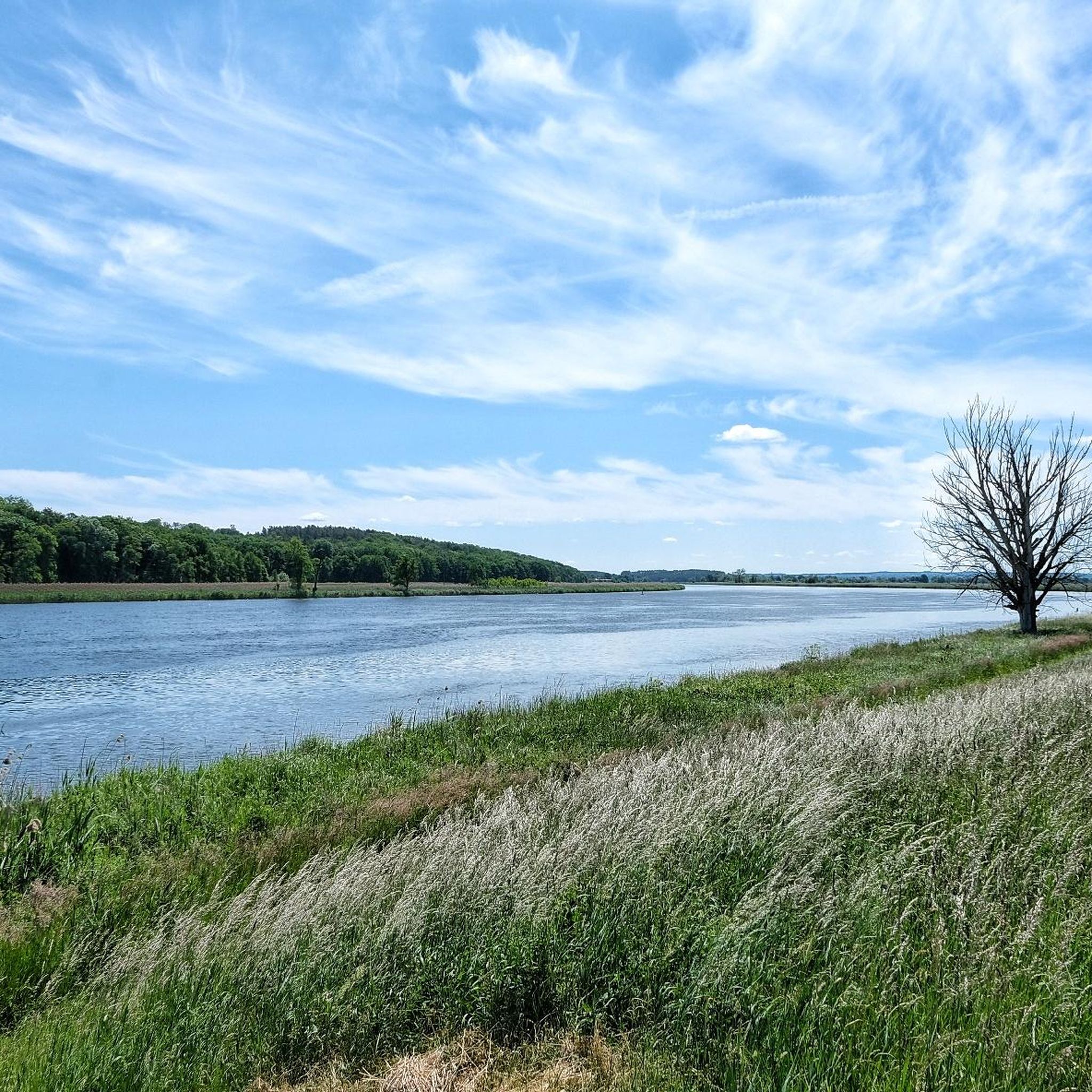
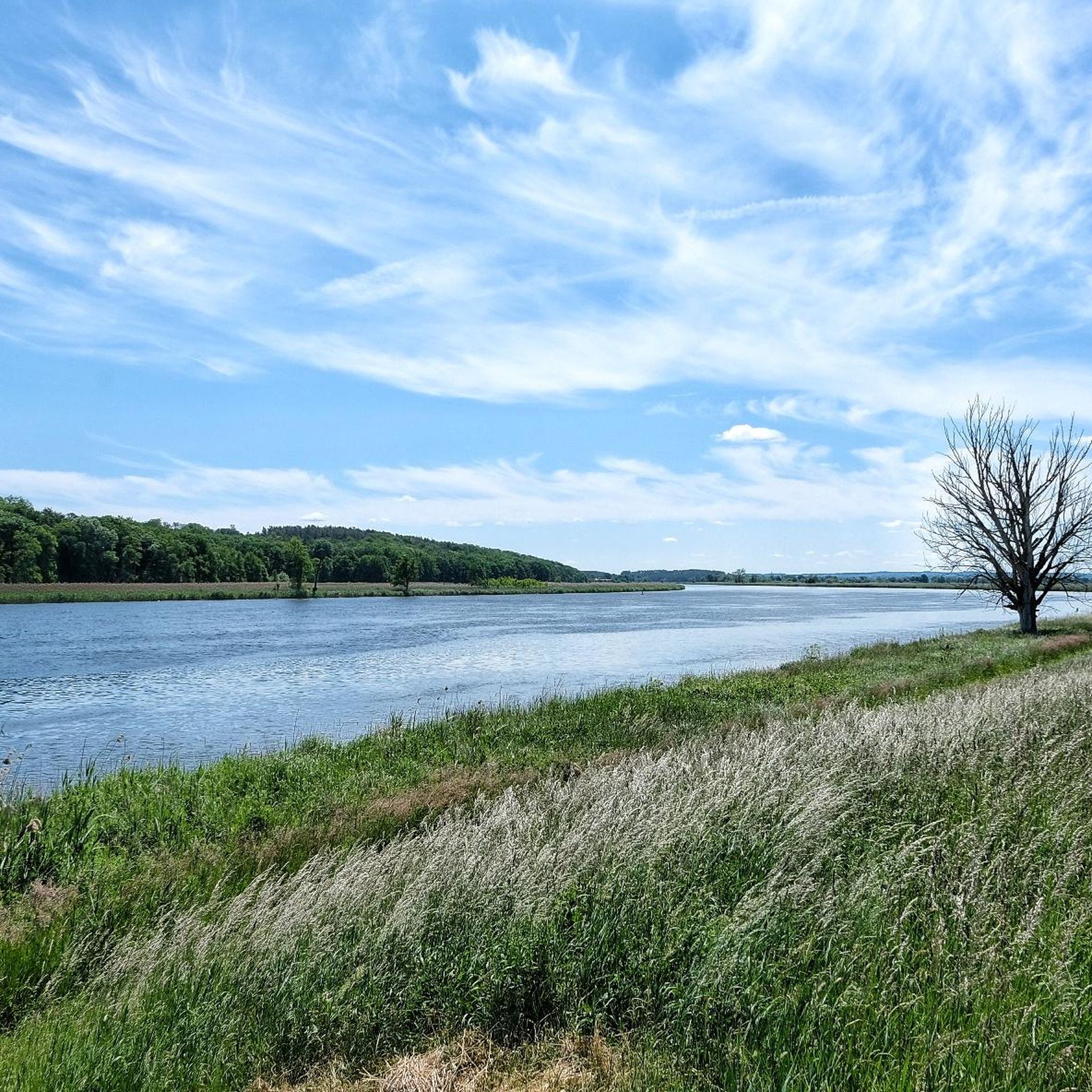
The first mention of the castle in Widuchowa (Fiddichow) dates back to 1159. In 1700, the then owners of the town - the Wulffs, built a new defensive castle, but it was destroyed already in 1730. Fragments of the lower parts of the castle, which serve as retaining walls, have survived to this day. The northern fragment is on private property, and the western one strengthens the Oder escarpment and is accessible to everyone. A transport company operates in the former courtyard.
3
2

The fortifications of the town of Gartz (Oder) essentially consisted of a ring of town walls with originally four town gates; from the 13th century due to their strategic importance for the protection of the city, built from boulders (field stones) with mortar containing ox blood and from brick; only the north and west parts of the wall and the Szczecin Gate have survived today; supplemented by three watchtowers - the "Storchenturm" (still prominent today), the "Pulverturm" (round tower) and the "Blue Hat" (today only remnants remain);
0
0

The only castle on the route and locked! I didn't want to torment myself through the stinging nettle bypass.
0
2
Frequently Asked Questions
What kind of historical sites can I expect to find around Widuchowa?
Around Widuchowa, you'll discover a variety of historical structures, including defensive fortifications, manor houses, and remnants of medieval town walls. These sites offer a glimpse into the region's rich past, from early defensive strongholds to later baroque residences.
Are there any traditional castles or just manor houses in the Widuchowa area?
While Widuchowa itself features a significant historical manor house complex with defensive origins, the surrounding area offers a mix. You can find traditional castles like Swobnica Castle, which was originally a commandery headquarters, alongside fortifications such as the Medieval Town Fortifications of Gartz (Oder).
Which historical sites near Widuchowa are particularly well-preserved or notable?
Among the notable sites, Swobnica Castle stands out as a well-preserved example of a medieval castle rebuilt into a baroque residence. The Medieval Town Fortifications of Gartz (Oder) also offer significant surviving sections of 13th-century town walls and watchtowers.
Can I visit the Widuchowa manor house complex?
The historical manor house complex in Widuchowa, located at Widuchowa 82A, has been continuously used for residential purposes since its construction. While it's a significant cultural landmark, public access may be limited due to its residential nature. It's best viewed from the exterior to appreciate its late-Renaissance architecture.
Are there family-friendly historical sites around Widuchowa?
Yes, several sites are suitable for families. The Monplaisir Park and Palace offers a historical setting with park grounds to explore. The Medieval Town Fortifications of Gartz (Oder) can also be an engaging visit for families interested in history and exploring old walls.
What outdoor activities can I do near these historical sites?
The area around Widuchowa offers various outdoor activities. You can find numerous cycling routes, including those in the Lower Oder Valley National Park, and easy hiking trails. For more details on routes, you can explore the Cycling around Widuchowa or Easy hikes around Widuchowa guides.
Are there hiking trails that connect different historical sites?
While there aren't specific trails designed to connect all historical sites, many are located within areas rich in hiking and cycling paths. You can plan your own routes to incorporate visits to sites like the Medieval Town Fortifications of Gartz (Oder) while enjoying the natural landscape of the Oder region.
What is the best time of year to visit the castles and historical sites around Widuchowa?
Spring and summer are generally the best times to visit, offering pleasant weather for exploring outdoor sites and parks. During these seasons, sites like Swobnica Castle are typically open for visitors, including access to the observation deck of its tower.
Are there any ruins or remnants of older fortifications to explore?
Yes, you can explore the Remains of the Odrzański Castle Defensive Wall in Widuchowa, which are fragments of a former defensive castle from 1700. The western part of these retaining walls strengthens the Oder escarpment and is accessible to the public.
What are the parking options at these historical sites?
Parking availability varies by site. For example, Monplaisir Park and Palace is listed as having parking facilities. For other sites, especially in smaller towns or near fortifications, street parking or designated public parking areas in the vicinity are usually available.
Can I bring my dog to the historical sites around Widuchowa?
Many outdoor historical sites and parks, such as the grounds around Monplaisir Park and Palace or the Medieval Town Fortifications of Gartz (Oder), are generally dog-friendly, especially if dogs are kept on a leash. However, access to interior spaces of castles or manor houses might be restricted for pets.
What natural features or viewpoints can I find near these historical sites?
The region is characterized by its proximity to the Oder River, offering scenic viewpoints and natural landscapes. The Swobnica Castle tower provides an observation deck with views of the surrounding area. The Monplaisir Park and Palace is set within a historical park, offering a blend of natural beauty and architectural heritage.
Most popular attractions around Widuchowa

Get inspired with the komoot mobile app


Explore more
Looking for the best castles somewhere else? Discover other guides around Widuchowa:
