Top 5 Castles around Dolice
Best castles around Dolice offer a glimpse into the region's rich history and architectural heritage. The area surrounding Dolice, Poland, features several notable castles and palaces. These sites range from medieval fortifications to 19th-century residences, providing diverse historical interest. Visitors can explore various structures, including well-preserved palaces and castle ruins.
Best castles around Dolice
- The most popular castles is Pęzino Castle, a castle that was constructed at the turn of the 14th and 15th centuries by the Knights of…
Last updated: May 5, 2026
Pęzino Castle
Highlight • Castle
Translated by Google •
Tip by

Giżynek Palace
Highlight • Castle
Translated by Google •
Tip by
Sign up now to discover places like this
Get recommendations on the best single tracks, peaks, & plenty of other exciting outdoor places.
Sign up for free
Przelewice Palace
Highlight • Castle
Translated by Google •
Tip by

Nadarzyn Palace
Highlight • Castle
Translated by Google •
Tip by

Ruins of Krępcewo Castle
Highlight • Castle
Translated by Google •
Tip by
Sign up for free to discover even more castles around Dolice.
Sign up for free
Already have an account?
Start today with a free account
Your next adventure awaits.
Login or Signup
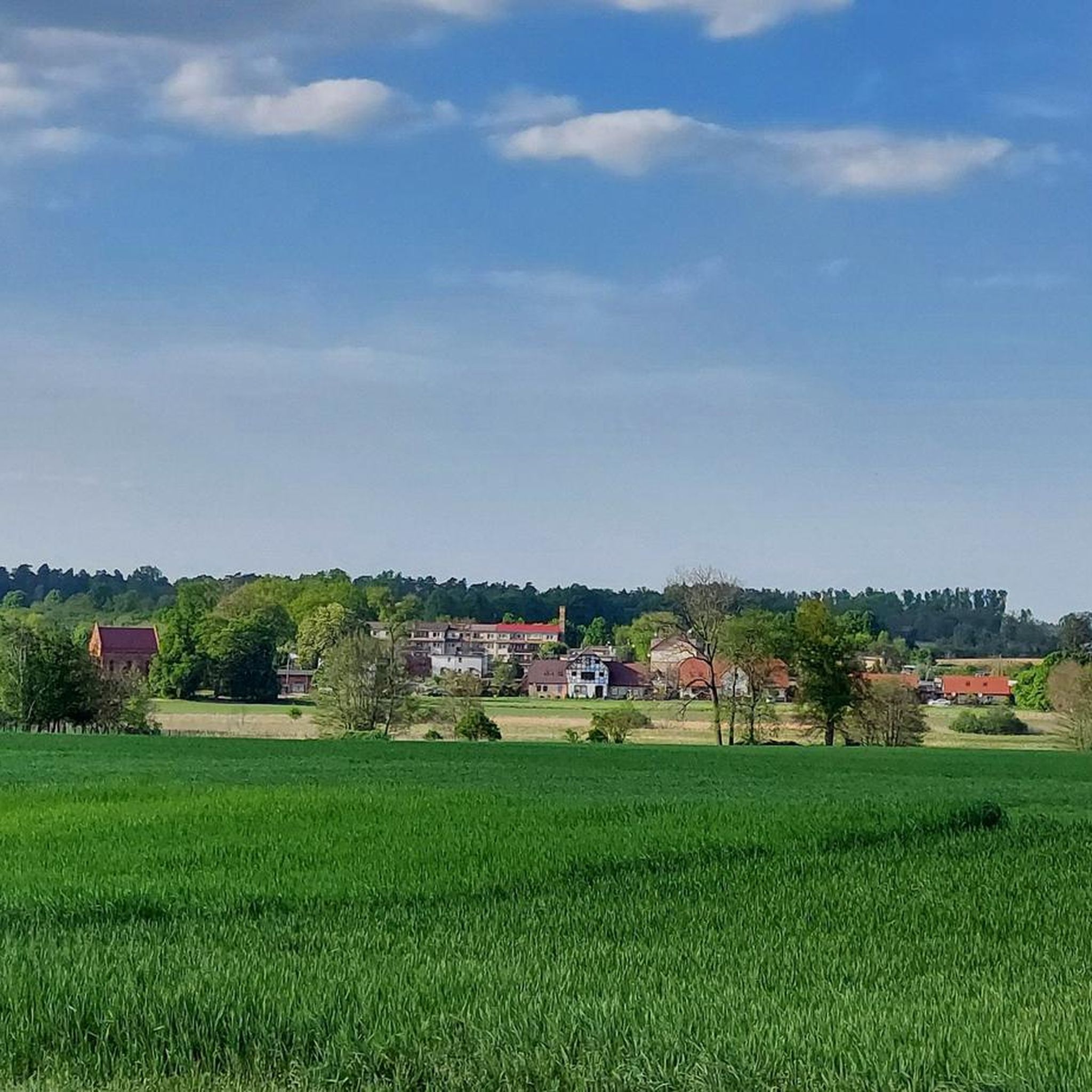
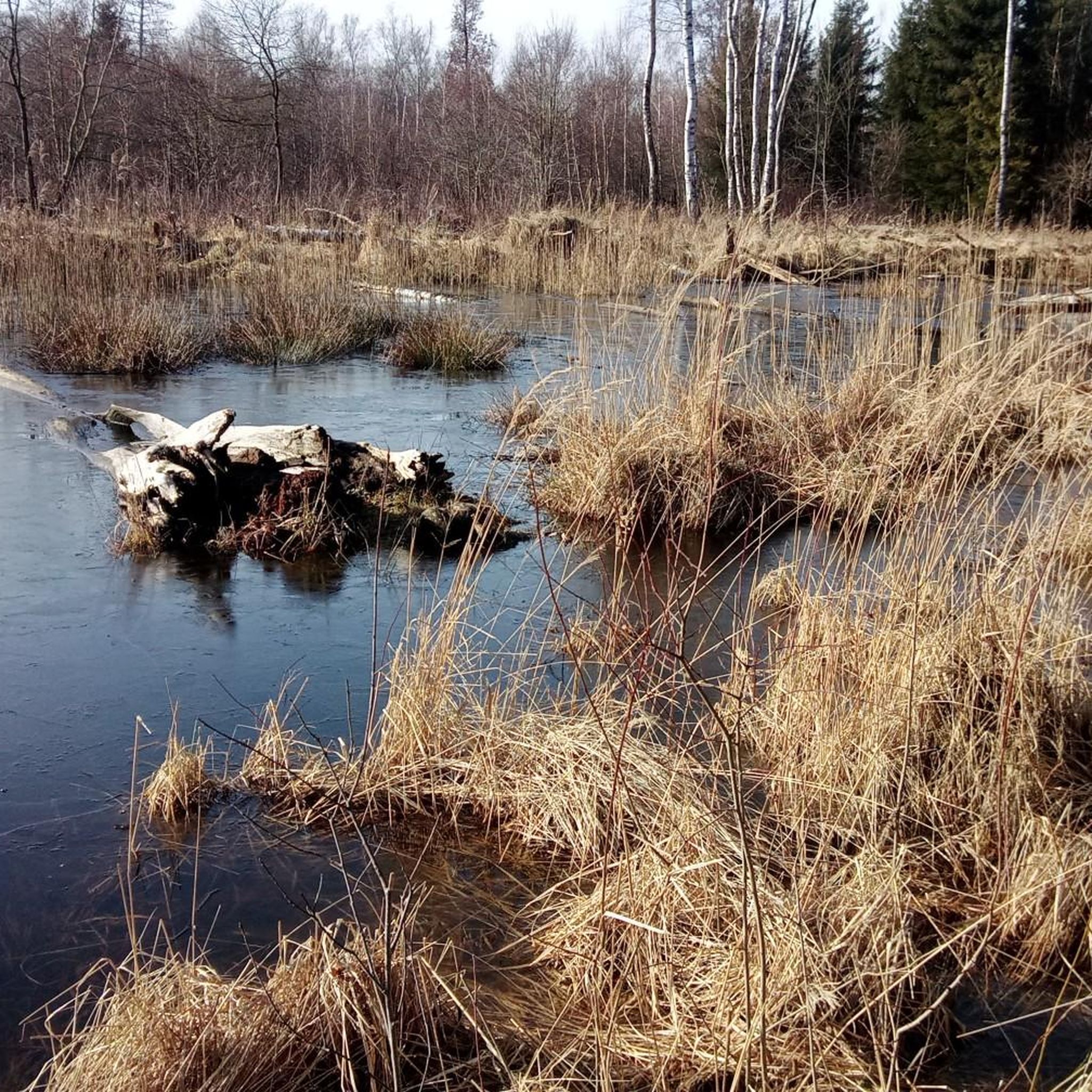
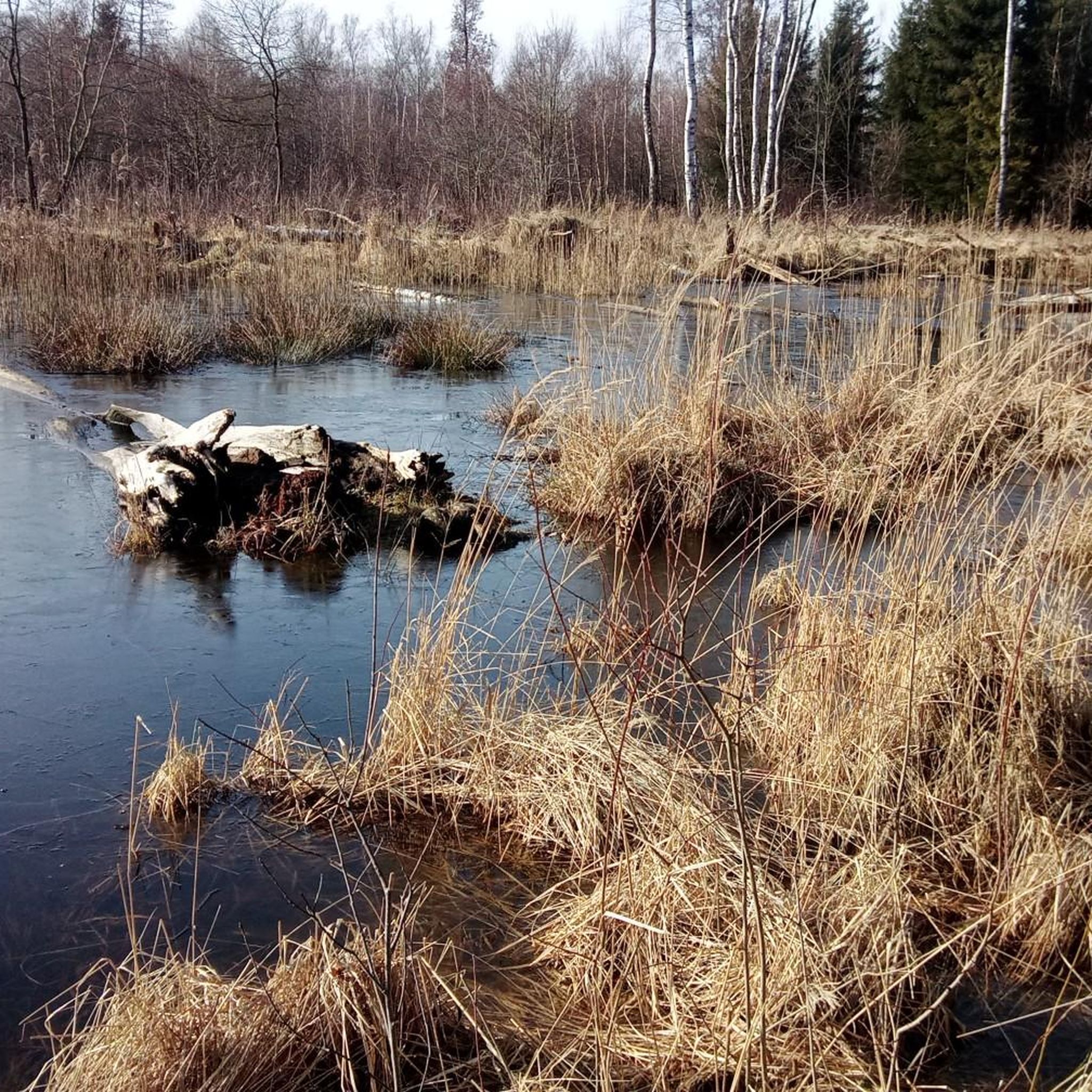

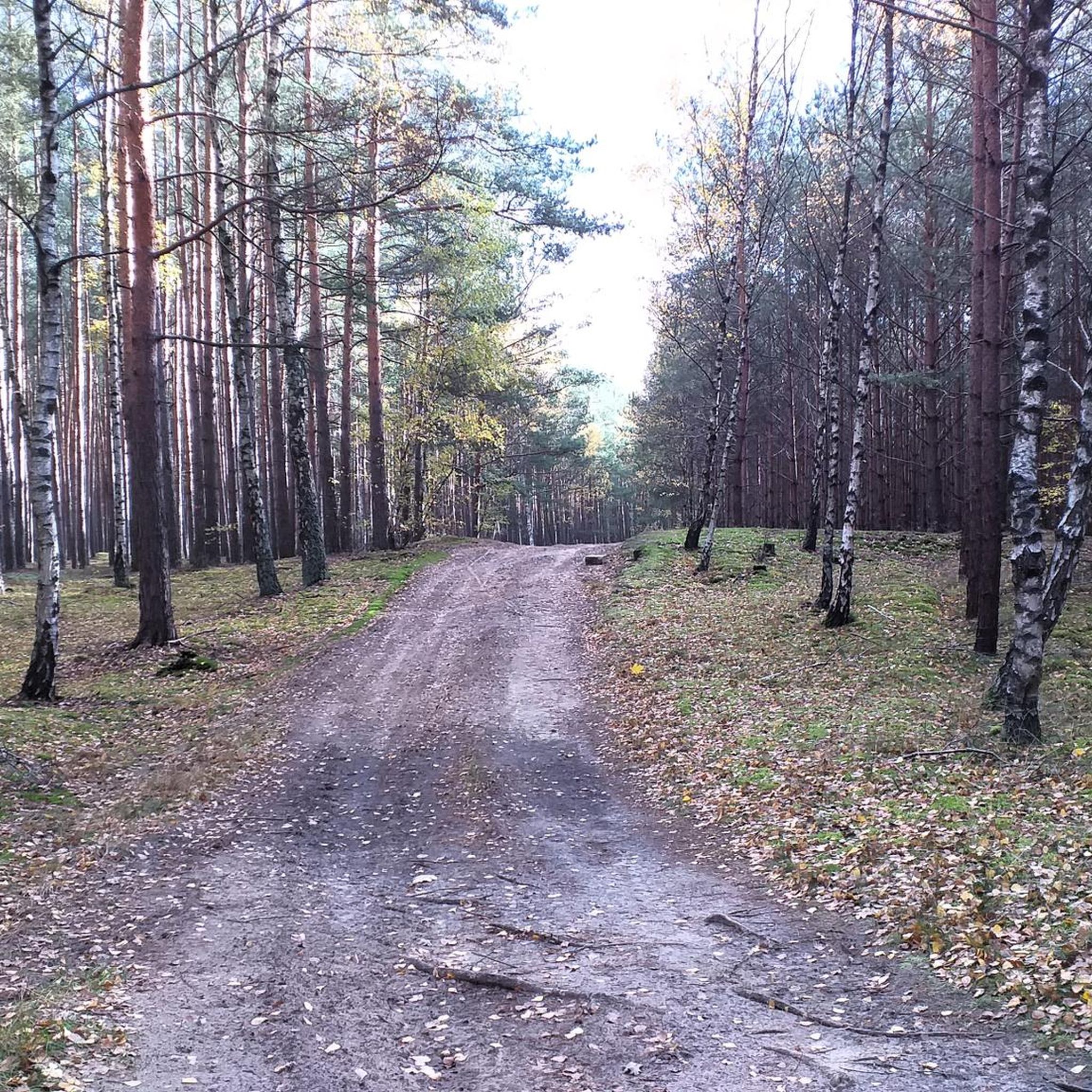

Tips from the Community

Part of the Saxon noble family of Billerbeck spread through Mecklenburg and Brandenburg to Pomerania in the late Middle Ages and flourished there until the 17th century. The Billerbeck family was the first owner of the present-day settlement of Nadarzyn, which is why the village retained this name until 1945. In the 18th century, Billerbeck became a manorial village. It wasn't until the early 20th century (1902) that landowner August Schulze commissioned the construction of the current stately palace in the neo-Gothic style. The building has a T-shaped ground floor plan. At the rear is a large ballroom, which was divided after 1945. Until early 2010, the palace housed rented apartments. During its post-war use, the rooms were only slightly altered and transformed, thanks to which its representative interior architecture has been preserved to this day. In 2014, the empty palace in Nadarzyn was put up for sale and is now privately owned.
2
1

Private property but walkable. The ruins are under maintenance, a fantastic view of the Ina valley, countless Cranes and Egrets.
2
0

The Giżynek Palace was built in the second half of the 19th century. XIX century in the neo-gothic style, extended in 1922. Until 1945, the owner was Ferdinand Giese. The name of the estate was derived from him: Giesenfelde. After World War II, the palace was used by a state farm, there were office and residential rooms. Currently in private hands, bought by ten families.
2
2
The castle was built at the turn of the 14th and 15th centuries by the Knights of St. John, who in 1382 purchased Pęzino from the Borek family. They modeled the structure of the castle on their other seat, the castle in Swobnica. In 1492, the castle was acquired by the Borek family as a hereditary fief of the order in private possession. Around 1600, large-scale construction works began, including erecting a three-story residential wing and transforming the entire castle into a Renaissance residence. From 1680, the castle was managed by the Puttkamer family, who in 1703 became its owners. In the middle of the 19th century, they added a new wing called neo-gothic to the eastern frontage of the Gothic wing. In the 1860s, the Puttkamers tidied up the surroundings of the castle by demolishing the outbuildings located there. In their place, green areas and romantic buildings in the form of a garden pavilion and the ruins of a chapel were built. After World War II, the castle was taken over by the State Agricultural Farm in Pęzino. His condition gradually deteriorated. In 1977, a general renovation of the castle began, allocating it to the headquarters of the Combine of State Agricultural Farms. The renovation was completed in 1990. As a result of the political changes that soon followed, the castle became the property of the Agricultural Property Agency of the State Treasury, which in 1996 sold the castle to a private buyer. Today the castle is closed. Weddings, communions, conferences, trainings and other celebrations are organized there. Sightseeing is difficult, but possible. Sometimes there are open days for tourists.
4
1
The castle was probably built in the mid-14th century. Previously, there was a wooden and earth castle here, built around 1310 by representatives of the Wedel family, and later destroyed in 1338 by the troops of the Szczecin prince Barnim III. The castle did not stand for long either. It was probably abandoned around 1500, and the Wedels moved to a new seat built in Krępcewo. The Wedels themselves began the demolition of the castle to obtain building material, and it was completed by local residents in later centuries. Today, the remains of the castle are in private hands. The area has been tidied up, the foundations of the tower have been excavated. Loose stones have been reinforced with new mortar. The castle grounds host an outdoor event called "Gate of Time" every year in June. The program includes reconstructions of knight fights and historical events, displays of medieval weapons, and other attractions.
5
1

Now in the winter months the palace is closed. But in the summer, the big Schlager festival takes place here again.
0
1
I recommend ringing here to go inside. There you can see beautiful stucco ceilings.
0
1
Pomeranian castle
0
1
Frequently Asked Questions
What types of historical structures can I explore around Dolice?
The region around Dolice offers a variety of historical structures, including medieval castles, 19th-century palaces, and castle ruins. You can observe diverse architectural styles such as Gothic, Renaissance, and Neo-Gothic.
Are there any castles near Dolice that are currently open to visitors or have public access?
While some castles like Pęzino Castle are privately owned and generally closed to visitors (though sometimes open for events), others like Przelewice Palace have been restored and now function as an education center, café, and hotel, making them accessible. The Ruins of Krępcewo Castle are also privately owned but walkable, with the area tidied up and foundations excavated.
Which castles around Dolice offer amenities like cafes or hotels?
Przelewice Palace is a notable example. After restoration with EU funds, it now houses an education center, a café, and a hotel, providing convenient amenities for visitors.
Can I visit castle ruins near Dolice?
Yes, the Ruins of Krępcewo Castle are a significant site. Originally built around 1310, these ruins are now privately owned but are walkable, and the area has been tidied up with excavated tower foundations. They also host an outdoor event called "Gate of Time" annually.
Are there family-friendly castles to visit near Dolice?
Przelewice Palace is considered family-friendly, offering a dendrological garden and functioning as an education center, café, and hotel. Its restored grounds provide a pleasant environment for families.
What kind of historical background do the castles around Dolice have?
The castles and palaces in the Dolice area boast rich histories. For instance, Pęzino Castle was built by the Knights of St. John in the 14th-15th centuries and later transformed into a Renaissance residence. Przelewice Palace is a 19th-century structure that changed hands multiple times, while Krępcewo Castle dates back to the 14th century before falling into ruins.
Are there opportunities for outdoor activities near the castles around Dolice?
Yes, the region offers various outdoor activities. You can find running trails, road cycling routes, and gravel biking paths. For example, there are running loops from Stargard and Choszczno, and road cycling routes like the 'Parish Church of Pełczyce – Gazebo on Jungfernsee loop'. Explore more options in the Running Trails around Dolice, Road Cycling Routes around Dolice, and Gravel biking around Dolice guides.
What are some good options for running near the castles around Dolice?
If you enjoy running, you can find several moderate running loops in the area. Options include the 'Pier on Lake Klukom – Pond loop from Choszczno' (8.9 km), a 'Running loop from Stargard' (7.3 km), and the 'Protzen House – Town Hall of Choszczno loop from Stargard' (10.8 km). For more details, check the Running Trails around Dolice guide.
Are there cycling routes that pass by castles near Dolice?
Yes, there are road cycling and gravel biking routes in the vicinity. For road cycling, consider routes like the 'Parish Church of Pełczyce – Gazebo on Jungfernsee loop from Choszczno' (52 km). Gravel biking offers routes such as the 'Bridge Over the Krępa River – Czarnkowo Church loop from Osetno' (41.2 km). Find more routes in the Road Cycling Routes around Dolice and Gravel biking around Dolice guides.
Where can I find good viewpoints around the castles near Dolice?
The Ruins of Krępcewo Castle offer a fantastic view of the Ina valley. This site is known for its scenic surroundings, where you can often spot cranes and egrets.
What is the best time of year to visit the castles around Dolice?
While specific seasonal recommendations are not provided, visiting during spring or autumn generally offers pleasant weather for exploring historical sites and enjoying outdoor activities like cycling and running. Summer can also be a good option, though it might be busier.
What architectural styles can I expect to see among the castles near Dolice?
The castles and palaces in the Dolice area showcase a range of architectural styles. You can see Gothic elements in older structures like Pęzino Castle, which also features Renaissance and Neo-Gothic additions. Giżynek Palace and Nadarzyn Palace are examples of 19th-century Neo-Gothic design.
What do visitors enjoy the most about the castles around Dolice?
Visitors appreciate the rich history and diverse architecture of the castles and palaces. Sites like Przelewice Palace are valued for their restoration and current use as educational and hospitality centers, while the Ruins of Krępcewo Castle are praised for their historical significance and the beautiful views they offer of the Ina valley.
Most popular attractions around Dolice

Get inspired with the komoot mobile app


Explore more
Looking for the best castles somewhere else? Discover other guides around Dolice:
