Top 5 Castles around Campos e Louredo e Louredo e Louredo
Best castles around Campos e Louredo e Louredo e Louredo are found in the wider Norte region of Portugal, as Campos e Louredo itself does not contain castles. This area, part of the municipality of Póvoa de Lanhoso, is situated within a region rich in historical fortifications. These sites offer a glimpse into Portugal's past, featuring diverse architectural styles and strategic importance. The Norte region provides access to numerous impressive castles that reflect the nation's history.
Best castles around Campos…
Last updated: July 3, 2026
Palace of the Dukes of Braganza
Highlight • Castle
Tip by

Guimarães Castle Park
Highlight • Castle
Translated by Google •
Tip by

Sign up now to discover places like this
Get recommendations on the best single tracks, peaks, & plenty of other exciting outdoor places.
Sign up for free
Church of São Miguel do Castelo
Highlight • Religious Site
Translated by Google •
Tip by

Médaillon of D. Afonso Henriques at the castle of Guimarães
Highlight • Monument
Translated by Google •
Tip by

Castelo da Póvoa de Lanhoso
Highlight • Castle
Translated by Google •
Tip by

Start today with a free account
Your next adventure awaits.
Login or Signup
Popular around Campos e Louredo e Louredo e Louredo
Tips from the Community

A site well worth seeing. It looks more impressive from a distance than up close.
1
0

A detailed plan of the complex with explanations can be found here: https://campanha.cmjornal.pt/portugal-monumental/
1
0
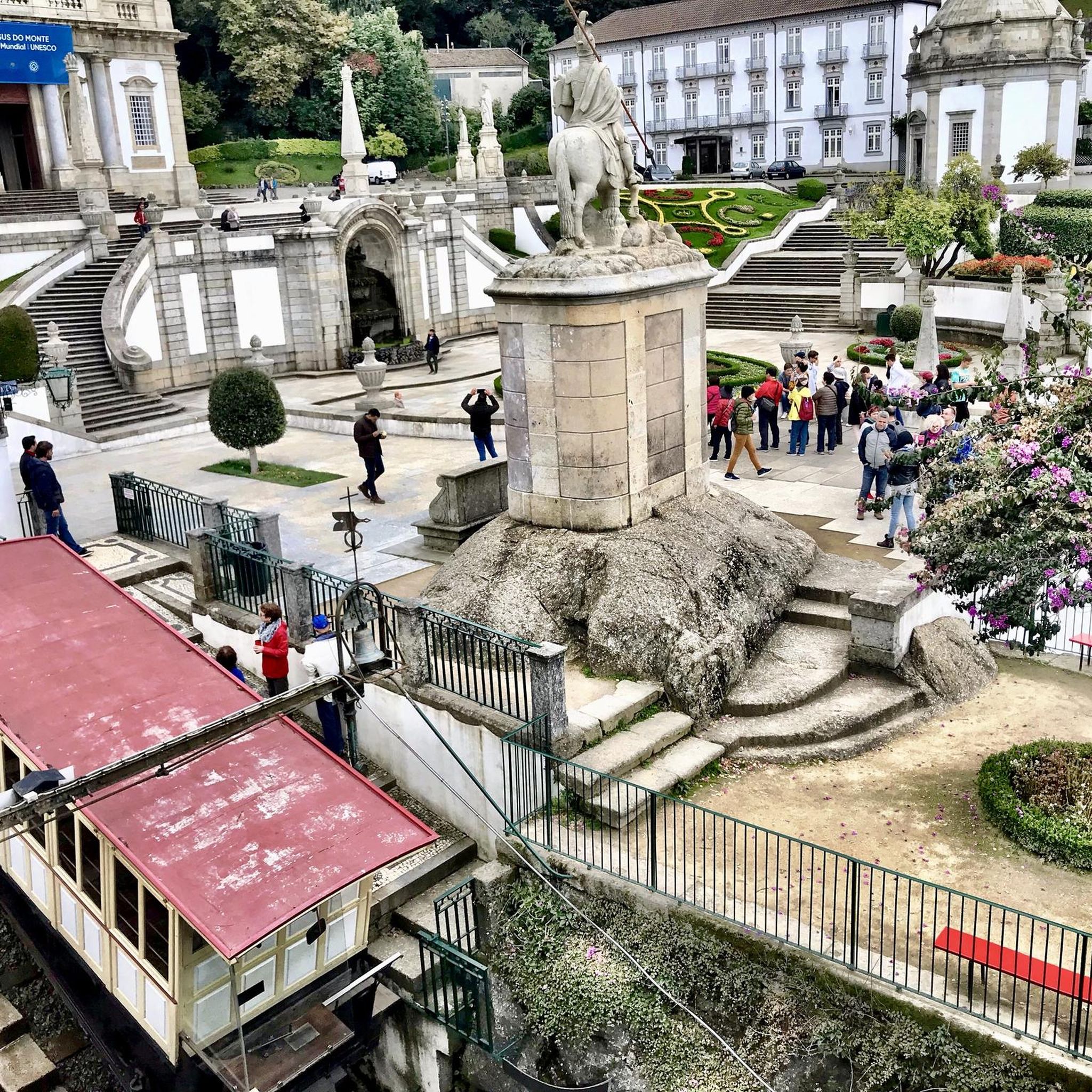
Bronze sculpture, was placed on this rock on the occasion of the 700th anniversary of his victorious liberation battle of Sao Mamede (1128).
0
0
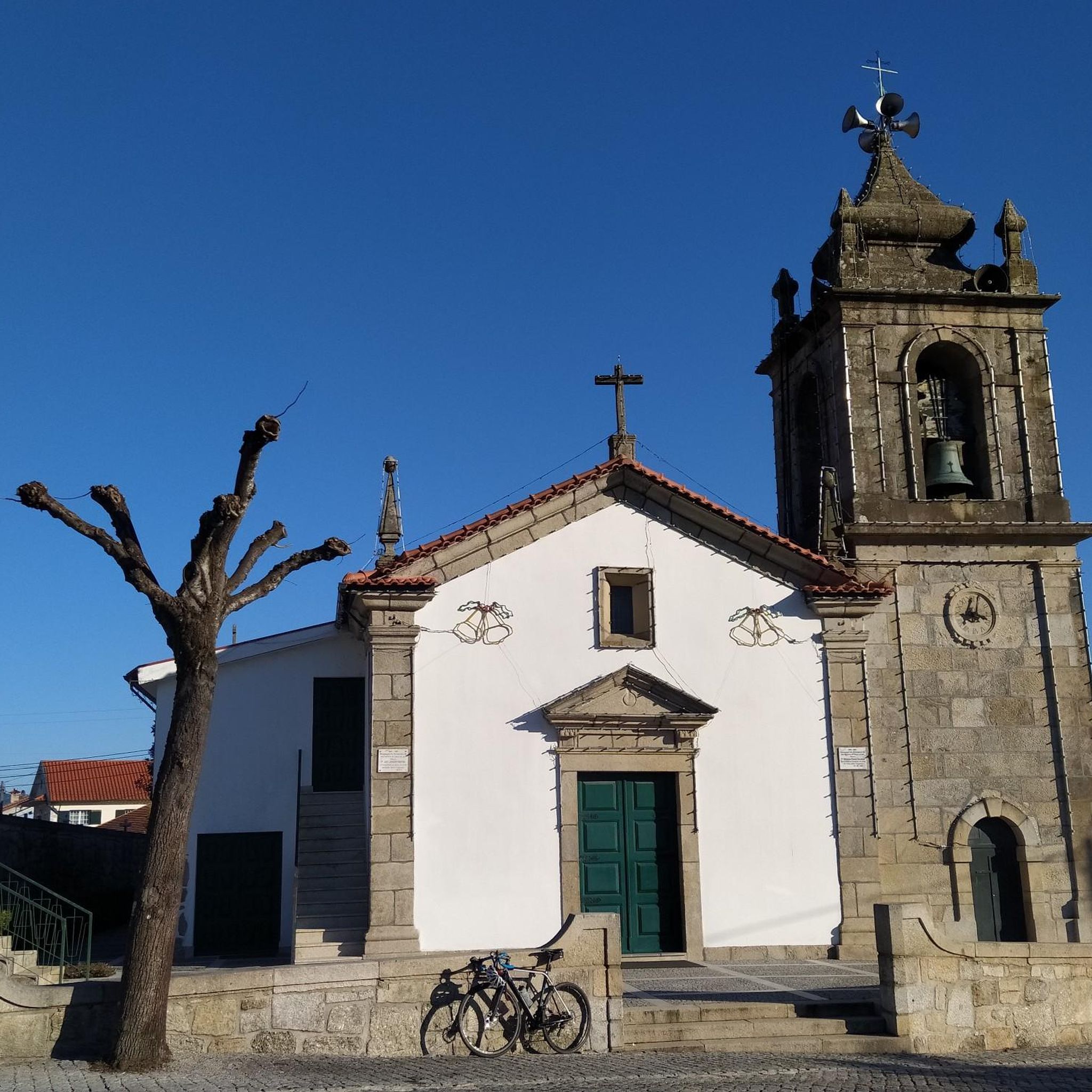
The Church of São Miguel do Castelo, also known as the Chapel of S'o Miguel Castle, was built in 1239 by the Foundation of Our Lady of the Olive Tree. Legend has it that the first king of Portugal, D. Afonso Henriques, was baptized here. Over the centuries, it gradually fell into ruin, reaching a state of disrepair in the mid-19th century when the Martins Sarmento Society decided to restore it. https://pt.wikipedia.org/wiki/Igreja_de_S%C3%A3o_Miguel_do_Castelo
2
0

The Palace of the Dukes of Braganza was commissioned by Dom Afonso around 1420—the year of his second marriage to Constança de Noronha. Dom Afonso was the illegitimate son of King João I and acquired the titles of 8th Count of Barcelos, 2nd Count of Neiva, and 1st Duke of Braganza! It is considered a unique architectural example on the Iberian Peninsula!
2
0
Guimarães Castle is the most visited medieval castle in Portugal and one of the most beautiful and important castles in the country. It has been recognized as a National Monument since 1881, a UNESCO World Heritage Site since 2001, and one of the 7 Wonders of Portugal since 2007!
1
0

Very beautiful and pleasant historic center/medieval village and very well-preserved castle. Medieval atmosphere/festivities a few days before the June 24th celebration (date of the founding of Portugal)
2
1
This large park (about 10 hectares) was created in the 1950s. It consists of extensive lawns and trees such as plane trees, cypresses and chestnut trees.
1
0
Frequently Asked Questions
Are there castles directly within Campos e Louredo?
No, Campos e Louredo itself does not contain any castles. However, the broader Norte region of Portugal, where Campos e Louredo is located, offers a wealth of historical castles that are easily accessible for a visit.
Which castles are considered must-visit near Campos e Louredo?
Among the most significant castles in the region are Palace of the Dukes of Braganza and Guimarães Castle Park, both located in Guimarães. Guimarães Castle is often called the 'cradle of Portugal' due to its historical importance. Another notable site is Castelo da Póvoa de Lanhoso, which offers wonderful views.
What historical significance do the castles near Campos e Louredo hold?
The castles in the Norte region, such as Guimarães Castle, played crucial roles in the formation of Portugal as a nation. Many date back to the 10th-12th centuries and were vital for defense during the Reconquista. They showcase diverse architectural styles and offer deep insights into Portugal's medieval past.
Are there family-friendly castles to visit in the area?
Yes, several castles are suitable for families. Palace of the Dukes of Braganza and Guimarães Castle Park are both listed as family-friendly. Exploring these well-preserved fortifications can be an engaging and educational experience for all ages.
What outdoor activities can I combine with a castle visit?
The region around Campos e Louredo offers various outdoor activities. You can find numerous running trails, cycling routes, and easy hikes. For example, there are several running loops and easy hikes around Póvoa de Lanhoso, which can be combined with a visit to Castelo da Póvoa de Lanhoso. Explore more options on the Running Trails, Cycling, and Easy Hikes guides.
What is the best time of year to visit castles in the Norte region?
Spring (April to June) and early autumn (September to October) are generally ideal. The weather is pleasant for exploring outdoor castle grounds, and these periods often avoid the peak summer crowds and heat.
Are there any less crowded castles to visit for a more tranquil experience?
While Guimarães castles are popular, consider visiting the Castle of Bragança or the Castle of Montalegre in the Alto Trás-os-Montes subregion. These offer impressive historical experiences and panoramic views, often with fewer visitors than the more central sites.
What do visitors appreciate most about the castles near Campos e Louredo?
Visitors frequently praise the well-preserved condition of sites like Guimarães Castle Park and the historical depth offered by places like Palace of the Dukes of Braganza. The stunning views from castles such as Castelo da Póvoa de Lanhoso are also highly appreciated.
Can I find viewpoints with good castle views in the area?
Yes, many castles are strategically located on hillsides, offering excellent viewpoints. Castelo da Póvoa de Lanhoso is specifically noted for its wonderful views. The Castle of Bragança and the Castle of Montalegre also provide commanding panoramic vistas of their surroundings.
Is there a castle that is particularly unique or picturesque, even if further away?
While not in the immediate Norte region, Almourol Castle is one of Portugal's most picturesque castles, situated on a small island in the Tagus River. Its unique isolation and strong association with the Knights Templar make it a highly sought-after destination for history enthusiasts and photographers.
What is the significance of the Church of São Miguel do Castelo?
The Church of São Miguel do Castelo, located just outside Guimarães Castle, is a significant religious building. It features a baptismal font where Afonso Henriques, Portugal's first king, is traditionally believed to have been baptized, adding to its historical importance.
How long should I allocate for visiting a castle?
For a comprehensive visit to a major castle like Guimarães Castle or the Palace of the Dukes of Braganza, including exploring the grounds and any museums, you should typically allocate 2-3 hours. Smaller castles or those focused solely on ruins might take 1-1.5 hours.
Most popular routes around Campos e Louredo e Louredo e Louredo
Most popular attractions around Campos e Louredo e Louredo e Louredo

Get inspired with the komoot mobile app


Explore more
Looking for the best castles somewhere else? Discover other guides around Campos e Louredo e Louredo e Louredo:
