Top 6 Castles around Vila Nova
Best castles around Vila Nova are situated in a region characterized by its historical significance and natural landscapes, including the Serra da Lousã. The area features 6 castles, many of which are ancient fortresses built on rocky outcrops or nestled within dense forests. These historical sites often served defensive purposes, guarding rivers and strategic locations.
Best castles around Vila Nova
- The most popular castles is Lousã Castle, a castle located in the Serra da Lousã, on the right bank…
Last updated: July 3, 2026
Lousã Castle
Highlight • Castle
Translated by Google •
Tip by

Penela Castle
Highlight • Castle
Translated by Google •
Tip by

Sign up now to discover places like this
Get recommendations on the best single tracks, peaks, & plenty of other exciting outdoor places.
Sign up for free
Observation Deck Overlooking Castelo da Lousã
Highlight • Viewpoint
With more or less than 1,200 meters, the Passadiço da Senhora da Piedade connects, in a safe and …
Translated by Google •
Tip by
Swing with View of Castelo de Germanelo
Highlight • Viewpoint
Translated by Google •
Tip by

Natural and scenic complex of Sr.ª da Piedade, Lousã
Highlight • Natural Monument
Translated by Google •
Tip by
Start today with a free account
Your next adventure awaits.
Login or Signup

Tips from the Community


Penela Castle stands atop the rocky outcrop that gave it its name (peñela, "small stone hill"), dominating the town with imposing walls and towers dating from the 15th and 16th centuries. Founded in the 11th century by D. Sesnando Davides, it formed part of the Mondego defensive line, and its walls still reach 19 meters in height today. From the original fortress arose the castle that later served as a keep. On the walls, facing the Serra da Lousã mountain range, stand out arrow slits and loopholes, marks of its long military life, from arrows to firearms. Penela preserves three historical entrances: the Porta da Vila (Town Gate), the evocative Porta da Traição (Gate of Treason), with its double opening and Moorish inspiration, and the Porta do Relógio (Clock Gate), a reminder of the old breach where two towers collapsed in the 1755 earthquake. In short, a castle small in form, but enormous in history.
1
0

Penela Castle is a medieval fortress with an irregular plan and winding outline, stretching from north to south taking advantage of the natural cliff, so that the walls vary in height between 7 and 19 metres. It was part of the Mondego defensive line during the Christian Reconquista.
1
0
Hidden among the dense greenery of the Serra da Lousã, the Castle has stood since the 11th century, guarding the right bank of the Arouce River. Entry is free, as is parking, and the surroundings are pure enchantment. From here, there are trails that wind through schist villages, cross magical forests and reveal breathtaking viewpoints. A perfect starting point for those who enjoy running between history and nature.
2
0

beautiful castle, the foundation of which is carved into the rocks
4
1
the castle of Germanelo, started construction in 1142, has a circumference of 107 meters. The part of the N. wall, which has been largely restored, offers a highlight of 18 niches. Only ruins have been preserved, of the other two parts that are slightly above ground level. A circular pit and traces of foundations satirize the existence of buildings in the small courtyard with weapons.
0
0
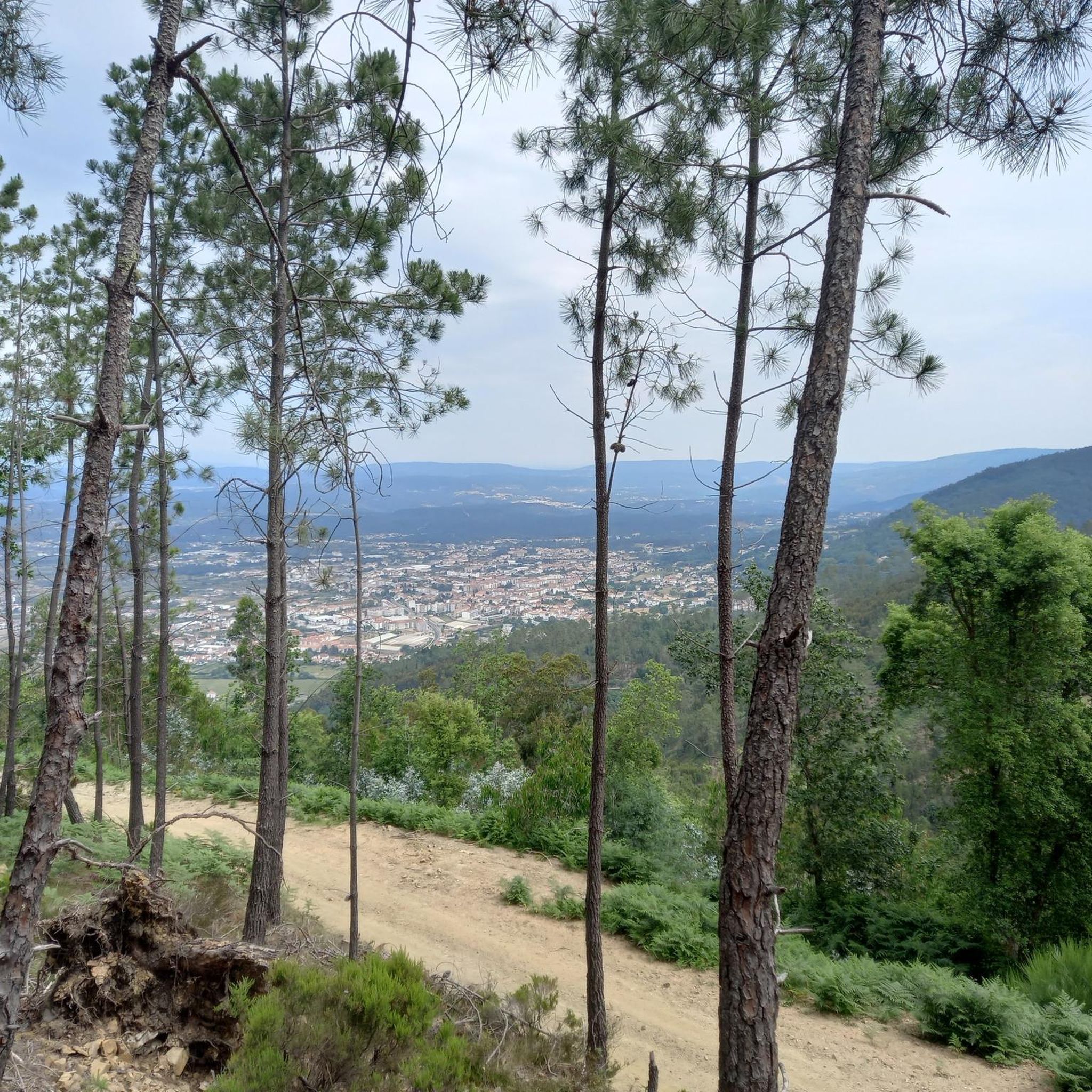
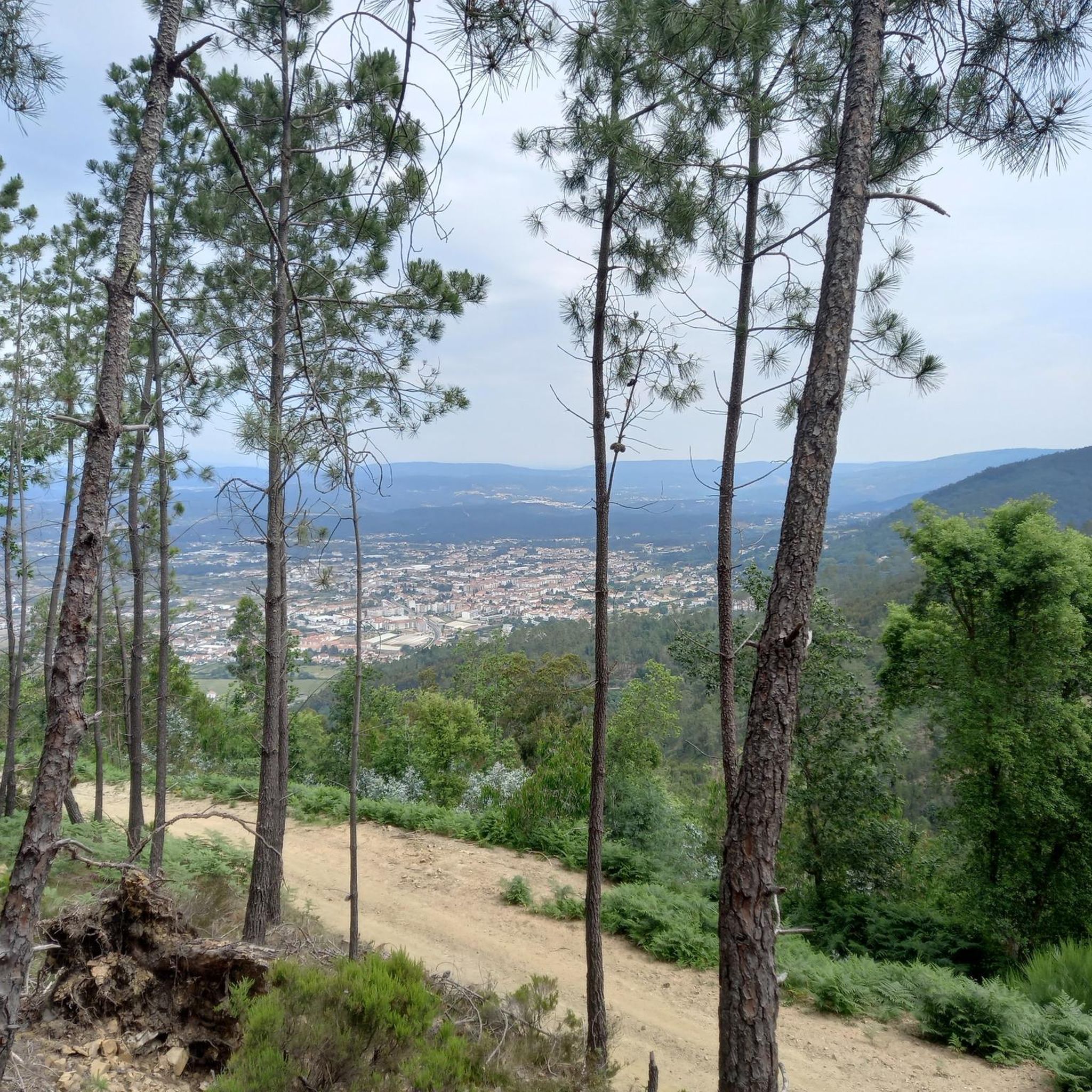
Resting and observation point located on the Passadiço da Senhora da Piedade. With more or less than 1,200 meters, the Passadiço da Senhora da Piedade connects, in a safe and accessible way, the town of Lousã to the Tourist Complex of Senhora da Piedade. The walking trail starts at Cabo do Soito and ends at Castelo de Arouce, better known as Castelo da Lousã.
0
0
Arouce Castle, better known as Lousã Castle, can be visited free of charge. For the excellent view, it's worth climbing the tower.
2
0
Frequently Asked Questions
Are there family-friendly castles to visit around Vila Nova?
Yes, several castles are suitable for families. Penela Castle is a medieval fortress with imposing walls and towers that can be exciting for children to explore. The area around Observation Deck Overlooking Castelo da Lousã also features the Passadiço da Senhora da Piedade, a safe and accessible walking trail connecting to the Tourist Complex, which is great for families.
What are the parking options when visiting castles near Vila Nova?
For Lousã Castle, free and easy parking is available directly at the site, making it convenient for visitors.
How long should I plan for a visit to the castles around Vila Nova?
The duration of your visit depends on the castle and whether you combine it with nearby activities. For castles like Lousã Castle or Penela Castle, you might spend 1-2 hours exploring the grounds and enjoying the views. If you include hiking trails or nearby natural complexes, a visit could extend to half a day or more.
Are there accessible castles near Vila Nova for wheelchair users?
While many castles in the region are ancient fortresses built on rocky outcrops, which can present accessibility challenges, the Passadiço da Senhora da Piedade near Observation Deck Overlooking Castelo da Lousã is described as a safe and accessible walking trail. It connects to the Tourist Complex and offers views of Castelo da Lousã, providing an accessible way to experience the area's history and scenery.
What is the best time of year to visit the castles around Vila Nova?
The region's natural landscapes, including the Serra da Lousã, are beautiful year-round. Spring and autumn offer pleasant temperatures for exploring and hiking. Summer can be warm but is ideal for combining castle visits with other outdoor activities. Winter visits are possible, but some trails might be muddy, and facilities could have reduced hours.
What outdoor activities can I do near these castles?
The area around Vila Nova offers various outdoor activities. You can find numerous hiking routes, including moderate trails like the Gondramaz Mountain Village loop or easier options like the Small Waterfall loop. There are also cycling routes, from easy to difficult, that pass by or near castles. For hiking, explore options in the Hiking around Vila Nova guide. For cycling, check the Cycling around Vila Nova guide.
Are there hiking trails that include castles in the Vila Nova region?
Yes, Lousã Castle is a great starting point for hiking, with trails like the PR3 Rota da Levada nearby. The area around the Natural and scenic complex of Sr.ª da Piedade, Lousã also features trails that lead to or offer views of Castelo de Arouce (Lousã Castle). You can find more details on routes in the Hiking around Vila Nova guide.
Can I find cafes or amenities near the castles?
While some castles are in more remote, natural settings, others are closer to towns or tourist complexes. For instance, the Passadiço da Senhora da Piedade, which offers views of Castelo da Lousã, connects to the Tourist Complex of Senhora da Piedade, where you might find amenities. It's advisable to check specific castle locations for nearby services.
Are there any 'hidden gem' castles or lesser-known historical sites worth visiting?
While not a full castle, the ruins of Castelo de Germanelo, viewed from the Swing with View, offer a glimpse into an ancient fortress with a circumference of 107 meters and preserved niches. It's a less conventional way to experience the region's history, focusing on the remnants and the scenic viewpoint.
What kind of wildlife can be seen near the castle ruins?
The castles are often nestled within dense forests or on rocky outcrops in areas like the Serra da Lousã. This natural environment means you might encounter local wildlife, including various bird species, small mammals, and diverse flora. The tips for Lousã Castle mention its location 'among the dense greenery,' suggesting a rich natural habitat.
What should I wear when visiting castles in Vila Nova?
Comfortable walking shoes are highly recommended, as many castles involve uneven terrain, stairs, or nearby hiking trails. Layers of clothing are also advisable, as weather conditions can change, especially in mountainous areas like the Serra da Lousã. If you plan to explore trails, consider appropriate outdoor gear.
Are there any castles that offer particularly impressive views?
Many castles in the region are strategically located for defensive purposes, offering panoramic views. Lousã Castle is noted for its excellent views from its tower. Penela Castle, standing atop a rocky outcrop, also provides commanding vistas of the surrounding landscape, including the Serra da Lousã.
Most popular attractions around Vila Nova

Get inspired with the komoot mobile app


Explore more
Looking for the best castles somewhere else? Discover other guides around Vila Nova:
